Explore Destinations
Browse 576 travel guides with practical info on transit, budget, safety, and local picks.
576 destinations

Aarhus
Denmark
Denmark's second city and the country's youngest, with one in five residents enrolled at Aarhus University. The cultural centrepiece is ARoS, the art museum crowned by Olafur Eliasson's Your Rainbow Panorama, a 150 m glass walkway through every colour of the spectrum. Den Gamle By is an open-air history museum reconstructing Danish urban life across four centuries, and Moesgaard Museum south of town displays the 2,000-year-old Grauballe Man bog body in a grass-roofed sloping building you can walk over. Reach it from Copenhagen in 3 hours by direct DSB train (~DKK 350-450 / EUR 47-60) or 30 minutes by SAS flight.

Abisko
Sweden
A 200-person village 250 km north of the Arctic Circle that has become Europe's most reliable Northern Lights base — a microclimate produced by the Lapporten U-shaped valley keeps a hole in the cloud cover even when the rest of Swedish Lapland is socked in, giving Abisko roughly 200 clear nights a year. The Aurora Sky Station gondola climbs 900 m up Mount Nuolja for cloud-free aurora viewing from November through March. In summer the village is the southern trailhead of the Kungsleden, Sweden's classic 440 km long-distance hike, with the midnight sun above the horizon from late May to mid-July.

Abu Dhabi
United Arab Emirates
The UAE's capital has the most extraordinary mosque in the world — Sheikh Zayed Grand Mosque (white marble, 82 domes, world's largest handmade carpet) is free to non-Muslim visitors. The Louvre Abu Dhabi under Jean Nouvel's Rain of Light dome is a genuine world-class museum. Qasr Al Watan presidential palace opened to visitors in 2019. The Empty Quarter's 200m sand dunes are 2.5 hours south.

Acadia National Park
United States
The first national park east of the Mississippi (1916) — 47,000 acres across Mount Desert Island, the Schoodic Peninsula, and Isle au Haut. Cadillac Mountain at 1,530 ft is the first place in the continental US to see sunrise October through early March. Rockefeller's 45 miles of carriage roads exclude cars; the 27-mile Park Loop Road connects Sand Beach, Thunder Hole, Otter Cliffs, and Jordan Pond. The Beehive and Precipice ladder trails are some of the most dramatic hikes in the eastern US.
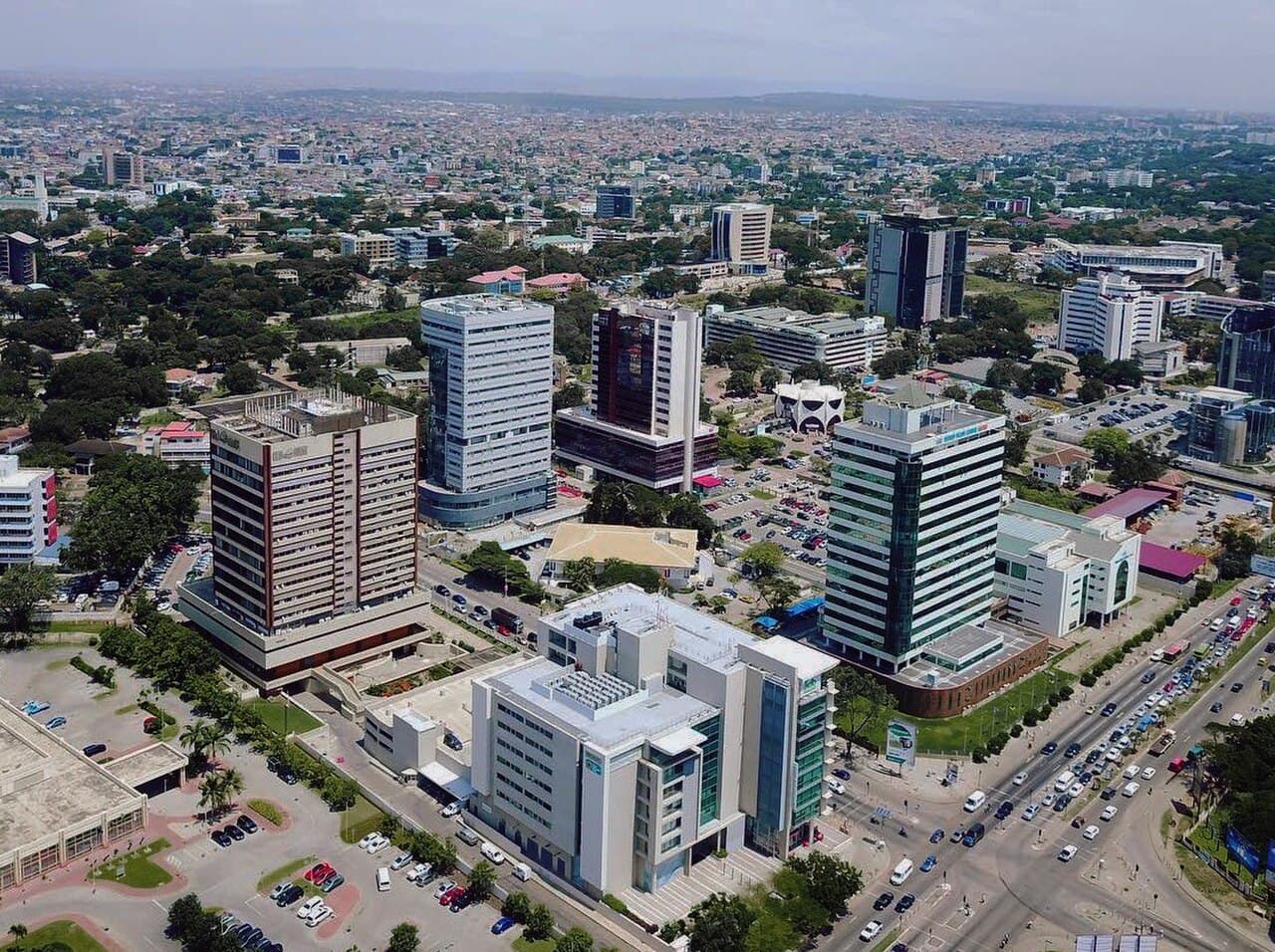

Addis Ababa
Ethiopia
Addis Ababa is the diplomatic capital of Africa and the birthplace of coffee culture. Sitting at 2,355 m elevation, this high-altitude capital houses the Lucy fossil at the National Museum, the sprawling Merkato market, Holy Trinity Cathedral, and the African Union headquarters. A gateway to Ethiopia's extraordinary historic northern circuit — Lalibela, Gondar, and the Simien Mountains.

Agadir
Morocco
Morocco's premier beach resort city — completely rebuilt after the catastrophic 1960 earthquake that killed a third of its population — now stretches along a 10km crescent of soft Atlantic sand backed by promenade hotels, riad-style resorts, and an artificial marina. Less culturally dense than Marrakech or Fez but more relaxed and family-friendly: 300+ days of sunshine, year-round 18-28°C, and consistent surf at nearby Taghazout (45min north) which has become a global longboard pilgrimage. The hilltop Kasbah ruins (rebuilt walls only — interior never restored) overlook the bay; the Souk El Had is North Africa's largest market with 6,000+ stalls; Paradise Valley palm oasis and Crocoparc are easy half-day trips. Population ~600K including greater area.

Agra
India
Home to the Taj Mahal — the white-marble Mughal mausoleum Shah Jahan built for Mumtaz Mahal between 1632-1653, and one of the planet's most familiar buildings. UNESCO 1983. Agra Fort + the Baby Taj round out the trio of Mughal masterpieces; Fatehpur Sikri 40km west adds another UNESCO site for day-trippers. Sits on the Golden Triangle between Delhi (200km north) and Jaipur (240km southwest). The Gatimaan Express does Delhi-Agra in 1h40m, India's fastest train. Air pollution and aggressive touts are real downsides.

Akureyri
Iceland
Iceland's de facto northern capital — a town of 19,000 at the head of the 60 km Eyjafjörður, ringed by 1,500m mountains that hold their snow until June. The botanical garden is the world's northernmost; the bars on Strandgata are unexpectedly lively for a sub-Arctic latitude. Akureyri is the launch pad for the Diamond Circle (Goðafoss, Mývatn, Dettifoss, Húsavík whale watching) and a far quieter alternative to Reykjavík for serious north-Iceland exploration. 388 km / 5 hours from Reykjavík by Ring Road, or a 45-minute domestic flight.

Albuquerque
United States
Albuquerque straddles the Rio Grande on a high desert plateau (5,300 ft) with the granite face of the Sandia Mountains rising 5,000 ft directly east of downtown — reachable by the longest aerial tramway in the Americas. The Old Town adobe plaza dates to 1706 Spanish settlement, and green chile (the state question is literally 'red or green?') drips from every breakfast burrito. Each October the world's largest hot air balloon festival floods the sky with 500+ balloons; the rest of the year you get Breaking Bad locations, Petroglyph National Monument, and 310 days of sunshine.

Alexandria
Egypt
Egypt's second city and the Mediterranean's great Levantine port - founded in 331 BC by Alexander the Great, capital of the Ptolemies, home of Cleopatra, the Pharos lighthouse, and the original Library that for centuries was the brain of the ancient world. Modern Alexandria is a 5-million-strong waterfront city of crumbling Belle Epoque facades, the 2002 Bibliotheca Alexandrina (a 172-million-euro modernist reincarnation of the lost Library), the Catacombs of Kom el Shoqafa, the 15th-century Qaitbay Citadel built on the lighthouse foundations, and a humid sea breeze that feels nothing like the Sahara three hours south.

Algarve
Portugal
Portugal's golden coast is Europe's most photogenic Atlantic shoreline — limestone sea stacks and grottos at Ponta da Piedade (Lagos), the sheltered cove of Praia da Marinha, and 300 days of sunshine per year (the highest in continental Europe). Cabo de São Vicente — the most southwesterly point of mainland Europe — is where Henry the Navigator founded his navigation school in 1419 and launched the Age of Discovery. The Ria Formosa lagoon system stretches 90km, home to flamingos, rare chameleons, and barrier island beaches.

Almaty
Kazakhstan
Kazakhstan's largest city sits dramatically beneath the snow-capped Tien Shan mountains. A cosmopolitan hub with Soviet-era architecture, excellent Central Asian cuisine, the iconic Green Bazaar, and easy access to alpine hiking and skiing at Shymbulak.

AlUla
Saudi Arabia
Saudi Arabia's northwestern oasis valley and its first UNESCO site — Hegra (Madain Salih), 111 monumental Nabataean tombs carved into honeyed sandstone 2,000+ years ago, far better preserved than Petra. The mud-brick Old Town crumbles photogenically at the valley floor; Elephant Rock (Jabal AlFil) defines the night-sky photos; the mirrored Maraya hall hosts headline acts at the Winter at Tantora festival. Opened to tourism only in 2019 — luxury lodges (Habitas, Banyan Tree) lead the boom.

Amalfi Coast
Italy
The Amalfi Coast is a UNESCO-listed stretch of dramatic clifftop villages cascading down to turquoise Mediterranean waters. Positano, Amalfi, and Ravello are the headliners, but the quieter towns of Atrani and Praiano offer a more authentic experience. The coastal roads are spectacular (if hair-raising), and the food is incredible.

American Southwest
United States
A road-trip region of red-rock canyons and impossibly wide skies — Grand Canyon's South Rim, Sedona's crimson buttes, Antelope Canyon's light shafts, Horseshoe Bend, and Monument Valley's towering mesas. Flagstaff and Sedona anchor most itineraries; a rental car is mandatory and the distances are bigger than they look.

Amman
Jordan
Amman is the gateway to Jordan's ancient wonders — Petra, Wadi Rum, and the Dead Sea are all within reach. The city itself rewards exploration: the Citadel and Roman Theater anchor the historic core, while the Rainbow Street area buzzes with cafes and galleries. Jordanian hospitality is legendary, and the mansaf (lamb with yogurt sauce) is a must-try.

Amsterdam
Netherlands
Amsterdam's iconic canal rings, world-class museums, and cycling culture make it one of Europe's most charming capitals. The city punches well above its weight in art (Rijksmuseum, Van Gogh Museum), food, and nightlife. Compact enough to explore on foot or by bike, with a tolerant, cosmopolitan vibe that's uniquely Dutch.

Anchorage
United States
Anchorage holds nearly 40% of Alaska's population on a Cook Inlet promontory ringed by the Chugach Mountains. The Tony Knowles Coastal Trail runs 11 miles along the water with regular moose sightings and beluga whales offshore. It's the staging ground for Denali, the Kenai Peninsula, and Prince William Sound — and the only US city where you can land on a Boeing 737, fish for king salmon downtown on Ship Creek, and watch a midnight-sun sunset around 23:30 in late June.

Annapolis
United States
Maryland's capital was briefly the capital of the United States (Nov 1783–Aug 1784), and the State House is the oldest US capitol still in continuous legislative use. The 18th-century brick streets of the historic district run downhill to the Chesapeake Bay-fed harbor — known locally as Ego Alley because boaters love to be seen there. The US Naval Academy occupies 338 waterfront acres on the Severn River; Maryland blue crabs come steamed with Old Bay; and Annapolis is the self-proclaimed sailing capital of America, with a fleet of charter sloops on the city dock most weekends.

Annecy
France
Annecy is the alpine resort French people send each other to — a 14th-century old town wrapped around the Thiou canal where the Palais de l'Île sits midstream like a stone ship, and behind it the Lac d'Annecy: 27 km² of glacier-fed water so clear that EU water-quality reports rank it the cleanest large lake in Europe. The 42 km lakeside cycle path (Voie Verte) is one of France's flagship rides, the swimming is genuine swimming (not posing), and 30 minutes' drive south-east puts you on the Col de la Colombière or Glières plateau, both Tour de France climbs. Pastel facades, geraniums in window boxes, and a quality of summer evening light that makes the lake look almost tropical.

Antalya
Turkey
Turkey's Mediterranean capital of 1.7 million sprawls along a 30-km stretch of cliffs and coves backed by the snow-capped Beydağları range — Hadrian's Gate framing the entrance to Kaleiçi (the walled Roman-Ottoman old town), the Yivli Minaret silhouetted against the Gulf of Antalya, the Düden Falls cascading directly into the Mediterranean, and the Antalya Archaeological Museum's Pamphylian sculpture hall. The launchpad for the Lycian and Pamphylian ruins of Aspendos, Perge, Side, and Termessos, with year-round mild winters and summer beaches stretching to Olympos.

Antigua
Antigua and Barbuda
The larger of the two islands that make up Antigua and Barbuda, a 108-square-mile volcanic-and-coral landmass in the Leeward Caribbean with a much-quoted boast of 365 beaches, one for every day of the year. The southwest coast holds Nelson's Dockyard at English Harbour, the only continuously-running Georgian-era dockyard on Earth and a UNESCO World Heritage Site. Sunday evenings draw the island to Shirley Heights for steel-band-and-barbecue sunsets over the same harbour. The Dickenson Bay strip on the northwest coast anchors the all-inclusive resort cluster, and a 90-minute ferry north reaches Barbuda's pink-sand Princess Diana Beach.


Arches National Park
United States
Arches sits on 76,000 acres of red Entrada and Navajo Sandstone north of Moab in eastern Utah, holding more than 2,000 documented natural stone arches — the densest concentration on the planet. Delicate Arch (the Utah license-plate arch) is the iconic 3-mile sunset hike, while Landscape Arch on the Devil's Garden Trail spans 306 feet, one of the longest natural arches on Earth. The Windows section delivers four major arches in one short loop. Timed-entry vehicle reservations are required April through October via recreation.gov. Moab is the gateway town and pairs naturally with a Canyonlands NP day trip.

Arequipa
Peru
Arequipa is Peru's second-largest city (~1.1 million) sitting at 2,335m (7,660 ft) in a high-desert basin under the perfect cone of El Misti volcano (5,822m). The colonial old town is built almost entirely from sillar — pearly-white volcanic ash blocks quarried from nearby Chachani — earning the nickname La Ciudad Blanca. The standout sight is the Santa Catalina Monastery: a walled 'city within a city' (20,000 m², founded 1579) that operated as a closed convent for almost 400 years and still has 20 Dominican nuns in residence. Arequipa is also the staging post for the two-day descent into the Colca Canyon (3,400m deep, twice the Grand Canyon) to see the morning thermals carry condors out of the gorge.

Aruba
Aruba
A 19-mile Dutch Caribbean island 15 miles north of Venezuela — outside the hurricane belt, dry and breezy year-round, and reliably sunny (the local saying is “sun, sand, and sea every day”). Eagle Beach’s photogenic divi-divi trees, Palm Beach’s high-rise resort strip, the otherworldly Arikok National Park (cactus-and-iguana desert covering 18% of the island), the Natural Pool tucked in volcanic rocks, and the colonial Dutch capital of Oranjestad with its pastel architecture. US dollars accepted everywhere; English universally spoken; US Pre-Clearance at the airport.

Asheville
United States
Blue Ridge Mountain city nicknamed Beer City USA — more craft breweries per capita than any American city. Biltmore Estate (250 rooms, George Vanderbilt, 1895) is the largest private home in America. The River Arts District has 200+ working artist studios in former industrial buildings. Gateway to the Great Smoky Mountains National Park (45 minutes) and the Blue Ridge Parkway.

Asilah
Morocco
A blue-and-white Atlantic coastal town 45km south of Tangier — the calmest, most artistic corner of the Moroccan north. The Portuguese ramparts still wrap the medina, and every August the Asilah Cultural Moussem repaints the entire old city with murals that stay up all year. Paradise Beach stretches 4km south of town. Spanish is spoken as commonly as French, a hangover from the protectorate years, and seafood is the reason to linger.

Aspen
United States
America's most famous ski town and the priciest in this set — a 7,000-resident former silver-mining town at 7,908 ft surrounded by four separate mountains under one Aspen Snowmass lift ticket: Aspen Mountain (Ajax) rising from town, Aspen Highlands with the legendary Highland Bowl hike, Buttermilk (Winter X Games home since 2002), and massive Snowmass 12 miles down-valley. The Maroon Bells, twin 14,000-ft peaks reflected in Maroon Lake, are the most photographed mountains in North America (reservation shuttle May-October). Off the slopes, the Aspen Music Festival fills July and August, the Food and Wine Classic takes over mid-June, and the Aspen Ideas Festival convenes thinkers each summer. ASE airport sits 4 miles from downtown.

Astana
Kazakhstan
Kazakhstan's futuristic capital rises from the steppe with bold architecture — the Bayterek Tower, Khan Shatyr mall, and Norman Foster's Palace of Peace. One of the world's youngest capitals, showcasing ambitious 21st-century city building.

Aswan
Egypt
Egypt's southernmost city sits at the First Cataract of the Nile, where the river narrows around granite islands and the Sahara meets Nubian sandstone. Once the ancient frontier town of Swenett guarding Pharaonic Egypt's southern border, Aswan today is the launching point for Abu Simbel (280km south), Philae Temple (relocated to Agilkia Island after the High Dam flooded its original home), and felucca cruises around Elephantine Island and Kitchener's Botanical Garden. The Nubian villages on the West Bank — Gharb Soheil and Heisa — preserve the language, music, and indigo-and-ochre architecture of a culture displaced when Lake Nasser drowned 44 villages in the 1960s. Significantly hotter, drier, and quieter than Cairo or Luxor; population ~290K.

Atacama Desert
Chile
The driest non-polar desert on Earth — a high-altitude moonscape of volcanoes, geysers, salt flats, and altiplano lagoons centered on the adobe village of San Pedro de Atacama (2,400m). El Tatio's dawn geysers, Valle de la Luna's sunset, the Salar de Atacama's flamingos, and the Miscanti & Miñiques lakes round out the standard week. ALMA observatory tours and the world's clearest night skies make it a stargazer's pilgrimage. Connects overland to Uyuni.

Athens
Greece
Athens is the cradle of Western civilization — the Acropolis still dominates the skyline 2,500 years on. Beyond the ancient ruins, a modern city of street art, rooftop bars, and a vibrant food scene has emerged. Plaka's winding streets, the Monastiraki flea market, and sunset views from Lycabettus Hill make it far more than a history lesson.

Atlanta
United States
The capital of the New South — Sherman burned the city in 1864 and the phoenix on the official seal commemorates the rise from ashes. Martin Luther King Jr. was born here, preached at Ebenezer Baptist Church on Auburn Avenue, and is buried at the King Center; the MLK National Historical Park is the essential Civil Rights pilgrimage. Coca-Cola was invented here in 1886 and the brand still anchors downtown alongside the Georgia Aquarium (largest in the Western Hemisphere) and the Civil and Human Rights Center. The 22-mile Beltline trail has connected 45 neighborhoods into a continuous urban park; Ponce City Market and Krog Street Market on the Eastside Trail are the food-scene anchors. ATL is the busiest airport in the world; Atlanta is the cultural and economic capital of the South.

Atlas Mountains
Morocco
The Atlas Mountains run 2,500 km across northwest Africa, with the High Atlas of Morocco as the trekking heart and Toubkal (4,167m) the highest peak in North Africa. Imlil village, 1.5 hours from Marrakech, is the standard launch pad — a cluster of stone Berber villages strung along walnut groves, where mule trails climb into snow-capped peaks and tagine homestays end most days. Aït Ben Haddou, the UNESCO red-clay ksar 3 hours south on the desert edge, doubled for ancient Egypt and Westeros in Lawrence of Arabia, Gladiator and Game of Thrones, and anchors the southern road circuit out of the range.

Auckland
New Zealand
New Zealand's largest city is built on 53 volcanic cones with harbors on two sides. The "City of Sails" offers world-class sailing, Polynesian culture, excellent food, and easy access to black sand beaches, wine regions, and native bush.

Austin
United States
Austin is Texas with the volume turned up — a tech-money boomtown still nursing its "Keep Austin Weird" soul. Live music spills from honky-tonks on South Congress, smoked brisket lines form by 10 a.m. at Franklin, and Lady Bird Lake threads the downtown skyline with paddleboards and bats. Rainey Street, East Austin, and the Hill Country day-trip loop all reward a car or rideshare.

Ayutthaya
Thailand
Ayutthaya is the brick-and-laterite ghost of the second Siamese capital, sacked by the Burmese in 1767 and never rebuilt. The historical park, a UNESCO site since 1991, sits on an island wrapped by three rivers 80 kilometres north of Bangkok, and the three signature ruins — Wat Mahathat with the Buddha head wrapped in fig roots, riverside Wat Chaiwatthanaram glowing at sunset, and royal Wat Phra Si Sanphet — are all rentable-bicycle distance from each other. Trains from Bangkok’s Hua Lamphong take 90 minutes and cost 20 baht in third class. The night market at Bang Ian draws the food crowd; the Khlong Sa Bua boat noodle stalls draw the regulars.


Bagan
Myanmar
An archaeological zone covering 26 square kilometres on the dry Irrawaddy plain — at its 11th-13th century peak, the kingdom of Pagan built more than 10,000 Buddhist temples, pagodas, and monasteries here, and around 2,200 still stand. UNESCO-listed in 2019 (decades after Angkor and Borogudur) following revised restoration policy. The signature Bagan experience is sunrise from the temple plain as hot-air balloons drift over thousands of brick stupas — flights operate October-April only and book months ahead. Note: following the February 2021 military coup, Myanmar travel involves serious safety, ethical, and practical considerations including travel advisories, banking sanctions (no international cards work), and ongoing civil conflict elsewhere in the country.

Baku
Azerbaijan
Azerbaijan's capital is one of the world's most architecturally jarring cities — a UNESCO medieval Old City (Icherisheher) with the Maiden Tower and Shirvanshahs' Palace sits directly beneath Flame Towers, three stainless-steel skyscrapers lit at night to simulate fire. The Heydar Aliyev Center (Zaha Hadid, 2012) is one of this century's signature buildings. Gobustan's Bronze Age petroglyphs and mud volcanoes are 65 km south. F1 hosts the Azerbaijan Grand Prix on the city's streets every June.
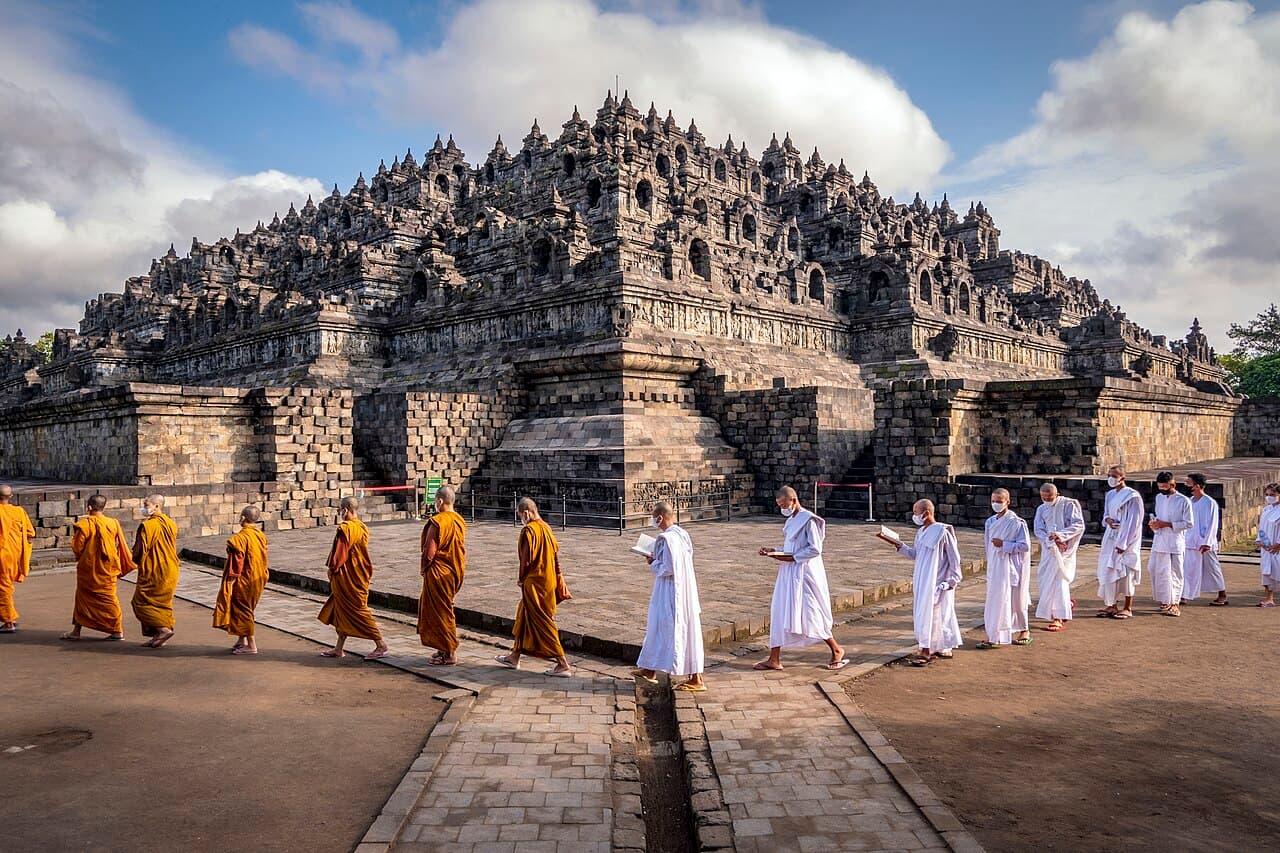
Bali
Indonesia
Bali is Indonesia's most famous island — a tropical paradise of terraced rice paddies, ancient Hindu temples, volcanic peaks, and world-class surf breaks. From the spiritual heart of Ubud to the beach clubs of Seminyak and the cliffside temples of Uluwatu, Bali offers something for every type of traveler.

Banff
Canada
Banff National Park is the Canadian Rockies at their finest — turquoise lakes (Lake Louise, Moraine Lake), towering peaks, glaciers, and abundant wildlife. The charming town of Banff sits right inside the park, and the Icefields Parkway connecting to Jasper is one of the world's most scenic drives. World-class skiing in winter, incredible hiking in summer.

Bangkok
Thailand
Bangkok is a sensory overload in the best way — ornate temples rise next to gleaming malls, street food sizzles on every corner, and the Chao Phraya River winds through it all. The city rewards both short visits and deep dives, with a mix of must-see landmarks and hidden neighborhoods that feel worlds apart from the tourist trail.

Baños de Agua Santa
Ecuador
Ecuador's adventure-sports capital sits at 1,820m where the Andean highlands transition to the Amazon basin — perpetual spring climate (15-25°C year-round) beneath the active 5,023m Tungurahua volcano. The Pailón del Diablo waterfall (100m thundering cascade reached via suspension bridges and behind-the-falls rock tunnels), the Casa del Árbol cliff-edge swing famously photographed 'swinging into the void' with Tungurahua as backdrop, the Termas de la Virgen mineral hot springs, and the 60km Ruta de las Cascadas with 60+ waterfalls. Bungee jumping, canyoning, ziplining, white-water rafting, mountain biking — all at one-third the cost of equivalent in the West. Population ~20,000.

Bar Harbor
United States
The gateway town to Acadia National Park on the northeast shore of Mount Desert Island, three hours by car from Portland. Once a Gilded Age summer colony for Rockefellers, Vanderbilts, and Astors (the 1947 fire destroyed most of the cottages), Bar Harbor today is a compact downtown of brick storefronts, lobster pounds, ice-cream parlours, and the trailhead for nearly every Acadia visitor's first day. Cadillac Mountain summit (1,530 feet, the highest point on the eastern seaboard) is a 20-minute drive away, the carriage roads start a mile south, and Jordan Pond House serves the legendary popovers a 15-minute drive from the town pier.

Barbados
Barbados
The easternmost Caribbean island — a Commonwealth nation that became a republic in 2021 and the birthplace of rum (Mount Gay, 1703, is the world's oldest still-running distillery). UNESCO Bridgetown and its Garrison preserve the British military layout of the 17th–19th centuries; the rugged east coast (Bathsheba's mushroom rocks) is for surfers; the calmer Caribbean west (Holetown, Speightstown) for swimmers. Crop Over (July–August) is the largest carnival outside Trinidad. Flying fish is the national dish, served with cou-cou. The dry season runs December–May.

Barcelona
Spain
Barcelona is where Gothic architecture meets Gaudí's surreal masterpieces, where tapas bars spill onto sunny plazas, and where the beach is just a metro ride from the mountains. The Catalan capital has a creative energy all its own — distinct from the rest of Spain and fiercely proud of it.

Bariloche
Argentina
Argentina's Patagonian lake district capital — a Swiss-chocolate town on the shore of Nahuel Huapi Lake beneath the Andes. Cerro Catedral is South America's largest ski resort; the Circuito Chico drive is one of the hemisphere's most scenic road loops. The "chocolate capital of Argentina" hosts artisan chocolatiers on every corner of Mitre street.

Batam
Indonesia
An Indonesian island in the Riau archipelago lying 20 km southeast of Singapore, close enough that Sindo Ferry and Batam Fast catamarans cross from HarbourFront Centre and Tanah Merah in 45 to 60 minutes for about SGD 38 round-trip. Batam is the duty-free weekend escape Singaporeans use for cheap seafood at Top 100 and Welcome Restaurant, beach overnights at Montigo Resorts Nongsa, Turi Beach Resort and Nongsa Point Marina, golf at Palm Springs and Tamarin Santana, and the reflexology and shopping circuit of Nagoya Hill. The centre is industrial rather than pretty, but it is the most affordable island getaway in the region — and the only one with no flights from Singapore because the ferry is simply faster.

Bath
United Kingdom
Britain's most perfectly preserved Georgian city, and the only British city designated entirely as a UNESCO World Heritage Site. The Roman Baths — a 2,000-year-old complex fed by Britain's only natural hot spring at 46°C — rank among the finest Roman remains in Northern Europe. The Royal Crescent (1767–1775), The Circus, and Pulteney Bridge (shops on both sides, one of only four in the world) form the Georgian masterwork that inspired Jane Austen, who lived here from 1801 to 1806.

Battambang
Cambodia
Cambodia's second-largest city and quiet cultural capital, draped along the lazy Sangker River in the country's rice-bowl northwest. Battambang preserves more French colonial shophouses than anywhere else in Cambodia, with verandahed two-storey rows now housing boutique hotels, third-wave coffee bars, and the studios of Phare Ponleu Selpak, the circus and arts school founded in 1994 to support children orphaned by the Khmer Rouge era. Bamboo Train rides on improvised flat platforms, the cliff temples of Phnom Sampeau with their grim Killing Caves, and the brick stupas of Wat Banan and Wat Ek Phnom round out a destination most travellers regret skipping.

Batumi
Georgia
Georgia's subtropical Black Sea city is a unique architectural kaleidoscope — Ottoman, Art Nouveau, Soviet, and contemporary towers sit side by side. The Alphabet Tower rotates in the wind at 130m; the Ali and Nino kinetic sculpture merges and separates every 10 minutes. Visa-free for 95 nationalities for a full year — Batumi is one of the most accessible destinations in the Caucasus.

Beijing
China
China's capital is a treasure trove of imperial history — the Forbidden City, Great Wall, and Temple of Heaven are just the beginning. Ancient hutong neighborhoods, world-class Peking duck, and a rapidly modernizing cityscape make Beijing endlessly fascinating.


Belfast
United Kingdom
Northern Ireland's capital has transformed from the epicenter of the Troubles into one of the UK's most vibrant cities. Titanic Belfast is the world's largest Titanic exhibition. The political murals of Falls and Shankill Roads are among the most powerful pieces of public art in Europe. The Cathedral Quarter's Victorian pubs and the covered St. George's Market are the social heart of modern Belfast.

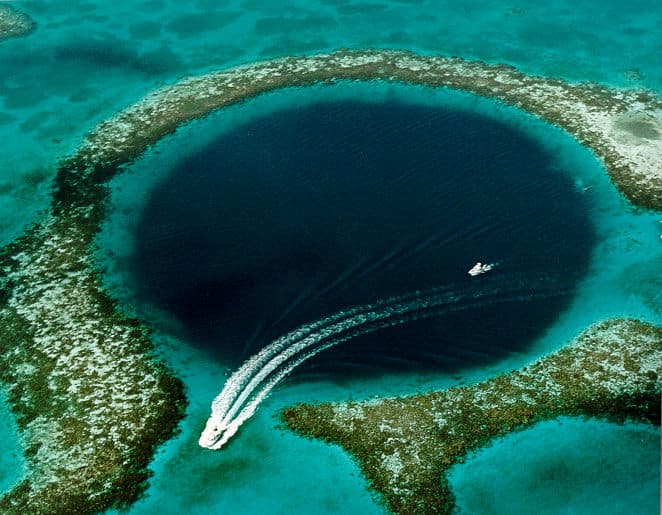
Belize
Belize
The only English-speaking country in Central America — Caribbean coast on one side, Guatemalan jungle on the other, the world's second-largest barrier reef just offshore. The 124m-deep Great Blue Hole anchors the offshore atolls and decorates the country's banknotes; Ambergris Caye is the model for Madonna's "La Isla Bonita"; tiny car-free Caye Caulker takes the "Go Slow" mantra so seriously that they painted it on signs. Inland, the ancient Maya pyramids of Caracol, Xunantunich, and Lamanai rise from jungle reserves, and Actun Tunichil Muknal cave still holds skeletal sacrifices from a thousand years ago. English-speaking, BZD pegged 2:1 with USD, and one of the least-visited adventure paradises in the Caribbean.
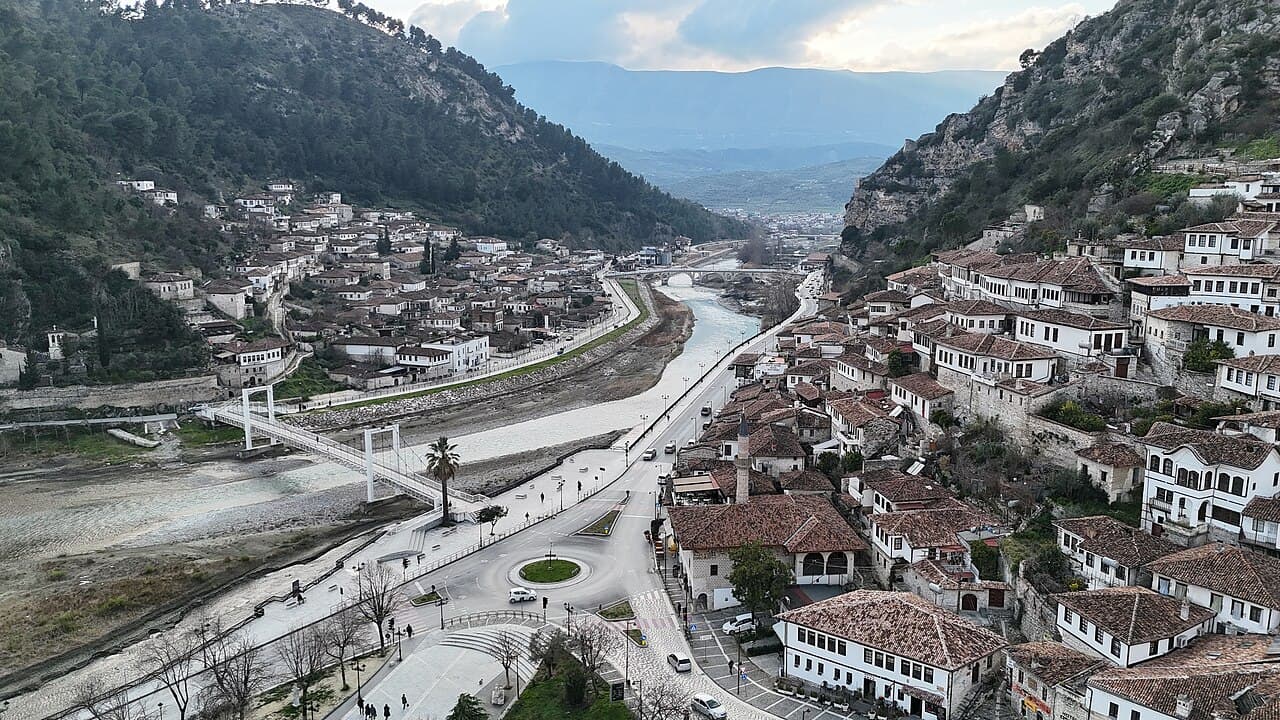
Berat
Albania
The "City of a Thousand Windows" — tiered white Ottoman houses stacked up the slopes above the Osum River. UNESCO 2008 and one of Europe's oldest continuously-inhabited cities (2,400+ years). Berat Castle (Kalaja) is a still-inhabited medieval citadel — people live inside the walls. Facing Mangalem (Muslim) and Gorica (Christian) quarters across the 18th-century stone bridge. Onufri icon museum inside the castle; Çobo and Kokomani wineries in Albania's wine capital; Tomor Mountain NP 20 km east. Access: 2.5 hr bus from Tirana. ALL currency (EUR widely accepted); 90-day visa-free for most Western.

Bergen
Norway
Norway's second city and the gateway to the western fjords — a UNESCO Hanseatic port wrapped around a harbour hemmed in by seven mountains. Bryggen's coloured wooden wharf buildings are Bergen in a single postcard. The Fløibanen funicular hauls you up Mount Fløyen for fjord-and-city views; the Bergen Railway to Oslo is one of the world's most scenic train rides; and Nærøyfjord (UNESCO) is an easy day trip by Norway in a Nutshell. It rains 270 days a year. Bring a waterproof.

Berlin
Germany
Berlin is Europe's capital of reinvention — a city shaped by its turbulent history and defined by its creative present. The Wall may be gone but its legacy is everywhere, from the East Side Gallery to the vibrant neighborhoods that grew up in its shadow. Cheap by Western European standards, with legendary nightlife and a thriving art scene.

Bern
Switzerland
Switzerland's federal capital — not Zurich, despite the common assumption — wrapped in a horseshoe bend of the turquoise Aare river. The medieval old town gained UNESCO status in 1983 for its 6 km of continuous sandstone arcades, the 1530 Zytglogge astronomical clock that still chimes on the hour, and the Bundeshaus where the Federal Council meets. Albert Einstein wrote his 1905 papers here while working at the patent office. In summer, locals float the Aare straight through the old town with a waterproof bag for their clothes.

Big Island
United States
Hawaii Island is bigger than all the other Hawaiian islands combined and is still actively growing — Kilauea is one of the world’s most active volcanoes (currently erupting as of April 2026) and Mauna Kea’s 4,205-m summit hosts 13 international observatories under what astronomers consider Earth’s clearest skies. Eight of the world’s 13 climate zones exist on this single island: the Hilo side gets 3,400 mm of tropical rainforest rain a year while the Kona side stays dry desert at 500 mm; Mauna Kea’s summit has alpine conditions year-round and snows in winter. Add Punaluʻu black-sand beach, Kona coffee country, the green sea turtles at Puʻuhonua o Hōnaunau, and the manta-ray night snorkel off Keauhou Bay. The most geologically dramatic of the Hawaiian islands.

Bilbao
Spain
The Basque Country's industrial-turned-cultural capital — still rough and confident around the edges where polished San Sebastián is precious. Frank Gehry's 1997 titanium-cloud Guggenheim Museum kicked off the most successful urban regeneration in modern Europe (the global "Bilbao Effect"); the Nervión riverbank that was biologically dead in the 1980s now runs from Calatrava bridges through the Old Town's Casco Viejo, where Calle del Perro's pintxo bars deliver dinner-quality bites for €3–€5 each. Add the Mercado de la Ribera (Europe's largest covered food market), Norman Foster's gleaming metro, and the Athletic Club Bilbao stadium where every player is Basque — and you get a bigger, edgier, dramatically cheaper alternative to San Sebastián.

Bishkek
Kyrgyzstan
Kyrgyzstan's leafy capital is the gateway to Central Asia's most spectacular mountain scenery. Soviet-era plazas, buzzing bazaars, excellent Kyrgyz cuisine, and easy day trips to Ala Archa gorge and Issyk-Kul lake make it an underrated destination.

Black Forest
Germany
A 160 km north-south range of densely-forested hills along Germany's southwest border with France — cuckoo-clock workshops in Triberg, the 163m Triberger Wasserfälle (Germany's highest waterfall), the deep-blue Titisee, the 60 km Schwarzwaldhochstrasse scenic drive, and the half-timbered villages of the Gutach Valley. The original Schwarzwälder Kirschtorte (Black Forest cake) was created here in 1915. Freiburg makes the obvious base — a sunny university town at the southwestern edge with the Münster spire and a tram running into the forest in 20 minutes.
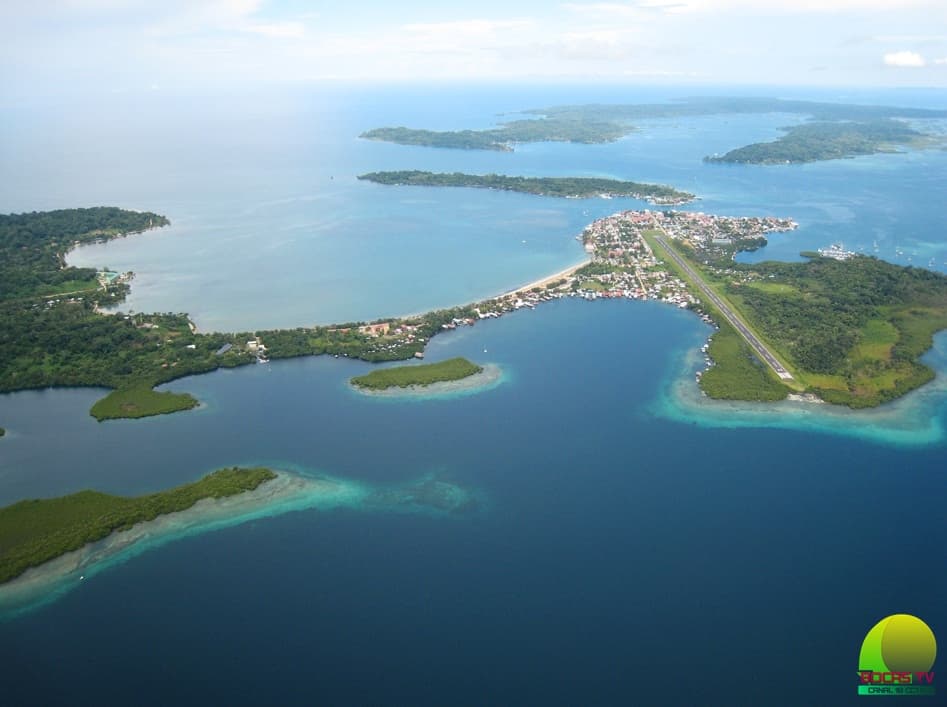
Bocas del Toro
Panama
An archipelago of nine main islands and 200-something islets in Panama's far northwest Caribbean — a cheaper, scruffier, more laid-back answer to Costa Rica or San Blas. Isla Colón holds the main town (Bocas Town); Bastimentos has Red Frog and Wizard beaches; Isla Carenero is a 5-minute boat ride for sunset bars over the water. Snorkel the cays, see strawberry poison-dart frogs, and accept that everything runs on island time and most floors are wooden boards over the sea.

Bogota
Colombia
Bogota is a high-altitude capital undergoing a cultural renaissance. La Candelaria's colonial streets are alive with street art, the Gold Museum is dazzling, and Monserrate offers sweeping views from 3,150m. The food scene is booming, the coffee is (unsurprisingly) excellent, and the Ciclovia turns major roads into a car-free playground every Sunday.

Bohol
Philippines
A tear-drop island in the Central Visayas, two hours by fast ferry from Cebu and home to the most famous landform in the Philippines: the Chocolate Hills, 1,776 conical limestone mounds spread over 50 sq km of Carmen and Sagbayan that turn from green to brown in the February-to-May dry months. The Loboc River cruise glides past nipa-palm villages on a floating buffet boat, the Philippine Tarsier Sanctuary in Corella protects the 13cm saucer-eyed primate, and the resort island of Panglao — connected by causeway to the main island — strings Alona Beach with dive shops running daily trips to Balicasag's wall and Pamilacan's whale sharks. A 1-hour Cebu Pacific or PAL flight from Manila lands at Bohol-Panglao (TAG).

Boise
United States
Idaho's capital sits where the high desert meets the Rockies — the Boise River cuts straight through downtown, lined by a 25-mile greenbelt of cottonwoods and bike paths that locals treat as the city's spine. The state's only Basque population in the country (roughly 15,000) gave Boise a Basque Block of pintxos bars and the Cyrus Jacobs-Uberuaga House. Add the climbable foothills behind town, the gold-domed Idaho State Capitol, and a tech scene anchored by Micron and HP, and you have one of the fastest-growing small cities in the West.


Bora Bora
French Polynesia
The island that invented the overwater bungalow (Hotel Bora Bora, 1967) — a volcanic peak (Mt Otemanu, 727m) ringed by a turquoise lagoon and a barrier reef 50m offshore. Access is Tahiti (PPT) international then a 50-minute Air Tahiti hop to BOB. Honeymoon-grade resorts (St. Regis, Four Seasons, Intercontinental Thalasso) dominate the main atoll; Matira Beach is the public gem. May–October dry season is peak; November–April is cyclone risk. XPF (CFP Franc) is the currency, pegged to the Euro.

Boracay
Philippines
Boracay is a 7-km island off the northwest tip of Panay in the central Philippines — and White Beach, its 4-km western strip of powder-fine coral sand, has topped "world's best beach" rankings since the 1990s. The island reopened in 2018 after a six-month government shutdown that overhauled sewage and built setback rules; the result is a cleaner, more regulated, but still very lively beach scene. The west side delivers White Beach's sunset paraws (outrigger sailboats), island-hopping to Crystal Cove and Magic Island, while the windward east-side Bulabog Beach is the kiteboarding and windsurfing capital of Asia from November to April.

Bordeaux
France
The world's wine capital and a UNESCO World Heritage city — Place de la Bourse and its Miroir d'Eau (the world's largest reflecting pool) anchor a centre of 18th-century limestone Hausmannian elegance that earned the nickname Little Paris. La Cité du Vin is the most ambitious wine museum on earth. Saint-Émilion's Romanesque monolithic church and chateaux are 40 minutes east; Médoc's first-growth grand crus 45 minutes north; the Atlantic and Dune du Pilat (Europe's tallest dune) an hour west. The TGV puts Paris just 2h05 away.

Bornholm
Denmark
Denmark's outlier — a 588 km granite island in the middle of the Baltic, closer to Sweden and Poland than to Copenhagen. Locals call it Solskinsoen (sunshine island) for clocking the country's highest annual sunshine totals, and it shows in the smoked herring smokehouses of Svaneke, the wooden cottage colonies of Gudhjem, and the white-sand beaches at Dueodde and Sandvig. Four medieval round churches built as Knights-Templar fortresses ring the interior, with Osterlars the largest and oldest. The Hammershus castle ruin on the northern cliffs is the largest medieval fortress complex in northern Europe. Reach it from Copenhagen by 3-hour combined train and ferry through Ystad in Sweden, or 35-minute direct flight.

Boston
United States
Boston is America's most walkable big city — four centuries of history packed into cobblestone streets, punctuated by Fenway's green monster, Italian cannolis in the North End, and college-town energy from Harvard and MIT across the river. The Freedom Trail delivers Revolutionary history in a single 2.5-mile walk.

Branson
United States
Branson is a 10,000-person Ozark Mountain town in southwest Missouri that pulls roughly 9 million visitors a year on the strength of 50-plus live theaters, a 49-mile shoreline on Table Rock Lake, and the Silver Dollar City theme park up the road. The downtown 76 Country Boulevard strip stacks neon-lit theaters end to end (more theater seats than Broadway, the locals like to point out), Branson Landing runs a mile and a half along Lake Taneycomo with a fountain show and chain restaurants, and Dolly Parton's Stampede dinner theater feeds 1,000 people a night. Most travelers fly into Springfield (SGF, 45 minutes north) since Branson Airport (BKG) has thin scheduled service.

Brașov
Romania
Transylvania's most beautifully preserved Saxon city sits in a Carpathian amphitheatre 625m above sea level — Mount Tâmpa rises directly above the old town with the famous Hollywood-style 'BRAȘOV' sign. The 14th-century Black Church (largest Gothic church in southeastern Europe), Council Square ringed by pastel Saxon merchant houses, and Strada Sforii (one of Europe's narrowest streets at 1.11m wide) anchor the UNESCO-quality old town. Bran Castle (Dracula marketing notwithstanding) is 30km away; the Poiana Brașov ski resort 12km. Founded in 1211 by the Teutonic Knights as one of the seven Saxon walled cities of Transylvania.


Brisbane
Australia
Queensland's sunny capital offers a laid-back river lifestyle, South Bank's cultural precinct with a man-made beach, and easy access to the Gold Coast and Sunshine Coast. The 2032 Olympics host city is undergoing a major transformation.

Bruges
Belgium
Bruges is a medieval fairy tale preserved in amber — winding canals, cobblestone squares, Gothic towers, and some of the best chocolate and beer in the world. The Markt square and Belfry are postcard-perfect, the art museums house Flemish masterpieces, and the whole city is compact enough to explore on foot in a day or two.

Brussels
Belgium
The capital of Europe is a city of Art Nouveau architecture, comic book murals, world-class chocolate, and the Grand Place — one of Europe's most beautiful squares. Outstanding beer culture with hundreds of varieties and cozy brown cafés.

Bryce Canyon National Park
United States
Bryce Canyon is the hoodoo amphitheater of southern Utah — not actually a canyon but a series of natural amphitheaters carved into the eastern edge of the Paunsaugunt Plateau, packed with the densest concentration of hoodoos (eroded sandstone spires) on Earth. The rim sits at 8,000 to 9,000 feet, which makes it noticeably cooler than nearby Zion (4 hours from Las Vegas, 1.5 hours from Zion). The classic combination is a sunrise stop at Inspiration or Sunrise Point followed by descending into the amphitheater on the Navajo Loop and Queens Garden Trail. An International Dark Sky Park, the night skies here are extraordinary.


Budapest
Hungary
Budapest is two cities in one — hilly, historic Buda on one side of the Danube, flat, buzzing Pest on the other, connected by iconic bridges. The thermal baths are legendary (Szechenyi, Gellert), the ruin bar scene is one-of-a-kind, and the Parliament building lit up at night is one of Europe's most beautiful sights. Exceptional value.

Buenos Aires
Argentina
Buenos Aires is the Paris of South America — grand Haussmann-style avenues, sidewalk cafes, and a fierce cultural identity built on tango, steak, and Malbec. The city's barrios each have a distinct personality, from the colorful houses of La Boca to the tree-lined elegance of Palermo. Incredible value for visitors right now.

Buffalo
United States
Buffalo invented the chicken wing at the Anchor Bar on Main Street in 1964 and never quite got over it — but the city is also the closest American gateway to Niagara Falls (20 miles north), the home of Frank Lloyd Wright's masterpiece Darwin Martin House complex, and a rebuilt waterfront at Canalside that turned a derelict freight terminus into the city's summer centre. Add Bills Mafia at Highmark Stadium, the Albright-Knox-Buffalo AKG Art Museum (one of the best modern collections between Manhattan and Chicago), and the cheapest steak fingers in the East, and the city has quietly stopped being a punchline.

Bukhara
Uzbekistan
One of the best-preserved medieval cities in Central Asia, Bukhara's old town is a UNESCO site of ancient mosques, madrasas, and caravanserais. The Kalyan Minaret, Ark Fortress, and covered bazaars evoke centuries of Silk Road trade.

Burlington
United States
Vermont's biggest city is still small — under 45,000 people — and packs them onto a hillside that drops into Lake Champlain. Church Street Marketplace is a four-block pedestrian mall of brick, buskers, and farm-to-table restaurants. The University of Vermont (UVM) keeps the place caffeinated and progressive; Ben & Jerry's was founded here in 1978, Magic Hat brews on the south end of town, and the Adirondack peaks across the lake make every sunset look staged. Fall foliage peaks early October.

Busan
South Korea
South Korea's coastal second city offers stunning beaches, vibrant seafood markets, hillside villages splashed with street art, and soothing hot springs. Haeundae Beach and Gamcheon Culture Village are highlights, with the KTX bullet train connecting to Seoul in just 2.5 hours.

Bwindi Impenetrable Forest
Uganda
UNESCO 1994 ancient montane forest (25,000+ years continuous) — home to roughly half the world's mountain gorillas (~450 of ~1,000 total). Gorilla trekking permits in Uganda cost $800 per person (vs Rwanda $1,500, DRC $400); book 6–12 months ahead. Four sectors — Buhoma, Ruhija, Rushaga, Nkuringo — with variable trek difficulty from 1 hr to 8 hr. 350+ bird species including Albertine Rift endemics. Access via Entebbe → charter to Kihihi, or 8–10 hr drive on rough roads. Best June–August + December–February.

Cabo San Lucas
Mexico
Where the Pacific Ocean meets the Sea of Cortez at the southernmost tip of the 1,200-km Baja California peninsula — the El Arco rock arch is the geological marker of land's end and the most photographed landmark in Baja. Calm Medano Beach, the buzzing 380-slip Marina, world-class sportfishing (the Bisbee tournament is the world's richest), December-April whale watching for grey, humpback, and blue whales, and the Tropic of Cancer running through the middle of Los Cabos. Easy US-friendly access — direct flights from every major US gateway, US dollars accepted everywhere.

Cairns
Australia
Tropical northeastern Queensland's gateway to two adjacent UNESCO World Heritage sites — the Great Barrier Reef offshore and the 180-million-year-old Daintree Rainforest just to the north (the world's oldest continuously surviving tropical rainforest, where it meets the reef at Cape Tribulation). Cairns itself is a compact, walkable city of ~150K built around the Esplanade Lagoon (free saltwater pool replacing the unswimmable mudflat foreshore), with most of life happening between the lagoon, the Pier marina, and the night markets. Reef day trips (90min boat to outer reef pontoons; ~$220-280 AUD) and Kuranda Skyrail-and-Scenic-Railway combo to the rainforest village (~$120 AUD) are the standard outings. Tropical wet season Nov-April brings heat, humidity, monsoon rain, and stinger jellyfish — May-October is the dry, calm, pleasant window.

Cairo
Egypt
Cairo is a megacity that sits at the crossroads of ancient and modern — the Great Pyramids of Giza are literally at the city's edge. The Egyptian Museum holds treasures spanning millennia, Islamic Cairo's mosques and bazaars are a maze of history, and the Nile runs through it all. Chaotic, overwhelming, and absolutely unforgettable.

Cameron Highlands
Malaysia
Malaysia's cool Pahang highlands — British colonial-era BOH tea plantations carpeting hillsides, the Mossy Forest boardwalk through cloud-forest on Gunung Brinchang, strawberry farms, and weekend night markets. 1,500m elevation keeps it 15-25°C year-round — a break from the hot peninsular coast. 4 hours bus from KL.

Cancún
Mexico
The Caribbean's most visited resort destination — Cancún's Hotel Zone is a 23km barrier island of turquoise water so specific in shade it barely looks real. But Cancún is also the gateway to Mexico's greatest Maya site: Chichén Itzá (a New Seven Wonder, 200km inland), Isla Mujeres (30min ferry), and Tulum's cliff-top ruins above the sea. The cenotes of the Yucatán Peninsula — crystal-clear sinkholes sacred to the Maya — are the most extraordinary swimming experiences in the Americas.

Cannes
France
The French Riviera's film-festival capital was a 3,000-person fishing village until British Lord Brougham was quarantined here in 1834 and, smitten, told his aristocratic friends — within a generation Cannes was wintering European royalty. The 2 km palm-lined Boulevard de la Croisette runs from the red-carpeted Palais des Festivals (home of the May film festival since 1946) past the Belle Époque grand hotels (Carlton, Martinez, Majestic) to Pointe Croisette. Le Suquet, the medieval old town climbing the western hill, holds the 11th-century Tour du Suquet, the Église Notre-Dame de l'Espérance, and most of the city's actual character. Daily ferries from the Vieux Port reach the Lérins Islands — Sainte-Marguerite's Fort Royal (where the Man in the Iron Mask was imprisoned 1687–1698) and Saint-Honorat's working Cistercian monastery making Lérins wine. The Marché Forville, behind the old port since 1934, runs every morning except Mondays.

Cape Cod
United States
Cape Cod is the 65-mile hooked arm of Massachusetts that defines the New England summer for most of the East Coast. The Cape Cod National Seashore protects 44,000 acres of dune, marsh, and Atlantic beach from Eastham to Provincetown at the tip; the 22-mile Cape Cod Rail Trail runs the spine of the Lower Cape on a converted rail bed; and Hyannis is the ferry hub for day trips to Martha's Vineyard and Nantucket. Six loose regions (Upper, Mid, Lower, Outer, plus Falmouth and Sandwich) each have their own character. The catch: Friday and Sunday traffic over the Sagamore and Bourne bridges can add two hours to a trip.

Cape Town
South Africa
Cape Town is stunningly beautiful — Table Mountain looming over a city nestled between ocean and vineyards. The food and wine scene is world-class and incredibly affordable. From penguin colonies to the Cape of Good Hope, from vibrant Bo-Kaap to the V&A Waterfront, it's one of the most photogenic cities on earth.

Cappadocia
Turkey
Cappadocia is an otherworldly landscape of fairy chimneys, cave churches, and underground cities carved into volcanic rock. The sunrise hot air balloon flights over the valleys are bucket-list worthy, the cave hotels are unique, and the hiking through Rose Valley and Love Valley is spectacular. One of Turkey's most unforgettable destinations.

Capri
Italy
A 4-square-mile limestone island in the Bay of Naples — the Faraglioni sea stacks rising 100m straight from the Mediterranean, the eerie blue glow of the Blue Grotto where Tiberius bathed, the open chairlift to Mt Solaro’s 589m summit, the Piazzetta’s aperitivo theatre, and Villa San Michele’s cliff-edge Roman columns. Where Tiberius ruled the Roman Empire from AD 27–37, where Capri Pants were invented, and where 10,000 day-trippers pour off Naples ferries by 11 AM — overnight to see the island after they leave.

Cartagena
Colombia
Cartagena's UNESCO-listed walled city is one of the most beautiful colonial centers in the Americas — bougainvillea-draped balconies, pastel-colored buildings, and cobblestone streets alive with music and street food. The Caribbean warmth extends to the people, the nearby Rosario Islands, and the ceviche.

Casablanca
Morocco
Morocco's largest city (~4 million) and economic capital — the Hassan II Mosque rising from the Atlantic with its 210-metre minaret (one of only two mosques in Morocco open to non-Muslims), the Art Deco legacy of the French Protectorate along Boulevard Mohammed V, the 1930s Quartier Habous new medina, the Corniche oceanfront bar scene, and a nightlife reputation that rivals Marrakech. The city that the Bogart film was entirely NOT shot in.

Cebu
Philippines
The oldest city in the Philippines — founded by Spanish conquistador Miguel Lopez de Legazpi in 1565 and the colonial capital before Manila. Magellan's wooden cross from 1521 still stands beside the Basilica del Santo Niño, the country's oldest Catholic church. Cebu's lechon (whole roasted suckling pig with lemongrass and garlic stuffing) is what Anthony Bourdain called "the best pig ever". The Mactan Island shrine marks where chieftain Lapu-Lapu killed Magellan, ending the first European circumnavigation. Easy day trips reach Kawasan Falls, the Moalboal sardine run, the Oslob whale sharks, and the Bohol Chocolate Hills (2-hour ferry). The mid-January Sinulog Festival brings a million people to the city.

Český Krumlov
Czech Republic
Český Krumlov is what tourists imagine when they think 'medieval Bohemian fairytale' — a 13,000-person town of red-tile roofs and pastel-coloured facades wrapped tightly inside an oxbow loop of the Vltava River, with a 7-hectare castle complex (the second-largest in the Czech Republic after Prague Castle) climbing the opposite bank. The historic centre joined UNESCO in 1992; the castle moat famously holds bears instead of water, a quirk inherited from the Renaissance-era lords of Rožmberk. Two-and-a-half hours from Prague by direct bus, Český Krumlov is the country's most-visited town outside the capital — and it earns the visit.

Charleston
United States
Charleston has perfected the southern coastal city — pastel Rainbow Row on East Bay, Battery mansions staring down the harbor where Fort Sumter sits, and a restaurant scene (Husk, FIG, The Ordinary) that has defined modern low-country cooking. Gullah-Geechee heritage, King Street shopping, and plantation day trips round out longer visits.

Charlotte
United States
Charlotte is North Carolina's biggest city and the second-largest US banking centre after New York — Bank of America and Truist (formerly BB&T) are headquartered here, and the Uptown skyline along Tryon Street is a wall of corporate towers. Beyond banking, the NASCAR Hall of Fame anchors stock-car culture an hour from the Charlotte Motor Speedway, the US National Whitewater Center (a man-made Olympic-grade rapids course) sits west of town, and the Discovery Place science museum draws families. Charlotte is also the entry point to the western North Carolina mountains (Asheville is 2 hours northwest).


Chengdu
China
Capital of Sichuan Province and the panda capital of the world — the Giant Panda Breeding Research Base houses over 200 pandas and is best visited at 7:30am during feeding. Sichuan cuisine (málà numbing-spice from Sichuan peppercorn) is China's most internationally influential regional cooking. Sichuan Opera's biàn liǎn face-changing tradition is a UNESCO intangible heritage art. The Leshan Giant Buddha at 71 meters tall is the world's largest stone Buddha.
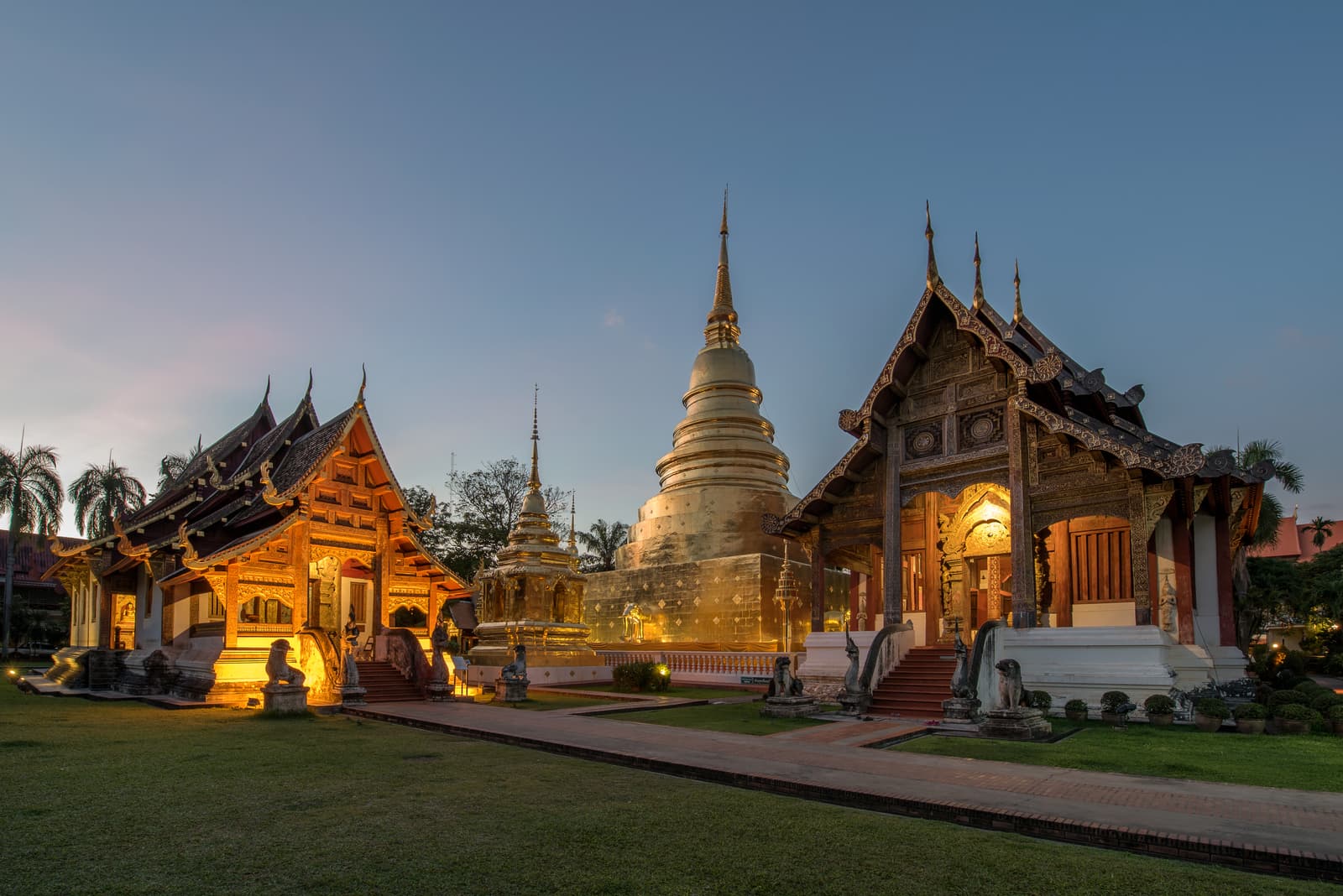
Chiang Mai
Thailand
Chiang Mai is northern Thailand's cultural capital — a laid-back city ringed by mountains and packed with over 300 Buddhist temples. The Old City's moat-enclosed streets, legendary night markets, and world-class cooking schools make it a favorite for long-stay travelers. The gateway to hill tribe treks and elephant sanctuaries.

Chiang Rai
Thailand
Thailand's northernmost city is defined by its temples — the White Temple (Wat Rong Khun), an all-white private temple covered in mirror glass and under continuous construction since 1997, is unlike anything else in the Buddhist world; the Black House (Baandam Museum) is its dark counterpart. The Golden Triangle — where Thailand, Myanmar, and Laos meet at the Mekong and Ruak confluence — is 65 km north. Doi Mae Salong, a misty tea-growing mountain village founded by KMT Chinese Nationalist soldiers after 1949, is one of the most surprising detours in all of Southeast Asia.

Chicago
United States
Chicago is America's architectural capital — a skyline of art deco towers and modern masterpieces rising from the shores of Lake Michigan. Deep-dish pizza is iconic, the jazz and blues scene is legendary, and the Art Institute is world-class. The Riverwalk, Millennium Park's Bean, and the city's diverse neighborhoods make the Windy City a must-visit.

Christchurch
New Zealand
New Zealand's South Island gateway — rebuilt after the 2010–11 earthquakes into a living showcase of urban innovation. Shigeru Ban's Cardboard Cathedral is a global architectural icon. The International Antarctic Centre is the world's best gateway to the southern continent (without going). The TranzAlpine train crossing the Southern Alps is one of the world's great rail journeys.

Cincinnati
United States
Cincinnati hits above its weight — the Over-the-Rhine neighborhood is one of the largest collections of 19th-century Italianate architecture in the United States, the John A. Roebling Suspension Bridge (1866) was the prototype for the Brooklyn Bridge, and the city's two contributions to American food (Cincinnati chili and the goetta breakfast sausage) are unlike anything else. The Reds play at riverfront Great American Ball Park, the Bengals next door at Paycor Stadium, and Findlay Market (1855) still anchors the OTR food scene every Saturday morning.

Cinque Terre
Italy
Five Ligurian fishing villages clinging to a 15km stretch of cliffs — Monterosso, Vernazza, Corniglia, Manarola, Riomaggiore. Connected by boat, by train every 15 minutes, and (sometimes) by the Sentiero Azzurro hiking trail. Pesto is from here, sciacchetrà dessert wine is from these cliffs, and no cars enter the villages.

Cleveland
United States
Cleveland sits at the mouth of the Cuyahoga River where it meets Lake Erie, and the city's two great institutions — the Rock & Roll Hall of Fame and the Cleveland Orchestra (one of the world's top five) — sum up its split personality: blue-collar rock town and high-culture European-flavored powerhouse. The West Side Market has been operating since 1912, the lakefront Edgewater beach gives you a real sand swim 10 minutes from downtown, and the city is now arguably the best sports town per-capita in America (Browns, Cavs, Guardians all play within walking distance of each other downtown).

Cliffs of Moher
Ireland
Ireland's most-visited natural attraction — 14 km of vertical sandstone sea cliffs on the County Clare coast, rising to 214 m at Knockardakin and dropping straight into the Atlantic. O'Brien's Tower (1835) marks the highest viewpoint; the Cliffs of Moher Visitor Experience charges €10 admission for the central platform and exhibition. The 20 km Cliff Walk runs from Hag's Head south of the visitor centre north to Doolin, with no fences along most of its length. Galway is 1 hr 30 by bus (€15 return); Doolin village is the closest base, 6 km north.
.jpg%3Fwidth%3D1280&w=1600&q=75)
Cluj-Napoca
Romania
Romania's second city and the unofficial capital of Transylvania — a 14th-century Saxon merchant town now reborn as the Silicon Valley of Eastern Europe. Four universities pump 100,000 students through Piata Unirii every year, the Gothic St. Michael's Church spire dominates the skyline, and Untold Festival fills August with 400,000 electronic music fans. Budget airlines from across Europe land at CLJ in 90 minutes from London or Berlin, the cafe scene rivals Berlin at a quarter the price, and you are six hours by train from Bucharest with the Apuseni Mountains an hour away.

Coimbra
Portugal
Coimbra was Portugal's first capital (until 1255) and has been a university city for over 700 years — the University of Coimbra (founded 1290, UNESCO 2013) sits on a hilltop above the river Mondego with the 18th-century Joanina Library still home to the colony of bats released every night to eat manuscript-damaging insects. Coimbra Fado is the male-sung university version of Portugal's national music — sadder, more academic, performed in black student capes — and entirely different from Lisbon Fado. Conímbriga, Portugal's largest Roman ruin, sits 16 km south.

Colmar
France
Colmar is the Alsace capital of half-timbered fairy-tale architecture — a town that survived both World Wars almost entirely intact, with the Petite Venise canal district, the Maison Pfister (1537, said to have inspired Howl's Moving Castle), and the Unterlinden Museum's Isenheim Altarpiece (Grünewald, 1515 — one of the great works of Northern Renaissance painting). It anchors the Alsace Wine Route (170 km of Riesling and Gewürztraminer producers between Strasbourg and Mulhouse), throws one of the four or five best Christmas markets in Europe across six themed plazas in December, and sits exactly on the German border zone — German and French street signs share equal billing in the old town.

Cologne
Germany
Germany's fourth-largest city wraps around a 157-metre Gothic cathedral that took 632 years to finish and now anchors a UNESCO-listed Altstadt. Cross the Hohenzollernbrücke past its 500,000 love locks, drink Kölsch from skinny 200ml glasses in Brauhauses where moustachioed Köbes waiters keep refilling until you cap the glass with a beer mat, and time your visit for Karneval in February when the Rhineland's defining party shuts the city for a week. Roman Cologne, medieval Cologne, post-war reconstruction Cologne — all packed into 1,800 walkable years.

Colombo
Sri Lanka
Colombo is Sri Lanka's bustling commercial capital — a mix of colonial heritage, Buddhist temples, and a rapidly modernizing skyline. The Pettah bazaar is sensory overload, Galle Face Green offers sunset strolls along the Indian Ocean, and the food scene blends Sri Lankan curry with international influences. The gateway to the rest of the island.

Copacabana
Bolivia
A sun-bleached pilgrimage town on the Bolivian shore of Lake Titicaca, three and a half hours by road from La Paz across the Tiquina ferry crossing. The whitewashed Moorish-style Basílica de Nuestra Señora de Copacabana houses the Dark Virgin, Bolivia's patron saint, and on weekends drivers line up the length of Avenida 6 de Agosto to have new vehicles blessed with flower garlands and beer. The harbour launches small wooden boats for the two-hour crossing to Isla del Sol, the Inca creation-myth island where Manco Cápac and Mama Ocllo emerged. Trout pulled fresh from Titicaca arrives whole and grilled at lakefront comedores, and the Yunguyo border crossing puts Peru's Puno just three hours further on.

Copenhagen
Denmark
Copenhagen is Scandinavian cool distilled — colorful Nyhavn waterfront, world-leading restaurants (Noma, Geranium), cutting-edge design, and a cycling culture that puts everywhere else to shame. The city pioneered hygge and it shows: cozy cafes, canal-side hangouts, and a relaxed vibe despite being a serious foodie destination.

Córdoba
Spain
Córdoba was the largest city in Europe in the 10th century — a 500,000-person caliphate capital with paved streets, public lighting, and the largest library west of Baghdad. The Mezquita-Catedral is the surviving wonder: 856 red-and-white horseshoe arches in a forest under a cathedral nave that the Christians dropped into the centre after 1236. The Judería (Jewish Quarter) keeps one of three pre-expulsion synagogues left in Spain; the Roman bridge crosses the Guadalquivir under the Calahorra Tower; the Patios festival in early May opens private flower-stuffed courtyards across the old city. Twenty kilometres west, Medina Azahara — the lost caliphal palace-city — is a UNESCO archaeological site since 2018.

Cork
Ireland
Ireland's second city sits on an island in the River Lee, with the covered English Market (open since 1788) at its centre and the steep Victorian streets of Shandon climbing the hill above. Cork is the gateway to the south-west — Blarney Castle (and its kissable stone) is 8 km north, the deep-water Titanic departure port of Cobh is 25 minutes by commuter rail, and the Wild Atlantic Way begins on the Beara and Mizen peninsulas an hour west. Murphy's and Beamish stouts are brewed here; Jameson's original distillery is 25 km east in Midleton.
.jpg%3Fwidth%3D1280&w=1600&q=75)
Coron
Philippines
The northern tip of Palawan and the world capital of recreational wreck diving — twelve Imperial Japanese Navy vessels sunk by US carrier planes on 24 September 1944 lie between 10 and 40 metres in Coron Bay, accessible to anyone with an open-water certification. Above the waterline, the Tagbanwa-owned island of Coron itself walls in jade-water lagoons fringed by 200-metre limestone karsts: Kayangan Lake (often called the cleanest lake in the Philippines), Twin Lagoon's swim-through opening, the 38-metre fresh-and-saltwater pool of Barracuda Lake. Reach: a 1-hour AirSwift, Cebgo or Philippines AirAsia flight from Manila MNL into Busuanga (USU).

Cotswolds
United Kingdom
England's largest Area of Outstanding Natural Beauty (790 sq miles) — a region of honey-coloured Jurassic limestone villages, ancient wool-trade churches, and rolling green countryside spread across Gloucestershire, Oxfordshire, Worcestershire, Wiltshire, and Warwickshire. The villages built their wealth on Cotswold Lion sheep wool from the 12th-18th centuries and the prosperity built the elaborate stone houses and 'wool churches' you see today. Bibury's Arlington Row appears inside every UK passport; Bourton-on-the-Water is the 'Venice of the Cotswolds' with the River Windrush flowing through the village green; Castle Combe is regularly named Britain's prettiest village; and the 102-mile Cotswold Way long-distance trail threads from Chipping Campden to Bath. Add Daylesford organic farm shops, Highgrove (King Charles III's home), and the antique capitals of Stow and Tetbury — and you have the most concentrated rural England in the country.
.jpg%3Fwidth%3D1280&w=1600&q=75)
Cozumel
Mexico
A flat 478 sq km Caribbean island east of Playa del Carmen, reached in 35 minutes by passenger ferry. The reason to come is underwater: Cozumel sits on the Mesoamerican Reef, the second-largest barrier reef system in the world, with Palancar, Santa Rosa Wall and Punta Sur drift dives consistently ranked among the planet's best. San Miguel is the only real town, a low-rise grid built around a cruise terminal that sees regular Carnival and Royal Caribbean stops. Inland, Chankanaab Park combines a Mayan ruin with snorkelling lagoons; the rest of the island is mostly mangroves, beach clubs and one perimeter road.

Crater Lake National Park
United States
Crater Lake is the deepest lake in the United States at 1,949 feet, formed when 12,000-foot Mount Mazama collapsed roughly 7,700 years ago and the caldera filled with snowmelt. The water has no inlets or outlets and produces a near-impossible indigo blue that has stopped photographers for a century. The 33-mile Rim Drive circles the caldera (closed November to May for snow), Wizard Island rises from the western shore as a perfect cinder cone, and Cleetwood Cove Trail is the only legal route to the water — a 700-foot descent and a tougher climb back. The park sits 4 hours from Portland or 1.5 hours from Medford (MFR), peaks July-September, and is a designated International Dark Sky Park.

Crete
Greece
Greece's largest island is a world unto itself — the Palace of Knossos preserves the earliest advanced civilization in Europe (Minoan, 2700–1450 BCE); the Heraklion Archaeological Museum holds the finest Minoan collection on earth; the Samaria Gorge is a 16 km hike through Europe's longest canyon. In the west: Chania's Venetian harbor, Elafonissi's pink-sand beach, Balos Lagoon. A car is essential — the island rewards those who leave the package-resort coast.

Cuernavaca
Mexico
The City of Eternal Spring, 90 minutes south of Mexico City over the mountains, where 1,500 metres of elevation and a mild year-round climate have drawn capital weekenders since the Aztec emperors. Hernan Cortes built his 1526 Palace here on the ruins of an Aztec tribute centre, making it the oldest standing civic building in the Americas. The Borda Garden, laid out by a French silver baron in the 1780s, was Maximilian and Carlota's summer retreat in the 1860s. The Robert Brady Museum, in a former convent, holds the American expat's idiosyncratic collection of Frida Kahlo, Tamayo, and African and Asian art across 14 themed rooms.

Curaçao
Curaçao
A 444 km² Dutch Caribbean island just off the coast of Venezuela — the largest of the ABC islands (Aruba-Bonaire-Curaçao), defined by the pastel Dutch colonial Handelskade row of UNESCO Willemstad and the Queen Emma Pontoon Bridge that swings open 30+ times per day to let cargo ships pass. Outside the hurricane belt, with 35+ beaches packed into a 60 km long coastline, the world's only authentic Blue Curaçao distillery, the second-oldest synagogue in the Americas, and Christoffel National Park's desert moonscape. Far less developed than Aruba but more architecturally distinctive; Dutch tilt with universal English.

Cusco
Peru
Cusco is the ancient capital of the Inca Empire and the gateway to Machu Picchu. Colonial churches built on Inca foundations, the vibrant San Pedro market, and the Sacred Valley are all within reach. At 3,400m elevation, take it slow your first day. The city rewards those who explore beyond the main plaza — every street tells a story.

Da Lat
Vietnam
Vietnam's Central Highlands hill station sits at 1,500m — cool and misty, French colonial villas, an Eiffel-designed railway station, the Crazy House, and the Valley of Love. Easy Rider motorbike tours of the Central Highlands start here. Coffee and flower capital, and the 3-hour spiral up from the coast is worth it for the climate shift.

Da Nang
Vietnam
Vietnam's third-largest city sits on a 30-kilometre crescent of the South China Sea between the Hai Van Pass and the Marble Mountains — the country's fastest-growing urban centre, with the viral Golden Bridge held aloft by giant stone hands at Ba Na Hills, the 666-metre Dragon Bridge that breathes fire and water on weekend nights, and the My Khe (China Beach) resort strip. The five Marble Mountains south of the city hide Buddhist cave temples; the Son Tra peninsula north hosts the 67-metre Lady Buddha statue. Easy day trips to Hoi An (30 km south) and Hue (100 km north via the famous Hai Van Pass coastal route) make Da Nang the natural base for central Vietnam.


Dallas
United States
Dallas anchors the 8.1M-person DFW metroplex. Downtown Dallas holds the 68-acre Arts District (the largest contiguous arts district in the US), the Sixth Floor Museum at Dealey Plaza covering the JFK assassination from the actual sniper window, and Deep Ellum's live music. Forty miles west in Fort Worth, the Stockyards stage a twice-daily cattle drive, the Kimbell Art Museum (Renzo Piano) holds Caravaggios and Michelangelos, and Sundance Square is the most walkable downtown in Texas. The Cowboys play in Arlington at AT&T Stadium between the two cities.

Dar es Salaam
Tanzania
Tanzania's bustling port city and commercial capital is a gateway to Zanzibar, the Serengeti, and Kilimanjaro. A vibrant mix of Swahili culture, Indian Ocean seafood, busy markets, and a growing arts scene along the Coco Beach waterfront.

Delft
Netherlands
Delft is a small canal town wedged between Rotterdam and The Hague, and it punches well above its size: this is Vermeer's birthplace, the home of Royal Delft pottery (still hand-painting blue-and-white ceramics in the same factory since 1653), and the resting place of William the Silent in the Nieuwe Kerk on the Markt. The leaning tower of the Oude Kerk shelters Vermeer's grave. The whole historic core is walkable in an afternoon, but the cafes around Beestenmarkt make you want to stay longer. Twenty-five minutes by train from Amsterdam-Zuid.


Denali National Park
United States
Home to Denali (20,310 ft / 6,190m), tallest peak in North America — visible from only ~30% of visits due to cloud cover (the "30 Percent Club"). A 92-mile Park Road is the sole access, with private vehicles restricted past Mile 15 and park camper + tour buses handling visitors. Important: the 2021 Pretty Rocks landslide has closed the road beyond Mile 43, so Eielson + Wonder Lake remain inaccessible in 2026. Wildlife Big 5: grizzly, caribou, moose, wolves, Dall sheep. Anchorage (ANC) 4hr south, Fairbanks (FAI) 2hr north; Alaska Railroad Denali Star stops in the park. Aurora visible from late August.

Denver
United States
Denver sits exactly one mile up — altitude real enough to floor first-time visitors. It's the Rockies' gateway city: craft beer everywhere, legal cannabis since 2014, a restored 1881 Union Station that's now one of the country's best urban train halls, and Red Rocks Amphitheatre 15 minutes west. Breckenridge, Vail, and Rocky Mountain NP are an hour or two into the mountains.

Detroit
United States
Detroit is the great American comeback city — the birthplace of Motown, the auto industry, and techno music, now in the middle of a 15-year reinvention that has restored Michigan Central Station, filled downtown with cocktail bars, and turned former industrial corridors into bike trails. The Detroit Institute of Arts holds a top-five US collection (Diego Rivera's Detroit Industry murals are here), Belle Isle is a 982-acre Olmsted-designed island park in the river, and the Henry Ford Museum complex in Dearborn is one of America's great Americana collections. Lafayette and American Coney Islands still serve chili dogs at 02:00.

Doha
Qatar
Qatar's capital glints across the Persian Gulf — futuristic skyscrapers along the Corniche, I.M. Pei's Museum of Islamic Art on its own peninsula, and Jean Nouvel's desert-rose National Museum. Souq Waqif preserves the old market vibe with falconry shops + Persian-style restaurants. The Pearl-Qatar artificial island and Katara Cultural Village extend the modern face; the Inland Sea desert at the Saudi border delivers dune-bashing day trips. World Cup 2022 host. Hamad International is Qatar Airways' superhub — many travelers arrive on the stopover program.


Doolin
Ireland
A scattered fishing village of 200 people in north County Clare with a global reputation for traditional Irish music — three pubs (Gus O'Connor's, McGann's, and McDermott's) host nightly trad sessions that musicians fly in from across Europe to attend. Doolin sits on the Wild Atlantic Way 6 km north of the Cliffs of Moher (reachable on foot via the cliff walk) and is the closest mainland departure point for the three Aran Islands — Inis Mór, Inis Meáin, and Inis Oírr — by ferry from Doolin Pier. The Burren limestone plateau begins at the village edge.
.jpg%3Fwidth%3D1280&w=1600&q=75)
Drakensberg
South Africa
The 'Dragon Mountain' is a 1,000 km basalt escarpment along the Lesotho border — the tallest range in southern Africa, with Thabana Ntlenyana on the Lesotho side topping out at 3,482 m. The UNESCO Maloti-Drakensberg Park protects the highest reaches plus 600+ San rock-art sites, the largest concentration of rock paintings in Africa, and Tugela Falls (948 m, second-tallest in the world) plunges off the Amphitheatre cliff in the Royal Natal section. Hiking, horseback riding, zip-lining and trout streams cluster around mountain lodges roughly four hours from both Johannesburg and Durban.

Dresden
Germany
Saxony's Baroque jewel rebuilt itself from rubble — the February 1945 firebombing flattened the Altstadt and the Frauenkirche stood as a black mound for 49 years until reunification funded an 11-year, $200 million reconstruction completed in 2005. Today the sandstone dome glows again over the Neumarkt, the Zwinger's pavilions enclose orange trees behind sgraffito walls, and the Semperoper stages opera in the same hall Wagner once conducted. Cross the Augustus Bridge into Neustadt for tattoo parlours and craft beer bars that lean hard into the city's eastern, post-Wende identity.

Dubai
United Arab Emirates
Dubai is a city of superlatives — the tallest building, the largest mall, man-made islands visible from space. Beyond the glitz, there's a fascinating mix of old and new: traditional souks alongside futuristic architecture, desert dunes within driving distance of indoor ski slopes. A major global hub with year-round sunshine.

Dublin
Ireland
Dublin punches well above its weight — a compact, walkable city with world-class pubs, a legendary literary heritage (Joyce, Beckett, Wilde), and some of the friendliest people you'll meet. The Guinness Storehouse, Temple Bar, and Trinity College's Book of Kells are must-sees, but the real magic is in the conversation at a local pub.

Dubrovnik
Croatia
Dubrovnik's walled old town is one of Europe's most stunning medieval cities — limestone streets, terracotta rooftops, and the Adriatic glittering below. Walk the famous city walls, take the cable car to Mount Srd, and island-hop to Lokrum and the Elafiti Islands. Game of Thrones put it on the map, but the city has been captivating visitors for centuries.

Easter Island
Chile
Rapa Nui — one of the most remote inhabited islands on Earth, 3,500 km from continental Chile. Home to nearly 1,000 moai stone statues including the 15-moai row at Ahu Tongariki, the quarry at Rano Raraku, the sea-facing Ahu Akivi, and the Birdman cult ceremonial village at Orongo. UNESCO Rapa Nui National Park covers 40% of the island. Sole air link is LATAM from Santiago (5.5 hr); the island's only town is Hanga Roa (~8,000 people). National park pass ~$80 USD.

Edinburgh
United Kingdom
Edinburgh is a city of two halves — the medieval Old Town cascading down from the Castle to Holyrood, and the elegant Georgian New Town below. The world's largest arts festival (the Fringe) takes over every August, Harry Potter was born in its cafes, and Arthur's Seat offers a proper hike without leaving the city limits.

Eger
Hungary
A baroque town of 53,000 in northern Hungary that punches above its weight: Eger Castle, where Captain István Dobó and 2,000 defenders held off a 40,000-strong Ottoman army in 1552; a 40-metre minaret left from 91 years of later Turkish rule, the northernmost in Europe; and the Szépasszony-völgy (Valley of the Beautiful Women) just outside town, where a horseshoe of 50-plus rock-cut wine cellars pours Egri Bikávér (Bull's Blood) for the price of a coffee. Two hours east of Budapest by train, an easy weekend with cobbled streets, the country's second-largest basilica, and Habsburg-era thermal baths.

El Chaltén
Argentina
Argentina's trekking capital, founded in 1985 in a border-claim race with Chile and now a ribbon of hostels, microbreweries, and outfitter shops at the foot of Cerro Chaltén — better known abroad as Mount Fitz Roy, the jagged silhouette on the Patagonia clothing logo. Trails leave directly from the village, no entry fee, no shuttle bus required. The 22-kilometre Laguna de los Tres day hike to the base of Fitz Roy is Argentina's most famous walk, climbing 1,100 metres on the final hour to a glacial lake under the granite. Cerro Torre and the Glaciar Grande complete the skyline. El Calafate's FTE airport is three hours south by Ruta 40.

El Nido
Philippines
Northern Palawan's limestone karsts rise from turquoise Bacuit Bay — Tours A through D island-hop the lagoons, hidden beaches, and coral reefs by bangka outrigger. Nacpan's four-kilometer sand strip, Las Cabanas zipline sunsets, and nightly power cuts in town. Reach it by direct ENI flight or the 6-hour drive from Puerto Princesa.

Essaouira
Morocco
Morocco's windswept Atlantic coast gem is a laid-back blue-and-white medina town famous for its fortified harbor, fresh seafood grills, windsurfing, and the annual Gnaoua World Music Festival. A perfect counterpoint to Marrakech's intensity, just 3 hours away.

Evora
Portugal
The walled UNESCO capital of the Alentejo, an hour and a half east of Lisbon by bus or train through cork-oak plains and olive groves. The Roman Temple of Diana from the 1st century stands almost intact in the upper square; the Cathedral of Evora, the Aqueduto da Agua de Prata, and the macabre Capela dos Ossos with its walls lined in 5,000 monk skeletons all sit within ten walking minutes of each other. The countryside around it holds more than 100 working wineries: Esporao, Cartuxa, and Mouchao among them, all open for tastings and lunch.

Faroe Islands
Faroe Islands
18 volcanic islands in the North Atlantic between Iceland and Norway — basalt cliffs falling sheer into the sea, grass-roofed villages, and sheep that outnumber humans 2:1 (the name literally means "Sheep Islands"). Sub-sea tunnels with roundabouts in the middle of the ocean connect the main islands. Sørvágsvatn lake-over-ocean optical illusion at Trælanípan, Múlafossur waterfall plunging off the cliff at Gásadalur, the grass-roof village of Saksun, and puffin colonies on Mykines (Jun-Aug). Self-governing within the Kingdom of Denmark — but NOT in Schengen.
_(cropped2).jpg%3Fwidth%3D1280&w=1600&q=75)
Fernando de Noronha
Brazil
A 21-island UNESCO archipelago of volcanic origin lying 350 km off the northeast coast of Brazil, reached only by a one-hour flight from Recife or Natal. The federal government caps the population on the main island at 470 visitors at any one time and charges a daily environmental preservation fee plus a national park entry, which keeps the place close to pristine. Praia do Sancho, accessed by a steep ladder down a cliff face, is consistently rated the world's best beach. Baia dos Golfinhos hosts the largest known resident colony of spinner dolphins on Earth, who arrive every dawn to rest after night feeding.

Fethiye
Turkey
A Lycian harbour town of 170,000 wrapped around a sheltered bay, with the famous Blue Lagoon at Ölüdeniz 14 km south — the photo of paragliders launching off Mount Babadağ (1,969 m) toward the turquoise lagoon is one of Turkey's most-shared images. Fethiye itself anchors the western Lycian Way trail, the 12-island gulet cruise route, and access to Saklıkent Gorge, the rock-cut Tomb of Amyntas, and the abandoned Greek ghost village of Kayaköy. The eastern Mediterranean's most accomplished sailing base, with Göcek Bay's six 5-star marinas just 25 km west.

Fez
Morocco
Fez is Morocco's spiritual and intellectual capital — home to the world's oldest university and a medieval medina so vast and labyrinthine that GPS is useless. The tanneries are iconic (and pungent), the mosaic workshops are mesmerizing, and getting lost in the 9,000+ alleyways is half the point. More authentic and less touristy than Marrakech.
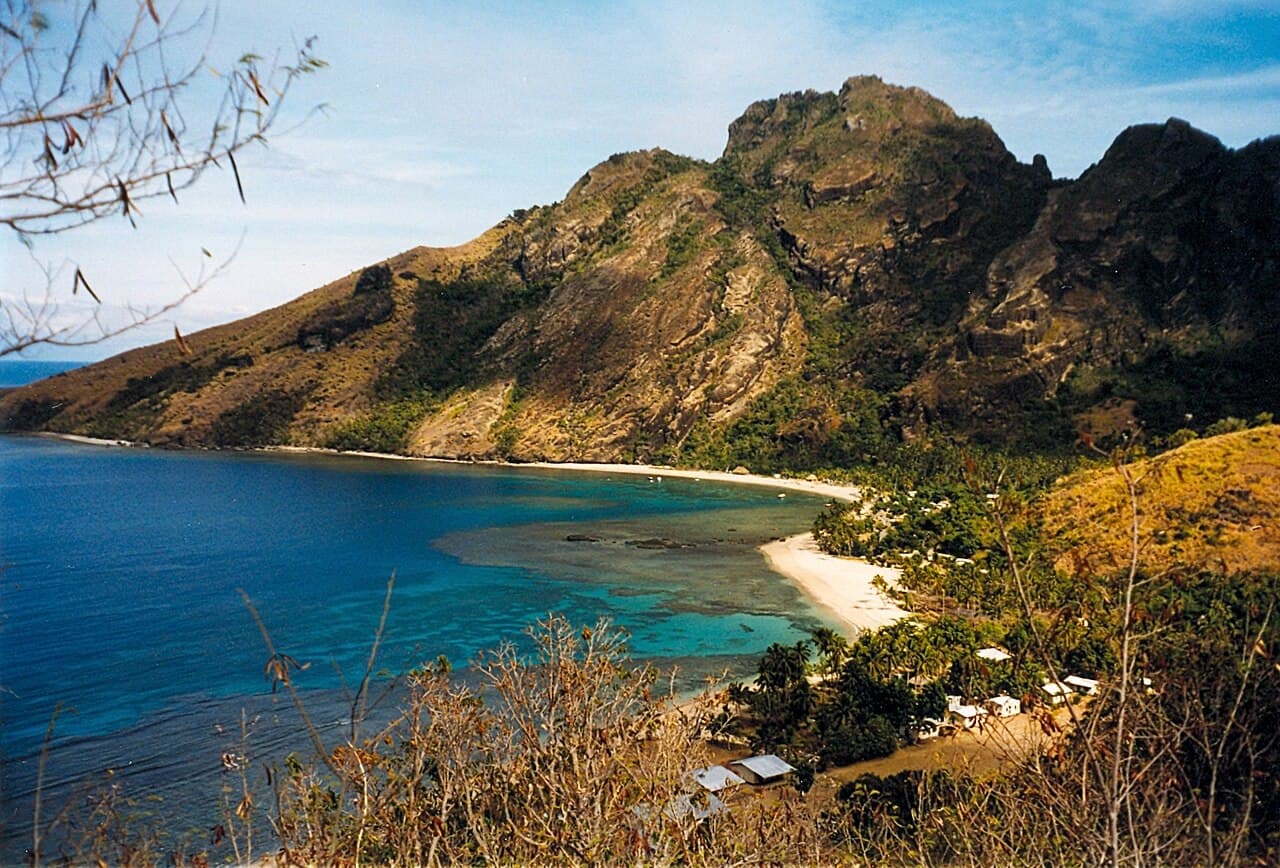
Fiji
Fiji
An archipelago of 333 islands where the first "Bula!" hits like a physical thing — warm, oceanic, genuine. The Mamanuca Islands are 30 minutes by speedboat from Nadi; the Yasawas are a 4-hour catamaran ride with the Blue Lagoon and manta ray encounters at Drawaqa Passage. Taveuni's Rainbow Reef is rated top-10 globally for diving. The kava ceremony, the Garden of the Sleeping Giant, Sabeto's mud pools, and a culture that invented the overwater resort experience.

Florence
Italy
The birthplace of the Renaissance is an open-air museum — the Duomo, the Uffizi, Michelangelo's David, and the Ponte Vecchio are just the start. Florence rewards slow exploration of its neighborhoods, from the artisan workshops of the Oltrarno to the markets of San Lorenzo. The Tuscan food and Chianti wine are unforgettable.

Flores
Indonesia
A long volcanic spine of an island in Indonesia's Lesser Sundas chain east of Bali, anchored by the harbour town of Labuan Bajo where every Komodo National Park live-aboard and day boat departs. Inland, the 1,639-metre Kelimutu volcano holds three crater lakes that shift colour independently — turquoise, olive, black — and the cool highland villages of Bena and Wae Rebo preserve thatched conical houses and Ngada megalithic ancestor stones. Days run from dawn dragon walks on Rinca to swim stops at Pink Beach, manta cleaning stations at Manta Point, and the 5km drone-friendly ridge of Padar Island. Christian-majority and overwhelmingly local in feel.

Florianópolis
Brazil
A 54-km-long island off the southern Brazilian coast with 42 distinct beaches — broad surf beaches at Mole and Joaquina, calm family bay waters at Jurerê, the bohemian Lagoa da Conceição lagoon at the centre, and the wild undeveloped south where Lagoinha do Leste requires a 2.5-hour rainforest hike. Florianópolis (locally "Floripa") is consistently ranked the highest quality-of-life Brazilian capital, settled by Azorean Portuguese in 1748 with fishing villages still preserving Azorean lacework, oyster farms (90% of Brazilian oysters come from this bay), and the lilting "Manezinho" accent. The 1898 Mercado Público's upstairs Box 32 oyster bar is the most beloved local institution. Public transit is genuinely mediocre — rent a car or rely on Uber. Beach scene is world-class; peak summer (December-February) is crowded and expensive.
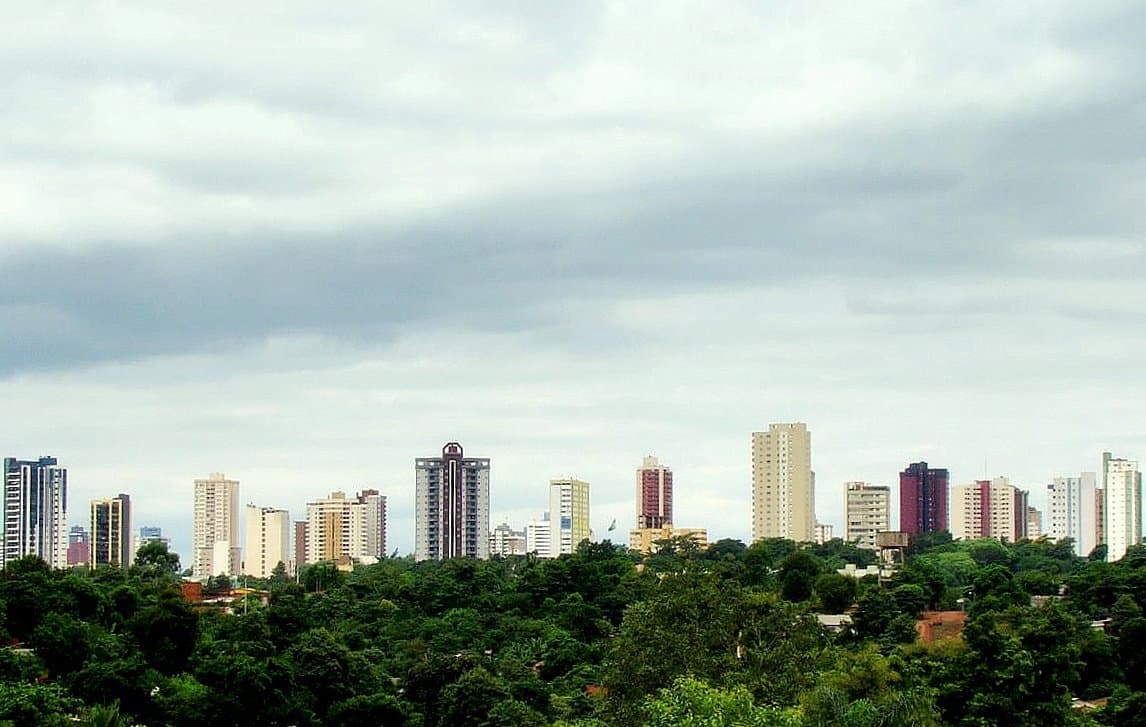
Foz do Iguaçu
Brazil
Foz do Iguaçu is the Brazilian launchpad for one of the planet's great spectacles — 275 individual waterfalls thundering across a 2.7 km horseshoe of basalt cliffs on the Paraná-Argentina border. The Brazilian side gives you the panoramic, postcard view of the falls (Argentina's side puts you on top of them, and most travellers do both). Beyond the cataratas, the city is the Tríplice Fronteira where Brazil, Argentina, and Paraguay meet, home to the Itaipu hydroelectric dam (the second-largest in the world) and a surprisingly diverse Lebanese-Brazilian-Paraguayan food scene built around shawarma, churrasco, and Paraguayan chipa.

Frankfurt
Germany
Germany's only true skyline city — home to the European Central Bank and a financial district nicknamed Mainhattan that puts a dozen 200-metre-plus towers along the Main River. The flip side sits across the river in Sachsenhausen, where Apfelwein taverns serve cloudy fermented apple wine in ribbed Geripptes glasses with handkerchief-pattern Bembel jugs. Römerberg square holds the half-timbered city hall, the Goethe House recreates the writer's birthplace room by room, and FRA airport pushes 65 million passengers a year through Europe's third-busiest hub — most travellers' first or last German city.

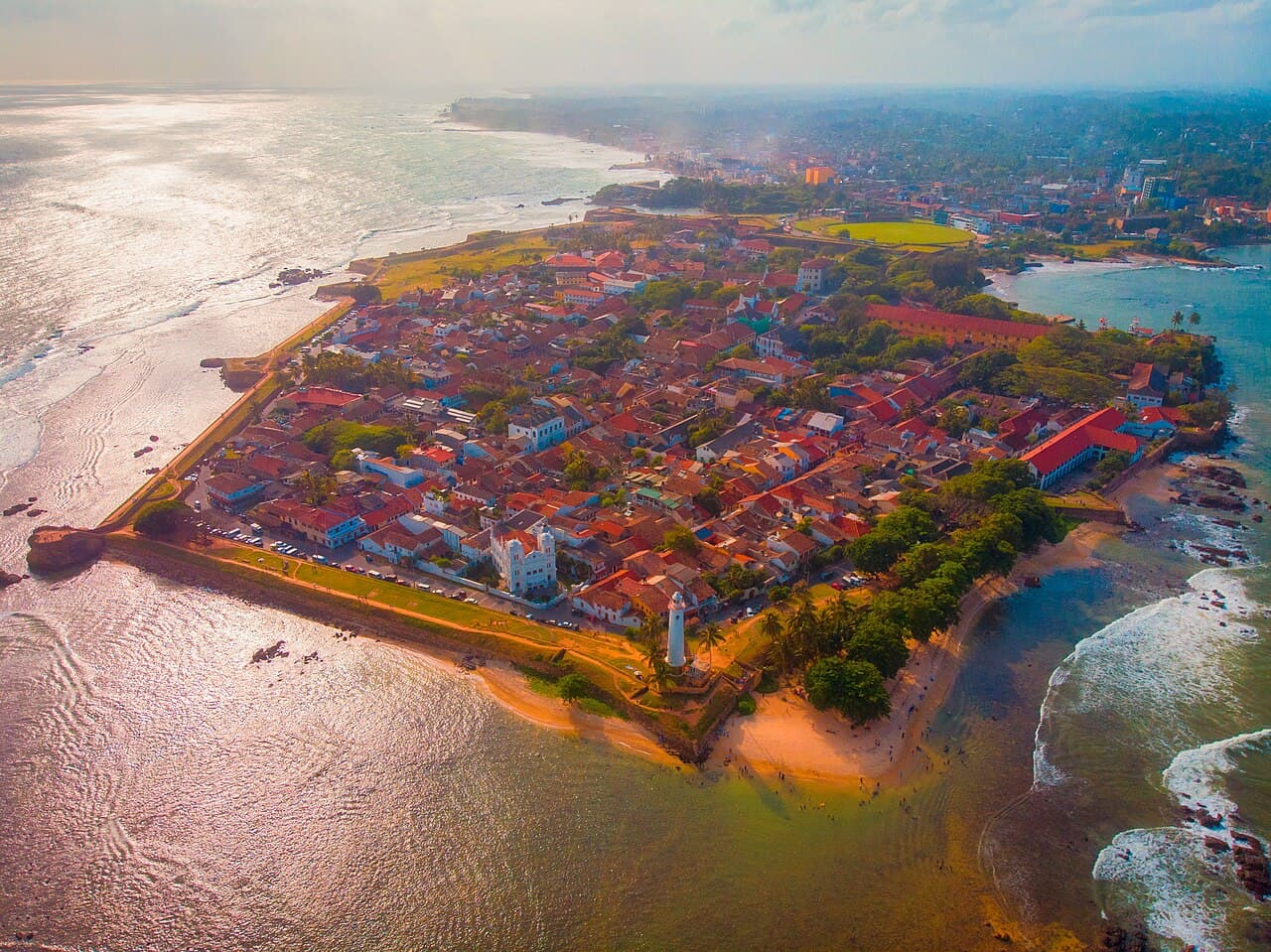
Galle
Sri Lanka
Galle is the Dutch-built fortified port on Sri Lanka's south coast — a 36-hectare walled town inside 17th-century granite ramparts that survived both colonial sieges and the 2004 tsunami almost untouched. UNESCO listed Galle Fort in 1988 as the best-preserved European-built fortified town in South Asia. Inside the walls, gridded streets are lined with white-washed Dutch and British colonial houses, churches, the 1939 lighthouse, and a wave of boutique cafés, design shops, and small hotels that have turned the fort into Sri Lanka's most stylish weekend escape. The southern beaches — Unawatuna, Mirissa, Weligama — are 15–40 minutes east.

Galway
Ireland
Ireland's festival capital and gateway to the wild west — the Latin Quarter and Shop Street have been a trading hub since the 14th century. The Aran Islands (Inis Mór's Dún Aonghasa cliff fort is 3,500 years old) are 45 minutes by ferry. Connemara's mountains and Kylemore Abbey are an hour's drive. The Crane Bar has hosted traditional music every night for decades.

Garden Route
South Africa
300km of South Africa's southern Cape coast between Mossel Bay and Storms River — a forested, lake-stitched, lagoon-laced ribbon between the Outeniqua and Tsitsikamma mountain ranges and the Indian Ocean. The drive itself (the N2 highway) is the trip: Wilderness National Park's beaches and lakes, Knysna's spectacular Heads (cliff-bound estuary mouth), Plettenberg Bay's white-sand resort beaches and dolphin spotting, Tsitsikamma's ancient yellowwood forests and Storms River suspension bridge, and Bloukrans Bridge's 216m bungee jump (world's highest from a bridge). Garden Route National Park spans three sections (Wilderness, Knysna, Tsitsikamma); Mediterranean climate makes November-April peak with no malaria. Most travellers self-drive over 4-7 days; George Airport (GRJ) is the western anchor.

Gatlinburg
United States
Gatlinburg is a 4,000-person mountain resort town wedged into a Tennessee river valley right at the main entrance to Great Smoky Mountains National Park, the most-visited national park in the country at 13 million-plus visitors a year. The walkable Parkway downtown packs taffy shops, moonshine tasting rooms, ski-lift bases, and the SkyLift Park up to a 680-foot pedestrian suspension bridge (the longest in North America) all in eight blocks. Pigeon Forge and Dollywood are five miles north along US-441, and the Roaring Fork Motor Nature Trail loops 5.5 miles through old-growth forest just east of town. Closest airport is Knoxville (TYS, 1 hour 15 minutes northwest).

Gdańsk
Poland
The great Hanseatic port at the mouth of the Vistula — narrow Dutch-gabled merchants' houses crowd the Long Market (Długi Targ) under Neptune's Fountain, and the brick crane (Żuraw) still squats on the Motława waterfront where ships once loaded amber and grain. Almost everything you see was rebuilt brick-by-brick after 1945 (the Old Town was 90% flattened). The European Solidarity Centre at the old Lenin Shipyard tells the story of how Poland's 1980 strikes brought down the Eastern Bloc; Westerplatte, where WWII began on 1 September 1939, is a tram ride away. Sopot's pier and Baltic beaches sit 20 minutes north on the SKM commuter train.

Geneva
Switzerland
Switzerland's French-speaking diplomatic capital on the western tip of Lake Geneva, home to the UN's European headquarters, the Red Cross, the WHO, the WTO, and roughly 40 percent of Geneva's residents being foreign nationals. The 140 m Jet d'Eau plumes from the lake's edge as the city's signature image, the medieval Old Town climbs to St. Pierre Cathedral where Calvin preached, and CERN sits 8 km west on the French border. Expensive even by Swiss standards, with a watch-and-chocolate shopping district that rivals Zurich's.
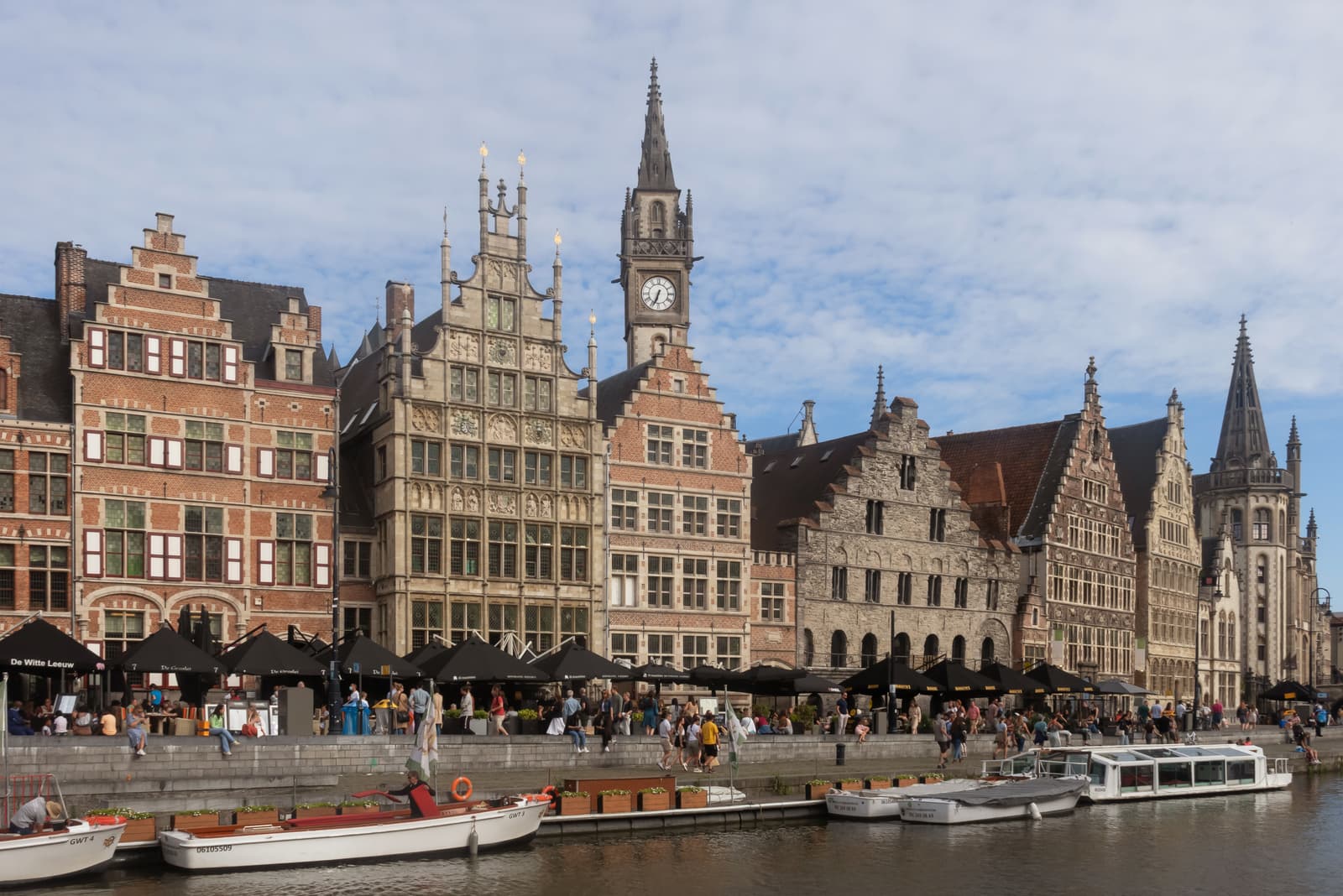
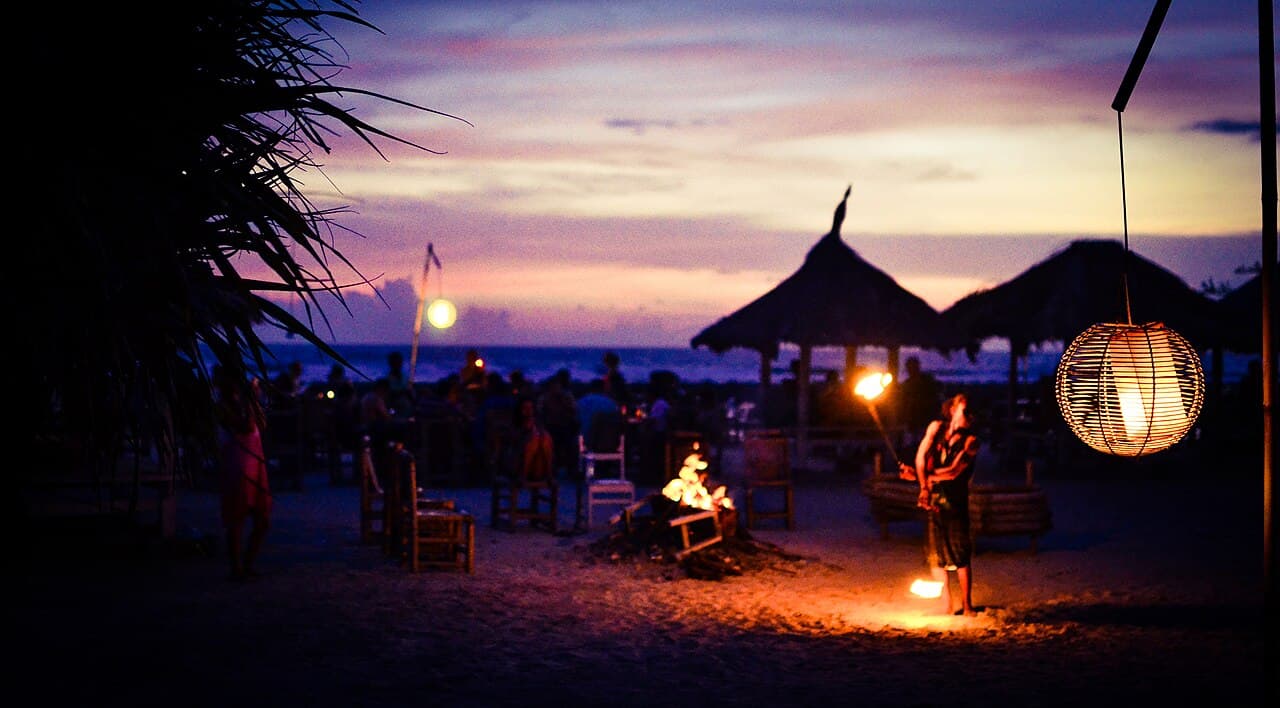
Gili Islands
Indonesia
Three tiny islands off Lombok's northwest — Gili Trawangan (party), Gili Meno (honeymoon), and Gili Air (balance). Zero motorized vehicles: walk, bike, or pony cart. Turtles guaranteed on the snorkel, diving world-class, Bintang at sunset swings. 2-hour fast boat from Bali Padangbai or 20-minute public ferry from Lombok Bangsal.

Glacier National Park
United States
Northern Montana's crown — a million acres of jagged peaks, ice-blue lakes, and dwindling glaciers (26 left, down from 150 in 1850). The Going-to-the-Sun Road across Logan Pass is one of the world's great drives, open only late June through mid-October. Grizzlies are serious here — bear spray isn't optional. Amtrak's Empire Builder actually stops at the park, a rarity for U.S. national parks.


Gobi Desert
Mongolia
The Gobi is one of the world's last great empty wildernesses — 1.3 million km of arid steppe, rocky outcrops, and gravel pans straddling southern Mongolia and northern China, ranked the fifth-largest desert on Earth. Only about 5 percent is true sand sea, but the dunes that do exist are spectacular: Khongoryn Els (the Singing Sands) climbs to 200 metres along 100 kilometres of the Gurvan Saikhan range. The Mongolian Gobi delivers three flagship sights — the Singing Sands, ice-filled Yolyn Am canyon, and the rust-coloured Bayanzag Flaming Cliffs where Roy Chapman Andrews unearthed the first dinosaur eggs in 1923. Bactrian camels, ger-camp nights under a black sky, and 4WD steppe drives define the trip.
.jpg%3Fwidth%3D1280&w=1600&q=75)
Gothenburg
Sweden
Sweden's second city and largest port, founded by Dutch engineers in 1621 and still organised around their canal grid — a working harbour with a softer, friendlier feel than Stockholm, plus the country's best concentration of fish-market food, the wooden-house quarter of Haga, and Liseberg, the largest amusement park in Scandinavia. The Volvo and SKF factories anchor a strong industrial economy, but the visitor draws are the Feskekorka fish-market church on the canal, fika in the wooden cafes of Haga, and a half-day's boat hop to the car-free islands of the southern archipelago. Direct SJ high-speed trains reach Stockholm in 3 hours and Copenhagen in 3 hours 30.


Granada
Spain
The Alhambra is the most visited monument in Spain — and justifiably so. The 14th-century Nasrid Palace complex, with its Generalife gardens cascading down the hillside above the whitewashed Albayzín quarter (both UNESCO), represents the pinnacle of Islamic art in the West. Granada was the last Moorish kingdom in Europe, falling to Ferdinand and Isabella in 1492, the same year Columbus sailed. One more gift: Granada is one of the last Spanish cities where tapas are still served free with every drink.

Grand Canyon National Park
United States
One of the planet's most familiar landscapes still lands the first time you walk up to Mather Point. The canyon is 277 miles long, a mile deep, and took the Colorado River roughly six million years to carve. South Rim (open year-round, 90% of visitors) is where most trips happen; North Rim is 10% of the traffic and closed half the year. The rule on Bright Angel: down is optional, up is mandatory.

Great Barrier Reef
Australia
The Great Barrier Reef is the largest coral reef system on Earth — visible from space and home to an incredible diversity of marine life. Snorkeling and diving among the coral gardens, manta rays, and sea turtles is unforgettable. Cairns and Airlie Beach are the main gateway towns, and the Whitsunday Islands offer stunning white sand beaches alongside the reef.

Great Smoky Mountains National Park
United States
The most-visited national park in the U.S. — 13 million visitors a year, more than double #2 — and still free to enter (parking tag since 2023). 522,000 acres of Appalachian rainforest straddle the TN/NC line, with more tree species than all of Europe, 1,500+ black bears, and the world's only predictable synchronous firefly display in June. Cades Cove at dawn is the wildlife jackpot; the kitsch in Gatlinburg is its own experience.

Guadalajara
Mexico
Mexico's second city and the capital of Jalisco, a 5-million metro that gave the country mariachi, tequila and the charreria rodeo. The historic centre runs from the twin-spired Cathedral past the Hospicio Cabanas, a UNESCO-listed neoclassical orphanage whose chapel ceiling is covered in Jose Clemente Orozco's 1939 frescoes including the Man of Fire. Tlaquepaque and Tonala sit on the southeast edge as artisan neighbourhoods of pottery, blown glass and Saturday markets. The town of Tequila is an hour west by tequila-themed train through fields of blue agave. GDL airport handles direct flights from most major US hubs.

Guanajuato
Mexico
Guanajuato is the Mexican silver-mining city that became a multicoloured riot — pink, ochre, mint, and lemon-yellow houses tumbling up the hillsides of a narrow ravine, with most of the city's traffic underground in 18th-century mine tunnels that were repurposed for cars. UNESCO inscribed the historic centre and the surrounding mines in 1988. The university (founded 1732) keeps the streets young; Diego Rivera was born here in a townhouse that's now a museum; the El Pípila monument on the hilltop gives you the photogenic panorama; and on weekend evenings the callejoneadas — student musicians in 17th-century costume leading wine-soaked walking serenades through the back alleys — are the warmest way to experience the city.

Guangzhou
China
The capital of Cantonese cuisine and culture, Guangzhou is a megacity where dim sum reigns supreme. The Pearl River night cruise, Chen Clan Ancestral Hall, and bustling Shangxiajiu Pedestrian Street showcase the city's blend of tradition and modernity.

Guilin
China
The karst-peak landscape that appears on China's 20-yuan banknote — the most photographed natural scenery in China, draped in mist along the Li River and the smaller Yulong tributary. The 4-5 hour Li River cruise from Guilin downstream to Yangshuo (83 km) passes the iconic Xianggong Hill viewpoint and the Ming-dynasty fishing village of Xingping; National Geographic ranked it among the world's top ten watery wonders. Add the 1,300-year-old cormorant fishing tradition, the 700-year-old Longji rice terraces (golden in September, mirror-flooded in May), the labyrinthine Reed Flute Cave, the Zhuang and Yao minority cultures, and the relaxed backpacker scene of Yangshuo's West Street, and Guilin is the most photogenic destination in southern China.

Gyeongju
South Korea
Korea's museum without walls — capital of the Silla Kingdom for nearly a thousand years (57 BC to 935 AD) and home to a UNESCO Historic Areas inscription that bundles together Bulguksa Temple, the Seokguram Grotto on the slopes of Toham Mountain, the royal tumuli rising like grass-covered hills in the city centre, and Cheomseongdae, the small bottle-shaped observatory built in the 7th century and considered the oldest surviving in East Asia. Anapji Pond mirrors its restored pavilions after dark, cherry blossoms line the tomb park in early April, and the Gyeongju National Museum houses the Silla gold crowns. Two hours by KTX from Seoul or one from Busan.

Hạ Long Bay
Vietnam
Hạ Long Bay is the postcard image of northern Vietnam — roughly 1,600 jungle-topped limestone karst islands rising sheer out of jade-green water across 1,553 km² of the Gulf of Tonkin. UNESCO listed it in 1994 (and again in 2000 for geology) and it became one of the New 7 Natural Wonders in 2012. Most visitors arrive on overnight junk-boat cruises out of Tuần Châu or Hạ Long City, threading between karsts to caves like Sửng Sốt and Thiên Cung, kayaking into hidden lagoons, and climbing the 427 steps up Ti Tốp Island for the iconic aerial view. The neighbouring Lan Hạ Bay (south of Cát Bà Island) has fewer boats and arguably better swimming.

Hakone
Japan
Mount Fuji's onsen escape — a mountain hot-spring resort 90km southwest of Tokyo inside Fuji-Hakone-Izu National Park. The iconic shot is Lake Ashi's pirate-ship cruise framed by Hakone Shrine's red torii in the water with Fuji behind on a clear day. Owakudani's volcanic valley sells black eggs cured in sulfur springs. The Hakone Open-Air Museum mixes Picasso with mountain views, and traditional ryokans deliver the kaiseki + onsen night. Hakone Free Pass covers the Tozan switchback train, ropeway, cable car, and ship loop.

Hallstatt
Austria
Hallstatt is the postcard — a single 800-person village clinging to a sliver of land between Lake Hallstatt and the vertical Salzberg, with pastel houses stacked five-deep and a Lutheran church spire rising over a wooden boathouse for the photograph everyone has already seen. The salt mine above the village has been operated continuously for 7,000 years (the oldest active mine in the world), the Iron Age Hallstatt culture is named after this exact valley, and the entire Salzkammergut region is UNESCO listed. The trick is that 10,000 day-trippers arrive between 11:00 and 15:00 and the village empties by 17:00 — so stay overnight, walk at dawn, and you have one of Europe's most beautiful places almost to yourself.

Hamburg
Germany
Germany's second-largest city and largest port — a Hanseatic League trading capital that has more bridges than Venice, Amsterdam, and London combined, with Europe's largest contiguous warehouse complex (the UNESCO Speicherstadt) and the wave-roofed €866M Elbphilharmonie concert hall on top of an old harbour warehouse. The Reeperbahn in St. Pauli is Europe's most famous red-light district where The Beatles played 281 nights 1960–1962, the Sunday Fischmarkt has been operating for 320 years (05:00–09:30, with a live band), and the Inner and Outer Alster lakes give central Hamburg a sailing-club energy unique among major European cities.

Hampi
India
The ruined capital of the Vijayanagara Empire (14th-16th century) scattered across a surreal landscape of 500 million-year-old granite boulders in northern Karnataka. UNESCO since 1986. The Virupaksha Temple still functions as an active Hindu shrine; the Vittala Temple's musical pillars and Stone Chariot are the postcard images. The Tungabhadra River divides the bazaar-and-temple side from the Hippie Island (Virupapur Gaddi) backpacker scene. Reached via overnight sleeper bus from Bangalore or Goa.

Hangzhou
China
The southern terminus of the Grand Canal and the city Marco Polo called the most beautiful in the world — West Lake (UNESCO 2011) is the cultural template every classical Chinese garden has imitated for a thousand years. The Su Causeway, Broken Bridge, Leifeng Pagoda, and the Tang-era Lingyin Temple anchor the lake. Longjing Village's tea terraces produce China's most prized green tea (Dragon Well, harvested before Qingming). Hangzhou is also Alibaba's home and the country's high-tech showpiece — the bullet train from Shanghai is just 45 minutes.

Hanoi
Vietnam
Hanoi is one of Asia's most atmospheric capitals — a thousand years of history layered into chaotic, charming streets. The Old Quarter buzzes with motorbikes and street food vendors, French colonial architecture stands alongside ancient temples, and Hoan Kiem Lake offers a tranquil escape. Pho for breakfast, egg coffee for lunch, bun cha for dinner.
.jpg%3Fwidth%3D1280&w=1600&q=75)
Harbin
China
Heilongjiang's northeastern capital, built up by Russian engineers around the Chinese Eastern Railway at the turn of the 20th century — the result is a Mandarin city with onion-domed cathedrals, Art Nouveau facades, and a Russian-bakery street culture you find nowhere else in China. Saint Sophia Cathedral anchors Daoli district, Central Avenue (Zhongyang Dajie) runs 1.4km of restored European stone storefronts to the Songhua River, and every January the Ice and Snow World turns the riverbank into 600,000 square metres of illuminated ice sculptures up to 50m tall. Pack a parka — January averages around -19C.

Hardangerfjord
Norway
The fourth-longest fjord in the world at 179km — the Queen of the Fjords — softer and more agricultural than Sognefjord or Geirangerfjord, with apple and pear orchards on the slopes and Norway's only DOP cider. Trolltunga, the rock tongue jutting 700m above Lake Ringedalsvatnet, is the headline hike (10–12 hours round-trip from Skjeggedal, safe mid-June to mid-September). Vøringsfossen thunders 182m near Eidfjord. Europe's largest mountain plateau, Hardangervidda, is just beyond.

Havana
Cuba
Havana is a city frozen in time — 1950s American cars cruise past crumbling colonial palaces, salsa music drifts from open doorways, and the Malecon seafront promenade is the world's longest open-air living room. Habana Vieja's restored squares contrast with raw, ungentrified neighborhoods. Mojitos, cigars, and a sense of place unlike anywhere else.

Heidelberg
Germany
Germany's most romantic university town — the half-ruined red-sandstone Schloss looking down on the Neckar River, the cobbled Hauptstrasse threading through a pristine Old Town that was spared Allied bombing, and Ruperto Carola, the country's oldest university (1386). The Karl-Theodor-Brücke arches across to the Philosophenweg, where Hegel and Goethe both walked. Day-trippers from Frankfurt outnumber overnight stays, but the early-morning and late-evening hours when the tour buses leave are when Heidelberg becomes itself.
Helsinki
Finland
Finland's Baltic capital is a design capital, a sauna capital, and the European jumping-off point for Tallinn by 2-hour ferry. Löyly harborside sauna, Suomenlinna sea fortress, Temppeliaukio rock church, Senate Square's Lutheran white, and 19-hour June daylight. Finnish is Finno-Ugric — closer to Estonian than Swedish.

Hilton Head
United States
A 12-mile crescent-shaped Lowcountry barrier island off the southern coast of South Carolina, master-planned in the 1950s by developer Charles Fraser around the principle that buildings should never overshadow the trees. The result is a quietly affluent island of 33-plus golf courses (host of the RBC Heritage PGA tournament every April at Harbour Town Links, played around the candy-striped 1969 lighthouse on the 18th hole), 60 miles of paved bike paths threading the maritime forest, and the 605-acre Sea Pines Forest Preserve. Charleston is two hours north on US-17; Savannah is 45 minutes south across the Talmadge Bridge.


Hjørundfjord
Norway
A 35km fjord in the Sunnmøre Alps — one of Norway's most spectacular fjords and somehow still one of its least visited. No cruise ships call. The mountains rise nearly sheer from the water to 1,500m peaks: Slogen, Kolåstinden, Saksa. In April–May this is arguably the world's best summit-to-sea ski touring; in summer the Sagafjord ferry still links Sæbø, Urke and Øye, where historic Hotel Union Øye hosted Kaiser Wilhelm II. If you want the fjords without the crowds of Geiranger, this is it.

Ho Chi Minh City
Vietnam
Ho Chi Minh City (still called Saigon by locals) is Vietnam's energetic southern hub — a city of roaring motorbikes, French colonial landmarks, and some of the best street food on earth. The War Remnants Museum is sobering, the Ben Thanh Market is overwhelming, and the coffee culture is addictive. Always evolving, always buzzing.

Hobart
Australia
Hobart is the capital of Tasmania and Australia's second-oldest city — a working deep-water port at the foot of 1,271-metre kunanyi/Mount Wellington, with sandstone Georgian warehouses on Salamanca Place that fill every Saturday with Tasmania's best produce market. MONA (the Museum of Old and New Art) is the reason most visitors come now: a private subterranean museum funded by a professional gambler, reached by ferry from the city centre, and consistently ranked among the world's most provocative contemporary collections. Beyond Hobart proper lie Bruny Island oysters, the Tasman Peninsula's sea cliffs, and the Tasmanian wilderness.

Höfn
Iceland
A working langoustine port on a flat tongue of land that pokes into the Hornafjörður lagoon, with the white wall of Vatnajökull — Europe's largest ice cap — filling the entire western horizon. Höfn (the name just means "harbour") is the obvious base for the Glacier Lagoon (Jökulsárlón), the Diamond Beach, and ice-cave excursions onto Vatnajökull's outlet glaciers. 459 km / 6 hours from Reykjavík on the Ring Road; the eastern fjords begin 30 minutes north.


Houston
United States
Houston is the fourth-largest US city (2.3M in the city, 7.3M in the metro) and the most diverse — more than 145 languages spoken, world-class Vietnamese, Indian, and Tex-Mex food scenes side by side. NASA Johnson Space Center sits 25 miles south, the Museum District packs 19 institutions into 1.5 square miles (the Menil Collection alone justifies the trip), and Buffalo Bayou Park has reshaped downtown with 160 acres of trail along the water. The catch: Houston is sprawling, hot from June through September, and exposed to Atlantic hurricanes in late summer.

Hua Hin
Thailand
Hua Hin is the original Thai royal beach town, picked by King Rama VII for the Klai Kangwon summer palace in 1926 and treated ever since as Bangkok’s long-weekend coast. It sits 200 kilometres south of the capital on the Gulf of Thailand, a 3-hour drive or train ride that ends at a teakwood station with red and yellow gables. The five-kilometre town beach runs south to a clifftop temple at Khao Takiab, and the Cicada and Tamarind night markets on weekends draw the crowd that flies in for golf. Phraya Nakhon Cave, an hour south, hides the Kuha Karuhas pavilion built for King Rama V in 1890. Thailand’s golf capital, eight courses inside city limits.

Hualien
Taiwan
A 110,000-person Pacific-coast city wedged between the Central Mountain Range and the open ocean — the working gateway to Taroko Gorge 15 kilometres north. Qixingtan Beach is a long arc of black pebbles facing whale-shaped bays, the Dongdamen Night Market sprawls across a former harbour, and the morning fishing-port market sells the day's bonito within an hour of landing. Two to three hours from Taipei on the eastern TRA line, and the home base of the Tzu Chi Buddhist Foundation and its enormous hospital and university campus.

Huangshan
China
Anhui province's UNESCO granite range — 1,860m peaks rising from the yunhai sea-of-clouds layer that gave centuries of Chinese poets and ink painters their template for what a mountain should look like. Two cable cars (Yungu on the east, Taiping on the west) lift visitors past the four classic features (oddly-shaped pines, grotesque rocks, sea of clouds, hot springs) onto a plateau of summit hotels at Beihai, Xihai and Baiyun. Most visitors stay one or two nights for sunrise. Five hours from Shanghai by G-train.

Hue
Vietnam
The imperial capital of Vietnam under the Nguyen Dynasty from 1802 to 1945 — UNESCO-inscribed in 1993 as a complex of palaces, royal tombs, pagodas, and citadel walls along the Perfume River (Song Huong, named for the autumnal scent of fruit-tree blossoms drifting from the upstream orchards). The Imperial Citadel covers 520 hectares enclosed by 10-kilometre stone walls and a moat, modelled on Beijing's Forbidden City but smaller, with the Forbidden Purple City reserved exclusively for the emperor and his immediate family at its heart. The 1968 Tet Offensive's 26-day Battle of Hue was one of the bloodiest urban battles of the Vietnam War — much of the citadel was destroyed and restoration is still ongoing. Seven royal tombs scatter through the hills south of the city; Tu Duc, Khai Dinh, and Minh Mang are the most architecturally exceptional. Hue cuisine is its own school of Vietnamese cooking — the iconic everyday dish is bun bo Hue (spicy beef noodle soup with lemongrass and fermented shrimp paste). The Eiffel-firm-designed Truong Tien Bridge connects the imperial north bank with the modern south.

Hunza Valley
Pakistan
A Karakoram valley wedged between 7,000m peaks — Karimabad and Altit perched on terraces above the Hunza River, Baltit Fort surveying the apricot orchards from its 700-year-old foundations, and Rakaposhi (7,788m) filling the southern view from breakfast tables. Turquoise Attabad Lake formed in 2010 after a landslide, and the Karakoram Highway threads north through it to the Khunjerab Pass and the Chinese border. One of the safest corners of Pakistan and the country's tourism crown jewel.

Hurghada
Egypt
Egypt's Red Sea Riviera, strung along 40 km of mainland coast facing the Sinai across the Gulf of Suez. Once a quiet fishing village, Hurghada exploded into the country's largest beach-resort cluster from the 1980s onward and now functions as the lower-cost mainland counterpart to Sharm El Sheikh. The Giftun Islands sit a 30-minute snorkel-boat ride offshore, El Gouna (the upscale planned town with its lagoons, marina and golf course) is 25 km north, and Hurghada International handles direct charters from across Europe and the former USSR.

Hvar
Croatia
Croatia's sunniest island receives over 2,700 hours of sunshine per year — more than anywhere else in the country. The Stari Grad Plain (UNESCO) was laid out by Greek colonists in 384 BC in a geometric field system unchanged for 2,400 years. Hvar Town's limestone piazza, backed by the Fortica fortress and facing the Pakleni Islands, is the most glamorous harbour scene in the Adriatic.

Ibiza
Spain
The third-largest Balearic Island wraps two completely different identities into one Mediterranean idyll — the UNESCO-listed Renaissance walls of Dalt Vila, the most complete coastal fortifications in the Mediterranean, sit above an island that hosts the world's most influential club scene (Pacha since 1973, Amnesia, Ushuaïa, DC10, Hï Ibiza). Two-thirds of the island is protected: Ses Salines Natural Park where Phoenicians have harvested salt for 2,700 years, the underwater Posidonia seagrass meadows that produce the clearest water in Spain, and the rural north of pine-forested fincas and almond groves. Cala Comte sunsets, Es Vedrà mythology, and 30-minute ferry rides to Formentera's white-sand beaches round out an island that delivers everything from teenage stag weekends to UNESCO archaeology.

Iguazu Falls
Argentina
One of the New 7 Natural Wonders — 275 individual cascades stretched 2.7km along the Argentina-Brazil border, dwarfing Niagara. The Argentine side's Devil's Throat catwalk puts you above the roaring central plunge; the Brazilian side delivers the panoramic postcard. Subtropical rainforest with toucans, coatis, and capuchin monkeys. Puerto Iguazú is the Argentine base; Foz do Iguaçu sits across the bridge.

Ilulissat
Greenland
Greenland's third-largest town sits 300 km north of the Arctic Circle at the mouth of the UNESCO-listed Ilulissat Icefjord — where Sermeq Kujalleq glacier calves 35 km³ of icebergs per year (more than any glacier outside Antarctica). Home to 4,700 people and roughly 3,500 Greenlandic sled dogs. Midnight sun May–July, polar night November–January, and one of the planet's most reliable Northern Lights viewing windows September through April.

Indianapolis
United States
Indianapolis is the most under-rated big city in the Midwest — the Indianapolis Motor Speedway hosts the Indy 500 (350,000 spectators, the largest single-day sporting event in the world) every Memorial Day weekend, the NCAA is headquartered downtown, and Mass Ave (Massachusetts Avenue) has emerged as one of the Midwest's best food-and-drink corridors. The downtown is genuinely walkable thanks to the 8-mile Cultural Trail loop, and the city has more memorial monument acreage than any US city outside Washington DC — Soldiers' and Sailors' on Monument Circle is the unofficial symbol.

Inle Lake
Myanmar
A 22 km freshwater lake on the Shan Plateau at 880 m elevation — famous worldwide for the Intha leg-rowing fishermen who balance one foot on the bow, the other wrapped around an oar, freeing both hands for the conical net. Floating gardens grow tomatoes on rafts of weed; stilt villages of teak houses sit out on the lake; the Phaung Daw Oo Pagoda holds five Buddha images so encrusted with gold leaf they've lost all human form. Bagan is the architecture; Inle is the everyday human-on-water genius.

Innsbruck
Austria
Innsbruck is the Tyrolean capital squeezed into the Inn River valley between two enormous limestone walls — the Nordkette to the north (you can ride a Zaha Hadid-designed funicular from the city centre to 2,256 m in 20 minutes) and the Patscherkofel to the south. The medieval Altstadt is anchored by Maximilian I's Goldenes Dachl (Golden Roof, 2,657 fire-gilded copper tiles, 1500 AD), and the city has hosted the Winter Olympics twice (1964, 1976). It is the world's only major city where you can drink a melange in a Habsburg-era cafe at 09:00 and be on a black-graded ski run by 10:30.

Interlaken
Switzerland
Switzerland's alpine adventure capital sits between Lake Thun and Lake Brienz, with the Jungfrau region rising behind town. Base for Jungfraujoch's Top of Europe railway (3,454m), paragliders launching over Höhematte meadow, Lauterbrunnen's 72 waterfalls (inspiration for Rivendell), and Mürren's car-free clifftop perch. Expect Swiss prices.

Isfahan
Iran
"Isfahan is half the world" — Safavid-era capital whose Naqsh-e Jahan Square (UNESCO 1979) is one of the largest public squares on Earth, ringed by the blue-tiled Shah Mosque, the jewel-like Sheikh Lotfollah Mosque, Ali Qapu Palace, and the Grand Bazaar. Si-o-se-pol and Khaju bridges span the Zayandeh, the Armenian Vank Cathedral marks the Jolfa quarter, and Chehel Sotoun's reflected columns complete the Safavid tour. Visa reality is complicated for US/UK/Canadian passports — guided tours only; sanctions block foreign cards (carry USD/EUR cash).

Islamabad
Pakistan
Pakistan's purpose-built capital, planned in the 1960s on a Greek-architect's grid against the Margalla Hills — leafy, organized, and a complete reset from the Subcontinent's older megacities. Faisal Mosque rises like a Bedouin tent against the foothills, F-7 sector cafes spill onto wide boulevards, and the Margalla Trail-3 trailhead is a 15-minute drive from downtown. Most travellers' gateway to Hunza, Skardu, and the Karakoram.

Isle of Skye
United Kingdom
The largest of the Inner Hebrides at 1,656 km², connected to mainland Scotland by the Skye Bridge since 1995 (the toll abolished in 2004 after a long civil-disobedience campaign by islanders refusing to pay). The population is just 10,000 but the island receives 600,000+ tourists a year — a 60-to-1 ratio that has caused real strain on infrastructure (Fairy Pools car-park gridlock is famous). The Old Man of Storr basalt pinnacle, the Quiraing landslip ridge, and the green Trotternish hills define the photogenic north; the Cuillin range divides into the technical Black Cuillin (gabbro and basalt, the Inaccessible Pinnacle is the only Munro requiring rock climbing) and the walkable Red Cuillin. Skye is the spiritual heartland of Gaelic Scotland — about 30% of residents have some Gaelic, and Sabhal Mòr Ostaig on Sleat is the main Gaelic-medium college. Talisker (founded 1830) on the western shore is the island's only legal distillery. Closest airport: Inverness (INV), then a 2.5-hour drive across the Skye Bridge.

Istanbul
Turkey
Istanbul straddles two continents and thousands of years of history. The skyline of minarets and domes, the chaos of the Grand Bazaar, the Bosphorus ferries at sunset — it's a city that overwhelms in the best way. Incredible food, affordable prices, and a depth of culture that rivals anywhere on earth.

Jacksonville
United States
Jacksonville is the largest city by area in the continental United States (875 square miles, after a 1968 city-county consolidation) and the most populous in Florida at roughly 1 million residents. The St. Johns River cuts the downtown in half, the Cummer Museum and MOCA cover the city's serious art interests, and the Jacksonville Zoo and Gardens is regularly ranked in the top 10 nationally. Three full Atlantic beach towns (Jacksonville Beach, Neptune Beach, Atlantic Beach) sit 18 miles east, and the St. Johns River Ferry at Mayport still carries cars across the river to Fort George Island. Amelia Island is 45 minutes north. The NFL Jaguars play at TIAA Bank Field downtown.


Jakarta
Indonesia
Indonesia's 11-million-strong capital and the economic heart of ASEAN — a sprawling, traffic-choked, food-obsessed megacity layered over the Dutch East India Company's old port of Batavia. Kota Tua's whitewashed VOC warehouses face Sunda Kelapa harbour where pinisi schooners still load cargo by hand, the 132-metre National Monument (Monas) spikes the skyline at Merdeka Square, and Istiqlal — Southeast Asia's largest mosque — stands face-to-face with the neo-Gothic Jakarta Cathedral. Glodok Chinatown and the kerak telor and soto betawi stalls of Setu Babakan are ground zero for Indonesian street food. Most travellers transit through the CGK or HLP airports en route to Bali, Yogya, or Komodo, but a 48-hour stop reveals a city most Instagram itineraries miss.

Jasper National Park
Canada
The northern anchor of the Canadian Rocky Mountain Parks UNESCO site. Maligne Lake's Spirit Island, the Columbia Icefield's Athabasca Glacier, the 230 km Icefields Parkway drive down to Banff, and the Jasper SkyTram up Whistlers Mountain (2,263m). World's 2nd-largest Dark Sky Preserve with an annual Dark Sky Festival. Wildlife: elk, bighorn sheep, bears, wolves. Honest note: the town suffered major damage in the 2024 wildfire; confirm operational status for specific lodges. Access from Edmonton (YEG) 4hr or Calgary (YYC) 5hr; VIA Rail stops in Jasper.

Jeddah
Saudi Arabia
Saudi Arabia's Red Sea gateway and the historic embarkation port for the Mecca pilgrimage — 4.7 million people on a humid coast where the architecture is older, the food is more Levantine, and the pace is gentler than Riyadh. Al-Balad, the UNESCO-listed old town, is a labyrinth of coral-stone houses with carved-wood rawasheen balconies that sealed in shade and modesty for 500 years. The 30-kilometre Corniche promenade runs north along the Red Sea past the King Fahd Fountain (the world's tallest at 312 metres) and the white minaret of the Floating Mosque. Offshore, the Red Sea has some of the planet's least-visited coral reefs. Hotter and stickier than Riyadh; same November-to-March visiting window.

Jeju
South Korea
Jeju Island sits 100 km off the southern tip of the Korean peninsula — a 1,850-square-kilometre volcanic island built around 1,947-metre Hallasan, South Korea's tallest mountain. UNESCO has triple-inscribed the island (Biosphere Reserve, Geopark, World Natural Heritage) for the volcano, the Geomunoreum lava-tube system (Manjanggul Cave is 7.4 km long), and Seongsan Ilchulbong, the 'Sunrise Peak' tuff cone on the east coast. The 425-km Olle Trail walking network rings the island in 27 numbered routes, the haenyeo (women free-divers, average age 70+) still harvest abalone off the coast, and Jeju black pork and abalone porridge are the local food obsessions.
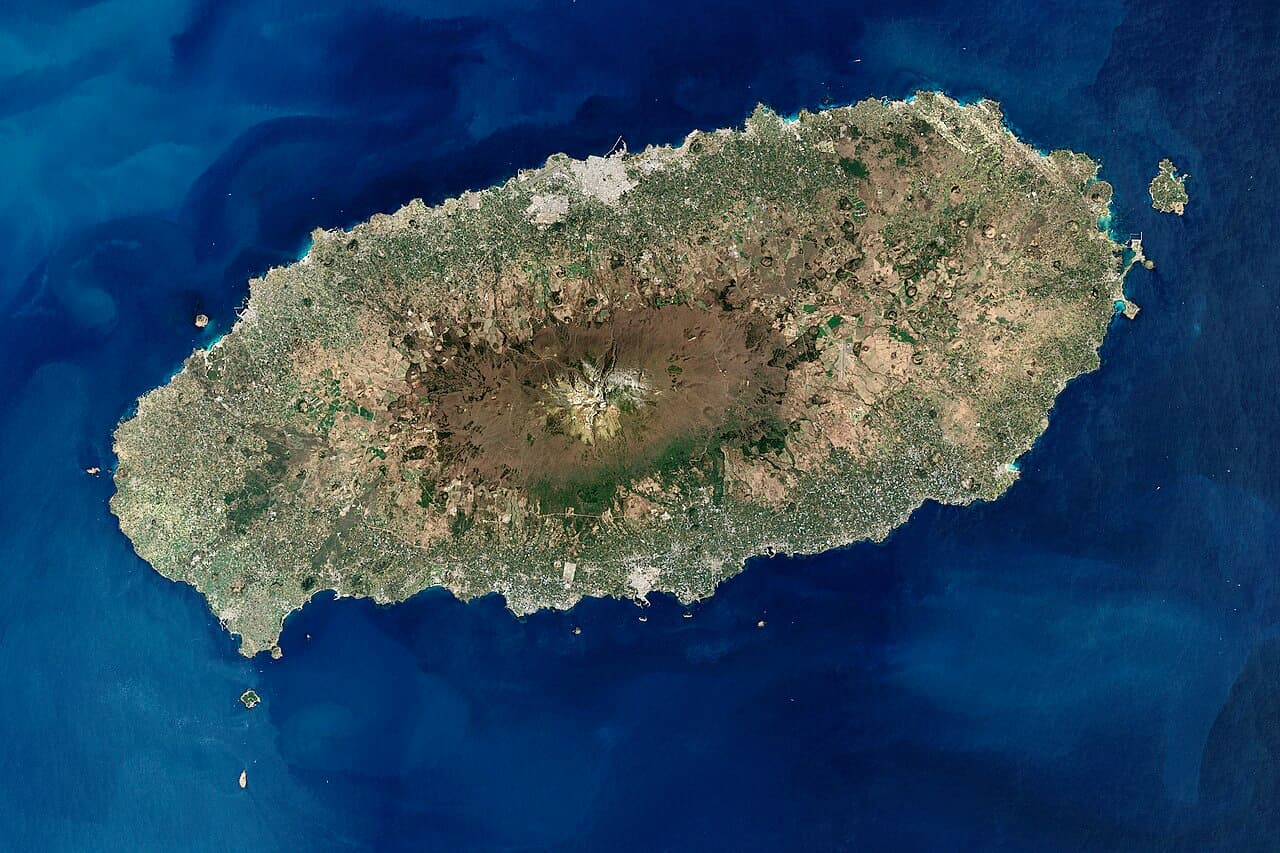
Jeju Island
South Korea
South Korea's volcanic island paradise holds a UNESCO triple crown — biosphere reserve, world natural heritage, and global geopark — for Hallasan (1,950m, Korea's highest peak), Seongsan Ilchulbong (a tuff cone rising from the sea), and Manjanggul (one of the world's longest lava tubes at 13 km). The busiest air route in the world runs Seoul–Jeju; 15 million visitors come annually. Jeju has its own visa exemption — 30 days for most nationalities without a Korean visa.

Jeonju
South Korea
Korea's culinary capital and the birthplace of bibimbap — the proper version, layered with raw beef tartare, served in a bronze bowl, paired with a dozen banchan side dishes. Jeonju Hanok Village preserves more than 700 traditional Korean houses inside the central downtown, with tiled roofs sloping in tight rows and most homes still operating as hanok-stay guesthouses where you sleep on a heated ondol floor. Pungnammun Gate, the last surviving gate of the old city wall, anchors the southern edge, and the Jeonju Bibimbap Festival turns the village into one open kitchen each October. Ninety minutes by KTX from Seoul.

Jerusalem
Israel
The most contested 0.9 km² on Earth — the Old City's four quarters hold the Western Wall, the Church of the Holy Sepulchre, the Dome of the Rock, and the Via Dolorosa in such proximity that the city's air itself feels charged with 3,000 years of prayer. Beyond the walls: Yad Vashem is the world's most important Holocaust memorial; the Israel Museum holds the Dead Sea Scrolls; Mahane Yehuda market is one of the Middle East's best food markets. Check current advisories.

Johannesburg
South Africa
South Africa's economic powerhouse is reinventing itself with vibrant arts districts in Maboneng and Braamfontein, the sobering Apartheid Museum, and Constitution Hill. Gateway to Kruger National Park safaris and the Cradle of Humankind.

Joshua Tree National Park
United States
Joshua Tree spans 800,000 acres at the meeting point of the Mojave and Colorado deserts in southern California, two hours east of Los Angeles. The park is famous for the namesake yucca trees that cluster in the higher Mojave half, the surreal monzogranite boulder piles at Hidden Valley and Jumbo Rocks, and one of the best concentrations of single-pitch climbing and bouldering in the world (1,400+ routes). Skull Rock, the Cholla Cactus Garden, and Keys View over the Coachella Valley are the can't-miss roadside stops. Twentynine Palms and Yucca Valley are the gateway towns; the season runs October through May.

Kamakura
Japan
An hour south of Tokyo on the JR Yokosuka Line, Kamakura was Japan's de facto capital from 1185 to 1333 — the seat of the country's first samurai government. The Great Buddha at Kotokuin (a 13.4 m bronze cast in 1252, now sitting open-air after the temple hall was washed away) is the icon. Tsurugaoka Hachimangu Shrine anchors the town's main approach; Hasedera adds an 11-headed Kannon and a hydrangea garden. Yuigahama beach gives Tokyoites a summer surfing weekend, and Komachi-dori is the snack street running back toward Kamakura Station.

Kampot
Cambodia
A drowsy riverside town on Cambodia's south coast where the Praek Tuek Chhu river curls past faded French shophouses and the Elephant Mountains rise abruptly inland. Kampot is the world capital of one specific thing: Kampot Pepper, a Protected Geographical Indication crop whose long-pepper, black, red, and white varieties end up on Michelin tables in Paris and Tokyo. Days are spent on plantation tours, kayaking the river, riding up to the abandoned French hill station and casino at Bokor National Park, or taking the 30-minute hop east to Kep for crab market lunches. The slowest, friendliest base in Cambodia.

Kanazawa
Japan
Japan's best-kept secret — the only major Japanese city never bombed in World War II, meaning 99% of pre-war Edo-period architecture survives. Kenroku-en is one of Japan's Three Great Gardens; the Higashi Chaya geisha district, unchanged since 1820, is the finest preserved teahouse quarter outside Kyoto. The Maeda clan ruled for 300 years and spent lavishly on arts — Kanazawa has more registered National Treasures per capita than any Japanese city outside Kyoto and Nara.

Kandy
Sri Lanka
Sri Lanka's highland capital and the last kingdom to fall to the British (1815) — the Temple of the Sacred Tooth Relic is Buddhism's most important pilgrimage site, housing a tooth of the Buddha in a golden reliquary. The Esala Perahera festival in July/August is one of Asia's greatest spectacles — 100 elephants, 10,000 participants, and 10 days of nightly processions. The scenic Kandy–Ella train journey through tea plantations is among the world's most beautiful rail routes.

Kansas City
United States
Kansas City is two cities (Missouri and Kansas) on opposite banks of the state line, but the Missouri side holds the heart: world-class barbecue (Joe's, Q39, Arthur Bryant's, Gates), the 18th & Vine jazz district where Charlie Parker and Count Basie made their names, the Country Club Plaza (the country's first car-oriented shopping district, 1923, modeled on Seville), and more public fountains than any city outside Rome. The food obsession runs deeper than just BBQ — Boulevard beer, KC strip steaks, and a pizza style of its own. The Chiefs' Super Bowl runs and the Royals' Kauffman Stadium round out one of the most underrated US cities.

Kaohsiung
Taiwan
Taiwan's sunny port city features the stunning Lotus Pond temples, revitalized Pier-2 Art Center, and some of the island's best night markets. A more laid-back alternative to Taipei with easy access to Kenting beaches and Fo Guang Shan monastery.

Karachi
Pakistan
Pakistan's port megacity of 16 million on the Arabian Sea — a sprawling, restless capital of commerce, culture, and contradiction. Mughal-era shrines sit beside colonial Bunder Road, Mohatta Palace's pink Jodhpur sandstone glows at sunset, and Clifton Beach draws families on Friday evenings. The country's most diverse food city: Bohra, Memon, Sindhi, Pashtun, Punjabi, Hyderabadi cuisines all served within blocks of each other.

Karlovy Vary
Czech Republic
Karlovy Vary is the great-grandfather of European spa towns — founded around 1349 by Charles IV (who allegedly discovered the healing thermal springs while hunting deer), peaked in the 19th century when it hosted Beethoven, Goethe, Tsar Peter the Great, and 26,000 annual guests, and still draws spa-goers to its 80+ hot springs and 16 designated drinking fountains. The Mlýnská kolonáda (Mill Colonnade) and the cast-iron Sadová kolonáda anchor the river-valley promenades, and locals carry porcelain sipping cups (lázeňský pohárek) shaped like little teapots between the fountains. The Becherovka herbal liqueur was invented here in 1807 — the unofficial '13th spring' of Karlovy Vary.

Kathmandu
Nepal
Kathmandu is the spiritual heart of the Himalayas — a chaotic, colorful valley of ancient temples, prayer flags, and stunning mountain views. Durbar Square, Boudhanath Stupa, and Swayambhunath (the Monkey Temple) are highlights. The city is the staging ground for Everest treks and Annapurna circuits, with Thamel's backpacker district providing gear and guides.

Kauai
United States
The oldest of the main Hawaiian islands at 5.1 million years — long enough for erosion to carve the cathedral-green Na Pali Coast cliffs (1,200 m straight from the Pacific) and Waimea Canyon, the "Grand Canyon of the Pacific". Mount Waiʻaleʻale at the centre is among the wettest spots on Earth (~9,500 mm of rain a year), feeding seven rivers that pour out across taro-field valleys to Hanalei Bay’s 3-km golden crescent. The county forbids any building taller than a coconut palm, half the island remains undeveloped, and the only road around it dead-ends 27 km short of completing the loop — making the Na Pali Coast accessible only by foot, boat, or helicopter. The "Garden Isle" is the slowest-paced and most photogenic of the Hawaiian islands.

Kerala
India
"God's Own Country" — India's tropical southwestern coast, where 900 km of palm-fringed beaches meet a 1,500 km maze of backwater canals. Overnight kettuvallam houseboat cruises out of Alleppey (Alappuzha), tea plantations blanketing the Munnar hills at 1,500m, the colonial spice port of Fort Kochi, Kathakali face-painted dance, and Periyar Tiger Reserve. Ayurvedic massage is everywhere. Monsoon June-September is dramatic but most travel is October-March.

Key West
United States
The southernmost point in the continental US — 90 miles to Cuba, an island that seceded from the United States in 1982 (the Conch Republic) and never quite came back. Hemingway lived here and wrote some of his best work; his six-toed cats still roam his Whitehead Street home. The 1.25-mile Duval Street is the “longest bar in America”, the nightly Mallory Square sunset celebration is a 50-year-old ritual, and Fort Zachary Taylor State Park is the best beach on the island. Pair Old Town’s Conch architecture with a Yankee Freedom day trip to the remote Dry Tortugas National Park.

Khövsgöl Lake
Mongolia
Khövsgöl Nuur is northern Mongolia's Dark Blue Pearl — a 136 km long, 262 m deep alpine lake near the Russian border that holds roughly 1 percent of the planet's surface fresh water and is over two million years old. It sits at 1,645 m in a basin of larch-and-cedar taiga, ringed by 3,000 m peaks of the Khoridol Saridag range. The Tsaatan reindeer herders camp in the surrounding forest, reached only by multi-day horse trek from the gateway village of Hatgal. Summer means horse trekking, kayaking, and bird-watching; from January the lake freezes a metre solid and the March Ice Festival fills the surface with horse races and shaman ceremonies.


Killarney
Ireland
A small County Kerry town that exists almost entirely as the gateway to two of Ireland's signature experiences — the 179 km Ring of Kerry coastal drive, and Killarney National Park, the country's first national park (1932) covering 26,000 acres of lakes, oak woods, and the McGillycuddy's Reeks mountains. Inside the park: 15th-century Muckross Abbey, Victorian Muckross House, the 15th-century Ross Castle on Lough Leane, and jaunting cars (horse-drawn pony carts) that still ferry visitors to the Gap of Dunloe. The town fills with coach groups May through October.

Kochi
India
Kerala's port city and commercial capital, where four centuries of Portuguese, Dutch, and British colonial layers stack on top of a much older Arab and Chinese spice-trade harbour. Fort Kochi - the historic peninsula across the harbour from the modern mainland - holds the Chinese fishing nets along Vasco da Gama Square, St Francis Church (where Vasco da Gama was first buried in 1524, the oldest European-built church in India), the 1568 Paradesi Synagogue in Jew Town, and the Mattancherry Palace with its Hindu mythology murals. The city is also the standard launching point for Kerala's backwater houseboats out of Alleppey, 90 minutes south.

Koh Phi Phi
Thailand
Koh Phi Phi is six islands in the Andaman Sea between Phuket and Krabi, the most famous of which are Phi Phi Don, the inhabited backpacker hub with no roads and a maze of pedestrian sois, and Phi Phi Leh, the uninhabited limestone fortress whose Maya Bay starred in The Beach. Maya Bay reopened in 2022 with daily caps, mooring bans, and a strict no-swimming-on-the-bay-side rule that lets the coral recover. Ferries take 90 minutes from Phuket or Krabi. Days revolve around longtail island-hopping and snorkel stops; nights revolve around fire-show beach bars on Loh Dalum Bay and the cheapest bucket cocktails in Thailand.

Koh Samui
Thailand
Thailand's second-largest island after Phuket (228 km²), in the Gulf of Thailand off the eastern coast — circled by a single 50-kilometre ring road that takes about 90 minutes to drive in full and connects every major beach. There were no roads on Samui at all until 1970, and the Bangkok Airways-built Samui Airport (USM, 1989) transformed the island in a single generation. The 12-metre golden Big Buddha (Wat Phra Yai) on the connected islet of Koh Faan has greeted arriving flights since 1972 and remains the most visible landmark. Chaweng Beach is the longest and liveliest stretch on the east coast; Lamai is the second beach, calmer; Bophut's Fisherman's Village preserves Chinese-Thai shophouses. The Full Moon Party rave is on neighbouring Koh Phangan (20 minutes by ferry); Koh Tao for diving sits two hours further north. Crucially, Samui's weather is opposite to Phuket's — wet October through December (when Phuket is dry), dry January through September.


Krabi
Thailand
Southern Thailand's Andaman coast is limestone-karst country — Railay's boat-only beach cliffs, Phra Nang Cave, Ao Nang's mainland base, and ferries to Phi Phi and Koh Lanta. The Tiger Cave Temple's 1,260-step climb rewards with the panorama. Rock climbing mecca, kayaking through mangroves at Ao Thalane, and roughly half the price of Phuket.

Krakow
Poland
Krakow is Poland's cultural jewel — a medieval Old Town that survived WWII intact, anchored by Europe's largest market square. The Wawel Castle, Jewish Quarter (Kazimierz), and Wieliczka Salt Mine are world-class, and the city is famously affordable. A sobering but essential day trip to Auschwitz-Birkenau adds historical weight.
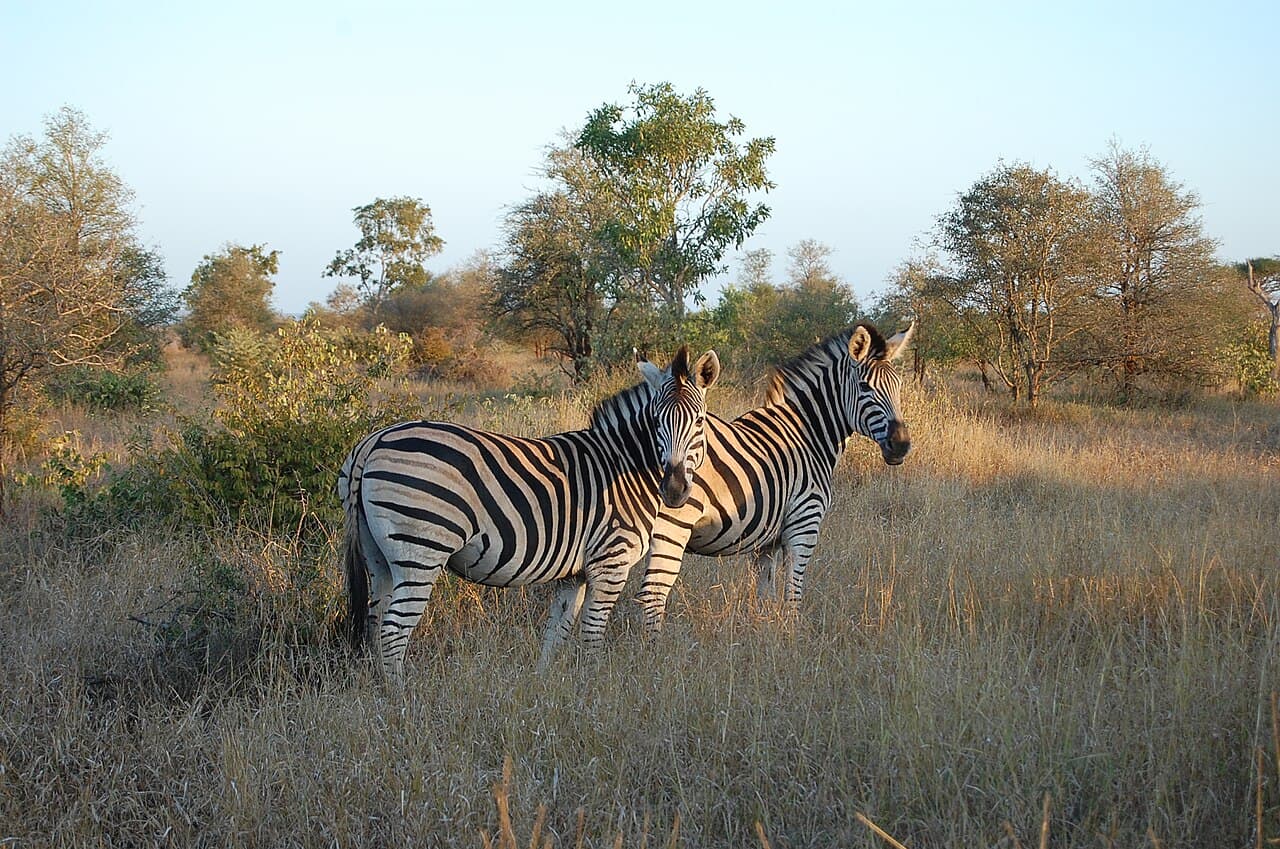

Kuala Lumpur
Malaysia
Kuala Lumpur is a city of stunning contrasts — the iconic Petronas Twin Towers soar above colonial-era shophouses, Malay mosques sit near Hindu temples and Chinese clan houses. The food scene is extraordinary, blending Malay, Chinese, Indian, and Nyonya cuisines at hawker stalls and night markets. Incredible value for money.

Kyiv
Ukraine
Ukraine's golden-domed capital on the Dnipro River — Kyiv Pechersk Lavra (Monastery of the Caves, UNESCO) with its underground catacombs, St. Sophia Cathedral (UNESCO, intact since 1037), Andriyivsky Uzviz's bohemian descent, the Maidan's extraordinary history, and Podil's café scene. The largest city in Eastern Europe by area, Kyiv has remained operational throughout the 2022 war — a city of stunning resilience and extraordinary historical depth. Check current advisories before travel.

Kyoto
Japan
Kyoto is Japan's cultural heart — over 2,000 temples and shrines, traditional geisha districts, bamboo groves, and some of the country's finest cuisine. The former imperial capital for over a thousand years, it's where Japanese tradition lives and breathes. Every season brings a different kind of beauty.

La Fortuna
Costa Rica
Costa Rica's adventure capital sits at the foot of Arenal — a near-perfect 1,633m volcanic cone, dormant since 2010 but still feeding the area's many hot springs. La Fortuna Waterfall plunges 75m into a swimmable pool; Mistico's hanging bridges thread the rainforest canopy; Río Celeste's impossibly turquoise water sits a day-trip away. Zip-lining, rafting, sloth-spotting, and the famous Jeep-Boat-Jeep crossing to Monteverde all start here. Pura Vida personified.

La Paz
Bolivia
The world's highest administrative capital sits in a dramatic canyon surrounded by snow-capped Andean peaks. The teleférico cable car system offers stunning aerial views, witches' markets sell llama fetuses for offerings, and the Moon Valley landscape is otherworldly.


Lahore
Pakistan
Pakistan's cultural and culinary capital — the Mughal seat where Akbar, Jahangir, and Shah Jahan all left their mark. The Walled City's bazaars open onto the colossal Badshahi Mosque and Lahore Fort across the Hazuri Bagh, Wazir Khan's tilework still glints in the Kashmiri Bazaar, and the Food Street at Fort Road serves karahi and lassi until 2 AM. The saying goes: Jine Lahore nai vekheya, o jameya hi nai — if you haven't seen Lahore, you haven't been born.

Lake Atitlán
Guatemala
Aldous Huxley called it "the most beautiful lake in the world." Three volcanoes ring a 1,562m caldera, and twelve Maya villages dot the shoreline — each Kaqchikel or Tz'utujil with its own character. Panajachel for transit, San Pedro for backpacker partying and Spanish school, San Marcos for yoga and cliff jumps, Santiago for traditional culture and the Maximón shrine, San Juan for textile co-ops and coffee. Lanchas (boats) shuttle between them.

Lake Balaton
Hungary
Central Europe's largest lake, 77 km of warm shallow water that Hungarians without sea access have claimed as their summer beach. The Tihany peninsula juts halfway across with its 11th-century Benedictine abbey and lavender fields, the south shore is wall-to-wall family resorts (Siófok, Zamárdi), and the north shore is wine country: Badacsony's volcanic basalt vineyards, Balaton-felvidék uplands, and the Festetics Palace at Keszthely. Trains from Budapest reach Balatonfüred in about two hours, and the lake never gets deeper than 12 metres so the water warms quickly in June.

Lake Bled
Slovenia
An impossibly photogenic 2.1 km alpine lake at the foot of the Julian Alps — fed by underground hot springs, with Slovenia's only natural island (a 17th-century pilgrimage church reached by 99 steps) at its centre and a 1,000-year-old castle on a 130m cliff above. Hand-rowed pletna boats, the original 1953 Bled cream cake (kremšnita) on the lake-facing terraces, and the dramatic Vintgar Gorge boardwalk 4 km away. Triglav National Park's gateway — pair Bled with Lake Bohinj for the broader alpine experience.

Lake Como
Italy
A pre-Alpine Y-shaped lake ringed by mountains where pastel fishing villages, baroque villas with terraced gardens, and a daily ballet of green-and-white ferries make up most of the experience. Bellagio sits on the promontory where the lake's three arms meet, Varenna stacks ochre houses above the eastern shore, Villa del Balbianello's cypress terraces ran the Star Wars and Casino Royale cameras, and Villa Carlotta's azaleas peak through May into early June. Como town anchors the southwestern tip with a Juvarra-domed Duomo and the Brunate funicular for the lake's best panorama. One hour from Milan by train, but lived at ferry pace.
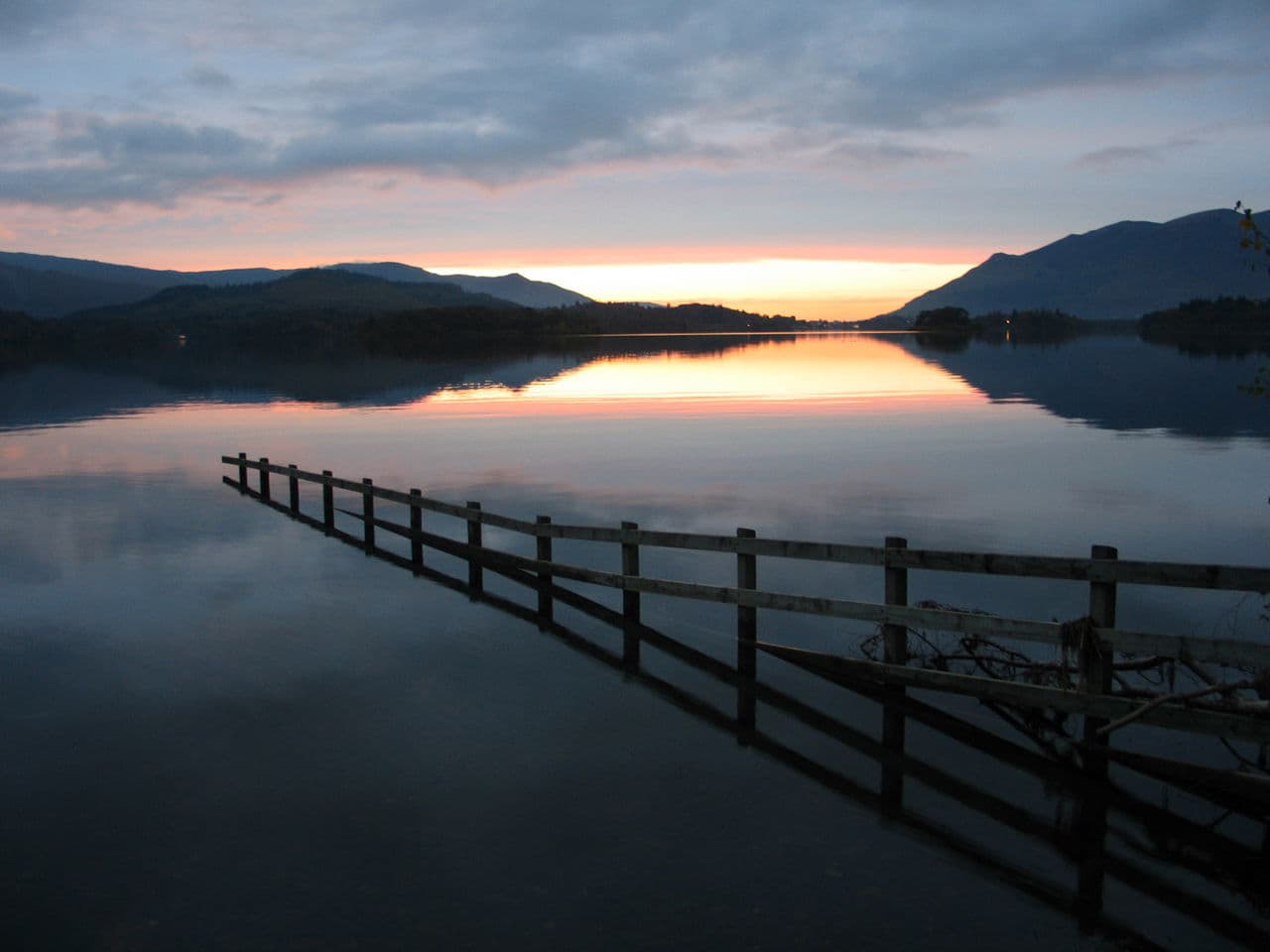
Lake District
United Kingdom
The UK's largest national park (2,362 km²) and a UNESCO World Heritage Site since 2017 — a glacier-carved Cumbrian landscape of slate-grey peaks, ribbon lakes, and dry-stone-walled fell farms. Despite the name, only Bassenthwaite Lake is technically a 'lake'; the rest are 'meres' (Windermere, Buttermere, Grasmere) or 'waters' (Derwentwater, Ullswater, Coniston Water) — Old Norse and Anglo-Saxon remnants. Scafell Pike (978 m) is England's highest mountain, a serious 6–7 hour return walk in often atrocious weather. The Romantic poetry movement was effectively born here — William Wordsworth's Dove Cottage in Grasmere is preserved as he left it, and Beatrix Potter (Peter Rabbit royalties) bought 4,000 acres of fellside farmland over her lifetime and bequeathed every acre to the National Trust. Seathwaite in Borrowdale receives 3,500 mm of rain a year — the wettest inhabited place in the British Isles. Pack waterproofs even in July. Closest airport: Manchester (MAN); the train to Windermere connects via Oxenholme.

Lake Garda
Italy
Italy's largest lake — 370 km² of glacial water, 51 km long, straddling Lombardy, Veneto, and Trentino. The northern half is fjord-like, walled by 2,000-metre Alpine peaks; the southern half opens into a broad amphitheatre with the Sirmione thermal peninsula's 13th-century Scaligero Castle (the only one in Italy with a working drawbridge), the medieval walls of Lazise, and the lemon-grove terraces of Limone sul Garda. Riva del Garda at the northern tip is one of Europe's premier windsurfing spots thanks to the reliable Ora wind. Add the Monte Baldo cable car, Gardaland Italy's largest theme park, the Bardolino wine region, and 30+ ferry-connected lakeshore villages — Lake Garda is northern Italy's most varied single destination.

Lake Malawi
Malawi
Africa's third-largest lake stretches 560 km along Malawi's eastern flank — a freshwater inland sea so clear that the UNESCO Lake Malawi National Park around Cape Maclear is the cichlid biodiversity capital of the world, with 1,000+ endemic species. Beach lodges hug the southern shores at Cape Maclear and Senga Bay, the historic MV Ilala steamer still threads weekly up the lake, and Likoma Island's Anglican cathedral sits improbably mid-water. Snorkel and dive in bilharzia-safe deep water; the lake replaces the ocean most travellers expect from a southern African trip.

Lake Tahoe
United States
North America's largest alpine lake — 22 miles long, 12 miles wide, 1,645 ft deep at center, sitting at 6,225 ft elevation in the Sierra Nevada and split between California and Nevada. Twelve ski areas ring the basin (Heavenly, Palisades Tahoe, Northstar, Kirkwood, Sugar Bowl, Mount Rose) — the densest concentration in North America. In summer the same shoreline becomes a beach-and-boat playground: Emerald Bay's granite-walled cove, Sand Harbor's clear turquoise water, and 72 miles of paved bike path on the West Shore. Reno (RNO) is 30 minutes from the North Shore; Sacramento (SMF) is 2 hours from the South. The state line splits casinos onto the Nevada side and most pine-forested cabins onto the California side.

Lalibela
Ethiopia
Ethiopia's "New Jerusalem" — 11 monolithic churches carved DOWN into volcanic rock as single pieces in the 12th-13th century by King Lalibela. Pilgrimage heart of Ethiopian Orthodox Christianity, where white-shawled priests and pilgrims still gather daily. Bete Giyorgis (St. George), the cross-shaped final church standing alone in its pit, is the most iconic. Sits at 2,500m in the northern highlands. Genna (Ethiopian Christmas, January 7) and Timkat (Epiphany, January 19) are spectacular but expensive. Tigray war (2020-22) affected access — verify current security.

Lamu
Kenya
The best-preserved Swahili town in East Africa — UNESCO-listed since 2001, Lamu Old Town's coral-stone alleyways and 500-year-old carved wooden doorways have no cars, only donkeys and dhow boats. Founded in the 14th century, Lamu has been continuously inhabited since then. Shela Beach is 12 km of pristine Indian Ocean shore backed by massive sand dunes. The Lamu Cultural Festival in November is the island at its most alive.


Las Vegas
United States
The 4.2-mile Strip is a self-contained universe of themed megaresorts — the Bellagio fountains, the Venetian canals, the Eiffel Tower replica, the Sphere's LED exterior. 42 million visitors a year. Beyond the casinos: the Fremont Street Experience in Downtown's vintage heart, world-class residencies (Adele, U2 at Sphere), and a surprisingly strong food-and-cocktail scene built on celebrity-chef imports. Red Rock Canyon sits 30 minutes west, the Grand Canyon 4 hours east, Zion 3 hours northeast.

Lausanne
Switzerland
Switzerland's second-largest French-speaking city, terraced steeply down the north shore of Lake Geneva — the Olympic capital of the world since the IOC moved its headquarters here in 1915. The Olympic Museum at Ouchy on the lakefront draws 250,000 visitors a year, the Notre-Dame Cathedral crowns the upper old town as Switzerland's finest Gothic building, and the Lavaux UNESCO vineyard terraces begin a 15-minute train ride east. The EHL hotel-management school and university give the city an energetic student population that softens the formality of Geneva 60 km west.

Leh & Ladakh
India
The high-altitude Buddhist kingdom of Ladakh, separated from Jammu & Kashmir as its own Union Territory in 2019, is more Tibetan than Indian — a 3,524 m capital city in Leh, 17th-century palaces and 12-storey monasteries terraced up cliff faces, the 134 km turquoise saltwater Pangong Lake on the Tibet border, the white-sand dunes and Bactrian camels of Nubra Valley, and passes (Khardung La 5,359 m, Chang La 5,360 m) among the highest paved roads anywhere. The temperatures swing 50°C between summer days and winter nights; rainfall is under 100 mm annually. The only practical visiting season for most travellers is June through September, and acclimatisation to the altitude is the most important first 48 hours. The most spectacular Indian destination most foreign travellers haven't been to.

Lhasa
China
Tibet's capital at 3,656m — the Potala Palace (UNESCO 1994, former winter residence of the Dalai Lama), Jokhang Temple (holiest in Tibetan Buddhism), Barkhor Street pilgrim circuit, and the monks' debates at Sera Monastery (weekday afternoons). Required visa reality: foreigners need both a Chinese visa AND a Tibet Travel Permit via a registered operator; solo travel is not permitted. Access via Chengdu (CTU) flight or the Qinghai-Tibet Railway — one of the highest railways on Earth with oxygen piped into cabins. Best April–October.

Lijiang
China
An 800-year-old UNESCO-listed Naxi town at 2,400 m elevation in northwestern Yunnan — a labyrinth of cobblestone lanes, stone bridges over rushing canals, and traditional wooden courtyard houses with the 5,596 m Jade Dragon Snow Mountain rising directly above. Lijiang is the cultural heart of the Naxi minority who developed Dongba, the only living pictographic writing system in the world. Sunrise over the grey-tile rooftops from Lion Hill before the tour buses arrive is the moment that justifies the trip — the Old Town is undeniably beautiful, though the daytime crush of crowds is real. Pair with Tiger Leaping Gorge, Shuhe, and the new high-speed rail to Shangri-La for a full Yunnan circuit.

Lima
Peru
Lima is South America's gastronomic capital — ceviche, causa, and anticuchos are just the start. The city's food scene has earned multiple spots on the World's 50 Best list. Beyond the restaurants, colonial Miraflores overlooks the Pacific, the historic center is a UNESCO site, and the Larco Museum's pre-Columbian collection is extraordinary.

Lisbon
Portugal
Lisbon is one of Europe's most underrated capitals — hilly cobblestone streets, pastel-colored buildings, and stunning viewpoints at every turn. The city blends old-world charm with a thriving modern food and nightlife scene. Excellent value compared to Western European peers, with reliable transit and easy day trips to Sintra and the coast.

Ljubljana
Slovenia
Slovenia's tiny, green capital — Jože Plečnik's Triple Bridge and Dragon Bridge, Ljubljana Castle funicular, a car-free cobblestone center, and Lake Bled 55km away. European Green Capital 2016, strategically placed between Venice, Zagreb, Vienna, and the Julian Alps. Budget-friendly and walkable in a morning.

Lofoten Islands
Norway
A Norwegian archipelago of jagged granite peaks rising straight from the Norwegian Sea — among Europe's most photographed landscapes. Iconic red fishermen's cabins (rorbuer) in Reine, Hamnøy, Å, and Henningsvær; the Reinebringen staircase hike, Haukland and Uttakleiv beaches, and centuries-old cod-drying racks. Midnight sun late May to mid-July, Northern Lights mid-September to April. Access via Tromsø or Bodø → LKN/EVE airports, or the iconic E10 scenic drive.


London
United Kingdom
London is a city of villages — each neighborhood has its own personality, from the royal grandeur of Westminster to the edgy markets of Camden and the hipster cafes of Shoreditch. World-class museums (most free!), a legendary theater scene, and one of the most diverse food cultures on earth make it endlessly explorable.

Los Angeles
United States
LA is a sprawling mosaic — Hollywood glamour, Pacific beaches, Getty art, Griffith Observatory views, and some of the country's best Mexican and Asian food. The city sprawls but rewards exploration: Venice's boardwalk, Downtown's renaissance, Beverly Hills' polish, and canyon drives to hidden overlooks.

Louisville
United States
Louisville (locally pronounced LOO-uh-vul) is the bourbon capital of the world and the home of the Kentucky Derby — the first Saturday in May at Churchill Downs has been running uninterrupted since 1875. The Urban Bourbon Trail links 40+ bars and distilleries within the city; the Louisville Slugger factory makes the bats every MLB player swings; and NuLu has rebuilt East Market Street into a tight strip of restaurants, distilleries, and galleries. Add the Muhammad Ali Center, a passable food scene, and Frankfort Avenue's Frankfort Avenue antique row, and the city punches well above its 630,000 population.

Luang Prabang
Laos
Laos's UNESCO-listed former royal capital is a dreamy town at the confluence of the Mekong and Nam Khan rivers. Saffron-robed monks collect alms at dawn, French-colonial cafés line quiet streets, and the Kuang Si waterfalls are a turquoise paradise.

Lucerne
Switzerland
The picture-postcard alpine lake city in central Switzerland — Europe's oldest covered wooden bridge (the 1333 Chapel Bridge) crosses the Reuss river, the 1821 Lion Monument commemorates the Swiss Guards killed defending Louis XVI, and Mount Pilatus (2,128m) and Mount Rigi (1,797m) loom across Lake Lucerne with the world's steepest cogwheel railway and Europe's oldest mountain railway respectively. The 21st-century Elbphilharmonie-rivalling Elbphilharmonie-equivalent here is the KKL concert hall hosting the world-class Lucerne Festival. Genuinely expensive — Switzerland is among Europe's priciest, with CHF 4 city bus rides and CHF 25+ basic restaurant mains.

Luxor
Egypt
The world's greatest open-air museum — ancient Thebes holds more monuments than anywhere on earth. The Valley of the Kings, Karnak Temple, and Hatshepsut's mortuary temple are staggering. Hot air balloon rides at sunrise over the West Bank are unforgettable.
_16.jpg%2F1280px-%25D0%259B%25D0%25B0%25D1%2582%25D0%25B8%25D0%25BD%25D1%2581%25D1%258C%25D0%25BA%25D0%25B8%25D0%25B9_%25D0%25BA%25D0%25B0%25D1%2584%25D0%25B5%25D0%25B4%25D1%2580%25D0%25B0%25D0%25BB%25D1%258C%25D0%25BD%25D0%25B8%25D0%25B9_%25D1%2581%25D0%25BE%25D0%25B1%25D0%25BE%25D1%2580_(%25D0%259B%25D1%258C%25D0%25B2%25D1%2596%25D0%25B2)_16.jpg&w=1600&q=75)
Lviv
Ukraine
Western Ukraine's cultural and coffee capital — UNESCO old town largely spared WWII destruction, with Renaissance, Baroque, and Vienna Secession architecture stacked across the historical centre. Rynok Square's 44 burgher houses, the Latin Cathedral and Renaissance Boim Chapel, the Armenian Cathedral with extraordinary 1925-1929 frescoes, the 1900 Vienna Secession opera house, and Lychakiv Cemetery (1786) — an open-air encyclopaedia of who has lived and died here. NOTE: Russia's full-scale invasion continues; Lviv has been one of the safer Ukrainian cities throughout but air-raid alerts and missile strikes are not hypothetical. Check current advisories before any travel.

Lyon
France
France's gastronomic capital — Paul Bocuse's legacy, traditional bouchons in the UNESCO Vieux Lyon, and Les Halles covered market. Roman ruins at Fourvière, silk-weavers' traboules hidden through the buildings of Croix-Rousse, and the Fête des Lumières lighting the city in December. 2 hours TGV from Paris for half the prices.

Maasai Mara
Kenya
1,510 km² of rolling savannah in southwestern Kenya — the northern extension of Tanzania's Serengeti ecosystem and arguably the highest density of large mammals on Earth. The Big Five (lion, leopard, elephant, buffalo, rhino) are all resident year-round; July-October brings the Great Migration when 1.5 million wildebeest, 200,000 zebra, and 350,000 Thomson's gazelle thunder across the Mara River in crocodile-strewn crossings. Hot-air balloon safaris at dawn (300-450 USD), bush flights from Nairobi's Wilson Airport (45min — far quicker than the 5-6hr drive on bone-rattling C12), and conservancy stays in the bordering 14 community-owned reserves (Mara North, Olare Motorogi, Naboisho) which allow off-road driving and night drives forbidden inside the main reserve. Maasai cultural villages dot the perimeter.

Macau
China
The "Vegas of Asia" is much more than casinos — Macau's UNESCO-listed historic center showcases centuries of Portuguese-Chinese fusion in its pastel churches, temples, egg tarts, and cobblestone streets. Just a ferry ride from Hong Kong.

Machu Picchu
Peru
Machu Picchu is the 15th-century Inca citadel perched on a mountain saddle 2,430m (7,970 ft) above sea level — built in stone so precise no mortar was used, abandoned around 1572 during the Spanish conquest, and forgotten by the outside world until Hiram Bingham re-introduced it in 1911. Today it draws roughly 4,500 visitors per day on capped-entry tickets, accessed via the PeruRail or Inca Rail train from Ollantaytambo to Aguas Calientes (the cloud-forest valley town below) and then a 25-minute switchback bus ride up to the gate. Sunrise from the Sun Gate (Inti Punku) and the vertiginous Huayna Picchu hike behind the citadel are the iconic experiences.

Madagascar
Madagascar
The world's fourth-largest island drifted away from Africa 160 million years ago — 90% of its wildlife exists nowhere else. The Avenue of the Baobabs near Morondava, lemur-packed Andasibe-Mantadia rainforest, the jagged limestone tsingy at Bemaraha (UNESCO), and Nosy Be beaches off the northwest coast. Road network is sparse and slow — internal flights via Madagascar Airlines save days. Antananarivo (Tana) is the highland capital and transit hub. Best visited April-November (dry season).
Madeira
Portugal
Portugal's "Island of Eternal Spring" in the Atlantic has never had a winter — subtropical laurel forests (UNESCO World Heritage), 400 km of levada irrigation channels converted into hiking trails, the highest sea cliff in Europe at Cabo Girão (580m), and wicker-basket toboggan rides down Funchal's hills. Cristiano Ronaldo was born here. Madeira wine is made nowhere else on earth; poncha (local rum, honey, lemon) is the island's contribution to cocktail culture.

Madison
United States
Madison is built on a narrow isthmus between Lake Mendota and Lake Monona, with the white-granite Wisconsin State Capitol (the only state capitol built on an isthmus, and a near-twin of the US Capitol's design) anchoring the dead centre. The University of Wisconsin–Madison wraps the western lakeshore, the Dane County Farmers' Market loops the Capitol Square every Saturday April–November (the largest producer-only farmers' market in the United States), and the Memorial Union Terrace's sunburst chairs are the unofficial summer living room. Beer, cheese, brats, and lake life — Wisconsin to its core.

Madrid
Spain
Spain's vibrant capital pulses with energy from late-night tapas bars to world-class museums like the Prado and Reina Sofía. The city lives outdoors — grand plazas, Retiro Park, and a nightlife scene that doesn't start until midnight.

Madurai
India
South India's temple capital — Meenakshi Amman Temple is one of the world's great Hindu complexes, with 14 gopuram towers encrusted in 33,000 painted stucco figures, the tallest soaring 52 metres above the old city. 15,000 pilgrims visit daily; the temple never closes. Madurai is one of the world's oldest continuously inhabited cities, with Greek accounts from 300 BCE, and is nicknamed 'the city that never sleeps.' The Gandhi Museum houses the dhoti the Mahatma was wearing when assassinated.


Maldives
Maldives
The Maldives is the ultimate tropical escape — 1,190 coral islands scattered across the Indian Ocean, with some of the clearest water on earth. Overwater villas, world-class diving and snorkeling, and sunsets that defy description. While luxury resorts dominate, guesthouses on local islands offer a more affordable and authentic experience.

Mallorca
Spain
The largest of the Balearics — Palma's Gothic cathedral La Seu rises straight from the harbour, the Serra de Tramuntana's UNESCO cultural landscape protects 1,000-year-old terraced olive groves, and Cap de Formentor's lighthouse marks the dramatic northern tip. Deià was Robert Graves's village; Valldemossa hosted Chopin and George Sand for one famous winter; Sa Calobra and Cala Mondragó are the headline coves. Spring (April–June) and autumn (September–October) are the sweet spots before German charter season.

Manado
Indonesia
The Christian-majority capital of North Sulawesi province, perched on a tropical bay 1.5 degrees north of the equator and almost entirely visited as the launch point for Bunaken Marine Park — a 75,000-hectare protected reserve whose vertical reef walls drop 1,500 metres into the Sulawesi Sea and routinely deliver mantas, barracuda tornadoes, hawksbills and 70+ coral species on a single dive. Inland, the cool Tomohon plateau hosts Indonesia's most fragrant flower market and the Pasar Beriman extreme market where Minahasan cooks shop for paniki, rica-rica and tinutuan porridge. Bitung and Lembeh Strait, an hour east, deliver world-class muck diving for rare critters.

Manaus
Brazil
Manaus is the unlikely metropolis dropped into the middle of the Amazon — a city of 2.2 million people 1,400 km up the river from the Atlantic, reachable by air or by multi-day boat and absolutely not by road from anywhere most travellers come from. The fortunes of the rubber boom (1879-1912) built the pink Teatro Amazonas opera house — Italian marble, French chandeliers, all hauled up the river in pieces — and you visit Manaus today for two reasons: the city itself (the opera house, the Adolpho Lisboa market, the Meeting of the Waters where the black Rio Negro and sandy Solimões flow side by side without mixing for 6 km) and as the launchpad for jungle lodges and riverboat trips into the Amazon proper.


Manuel Antonio
Costa Rica
Manuel Antonio packs Costa Rica's most photogenic combination into a tiny coastal sliver: a 1,983-hectare national park where white-sand crescents meet primary rainforest, and squirrel monkeys, sloths, and white-faced capuchins routinely cross the trail in front of you. The park sits at the foot of a steep ridge climbing up from Quepos, and the strip of road between has become Costa Rica's most concentrated tourism corridor — luxury jungle lodges, sea-view restaurants, and zip-line operators stacked along three switchbacked kilometres. Pura vida arrives with monkeys raiding your beach bag.

Maputo
Mozambique
Mozambique's capital on Maputo Bay — the City of Acacias has broad Portuguese colonial boulevards, the Eiffel-designed Iron House (Casa de Ferro, 1892), and seafood restaurants serving piri-piri prawns since the 1940s. The Maputo Special Reserve protects elephants just south of the city. One of Africa's most underrated coastal capitals.

Marrakech
Morocco
Marrakech is a sensory explosion — the call to prayer echoing over terracotta rooftops, the maze-like medina packed with spice sellers and artisans, the Jemaa el-Fnaa square transforming nightly into an open-air theater of food stalls, musicians, and storytellers. Stay in a traditional riad and you'll feel transported centuries back in time.

Marseille
France
France's oldest and most diverse city sits on the Mediterranean coast with the stunning Calanques national park at its doorstep. A gritty, authentic port city famous for bouillabaisse, the Vieux-Port, and the hilltop Notre-Dame de la Garde basilica.

Martha's Vineyard
United States
A 100-square-mile triangular island seven miles south of Cape Cod, reached by a 45-minute Steamship Authority car ferry from Woods Hole. Six distinct towns share the island, each with its own personality: white-clapboard Edgartown of sea-captain mansions, the working ferry port of Vineyard Haven, the gingerbread-cottage Methodist camp meeting at Oak Bluffs, the Wampanoag tribal lands and 150-foot striated clay cliffs at Aquinnah, plus rural Chilmark and West Tisbury inland. The Vineyard's Camelot legacy runs from JFK summers through the Obama family's recurring August stays at Blue Heron Farm.

Matera
Italy
One of the oldest continuously inhabited cities in the world — humans have lived in the tufa-rock caves of the Sassi for 9,000 years, making Matera older than Jericho. The UNESCO-listed cave-dwelling labyrinth was Italy's "national shame" until the 1950s when the entire population (16,000 living without running water) was forcibly relocated; abandoned for 25 years, the Sassi were reborn from the 1990s as a remarkable boutique-hotel district. Mel Gibson, Pasolini, and the makers of "No Time to Die" all filmed here for the biblical-Jerusalem aesthetic. Pair the Sassi labyrinth with the cliffside Cathedral panorama, the Crypt of Original Sin ("the Sistine Chapel of rupestrian art"), and the Tibetan Bridge sunset walk across the Gravina canyon.

Maui
United States
Hawaii's second-largest island — the Road to Hana's 620 curves and 59 bridges past waterfalls and bamboo forests, sunrise above the clouds at Haleakalā's 10,023-ft summit crater, winter humpback whales in the Auʻau Channel, and the snorkel-famous Molokini crater. Lahaina's historic town was devastated by the August 2023 wildfire — visiting West Maui responsibly supports recovery. Kāʻanapali, Wailea, and Kīhei host the resort zones; Pāʻia and Upcountry Makawao are the laid-back alternatives.

Mauritius
Mauritius
Mark Twain wrote that heaven was copied from Mauritius — and the Indian Ocean island earns the comparison. Le Morne Brabant (UNESCO), the seven-coloured earths of Chamarel, Black River Gorges National Park with endemic pink pigeons and Mauritius kestrels, Blue Bay marine park, and the multicultural street food of Port Louis Central Market. The dodo's last home is now one of the world's most welcoming destinations.

Medellin
Colombia
Medellin's transformation from notorious to innovative is one of the great urban comeback stories. The City of Eternal Spring (year-round 22°C) is now known for cable car transit connecting hillside barrios, a thriving startup scene, and a nightlife that rivals anywhere in Latin America. The Botero sculptures in Plaza Botero are a must-see.

Melaka
Malaysia
A small UNESCO World Heritage city on the Strait that gives the strait its name, layered with five centuries of conquest. Portuguese forces took the Sultanate in 1511 and left the laterite ruin of A Famosa, the Dutch arrived in 1641 and built the brick-red Stadthuys and Christ Church around the central square, the British took over in 1824 — each layer still visible inside a 30-minute walk. The old town today is trishaws decorated with plastic flowers and LED lights blasting Malay pop, the Friday-to-Sunday Jonker Street Night Market for satay celup and chicken-rice balls, and Peranakan Nyonya cuisine that originated here. About two hours south of Kuala Lumpur and four hours from Singapore by direct coach.

Melbourne
Australia
Melbourne is Australia's cultural capital — a city obsessed with coffee, street art, food, and sport. The laneway culture of hidden bars and cafes, the Queen Victoria Market, and the Great Ocean Road day trip are highlights. More laid-back than Sydney, with a European-influenced food scene that's consistently ranked among the world's best.

Memphis
United States
Memphis is the soul-music capital of the American South — Beale Street neon, Sun Studio's tiny tile-floor room where Elvis cut his first record in 1954, the Stax studio where Otis Redding and Booker T. recorded, and Graceland 9 miles south where Elvis lived from 1957 until his death in 1977. The Mississippi River bluff downtown looks across to Arkansas; the National Civil Rights Museum is built into the Lorraine Motel where Martin Luther King Jr. was assassinated in 1968. Add some of the best slow-cooked dry-rub barbecue in America (Rendezvous, Central BBQ, Payne's) and you have a city where music and history sit on every corner.

Mendoza
Argentina
Argentina's wine capital sits in the Andean foothills at 750m — Malbec country. Three regions deliver: Maipú's classic vineyards close to the city, Luján de Cuyo's premium Malbecs, and Uco Valley's high-altitude trendy bodegas. Tree-lined streets after the 1861 earthquake rebuild, the huge Parque San Martín, and Aconcagua (the Americas' highest peak at 6,961m) within striking distance. Vendimia harvest festival in early March is the year's headline event.

Mérida
Mexico
The colonial capital of Yucatán founded by Francisco de Montejo in 1542 on the site of the Maya city of T'hó — the conquistadors used dismantled Maya pyramid stones to build the cathedral, which you can still see in the walls. Mérida is consistently ranked among the safest cities in Mexico, the cultural capital of the Yucatec Maya (the only Mexican city where you regularly hear an indigenous language in everyday life), and the gateway to Chichén Itzá, Uxmal, and the Yucatán cenotes. The Paseo de Montejo is a French-influenced boulevard lined with henequen-boom mansions; the Mercado Lucas de Gálvez serves the best cochinita pibil in the country; the Sunday Bici-Ruta closes the city centre to cars. Heat April-May is brutal — visit November-February.

Merzouga
Morocco
A tiny village at the edge of Erg Chebbi — Morocco's iconic dune sea, where apricot-coloured sand rises 150m above the pre-Saharan plain. This is the Sahara experience travelers mean when they say Sahara: a camel trek into the dunes at sunset, dinner under the stars at a Berber desert camp, and Gnawa drumming from the village of Khamlia. Budget tents and luxury glamping both exist here. Winter nights freeze; summer days exceed 45°C. Come in autumn or spring.

Mexico City
Mexico
Mexico City is one of the world's great megacities — a sprawling, vibrant metropolis built on the ruins of the Aztec capital Tenochtitlan. The food scene rivals any city on earth (from street tacos to world-ranked restaurants), the museums are extraordinary, and the neighborhoods are endlessly walkable. A cultural powerhouse at altitude.

Miami
United States
Miami is tropical America with a Latin pulse — pastel Art Deco along Ocean Drive, Wynwood's street-art galleries, Little Havana's dominoes and cafecito, and some of the country's best clubbing. The Everglades and Florida Keys are day-trip distance, and Miami Beach's Atlantic sand is steps from downtown.

Milan
Italy
Italy's economic engine and undisputed fashion capital — the Duomo's Gothic spires over the rooftop terraces, Leonardo's Last Supper on a refectory wall, the Galleria Vittorio Emanuele II's 19th-century glass vault, aperitivo hour on the Navigli canals, and La Scala opera house whose opening night (December 7th, Sant'Ambrogio) stops the city every year. Milan generates 10% of Italian GDP and hosts the world's most important design and fashion events.

Milford Sound
New Zealand
The fjord Rudyard Kipling called the eighth wonder of the world — a 15-km arm of the Tasman Sea cut into Fiordland's granite, with Mitre Peak rising 1,692 m straight out of the water and Stirling Falls plunging 151 m off the cliff. It rains 200+ days a year and that's the point: every storm makes hundreds of temporary waterfalls. There's effectively no town, two cruise piers, one lodge, and a road in from Te Anau that closes for avalanche control most winters.

Milwaukee
United States
Milwaukee earned its German-immigrant brewing reputation honestly — Pabst, Schlitz, Miller, and Blatz all started here, and the beer halls and corner taverns still anchor the city's social life. The Lake Michigan shoreline gives Milwaukee a 1,000-mile-long swimming pool, the white sail-like Calatrava-designed art museum is the most photographed building in Wisconsin, and the cobblestoned Third Ward warehouse district has become the food and craft hub. Add the Harley-Davidson Museum (the company was founded here in 1903), Bucks championship-era basketball, fish fries every Friday night, and you've got the quintessential Great Lakes city.

Minneapolis
United States
The Mississippi River city built around St. Anthony Falls — the only natural waterfall on the entire 2,340-mile river — with 22 lakes inside city limits, the 50-mile Grand Rounds parkway connecting them all, and the world's largest enclosed Skyway system (9.5 miles of climate-controlled second-floor corridors connecting 80 downtown blocks for the brutal winters). Prince was born and lived almost his entire life here; Paisley Park and First Avenue are the music pilgrimage sites. The Walker Art Center and Minneapolis Institute of Art (permanently free) are world-class; the Mall of America is 12 miles south. Twin city to St. Paul, 11 miles east — one airport, one transit system, no clear hierarchy between them.

Mont Saint-Michel
France
A tidal island and abbey rising 92 metres from the bay between Normandy and Brittany — UNESCO World Heritage since 1979 and one of France's three most-visited monuments alongside the Eiffel Tower and the Louvre, with roughly 3 million annual visitors. The permanent population of the island commune is about 30 people, including the seven monks of the Fraternités Monastiques de Jérusalem who maintain liturgical life in the abbey first founded in 708 CE. The bay has the highest tidal range in continental Europe — up to 14 metres — and the famous tide that rises 'like a galloping horse' across the flats genuinely advances at 15 km/h. A €209 million de-causewaying project completed in 2014 replaced the 1879 stone causeway with a sleek pedestrian footbridge; cars now park 2.5 km away on the mainland. The single Grand Rue climbs from the village gates to the abbey past La Mère Poulard's famous copper-pot soufflé omelettes (beaten by hand over the open fireplace since 1888).


Monteverde
Costa Rica
Monteverde sits at 1,330 metres on the Tilarán mountain ridge, where Pacific and Caribbean trade winds collide to create one of the wettest, mistiest, most biologically rich cloud forests on Earth. The town began in 1951 when a group of Alabama Quakers fleeing the U.S. draft bought land here for dairy farming, and accidentally protected the forest above their fields — now the Monteverde Cloud Forest Biological Reserve, with 500+ orchid species and the resplendent quetzal as its mascot. The dirt road in is famously rough, the gondola-and-cable canopy tours were invented here, and Santa Elena village still feels like a frontier outpost.

Montevideo
Uruguay
Uruguay's laid-back capital stretches along the Río de la Plata with beautiful rambla boardwalks, Art Deco architecture, and the legendary Mercado del Puerto for grilled meats. A relaxed, walkable city with mate culture on every corner.

Montreal
Canada
Montreal is the most European city in North America — French-speaking, festival-obsessed, and blessed with a food scene that rivals any major city. Old Montreal's cobblestone streets and basilica, the Plateau's colorful staircases, and the underground city are highlights. The bagels are better than New York's (don't @ us), and poutine is a religion.

Mostar
Bosnia and Herzegovina
A small Herzegovinan town built around the single most photographed bridge in the Balkans — the 16th-century Ottoman Stari Most arching 24m above the emerald Neretva River. The original bridge stood 427 years before being deliberately destroyed in November 1993; the 2004 reconstruction (using stones from the same Tenelija quarry) is now UNESCO-listed. The Old Town's slippery Ottoman cobbles, Kujundžiluk bazaar with its hand-hammered copper workshops, and the Koski Mehmed-Pasha minaret view make for a 24-hour visit that punches well above its weight. Stay overnight: day-trippers from Dubrovnik clear out by 17:00 and the city becomes itself again.

Mount Rainier National Park
United States
Mount Rainier is a 14,411-foot active stratovolcano less than 90 miles southeast of Seattle, the most prominent peak in the Lower 48 and the centerpiece of a 369-square-mile park established in 1899. The Paradise area on the south flank (5,400 feet) is the busiest base, with the Skyline Trail circling subalpine meadows that erupt with avalanche lily and Indian paintbrush every July and August. Sunrise on the northeast side, at 6,400 feet, is the highest road in Washington and gives the closest road-accessible view of the mountain. Reflection Lakes is the iconic mirror shot, Mowich Lake holds the quiet northwest corner, and snow lingers on the high country into July most years.

Mui Ne
Vietnam
Mui Ne is a dust-orange fishing village strung along a single coastal road four hours east of Ho Chi Minh City, where the South China Sea hits steady cross-shore wind almost every afternoon. That wind made it the kitesurfing capital of Southeast Asia, with November-to-April peak season packing the bay with kites and beach hostels charging by the lesson. Inland, the landscape goes surreal fast. Red sand dunes glow at sunrise, white sand dunes look like a slice of the Sahara dropped near the sea, and the Suoi Tien fairy stream cuts a shin-deep ribbon of warm water through orange canyon walls. Fish-sauce factories line the back lanes and explain the smell drifting through town at low tide.


Munich
Germany
Bavaria's capital — Oktoberfest, beer gardens, twin-towered Frauenkirche, and the starting line for the German Alps. Marienplatz's Glockenspiel rings at 11am, surfers ride a standing wave on the Eisbach in Englischer Garten, and Salzburg is 90 minutes east by train. BMW, Nymphenburg, Dachau Memorial, and 400 Bavarian breweries round out longer visits.


Mykonos
Greece
The Cycladic island that defines the Greek summer — Chora's whitewashed Cycladic alleyways and 16th-century windmills frame Little Venice's seafront balconies. Paradise and Super Paradise are the loudest beach clubs in the Mediterranean; Psarou and Agios Sostis are the calmest. Boats run hourly to UNESCO Delos, the sacred birthplace of Apollo and Artemis and one of the most extensively excavated sites in the Aegean. June–September is high season; July–August is when prices triple and clubs run until dawn.
.jpg%3Fwidth%3D1280&w=1600&q=75)
Myrtle Beach
United States
Myrtle Beach is the resort capital of the 60-mile Grand Strand on the South Carolina coast and the most popular family beach vacation in the South. The 200-foot SkyWheel and the Boardwalk anchor the city center, Broadway at the Beach is the entertainment district with shops and restaurants, and the area holds more than 90 golf courses plus 50-plus miniature golf courses (a self-claimed mini-golf capital of the world). Direct flights into MYR from 30+ US cities, peak season runs April through September, and the food-and-mini-golf scene is unapologetically aimed at families and golf groups, not foodies.

Mysore
India
Karnataka's heritage capital, a 3-hour drive south of Bangalore on the Deccan Plateau, organized around the Indo-Saracenic Mysore Palace - the Wodeyar royal residence rebuilt in 1912 and lit by 100,000 incandescent bulbs every Sunday evening and on every public holiday. Beyond the palace gates, Mysore is the country's silk, sandalwood, and agarbathi (incense) capital, with Devaraja Market piling jasmine garlands and turmeric pyramids in the centre of the old town. Chamundi Hill and its 12th-century temple watches the city from a 1,000-step staircase to the south, and the city's slower pace and cleaner air make it the standard cultural counterweight to Bangalore's tech sprawl.

Nairobi
Kenya
Nairobi is the only capital city in the world with a national park inside its borders — where lions roam against a backdrop of skyscrapers. The city is the gateway to Kenya's incredible safari circuit (Masai Mara, Amboseli, Tsavo), but also has its own draw: the Giraffe Centre, Karen Blixen Museum, and a rapidly growing food and art scene.

Nantucket
United States
A crescent-shaped 48-square-mile island 30 miles south of Cape Cod, named the Faraway Land by the Wampanoag and once the wealthiest port in the world during the 1820s peak of the Nantucket whaling fleet. When kerosene replaced whale oil and the harbour silted up in the late 19th century, the entire town fossilised in place, leaving the largest concentration of pre-1850 architecture in the United States: cobblestone Main Street, 800-plus surviving Federal and Greek Revival houses, and the Whaling Museum in the old Hadwen and Barney Oil Refinery. Daily ferries from Hyannis run one hour by fast catamaran or 2.25 hours by traditional ferry.

Naoshima
Japan
A 14 sq km island in the Seto Inland Sea reborn as one of the world's most ambitious open-air contemporary art experiments. The Benesse Art Site has wrapped the south end in Tadao Ando concrete; Yayoi Kusama's polka-dot Yellow Pumpkin sits on a private pier; the Chichu Art Museum is sunk into a hillside to hold three Monet Water Lilies, a James Turrell skyspace, and a Walter De Maria room. The Honmura village houses are themselves the artworks. Reach by ferry from Uno Port, an hour from Okayama on the mainland.

Napa Valley
United States
Northern California's premier wine region — a 30-mile-long, 5-mile-wide valley an hour north of San Francisco that contains over 400 wineries and produces 4% of California's wine while generating 27% of the state's wine value. The 1976 'Judgment of Paris' blind tasting put Napa on the world map when a French jury rated Stag's Leap Wine Cellars Cabernet Sauvignon and Chateau Montelena Chardonnay above their celebrated French counterparts — Time magazine called it 'the day Napa Valley earned its place.' The first American Viticultural Area outside Augusta, Missouri (1981), the valley now contains 16 sub-AVAs each with distinct soil and microclimate. Cabernet Sauvignon dominates at ~55% of plantings, supported by daily marine fog rolling in from San Pablo Bay through the Petaluma Gap and a 40°F+ diurnal temperature swing. Anchored by Napa town in the south and St. Helena and Calistoga in the north along the SR-29 'Wine Route,' with the parallel Silverado Trail offering a quieter alternative. The 1989 Napa Valley Wine Train still runs vintage Pullman dining cars 36 miles round-trip at 18 mph past vineyards. Closest airports: Oakland (OAK) and SFO.

Naples
Italy
The birthplace of pizza is a chaotic, passionate, beautiful city with the best street food in Italy. Vesuvius looms overhead, Pompeii is a day trip away, and the historic center is a UNESCO-listed labyrinth of churches, underground tunnels, and vibrant markets.


Nashville
United States
Music City is equal parts bachelorette-pedal-tavern chaos on Broadway and deeply serious songwriter culture at the Bluebird Cafe and Station Inn. Hot chicken sweats at Hattie B's and Prince's, the Ryman Auditorium still hosts acoustic sets under its stained glass, and East Nashville and 12South have eclipsed downtown as the city's creative heart.
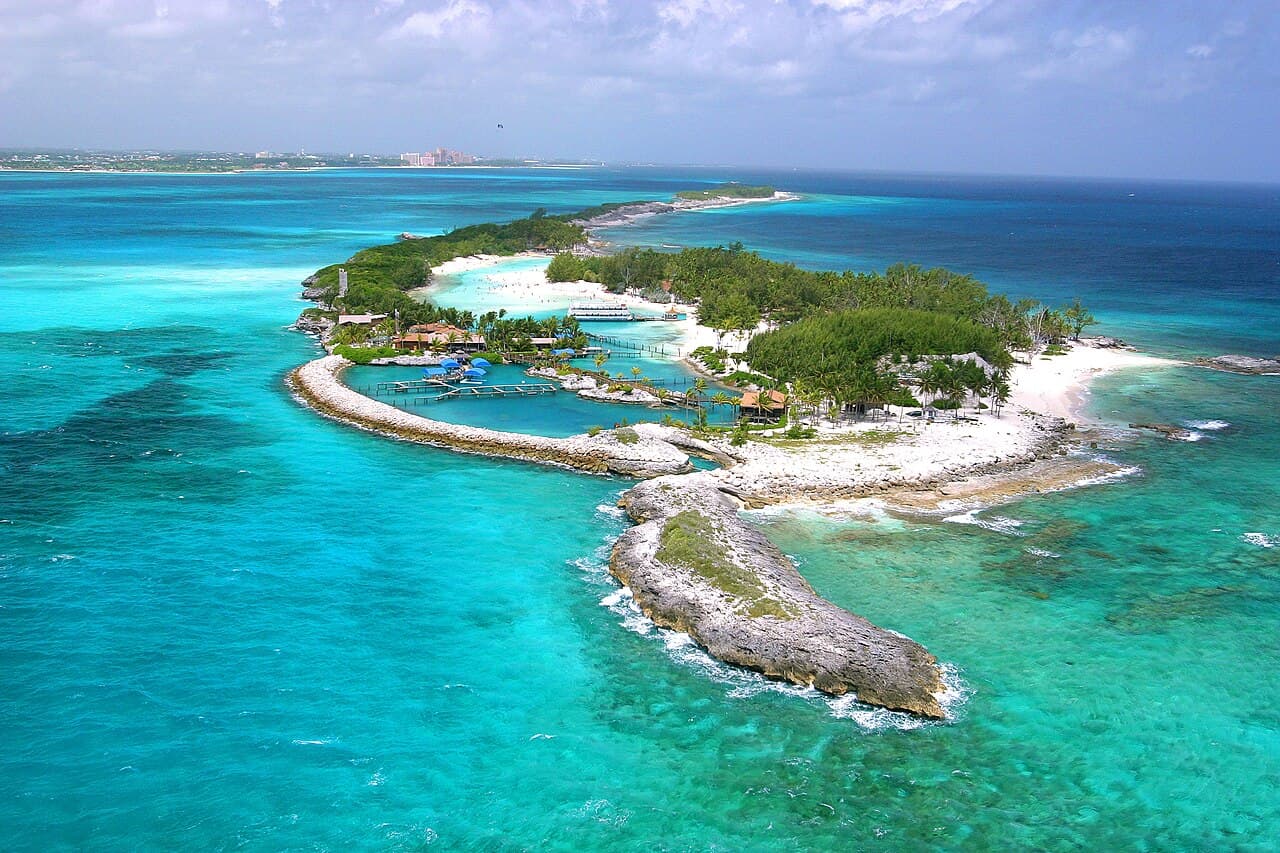
Nassau
Bahamas
The pastel-pink colonial capital of the Bahamas on New Providence Island — the 102-step Queen’s Staircase carved by enslaved labour in the 1790s, the British colonial Government House, the Pirates of Nassau Museum tracing the city’s 18th-century pirate-republic era, and the massive Atlantis Resort across the bridge on Paradise Island. Cruise-ship central (over 4 million arrivals/year), with US Pre-Clearance at the airport meaning you skip US Customs on your return flight. Pair it with a day trip to Exuma’s swimming pigs to elevate the trip.

Naxos
Greece
The largest Cyclades island (430 km², 20K residents) is the most agriculturally self-sufficient and the best-value Cycladic base — the iconic Portara doorway from a 6th-century BC unfinished Apollo temple silhouetted at sunset, the Venetian Kastro of Naxos Town, the highest peak in the Cyclades (Mt Zeus, 1,003m, with the Cave of Zas where the king of the gods was hidden), the marble-paved mountain village of Apeiranthos, the 4 km Plaka beach arc, and the unique Kitron citrus liqueur from Halki’s 1896 Vallindras Distillery.

New Orleans
United States
The most culturally distinct city in America — where Creole and Cajun cooking, jazz, second-line parades, and a French-Spanish colonial heart create something you genuinely can't find anywhere else. The French Quarter's wrought-iron balconies, Frenchmen Street's nightly brass bands, and beignets at 3am at Café du Monde.

New York City
United States
New York City needs no introduction — it's the cultural and financial capital of the world. Five boroughs, each with dozens of distinct neighborhoods, offering everything from Michelin-starred restaurants to $1 pizza slices. The subway runs 24/7, the energy is relentless, and there's genuinely something new to discover on every visit.

Newport
United States
Newport, Rhode Island, is a 25,000-person harbor city on Aquidneck Island that doubled as the Gilded Age summer capital for the Vanderbilts, Astors, and Belmonts in the late 1800s. The Preservation Society of Newport County runs guided tours of seven mansions including The Breakers (Cornelius Vanderbilt II's 70-room summer cottage), Marble House, Rosecliff, and The Elms. The 3.5-mile Cliff Walk threads the cliffside behind the mansions, the International Tennis Hall of Fame is set in the Newport Casino, and the Newport Folk and Jazz Festivals fill July and August. Bowen's Wharf and Thames Street hold the harbor restaurants and chowder bars.

Nha Trang
Vietnam
Vietnam's premier beach resort stretches 6 km along the South China Sea — a crescent bay backed by mountains, the ancient Po Nagar Cham towers on a headland (2nd–17th century), and an island-hopping scene off Hon Mun Marine Protected Area with excellent snorkeling. The mud baths at Thap Ba and I-Resort are a Vietnamese spa tradition. Alexandre Yersin — the Swiss-French scientist who isolated the plague bacillus — lived and died in Nha Trang; his house and laboratory are now a museum.

Niagara Falls
United States
Three waterfalls on the Niagara River between New York State and the Canadian province of Ontario — the American Falls (167 ft tall, 1,060 ft wide), Bridal Veil Falls (the small one separated by Luna Island, also on the US side), and the dominant Horseshoe Falls (167 ft tall, 2,600 ft wide) carrying 90% of the total water volume with the curve sitting mostly in Canada. Combined flow averages 750,000 gallons per second. Second-largest waterfall in the world by flow rate (after Inga Falls in DRC) but only 51st by height — the fame comes from being the largest in the inhabited Western world and the most accessible, drawing 12+ million visitors a year split roughly equally between US and Canadian sides. The falls erode upstream at about 1 ft per year (down from 3 ft historically due to flow control); the 7-mile gorge below is the path the falls have carved over 12,500 years since the last ice age. The Maid of the Mist boat tour has operated continuously since 1846 — the oldest tourist attraction in North America. Niagara also produces ~2.4 million kW of hydroelectric power, with treaty agreements diverting up to 75% of natural flow into the power stations at night and in winter. Closest airports: Buffalo Niagara (BUF, US side) and Toronto Pearson (YYZ, Canadian side).

Nice
France
French Riviera capital on the Bay of Angels — Promenade des Anglais along pebble beaches, Vieux Nice's socca and salade niçoise shops, Cours Saleya flower market, and Matisse and Chagall museums the artists themselves stocked. Monaco is 25 minutes away for €1.70. UNESCO winter resort town since 2021.

Nikko
Japan
Mountain shrine town 140km north of Tokyo where Tokugawa Ieyasu — the shogun who unified Japan in 1603 — is enshrined at the gold-and-vermilion Toshogu mausoleum. The UNESCO-listed shrine complex sits in a cedar forest at 600m elevation, with cooler air than Tokyo year-round. Beyond the shrines, the Iroha-zaka switchback road climbs to Lake Chuzenji and the 97-meter Kegon Falls — Japan's most celebrated autumn-foliage drive. Stay overnight in town or in the nearby hot-spring hamlet of Yumoto for the deeper Okunikko experience.

Niseko
Japan
Hokkaido's premier ski region, two hours by road from Sapporo's New Chitose airport. Four interconnected resorts — Grand Hirafu, Hanazono, Niseko Village, Annupuri — share a single all-mountain pass on the slopes of Mount Niseko Annupuri, with the conical Mount Yotei staring across the valley like a small Mount Fuji. The 15+ metres of dry, light powder per season is the most reliable in the world, which is why an Australian and Singaporean expat scene has set up a year-round base. December through March is ski; July and August add hiking, rafting, and onsen-and-green-season pricing.

Nizwa
Oman
The cradle of Islam in Oman and the country's capital under the imamate from 1624, sitting in a date-palm oasis 1.5 hours inland from Muscat at the foot of the Hajar mountains. The town is dominated by Nizwa Fort, the giant 1668 round tower built to defend the falaj-irrigated oasis, and by its Friday goat market where Bedouin traders parade live animals around a circular auction floor while silversmiths hammer khanjar daggers in the adjoining souq. Half an hour up the switchbacks lies Jebel Akhdar, the green mountain whose terraced villages distil rosewater each April and May from the Damascene roses that bloom on the cliff edges.

Norwegian Fjords
Norway
Norway's fjords are nature at its most dramatic — sheer cliffs plunging into deep blue water, thundering waterfalls, and tiny villages clinging to narrow shores. Geirangerfjord and Sognefjord are the most famous, but the entire western coast is jaw-dropping. Bergen is the gateway city, and the Norway in a Nutshell route is the classic way to see it all.

Nuuk
Greenland
Greenland's capital and largest city — population just over 20,000, more than a third of the territory — perches on a rocky peninsula at the mouth of one of the largest fjord systems on Earth, with Sermitsiaq mountain (1,210 m) rising directly across the bay. Founded by Hans Egede in 1728 as Godthåb ("Good Hope"), Nuuk holds the National Museum of Greenland, the country's best fjord boat tours, the Katuaq Cultural Centre, and a surprisingly Scandinavian-mild climate. Midnight sun late May to late July; long mild winters with regular aurora through April.


Ohrid
North Macedonia
A small UNESCO town on the eastern shore of Lake Ohrid — at 3+ million years one of the oldest lakes on earth, deep enough (288m) and clear enough that you can read the church bells underwater near shore. The hillside Old Town spreads from the lake harbour up to Tsar Samuel's 10th-century fortress through cobbled lanes lined with 30+ medieval Byzantine churches. The Church of St. John at Kaneo, perched on a clifftop above turquoise water, is the icon image of North Macedonia. Add the lake-edge St. Naum monastery boat trip, the underwater Bay of Bones archaeological site, and the highest concentration of Byzantine fresco art in the Balkans — at a third of Croatian-coast prices.

Oʻahu
United States
Hawaii's most populated island packs Waikiki Beach's surf, Pearl Harbor's history, the North Shore's legendary winter waves, Hanauma Bay's snorkel reef, and Diamond Head's crater hike into one island you can drive around in a day. Honolulu's Chinatown is unexpectedly great for food and art.

Okavango Delta
Botswana
UNESCO World Heritage Site (2014) — the world's largest inland delta, 15,000 km² of wetlands where the Okavango River ends in the Kalahari rather than reaching the sea. The paradox season: floodwaters from Angolan rains peak in June–August, making Botswana's dry winter months the wildlife spectacle. Mokoro canoe safaris, luxury fly-in camps (Mombo, Vumbura, Duba Plains), Big 5 game plus African wild dogs, and Maun as the MUB gateway town.

Okinawa
Japan
Japan's subtropical island chain has a culture distinctly its own — the Ryukyu Kingdom (1429–1879) left Shuri Castle, a UNESCO World Heritage Site rebuilt after its 2019 fire, and a cuisine defined by champuru stir-fry, awamori liquor, and the "Okinawa diet" that helped create one of the world's highest concentrations of centenarians. The Kerama Islands 30 minutes by ferry have water clarity among the finest in Asia. The US military controls 30% of the main island's land area — a geopolitical reality woven into daily life.

Olympic National Park
United States
Olympic spans 922,000 acres on Washington's Olympic Peninsula and packs three separate ecosystems into one park, none of them connected by interior roads. The Hoh Rain Forest on the west side gets 12 feet of rain a year and grows moss-draped Sitka spruce cathedrals. The 73-mile Pacific coast strip holds Ruby Beach, Rialto with its sea stacks, and Shi Shi. The interior alpine zone tops out at 5,200-foot Hurricane Ridge with views from the Olympics back across the Strait of Juan de Fuca to Vancouver Island. Lake Crescent and Sol Duc Hot Springs are the natural bases, the park is 2.5 hours from Seattle including a ferry, and the coast stays open year-round.

Orlando
United States
Orlando is the theme-park capital of the world — Walt Disney World's four parks (Magic Kingdom, EPCOT, Hollywood Studios, Animal Kingdom) cover 25,000 acres southwest of the city, while Universal Orlando (three parks including the new Epic Universe opening 2025) sits closer in. Beyond the parks, downtown Orlando wraps around Lake Eola with its swan boats and weekly farmers' market, ICON Park's 400-foot wheel anchors International Drive, and the Kennedy Space Center is an hour east. The metro is enormous (2.7M), the airport is one of the busiest in the US, and theme-park strategy (FastPass, park-hopper, off-season vs holiday weeks) is its own discipline.
Osaka
Japan
Osaka is Japan's kitchen — a city that lives to eat. Dotonbori's neon-lit food street, takoyaki (octopus balls) stalls, and the finest street food culture in Japan define this boisterous, working-class city. The Osakans are famously friendly and funny, the castle is impressive, and Universal Studios Japan is a massive draw for families.

Oslo
Norway
Norway's capital sprawls around the Oslofjord — harbor saunas, an opera house you can walk up, Vigeland's 200 stone and bronze sculptures, and the new Munch Museum. Eye-watering prices but Nordic lifestyle at its most refined. The Bergen Railway (one of the world's most scenic) departs from here for the fjords.

Ouarzazate
Morocco
The gateway to Morocco's south and the Hollywood of Africa — Atlas Studios is the largest film studio in the world by area. Gladiator, Game of Thrones, The Mummy, and Lawrence of Arabia were all filmed within an hour's drive of here, most at the UNESCO ksar of Aït Benhaddou 30km west. Restored Kasbah Taourirt anchors the town; the High Atlas is behind you, the Sahara ahead. Calm, low, and built of rammed earth the same colour as the surrounding desert.

Outer Banks
United States
The Outer Banks are a 200-mile chain of barrier islands off North Carolina, strung from the wild horse beaches of Corolla in the north through Kitty Hawk, Nags Head, Hatteras, and ferry-only Ocracoke. Cape Hatteras Lighthouse (198 feet, the tallest brick lighthouse in the United States) anchors the middle of the chain, the Wright Brothers National Memorial in Kill Devil Hills marks the spot of the first powered flight in 1903, and the Cape Hatteras National Seashore protects 70 miles of undeveloped Atlantic beach. This is a quieter, fishing-and-family vacation coast, not a boardwalk-and-arcade one.

Pai
Thailand
Northern Thailand's backpacker mountain town, 762 curves from Chiang Mai (bring motion-sickness pills). Dawn hot-air balloons over karst ridges, the Pai Canyon, Mo Paeng Waterfall, Shan Chinese villages, and fire shows at the walking-street market. Cool year-round, but the burning season February to April turns the air hazardous — plan around it.

Palermo
Italy
Sicily's capital is one of the Mediterranean's great cities — 2,700 years of Phoenician, Greek, Roman, Arab, Norman, and Spanish layers have created an extraordinary palimpsest. The Cappella Palatina (1143) is the world's finest example of Arab-Norman architecture. Ballarò Market has operated for over 1,000 years. The 8,000 mummies of the Capuchin Catacombs are the world's most striking memento mori.

Palm Springs
United States
California's mid-century modern oasis — a 50,000-person resort city tucked against the 10,800 ft wall of San Jacinto Peak, 1.5 hours east of Los Angeles in the Coachella Valley. The town carries the highest concentration of preserved 1950s-60s desert modernism in the country (Modernism Week every February draws 162,000 attendees). The Palm Springs Aerial Tramway climbs 8,500 vertical ft to alpine wilderness in 10 minutes; Joshua Tree National Park is 30 minutes east. Pool culture is the local religion — over 100 hotels are designed around the courtyard pool. Coachella and Stagecoach drop into nearby Indio in April; summers spike to 45°C, but Oct-May is dry, mild, and built for cocktails.
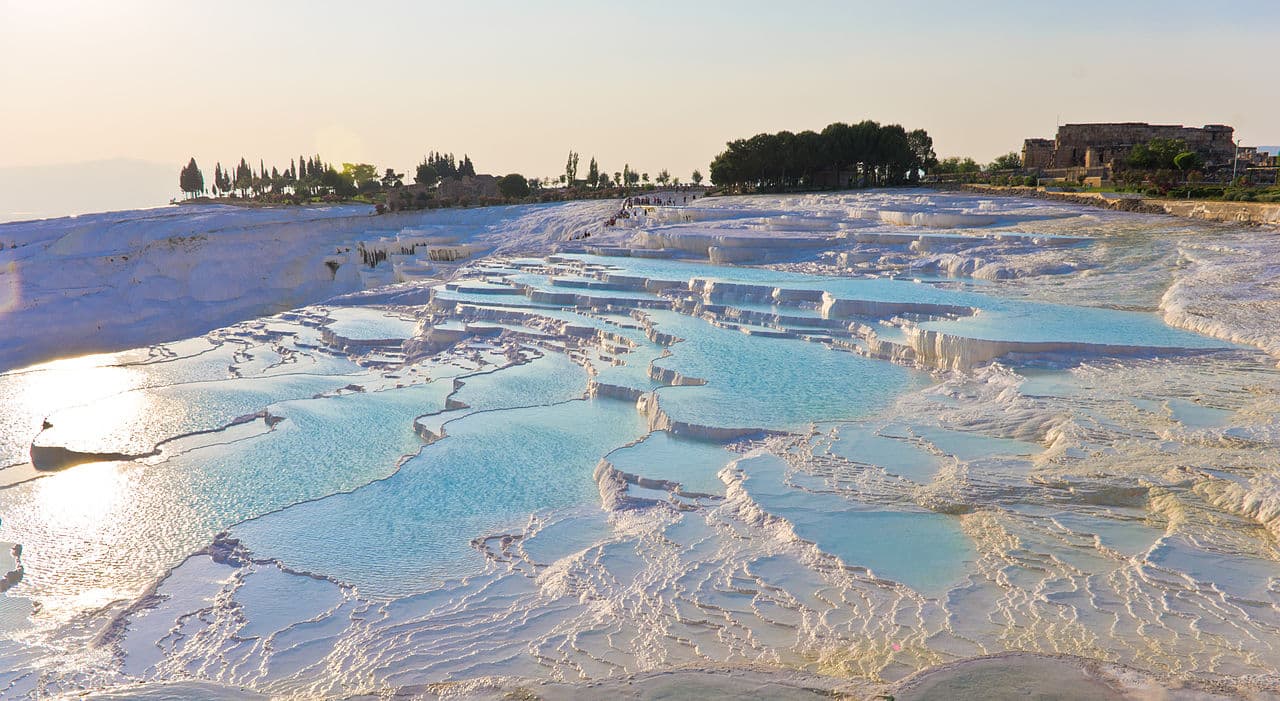
Pamukkale
Turkey
A surreal cascade of blinding-white travertine terraces — calcium carbonate platforms shaped over 14,000 years by hot mineral springs flowing down a 200m cliff in southwestern Turkey. Above the terraces sits Hierapolis, the Greco-Roman spa city Marcus Antonius gifted to Cleopatra, with a 12,000-seat theatre, the largest necropolis in Anatolia, and the still-bathable Cleopatra's Pool studded with toppled marble columns. UNESCO-listed since 1988; visited by 2.5 million per year, but most arrive on day buses from Antalya, Kuşadası, or Marmaris and clear out by 17:00.

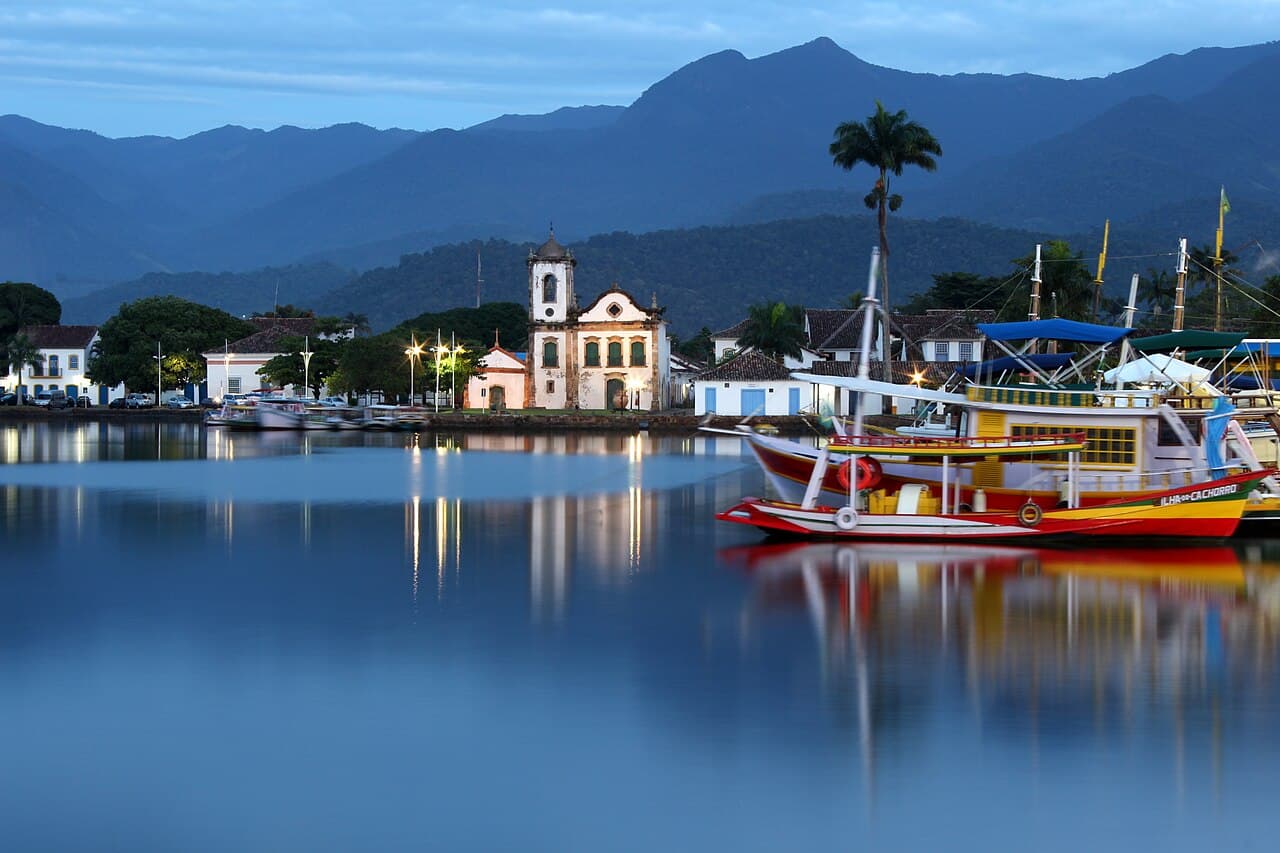
Paraty
Brazil
Paraty is the perfectly preserved 18th-century colonial port halfway between Rio and São Paulo — whitewashed houses with bright shutters, churches at every corner, and cobblestone streets so uneven you stop pretending shoes will help. UNESCO inscribed the historic centre in 2019 (alongside the surrounding Atlantic Forest reserves) for its colonial architecture and the cultural landscape that grew around the gold-mining caminho do ouro. Today the harbour fills with traditional schooners (saveiros) running day trips to dozens of green islands and turquoise coves; the back lanes hide some of Brazil's best cachaça stills, and the surrounding Serra da Bocaina forest hides 100m waterfalls reachable on foot.

Paris
France
Paris lives up to the hype. The City of Light delivers world-class museums, iconic architecture, and some of the best food on the planet. Each arrondissement has its own personality — the Marais for trendy boutiques, Saint-Germain for literary cafes, Montmartre for bohemian charm. The city is surprisingly walkable and the Metro makes everything else easy to reach.

Park City
United States
Utah's flagship ski town and the closest big-airport-to-resort drive in the US — 32 miles east of Salt Lake City via I-80, just 40 minutes from SLC International. Two world-class resorts share the basin: Park City Mountain (the largest ski resort in the US at 7,300 acres after the 2015 Canyons merger) and Deer Valley (skiers-only, perennially ranked the nation's top resort by SKI Magazine readers). Historic Main Street is a preserved 1890s silver-mining town with 64 buildings on the National Register, hosting Sundance Film Festival each January. At 7,000 ft base it's lower than Colorado giants — easier acclimation. Summer brings world-class mountain biking and the Utah Olympic Park.

Paro
Bhutan
The gateway to Bhutan — the country's only international airport (PBH), famously one of the most difficult commercial approaches in the world. Home to the cliff-hanging Tiger's Nest monastery (Taktsang), the fortress-monastery Paro Dzong, Kyichu Lhakhang (7th century), and the National Museum in the circular Ta Dzong watchtower. Bhutan's Sustainable Development Fee ($100-200/night) and mandatory licensed-tour-operator visa rules make it one of the most tightly-managed tourism destinations anywhere.

Paros
Greece
The Cyclades island that delivers the Mykonos atmosphere at 30–40% lower prices — Naoussa’s photogenic harbour with a half-submerged 15th-century Venetian Kastro at the entrance, Parikia’s marble-paved Old Town centred on Panagia Ekatontapyliani (one of the oldest continuously functioning Christian churches in the world), the marble quarries at Marathi where the Venus de Milo was carved, the Lefkes mountain village and its 1,000-year-old Byzantine Path, Golden Beach’s windsurfing scene, and the 7-minute ferry to Antiparos with its spectacular cave.

Patagonia
Chile
Patagonia is the end of the world — and it's breathtaking. Torres del Paine's granite spires, Perito Moreno's thundering glacier, and vast windswept steppes define one of the planet's last truly wild frontiers. Shared between Chile and Argentina, the region rewards serious hikers and nature lovers willing to brave the elements.

Pattaya
Thailand
Thailand's Gulf-coast resort city, 150 km southeast of Bangkok and 90 minutes by minivan from Ekkamai bus terminal. Pattaya is unapologetically commercial — the 4 km arc of Pattaya Beach faces the Walking Street nightlife strip while quieter Jomtien Beach stretches south for families and weekenders. Beyond the bars sit the half-finished 105-metre all-wood Sanctuary of Truth, the Nong Nooch Tropical Garden with its Thai dance and elephant show, Coral Island day trips from Bali Hai Pier, the Khao Phra Tamnak hilltop viewpoint, Cartoon Network water park, and more than 25 golf courses within an hour. U-Tapao (UTP) airport sits 30 minutes south, but most travellers still arrive via Bangkok BKK or DMK.


Petra
Jordan
One of the New Seven Wonders — the rose-red Nabataean city carved into desert cliffs. The Siq gorge narrows to 3m wide and 80m tall before revealing the Treasury's 40m facade. Only 15% of the ancient city has been excavated. The Monastery (Ad-Deir) is larger than the Treasury and requires 800 rock-cut steps — most visitors skip it, which is their loss. Petra by Night (Mon/Wed/Thu) is the most atmospheric experience in the Middle East.

Phi Phi Islands
Thailand
A six-island archipelago in the Andaman Sea between Phuket and Krabi — protected within the Hat Noppharat Thara–Mu Ko Phi Phi National Park, with Permian-era limestone karst cliffs ringing turquoise water. Phi Phi Don is the only inhabited island; Phi Phi Leh holds Maya Bay (the famous beach from "The Beach" 2000), which closed entirely from 2018 to 2022 for coral recovery and reopened with strict daily caps (4,375 visitors/day, 60-minute slots, no swimming inside the bay), closing annually August 1–September 30 for further recovery. The classic Phi Phi day combines Maya Bay, Pileh Lagoon, Bamboo Island snorkelling, and the Phi Phi Viewpoint hike for the iconic double-bay photograph. No roads, no cars, no airport — everything is by boat from the wooden Tonsai Pier.

Philadelphia
United States
America's first UNESCO World Heritage City — where both the Declaration of Independence (1776) and the Constitution (1787) were signed. Reading Terminal Market, Eastern State Penitentiary, the Philadelphia Museum of Art, and the Liberty Bell are all within walking distance. The cheesesteak was invented here, and Philadelphians are passionate about all of it.

Phnom Penh
Cambodia
Cambodia's rapidly changing capital where French colonial architecture meets modern riverside development. The Royal Palace, sobering Tuol Sleng museum, and legendary street food scene at Central Market make it a compelling stop between Angkor Wat and the southern beaches.

Phoenix
United States
America's fifth-largest city and the heart of the Valley of the Sun — 1.6 million in the city proper, nearly 5 million across the metro, sprawling across the northern Sonoran Desert at 1,086 ft elevation. The signature trio is Camelback Mountain (a 1.3-mile rock-scramble up to a city-and-desert panorama), Old Town Scottsdale (boutique-and-margarita strip 20 minutes east), and the Desert Botanical Garden (50,000 plants on 140 acres). Brutal Jun-Sep heat regularly hits 45°C, but Nov-Apr is shirtsleeve perfection — the same window the Cactus League brings 15 MLB teams here for spring training. Phoenix is also the practical gateway: Sedona is 2 hours north, the Grand Canyon 4 hours.

Phu Quoc
Vietnam
Phu Quoc is Vietnam’s largest island, a pepper-and-fish-sauce outpost in the Gulf of Thailand that sits closer to Cambodia than to the Vietnamese mainland. The south end has the postcard beaches — Sao Beach’s soft white crescent and Long Beach’s 20-kilometre sweep of resort and hostel — plus the world’s longest sea-crossing cable car at 7.9 kilometres, which links the mainland to little Hon Thom island and was opened in 2018. Vietnam grants 30-day visa-free entry to every nationality on arrival here, which makes it one of the easiest tropical entries on the planet. The fish-sauce factories of Duong Dong town smell like the Atlantic at low tide.

Phuket
Thailand
Thailand's largest island is a tropical playground of palm-fringed beaches, turquoise Andaman Sea waters, and lively nightlife. From the bustling Patong strip to the serene coves of Kata and Rawai, Phuket offers everything from luxury resorts to budget beach bungalows. The jumping-off point for Phi Phi Islands and Phang Nga Bay.

Pingyao
China
The only fully intact Ming and Qing Han Chinese walled city in the country — a UNESCO-listed grid of grey-brick courtyards in Shanxi province ringed by 6km of 14th-century walls you can climb for the panorama. Rishengchang on South Street was the world's first draft bank when it opened in 1823, sending silver bills as far as Mongolia. The Confucian Temple, the County Government complex, and Shuanglin and Zhenguo temples nearby fill out the historical depth. Four hours from Beijing by G-train via Taiyuan, with siheyuan courtyard guesthouses inside the walls.

Piran
Slovenia
Slovenia's only proper Adriatic port — a Venetian Gothic peninsula town at the tip of the country's tiny 46-km coastline. Three hundred years under Venice gave Piran the same painted house facades, the same loggia and bell tower, and the same Italianate fish-bone street pattern as the lagoon city itself. The Tartini Square sweeps marble-paved from the harbour to the Cathedral of St George on the cliff above. Hand-harvested fleur de sel still comes off the Sečovlje salt pans 8 km south using Roman-era methods. Old town is car-free and 2 hours by car from Ljubljana.

Pittsburgh
United States
The Steel City reborn as a tech and medicine capital — three rivers (Allegheny, Monongahela, Ohio) meeting at the tip of Point State Park, 446 bridges (more than any city in the world), and 712 sets of public city steps climbing the hillsides. Andrew Carnegie's flour-and-steel empire built world-class museums (the Carnegie, the Andy Warhol, the Frick), and the city's unique topography means the Mt. Washington overlook delivers one of America's great urban skylines. Stronger transit than peers expect (free downtown T light rail, two surviving 1870s funicular Inclines), the Strip District for food markets, Primanti Brothers sandwiches since 1933, and dramatically cheaper hotels than peer Eastern US cities.
.jpg%3Fwidth%3D1280&w=1600&q=75)
Playa del Carmen
Mexico
The Riviera Maya's most walkable beach town, an hour south of Cancun airport on Highway 307. The pedestrianised Quinta Avenida runs four kilometres parallel to the sand, packed with restaurants, bars, gelato counters and silver-jewellery boutiques that do not close until 1 am. Mamita's Beach anchors the casual beach-club scene to the north; the all-inclusive resort cluster pushes south toward Tulum. Ferries depart every half hour for Cozumel (35 minutes) and there is a separate boat to Isla Mujeres, which makes Playa a useful base for a Caribbean island day trip without committing to staying offshore.

Plitvice Lakes National Park
Croatia
Sixteen turquoise lakes terraced by travertine dams growing 1cm a year, connected by 78m waterfalls and a wooden boardwalk you cannot swim from (fines enforced). Croatia's most famous national park, UNESCO since 1979, packed in summer — arrive at the 7am opening. Between Zagreb (2h) and Split.
.jpg%3Fwidth%3D1280&w=1600&q=75)
Plovdiv
Bulgaria
Six thousand years old and counting — one of the oldest continuously inhabited cities in Europe, draped across seven hills in the Maritsa River plain two hours south of Sofia. The Roman Theatre cut into a saddle between two hills has hosted performances since 90 AD and still does in summer; the Old Town climbs a cobbled hill of timbered Bulgarian Revival mansions; the Kapana creative district below it has turned former Ottoman bazaar workshops into wine bars and design studios. Plovdiv was the 2019 European Capital of Culture and remains the most stylish small city in the Balkans.

Pokhara
Nepal
Nepal's adventure capital sits at 830m on Phewa Lake with the Annapurna massif filling the horizon — Annapurna I (8,091m), the sacred unclimbed Machhapuchhre Fishtail (6,993m), and Dhaulagiri all visible from town on a clear morning. Lakeside (Baidam) is the laid-back tourist district — paragliding from Sarangkot is world-class. Trek launch point for Annapurna Circuit, ABC, and Poon Hill. The new Pokhara International Airport opened 2023. Domestic flight from Kathmandu is 25 minutes.
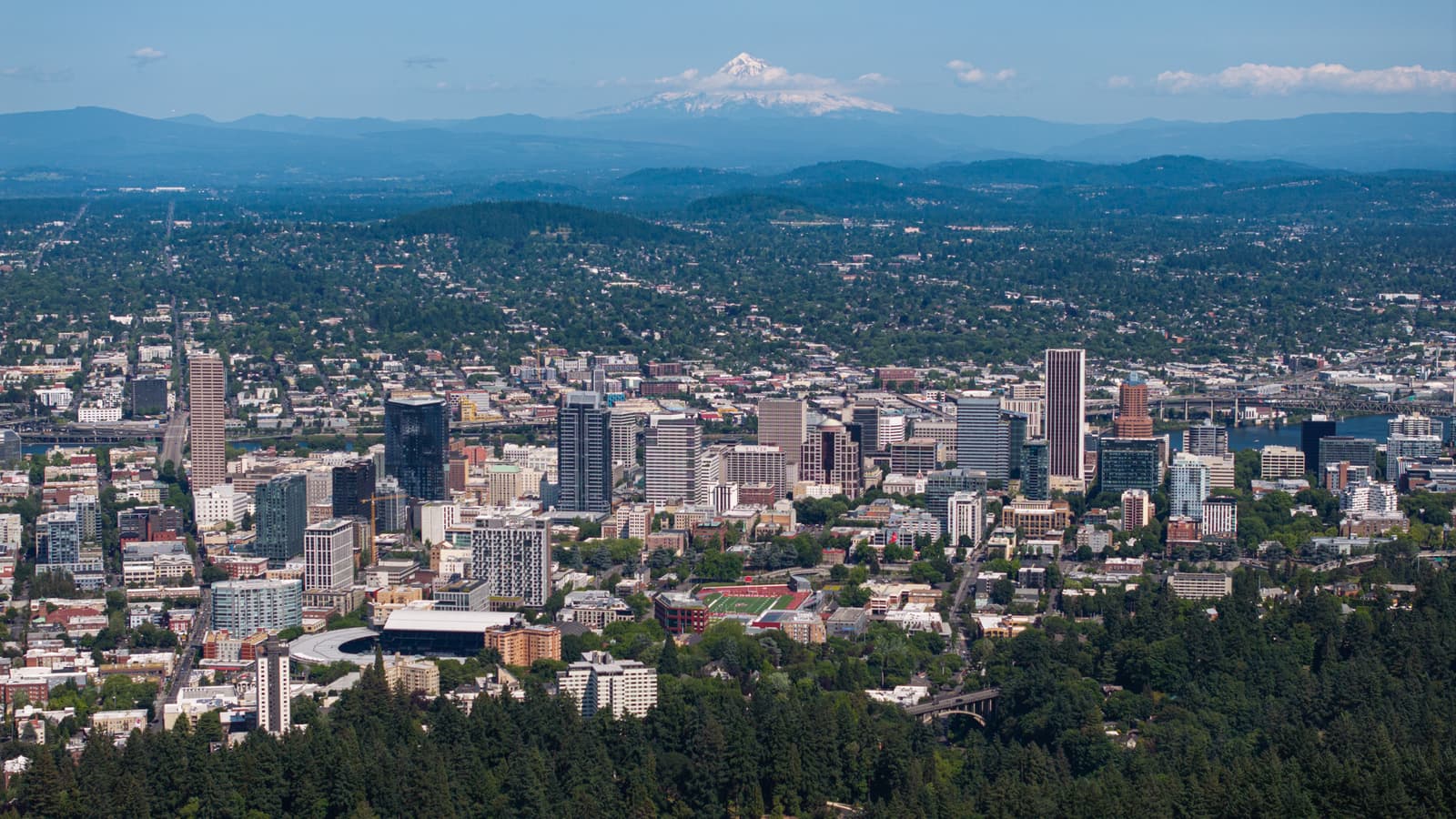
Portland
United States
Portland is still weird, still rainy, and still one of the best small food + beer + coffee cities in America — though its downtown is in real transition since 2020. Powell's City of Books anchors the west side, food cart pods dot every neighborhood, Forest Park is a 5,200-acre wilderness in the city, and Mt. Hood plus the Columbia River Gorge are 45 minutes east.

Porto
Portugal
Porto is Lisbon's grittier, more authentic northern sibling — a UNESCO-listed riverside city of blue-tiled churches, port wine cellars, and medieval alleyways. The Ribeira waterfront is stunning, the Livraria Lello bookshop inspired Harry Potter, and a port wine tasting in Vila Nova de Gaia is essential. Outstanding value with incredible food.

Positano
Italy
A vertical village of pastel houses tumbling 300 metres down an Amalfi Coast cliff face above the Tyrrhenian Sea — pedestrian-only, no flat ground anywhere in the historic centre, and stairs serving as the primary streets. Spiaggia Grande's dark grey volcanic pebbles framed by stacked pastel facades is the iconic photograph; the 10th-century church of Santa Maria Assunta with its gold-and-green majolica dome anchors the village; and the Sentiero degli Dei (Path of the Gods) cliff-top trail unfolds 500 metres above. UNESCO-listed Amalfi Coast, made-to-measure leather sandals on Via Pasitea, and the most photogenic Italian fishing-village-turned-romance-destination of them all.

Prague
Czech Republic
Prague is a fairy-tale city that somehow survived centuries of war intact. Gothic spires, baroque palaces, and art nouveau facades line cobblestone streets. The beer is world-class and cheaper than water, the food is hearty and satisfying, and the Charles Bridge at dawn is one of Europe's most magical experiences.

Provence
France
The first Roman province outside Italy (Provincia Romana, 121 BCE) and the lavender-and-ochre southeast of France — a region rather than a single city, comprising Avignon's Palais des Papes (the largest Gothic palace in Europe, seat of seven popes 1309–1376), Aix-en-Provence's plane-tree boulevards and Cézanne's Mont Sainte-Victoire, and the Luberon hill villages of Gordes, Roussillon, Bonnieux, and Ménerbes. The Plateau de Valensole's 800 km² of cultivated lavender produces half of France's crop and peaks for three weeks in late June through mid-July; outside that window the fields are green or dormant. Roman engineering survives at the Pont du Gard aqueduct and the Arles Arena (still hosting bullfights), and Europe's deepest canyon — the 700-metre Verdon Gorge — runs 25 km through limestone with a turquoise river at the bottom. Gateway airport: Marseille (MRS).
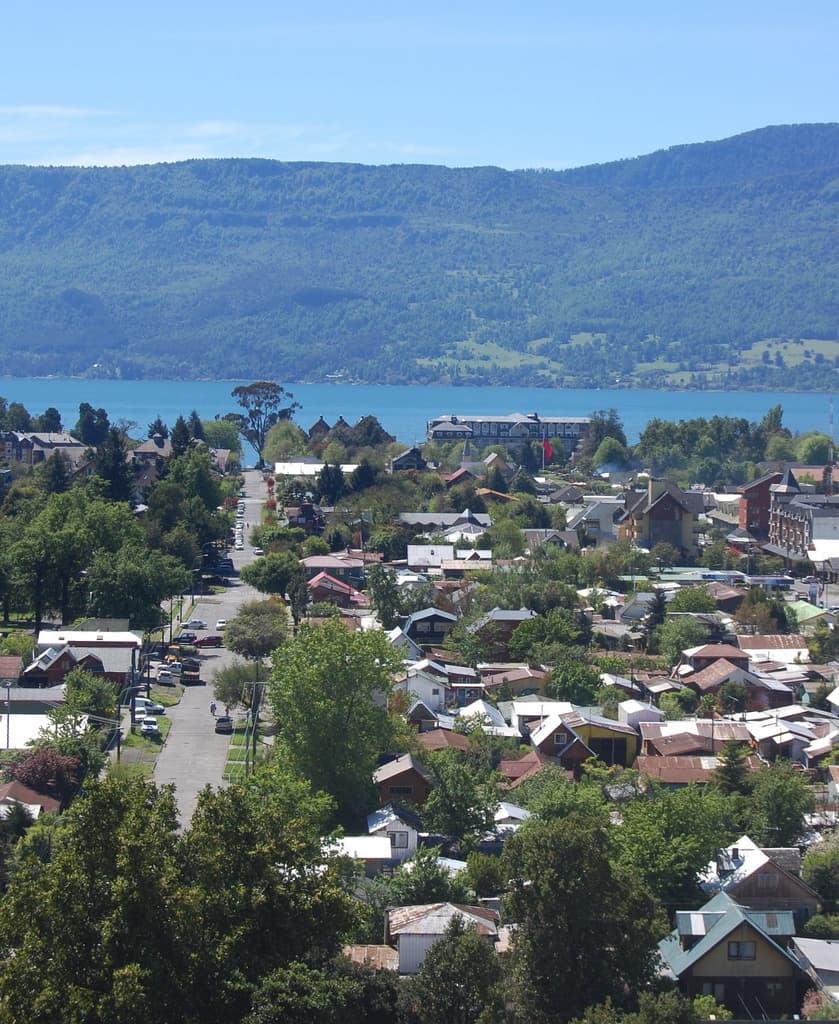
Pucón
Chile
A lakeside resort town in Chile's northern Patagonia — sat at the foot of Volcán Villarrica, one of the world's most active volcanoes (you can climb it in summer and look into a glowing lava lake at the summit). Lago Villarrica's beaches are black volcanic sand, the Termas Geométricas hot springs are a 75-minute drive into Andean rainforest, and Mapuche communities still hold the surrounding land. Adventure capital of Chile: rafting the Trancura, climbing Villarrica, and white-water everything.

Puerto Natales
Chile
The Chilean Patagonia gateway to Torres del Paine, set on the milky-blue Última Esperanza Sound, three hours south of the park entrance by paved road. Once a wool-export port, Puerto Natales now turns over almost entirely on the W trek, the O circuit, and the Navimag four-day fjord ferry that arrives from Puerto Montt twice a week. Eberhard Avenue and Calle Bories make up the compact restaurant and brewpub strip, with Baguales microbrewery, Kau Lodge fireplaces, and outfitters renting tents and stoves on every block. Mylodon Cave 24 kilometres north preserves the giant ground sloth fossil that gave Bruce Chatwin his trip-opening pretext for In Patagonia.

Puerto Vallarta
Mexico
A Pacific resort town on Banderas Bay where the Sierra Madre tumbles directly into the sea — 1.5 km of sculpture-lined Malecón, the cobblestoned Romantic Zone with its crown-towered Our Lady of Guadalupe Church, and 42 distinct beaches around the bay from family-friendly Los Muertos to roadless Yelapa to the offshore Marietas Islands' Hidden Beach. Hollywood put Puerto Vallarta on the map when John Huston filmed The Night of the Iguana here in 1963 with Burton and Taylor; it has since become Latin America's most LGBTQ+ friendly destination. Tourist infrastructure is excellent and English widely spoken; humpback whales calve in the bay December-March. The all-inclusive Hotel Zone is generic; the Romantic Zone is where Vallarta's charm actually lives.

Pula
Croatia
The biggest city on Croatia's Istrian peninsula, anchored by the Pula Arena — the 6th-largest surviving Roman amphitheatre on earth and one of only six anywhere with all four side towers still standing. Built in the 1st century under Vespasian, the limestone oval still hosts summer concerts and the Pula Film Festival every July. Around it sit the Temple of Augustus on the Forum, the Triumphal Arch of the Sergii and a working harbour. Pula is also the gateway to Brijuni Islands National Park and the heart of Istria's truffle and olive oil country. About 2 hours by car from Trieste.

Puno
Peru
Puno sits on the Peruvian shore of Lake Titicaca at 3,827m (12,556 ft) — the highest navigable lake in the world and the second-largest in South America. The city itself is a brick-and-corrugated-iron working port that most travelers use as a base for two boat trips: the Uros floating reed islands (man-made platforms of bundled totora reeds, inhabited by ~2,000 Uros people who built them centuries ago to escape Inca and then Colla incursions) and the Quechua-speaking weaving island of Taquile. Add the pre-Inca chullpa burial towers at Sillustani (40 km north) and the cross-border bus to La Paz, Bolivia, and Puno earns its 1-2 nights for travelers heading south.

Pushkar
India
A small Hindu pilgrimage town in central Rajasthan built around a sacred lake ringed by 52 ghats and dominated by the only major Brahma temple in India - the rare temple to the creator god in a country that overwhelmingly favours Vishnu and Shiva. Pushkar is a strict vegetarian and alcohol-free zone year round, anchoring a slow backpacker scene of rooftop cafes and Aravalli sunset hikes for most of the calendar. Once a year, on the November full moon, the desert outside town fills with the Pushkar Camel Fair: 50,000-plus camels, horses, and cattle traded over five days in the year's flagship Rajasthani spectacle. Ajmer railhead is 30 minutes east.

Quebec City
Canada
The only fortified city north of Mexico — Old Quebec (UNESCO) is a living 17th-century French colonial town perched on the St. Lawrence clifftops. The Château Frontenac is the world's most photographed hotel. Carnaval de Québec is North America's largest winter festival. French is the heartbeat of this city, which feels more like Brittany than Toronto.
Queenstown
New Zealand
Queenstown is the adventure capital of the world — bungee jumping was invented here, and the stunning Southern Alps and Lake Wakatipu provide the backdrop for everything from skiing to skydiving. Beyond the adrenaline, there's a sophisticated food and wine scene, and Milford Sound is a day trip away. New Zealand's most photogenic town.
Quito
Ecuador
Ecuador's Andean capital sits at 2,850m on the equator — the highest official capital in the world. Its colonial Old Town (UNESCO 1978) is among Latin America's best-preserved, with golden baroque churches like La Compañía de Jesús and the cobblestone La Ronda block. The TelefériQo gondola climbs Pichincha volcano to 4,100m, and the Mitad del Mundo straddles 0°0'0". Gateway to Galápagos and the Amazon.

Rabat
Morocco
Morocco's capital since 1912 and a UNESCO World Heritage Site since 2012 — a city that feels both imperial and restrained. The 12th-century Hassan Tower overlooks the Mausoleum of Mohammed V; the Kasbah of the Udayas descends in cobbled blue-and-white alleys to the Atlantic; Chellah is a Roman-Islamic ruin where storks nest on 14th-century Merenid minarets. Rabat is the antidote to Marrakech chaos — cleaner, calmer, and much less targeted at tourists.

Railay
Thailand
Technically a peninsula on mainland Thailand (Krabi Province) but the towering limestone karst cliffs cut it off from road access — the only way in is by longtail boat (10–15 minutes from Ao Nang, 45 minutes from Krabi Town). No cars, no scooters, no traffic, and a small-island feel that makes Railay Thailand's most beach-paradise mainland destination. It is one of the world's most legendary rock-climbing destinations, with over 700 bolted routes split between Railay East, Tonsai, and Phra Nang Beach across grades from 5a to 8c. Phra Nang Cave at the southern tip contains a 'Princess Cave' shrine where local fishermen leave wooden phallus offerings (lingam) to the spirit of a princess believed to bestow fertility. The four beaches sit within 15 minutes' walk of each other but feel dramatically different — Railay West for postcard sunsets, Railay East as the climbing-and-mangrove backside, Phra Nang Beach (the most beautiful), and Tonsai (rougher, backpacker climbing zone). Closest airport: Krabi (KBV), 25 minutes by car to Ao Nang.

Raja Ampat
Indonesia
The highest marine biodiversity on Earth — 1,500 fish species, 700 molluscs, and 600+ coral species inhabit these four islands and 1,500 islets in West Papua. Cape Kri holds the world record for fish species counted in a single dive (374). The Pianemo viewpoint — karst limestone islands dotting a turquoise lagoon — is one of the most photographed landscapes in the world.

Raleigh
United States
Raleigh is North Carolina's state capital and the southern point of the Research Triangle (Raleigh – Durham – Chapel Hill) — three universities (NC State, Duke, UNC) and the Research Triangle Park anchor one of the densest concentrations of PhDs in America. Downtown is built around the 1840 NC State Capitol, the free North Carolina Museum of Natural Sciences (the largest natural-history museum in the Southeast), the NC Museum of Art's outdoor sculpture park, and Fayetteville Street's restaurants and bars. The college-town energy from NC State (37,000 students) means the food scene punches well above a city this size, and the surrounding Triangle area gives you Durham's renovated tobacco district and Chapel Hill's basketball.

Reykjavik
Iceland
The world's northernmost capital is a tiny, colorful city that punches way above its weight. Reykjavik is the base for Iceland's otherworldly landscapes — the Golden Circle, Blue Lagoon, northern lights, and glacier hikes are all accessible as day trips. The city itself has excellent restaurants, a lively bar scene, and that unmistakable Nordic cool.

Rhodes
Greece
The largest of the Dodecanese (1,400 km², 90K residents) wraps a UNESCO Old Town that’s the largest inhabited medieval town in Europe — 4 km of intact Knights Hospitaller walls, the Street of the Knights, and the Palace of the Grand Master. Plus the cliff-top Acropolis of Lindos above twin azure bays, the Valley of the Butterflies (June–September Jersey tiger moths in the millions), the Acropolis of Rhodes on Monte Smith, Mandraki Harbour where the Colossus once stood, and 220 km of beaches along both Meltemi-cooled western and calm eastern coasts.

Riga
Latvia
Latvia's capital holds the world's finest collection of Art Nouveau architecture — over 800 buildings along Alberta iela and Elizabetes iela, designed in the early 1900s when Riga was the Russian Empire's third-largest city. The UNESCO Old Town (Vecrīga) has medieval guild halls and the House of the Blackheads; the Central Market occupies repurposed Zeppelin hangars. A Baltic gem that delivers a serious European city for budget prices.

Rio de Janeiro
Brazil
Rio de Janeiro is one of the world's most dramatic cities — Christ the Redeemer watches over a landscape of granite peaks, tropical forest, and golden beaches. Copacabana and Ipanema are iconic, the Carnival is legendary, and the carioca lifestyle of samba, beach volleyball, and acai bowls is infectious. A city that pulses with energy.

Rishikesh
India
The self-styled Yoga Capital of the World sits where the Ganges descends from the Himalayas into the plains of north India — 280+ ashrams, 100+ yoga schools, the iconic Lakshman Jhula and Ram Jhula suspension bridges, and the abandoned Beatles Ashram (Chaurasi Kutia) where Lennon, McCartney, Harrison, and Starr wrote much of the White Album in February-April 1968. The entire city is officially vegetarian and alcohol-free by municipal law. Add white-water rafting on the Class III-IV upper Ganges, the nightly Ganga Aarti fire ceremonies at Triveni Ghat and Parmarth Niketan, and the spectacular setting in the Himalayan foothills, and Rishikesh is the most spiritually distinctive destination in India that doesn't require pilgrim-level commitment.

Riyadh
Saudi Arabia
Saudi Arabia's capital is the most rapidly transforming city in the Gulf — a desert plateau metropolis of 14 million whose Vision 2030 reset has brought tourist eVisas (since 2019), women drivers, public concerts, and the city-scale Riyadh Season festival running each October to March. The skyline is dominated by the Kingdom Centre Tower with its 65th-floor Sky Bridge, the National Museum sits in the King Abdulaziz Historical Centre, and Diriyah — the mud-brick UNESCO seat of the original Saudi state — is being restored on the city's western edge. Ninety minutes northwest, the Edge of the World cliffs (Jebel Fihrayn) drop 300 metres into a pink desert. Summer is brutal at 45°C plus; visit November through March.

Rome
Italy
The Eternal City layers 2,800 years of history into a living, breathing metropolis. Ancient ruins sit alongside Renaissance palaces and bustling trattorias. Rome rewards slow exploration — every alley reveals a hidden piazza, a crumbling fountain, or a neighborhood trattoria serving the best carbonara you've ever had.

Rothenburg ob der Tauber
Germany
Germany's best-preserved medieval walled town — a 11,000-person Bavarian time capsule sitting on a hilltop above the Tauber River, surrounded by an unbroken 2.5 km circuit of 14th-century ramparts you can walk in their entirety. The Plönlein corner (a half-timbered house wedged between two gate towers) is one of Europe's most-photographed viewpoints. The Käthe Wohlfahrt Christmas Museum runs year-round, the Schneeballen pastries are unique to the town, and the Romantic Road threads through. By night, after the day-trip buses leave for Munich and Nuremberg, the town belongs to a few hundred overnight guests and the Nightwatchman tour.

Rotorua
New Zealand
New Zealand's geothermal capital — the Taupo Volcanic Zone's heat manifests in boiling mud pools, shooting geysers, and sulfurous steam rising from the city streets. Pohutu Geyser at Te Puia is the Southern Hemisphere's largest at up to 30 metres. Wai-O-Tapu's Champagne Pool is a vivid orange-rimmed acid lake. The Whakarewarewa Living Village has been continuously inhabited above geothermal ground for centuries.

Rotterdam
Netherlands
Europe's largest port and one of the world's great modern architecture cities — bombed flat in 1940 and rebuilt as a laboratory of 20th and 21st-century design. Piet Blom's Cube Houses, MVRDV's Markthal (Europe's largest food market hall), the Erasmus Bridge (nicknamed 'the Swan'), and the SS Rotterdam ocean liner form an architectural tour unlike any other European city.

Rovaniemi
Finland
The official capital of Finnish Lapland, straddling the Arctic Circle line (66°33'N) — home to Santa Claus Village with Santa's official post office, the Arktikum Arctic research museum, and Ranua Wildlife Park with polar bears and lynx 2 hours south. Aalto-designed post-WWII city plan after 1944 razing. Aurora visible September to March, midnight sun in June–July, and a dense menu of reindeer and husky safaris. Accessible from Helsinki by 1hr flight or 8hr overnight VR sleeper train.

Sacred Valley
Peru
The Sacred Valley of the Incas (Valle Sagrado) is the Urubamba River valley running ~60 km between Pisac and Ollantaytambo at 2,800-3,000m elevation — meaningfully lower than Cusco and a far better acclimatization base before Machu Picchu. The Incas grew their best maize here on stepped agricultural terraces still in use today, and three of their most impressive archaeological sites cluster in the valley: the hilltop fortress of Pisac, the perfectly engineered military complex of Ollantaytambo (still a working Inca-era town), and the surreal circular terraces of Moray. Add the bone-white Maras salt evaporation pans descending a hillside and you have a full 2-3 day side trip from Cusco.

Saint Lucia
Saint Lucia
The Caribbean's most dramatic island — the UNESCO twin Pitons (volcanic spires rising from the sea) define Saint Lucia as completely as the Eiffel Tower defines Paris. The world's only drive-in volcano near Soufrière, Anse Chastanet's world-class shore diving, Marigot Bay's perfect natural harbor, and Friday night Jump-Up street parties make this the Caribbean's most varied island experience.

Salalah
Oman
Oman's southern Dhofar capital, a tropical anomaly on the Arabian Peninsula where the Khareef monsoon turns 1,000 km of desert green between June and September. While the rest of the Gulf is hitting 45°C, Salalah sits under a cool 25-30°C drizzle, drawing Saudi and Emirati families to its banana plantations, frankincense-scented mountains and Indian-Ocean beaches. The Frankincense Trail UNESCO sites run through the suburbs — Sumhuram on the Khor Rori lagoon, Al Baleed in the city, and the desert outpost of Wubar — and the Hilton and Anantara Al Baleed beach resorts anchor a coastline lined with date palms and old fishing villages.

Salamanca
Spain
Salamanca is the golden city — a small UNESCO old town in Castilla y León built almost entirely from Villamayor sandstone that turns honey-orange at sunset. The University of Salamanca (founded 1218) is Spain's oldest and the third-oldest in continuous operation in Europe; the 18th-century Plaza Mayor is regularly cited as Spain's most beautiful square; the carved facade of the old university hides the famous frog-on-a-skull that students must spot to pass exams. Half the population are students, which gives a town of 145,000 the bar density of a city three times its size.

Salar de Uyuni
Bolivia
The world's largest salt flat — 10,582 km² of blinding white at 3,656m in southwest Bolivia. In wet season (Dec-Apr) a thin water film turns it into the planet's biggest mirror; dry season reveals hexagonal salt tiles to the horizon. Multi-day 4WD tours typically run 3D/2N from Uyuni to San Pedro de Atacama via the Eduardo Avaroa lagoons, geysers, and flamingo-pink waters. Lithium reserves below are the world's largest.

Salt Lake City
United States
The 1847 Mormon pioneer capital at the foot of the Wasatch Mountains — a perfect numbered grid radiating from Temple Square (the LDS Church world headquarters and the most-visited tourist site in Utah), 11 ski resorts within an hour's drive (more than any other US city), and the Great Salt Lake stretching to the horizon west of town. Unusually walkable for the western US (free downtown TRAX light rail, flat grid, generous sidewalks), with the famous "Greatest Snow on Earth" at Park City, Snowbird, Alta, and Deer Valley. The Sundance Film Festival (late January), Antelope Island bison herds, and the surreal Bonneville Salt Flats are all day-trip distance.

Salta
Argentina
Salta — full name Salta la Linda, 'Salta the Beautiful' — is the colonial capital of northwest Argentina, sitting at 1,152 m in a green Andean valley with the country's best-preserved 18th-century centre. The pink-and-yellow Cathedral and the Cabildo frame Plaza 9 de Julio; the MAAM museum holds three Inca child mummies discovered frozen on Llullaillaco volcano in 1999; the Tren a las Nubes climbs to 4,220 m on one of the world's highest railways. Salta is the gateway to Cafayate's high-altitude Torrontés vineyards, the Salinas Grandes salt flats, and the multicoloured Quebrada de Humahuaca two hours north.

Salvador
Brazil
Brazil's first capital (1549-1763) and the heart of Afro-Brazilian culture. The pastel-painted Pelourinho (UNESCO 1985) is a colonial maze of cobblestones, baroque churches, and gold-leafed Igreja São Francisco. Birthplace of capoeira, candomblé, and samba-reggae — Olodum still drums Tuesdays. Acarajé from street vendors, moqueca from neighborhood spots, and a Carnival that rivals Rio's for the world's largest street party. Beaches strung along the Atlantic coast.

Salzburg
Austria
Mozart's birthplace is a Baroque masterpiece nestled against Alpine peaks. The Altstadt (Old Town) is a UNESCO site of domes, spires, and elegant plazas, while the Hohensalzburg Fortress towers above. Sound of Music fans will recognize the surroundings, but Salzburg's real draw is its combination of culture, mountain scenery, and Austrian charm.

Samarkand
Uzbekistan
The jewel of the Silk Road, Samarkand's Registan Square is one of the most breathtaking architectural ensembles on earth. Turquoise-tiled madrasas, the Shah-i-Zinda necropolis, and Tamerlane's mausoleum transport you to the height of the Timurid Empire.

San Antonio
United States
San Antonio is the seventh-largest US city (1.5M) and the most Mexican-feeling major city in the United States, anchored by the Alamo and a 3-mile pedestrian River Walk that runs 20 feet below street level through downtown. The five Spanish colonial missions (Mission San Jose plus the Alamo and three others) form a UNESCO World Heritage Site, the King William Historic District holds Victorian mansions, and the Pearl District has turned a 19th-century brewery into the city's best food and shopping zone. Tex-Mex was effectively invented here.

San Diego
United States
Southern California's laid-back beach-and-burrito capital — 70 miles of Pacific coast, 70°F year-round, and an arc from surfy Ocean Beach through La Jolla's sea-lion coves to Coronado's Hotel del Coronado and the Mexican border at Tijuana. Balboa Park packs 17 museums and the world-class San Diego Zoo into 1,200 acres. The Gaslamp Quarter anchors downtown nightlife; North Park and Liberty Station handle the craft-beer + food-hall crowds. The nation's largest naval base shapes the skyline with destroyer silhouettes.

San Francisco
United States
San Francisco is one of America's most beautiful cities — the Golden Gate Bridge, cable cars climbing steep hills, and Victorian painted ladies are just the start. Fisherman's Wharf, Alcatraz, the Mission District's murals, and some of the country's best food (from sourdough to dim sum) make it endlessly explorable. Bring a jacket — the fog is real.

San Juan
Puerto Rico
The oldest city under the US flag (founded 1521) wraps two massive 16th-century Spanish forts — Castillo San Felipe del Morro guarding the bay entrance and Castillo San Cristóbal protecting the landward approach — inside seven blocks of cobalt-cobblestone Old San Juan. UNESCO-listed, walkable in a day, and the only Spanish colonial capital you can reach with a US driver’s license. Add the El Yunque rainforest (the only US national rainforest), the bioluminescent bays of Vieques and Fajardo, and the salsa clubs of Santurce — it’s the most culturally distinctive US destination most US travellers haven’t visited.

San Miguel de Allende
Mexico
A UNESCO World Heritage colonial town in central Mexico's Bajío highlands — the neo-Gothic pink-stone Parroquia de San Miguel Arcángel rises above the Jardín plaza like nothing else in Mexico, lit gold at sunset and pink at dawn. Cobblestone streets wind past 18th-century pastel houses, the Fábrica La Aurora art and design centre, the hot springs of Atotonilco, and a 10,000-strong North American expat community that has shaped the town since 1950. Day of the Dead and the Festival of San Miguel Arcángel (with the famous 4am Alborada fireworks) are the two most spectacular festivals in Mexico's calendar — both happen here.


Santa Fe
United States
America's oldest state capital (1610) at 7,200 feet — a high-desert city built in Pueblo adobe style where the Palace of the Governors is the oldest continuously occupied public building in the US. Canyon Road's 80 galleries make this the densest concentration of art in North America. Meow Wolf's immersive art installation is unlike anything else on Earth. "Red or green?" (chile sauce) is the official state question.

Santiago
Chile
Chile's capital sits in a valley framed by the snow-capped Andes. A modern, walkable city with excellent wine bars, the bohemian Barrio Bellavista, world-class seafood, and ski resorts just an hour away. The gateway to Patagonia and the Atacama.

Santorini
Greece
Santorini is the Greek island of dreams — whitewashed villages clinging to volcanic cliffs above a sapphire caldera. Oia's sunset is legendary, Fira's clifftop bars are unforgettable, and the black sand beaches are unlike anywhere else. Visit the ancient Akrotiri ruins, taste Assyrtiko wine, and take a boat trip to the volcanic hot springs.

São Paulo
Brazil
South America's largest metropolis is a powerhouse of culture, cuisine, and nightlife. The food scene rivals any city on earth with incredible Japanese, Italian, and regional Brazilian restaurants. Vila Madalena's street art and Paulista Avenue's energy define the city.

Sapa
Vietnam
Northern Vietnam mountain town at 1,500m near the Chinese border — iconic terraced rice paddies carved by Hmong and Dao ethnic minorities, Fansipan's 3,143m "Roof of Indochina" cable car, and multi-day homestay treks through Muong Hoa Valley. Cool year-round, foggy often, and best in golden September-October or green April-May.
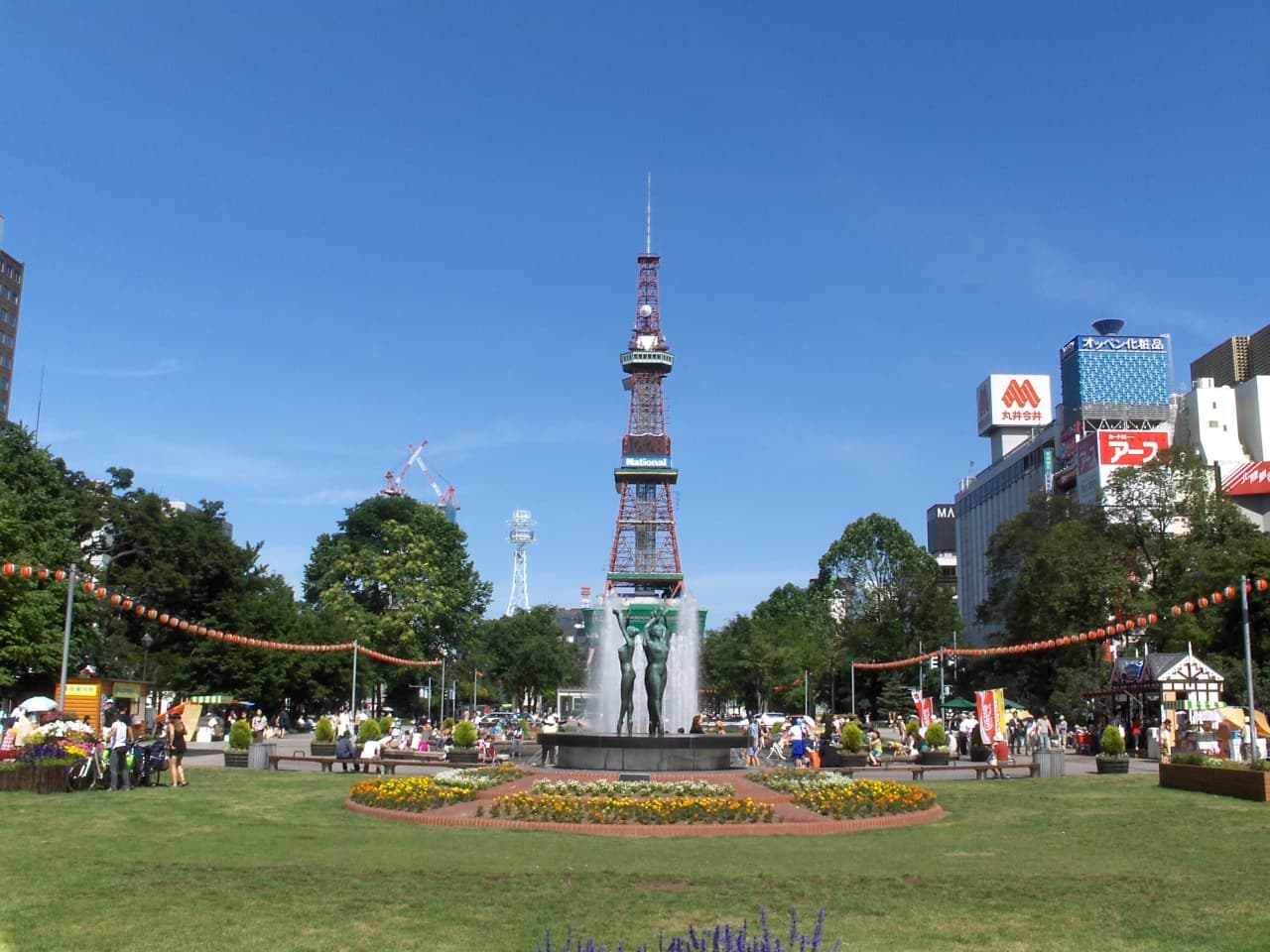
Sapporo
Japan
The capital of Hokkaido and Japan’s 5th-largest city — a 1.97-million-person grid laid out in 1869 with Boston-influenced street planning during Japan’s rapid Hokkaido colonisation, now the gateway to the country’s northernmost main island. Sapporo invented miso ramen (1955) and soup curry (1971); the Snow Festival every February draws 2+ million people to see 200+ massive snow and ice sculptures up to 15 m tall; Niseko’s premier-tier powder skiing is 90 minutes west; Susukino is Japan’s third-largest nightlife district after Tokyo’s Kabukicho and Osaka’s Dotonbori. Add the original Sapporo Beer Garden’s Genghis Khan jingisukan barbecue, the morning sushi at Nijo Market (Hokkaido seafood at half the Tokyo price), and Mount Moiwa’s sunset — one of Japan’s "Three Greatest Night Views".
Sarajevo
Bosnia and Herzegovina
The city where WWI started (Latin Bridge, 1914) and where the longest siege of a modern capital ended (1,425 days, 1992–1995). Ottoman Baščaršija bazaar, the Gazi Husrev-bey Mosque, the War Tunnel Museum, and the haunting War Childhood Museum sit in a valley where Orthodox, Catholic, Muslim, and Jewish monuments stand within 400 metres of each other — "Jerusalem of Europe." The 1984 Winter Olympics ski slopes are 45 minutes away.

Sarandë
Albania
Sarandë is the southern anchor of the Albanian Riviera — a horseshoe bay of pebble beach and pastel apartment blocks staring across 18 km of Ionian Sea at the Greek island of Corfu. From the hilltop Lëkurësi Castle (a 30-minute climb or a €5 taxi) you get the photogenic two-bay sunset; from the harbour ferries cross to Corfu in 30 minutes (€19, multiple daily); and from the bus station the Ksamil islets (turquoise coves, swim-out distance) and the UNESCO Butrint ruins (Greek-Roman-Byzantine-Venetian, 2,500 years of city stacked on an island) are 15 and 25 minutes south. The town itself is honest about being a beach resort first — most architecture is post-1991 — but the location is hard to beat in Europe at €60/day all-in.

Sardinia
Italy
The Mediterranean's second-largest island after Sicily, sitting halfway between Italy and Tunisia and reached in an hour by air from Rome or Milan. The northeast Costa Smeralda, developed by the Aga Khan and Berlusconi-era investors, is one of Europe's premier yachting strips, with turquoise water that fades from emerald to deep blue against pink granite headlands. Cagliari, the southern capital, climbs from a working port up to the Bastione di Saint Remy. Inland, more than 7,000 prehistoric nuraghi stone towers from the Bronze Age are scattered across the hills, and pasta sa malloreddus with pecorino sardo defines the table.

Savannah
United States
Savannah is Spanish moss, cobblestone streets, and 22 garden squares laid out in 1733 — one of the most perfectly preserved colonial grids in America. It's also a to-go-cup town where SCAD art students, ghost tours, and century-old dining rooms like Mrs. Wilkes share the same shady blocks. Beach day at Tybee Island is 20 minutes east.

Scottish Highlands
United Kingdom
The Scottish Highlands are raw, wild, and hauntingly beautiful — ancient mountains, deep lochs, and vast empty landscapes stretching to the horizon. Drive the NC500 coastal route, hike in Glen Coe, visit the Isle of Skye, and sample single malt whisky at the source. One of Europe's last great wildernesses.

Seattle
United States
Seattle sits on a stretch of Puget Sound backed by the Cascades — with Mt. Rainier dominating the skyline on clear days. Pike Place Market's fish-tossing, the Space Needle's rotating deck, Chihuly glass art, and a coffee culture that invented the global latte. Ferries to Bainbridge and island-hop weekends are part of the deal.

Sedona
United States
A small town of about 10,000 people set among Arizona's most photogenic red sandstone — the iron-oxide-coated Schnebly Hill Formation deposited 270 million years ago when the area was a vast inland sea, the same geological layer that extends north to the Grand Canyon's pink lower walls. Cathedral Rock, Bell Rock, Boynton Canyon, and Airport Mesa are the four 'vortex' sites of the New Age belief system that has driven a wellness/metaphysical tourism economy here since the 1980s — there is no scientific evidence for vortexes; there is also no shortage of believers. Sedona was designated only the 8th International Dark Sky Community in the world in 2014, and the Milky Way is naked-eye visible from anywhere in town on clear nights. The Chapel of the Holy Cross (built 1956 by Marguerite Brunswig Staude) rises directly out of the red rock walls with a 250-foot iron cross as structural support. Slide Rock State Park is named for the natural 80-foot sandstone water slide carved into Oak Creek bedrock. Population is just 10,000 but the town receives over 3 million visitors per year — the result is severe summer/holiday traffic on SR-89A and an enforced parking permit system at popular trailheads. Closest airport: Flagstaff (FLG) 30 mi north, or Phoenix Sky Harbor (PHX) 2 hours south.

Seoul
South Korea
Seoul is a high-octane blend of ancient palaces and K-pop culture, street food alleys and neon-lit shopping districts. The city moves fast — cutting-edge technology, 24-hour everything, and one of the world's best subway systems. Yet ancient hanok villages and serene temples exist just minutes from the buzz.

Serengeti National Park
Tanzania
The world's most famous safari destination — 14,750 km² of golden savanna where 1.5 million wildebeest and 200,000 zebra cycle clockwise each year. Mara River crossings draw the cameras July-October; the southern Ndutu plains host the calving in January-February. Big Five all present (rhino rare — Ngorongoro is the play). Standard "northern circuit" pairs Serengeti with Ngorongoro Crater + Tarangire from Arusha. Hot-air balloon safaris an Out-of-Africa indulgence.

Seville
Spain
Seville is Spain at its most passionate — flamenco, tapas, orange trees, and a cathedral that took a century to build. The Alcazar palace rivals the Alhambra, the barrio of Santa Cruz is endlessly wanderable, and the energy of Feria de Abril and Semana Santa processions is electric. Extremely hot in summer but magical in spring and fall.

Seychelles
Seychelles
115 islands scattered across the Indian Ocean, 1,600 km east of mainland Africa — the granite-boulder beaches of Anse Source d'Argent and Anse Lazio regularly top "world's most beautiful" lists. Mahé holds the capital Victoria and international airport; Praslin protects the Vallée de Mai palm forest where the coco-de-mer grows; La Digue is pedal-and-ox-cart slow. Among the most expensive island destinations on Earth — dive operators, private-island resorts, and honeymoons dominate the market.

Shanghai
China
China's most cosmopolitan city dazzles with the futuristic Pudong skyline, historic Bund waterfront, and French Concession tree-lined streets. A global financial hub that blends old Shanghai charm with cutting-edge modernity, incredible food, and world-class art scenes.

Sharjah
United Arab Emirates
The UAE's third emirate and its self-styled cultural capital, sitting just 30 minutes north of Dubai but operating on a different frequency. Sharjah is a UNESCO Creative City home to the Sharjah Art Foundation and the Sharjah Biennial, with a restored Heart of Sharjah heritage quarter, Souq Al Arsah (one of the oldest in the UAE), and the cascading Ottoman-style domes of Al Noor Mosque on the Buhaira corniche. It is also a dry emirate with no alcohol and a more conservative dress code than its glassy neighbour, which is the trade-off for getting Emirati culture, museums, and pearl-diving heritage rather than rooftop pool clubs.

Sharm El Sheikh
Egypt
Egypt's flagship Red Sea resort city, built around the southern tip of the Sinai Peninsula where the Gulf of Aqaba meets the Gulf of Suez. The combination of year-round 25-degree water, vertical coral walls metres from shore, and one of the planet's best wreck dives (the SS Thistlegorm, a WWII supply ship sunk in 1941) made Sharm a global diving capital. Naama Bay anchors the all-inclusive strip, Ras Mohammed National Park guards the most pristine reefs at the peninsula tip, and the Strait of Tiran islands sit a short boat ride offshore.

Siargao
Philippines
A tear-shaped island of 437 square kilometres in the Pacific-facing eastern Philippines — voted Conde Nast Traveler's best island in Asia in 2019 and the world's best in 2022. Cloud 9 is the country's most famous wave, a hollow right-hand reef break that fires September-November when Pacific swells line up; non-surfers come for Sugba Lagoon's jade-green saltwater swim, the Magpupungko low-tide rock pools, the Three Islands boat day-trip (Naked, Daku, Guyam), the stingless jellyfish at Tojoman Lagoon, and tens of thousands of coconut palms covering most of the island. Super Typhoon Odette flattened most resorts in December 2021 and reconstruction continued through 2024; tourism infrastructure is now mostly rebuilt and often more typhoon-resistant. General Luna ("GL") is the main hub.

Sibiu
Romania
The most polished of the seven Saxon walled cities of Transylvania — a UNESCO-listed medieval centre founded by German colonists in 1190 and stitched together by tiered Upper Town and Lower Town squares connected by the Liars' Bridge. The houses with the famous narrow attic windows, the eyes of Sibiu, peer down from terracotta rooftops onto Piata Mare. The Brukenthal National Museum, opened in 1817, is one of the oldest in Eastern Europe; ASTRA, on the southern outskirts, is the largest open-air ethnographic museum in Europe. Sibiu was the 2007 European Capital of Culture and has stayed at that level since.

Siem Reap
Cambodia
Gateway to the magnificent Angkor Wat temple complex, Siem Reap is more than just temples. Pub Street nightlife, floating villages on Tonlé Sap lake, Cambodian cooking classes, and circus performances make it a destination in its own right.

Sighișoara
Romania
The only inhabited fortified medieval town in southeastern Europe still in continuous use — a UNESCO World Heritage citadel of cobbled lanes, pastel Saxon townhouses, and nine surviving guild towers wrapped around the hilltop above the Tarnava Mare valley. The Clock Tower's hour-marking automatons have rotated since 1648, the covered wooden Scholars' Stairs from 1642 climb 175 steps to the Church on the Hill, and the ochre house at Strada Cositorarilor 5 is the registered birthplace of Vlad the Impaler in 1431. Two and a half hours by train from Brasov puts you inside the walls by lunch.

Sigiriya
Sri Lanka
Sigiriya — Lion Rock — is a 200-metre granite monolith rising out of the central Sri Lankan jungle, with the ruined 5th-century palace of King Kashyapa I built across its summit. UNESCO inscribed it in 1982. The climb up takes 60–90 minutes via the giant lion's-paw stone gateway, the spiral staircase past the 1,500-year-old fresco maidens, and the polished mirror wall covered in graffiti from the 8th–10th centuries. The water gardens at the base are among the oldest landscaped gardens in Asia. The neighbouring Pidurangala Rock gives the best view of Sigiriya itself and is a far cheaper climb.

Singapore
Singapore
Singapore packs an extraordinary amount into a tiny island — futuristic supertrees next to colonial shophouses, Michelin-starred hawker stalls alongside luxury hotels. It's spotlessly clean, incredibly efficient, and home to one of the world's best food scenes. A melting pot of Chinese, Malay, Indian, and Western cultures.

Sintra
Portugal
A UNESCO Cultural Landscape of romantic palaces perched above Atlantic mist — the yellow-and-terracotta Pena Palace (1854) crowns a forested hill; the Quinta da Regaleira hides an Initiation Well that spirals 27 meters through 9 floors into the earth; Cabo da Roca is the westernmost point of continental Europe. Sintra is 40 minutes by train from Lisbon and frequently its most memorable day trip.

Siwa Oasis
Egypt
A Berber oasis of date palms and salt lakes 50 km from the Libyan border, marooned in the Western Desert at the bottom of the Qattara Depression. Siwa was the seat of the Oracle of Amun (consulted by Alexander the Great in 331 BC, who is said to have been told he was the son of a god) and is built around the eroded mud-brick ruin of Shali Fortress, which melted in three days of unprecedented rain in 1926. The Siwi people speak their own Berber language, eat their own food, and have kept the oasis culturally distinct from Arabic Egypt across the 8-10 hour drive from Cairo.

Skardu
Pakistan
Baltistan's Indus-valley capital at 2,228m, ringed by 6,000m Karakoram walls and the launching ramp for K2, Concordia, and the Deosai Plains. The bazaar runs along Yadgar Chowk with cantilever wooden balconies and Balti tea houses; Shigar Fort restored by the Aga Khan Trust sits 30 km north on the Shigar River; Lower Kachura (Shangrila Resort) glints emerald against grey scree; and the road south climbs to Deosai National Park, the world's second-highest plateau at 4,114m. Tibetan-rooted Balti culture, Shia hospitality, and the calmest corner of northern Pakistan.

Skopje
North Macedonia
North Macedonia's capital and Europe's cheapest, where the controversial Skopje 2014 government project blanketed the centre in giant marble statues, neoclassical facades and bridges of warriors over the Vardar river. Cross the 15th-century Stone Bridge into the Old Bazaar — the largest surviving Ottoman-era bazaar in the Balkans outside Istanbul, a warren of caravanserais, hammams, mosques and copper-beating workshops. Mother Teresa was born here in 1910 and her birthplace is marked with a memorial house. The Mt Vodno cable car climbs to the world's largest standing cross. Daily mid-range budget under €60.
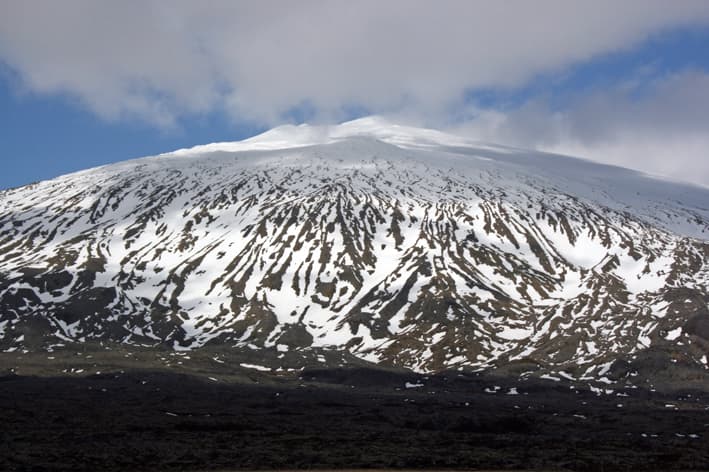
Snæfellsnes Peninsula
Iceland
A 90 km finger of land on Iceland's west coast nicknamed "Iceland in miniature" — glacier-volcano Snæfellsjökull at the tip, lava fields, black-pebble beaches, basalt cliffs, the cone of Kirkjufell rising over Grundarfjörður, and the tiny black church of Búðakirkja standing alone on a moss field. Two hours and 190 km from Reykjavík via the Hvalfjörður tunnel; one of the most rewarding two-day drives in the country and a credible substitute for the South Coast when the queues at Reynisfjara feel like too much.


Sokcho
South Korea
A Pacific east-coast city wedged between the East Sea and Seoraksan, the most photographed mountain range in Korea — Daecheongbong tops out at 1,708 metres, the granite Ulsanbawi formation rises in six fused peaks above the cable car terminus, and Biryongpokpo waterfall threads through the inner park. The town itself runs along Sokcho Beach, the morning fish market at Daepo Port handles the live-octopus and red-snow-crab trade, and the old Russian-Korean Abai Village quarter at the harbour mouth is the only neighbourhood of its kind in Korea. Two and a half hours by express bus from Seoul.
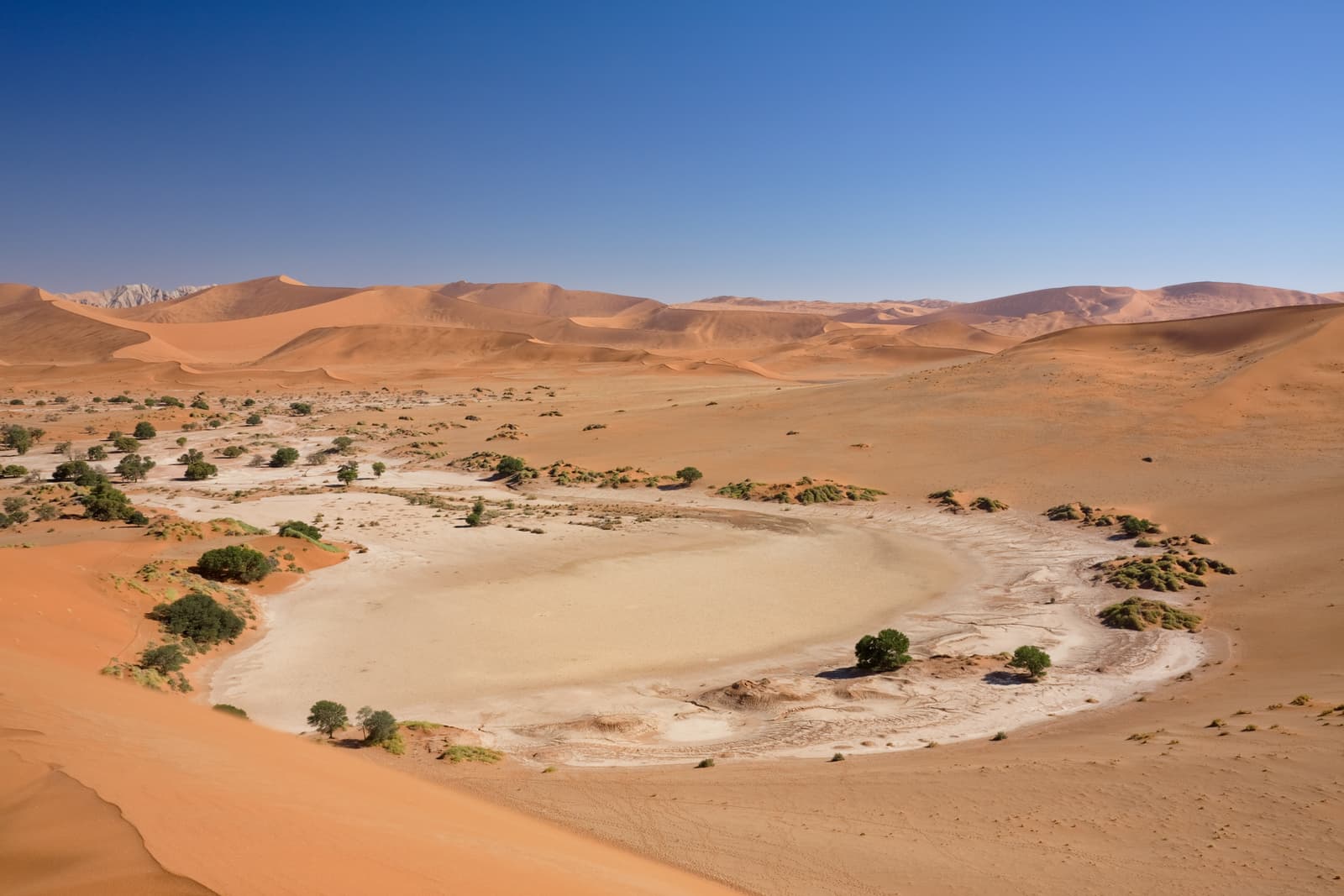
Sossusvlei
Namibia
A salt-and-clay pan deep inside Namib-Naukluft National Park, ringed by the world's highest sand dunes — Big Daddy peaks above 325m and Dune 45 draws the sunrise crowds. The adjacent Deadvlei pan holds 900-year-old camel-thorn skeletons against blindingly white clay and orange dune walls — one of the most photographed landscapes on Earth. Access via Sesriem gate; the final 5 km requires 4WD or a shuttle. Part of the Namib Sand Sea UNESCO site.

South Padre Island
United States
South Padre Island is a 34-mile barrier island at the southern tip of Texas, a one-bridge causeway from Port Isabel and a 30-minute drive from Brownsville. The town occupies the southern five miles; everything north is undeveloped Gulf-of-Mexico beach and dune. It is the sport-fishing capital of Texas, headquarters of the Sea Turtle Inc rescue, and home to the world's largest sandcastle competition (Sandcastle Days, October). The reputation is split: a notorious March spring break, then nine quiet, family-friendly months of dolphin tours, kiteboarding, and 25-dollar beachfront tacos. Closest airports are Brownsville/SPI (BRO) and Harlingen (HRL), both inside an hour. Do not confuse it with Padre Island National Seashore, 90 miles north near Corpus Christi.

Split
Croatia
Croatia's second-largest city is built in and around the ruins of Roman Emperor Diocletian's Palace. A living, breathing ancient monument where locals go about daily life amid 1,700-year-old walls. Gateway to Hvar, Brač, and the Dalmatian Islands.

St. Louis
United States
St. Louis sits where the Missouri meets the Mississippi — a Midwestern river city defined by Eero Saarinen's 630-foot Gateway Arch, Forest Park (larger than Central Park, with five free major museums), and a stubborn small-city food culture built on toasted ravioli, gooey butter cake, and tomato-sweet pork-steak BBQ. The population peaked at 856,000 in 1950 and has fallen to roughly 280,000, leaving an oversized skyline, brick neighbourhoods, and two-day weekends that still feel like a 1.5-million-person town. Cardinals baseball at Busch Stadium and the free Anheuser-Busch brewery tour anchor the calendar.

Stavanger
Norway
Norway's oil capital and the base for the country's most famous day hike — Preikestolen (Pulpit Rock), a 604m cliff over Lysefjord that tops nearly every shortlist of the world's great viewpoints. Gamle Stavanger preserves 173 white wooden 18th-century houses in cobblestone lanes; the Norwegian Petroleum Museum is unexpectedly excellent; the Nuart Festival has left world-class street art all over the centre; and Sverd i fjell's three giant swords mark the 872 battle that unified Norway.

Stellenbosch
South Africa
South Africa's wine capital sits 50 km east of Cape Town in a bowl of jagged granite mountains, with 200+ wine estates fanning out from a 300-year-old town centre of whitewashed Cape Dutch gables. Stellenbosch University, the country's oldest, gives the streets a young, café-heavy energy that softens the wine-tourism gloss. Boschendal, Spier, and Delaire Graff anchor the famous estate names, while quieter producers like Tokara, Waterford and Kanonkop reward a second day. The dorpscentrum itself, with its oak-lined Dorp Street and water furrows, is the photogenic core.

Stockholm
Sweden
Stockholm is built on 14 islands connected by bridges — a stunning waterfront capital where medieval Gamla Stan meets sleek Scandinavian design. The Vasa Museum is world-class, the archipelago of 30,000 islands is a summer paradise, and the food scene has evolved far beyond meatballs. Expensive but worth every krona.

Stone Town
Tanzania
Stone Town is the old urban core of Zanzibar — a labyrinth of coral-stone alleys built over 1,000 years of Swahili, Arab, Persian, Indian, and Portuguese trade, and a UNESCO World Heritage Site since 2000. The intricately carved wooden doors (over 500 documented), the white-washed House of Wonders, the East African slave market memorial at the Anglican cathedral, Forodhani Gardens night food market, and the modest house where Freddie Mercury was born in 1946 are all within a 1-square-kilometre warren you can only navigate on foot. Most visitors combine Stone Town with the spice plantations inland and the white-sand east-coast beaches at Paje, Jambiani, and Nungwi.

Sucre
Bolivia
Bolivia's whitewashed constitutional capital and the country's most beautiful colonial city, sitting at a far gentler 2,810 metres than altitude-blasted La Paz. The 16th-century UNESCO old town is a grid of low white buildings with red-tiled roofs, framed by the Cordillera de los Frailes. Casa de la Libertad on Plaza 25 de Mayo is where Bolivia signed its declaration of independence in 1825, the Sunday Tarabuco textile market draws Yampara weavers in striped ponchos from the surrounding villages, and the cement quarry at Cal Orck'o preserves the world's largest single set of dinosaur footprints — over 5,000 prints across an 80-degree wall.

Sun Moon Lake
Taiwan
Taiwan's largest lake, an 8-square-kilometre alpine bowl at 748 metres in the Nantou highlands, named for its split shape — a sun-round eastern half and a crescent western half divided by Lalu Island. Wenwu Temple looks down on the north shore, the Ci'en Pagoda crowns Mount Shabalan, and a 29-kilometre cycle path rated by CNN as one of the world's most beautiful loops the entire shoreline. Reachable in about four hours from Taipei via the High Speed Rail to Taichung plus a Nantou Bus connection.

Surabaya
Indonesia
Indonesia's second-largest city and East Java's industrial capital, a 3-million-strong port at the mouth of the Mas River that most travellers treat as a launchpad for Mount Bromo and Ijen Crater rather than a stop in itself. The Tugu Pahlawan (Heroes Monument) commemorates the 10 November 1945 Battle of Surabaya, the first major engagement of Indonesia's independence war, and Arab Quarter alleys behind Sunan Ampel mosque feel transplanted from Hadhramaut. Madura Bridge — Indonesia's longest at 5.4km — links the city to Madura island and its sapi sono cattle races. East Javanese rawon, lontong balap and rujak cingur define the food scene.

Suzhou
China
The 'Venice of the East' is just 30 minutes from Shanghai by high-speed train — a 2,500-year-old canal city that Marco Polo called 'the great and noble city' in 1276. Nine of Suzhou's classical gardens are inscribed on UNESCO's World Heritage list — the densest concentration anywhere on the planet, including the headlining Humble Administrator's Garden, Lingering Garden, Lion Grove, and Master of the Nets. The Pingjiang Road historic quarter preserves 800 years of Song-dynasty street planning along its parallel canal; the I.M. Pei-designed Suzhou Museum is an architectural pilgrimage. Add the historic capital of Chinese silk and Su xiu embroidery, the Tang-dynasty Hanshan Temple, and easy day trips to Tongli and Zhouzhuang water towns, and Suzhou is the deepest cultural day trip from Shanghai — and worth at least one overnight to see the gardens at dawn.

Svalbard
Norway
The Norwegian Arctic archipelago at 78°N — halfway between mainland Norway and the North Pole. Longyearbyen is the only real settlement (~2,400 people, more polar bears than residents on the archipelago). Global Seed Vault, the ghost Soviet mining town of Pyramiden, snowmobile tours across frozen fjords, and the unique Svalbard Treaty making it visa-free for every passport holder — though Schengen transit is the practical gateway. Rifle required outside settlements for polar bear defense.

Swiss Alps
Switzerland
The Swiss Alps are the definition of mountain perfection — the Matterhorn, Jungfrau, and Eiger tower above pristine valleys of wildflower meadows, crystal lakes, and picturesque villages. Scenic train journeys (Glacier Express, Bernina Express) connect it all, and the infrastructure for hiking, skiing, and paragliding is world-class. Expensive but extraordinary.

Sydney
Australia
Sydney is defined by its harbor — the Opera House and Harbour Bridge framing one of the world's most recognizable waterfronts. Beyond the postcard views, there are world-class beaches (Bondi, Manly), diverse neighborhoods, a thriving food scene, and easy access to the Blue Mountains and Hunter Valley wine country.

Tahiti
French Polynesia
French Polynesia's main island and the only international gateway to the South Pacific — every flight to Bora Bora, Moorea, the Tuamotus and the Marquesas first lands at Faaa (PPT). Papeete's Marché is the country's best market; Pointe Vénus is where Cook observed the 1769 transit of Venus; the Musée Gauguin and the Arahoho blowholes line the windward coast. Tahiti Iti's southeastern peninsula hides Teahupo'o — the planet's heaviest barrelling reef wave and a 2024 Olympic surf venue. The volcanic interior (Mt Orohena, 2,241m) is essentially unvisited.

Tainan
Taiwan
Taiwan's oldest city, founded by the Dutch East India Company in 1624 and the island's capital for two centuries before Taipei was built. Locals say there are more temples per capita here than anywhere else in Asia — over 1,600 inside the city limits — and the food canon (danzai noodles, milkfish congee, coffin bread, beef soup) was largely invented within a few blocks of the old Anping Harbour. An hour and a half south of Taipei by High Speed Rail; quieter, slower, and unmistakably more historic than anywhere else on the island.

Taipei
Taiwan
Taipei is Asia's most underrated capital — legendary night markets (Shilin, Raohe), world-class museums (National Palace Museum), stunning mountain hikes (Elephant Mountain, Yangmingshan), and some of the friendliest locals you'll meet anywhere. The MRT is spotless and efficient, bubble tea was invented here, and the food scene is extraordinary.

Tallinn
Estonia
Estonia's medieval Old Town has the best-preserved 14th-century walls in Northern Europe — cobblestone, guild halls, and the Alexander Nevsky Cathedral staring down from Toompea. Digital-republic Estonia birthed Skype and Wise here; Telliskivi Creative City balances the medieval with craft cocktails. 2-hour ferry across to Helsinki.

Tamarindo
Costa Rica
Tamarindo is the unofficial capital of Costa Rica's Pacific surf coast — a former fishing village transformed by The Endless Summer II in 1994 into a 7,000-person beach town stacked with surf schools, smoothie bars, and sunset-bar circuits. Playa Tamarindo's mile-long beach break works for total beginners; the more powerful Playa Grande across the estuary is the protected nesting beach for endangered leatherback turtles in Las Baulas National Marine Park. The Liberia airport (LIR) is just 75 km north, putting Tamarindo within five hours of Miami and making it the easiest beach landing in the country.

Tampa
United States
Florida’s Gulf-coast counterweight to Miami — a working city of 395K (3.4M metro) wrapped around the largest open-water estuary in Florida. Ybor City, the 1885-founded Cuban-Spanish-Italian cigar district, is where the Tampa Cuban sandwich was invented (the official sandwich of Tampa by city ordinance) and where wild chickens still roam between the brick streets descended from cigar-rollers’ birds. Add Busch Gardens (the densest concentration of major rollercoasters in the southern US), the 4-km waterfront Riverwalk, the Florida Aquarium’s 500,000-gallon coral reef tank, and the legendary Bern’s Steak House (largest restaurant wine collection on Earth, 500,000 bottles). Tampa International Airport regularly tops US traveller-satisfaction rankings; Clearwater Beach (regularly named America’s best beach) is 40 minutes west.

Tangier
Morocco
Northern Morocco's port city stares across the Strait of Gibraltar to Spain (14km away). The medina + Kasbah climb the hill above the harbor; Cap Spartel marks where the Atlantic and Mediterranean meet, with the Caves of Hercules just below. International Zone era (1923-56) and a literary bohemian past — Bowles, Burroughs, Kerouac, Ginsberg all lived here. The Al Boraq high-speed train (Africa's only) connects to Casablanca in 2h10m. Easier ferry hop to Tarifa than most realize.

Taroko Gorge
Taiwan
A 19-kilometre marble canyon on Taiwan's east coast where the Liwu River has cut through 1,000-metre cliffs of polished white and grey marble. Eternal Spring Shrine clings to a waterfall, the Tunnel of Nine Turns weaves through the narrowest neck of the gorge, and the Swallow Grotto wall is pocked with caves carved by river spray. The 2024 magnitude 7.4 earthquake closed the central highway and most signature trails, so check current trail status before going.

Tashkent
Uzbekistan
Uzbekistan's modern capital is a gateway to the Silk Road, with Soviet-era metro stations that rival Moscow's, bustling Chorsu Bazaar, and increasingly excellent restaurants. The high-speed Afrosiyob train connects to Samarkand in just 2 hours.

Tasmania
Australia
Australia's island state and one of the world's last great wildernesses — the Tasmanian Wilderness World Heritage Area covers 20% of the island. Cradle Mountain–Lake St Clair frames the Overland Track (the country's premier long-distance hike), Wineglass Bay's perfect crescent in Freycinet is the headline beach, and the Bay of Fires lights up orange-lichened granite at sunrise. Hobart's MONA is the most provocative private museum in the southern hemisphere; the Port Arthur penal colony (UNESCO) is Australia's most powerful convict-history site. The air here is among the cleanest measured anywhere on Earth.


Telluride
United States
A 2,600-person Victorian town wedged into a box canyon at 8,750 ft, walled in on three sides by 13,000-ft San Juan peaks — the most dramatic setting of any ski town in the Lower 48. The free public gondola, the only one of its kind in North America, connects historic Telluride to Mountain Village at 9,500 ft in 13 minutes, running 7am-midnight in ski and summer seasons. Bridal Veil Falls plunges 365 ft at the canyon's eastern dead-end, the tallest free-falling waterfall in Colorado. The whole town is a National Historic Landmark District. Bluegrass Festival in June and Telluride Film Festival each Labor Day weekend draw devoted national crowds.

Tenerife
Spain
The largest of the Canary Islands and a Spanish autonomous community sitting 300 km off Western Sahara — geologically African, politically Spanish. Mt Teide (3,718 m) is the highest peak in Spain and the world's third-tallest volcano measured from its oceanic base; the entire island is essentially the volcano's above-water portion. The summit cable car climbs to 3,555 m in 8 minutes (Mirador Las Cañadas), with the final 200 m to the crater requiring a free permit booked weeks ahead. The southern resort strip — Costa Adeje, Los Cristianos, Playa de las Américas — concentrates 85% of the 6 million annual tourists; the greener, wetter northern half stays comparatively quiet around the colonial capital of Santa Cruz, the Anaga laurel forest, and the cliffs of Los Gigantes. The IGIC tax regime (7% versus mainland Spain's 21% VAT) makes electronics, alcohol, and luxury goods notably cheaper. Two airports — Tenerife South (TFS) for international charter, Tenerife North (TFN) for inter-island and Iberia.

The Hague
Netherlands
The Hague is the Netherlands' political capital, the seat of parliament, and home to the International Court of Justice at the Peace Palace. The 13th-century Binnenhof courtyard sits at the city's core, the Mauritshuis around the corner holds Vermeer's Girl with a Pearl Earring and Fabritius's Goldfinch, and Madurodam shrinks the entire country into a one-twenty-fifth scale model park. A short tram ride later you are on Scheveningen beach with the pier and a North Sea promenade. Less postcard than Amsterdam, more institutional, with serious museums and easy access to the coast.

Thessaloniki
Greece
Greece's vibrant second city has a legendary food scene, Byzantine churches, Ottoman-era markets, and a stunning waterfront promenade. More laid-back than Athens with excellent nightlife and easy access to Halkidiki beaches and Mount Olympus.

Tirana
Albania
Albania's capital spent 45 years as Europe's most isolated country (1944–1992); today Tirana is one of the continent's most energetic up-and-coming cities. Former mayor Edi Rama — now Prime Minister — painted communist-era grey apartment blocks in psychedelic colors, transforming the city's identity. Bunk'Art 1 and 2 repurpose Hoxha's nuclear bunkers (there were 750,000 — one per four Albanians) as extraordinary art museums. Blloku, once the exclusive communist party quarter, is now packed with cafes and bars. Ridiculously affordable.

Tokyo
Japan
Tokyo is a city of striking contrasts where ultramodern skyscrapers stand alongside ancient temples. The world's largest metropolitan area pulses with energy across its distinct neighborhoods — from the neon-lit streets of Shinjuku and Shibuya to the serene gardens of the Imperial Palace. Expect world-class food at every price point, efficient transit that runs like clockwork, and a culture that seamlessly weaves tradition into daily life.

Toledo
Spain
Toledo sits on a granite hill nearly encircled by a hairpin bend of the Tagus — the entire walled old city is UNESCO-listed and looks essentially as El Greco painted it in 1600. For five centuries it was Spain's capital and the meeting point of three faiths: the Gothic cathedral (one of the great cathedrals of Christendom) stands a few minutes' walk from the Sinagoga del Tránsito and the converted-mosque Cristo de la Luz. Marzipan workshops, Damascene-steel sword-makers, and El Greco's restored house round it out. The AVE high-speed train from Madrid Atocha takes 33 minutes — making Toledo the easiest serious day trip in Spain, though staying overnight is the way to see it without the day-tripper rush.

Toronto
Canada
Canada's largest city holds the CN Tower (553m), the world's most multicultural population (200 languages spoken), and St. Lawrence Market (National Geographic's #1 food market in the world). The Distillery District is the largest collection of Victorian industrial architecture in North America. From Kensington Market's bohemian stalls to the waterfront Islands ferry and the Royal Ontario Museum, Toronto delivers a world-class city without the pretension — and Niagara Falls is 90 minutes away.

Torres del Paine
Chile
1,810 km² of Chilean Patagonia named for its three granite spires (Torres) rising 2,500m straight from the steppe. The W Trek (4-5 days, 80km) is the iconic route; the O Circuit (8-10 days, 130km) loops the entire massif. Grey Glacier (30km arm of the Southern Patagonian Ice Field) is accessible by catamaran or kayak. Wildlife includes guanaco herds and rare pumas with specialised tracker tours. Famously violent winds (100+ km/h common in summer) and rapidly shifting weather demand serious gear. Park entry $32-45 USD; refugios on the W Trek require booking 6-12 months in advance via Vertice or Las Torres Patagonia.
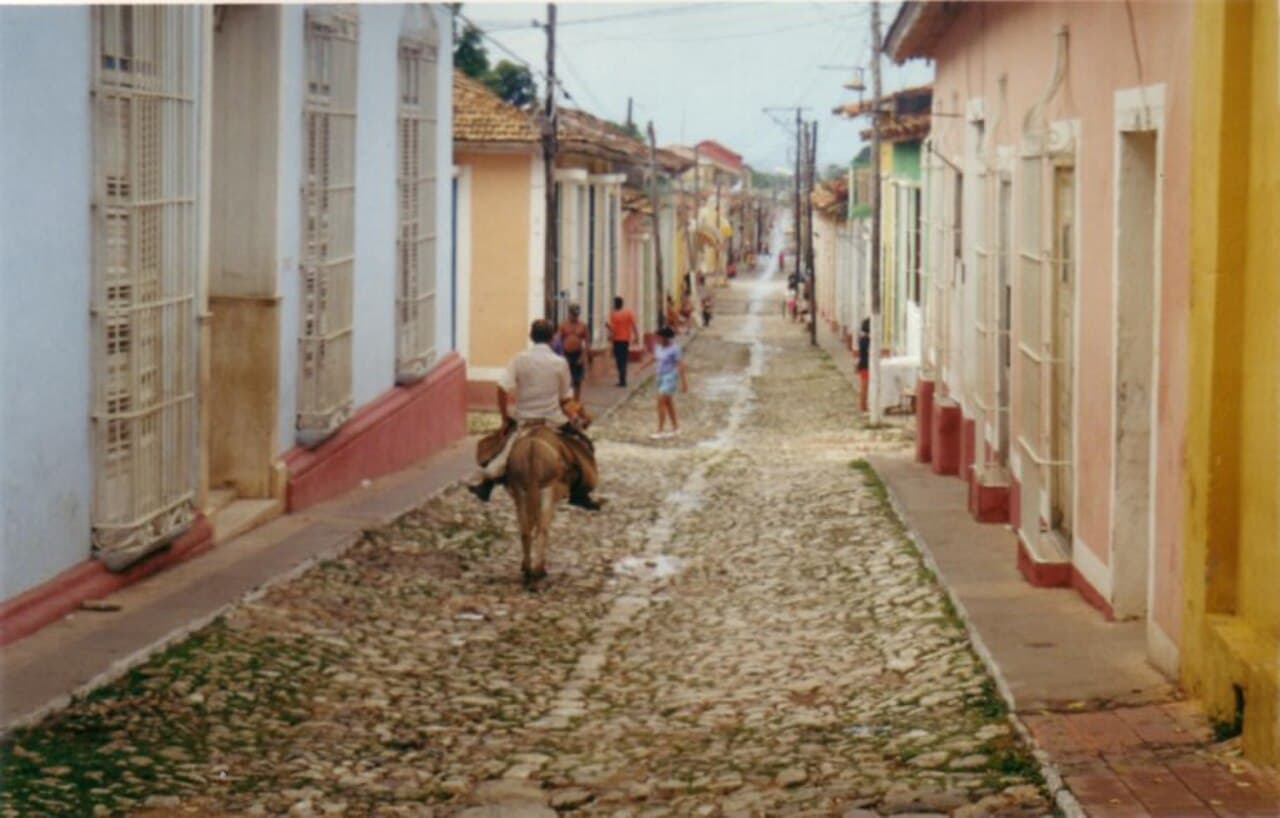
Trinidad
Cuba
UNESCO-listed colonial city frozen in the 18th century — founded in 1514, Trinidad's pastel-painted houses and cobblestone streets have barely changed since sugar wealth peaked. Plaza Mayor is the finest colonial square in Cuba. Valle de los Ingenios preserves the sugar-plantation landscape that made the city rich and enslaved thousands.

Tromsø
Norway
The "Gateway to the Arctic" — Norway's largest city above the Arctic Circle sits on an island connected by the iconic Tromsø Bridge. Sitting directly under the auroral oval gives it roughly 240 aurora-visible nights a year; Fjellheisen cable car, the Arctic Cathedral, Polar Museum, and Mack Brewery (the world's northernmost) define the city. Surprisingly mild winters (−5°C average) thanks to the North Atlantic Current — dog sledding at Camp Tamok and Sami reindeer experiences round out the Arctic week.

Tucson
United States
Tucson sits in a Sonoran Desert basin ringed by five mountain ranges and saguaro forests so dense they got their own national park (split into east and west units that bracket the city). It's the oldest continuously inhabited place in the US — 4,000+ years of history layered through the Tohono O'odham, the Spanish mission of San Xavier del Bac (1797), Mexican rule, and the Wild West railroad town. The food scene is the only UNESCO City of Gastronomy in the US, built on Sonoran-Mexican traditions with chimichangas (invented here), sonoran hot dogs, and fresh tortillas at decades-old neighborhood spots.
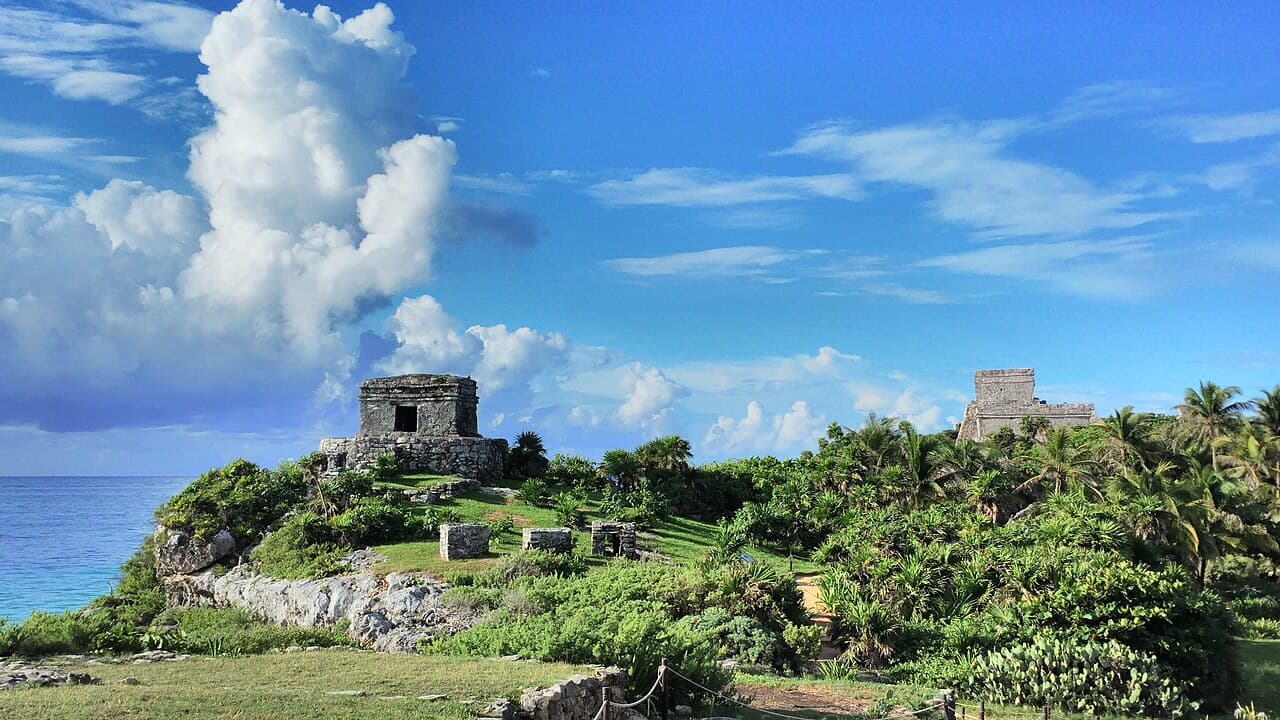
Tulum
Mexico
Riviera Maya's boho-chic capital — the only walled coastal Mayan ruins, perched on a cliff above turquoise Caribbean. Two Tulums coexist: the Pueblo (taco stands, hostels, real prices) and the Beach Hotel Zone (Instagram-famous palapa resorts at eye-watering rates). Cenotes everywhere — Gran Cenote, Dos Ojos, Sac Actun. Sian Ka'an Biosphere south, Coba Ruins inland. The new Maya Train and a brand-new Tulum airport opened late 2023.
Tunis
Tunisia
Tunisia's capital is where the Arab Spring began — where Mohamed Bouazizi's December 2010 self-immolation in Sidi Bouzid triggered a revolution that toppled Ben Ali and spread across the Arab world. But Tunis's layered history runs far deeper: Carthage's ruins 15 km north, the UNESCO Medina of Tunis (one of the Arab world's finest, with Ez-Zitouna Mosque at its heart), the Bardo's extraordinary Roman mosaics (world's largest collection), and Sidi Bou Said's blue-and-white clifftop village above the bay.

Turks and Caicos
Turks and Caicos
A British Overseas Territory of 40 low-lying coral islands strung between the Bahamas and Hispaniola — Grace Bay’s 12 miles of powdery white sand and turquoise water regularly tops world’s-best-beach rankings, the third-largest coral barrier reef in the world rims the islands (snorkelling and diving among the Caribbean’s best), and the bioluminescent Conch Bar Caves on Middle Caicos sit alongside Mudjin Harbour’s dramatic limestone cliffs. Higher-end and significantly quieter than Bahamas alternatives. Uses US dollars despite the British flag; British nationality, US currency.

Tuscany
Italy
Rolling hills, cypress-lined roads, medieval hilltop towns, and some of the world's best wine. Tuscany is the Italy of postcards — and it delivers. Florence anchors the region with Renaissance art, but the real magic is in the countryside: Siena, San Gimignano, Val d'Orcia, and the Chianti wine region. Renting a car is the best way to explore.

Ubud
Indonesia
Bali's cultural and spiritual heart, set 200 m up in the foothills above Denpasar — the rice-terrace, monkey-forest, yoga-shala alternative to the surf-and-club Bali of Seminyak and Canggu. The Sacred Monkey Forest sits in the middle of town with 1,200 long-tailed macaques; Tegallalang's terraces are 9 km north; The Yoga Barn runs 15 daily classes; and a hundred warungs serve nasi campur for IDR 25,000. Eat Pray Love did the marketing in 2010, and the digital-nomad wave hasn't really left.

Udaipur
India
Rajasthan's "City of Lakes" is India at its most romantic — white-marble palaces ring Lake Pichola, with the Taj Lake Palace floating on its own island. Founded 1559 by Mewar king Maharana Udai Singh II. The City Palace is Rajasthan's largest, Bagore-ki-Haveli puts on a nightly folk-dance show, and the Monsoon Palace crowns the sunset hill. James Bond Octopussy filmed here. Day trip to Kumbhalgarh Fort (UNESCO, second-longest wall after China). Cleaner air and saner traffic than Delhi or Agra.

Ulaanbaatar
Mongolia
The world's coldest capital city (winter lows −40°C) holds roughly 45% of Mongolia's population on the steppe between Russia and China. Gandan Monastery with its 26m Buddha, Sükhbaatar Square, the Chinggis Khaan Equestrian Statue (40m stainless steel) an hour east, and Gorkhi-Terelj National Park 2 hours northeast for ger camps and Turtle Rock. Naadam Festival (July 11–13) is the peak cultural window — wrestling, horse racing, archery. Gateway to the Gobi Desert by train or flight. Best June–September.

Uluru
Australia
A 348-metre sandstone monolith (taller than the Eiffel Tower) rising from the Northern Territory's Red Centre — sacred to the Aṉangu Traditional Owners who have inhabited the area for at least 30,000 years, dual UNESCO listed for both natural and cultural significance, and jointly managed by the Aṉangu and Parks Australia under one of the world's most successful Indigenous co-management arrangements. Climbing the rock was permanently banned in 2019 out of respect for Aṉangu beliefs; the 10.6 km base walk, the Mala ranger talk, and the Mutitjulu waterhole are the proper ways to engage with the site. Pair Uluru with Kata Tjuta (36 sandstone domes 30 km west, with the Valley of the Winds walk that many consider more dramatic than Uluru itself) and Bruce Munro's Field of Light installation, and the desert evening dining experiences (Sounds of Silence, Tali Wiru) — the Red Centre delivers the most spiritually charged landscape in Australia.

Ushuaia
Argentina
Officially the southernmost city in the world — 'Fin del Mundo' (End of the World) — and the standard departure port for ~90% of all Antarctic Peninsula cruises (October-March, $7,000-$25,000+). The Beagle Channel (Darwin's HMS Beagle) frames the city on one side; the Martial Mountains rise on the other. Tierra del Fuego National Park (12km west) holds the southern terminus of Argentina's Ruta 3 marked 'Buenos Aires 3,063 km'. The 1902-1947 prison is now an excellent Maritime Museum. Tax-free Tierra del Fuego makes electronics and Argentine wine cheaper than mainland; Cerro Castor ski resort 26km away is the world's southernmost commercial slope.

Utrecht
Netherlands
Utrecht is the Netherlands without the Amsterdam crowds, plus a quirky architectural feature you will not see in any other Dutch city: the medieval canals run a level below the street, and the old wharves (werfkelders) along the Oudegracht are now packed with restaurants and bars at water level. The 112-metre Domtoren is the tallest church tower in the country, the DOMunder tour walks you through 2,000 years of buried Roman and medieval foundations, and the compact medieval center is built for bikes and slow afternoons. Twenty-seven minutes by Intercity train from Amsterdam.

Valencia
Spain
Spain's third-largest city sits on the Mediterranean coast 350 km southeast of Madrid — the birthplace of paella (originated in the rice paddies and orange groves of the Albufera lagoon south of the city), home to Santiago Calatrava's futuristic City of Arts and Sciences (Europe's largest cultural-architectural complex), and built around the 9 km Turia Gardens — a linear park created in the diverted riverbed after the 1957 flood. Add Las Fallas (the UNESCO Intangible Heritage festival of 700+ giant satirical papier-mâché monuments burned in March), the medieval El Carmen quarter, the modernista Mercado Central (Europe's largest fresh-produce market), the Holy Grail in the cathedral, and a wide urban beach reachable by tram — and Valencia delivers more variety per square mile than any other major Spanish city.

Valletta
Malta
Built by the Knights of St. John after the Great Siege of 1565 — UNESCO 1980, one of Europe's smallest capital cities (0.8 km²) and European Capital of Culture 2018. St. John's Co-Cathedral holds Caravaggio's Beheading of St. John masterpiece; Upper Barrakka Gardens fire the saluting battery daily at noon and 4pm; the Grand Harbour is ringed by the Three Cities (Vittoriosa, Senglea, Cospicua) older than Valletta itself. Mdina — Malta's "silent city" — is a 30-minute bus away. Schengen EUR, 90-day visa-free entry for most Western passports (ETIAS from 2026).


Vancouver
Canada
Vancouver is where mountains meet the Pacific — snowboard in the morning, kayak in the afternoon, and eat world-class sushi for dinner. Stanley Park, Granville Island, and the Capilano Suspension Bridge are highlights, but the city's real draw is its setting. The food scene reflects its Asian-Pacific crossroads, especially in Richmond's Chinese restaurants.

Vang Vieng
Laos
Laotian karst valley town on the Nam Song River that outlived its deadly tubing era — the 2012 crackdown reset it as an adventure hub. Dawn ballooning over the limestone, Blue Lagoon caves, rock climbing, kayaking. The 2021 Laos-China Railway cut Vientiane and Luang Prabang to 1 hour each.

.jpg%3Fwidth%3D1280&w=1600&q=75)
Veliko Tarnovo
Bulgaria
The medieval capital of Bulgaria from 1185 to 1393 — a tiered amphitheatre of red-roofed houses stacked across the cliffs above a horseshoe bend of the Yantra River. Tsarevets Fortress rises from its own peninsula on the eastern hill, its restored ramparts and Patriarchal Cathedral hosting a son et lumiere show on summer nights that floods the rock in coloured light. Samovodska Charshia is the restored craft street of woodcarvers and coppersmiths in the Old Town below. Three hours by train from Sofia, this is the traditional gateway to Bulgarian rural tourism in the Balkan range.

Venice
Italy
118 islands stitched together by 400 bridges across a saltwater lagoon — a thousand years of maritime republic concentrated into 7.6 km² that have no cars and never will. St Mark's Basilica's gold mosaics under five Byzantine domes, the Doge's Palace and Bridge of Sighs, the Rialto Bridge across the Grand Canal's S-curve, Burano's painted houses and Murano's glass furnaces in the lagoon, and the gondola routes that have run essentially unchanged for 400 years. UNESCO-listed in its entirety; under serious pressure from 25 million annual visitors and Acqua Alta floods, with a €5 day-tripper fee in effect peak summer.

Verona
Italy
A UNESCO city of 2,000 years of continuous urbanism in a single Adige river bend — the third-largest surviving Roman amphitheatre still hosting the world’s biggest open-air opera season, the Casa di Giulietta balcony where Shakespeare’s romance lives in collective imagination, Castelvecchio’s Carlo Scarpa-restored Scaligeri fortress, the marble-paved Piazza delle Erbe market square, and the Valpolicella wine region in the eastern hills. The smartest base in the Veneto for visiting Lake Garda, Venice, and the Palladian villas.

Victoria Falls
Zimbabwe
The largest sheet of falling water on Earth — 1,708m wide and twice as tall as Niagara. Locally called Mosi-oa-Tunya ("the smoke that thunders"). Zimbabwe's side delivers ~75% of the views and the postcard panoramas; Zambia's side has the Devil's Pool experience at Livingstone Island in the dry season (Sep-Dec). Adventure capital of southern Africa: bungee from the 111m Victoria Falls Bridge, Zambezi Class V rafting, helicopter Flight of Angels, lunar rainbows on full moons. Hwange NP nearby for safari combos.

Vienna
Austria
Vienna is the city of music, imperial grandeur, and coffeehouse culture. The former heart of the Habsburg Empire impresses with its Baroque palaces, world-class museums, and a cultural scene that rivals any European capital. Classical concerts, Sachertorte, and wine taverns in the Vienna Woods — it's refined without being stuffy.

Vientiane
Laos
Southeast Asia's most laid-back capital, Vientiane is a charming Mekong River city of golden stupas, French bakeries, and sunset cocktails along the riverside promenade. The golden Pha That Luang stupa is the national symbol and the Buddha Park is delightfully eccentric.

Vigan
Philippines
A UNESCO-listed Spanish colonial city on the Ilocos Sur coast of northwest Luzon, founded in 1572 and the best-preserved example of a planned colonial settlement in Asia. Calle Crisologo is the cobblestone showpiece — a strip of two-storey ancestral mestizo houses where horse-drawn calesas still clatter over the stones at sunset. Beyond Crisologo: the Bantay Bell Tower, the St Paul Metropolitan Cathedral, the Ilocano food canon of longanisa sausage and empanada, and the burnay clay-jar workshops. An hour by flight from Manila to Laoag, then 90 minutes by van south, or 8 hours direct by overnight bus.

Vík í Mýrdal
Iceland
Iceland's southernmost village — 750 people clinging to the foot of Mýrdalsjökull glacier, with the black-sand crescent of Reynisfjara and the Reynisdrangar sea stacks two minutes' drive west. The red-roofed clifftop church above town is one of the country's most photographed landmarks. Vík is the practical base for the South Coast circuit (Seljalandsfoss, Skógafoss, Sólheimajökull, Dyrhólaey), 187 km / 2.5 hours from Reykjavík on the Ring Road.

Vilnius
Lithuania
Lithuania's capital has the largest Baroque Old Town in Eastern Europe (UNESCO, 70+ churches), but its most singular feature is Užupis — a self-declared breakaway republic that announced independence on April Fool's Day 1989, has its own "president," and has posted its Constitution in 23 languages on a wall. Gediminas' Tower overlooks the city from a hill that's also the end of the 1989 Baltic Way human chain (675 km of people holding hands from Tallinn to Vilnius). One of Europe's most underrated capitals.

Viñales
Cuba
A UNESCO-listed valley in Cuba's tobacco-growing Pinar del Río province, three hours west of Havana, where flat-topped limestone mogotes rise like sleeping giants over fields of red earth. Days here run on country time. Horseback rides slip between rows of curing tobacco at family vegas, classic Plymouths and Buicks ferry travellers along Calle Salvador Cisneros, and farmers like the Robaina dynasty open their drying barns for free hand-rolled cigar tastings. Cueva del Indio threads an underground river through limestone, the giant Mural de la Prehistoria covers a cliff face, and casa particular homestays put guests at the family table for fresh-pressed sugarcane juice and yuca con mojo.


Wahiba Sands
Oman
12,000 square kilometres of classic 1001 Nights desert east of Muscat, officially renamed the Sharqiya Sands but still known to most travellers as Wahiba after the Bedouin tribe whose herds still roam the dunes. Red-orange ridges line up in parallel north-south combs that reach 100 metres at their peak, broken by hardpan flats where camel caravans crossed for centuries. Most visitors arrive overland from the capital, stopping en route at Wadi Bani Khalid for an oasis swim before checking into a Bedouin-style desert camp for sunset 4WD dune-bashing, sandboarding and a stargazing dinner under skies free of light pollution. Peak season runs October to March; summer routinely tops 50°C.

Wanaka
New Zealand
Queenstown's quieter alpine cousin — a lake town wrapped in the Southern Alps where the population (10,000-ish) doubles in summer for hiking and triples in winter for ski. The lone willow growing out of Lake Wanaka (the Wanaka Tree) is New Zealand's most photographed tree. Roy's Peak, Cardrona, and Mt Aspiring National Park are all within 20 minutes. Fewer bachelor parties, no bungee touts, more board shorts and trail runners.

Warsaw
Poland
A city rebuilt from 85% destruction — Warsaw's Old Town was reconstructed brick-by-brick from 18th-century Bellotto paintings, earning a UNESCO inscription for the act of reconstruction itself. POLIN Museum of Polish Jews (European Museum of the Year), the Warsaw Rising Museum, Łazienki Park's free Sunday Chopin concerts, the Palace of Culture and Science (Stalin's polarising "gift"), and the Neon Museum's communist-era glow: the most historically layered capital in Central Europe.

Washington, D.C.
United States
The nation's capital delivers a staggering amount of world-class culture for free — 20+ Smithsonian museums, the National Gallery, every major memorial on the Mall. Beyond the monuments, Georgetown's cobblestones, U Street's jazz history, and Eastern Market's weekend bustle give DC a neighborhood depth many visitors miss.

Wellington
New Zealand
New Zealand's compact, creative capital punches well above its weight with world-class Te Papa museum, a thriving craft beer and coffee scene, colorful wooden houses, and stunning harbor setting. Often called the "coolest little capital in the world."

Whistler
Canada
North America's flagship ski destination — a purpose-built resort village 125 km north of Vancouver via the Sea-to-Sky Highway, set at the foot of two side-by-side mountains. Whistler (2,182 m) and Blackcomb (2,436 m) hold 200+ marked runs across 8,171 acres, joined by the PEAK 2 PEAK Gondola whose 3.024 km unsupported span is the longest of any cable car on earth. Blackcomb's 1,609 m vertical drop is the largest at any North American resort. The Village core is fully pedestrian — no cars allowed. Co-host of the 2010 Winter Olympics. Summer flips to lift-served downhill biking at the largest bike park in North America.

Whitsundays
Australia
A 74-island archipelago in the Coral Sea off central Queensland — protected within the Great Barrier Reef Marine Park (UNESCO) and the Whitsunday Islands National Park, with most islands uninhabited. Whitehaven Beach on Whitsunday Island runs 7 km of 98% pure silica sand — so fine and white that it stays cool underfoot in 35°C summer sun, and repeatedly voted one of the world's top beaches. Hill Inlet's tide-shifting cream-and-turquoise sand patterns are the iconic Whitsundays photograph; Heart Reef (visible only by helicopter or seaplane) is the heart-shaped coral formation in the outer Great Barrier Reef. Add multi-day sailing trips through the Whitsunday Passage's reliable trade winds, snorkelling at Hardy Reef pontoon, and Hamilton Island's resort scene with One Tree Hill sunsets — Australia's most photogenic tropical archipelago.
Xi'an
China
China's ancient capital at the eastern end of the Silk Road — the Terracotta Army of Qin Shi Huang (8,000+ soldiers, discovered 1974) is humanity's greatest archaeological find of the 20th century. The Ming Dynasty City Walls (1370) form a 13.7km complete circuit you can cycle atop. Xi'an's Muslim Quarter has maintained a 1,300-year-old Hui community whose street food — roujiamo (Chinese burger), biangbiang noodles — is among China's best.


Yangshuo
China
The karst landscape on China's 20-yuan note — limestone peaks rising from emerald paddies along the Li River between Guilin and Yangshuo town. The four-hour bamboo-raft drift between Yangdi and Xingping is the most photographed river journey in China. Moon Hill (a hollowed-out limestone arch) and the Yulong River's quieter rafts are the village base; the Impression Sanjie Liu (a Zhang Yimou-directed open-air light show with 600 performers on the river) plays nightly. Bicycle the Ten-Mile Gallery for the village rice fields. Subtropical — best March–May and September–November.

Yellowstone National Park
United States
Yellowstone was the world's first national park (1872) and still one of its strangest — 2.2 million acres sitting on a supervolcano, home to half the planet's geysers, the continent's largest free-roaming bison herd, and the wolves of Lamar Valley. The Grand Loop Road connects Old Faithful, Grand Prismatic Spring, and the Grand Canyon of the Yellowstone in a weeklong figure-eight.


York
United Kingdom
York is England's medieval time capsule — a walled city in North Yorkshire where Roman ramparts, Viking street names, and a Gothic minster the size of a small mountain coexist inside a 3.4 km loop you can walk in two hours. York Minster is the largest Gothic cathedral in northern Europe; the Shambles (15th-century overhanging timber-frame butchers' lane) was J.K. Rowling's reference for Diagon Alley; the Jorvik Viking Centre sits over the actual 10th-century Viking dig at Coppergate. It's a 2-hour direct LNER train from London King's Cross and the most visited UK city outside London.

Yosemite National Park
United States
Yosemite Valley is seven miles of polished granite — El Capitan's 3,000-foot wall, Half Dome's hood above it, and three of the tallest waterfalls in North America — all visible from Tunnel View in one shot. Most visitors never leave the Valley; the high country at Tuolumne Meadows and the Mariposa Grove of giant sequoias reward the detour, and a Merced Amtrak + YARTS bus is a real budget route from San Francisco.
.jpg%3Fwidth%3D1280&w=1600&q=75)
Zadar
Croatia
A walled peninsula on Croatia's central Dalmatian coast, halfway between Split and Pula, where Roman ruins meet 21st-century sound art. The Sea Organ — Nikola Bašić's wave-powered installation of 35 underwater pipes built in 2005 — moans and chords with every passing swell along the western promenade, while the adjacent Greeting to the Sun lights up at dusk from 300 sun-charged glass plates set into the quay. Inland sits the 9th-century rotunda of St Donatus on the Roman Forum. Zadar is also the practical gateway to Kornati Islands National Park and Plitvice Lakes, both an easy day trip away.

Zagreb
Croatia
Croatia's inland capital — overlooked by visitors who fly straight to Split or Dubrovnik, but the city Croatians themselves rate above the coastal scrum. Medieval Upper Town (Gornji Grad) sits on the hill: cobbled lanes, the colourful tile roof of St. Mark's, the Stone Gate chapel where Zagrebčani still light candles. Below, the 19th-century Lower Town (Donji Grad) holds Austro-Hungarian boulevards, museums (including the world's only Museum of Broken Relationships), and Tkalčićeva — the densest café-and-bar strip in Croatia. Add the award-winning Advent Christmas market (best in Europe three years running) and you get the surprise of a Habsburg-era capital at half the price of Vienna.

Zanzibar
Tanzania
Zanzibar is an Indian Ocean paradise with a rich cultural tapestry — Stone Town's labyrinthine alleys blend Arab, Persian, Indian, and African influences, while the east coast beaches offer powdery white sand and turquoise waters. The spice island lives up to its name with aromatic plantations, and the seafood is extraordinary.

Zermatt
Switzerland
Car-free Alpine village of 5,800 residents pinned beneath the 4,478 m Matterhorn — the most photographed mountain in Switzerland and arguably the world. The 1898 Gornergrat cog railway climbs to 3,089 m for the classic frontal Matterhorn view, and the Klein Matterhorn cable car tops out at 3,883 m, the highest cable-car station in Europe. Only electric taxis are allowed in town; everyone arrives by train through Visp. Year-round skiing on the Theodul Glacier and 400 km of summer hiking trails make this Switzerland's signature mountain resort.

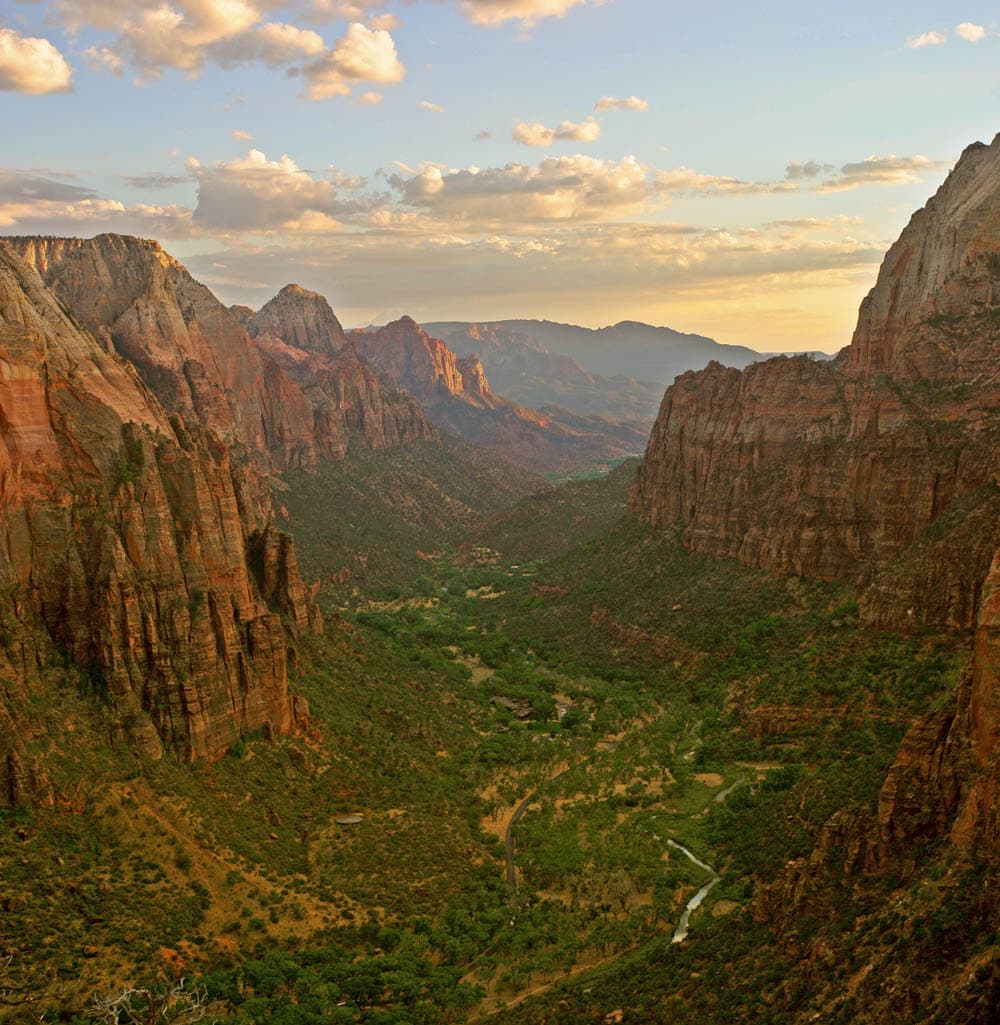
Zion National Park
United States
Zion is a slot canyon national park — the Virgin River carved red-and-white Navajo Sandstone walls up to 2,000 feet above the valley floor. It's the third most-visited U.S. park (4.5 million a year), which is why the Zion Canyon shuttle is mandatory April–November. Angels Landing's chained ridge requires a permit lottery and has killed hikers; the Narrows is a wade-up-river slot that closes on flash-flood days.

Zurich
Switzerland
Switzerland's largest city — banking capital, Lake Zürich anchor, and (consistently) one of the world's two or three highest-quality-of-life cities. Altstadt's medieval lanes climb to the twin towers of the Grossmünster (where Zwingli launched the Swiss Reformation in 1519); Bahnhofstrasse runs from the Hauptbahnhof to the lake; the Kunsthaus holds Switzerland's finest art collection. The Uetliberg's panorama trail and the lake's swim baths (Frauenbad, Männerbad, Seebad Enge) are the locals' summer rituals. Expensive — but the trains run on the dot.
Where Next? 🧭
Pick where you are and see what's reachable — with travel times, costs, and how to get there.
575 destinations with travel connections
Starting from
Tokyo, Japan
✈️ NRT / HND
8 reachable destinations
Coastal town with the iconic Great Buddha, bamboo groves, and excellent hiking trails between temples. A perfect day trip from Tokyo.
UNESCO World Heritage site with ornate shrines and stunning nature. Toshogu Shrine is one of Japan's most lavishly decorated buildings.
Hot spring resort town with Mt. Fuji views, a scenic lake, and the famous open-air museum. The Hakone Free Pass covers most transport and attractions.
Yokohama
Japan's second-largest city with an impressive Chinatown, waterfront area, and the Cup Noodle Museum. Close enough for an afternoon visit.
Mt. Fuji (Kawaguchiko)
The most accessible base for viewing and climbing Japan's iconic peak. Lake Kawaguchi offers the classic Fuji reflection photo. Climbing season is July–September.
South Korea's buzzing megacity — K-pop, palaces, and legendary Korean BBQ.
Japan's food capital — takoyaki, okonomiyaki, and Dotonbori neon.
Taiwan's friendly capital — night markets, tea culture, and Taipei 101.