
Victoria Falls
THE QUICK VERDICT
By Anthony · Updated April 2026
Choose Victoria Falls if you want the largest sheet of falling water on Earth — Devil's Pool in dry season, bungee from the bridge, Zambezi rafting, and a Hwange safari combo.
- Best for
- Devil's Pool ledge swim, Knife-Edge bridge mist walk, Zambezi Grade-V rafting, bridge bungee, Hwange combo safari
- Best window
- May–Oct
- Budget anchor
- $215/day mid-range
- Visa first
- No visa-free entry listed — check requirements before booking anything
- Worth a look
- crossing the bridge between Zambia and Zimbabwe is visa-on-arrival and the views genuinely differ between sides
The largest sheet of falling water on Earth — 1,708m wide and twice as tall as Niagara. Locally called Mosi-oa-Tunya ("the smoke that thunders"). Zimbabwe's side delivers ~75% of the views and the postcard panoramas; Zambia's side has the Devil's Pool experience at Livingstone Island in the dry season (Sep-Dec). Adventure capital of southern Africa: bungee from the 111m Victoria Falls Bridge, Zambezi Class V rafting, helicopter Flight of Angels, lunar rainbows on full moons. Hwange NP nearby for safari combos.
The two links below are affiliate links — MapSorted earns a small commission if you book through them, at no extra cost to you. How this works.
Tours & Experiences
Bookable tours, activities, and day trips in Victoria Falls
Where to Stay
Compare hotels and rentals in Victoria Falls
📍 Points of Interest
Main Falls Zimbabwe Viewpoints
Network of rainforest paths delivering panoramic views of 1,708m of falling water
Knife-Edge Bridge
Zambia-side footbridge above the boiling pot with ferocious close-up spray views
Devil's Pool, Livingstone Island
Natural rock-edged pool at the very lip of the falls — accessible Sep to Dec only
Victoria Falls Bridge
1905 steel arch bridge and 111m bungee jump straddling the Zimbabwe-Zambia border
Flight of Angels Helicopter Tour
12-15 minute helicopter circuit with the only complete aerial view of the full falls
Zambezi Sunset Cruise
2-hour sundowner cruise with hippos, crocodiles, and fish eagles on the upper Zambezi
Batoka Gorge Rafting
Class IV-V white-water rafting through sheer basalt gorges directly below the falls
Elephant Walk Shopping Village
Curated open-air complex with quality craft galleries, jewellers, and restaurants
★ Local Picks
Lunar Rainbow Night Walk
Full-moon guided walk through the rainforest to see the ghostly lunar rainbow over the falls
At a Glance
- Pop.
- ~35K (Vic Falls town)
- Timezone
- Harare
- Dial
- +263
- Emergency
- 995 / 994
Victoria Falls is the world's largest sheet of falling water — 1,708 metres wide and 108 metres tall, making it twice the height and more than twice the width of Niagara Falls
The local Tonga name is "Mosi-oa-Tunya" — "the smoke that thunders" — named for the spray cloud that rises up to 400 metres and can be seen from 50 km away
Scottish explorer David Livingstone became the first European to see the falls on 16 November 1855, naming them after Queen Victoria; UNESCO inscribed the site as a World Heritage Site in 1989
The falls straddle the border between Zimbabwe and Zambia — Zimbabwe's side offers the best panoramic views of roughly 75% of the falls, while Zambia's Livingstone Island is home to the famous Devil's Pool
At peak flood in April, the Zambezi River pours over 500 million litres of water per minute over the falls — so much spray fills the gorge that close-range views are almost impossible during high water
The Victoria Falls Bridge spans the Batoka Gorge just downstream and doubles as a 111-metre bungee platform — one of the highest commercial bungee jumps in the world
Top Sights
Main Falls Zimbabwe Viewpoints
🌿The network of paved paths inside the Rainforest (Zimbabwe National Parks land) delivers face-on views of the full curtain of falls. Viewpoints 1-16 progress from the Eastern Cataract to the Main Falls and Danger Point. At peak spray you will be soaked — bring a poncho.
Knife-Edge Bridge, Zambia
📌A footbridge on the Zambia side that puts you directly above the boiling pot and the Eastern Cataract gorge. Spray is ferocious in high-water months but the close-up vantage is visceral and unlike any viewpoint on the Zimbabwe side.
Devil's Pool, Livingstone Island
🌿A natural rock-edged pool at the very lip of the main falls on the Zambia side, accessible only during low-water season from September to December. Guides swim guests to the edge where you can look straight down 108 metres. One of the most extreme legal swim spots on earth.
Victoria Falls Bridge Bungee Jump
🗼A 111-metre freefall from the historic 1905 steel arch bridge that forms the Zimbabwe-Zambia border crossing. At the bottom you hang above the Zambezi gorge. One of the highest and most scenic commercial bungee jumps in the world.
Flight of Angels Helicopter Tour
🗼A 12-15 minute helicopter circuit above the falls that delivers the one truly complete view — the full 1,708-metre curtain, both gorges, and the Zambezi upstream all visible at once. Best done in morning light before midday haze builds.
Zambezi Sunset Cruise
🌿A 2-hour sundowner cruise upstream of the falls where hippos surface, crocodiles bask on sandbanks, and fish eagles call from riverine trees. Drinks and snacks included. The golden-hour light on the Zambezi is spectacular.
White-Water Rafting the Zambezi
🌿The stretch of the Zambezi immediately below the falls is rated among the world's top white-water runs — class IV and V rapids through sheer basalt gorges, with names like "The Gnashing Jaws of Death" and "Oblivion." Full-day trips run from the boiling pot.
Entry Requirements
The KAZA UniVisa is the smartest entry option for most visitors — a single $50 visa covering both Zimbabwe and Zambia for up to 30 days, allowing unlimited crossings between the two countries and a day trip to Botswana (Chobe). It is available to citizens of approximately 50 nationalities on arrival at Victoria Falls Airport, Livingstone Airport, and the Victoria Falls Bridge border post. If your nationality is not covered, Zimbabwe issues single-entry visas on arrival for $30-55 and Zambia for $25-50 depending on nationality.
Entry Requirements by Nationality
| Nationality | Visa Required | Max Stay | Notes |
|---|---|---|---|
| US Citizens | Yes | 30 days (KAZA) or 30-90 days single entry | KAZA UniVisa $50 on arrival covers Zimbabwe + Zambia. Single Zimbabwe visa $30 on arrival. Highly recommend the UniVisa. |
| UK Citizens | Yes | 30 days (KAZA) or 30 days single entry | KAZA UniVisa $50 recommended. UK citizens eligible. Single Zimbabwe visa $55 on arrival. |
| EU Citizens | Yes | 30 days (KAZA) | Most EU nationals eligible for KAZA UniVisa $50 on arrival. Check current list as eligibility varies by country. |
| Australian Citizens | Yes | 30 days (KAZA) | KAZA UniVisa $50 available on arrival. Single Zimbabwe visa $55 on arrival. |
| South African Citizens | Visa-free | 30 days | Visa-free entry to Zimbabwe. Zambia requires a visa; KAZA UniVisa applies. |
| Indian Citizens | Yes | 30 days (KAZA) | India is on the KAZA UniVisa eligible list. $50 on arrival. Confirm current status before travel as lists are periodically updated. |
Visa-Free Entry
Visa on Arrival
Tips
- •Bring $50 USD cash specifically for the KAZA UniVisa — card payment is not always available at border posts
- •Have a yellow fever vaccination certificate ready if you are arriving from a yellow-fever-endemic country — it may be requested at the border
- •Carry passport photos (2) for each visa application at the border to speed up processing
- •The KAZA UniVisa covers a single entry into Botswana (Chobe day trip) — if you plan to spend multiple nights in Botswana you need a separate Botswana visa (free for most nationalities)
- •Always carry your original passport at the border, not just a copy — photocopies are not accepted at Zimbabwean or Zambian immigration
- •Confirm your nationality's KAZA UniVisa eligibility before travelling as the participating country list changes — the Zimbabwe e-Visa portal has the current list
Climate & Best Time to Go
Victoria Falls has a subtropical climate with a distinct wet season (November to March) and dry season (April to October). Temperatures are warm year-round, rarely dropping below 10°C even in winter nights. The volume of water over the falls varies enormously — peak flood in April produces maximum drama and soaking spray, while low water in October and November reveals the rock face and makes Devil's Pool accessible. The best overall experience depends entirely on what you prioritise: spectacle or adventure.
High Water
February - May72-90°F
22-32°C
The Zambezi peaks at flood and the full width of the falls roars at maximum volume. Spray creates permanent mist and soaks the rainforest paths — ponchos are essential. Views of the falls themselves are often obscured by the spray cloud. The lunar rainbow is possible in February and March.
Falling Water
June - August54-79°F
12-26°C
Water levels drop and the spray clears enough to see the full curtain — widely considered the postcard-perfect period. Skies are blue, air is dry, temperatures are comfortable, and game viewing in nearby parks is excellent as animals concentrate at water sources. This is peak tourist season.
Low Water
September - December72-100°F
22-38°C
The Zambezi reaches its lowest point and parts of the falls may stop flowing entirely, revealing bare rock faces. Views are clearest but the spectacle is diminished compared to high water. Compensation: Devil's Pool on Livingstone Island opens for swimming (September to December), white-water rafting is at its best, and the Batoka Gorge is fully accessible.
Rainy Season
November - March72-95°F
22-35°C
Hot and humid with afternoon thunderstorms building up through November and December into the full wet season. Game viewing is harder as vegetation is thick and animals disperse, but the landscape turns lush green and birds are spectacular. Accommodation is cheapest, falls are filling back up, and malaria risk is highest.
Best Time to Visit
May to August offers the best combination of clear falls views, dry weather, comfortable temperatures, and peak game viewing in nearby parks — this is the classic Victoria Falls visit. September to December is best for Devil's Pool and low-water adventure activities. Avoid February to April if you want to see the falls rather than just hear them through a wall of spray.
Low Season / High Adventure (Sep - Dec)
Crowds: Moderate (Sep-Oct); Low (Nov-Dec)Water levels are lowest, revealing the bare rock face and opening Devil's Pool at Livingstone Island. White-water rafting is at its most intense with full access to all rapids. Very hot, with game concentrated at waterholes in Hwange.
Pros
- + Devil's Pool accessible Sep-Dec
- + Best white-water rafting
- + Cheapest accommodation Nov-Dec
- + Hwange game viewing outstanding
- + Falls fully visible (if lower volume)
Cons
- − Hottest months (Oct up to 40°C)
- − Falls dramatically reduced in volume
- − Malaria risk rises from Nov
- − Rains begin disrupting Nov-Dec
Dry Season Peak (May - Aug)
Crowds: High (Jun-Aug is peak; May is quieter)The postcard period — water levels are dropping from flood but the falls still run full and powerful, mist is manageable enough to see the curtain, skies are clear, and temperatures are ideal for walking and game drives.
Pros
- + Perfect blue-sky photography conditions
- + Comfortable temperatures (12-26°C nights chilly)
- + Excellent Hwange and Chobe game drives
- + Full falls volume with visible curtain
- + Best overall experience
Cons
- − Most expensive period
- − Accommodation must be booked months ahead
- − Busy falls paths with tour groups
- − No Devil's Pool
High Water Flood (Feb - May)
Crowds: Low to moderateThe Zambezi is at or near full flood — the falls are at maximum power and roar, but the spray is so intense that most viewpoints are invisible walls of mist. April is peak flood. You will get drenched without a poncho.
Pros
- + Maximum drama and sound
- + Lunar rainbow visible Feb-Mar
- + Lush green landscape
- + Cheaper accommodation
- + Fewer tourists Feb-Apr
Cons
- − Views largely obscured by spray
- − Cannot see the full falls curtain
- − Rainforest paths extremely slippery
- − Rafting restricted or closed at peak flood
Wet Season (Nov - Mar)
Crowds: Very lowHot, humid, and punctuated by afternoon thunderstorms that build through the season. Falls are rising from low to flood. Game viewing is harder, malaria risk is highest, and the landscape is intensely green. Budget travellers find the best rates.
Pros
- + Lowest prices of the year
- + Lush green scenery
- + Birding excellent
- + Authentic low-tourist atmosphere
Cons
- − Highest malaria risk
- − Afternoon storms daily by Jan-Feb
- − Roads to Hwange can flood
- − Oppressive heat and humidity
🎉 Festivals & Events
Victoria Falls Carnival
December 30 - January 1A three-day music and arts festival held over New Year straddling the Zimbabwe-Zambia border area, with international and African artists, bush parties, and adventure activities. One of southern Africa's biggest New Year events.
Victoria Falls Marathon
JuneAn annual marathon and half-marathon run through the town and national park, with the starting line close to the falls. Attracts runners from across Africa and internationally.
Zimbabwe Independence Day
April 18Zimbabwe's national Independence Day is a public holiday marked by ceremonies in the town. Some businesses and the National Parks entrance may have adjusted hours.
Off the Beaten Path
Lunar Rainbow Night Walk
On the two or three nights surrounding each full moon from August to January, the mist from the falls refracts moonlight into a ghostly monochrome "lunar rainbow" visible from the Zimbabwe rainforest paths. National Parks runs guided night walks specifically for this phenomenon.
One of only a handful of places on earth where a lunar rainbow is reliably visible — and almost no travellers plan around it. Book a full-moon date and the falls are largely yours after dark.
Lookout Cafe Gorge View
Perched directly above the Batoka Gorge, this casual open-air restaurant has the best free view of the gorge and the bridge in town. Come at sunset for drinks and watch rafting groups emerge from the canyon far below.
Most visitors pay for helicopter rides to get a gorge view — this one comes with a cold Zambezi lager and costs nothing extra beyond your food.
Crocodile Ranch & Snake Park
A low-key wildlife park on the edge of town housing Nile crocodiles at all life stages, African rock pythons, and a range of venomous snakes in enclosures. Feeding demonstrations are genuinely dramatic.
A fraction of the cost of a game drive, completely ignored by the big-lodge crowd, and the only place in Victoria Falls you can get safely close to metre-long Nile crocs.
Zambezi National Park Game Drive
The national park begins just 6 km upstream of the falls town and sees a tiny fraction of Hwange's visitors. Self-drive or hired guide trips frequently spot elephant, buffalo, giraffe, and zebra along the river road with virtually no other vehicles around.
Travellers skip straight to Hwange for wildlife when a proper Zambezi riverbank game drive is essentially on the doorstep of the falls — and often completely crowd-free.
Victoria Falls Field Museum
A small but fascinating museum in the town center documenting the geology of the falls, the history of the Tonga people displaced by Lake Kariba, and David Livingstone's 1855 expedition. Entry is very cheap and takes about 45 minutes.
The human and geological story behind the falls — why they exist, how they formed, and who lived here first — adds real depth to the spectacle that most day-trippers never get.
Safety Breakdown
Moderate
out of 100
Victoria Falls town itself is relatively safe for tourists by regional standards and the main tourism infrastructure is well-established. Zimbabwe's broader political and economic instability does not typically affect the falls area directly. The biggest nuisances are opportunistic curio vendors and aggressive baboons in the national park. Zambia's Livingstone is similarly safe for visitors. Take standard precautions with valuables and use registered operators for all adventure activities.
Things to Know
- •Never feed baboons — they are habituated to humans in the rainforest and will snatch food, cameras, and bags from hands; they can bite seriously if cornered
- •Victoria Falls is a malaria area — take prophylaxis, use DEET repellent at dusk, and sleep under a mosquito net even in well-equipped lodges
- •Book white-water rafting, bungee, and zip-line activities only with established operators who are members of ZARA (Zambezi Amalgamated Rafting Association) or equivalent certified bodies
- •Use registered hotel taxis or ask your accommodation to arrange transfers — unmarked vehicles around the bus station and border area can be unreliable
- •ATMs in Zimbabwe are scarce and often out of cash — bring a supply of clean, unfolded USD $50 and $100 bills issued after 2009, which are the most widely accepted
- •The rainforest paths are extremely slippery during high-water months — wear closed shoes with grip and hold onto railings at viewpoints near the gorge edge
Natural Hazards
Emergency Numbers
Zimbabwe Emergency (Police/Ambulance)
999 or 112
Zimbabwe Police (Victoria Falls)
+263-13-44206
Zambia Emergency (Police)
991
Zambia Livingstone Hospital
+260-213-320-661
Costs & Currency
Where the money goes
USD per dayBackpacker = hostel dorm + street food + public transit. Mid-range = 3-star hotel + neighbourhood restaurants + transit cards. Luxury = 4/5-star + fine dining + taxis. How we calibrate these numbers →
Quick cost estimate
Customize per category →Estimates based on regional averages. Flight prices vary by season and airline.
budget
$60-90
Hostel or budget guesthouse, self-catered or local meals, Zimbabwe falls entry only, free gorge walks
mid-range
$150-280
Mid-range lodge or hotel, restaurant meals, one activity (rafting or cruise), Zimbabwe and Zambia falls entries
luxury
$400+
Victoria Falls Hotel or river lodge, helicopter flight, sunset cruise, fine dining, private guide
Typical Costs
| Item | Local | USD |
|---|---|---|
| AttractionsZimbabwe falls entry (rainforest) | $50 | $50 |
| AttractionsZambia falls entry (Mosi-oa-Tunya) | $20 | $20 |
| AttractionsHelicopter flight 12-15 min (Flight of Angels) | $175-200 | $175-200 |
| AttractionsFull-day white-water rafting (Zambezi) | $130-160 | $130-160 |
| AttractionsBungee jump from Victoria Falls Bridge | $160 | $160 |
| AttractionsZambezi sunset cruise (2 hr with drinks) | $50-75 | $50-75 |
| AttractionsDevil's Pool swim (Zambia, Sep-Dec) | $130-150 | $130-150 |
| AttractionsChobe NP day trip all-inclusive | $150-250 | $150-250 |
| AccommodationHostel dorm bed | $25-40 | $25-40 |
| AccommodationMid-range hotel/lodge (double) | $150-300 | $150-300 |
| AccommodationLuxury river lodge (double) | $400-800 | $400-800 |
| FoodLocal workers' lunch (sadza, relish) | $3-6 | $3-6 |
| FoodRestaurant meal at Elephant Walk | $18-35 | $18-35 |
| FoodBoma dinner (traditional buffet) | $55-70 | $55-70 |
| TransportKAZA UniVisa (covers Zim + Zam 30 days) | $50 | $50 |
💡 Money-Saving Tips
- •The KAZA UniVisa ($50) is the single best value purchase — it unlocks both Zimbabwe and Zambia falls entrances, Devil's Pool access, and Chobe day trips without separate visa fees
- •Walk to the falls from town (10 min) instead of taking a taxi — the path is safe and well-signed and saves $10-15 per return trip
- •The Zambia-side entry ($20) gives excellent Knife-Edge Bridge views at less than half the Zimbabwe price — worth it on a budget
- •Eat lunch at local restaurants near the bus terminal where sadza and chicken dishes cost $3-6 rather than the $20-35 at tourist spots
- •Book rafting, bungee, and helicopter as a package through your accommodation — operators often discount 10-15% on multi-activity combos
- •Visit in the shoulder months of May or September for lower accommodation rates while still getting excellent falls conditions
- •A gorge view from the Lookout Cafe costs only the price of a drink — skip the paid viewpoint and get the same shot
- •Share a taxi for Chobe day trips — split between 4 people a private vehicle transfer to Kasane costs less than a packaged group tour
US Dollar (Zimbabwe) / Zambian Kwacha (Zambia)
Code: USD / ZMW
Zimbabwe uses the US Dollar as its primary currency for tourism — bring cash USD, specifically clean, unfolded bills in $50 and $100 denominations issued after 2009, as older or damaged notes are often refused. The ZiG (Zimbabwe Gold, ZWG) local currency exists but is rarely useful for tourists and prone to volatility. On the Zambia side, the Zambian Kwacha (ZMW) is the official currency (approximately ZMW 27 per $1 as of early 2026), though USD is accepted at most tourist businesses in Livingstone. ATMs in Victoria Falls town are unreliable — either empty or card-reader-only for local accounts. Withdraw USD before you arrive.
Payment Methods
Cash USD is king throughout the Victoria Falls area. Most adventure activities, tour operators, and upmarket lodges accept Visa and Mastercard, often with a 3-5% surcharge. Markets, local restaurants, and curio stalls are cash only. On the Zambia side, Livingstone has functional ATMs accepting international cards. Do not rely solely on cards — carry sufficient USD cash for your entire stay plus a contingency.
Tipping Guide
Tip 10-15% of the bill in USD. In local workers' restaurants, rounding up is sufficient. Avoid tipping in ZiG unless local staff specifically request it.
$10-20 per person per day for excellent guiding is standard. Tip directly to the individual guide, not through the company.
$1-2 per bag for porters; $2-5 per day for housekeeping left in an envelope. Tips in USD are always preferred over local currency.
$10-20 per person for full-day rafting trips — the guides and safety kayakers work extremely hard. Tip at the end of the day.
Round up to the next dollar or two. Not obligatory but appreciated for good service and helping with luggage.
How to Get There
✈️ Airports
Victoria Falls Airport (Zimbabwe)(VFA)
18 km south of townRegistered taxis charge $25-35 to the town center or falls hotels. Most lodges include airport transfers. No scheduled bus service runs to the airport. Journey takes 20-25 minutes.
✈️ Search flights to VFAHarry Mwanga Nkumbula International Airport (Livingstone, Zambia)(LVI)
6 km north of Livingstone town; ~18 km from Victoria Falls BridgeTaxis to Livingstone town cost $10-15. For the Zimbabwe side, take a taxi to the bridge ($5-10) and cross on foot. Some operators run airport-to-lodge transfers connecting both sides.
✈️ Search flights to LVI🚌 Bus Terminals
Victoria Falls Bus Terminal (Zimbabwe)
Long-distance coaches connect Victoria Falls to Bulawayo (6-7 hr, $15-25) and Harare (12-13 hr, $30-45). Operators including Intercape, City Link, and Pathfinder depart in the early morning. Book in advance during peak season. Zambia-side buses from Livingstone connect to Lusaka (6-8 hr, ZMW 200-350). There is no comfortable passenger rail option on either side currently in regular operation.
Travel Connections

Hwange National Park
Zimbabwe's largest national park with one of Africa's highest elephant concentrations — up to 40,000 elephants. Also home to lions, wild dogs, cheetah, and huge herds of buffalo. Easily combined with Victoria Falls for a 3-4 day safari extension.

Chobe National Park
Botswana's premier game park, famous for the largest concentration of elephants in Africa along the Chobe River. Day trips from Victoria Falls are extremely popular — a morning game drive and afternoon boat cruise can be done in a single day.

Livingstone, Zambia
Zambia's adventure capital sits just across the Victoria Falls Bridge. The Zambia side of the falls is quieter and cheaper; Livingstone town has excellent backpacker infrastructure, the Livingstone Museum, and is the base for Devil's Pool trips to Livingstone Island.
Bulawayo & Matobo National Park
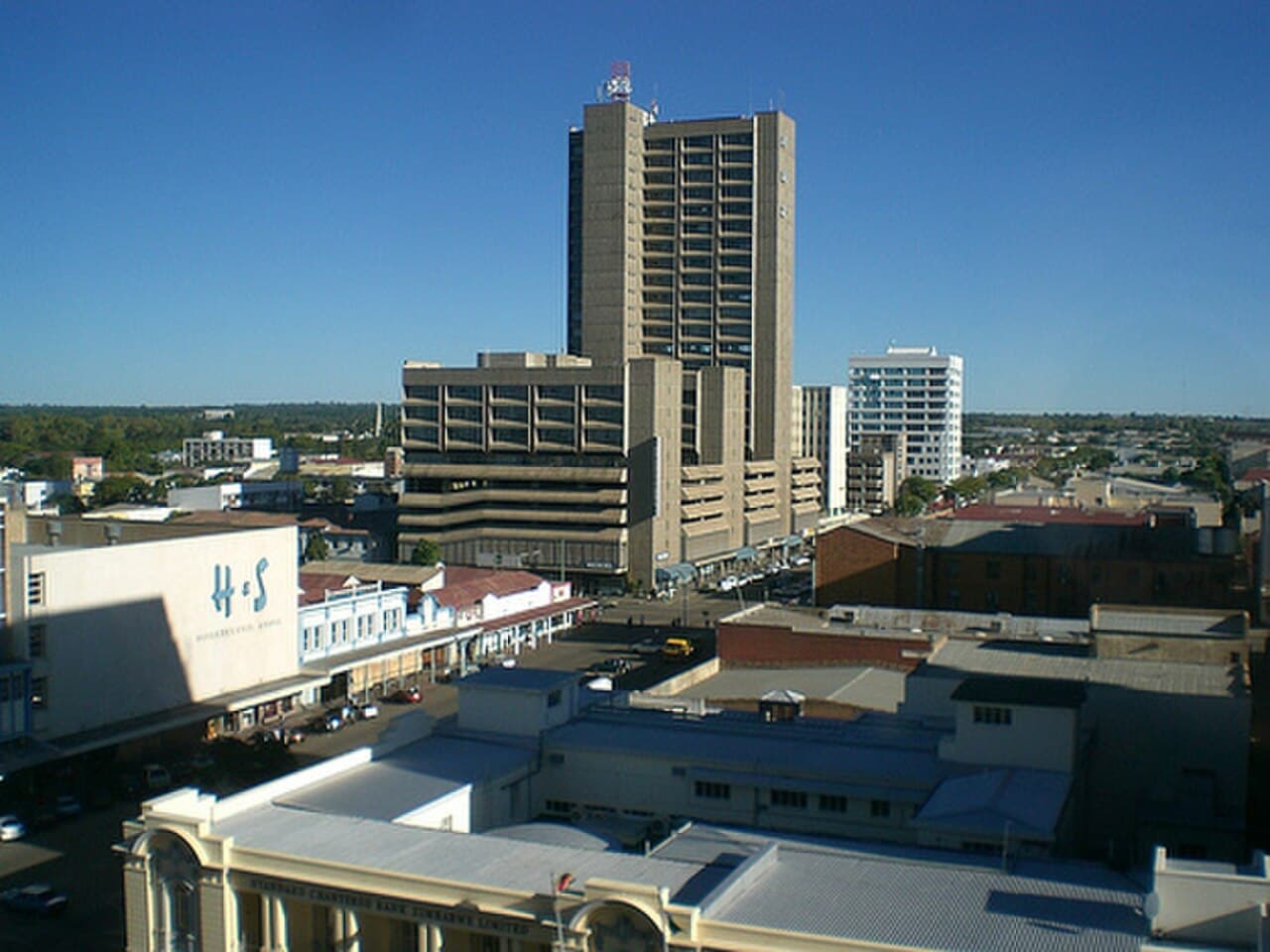
Zimbabwe's second city is the gateway to Matobo National Park — a landscape of ancient granite boulders and balancing rocks sheltering 3,000-year-old San Bushman rock art and the grave of Cecil Rhodes atop World's View. White rhino tracking on foot is the park's signature experience.
Getting Around
Victoria Falls town (Zimbabwe) is small and easy to navigate on foot. The falls entrance is a 10-minute walk from the town center. The Zimbabwe-Zambia border crossing via the historic Victoria Falls Bridge is about 1 km from the town center and is walkable. Most adventure activities and game drives require organised transfers arranged through your accommodation or a local operator. There are no public buses within town.
Walking
FreeThe town center, falls entrance, craft markets, and most restaurants are within comfortable walking distance. The paved road from the Wimpy roundabout to the falls gate is roughly 10 minutes. The bridge border crossing is about 15 minutes on foot from the town center.
Best for: Town center, falls entrance, Victoria Falls Bridge crossing
Registered Taxis
$5-15 within town; $15-25 to the airportSaloon car taxis operate from ranks near the Kingdom Hotel and Elephant Walk. Ask your hotel to call a registered driver. Most charge in USD. Always agree on the fare before getting in.
Best for: Airport transfers, evening restaurant trips, reaching the rafting put-in
Hotel & Lodge Shuttles
Usually free for lodge guestsMost mid-range and upmarket lodges offer complimentary airport and town transfers, as well as activity pick-ups. This is the most convenient option and often included in room rates.
Best for: Airport, activity transfers, day trips to Hwange or Chobe
KAZA UniVisa Border Crossing (Zim/Zam)
$50 UniVisa; $5 taxi to bridgeThe $50 KAZA UniVisa allows multiple crossings between Zimbabwe and Zambia during a 30-day stay. Walking across the Victoria Falls Bridge takes 20-30 minutes including immigration. Taxis from town to the bridge border are $5. Day trips to Chobe (Botswana) are included if you re-enter via Zambia.
Best for: Livingstone day trips, Zambia-side falls views, Devil's Pool, Chobe day trips
Day-Trip Taxis to Chobe
$150-250 all-inclusive day tripShared and private day-trip vehicles run from Victoria Falls to Kasane, Botswana (70 km, ~1.5 hr) for game drives and boat cruises in Chobe National Park. All-inclusive day trips are available through tour operators.
Best for: Chobe National Park day excursion
Walkability
Victoria Falls town is highly walkable for its main attractions — the falls entrance gate, craft markets, Elephant Walk shopping village, and most restaurants are all within 1.5 km of the town center. The walk to the Zambia side via the bridge is about 2 km from the main hotels and is safe during daylight. Side streets after dark warrant caution; use a taxi for evening travel outside the lit main road.
Shopping
Victoria Falls has a lively craft market scene with vendors selling Zimbabwean stone sculpture, carved wooden animals, woven baskets, and Zambian copper and malachite jewellery. Prices start high for tourists — friendly negotiation is expected and you can typically achieve 40-60% off the opening price. Quality varies considerably so inspect items carefully, especially woodcarvings which may be mass-produced versus hand-carved.
Elephant Walk Shopping Village
curated shopping centreA pleasant open-air complex near the Ilala Lodge with a mix of quality craft galleries, a jeweller, clothing boutiques, and the Boma restaurant. Prices are fixed and higher than market stalls but quality and authenticity are more reliable.
Known for: Shona stone sculpture, quality wood carvings, silver and malachite jewellery, African print clothing
Curio Markets (Falls Road & Entrance)
open-air marketsA gauntlet of vendor stalls lining the road to the falls entrance and inside the designated market area near the main gate. Hundreds of vendors sell carvings, masks, drums, batik cloth, and tourist trinkets. Persistent but good-natured bargaining is the norm.
Known for: Carved wooden hippos and elephants, African masks, drums, batik fabric, beaded jewellery
Mukuni Crafts Park (Zambia)
craft villageJust outside the Zambia-side falls entrance, this craft cooperative run by the Mukuni village community offers stone carvings, woven baskets, and copper goods. Purchasing here directly benefits a local community whose ancestral land includes the falls.
Known for: Zambian copper items, Tonga-style woven baskets, stone sculpture, community craft
🎁 Unique Souvenirs to Look For
- •Shona stone sculpture in springstone, serpentine, or verdite — Zimbabwe's most celebrated art form and genuinely heavy; ship large pieces home
- •Hand-carved wooden hippos and elephants — the iconic Victoria Falls souvenir; look for hand-carved rather than machine-finished pieces
- •Zambian malachite jewellery — the vivid green copper mineral is mined in Zambia and made into pendants and beads
- •Woven Tonga and Ndebele baskets in natural and dyed palm leaf
- •Batik cloth and table runners in earthy African prints
- •Copper wire sculptures of wildlife made by local craftspeople
- •Zimbabwe dollar banknotes — the notorious 100-trillion dollar bills from the hyperinflation era are sold as novelty keepsakes and are completely legal to export
Language & Phrases
English is the official language of both Zimbabwe and Zambia and is spoken fluently throughout the Victoria Falls tourism area — you will have no difficulty communicating. The local Zimbabwean languages are Shona (spoken by the majority) and Ndebele (predominant in the southwest, around Victoria Falls). In Zambia, the Tonga people are the traditional custodians of the falls area; Bemba is widely spoken in Lusaka and northern Zambia. A few words of Shona or Ndebele go a very long way with local people.
| English | Translation | Pronunciation |
|---|---|---|
| Hello (Shona) | Mhoro | mm-HOH-roh |
| How are you? (Shona) | Makadii? | mah-kah-DEE? |
| I am fine (Shona) | Ndiripo | n-dee-REE-poh |
| Thank you (Shona) | Mazvita | maz-VEE-tah |
| Thank you very much (Shona) | Mazvita zvakawanda | maz-VEE-tah zvah-kah-WAHN-dah |
| Hello (Ndebele) | Sawubona | sah-woo-BOH-nah |
| Thank you (Ndebele) | Ngiyabonga | n-gee-yah-BON-gah |
| Please (Ndebele) | Ngiyacela | n-gee-yah-SEH-lah |
| How much? (English, widely used) | How much? | Universally understood — ask in English |
| Welcome (Tonga, Zambia side) | Mwaboola | mwah-BOH-lah |
| The smoke that thunders (local falls name) | Mosi-oa-Tunya | MOH-see oh-ah TOON-yah |
| No problem / It's fine | Hapana | hah-PAH-nah |
If you like Victoria Falls, you'll love…
4 cities with a similar vibe, outside of the same country.
.jpg%3Fwidth%3D1280&w=1600&q=75)
Mexico · OVR 71
unforgettable natural beauty · reliable wifi, decent English
Fiji · OVR 68
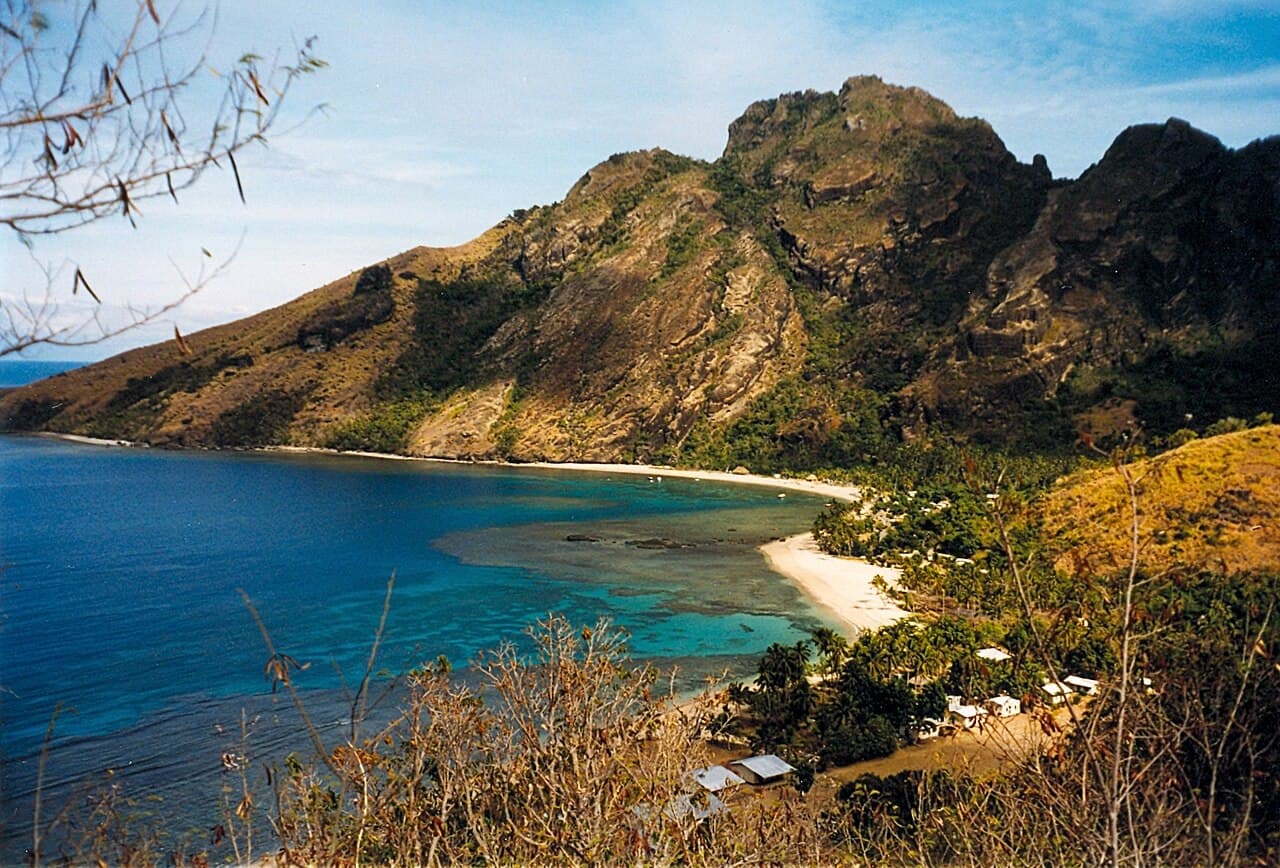
unforgettable natural beauty · workable for remote days

United States · OVR 75
landscapes that steal the show · workable for remote days

Argentina · OVR 73
jaw-dropping scenery · low-key street vibe