.jpg%3Fwidth%3D1280&w=1600&q=75)
Cozumel
THE QUICK VERDICT
By Anthony · Updated April 2026
Choose Cozumel if You want the second-largest barrier reef in the world from a low-rise base island, three or four wall dives a day, and a 35-minute ferry hop back to the mainland whenever you are ready..
- Best for
- Palancar drift dive, Santa Rosa Wall, Punta Sur reef, Chankanaab Mayan ruin and snorkel lagoons
- Best window
- Nov–Apr
- Budget anchor
- $180/day mid-range
- No real seasons
- Within 5°C year-round — timing is about rain, not temperature
- Worth a look
- sits on the Mesoamerican Reef — second-largest barrier reef system on the planet
A flat 478 sq km Caribbean island east of Playa del Carmen, reached in 35 minutes by passenger ferry. The reason to come is underwater: Cozumel sits on the Mesoamerican Reef, the second-largest barrier reef system in the world, with Palancar, Santa Rosa Wall and Punta Sur drift dives consistently ranked among the planet's best. San Miguel is the only real town, a low-rise grid built around a cruise terminal that sees regular Carnival and Royal Caribbean stops. Inland, Chankanaab Park combines a Mayan ruin with snorkelling lagoons; the rest of the island is mostly mangroves, beach clubs and one perimeter road.
The two links below are affiliate links — MapSorted earns a small commission if you book through them, at no extra cost to you. How this works.
Tours & Experiences
Bookable tours, activities, and day trips in Cozumel
Where to Stay
Compare hotels and rentals in Cozumel
📍 Points of Interest
Palancar Reef· 14 km SW
Flagship dive site on the Mesoamerican Reef with coral pinnacles and a wall past 30 metres
Punta Sur Eco Park· 19 km SW
South-tip reserve with the Celarain lighthouse, mangroves, sea-turtle beaches and reef snorkelling
Chankanaab National Park
Most accessible snorkel and family park 9 km south of San Miguel
San Miguel Malecon
Downtown waterfront promenade with restaurants, bars, the cruise terminal and ferry pier
San Gervasio Mayan Ruins
Centre-of-island Mayan archaeological site dedicated to the goddess Ixchel
At a Glance
- Pop.
- 100,000 (island)
- Timezone
- Cancun
- Dial
- +52
- Emergency
- 911
Cozumel sits on the Mesoamerican Reef — the second-largest barrier reef system in the world after the Great Barrier Reef, stretching 1,000 km from Mexico to Honduras
Palancar Reef, Santa Rosa Wall and Punta Sur are the three flagship dive sites, with consistently strong drift currents and visibility regularly above 30 metres
The island is 478 sq km — about 48 km long and 16 km wide — making it Mexico's largest Caribbean island and the third-largest island in Mexico
San Miguel de Cozumel is the only real town and home to about 100,000 residents; the rest of the island is mangrove, secondary jungle and one perimeter road
Cozumel is one of the busiest cruise ports in the world — Carnival, Royal Caribbean and MSC routinely dock three or four ships at once on peak days, adding 10,000+ visitors to town
Chankanaab Park combines a Mayan ruin replica, a saltwater lagoon for snorkelling, and a sea-lion pool — the most popular family-friendly half-day on the island
Top Sights
Palancar Reef
🌿The flagship dive site of the island and one of the world's consistently top-ranked drift dives. Coral pinnacles, swim-throughs and a wall dropping past 30 metres. Most operators run two-tank morning trips with a surface interval at El Cielo sandbar. Visibility is usually above 30 m.
Punta Sur Eco Park
🌳A protected reserve at the southern tip of the island combining the Celarain lighthouse, mangrove lagoons with crocodiles, sea-turtle nesting beaches and the Punta Sur reef snorkelling area. Entry is MXN 320 and easily fills a half-day with snorkel gear and a rented bike.
Chankanaab National Park
🌳The most accessible snorkel and family park, 9 km south of San Miguel. Saltwater lagoon connected to the sea, replica Mayan ruins on the grounds, sea-lion enclosure and a botanical garden. Cruise-ship excursions concentrate here on busy port days.
San Miguel Malecon
🏘️The downtown waterfront promenade running along the western coast of the island. Restaurants, bars, the cruise terminal and the ferry pier are all here. The seafront stretch north of the cruise terminal is the most pleasant for an evening walk.
East Coast Wild Beaches
🏖️The windward eastern shore of the island is mostly undeveloped — wild beaches, rough surf, and a string of beach-bar shacks (Coconuts, Mezcalitos, Punta Morena) serving cold beer and grilled fish to visitors who rented a scooter or jeep to circle the island.
San Gervasio Mayan Ruins
🗼The most significant Mayan archaeological site on the island, dedicated to the goddess Ixchel and a major pre-Columbian pilgrimage destination. Smaller and quieter than Tulum or Chichen Itza but easily reached by car or organised tour. Entry is MXN 285.
Climate & Best Time to Go
Tropical Caribbean climate with warm temperatures year-round. Two seasons: dry (November-April) and wet (May-October). Hurricane season runs June through November, with September the most active month. Diving conditions are reliable year-round but visibility peaks November through April. Sargassum on east-coast beaches is moderate compared with the mainland.
Dry Season (Peak)
November - April73-86°F
23-30°C
The diving season at its best — calm seas, low rainfall, visibility regularly above 30 metres on the western reefs. Trade winds keep humidity down. December and January are peak holiday season; February-March are the sweet spot for divers.
Shoulder
May - June77-90°F
25-32°C
Warm and increasingly humid. Diving conditions remain excellent. Sargassum begins arriving on the east coast in May. Hotel rates begin dropping after Easter (Semana Santa).
Wet Season
July - October79-91°F
26-33°C
Hot, humid, with daily afternoon thunderstorms. Hurricane risk peaks August-October. Most dive operators continue running through hurricane season but cancel on advancing storms. Hotel and dive package prices drop 30-50%.
Best Time to Visit
November through April for the best diving conditions — calm seas, low rain, visibility above 30 metres on the western reefs. February and March are the sweet spot. May and November are excellent value shoulder months. Avoid Mexican Semana Santa (Holy Week) for crowds and inflated prices.
Peak Diving Season (December - April)
Crowds: High — especially on cruise port daysThe premium months for divers — calm Caribbean, top visibility, comfortable surface temperatures. Cruise traffic peaks at 3-4 ships per day in February and March. Hotel rates and dive packages are at their annual high.
Pros
- + Best dive visibility of the year
- + Low rainfall, breezy weather
- + Reliable surface conditions
- + Whale shark season starts mid-June off Isla Mujeres
Cons
- − Highest hotel rates
- − Crowded malecon on cruise days
- − Dive boats book out 2+ weeks ahead in February-March
- − Restaurant queues at lunch
Shoulder (May - June, November)
Crowds: ModerateHotel and dive package rates drop 20-30%. Diving conditions remain excellent through May. November is dry, warm and post-hurricane — arguably the best value month of the year.
Pros
- + Better hotel rates
- + Fewer cruise ships
- + Whale shark season starts mid-June
- + Less booking lead time required
Cons
- − Sargassum on east coast can build through May/June
- − Late May humidity rises sharply
- − Some businesses on shorter hours
Hurricane Season (July - October)
Crowds: LowLowest hotel rates of the year. Daily afternoon thunderstorms; hurricane risk peaks August-October. Most dive operators continue running through the season but cancel on advancing storms. Travel insurance with cancellation cover is essential.
Pros
- + Lowest prices of the year
- + Almost no booking required
- + Lush green island
- + Wreck dives at peak surface comfort
Cons
- − Genuine hurricane risk August-October
- − Heavy sargassum on east coast
- − Daily afternoon storms
- − Some businesses close entirely in September
🎉 Festivals & Events
Cozumel Carnaval
February (week before Lent)One of Mexico's oldest Carnaval traditions, celebrated on the island for over 140 years. Street parades along the malecon, music, costumes and a town-elected Carnaval king and queen. The biggest local celebration of the year.
Festival of El Cedral
Late April / early MayA village festival in the centre of the island marking the founding of El Cedral, with bullfights, music, dance and a religious procession. The most authentic local cultural event on the island calendar.
Day of the Holy Cross
May 3Religious processions and music in San Miguel and El Cedral marking the discovery of the True Cross. Smaller and more devotional than Carnaval but a window into local Catholic tradition.
Dia de Muertos
October 31 - November 2Day of the Dead altars in the central plaza of San Miguel, with marigold offerings and a children's costume procession. Quieter and more intimate than the mainland equivalents.
Off the Beaten Path
El Cielo Sandbar
A waist-deep sandbar in the lagoon south of Palancar where the bottom is white sand carpeted with starfish. Reached by snorkel-boat charter or as the surface interval on most two-tank dive trips. The water clarity gives the spot its name.
The starfish density is genuinely unusual and the shallow sandbar feels surreal — most of the island's most photographed image is taken here, away from any organised tour.
Playa Palancar
The south-coast public beach club next to Palancar Reef, with no entry fee, palapas, and a low-key restaurant serving the usual fish tacos and ceviche. The snorkel access from shore reaches a small inner reef.
Most guests of the cruise circuit never make it this far south. The beach club has the Palancar Reef view from a hammock for the price of a beer.
Punta Morena Beach Bar
A wooden-shack restaurant on the wild east coast where you can swim in a natural rock pool sheltered from the surf, eat fresh-caught grilled fish, and rent a hammock for the afternoon. Reached by scooter or jeep on the perimeter road.
The east coast feels like a different country from the cruise-ship western shore. Punta Morena is the most accessible of the wild-coast beach bars and the only one with a sheltered swim spot.
El Mirador Lookout
An unmarked rocky outcrop on the southeast coast where the Caribbean has carved a small natural bridge through the limestone. No facilities, no fee, no signage — just a lookout and a photo. Marked on Google Maps but skipped by tour buses.
Five minutes off the perimeter road and almost always empty. A rare island vista that does not involve a beach club, dive shop or cruise excursion.
Safety Breakdown
Very Safe
out of 100
Cozumel is widely considered one of the safest destinations in Mexico — the island geography limits cartel infiltration and the economy depends on cruise tourism, which the local authorities protect carefully. Petty theft from beach bags and dive boats is the most common concern. Diving incidents (currents, ear injuries) and scooter accidents on the perimeter road are the main physical risks.
Things to Know
- •Cozumel is markedly safer than the mainland Riviera Maya — the island has had very few incidents of cartel-related violence and feels relaxed at all hours in San Miguel
- •Use marked dive shops with PADI or SSI certification — Cozumel's drift currents are strong and inexperienced operators have been responsible for the rare diver fatalities
- •Scooter accidents are the single largest cause of tourist injuries on the island — drive cautiously, especially on the unpaved sections of the perimeter road and at night
- •Watch your bag at the cruise-ship beach clubs — petty theft from unattended belongings is the most common reported crime, particularly on busy port days
- •Use Uber, registered taxis or rental cars — there is no rideshare problem with the local taxi syndicate the way there is in Playa, but fixed-rate stand prices can be high
- •ATM skimming is less of an issue than on the mainland but still a risk — use bank-branded machines inside lobbies during business hours
Natural Hazards
Emergency Numbers
General Emergency
911
Tourist Police (Cozumel)
987 869 0211
Cruz Roja (Red Cross Ambulance)
987 872 1058
Hyperbaric Chamber (Diver Emergencies)
987 872 1430
Fire Department
911
Costs & Currency
Where the money goes
USD per dayBackpacker = hostel dorm + street food + public transit. Mid-range = 3-star hotel + neighbourhood restaurants + transit cards. Luxury = 4/5-star + fine dining + taxis. How we calibrate these numbers →
Quick cost estimate
Customize per category →Estimates based on regional averages. Flight prices vary by season and airline.
budget
$60-100
Hostel or budget guesthouse in San Miguel, mercado lunches, scooter rental for east coast, one shore-snorkel session — workable budget for divers using budget operators
mid-range
$160-300
Mid-range San Miguel hotel, a two-tank dive day, restaurant dinners, jeep rental for one perimeter day
luxury
$450-1,000+
All-inclusive Iberostar or Presidente InterContinental, private dive charter, fine dining on the malecon, private snorkel boat to El Cielo
Typical Costs
| Item | Local | USD |
|---|---|---|
| AccommodationHostel dorm bed | MXN 350-550 | $20-32 |
| AccommodationBudget hotel double room | MXN 900-1,500 | $53-88 |
| AccommodationMid-range San Miguel hotel | MXN 2,200-4,000 | $130-235 |
| AccommodationAll-inclusive resort (per person) | MXN 3,500-7,500 | $205-440 |
| FoodTacos at a side-street stand | MXN 25-40 | $1.50-2.50 |
| FoodComida corrida set lunch | MXN 100-150 | $6-9 |
| FoodMid-range malecon dinner main | MXN 280-550 | $16-32 |
| FoodBeer at a beach club | MXN 70-130 | $4-8 |
| DivingTwo-tank dive day (with gear) | MXN 1,700-2,500 | $100-145 |
| DivingPADI Open Water certification | MXN 6,000-7,800 | $350-460 |
| TransportScooter rental/day | MXN 400-600 | $23-35 |
| TransportJeep rental/day | MXN 1,000-1,800 | $59-105 |
| TransportCozumel-Playa ferry round trip | MXN 460 | $27 |
| AttractionsChankanaab Park entry | MXN 510 | $30 |
| AttractionsPunta Sur Eco Park entry | MXN 320 | $19 |
| AttractionsSan Gervasio ruins entry | MXN 285 | $17 |
💡 Money-Saving Tips
- •Stay in San Miguel rather than the south-end resorts — accommodation is half the price and you can taxi or scooter to dive sites and beaches
- •Eat at the Mercado Municipal lunch counters — comida corrida (soup, main, drink) for MXN 80-130, far cheaper than the malecon
- •Book multi-day dive packages directly with shops rather than through your hotel — typical savings of 15-25% off the booking-agent rate
- •Rent a scooter for the perimeter loop instead of a guided tour — a half-day of scooter rental costs less than a single guided beach excursion
- •Use the public Playa Palancar beach club instead of paying entry to Mr Sancho's or Paradise Beach — same Caribbean for the price of a beer
- •Bring your own snorkel and mask — quality varies and rental fees add up over a multi-day stay
- •Withdraw pesos at HSBC or Santander branches in San Miguel rather than at hotel front desks
- •Skip the cruise-day excursions if you are independent travelling — public access exists to almost every site they visit
Mexican Peso
Code: MXN
About 17 MXN per USD as of early 2026. USD is widely accepted across the island, especially near the cruise terminal, but the exchange rate offered by shops is usually 5-10% worse than the bank rate — pay in pesos when possible. ATMs from HSBC, Santander and Banamex are the cheapest peso source. Avoid the airport currency exchange counters.
Payment Methods
USD and MXN both widely accepted. Visa and Mastercard accepted at hotels, restaurants, dive shops and most stores; American Express less so. Cash needed for taxis, mercado lunches and small beach bars on the east coast. ATMs concentrated around the cruise terminal — stick to bank-branded machines inside lobbies.
Tipping Guide
15-20% is standard. Many bills along the cruise strip already include a 10-15% propina — read the bill before adding more.
USD 10-15 per diver per day to the divemaster, plus USD 5 per day to the boat captain. Cash in USD is the standard expectation in Cozumel diving.
Bellhops MXN 50-100 (~$3-6) per bag. Housekeeping MXN 50-80 per night left daily on the pillow. Concierge MXN 100-200 for significant assistance.
USD 10-15 per person for a half-day tour, USD 20-30 for a full day. Driver-guides receive a separate USD 5-10 tip.
Tipping is not customary since fares are negotiated up front. Rounding up to the next 10 pesos is appreciated.
How to Get There
✈️ Airports
Cozumel International Airport(CZM)
3 km north of San MiguelShared van shuttle (Transportes Terrestres) operates fixed-rate transfers from the airport: MXN 150-250 (~$9-15) per person to San Miguel hotels, MXN 250-400 (~$15-23) to south-end resorts. Taxis MXN 250-400 (~$15-23) into San Miguel. There is no airport bus and Uber does not operate at the airport.
✈️ Search flights to CZMCancun International Airport(CUN)
85 km via mainland (ferry crossing)Most international visitors fly into CUN, take an ADO bus (1 hr, MXN 280) or shared shuttle to Playa del Carmen, then the 35-minute Ultramar ferry to Cozumel (MXN 230-280 one way). Total transit time CUN to Cozumel hotel: 3-4 hours.
✈️ Search flights to CUNTravel Connections
.jpg%3Fwidth%3D1280&w=1600&q=75)
Playa del Carmen
The Riviera Maya's most walkable beach town and the standard mainland day-trip destination from Cozumel. Pedestrian Quinta Avenida, beach clubs, and easier overland access to Tulum and the cenote circuit.
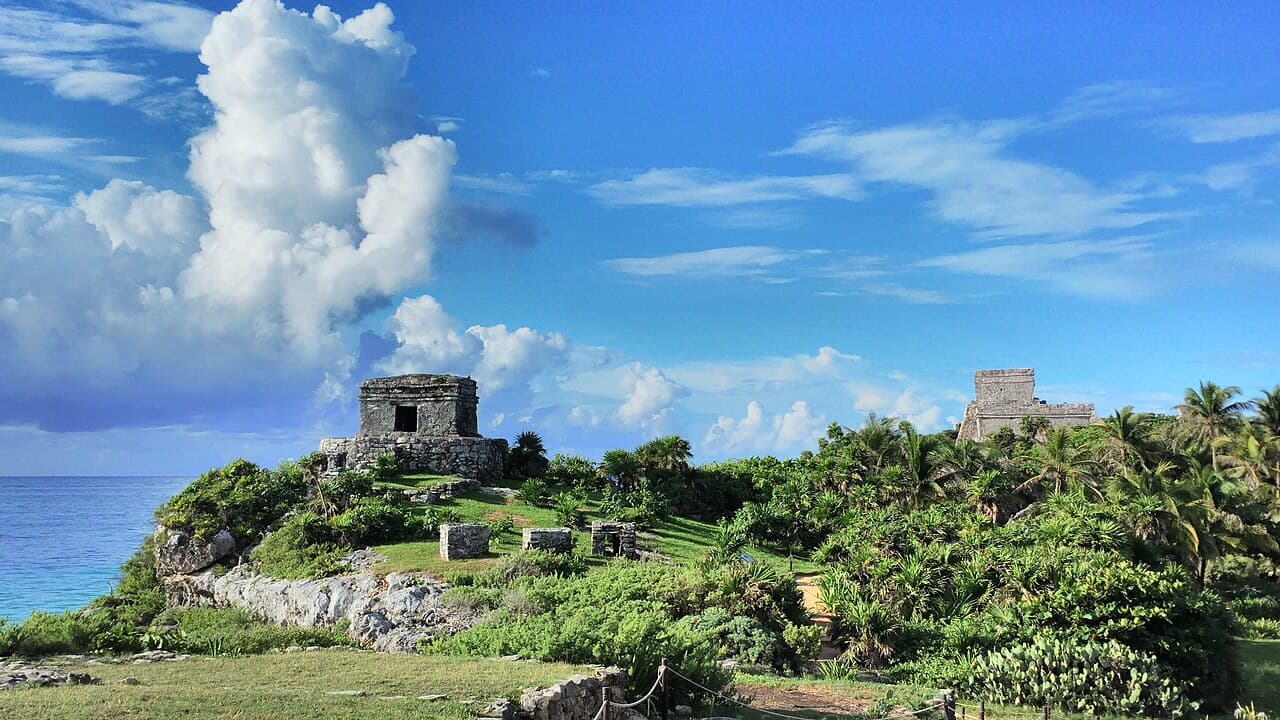
Tulum
Cliffside Mayan ruins above the Caribbean and the bohemian beach-road hotel zone. Day-trip viable but better as part of a multi-day Riviera Maya itinerary, with the cenote circuit on the Coba road.
Cancun
The regional gateway airport and the original Hotel Zone resort strip. Most Cozumel visitors fly in via CUN before transferring to the Cozumel ferry from Playa del Carmen.
Chichen Itza
One of the New Seven Wonders of the World — the El Castillo pyramid and the great Mayan ceremonial centre. Long day from Cozumel; better tackled with an overnight on the mainland.
Entry Requirements
Mexico has a very open tourist policy. Citizens of the US, Canada, UK, EU, Australia, Japan and most of the Western world enter without a visa for up to 180 days. Cozumel-bound visitors typically clear immigration at Cancun (CUN) or Cozumel (CZM) airport. The paper FMM tourist card was eliminated at most airports in 2022 — the entry stamp in your passport is the official record.
Entry Requirements by Nationality
| Nationality | Visa Required | Max Stay | Notes |
|---|---|---|---|
| US Citizens | Visa-free | 180 days | Visa-free with valid passport. Cruise-ship day visitors do not need a separate immigration check. |
| UK Citizens | Visa-free | 180 days | Visa-free post-Brexit, unchanged from pre-2020. Standard 180-day tourist allowance. |
| Canadian Citizens | Visa-free | 180 days | Visa-free with valid passport. Onward ticket may be requested. |
| EU Citizens | Visa-free | 180 days | All EU/Schengen states have visa-free access. |
| Australian Citizens | Visa-free | 180 days | Visa-free entry with a valid passport. |
| Chinese Citizens | Yes | 180 days | Visa required. Holders of valid US, UK, Canadian, EU or Japanese visas may enter visa-free for up to 180 days. |
Visa-Free Entry
Tips
- •Cruise-ship passengers do not require a separate visa or stamp — the cruise documentation handles immigration formalities
- •Independent fly-in visitors must clear immigration at CUN or CZM and receive an entry stamp; verify the stamped days before leaving the counter
- •Mexico no longer issues paper FMM cards at most airports — the passport stamp is the official record
- •Onward travel proof (return flight or onward ferry ticket) is occasionally requested at immigration
- •Travel insurance is strongly recommended during hurricane season — and divers should ensure their policy covers DAN-equivalent dive medical evacuation
- •Carry a passport photocopy for daily use; leave the original in your hotel safe
Shopping
San Miguel's waterfront shopping district caters heavily to the cruise crowd — silver, jewellery, watches, tequila and Cuban cigars are the main categories. Prices on the malecon are tourist-grade with significant haggling expected. For everyday goods at local prices, the streets one or two blocks inland from the seafront are far more honest.
Malecon Shopping Strip
tourist shopping districtThe waterfront blocks running north and south from the cruise terminal are wall-to-wall jewellery shops, silver counters and souvenir stores. Multiple branches of Diamonds International and Tanzanite International dominate. Haggling is expected.
Known for: Silver jewellery, fine watches, tanzanite and emeralds, Cuban cigars, tequila
Avenida Rafael Melgar
main avenueThe main coastal road through San Miguel — restaurants, dive shops, pharmacies and convenience stores. Useful for basics like sunscreen and snorkel gear at fixed prices. Several Mexican-chain pharmacies offer competitive medication prices.
Known for: Pharmacies, dive gear, beach apparel, restaurants
Punta Langosta Mall
mallTwo-story open-air mall directly opposite the cruise terminal. International chains, a Forever 21, restaurants and a cinema. Convenient for cruise passengers but with cruise-day price markups.
Known for: International brands, restaurants, cinema
Mercado Municipal
local marketThe local-resident market on Calle 1 Sur a few blocks inland from the cruise terminal. Fresh produce, household goods and a small food court serving cheap Mexican lunches. The most authentic shopping on the island.
Known for: Fresh produce, local groceries, comida corrida lunch counters
🎁 Unique Souvenirs to Look For
- •Silver jewellery from Taxco — verify the 925 stamp; haggling is expected and prices typically drop 30-50%
- •Vanilla extract from Veracruz — the natural product is far stronger than synthetic vanilla and packs flat for travel
- •Mexican tequila and mezcal — Cozumel's liquor stores have wide selection; verify NOM numbers for authenticity
- •Cuban cigars — sold in licensed humidors; verify authenticity with sealed boxes and proper labels
- •Coral-and-shell jewellery — note that buying actual coral is illegal under Mexican law; buy only synthetic or shell-only pieces
- •Local Cozumel honey — produced from native bees in the island's mangrove flowers; sold at Mercado Municipal
- •Embroidered Mayan textiles — better quality on the mainland but available at higher Cozumel prices
- •PADI dive certification cards as a souvenir — Cozumel is one of the cheapest places in the world to qualify as an Open Water diver (USD 350-450)
Language & Phrases
| English | Translation | Pronunciation |
|---|---|---|
| Hello / Good day | Hola / Buenos dias | OH-lah / BWEH-nos DEE-ahs |
| Thank you | Gracias | GRAH-see-ahs |
| Please | Por favor | por fah-VOR |
| Excuse me / Sorry | Disculpe / Perdon | dis-KOOL-peh / per-DOHN |
| How much is it? | Cuanto cuesta? | KWAN-toh KWES-tah |
| Where is the dive shop? | Donde esta la tienda de buceo? | DOHN-deh es-TAH lah TYEN-dah deh boo-SEH-oh |
| I need a taxi | Necesito un taxi | neh-seh-SEE-toh oon TAK-see |
| The bill, please | La cuenta, por favor | lah KWEN-tah por fah-VOR |
| Without ice, please | Sin hielo, por favor | seen YEH-loh por fah-VOR |
| I am a diver | Soy buzo | soy BOO-soh |
| Cheers | Salud | sah-LOOD |
| I do not understand | No entiendo | noh en-TYEN-doh |
Getting Around
The island has no public bus system. The standard transport options are taxis from a fixed-rate union, scooter or jeep rental for circling the perimeter road, and dive-shop boats for water access. San Miguel itself is small enough to cover entirely on foot. A rental car or scooter unlocks the east coast and Punta Sur, which are otherwise inaccessible on public transport.
Taxis (Sindicato)
MXN 80-300 (~$5-18) for most island tripsFixed-rate union taxis serve the island from designated stands. No meters. Rate cards are posted at the cruise terminal, ferry pier and most hotels. The standard taxi from San Miguel to Chankanaab is about MXN 150-200.
Best for: Quick transfers without renting a vehicle, late-night returns
Scooter / Moto Rental
MXN 400-600/day (~$23-35)Scooters available from multiple shops in San Miguel for around MXN 500/day. The most flexible way to reach the east coast and circle the island. Helmets included. License rarely checked in practice but recommended.
Best for: Solo or couple east-coast exploration, budget perimeter circuits
Jeep Rental
MXN 1,000-1,800/day (~$59-105)Open-top Jeep Wranglers are the standard tourist rental — sun, sea breeze and four-wheel drive for the unpaved sections of the perimeter road. Major brands and local operators around the cruise terminal. Insurance included is usually basic; supplemental cover advisable.
Best for: Group exploration of the island, beach gear transport
Passenger Ferry to Mainland
MXN 230-280 (~$13-16) one way; MXN 460-560 (~$27-33) round tripUltramar and Winjet share the cross-channel run to Playa del Carmen with departures roughly every 30 minutes from 6 am to 11 pm. The 35-minute crossing is air-conditioned with assigned seating. The Calica car ferry is a separate slower service for vehicles.
Best for: Day trips and overnight stays in Playa del Carmen, Tulum or beyond
On Foot in San Miguel
FreeSan Miguel's grid centre is walkable end to end in 20 minutes. The cruise terminal, ferry pier, malecon promenade, restaurants and the central plaza are all within a 1 km radius. Sidewalks are well maintained in the central blocks.
Best for: Restaurants, shopping and waterfront in San Miguel
Walkability
San Miguel itself is highly walkable — the central grid is small and flat with proper sidewalks. Anywhere outside San Miguel requires a vehicle. The perimeter road has no shoulder for safe walking and the distance from San Miguel to Punta Sur is 30 km. A scooter, jeep or organised tour is essential for any real island exploration.
If you like Cozumel, you'll love…
4 cities with a similar vibe, outside of the same country.
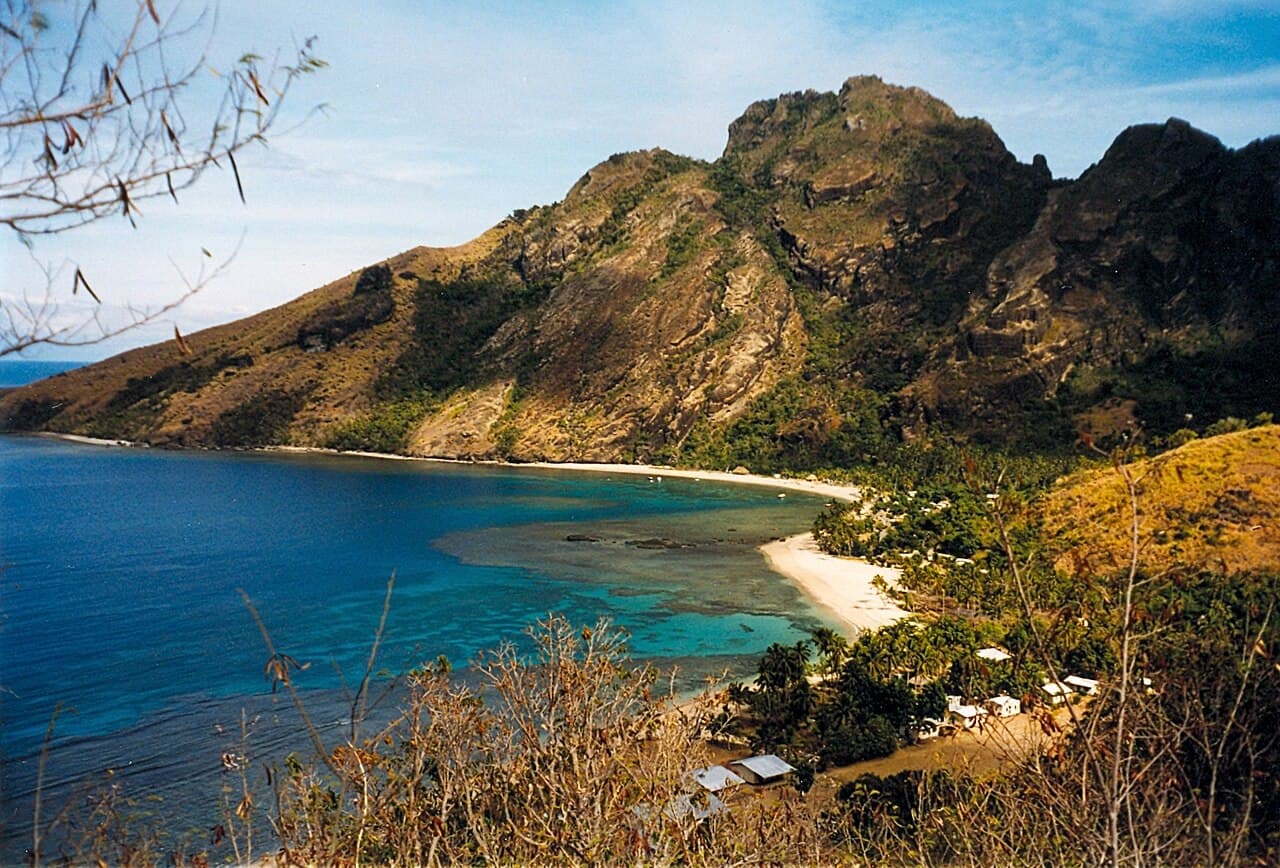
Fiji · OVR 68
jaw-dropping scenery · clean enough to relax

Argentina · OVR 73
jaw-dropping scenery · clean enough to relax

Spain · OVR 74
unforgettable natural beauty · generally safe

Zimbabwe · OVR 71
unforgettable natural beauty · reliable wifi, decent English