Kruger National Park vs Okavango Delta
Which destination is right for your next trip?
Last updated
Quick Verdict
Pick Kruger National Park for Sabi Sands leopard guarantees, tarmac self-drive routes, and Big Five at $200 a day. Pick Okavango Delta if mokoro canoe glides, walking safaris, and wild-dog densities justify $800 daily.
The real difference is price
These two play in different price tiers: Kruger National Park runs roughly 251% cheaper day to day ($185 vs $650 per day mid-range). Start with your budget — everything else on this page is secondary to that gap.
Can't pick? Visit both.
Build a trip that includes Kruger National Park and Okavango Delta, with complementary stops we'll suggest.
🏆 Kruger National Park wins 73 OVR vs 72 · attribute matchup 2–1
Keep exploring
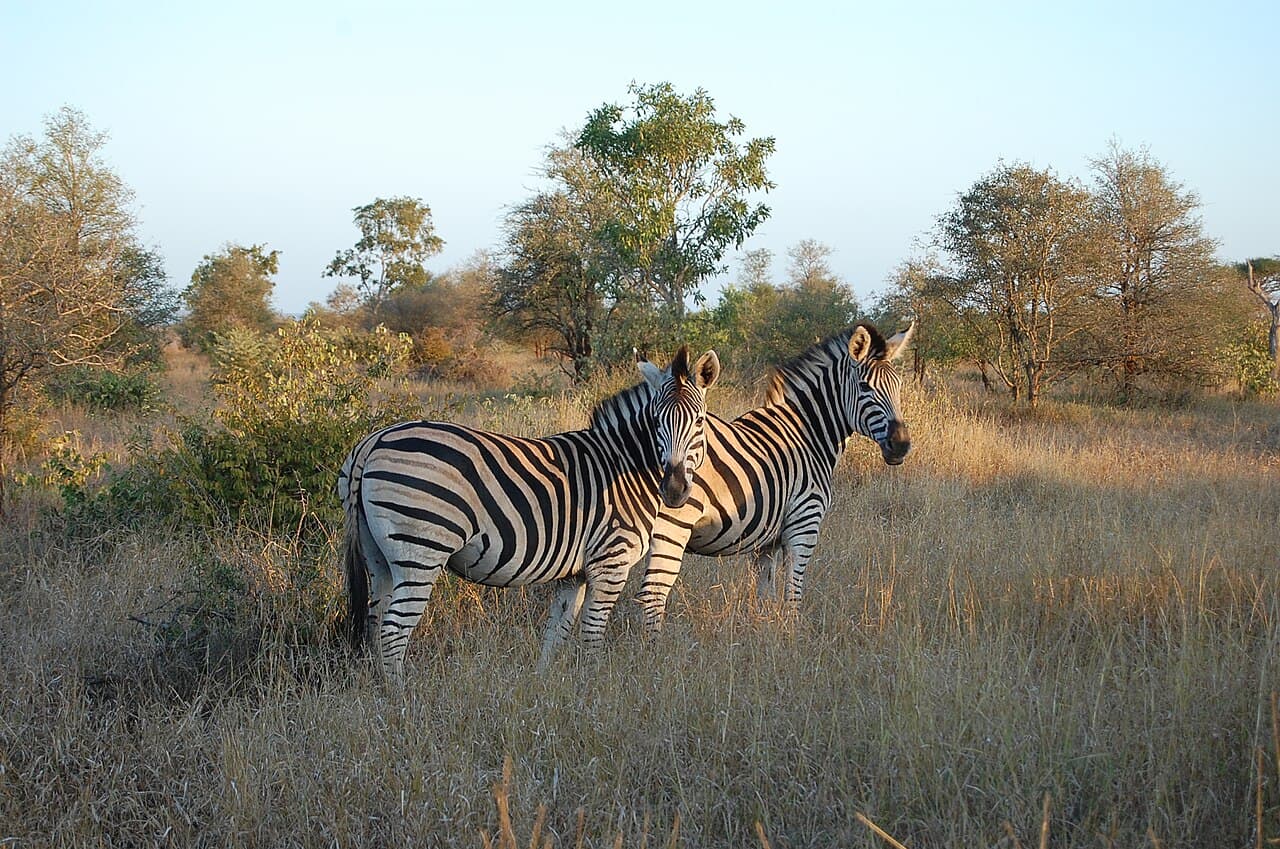
Kruger National Park
South Africa

Okavango Delta
Botswana
Kruger National Park
Okavango Delta
How do Kruger National Park and Okavango Delta compare?
This is the connoisseur safari decision — Kruger or Okavango — and it usually comes down to budget more than preference. Kruger is the accessible classic: tarmac roads through the public sections, sightings called over the radio between vehicles, and Sabi Sands private concessions delivering the leopard guarantee at premium rates. Okavango is the exclusive opposite — a 15,000 km² inland delta of papyrus channels and palm islands, where you glide past a hippo pod in a mokoro canoe poled by a Bayei guide, and elephants wade between camps at dusk against a sky pinker than seems plausible.
Mid-range budgets show the canyon between them: Kruger at about $200 a day versus Okavango at $800, with the Delta's all-inclusive fly-in camps (Mombo, Vumbura, Duba Plains) regularly clearing US$1,500 per person per night. What you get for the Okavango premium is exclusivity — no day-tripper traffic, walking safaris, mokoro outings, and African wild dogs in densities you cannot match in Kruger. Both deliver the Big Five with strong odds, but Kruger sees three vehicles at one sighting where Okavango sees only yours.
Logistics: Joburg to Maun (MUB) is a 2-hour 30-minute direct flight on SA Airlink for around US$400, then a light aircraft into your delta camp included in the lodge package. Pair with Kruger via a Joburg connection — most travelers do a 4-night Kruger-then-3-night Okavango sequence to escalate from accessible to exceptional. June through August is peak — paradoxically the dry season in Botswana when Angolan floodwaters arrive and game concentrates. Pro tip: the Delta is sold by the bed-night with strict shoulder-season pricing — booking May or November can shave 30%. Pick Kruger for accessible Big Five at a fair price; pick Okavango for the most intimate, water-based safari experience in Africa.
💰 Budget
🛡️ Safety
Kruger National Park
Kruger National Park itself is very safe when you follow the rules. The main risks are wildlife encounters (never leave your vehicle except at designated spots) and malaria. Outside the park, exercise normal South African safety precautions, especially around Johannesburg.
Okavango Delta
Botswana is one of Africa's most politically stable and low-crime countries, consistently ranking among the safest on the continent for travellers. The Okavango Delta itself is a wilderness reserve with essentially zero crime — the risks here are ecological. Hippos, elephants, lions, crocodiles, buffalo, and malaria are the things to respect. Fly-in camps have excellent medical evacuation protocols; self-drivers through Moremi must be completely self-sufficient.
🌤️ Weather
Kruger National Park
Kruger has a subtropical climate with hot, wet summers (October-March) and mild, dry winters (April-September). The dry winter season is generally considered best for game viewing as animals concentrate around water sources and vegetation is sparse, making them easier to spot.
Okavango Delta
The Okavango's weather is paradoxical: the delta is driest on land when the floodwaters are highest. Angolan summer rains (January–March) take months to travel down the Okavango River, arriving in Botswana between May and August — the southern African dry winter. This means water levels peak while local rainfall is near zero. The classic safari season of May–October is both the driest and the flood-richest time to visit.
🚇 Getting Around
Kruger National Park
Kruger is one of the world's great self-drive safari destinations. The park has an extensive network of tar and gravel roads. Most visitors either self-drive or book guided game drives through SANParks or private lodges. There is no public transport within the park.
Walkability: Within rest camps, you can walk freely between accommodation, shops, restaurants, and facilities. Outside the fenced camps, you must stay in your vehicle unless at a designated picnic spot, bird hide, or on an organized walking safari.
Okavango Delta
Within the delta, there are effectively no roads — transport is by light aircraft between lodge airstrips, motorboat or mokoro along the channels, and 4x4 game-drive vehicles on the game paths of each concession. All camp-to-camp transfers are by Cessna 206 or Caravan bush planes operated by Mack Air, Moremi Air, or Wilderness Air. Self-drivers can access Moremi and Khwai by 4x4 only; the deep delta is not accessible by road.
Walkability: The delta is not walkable — settled areas are only the lodge footprint and the village perimeter of Maun. Bush walks within private concessions must be accompanied by an armed, licensed guide. Public self-guided walking is prohibited in all game reserves including Moremi. Within lodges and camps, short walks between tents are normal; camp staff may escort guests after dark.
📅 Best Time to Visit
Kruger National Park
May–Sep
Peak travel window
Okavango Delta
May–Oct
Peak travel window
The Verdict
Choose Kruger National Park if...
you want South Africa's flagship Big 5 park — lions, elephants, leopards, rhinos, buffalo across 2 million hectares — self-drive or luxury-lodge private-concession
Choose Okavango Delta if...
you want the world's largest inland delta — mokoro canoe safaris, Big 5 + wild dogs, and luxury fly-in camps in UNESCO wilderness
Kruger National Park
Okavango Delta
Frequently asked
Is Kruger National Park or Okavango Delta cheaper?
Kruger National Park is cheaper on average. A mid-range day in Kruger National Park costs about $185 vs $650 in Okavango Delta, so Kruger National Park saves you roughly $465 per day compared to Okavango Delta.
Is Kruger National Park or Okavango Delta safer?
Okavango Delta scores higher on our safety index (80/100 vs 70/100). Botswana is one of Africa's most politically stable and low-crime countries, consistently ranking among the safest on the continent for travellers.
Which has better weather, Kruger National Park or Okavango Delta?
Okavango Delta has the more temperate climate year-round. The Okavango's weather is paradoxical: the delta is driest on land when the floodwaters are highest. Angolan summer rains (January–March) take months to travel down the Okavango River, arriving in Botswana between May and August — the southern African dry winter. This means water levels peak while local rainfall is near zero. The classic safari season of May–October is both the driest and the flood-richest time to visit.
When is the best time to visit Kruger National Park vs Okavango Delta?
Kruger National Park peaks in May–Sep. Okavango Delta peaks in May–Oct. Both peak in May–Sep, so a single trip pairs them naturally.
How long is the flight from Kruger National Park to Okavango Delta?
Roughly 1h 48m on a direct flight (about 1,036 km / 643 mi). One-way fares typically run $120-350 depending on season and how far in advance you book.
How do daily costs in Kruger National Park and Okavango Delta compare?
In Kruger National Park: budget ~$50-90/day, mid-range ~$120-250/day, luxury ~$500-2,000+/day. In Okavango Delta: budget ~$150-300/day, mid-range ~$400-900/day, luxury ~$1,500-3,500+/day.
You might also compare
Kruger National ParkvsOkavango Delta
Try another