
Asia
Japan
An archipelago nation blending ancient traditions with cutting-edge technology.
Japan at a glance
JPY
Japanese
$120–$320
Jan–Aug, Oct–Dec
27° / 4°C
93/100
Visa-free entry for 🇺🇸 US, 🇬🇧 UK, 🇪🇺 EU passport holders. Always confirm requirements with the embassy before booking.
Destinations in Japan
13 guides available

Tokyo
Japan
Tokyo is a city of striking contrasts where ultramodern skyscrapers stand alongside ancient temples. The world's largest metropolitan area pulses with energy across its distinct neighborhoods — from the neon-lit streets of Shinjuku and Shibuya to the serene gardens of the Imperial Palace. Expect world-class food at every price point, efficient transit that runs like clockwork, and a culture that seamlessly weaves tradition into daily life.
Kyoto
Japan
Kyoto is Japan's cultural heart — over 2,000 temples and shrines, traditional geisha districts, bamboo groves, and some of the country's finest cuisine. The former imperial capital for over a thousand years, it's where Japanese tradition lives and breathes. Every season brings a different kind of beauty.

Osaka
Japan
Osaka is Japan's kitchen — a city that lives to eat. Dotonbori's neon-lit food street, takoyaki (octopus balls) stalls, and the finest street food culture in Japan define this boisterous, working-class city. The Osakans are famously friendly and funny, the castle is impressive, and Universal Studios Japan is a massive draw for families.

Hiroshima
Japan
A city of resilience and peace. The Peace Memorial and Museum are profound, while nearby Miyajima Island's floating torii gate is iconic. Famous for okonomiyaki and oysters.

Nara
Japan
Japan's first permanent capital, where friendly deer roam freely among UNESCO temples. Todai-ji houses the world's largest bronze Buddha. A perfect day trip from Osaka or Kyoto.

Nikko
Japan
Mountain shrine town 140km north of Tokyo where Tokugawa Ieyasu — the shogun who unified Japan in 1603 — is enshrined at the gold-and-vermilion Toshogu mausoleum. The UNESCO-listed shrine complex sits in a cedar forest at 600m elevation, with cooler air than Tokyo year-round. Beyond the shrines, the Iroha-zaka switchback road climbs to Lake Chuzenji and the 97-meter Kegon Falls — Japan's most celebrated autumn-foliage drive. Stay overnight in town or in the nearby hot-spring hamlet of Yumoto for the deeper Okunikko experience.

Hakone
Japan
Mount Fuji's onsen escape — a mountain hot-spring resort 90km southwest of Tokyo inside Fuji-Hakone-Izu National Park. The iconic shot is Lake Ashi's pirate-ship cruise framed by Hakone Shrine's red torii in the water with Fuji behind on a clear day. Owakudani's volcanic valley sells black eggs cured in sulfur springs. The Hakone Open-Air Museum mixes Picasso with mountain views, and traditional ryokans deliver the kaiseki + onsen night. Hakone Free Pass covers the Tozan switchback train, ropeway, cable car, and ship loop.
Okinawa
Japan
Japan's subtropical island chain has a culture distinctly its own — the Ryukyu Kingdom (1429–1879) left Shuri Castle, a UNESCO World Heritage Site rebuilt after its 2019 fire, and a cuisine defined by champuru stir-fry, awamori liquor, and the "Okinawa diet" that helped create one of the world's highest concentrations of centenarians. The Kerama Islands 30 minutes by ferry have water clarity among the finest in Asia. The US military controls 30% of the main island's land area — a geopolitical reality woven into daily life.

Kanazawa
Japan
Japan's best-kept secret — the only major Japanese city never bombed in World War II, meaning 99% of pre-war Edo-period architecture survives. Kenroku-en is one of Japan's Three Great Gardens; the Higashi Chaya geisha district, unchanged since 1820, is the finest preserved teahouse quarter outside Kyoto. The Maeda clan ruled for 300 years and spent lavishly on arts — Kanazawa has more registered National Treasures per capita than any Japanese city outside Kyoto and Nara.
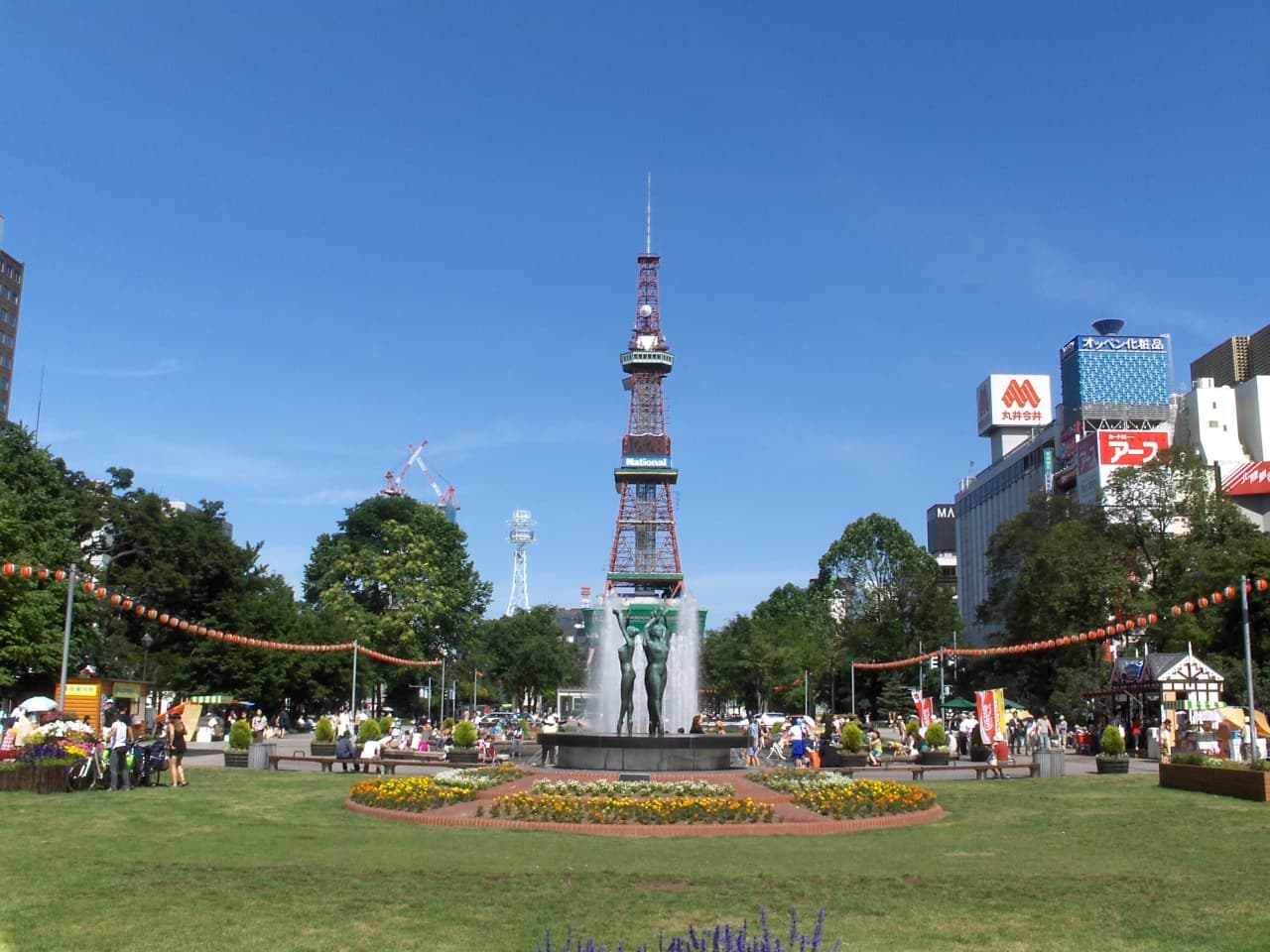
Sapporo
Japan
The capital of Hokkaido and Japan’s 5th-largest city — a 1.97-million-person grid laid out in 1869 with Boston-influenced street planning during Japan’s rapid Hokkaido colonisation, now the gateway to the country’s northernmost main island. Sapporo invented miso ramen (1955) and soup curry (1971); the Snow Festival every February draws 2+ million people to see 200+ massive snow and ice sculptures up to 15 m tall; Niseko’s premier-tier powder skiing is 90 minutes west; Susukino is Japan’s third-largest nightlife district after Tokyo’s Kabukicho and Osaka’s Dotonbori. Add the original Sapporo Beer Garden’s Genghis Khan jingisukan barbecue, the morning sushi at Nijo Market (Hokkaido seafood at half the Tokyo price), and Mount Moiwa’s sunset — one of Japan’s "Three Greatest Night Views".

Naoshima
Japan
A 14 sq km island in the Seto Inland Sea reborn as one of the world's most ambitious open-air contemporary art experiments. The Benesse Art Site has wrapped the south end in Tadao Ando concrete; Yayoi Kusama's polka-dot Yellow Pumpkin sits on a private pier; the Chichu Art Museum is sunk into a hillside to hold three Monet Water Lilies, a James Turrell skyspace, and a Walter De Maria room. The Honmura village houses are themselves the artworks. Reach by ferry from Uno Port, an hour from Okayama on the mainland.

Kamakura
Japan
An hour south of Tokyo on the JR Yokosuka Line, Kamakura was Japan's de facto capital from 1185 to 1333 — the seat of the country's first samurai government. The Great Buddha at Kotokuin (a 13.4 m bronze cast in 1252, now sitting open-air after the temple hall was washed away) is the icon. Tsurugaoka Hachimangu Shrine anchors the town's main approach; Hasedera adds an 11-headed Kannon and a hydrangea garden. Yuigahama beach gives Tokyoites a summer surfing weekend, and Komachi-dori is the snack street running back toward Kamakura Station.

Niseko
Japan
Hokkaido's premier ski region, two hours by road from Sapporo's New Chitose airport. Four interconnected resorts — Grand Hirafu, Hanazono, Niseko Village, Annupuri — share a single all-mountain pass on the slopes of Mount Niseko Annupuri, with the conical Mount Yotei staring across the valley like a small Mount Fuji. The 15+ metres of dry, light powder per season is the most reliable in the world, which is why an Australian and Singaporean expat scene has set up a year-round base. December through March is ski; July and August add hiking, rafting, and onsen-and-green-season pricing.