
Seoul
THE QUICK VERDICT
By Anthony · Updated August 2026
Choose Seoul if you want K-pop culture, incredible Korean BBQ, hyper-modern infrastructure, and ancient palaces in a dynamic megacity.
- Best for
- late-night Hongdae street food, Gyeongbokgung hanbok strolls, world's best subway, K-beauty hauls
- Two seasons
- Apr–May and Sep–Oct
- Budget anchor
- $135/day mid-range
- Extreme range
- 31°C between summer and winter — pack for the month, not the country
- Worth a look
- Bukhansan trails 30 minutes from downtown give a real mountain hike between palace days
Seoul is a high-octane blend of ancient palaces and K-pop culture, street food alleys and neon-lit shopping districts. The city moves fast — cutting-edge technology, 24-hour everything, and one of the world's best subway systems. Yet ancient hanok villages and serene temples exist just minutes from the buzz.
I've been here
Read my postcard from Seoul — a first-hand trip report →
The two links below are affiliate links — MapSorted earns a small commission if you book through them, at no extra cost to you. How this works.
Tours & Experiences
Bookable tours, activities, and day trips in Seoul
Where to Stay
Compare hotels and rentals in Seoul
📍 Points of Interest
Gyeongbokgung Palace
Grand Joseon-dynasty palace with Royal Guard ceremony
Myeongdong
Premier shopping district for K-beauty and street food
Hongdae
Creative hub with indie music, street art, and nightlife
Bukchon Hanok Village
Traditional Korean house village between two palaces
N Seoul Tower
Iconic observation tower atop Namsan Mountain
Changdeokgung Palace
UNESCO palace with the famous Secret Garden
Dongdaemun Design Plaza
Zaha Hadid-designed futuristic cultural hub
★ Local Picks
Gwangjang Market
Seoul's oldest market with legendary street food stalls
Ikseon-dong Hanok Alley
Trendy cafes and boutiques in Seoul's oldest hanok neighborhood
Yeouido Han River Park
Waterfront park for fried chicken picnics and cherry blossoms
At a Glance
- Pop.
- 9.7M (city), 25M (metro)
- Timezone
- Seoul
- Dial
- +82
- Emergency
- 112 (police) / 119 (fire)
Seoul's metropolitan area is home to nearly 26 million people — roughly half of South Korea's entire population
South Korea has the fastest average internet speed in the world, and free Wi-Fi is available almost everywhere in Seoul including the metro
The Seoul Metro system carries over 7 million riders daily and is one of the most extensive in the world with 23 lines
Gyeongbokgung Palace was first built in 1395 and has been destroyed and rebuilt multiple times, most recently after Japanese occupation
K-pop and Korean culture (hallyu) generate over $12 billion in annual exports, making Seoul the epicenter of a global cultural wave
Seoul has more Michelin-starred restaurants than any other city in Asia outside of Tokyo and Kyoto
Top Sights
Gyeongbokgung Palace
🏰The largest and most iconic of Seoul's five grand Joseon-dynasty palaces, dating to 1395. Watch the Royal Guard Changing Ceremony at 10 AM and 2 PM. Free entry if wearing hanbok (traditional dress).
Myeongdong
🏘️Seoul's premier shopping district packed with Korean beauty and skincare shops, street food vendors, and department stores. The street food alley is legendary — try hotteok (sweet pancakes) and tornado potatoes.
Hongdae (Hongik University Area)
🏘️Seoul's creative and nightlife hub with indie music venues, street performances, quirky cafes, vintage shops, and clubs. The energy peaks on weekend nights with buskers in the Free Market area.
Bukchon Hanok Village
🏘️A neighborhood of 600-year-old traditional Korean houses (hanok) on the hillside between Gyeongbokgung and Changdeokgung palaces. The narrow alleys offer Instagram-worthy views of traditional rooftops against the modern skyline.
N Seoul Tower (Namsan Tower)
🗼An iconic communication and observation tower atop Namsan Mountain with 360-degree views of the city. Famous for its "love locks" fence. Reach it by cable car, bus, or a scenic hike through Namsan Park.
Gangnam District
🏘️The upscale southern district made globally famous by PSY's song. Beyond the pop culture hype, it offers COEX Mall (one of Asia's largest underground malls), Bongeunsa Temple, trendy cafes, and K-pop entertainment headquarters.
Changdeokgung Palace & Secret Garden
🏰A UNESCO World Heritage palace with the most beautiful palace garden in Korea — the Huwon (Secret Garden) is a meticulously designed royal retreat with 300-year-old trees, ponds, and pavilions. Reserve Secret Garden tours in advance.
Dongdaemun Design Plaza (DDP)
📌A futuristic neo-futurist landmark designed by Zaha Hadid. Houses exhibitions, fashion markets, design shops, and a 24-hour culture park. The LED Rose Garden installation at night is stunning.
Climate & Best Time to Go
Seoul has a humid continental climate with four very distinct seasons. Summers are hot and humid with a monsoon season (jangma) in July. Winters are cold and dry with Siberian air masses. Spring and autumn are short but spectacular.
Spring
March - May39-73°F
4-23°C
Cherry blossoms bloom in early-to-mid April, turning the city pink for about two weeks. Yellow dust (hwangsa) from Chinese deserts can reduce air quality in March-April. May is warm and pleasant.
Summer
June - August72-91°F
22-33°C
Hot and very humid. The monsoon season (jangma) typically hits in late June through mid-July with heavy rain. August is the hottest month. Air conditioning is everywhere.
Autumn
September - November37-77°F
3-25°C
The most beautiful season. Crisp, clear days with vivid fall foliage peaking in late October to early November. The mountains around Seoul turn brilliant red and gold.
Winter
December - February19-39°F
-7-4°C
Cold and dry with temperatures regularly below freezing. Snowfall is light but cold winds from Siberia make it feel bitter. Ondol (floor heating) keeps interiors toasty. Great season for hot stews and jjimjilbangs.
Best Time to Visit
Late September through November (autumn) is widely considered the best time, with crisp weather and spectacular foliage. Spring (April-May) is also excellent for cherry blossoms. Avoid the hot, humid monsoon season in July.
Spring (March - May)
Crowds: High during cherry blossom season (early-mid April)Cherry blossoms peak in early-to-mid April, turning Yeouido and Namsan pink. May is warm and pleasant. March can still be cold with occasional yellow dust affecting air quality.
Pros
- + Cherry blossom season is magical
- + Pleasant May temperatures
- + Outdoor festivals begin
- + Palace gardens at their most beautiful
Cons
- − Yellow dust (hwangsa) can degrade air quality in March-April
- − Cherry blossom timing is unpredictable
- − March is still cold
- − Spring is short
Summer (June - August)
Crowds: High (domestic vacation season)Hot, humid, and rainy. The monsoon (jangma) typically hits late June through mid-July with torrential rain. August is the hottest month. Indoor attractions, shopping, and jjimjilbangs are popular escapes.
Pros
- + Lush green parks
- + Han River outdoor activities
- + Summer night markets and festivals
- + Peak season for patbingsu (shaved ice desserts)
Cons
- − Oppressive heat and humidity
- − Monsoon rain in July
- − Muggy August days above 33°C
- − Air quality can suffer from humidity and haze
Autumn (September - November)
Crowds: Moderate to high — Korea's best travel seasonThe best season. Crisp clear air, vivid fall foliage peaking in late October, and comfortable temperatures. The mountains surrounding Seoul turn brilliant shades of red, orange, and gold.
Pros
- + Stunning fall foliage
- + Perfect temperatures for walking and hiking
- + Clear skies and excellent air quality
- + Festival season (lantern festival, kimchi festivals)
Cons
- − Peak foliage weekends are very crowded at popular spots
- − Temperature drops quickly in November
- − Shorter days
- − Hotels book up during foliage peak
Winter (December - February)
Crowds: Low — except around Christmas and Lunar New YearCold and dry with temperatures regularly below freezing. Light snowfall creates beautiful scenes at palaces and temples. Perfect season for hot Korean stews, jjimjilbangs, and indoor shopping.
Pros
- + Lowest accommodation prices
- + Snow-covered palaces are stunning
- + Hot food culture at its best (budae jjigae, gamjatang)
- + Ski resorts accessible by KTX
Cons
- − Bitter cold with wind chill below -10°C
- − Short days (sunset before 5:30 PM)
- − Some outdoor attractions less enjoyable
- − Lunar New Year (Seollal) closures — many restaurants and shops close for 3 days
🎉 Festivals & Events
Jinhae Cherry Blossom Festival
Late March - Early AprilWhile technically near Busan, this is Korea's largest cherry blossom festival with 350,000 trees in bloom. Many Seoul visitors make the 3-hour KTX trip.
Seoul Lantern Festival
NovemberThousands of illuminated lanterns float on Cheonggyecheon Stream in central Seoul for two weeks, depicting Korean cultural scenes and modern themes.
Chuseok (Korean Thanksgiving)
September/October (lunar calendar)Korea's major harvest holiday. Seoul empties as people visit hometowns, but palaces open for free and traditional performances are held across the city.
MAMA Awards
November/DecemberThe Mnet Asian Music Awards — one of Asia's biggest K-pop award shows, drawing fans and performers from across the globe to Seoul.
Off the Beaten Path
Ikseon-dong Hanok Alley
A tiny grid of narrow alleys in the oldest hanok neighborhood in Seoul, now filled with trendy cafes, boutiques, and restaurants hidden inside renovated traditional houses.
While Bukchon gets all the tourist traffic, Ikseon-dong is where young Seoulites actually hang out. The contrast of 100-year-old houses with modern cafe interiors is uniquely Seoul.
Gwangjang Market
Seoul's oldest traditional market (since 1905) with rows of food stalls serving bindaetteok (mung bean pancakes), mayak gimbap (addictive mini rice rolls), and raw beef yukhoe.
This is not a tourist market — it's where Seoulites have eaten for generations. Sit on a stool at a pojangmacha (street stall) and eat alongside grandmothers and office workers.
Han River Picnic (Chimaek)
Locals order fried chicken and beer (chimaek = chicken + maekju) for delivery to the Han River parks. Grab a spot at Yeouido Hangang Park or Banpo and join Seoul's favorite summer ritual.
Ordering fried chicken via app and having it delivered to your picnic blanket on the riverbank is the most authentically Seoul experience imaginable. The Banpo Bridge Rainbow Fountain show runs at sunset.
Yeonnam-dong
A residential neighborhood next to Hongdae with indie cafes, small galleries, brunch spots, and the Gyeongui Line Forest Park — a converted railway line turned urban green walkway.
Yeonnam-dong has the creative energy of Hongdae without the weekend chaos. The Gyeongui Line Forest Park is a peaceful walk lined with unique small businesses.
Jjimjilbang (Korean Spa)
A 24-hour Korean bathhouse and sauna complex. Dragon Hill Spa in Yongsan or Siloam Sauna near Seoul Station are popular. Includes hot pools, cold plunges, saunas, sleeping rooms, and snack bars.
Jjimjilbangs are where Koreans socialize, relax, and even sleep overnight. Wearing the matching pajama sets while eating baked eggs in a heated room is a quintessential Korean experience.
Safety Breakdown
Very Safe
out of 100
Seoul is one of the safest major cities in the world. Violent crime against tourists is extremely rare. You can walk through most neighborhoods at any hour with minimal concern. Petty theft is uncommon compared to European cities. The main "risks" are taxi overcharging and the occasional bar scam in Itaewon.
Things to Know
- •Seoul is remarkably safe at night — women frequently walk alone in most neighborhoods without issue
- •Be cautious of bar touts in Itaewon who invite you to "their friend's bar" — these can result in inflated bills
- •Taxi drivers may try to charge flat rates to foreigners instead of using the meter — always insist on the meter or use Kakao T app
- •Air quality can be poor in spring due to yellow dust (hwangsa) — check the AirKorea app and wear a mask on bad days
- •Protest rallies happen regularly in Gwanghwamun Square and City Hall area — they are generally peaceful but can cause road closures
Natural Hazards
Emergency Numbers
Police
112
Fire / Ambulance
119
Tourist Helpline (multilingual, 24h)
1330
Medical Emergency Info
1339
Costs & Currency
Where the money goes
USD per dayBackpacker = hostel dorm + street food + public transit. Mid-range = 3-star hotel + neighbourhood restaurants + transit cards. Luxury = 4/5-star + fine dining + taxis. How we calibrate these numbers →
Quick cost estimate
Customize per category →Estimates based on regional averages. Flight prices vary by season and airline.
budget
$40-65
Guesthouse or hostel, T-money for transit, convenience store meals and street food, free palace visits and hiking
mid-range
$100-170
Mid-range hotel, mix of Korean BBQ and casual restaurants, paid attractions, occasional Kakao T taxi
luxury
$300+
Luxury hotel in Gangnam or Jongno, fine dining, private tours, K-pop experiences, premium shopping
Typical Costs
| Item | Local | USD |
|---|---|---|
| AccommodationHostel/guesthouse dorm bed | 20,000-35,000 KRW | $15-26 |
| AccommodationMid-range hotel (double) | 80,000-150,000 KRW | $59-111 |
| AccommodationLuxury hotel | 250,000-500,000 KRW | $185-370 |
| FoodKimbap roll | 3,500-5,000 KRW | $2.60-3.70 |
| FoodBibimbap at a casual restaurant | 9,000-12,000 KRW | $6.70-8.90 |
| FoodKorean BBQ (per person) | 15,000-25,000 KRW | $11-18.50 |
| FoodCoffee (Americano) | 4,500-6,000 KRW | $3.30-4.45 |
| FoodConvenience store meal (dosirak) | 3,500-5,500 KRW | $2.60-4.10 |
| TransportSubway ride (typical) | 1,400-1,650 KRW | $1.05-1.20 |
| TransportAREX Express to Incheon Airport | 11,000 KRW | $8.15 |
| TransportKakao T taxi across town | 8,000-18,000 KRW | $5.90-13.30 |
| AttractionsGyeongbokgung Palace | 3,000 KRW (free in hanbok) | $2.20 |
| AttractionsN Seoul Tower observation deck | 16,000 KRW | $11.85 |
| AttractionsJjimjilbang (Korean spa, entry) | 12,000-20,000 KRW | $8.90-14.80 |
💡 Money-Saving Tips
- •Get a T-money card at any convenience store (2,500 KRW) — it saves money on every subway and bus ride and offers free transfers
- •Eat at kimbap cheonguk (kimbap heaven) chain restaurants for full meals under 6,000 KRW
- •Convenience stores (CU, GS25, 7-Eleven) sell high-quality ready meals (dosirak) for 3,500-5,500 KRW
- •Most palaces are free if you rent and wear a hanbok (traditional dress) — rentals near Gyeongbokgung start at 15,000 KRW per hour
- •Seoul has dozens of free hiking trails accessible by subway — Bukhansan and Inwangsan offer stunning city views
- •Take the AREX All-Stop train to/from Incheon Airport for 4,750 KRW instead of the Express at 11,000 KRW — only 15 minutes longer
- •Use the Kakao Map app for real-time transit routing — it is far more accurate than Google Maps in Korea
- •Free walking tours are offered daily by Seoul City and volunteer organizations in multiple languages
South Korean Won
Code: KRW
1 USD is approximately 1,350 KRW (as of early 2026). Exchange at banks or licensed money changers in Myeongdong or Hongdae for the best rates. ATMs in convenience stores (CU, GS25, 7-Eleven) accept international cards. Avoid airport exchange counters.
Payment Methods
South Korea is nearly cashless. Credit and debit cards are accepted virtually everywhere — even street food vendors and tiny shops. Samsung Pay and Kakao Pay are ubiquitous. T-money cards work for transit, convenience stores, and vending machines. Cash is rarely needed but keep some small bills for traditional markets.
Tipping Guide
Tipping is NOT expected and can even cause confusion. Service is included in the price. Do not leave money on the table.
No tipping expected. Some modern cocktail bars in Itaewon/Gangnam have tip jars but use is optional.
No tipping. Simply pay the metered fare. Drivers do not expect or solicit tips.
Not expected at most hotels. At luxury international hotels, 1,000-2,000 KRW per bag for bellhops is appreciated but not required.
For free walking tours, 10,000-20,000 KRW per person is appropriate. For private tours, a small cash gift in an envelope is appreciated.
How to Get There
✈️ Airports
Incheon International Airport(ICN)
52 km west of SeoulAREX Express train to Seoul Station (43 min, 11,000 KRW / ~$8.15). AREX All-Stop to Hongdae (58 min, 4,750 KRW / ~$3.50). Airport limousine buses to major areas (60-90 min, 15,000-18,000 KRW / ~$11-13). Taxi 65,000-85,000 KRW (~$48-63).
✈️ Search flights to ICNGimpo International Airport(GMP)
18 km west of SeoulSubway Line 5, 9, or AREX to city center (25-40 min, 1,350-1,650 KRW / ~$1-1.20). Primarily serves domestic flights, plus flights to Tokyo Haneda, Shanghai, Beijing, and Taipei.
✈️ Search flights to GMP🚆 Rail Stations
Seoul Station
Central (Jung-gu)The main KTX hub with high-speed trains to Busan (2.5h, 59,800 KRW / ~$44), Daejeon (1h, 23,700 KRW / ~$18), and other cities. Also serves AREX airport trains. Modern terminal with shops and a food court.
Yongsan Station
Central (Yongsan-gu)Secondary KTX station serving lines to Mokpo, Gwangju, and Jeonju. Currently undergoing major redevelopment. Connected to the Yongsan Electronics Market district.
🚌 Bus Terminals
Seoul Express Bus Terminal (Gangnam)
The largest intercity bus terminal with express services across Korea. Buses to Busan (4.5h, ~30,000 KRW / $22), Gyeongju (3.5h, ~25,000 KRW / $18.50), Sokcho (2.5h, ~19,000 KRW / $14). Connected to subway Lines 3, 7, 9.
Dong Seoul Bus Terminal
Eastern terminal (Gangbyeon station, Line 2) with services to eastern Korea — Gangneung, Sokcho, Pyeongchang, and Andong.
Getting Around
Seoul has one of the world's best public transit systems. The subway is clean, punctual, and covers virtually everywhere you need to go. Get a T-money card (reloadable transit card) at any convenience store for 2,500 KRW and load it up. It works on subways, buses, and even taxis and convenience stores.
Seoul Metro / Subway
1,400-2,500 KRW (~$1.05-1.85) depending on distance with T-moneyAn extensive network of 23 lines covering the metropolitan area. Trains run from about 5:30 AM to midnight. Free Wi-Fi on all trains. All stations have signs and announcements in Korean, English, Chinese, and Japanese.
Best for: Getting anywhere in the city quickly and cheaply — the backbone of Seoul transportation
Seoul City Buses
1,200-2,500 KRW (~$0.90-1.85) with T-money; free transfers within 30 minColor-coded by route type: blue (trunk), green (branch), red (express/suburban), yellow (circular). All accept T-money. Real-time arrival info at every stop and via the Kakao Map app.
Best for: Reaching neighborhoods between subway stations, scenic routes through hilly areas like Bukchon
Kakao T (Taxi)
4,800 KRW base fare + 100 KRW per 131m; typical ride 7,000-15,000 KRW (~$5.20-11)The dominant ride-hailing app in Korea. Regular taxis are affordable. Deluxe (mobeom) taxis are black with gold trim and cost ~20% more but offer guaranteed quality. Grab a regular or deluxe via the app.
Best for: Late-night travel after the subway closes, trips to areas with poor transit access, or when carrying luggage
KTX (High-Speed Rail)
30,000-60,000 KRW (~$22-44) for most routesSouth Korea's bullet train connecting Seoul to Busan (2.5h), Gwangju (1.5h), Jeonju (1.5h), and other cities at speeds up to 305 km/h. Departs from Seoul Station or Yongsan Station.
Best for: Day trips and weekend escapes to other Korean cities — faster than flying when you factor in airport time
Seoul Bike (Ttareungyi)
1,000 KRW (~$0.75) per hour; 5,000 KRW per dayThe city's bike-sharing system with stations across Seoul. Rent via the Seoul Bike app. 1-hour pass costs 1,000 KRW. The Han River cycling paths are flat and excellent.
Best for: Riding along the Han River parks, exploring flat neighborhoods like Yeouido and Banpo
Walkability
Seoul is moderately walkable but spread out. The historic core (Jongno, Insadong, Bukchon) is compact and pleasant on foot. Hilly terrain in some neighborhoods (Bukchon, Itaewon) can be tiring. Use the subway to cover distances between districts and walk within them.
Travel Connections

DMZ (Demilitarized Zone)
The heavily fortified border between North and South Korea. Tours visit the Joint Security Area (JSA) at Panmunjom, the 3rd Infiltration Tunnel, and Dora Observatory overlooking North Korea.

Suwon (Hwaseong Fortress)
A UNESCO-listed 18th-century fortress with 5.7 km of walls encircling the old city. Walk or cycle the walls, watch martial arts demonstrations, and try Suwon galbi (beef short ribs).
Nami Island (Namiseom)
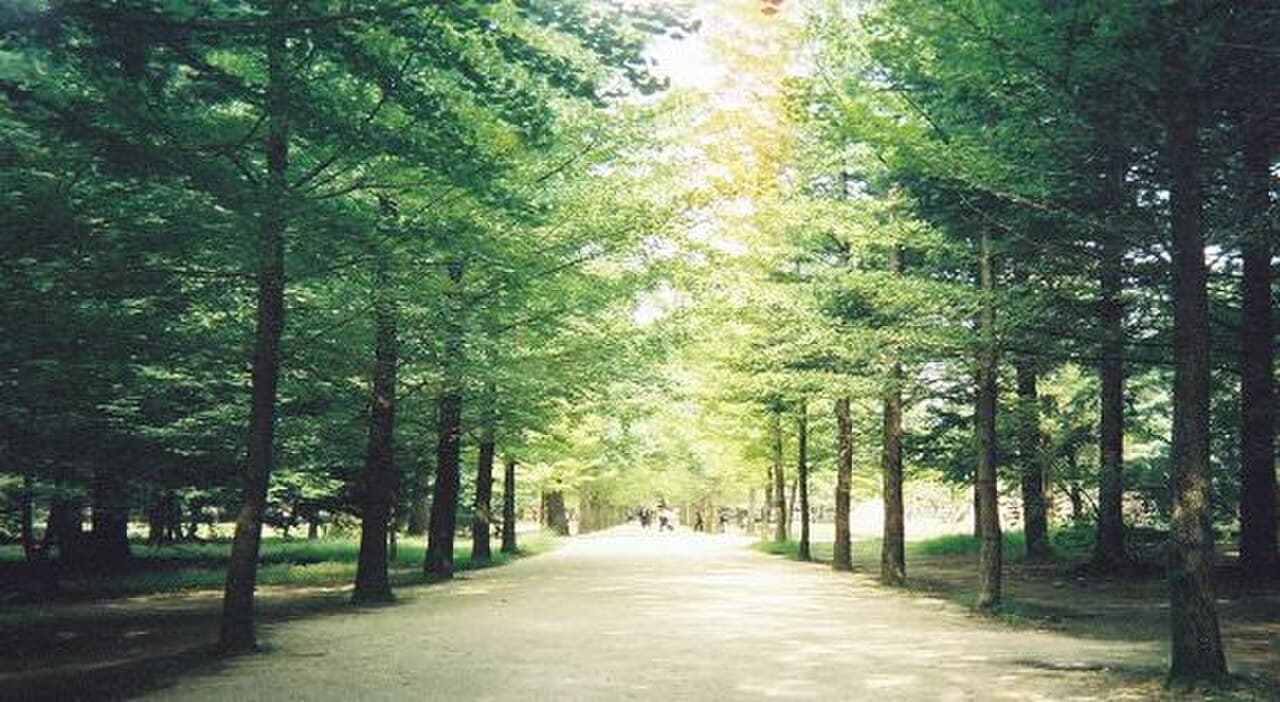
A picturesque half-moon-shaped island famous for its tree-lined avenues (especially in autumn) and as the filming location of the K-drama Winter Sonata. Best combined with the Garden of Morning Calm.

Incheon Chinatown & Songdo
Korea's only official Chinatown with jajangmyeon (black bean noodles) restaurants, plus the futuristic Songdo International City with Central Park, the Tri-bowl cultural center, and canal walks.

Jeonju
The birthplace of bibimbap and home to Korea's best-preserved hanok village with over 800 traditional houses. A foodie paradise with exceptional street food and traditional cuisine.

Tokyo
Japan's hypermodern capital with ancient temples, world-class sushi, neon-lit Shibuya and Shinjuku, and serene gardens. Korean Air, Asiana, ANA, and JAL operate frequent daily flights from Incheon and Gimpo.

Busan
South Korea's second city and beach capital with Haeundae Beach, the colorful Gamcheon Culture Village, Jagalchi fish market, and stunning coastal temples. The KTX from Seoul Station is fast and frequent.

Taipei
Taiwan's vibrant capital with world-class night markets, Taipei 101, hot spring resorts, and some of Asia's best street food. Korean Air, Asiana, EVA Air, and China Airlines fly frequently.
Entry Requirements
South Korea has a relatively open visa policy with visa-free access for many nationalities. Most Western travelers can enter for 90 days without a visa. The K-ETA (Korea Electronic Travel Authorization) system was introduced but has been temporarily suspended for many nationalities — check the current status before travel.
Entry Requirements by Nationality
| Nationality | Visa Required | Max Stay | Notes |
|---|---|---|---|
| US Citizens | Visa-free | 90 days | K-ETA requirement waived for visa-free nationals through 31 December 2026 (extended by the Ministry of Justice; confirm before travel). Passport must be valid for duration of stay. No work permitted. |
| UK Citizens | Visa-free | 90 days | K-ETA requirement waived through 31 December 2026. Working Holiday Visa available for ages 18-30. |
| Canadian Citizens | Visa-free | 180 days | Canadians get 6 months visa-free — one of the longest stays allowed. K-ETA waived through 31 December 2026. |
| EU Citizens | Visa-free | 90 days | Most EU nationals can enter visa-free for 90 days. K-ETA suspended for many EU countries. |
| Japanese Citizens | Visa-free | 90 days | Visa-free entry restored. K-ETA suspended. Direct flights from Tokyo, Osaka, and other cities are frequent and affordable. |
| Indian Citizens | Yes | Up to 90 days | Must apply for a visa at the Korean embassy. E-visa available. Processing takes 1-2 weeks. Requires invitation or hotel booking. |
Visa-Free Entry
Tips
- •Check K-ETA status before travel — it has been suspended and reinstated multiple times for various nationalities
- •Your passport must be valid for the duration of your stay (no extra validity period required)
- •Customs allows 1 bottle of alcohol (1L), 200 cigarettes, and $10,000 USD equivalent in foreign currency without declaration
- •Seoul has excellent duty-free shopping at the airport and downtown (Lotte, Shilla, Hyundai) with pickup at departure
- •If you plan to work or take Korean language courses longer than 90 days, apply for the appropriate visa before arrival
Shopping
Seoul is a shopper's paradise, especially for K-beauty, fashion, and electronics. From high-end Gangnam boutiques to underground wholesale markets, there is something for every budget. Korean beauty products are exceptional quality at remarkably low prices.
Myeongdong
beauty & fashion retailSeoul's main shopping district jam-packed with Korean beauty brands (Innisfree, Etude House, Laneige, Sulwhasoo), fashion stores, and a vibrant street food scene. Tax-free shopping available for tourists.
Known for: K-beauty skincare and cosmetics, Korean fashion, street food, department stores (Lotte, Shinsegae)
Hongdae
indie & streetwearThe youth culture capital with indie fashion boutiques, vintage shops, streetwear brands, and K-pop merchandise stores. Ader Error and other Korean streetwear labels have flagship stores here.
Known for: Independent Korean fashion, vintage clothing, K-pop merch, quirky accessories, record shops
Gangnam / COEX Mall
luxury & mainstreamUpscale shopping with the massive underground COEX Mall (one of Asia's largest), plus Apgujeong Rodeo Drive for luxury brands and the Garosu-gil tree-lined street for designer boutiques.
Known for: Luxury brands, Starfield COEX Byeolmadang library, Korean designer fashion, premium K-beauty
Namdaemun Market
traditional wholesale marketKorea's oldest (600+ years) and largest traditional market selling everything from kitchenware and clothing to ginseng and handmade goods at wholesale prices.
Known for: Korean ginseng, traditional accessories, bulk shopping, affordable clothing, street food (kalguksu noodles)
🎁 Unique Souvenirs to Look For
- •Korean skincare and beauty products — sheet masks, serums, and sunscreens at 50-70% less than international prices
- •K-pop albums and official merchandise from SM, YG, JYP entertainment shops
- •Korean tea sets and green tea from traditional shops in Insadong
- •Hanbok-inspired accessories and modern hanbok clothing
- •Korean ginseng products (Cheong Kwan Jang is the premium brand)
- •Traditional Korean celadon ceramics and pottery
- •Soju glasses and traditional drinking sets
- •Korean snacks and instant ramen variety packs from convenience stores
Language & Phrases
Korean uses Hangul, a phonetic alphabet invented in 1443 specifically to be easy to learn. You can learn to read Hangul in a few hours — it is extremely logical. English signage is common in tourist areas and the metro, but basic Korean is helpful and appreciated.
| English | Translation | Pronunciation |
|---|---|---|
| Hello (formal) | Annyeonghaseyo | an-nyeong-ha-SEH-yo |
| Thank you | Gamsahamnida | gam-sa-HAM-ni-da |
| Thank you (casual) | Gomawoyo | go-ma-WO-yo |
| Please (when asking) | Juseyo | joo-SEH-yo |
| Excuse me / Sorry | Joesonghamnida | joe-song-HAM-ni-da |
| Yes / No | Ne / Aniyo | neh / a-NI-yo |
| How much is this? | Eolmayeyo? | eol-ma-YEH-yo? |
| Where is...? | ...eodiyeyo? | ...eo-di-YEH-yo? |
| The check, please | Gyesaniseo juseyo | gye-san-EE-seo joo-SEH-yo |
| I don't understand | Moreugesseumnida | mo-reu-GEH-sseum-ni-da |
| Do you speak English? | Yeongeo hashimnikka? | yeong-eo ha-SHIM-ni-kka? |
| Delicious! | Mashisseoyo! | ma-shi-SSEO-yo! |
If you like Seoul, you'll love…
4 cities with a similar vibe, outside of the same country.

Spain · OVR 82
late-night stamina · fast wifi, English-friendly
Taiwan · OVR 83
world-class dining · easy to get around without a car

Germany · OVR 80
easy to get around without a car · vibrant after-dark energy

Australia · OVR 81
legendary food scene · vibrant after-dark energy