Quick Verdict
Pick Jeju Island for Hallasan summit hikes, Seongsan Ilchulbong sunrise tuff cone, and Manjanggul lava-tube exploration. Pick Seoul for Hongdae nightlife, Mapo Galmaegi tabletop bbq, and Joseon palaces facing Gangnam glass towers.
Can't pick? Visit both.
Build a trip that includes Jeju Island and Seoul, with complementary stops we'll suggest.
🏆 Seoul wins 83 OVR vs 78 · attribute matchup 4–5
Keep exploring
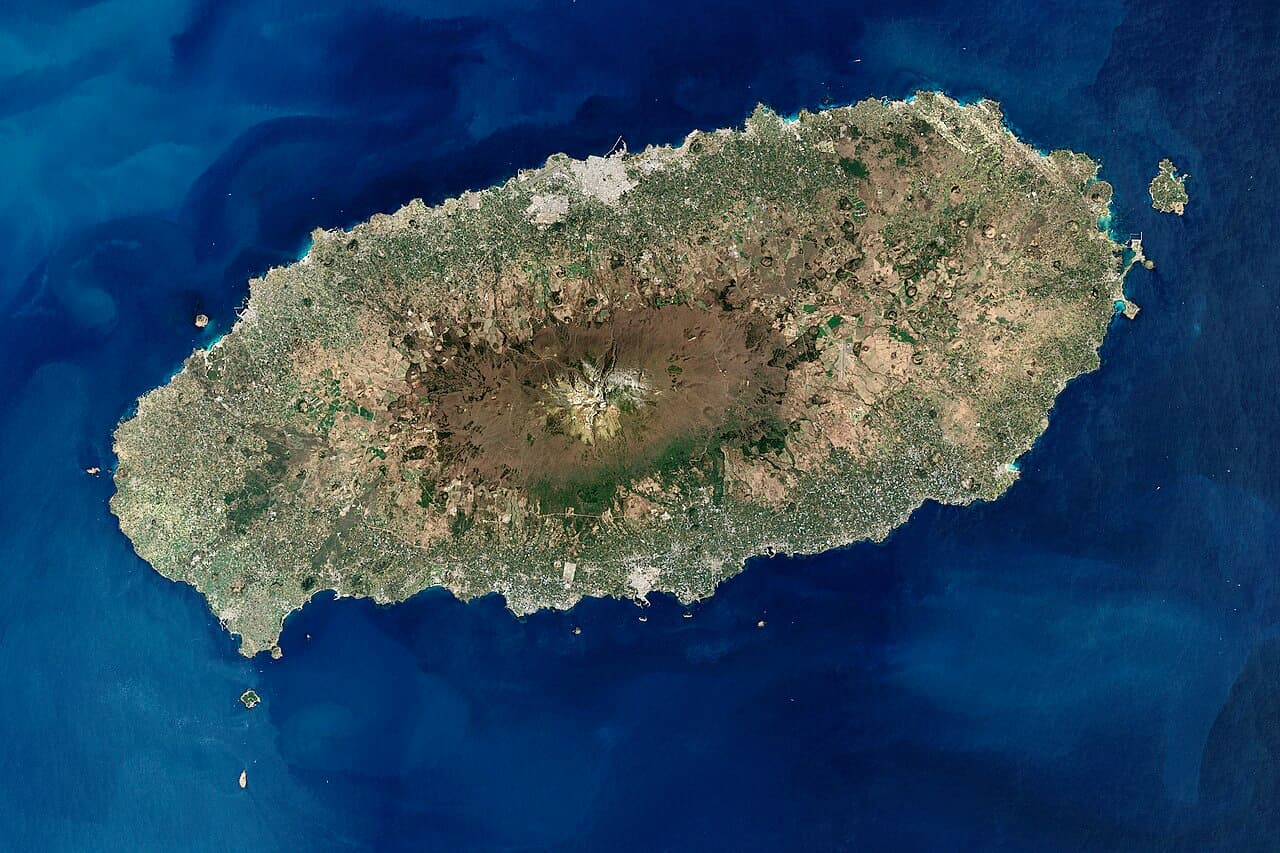
Jeju Island
South Korea

Seoul
South Korea
Jeju Island
Seoul
How do Jeju Island and Seoul compare?
Every Seoul visitor with a free weekend looks at Jeju, and the math usually works in its favor. The Seoul-Jeju air route is the busiest in the world — over 80,000 flights a year on Korean Air, Asiana, Jeju Air, and T'way, with one-way fares from Gimpo (GMP) to Jeju (CJU) starting around $40 and the flight clocking 65 minutes. Seoul is the 10-million-person hyper-modern capital where Gangnam glass towers face Joseon palaces, where Hongdae nightlife runs until sunrise, and where Korean BBQ at Mapo Galmaegi or fried chicken with beer in Seochon are standing-order rituals.
Jeju is the volcanic UNESCO triple-crown island — biosphere reserve, world natural heritage, global geopark — anchored by Hallasan (1,950m, Korea's highest peak), Seongsan Ilchulbong sunrise tuff cone, and the Manjanggul lava tube. Mid-range daily budgets run close at $130-135 across both. Seoul wins on food, transit (the subway is genuinely world-class), shopping at Myeongdong and Dongdaemun, and after-dark anything. Jeju wins on nature (waterfalls, beaches, the Olle trail's 437km of coastal walking), the haenyeo women divers' freediving culture, and the simple decompression value after Seoul's intensity. Jeju also has its own visa exemption — 30 days for most nationalities without a Korean visa.
Best months overlap nicely — April-May and September-October hit both. Avoid summer in Seoul (32°C and humid, with monsoon in July) and winter in Jeju (windy, gray, and shoulder-season rates that feel earned). Pro tip: rent a car on Jeju — public transit is thin and the island's best beaches and trailheads are scattered along the south and west coasts, well off the bus routes. Pick Seoul for K-pop energy, Korean BBQ obsession, and the megacity rhythm; Pick Jeju for volcanic scenery, beach decompression, and the closest thing Korea has to a tropical escape.
💰 Budget
🛡️ Safety
Jeju Island
Jeju is one of the safest destinations in Asia for international travelers. Violent crime is rare and petty theft uncommon by regional standards. The main risks are natural — rip currents at popular beaches and changing weather on Hallasan trails.
Seoul
Seoul is one of the safest major cities in the world. Violent crime against tourists is extremely rare. You can walk through most neighborhoods at any hour with minimal concern. Petty theft is uncommon compared to European cities. The main "risks" are taxi overcharging and the occasional bar scam in Itaewon.
🌤️ Weather
Jeju Island
Jeju has a humid subtropical climate warmer and wetter than mainland Korea. The island receives significant rainfall year-round, especially in summer monsoon season. Hallasan creates a weather divide — the south (Seogwipo) is noticeably milder and sunnier than the north in winter.
Seoul
Seoul has a humid continental climate with four very distinct seasons. Summers are hot and humid with a monsoon season (jangma) in July. Winters are cold and dry with Siberian air masses. Spring and autumn are short but spectacular.
🚇 Getting Around
Jeju Island
Jeju has no train network. The practical choice for most visitors is a rental car — the island is not large (roughly 73 km east-west) and driving allows access to the many coastal spots that buses don't reach. Taxis are readily available and affordable by Asian standards.
Walkability: Low island-wide, moderate-to-good within Jeju City center and Seogwipo downtown. Most major attractions require a vehicle to reach — Jeju is not a city you can explore on foot.
Seoul
Seoul has one of the world's best public transit systems. The subway is clean, punctual, and covers virtually everywhere you need to go. Get a T-money card (reloadable transit card) at any convenience store for 2,500 KRW and load it up. It works on subways, buses, and even taxis and convenience stores.
Walkability: Seoul is moderately walkable but spread out. The historic core (Jongno, Insadong, Bukchon) is compact and pleasant on foot. Hilly terrain in some neighborhoods (Bukchon, Itaewon) can be tiring. Use the subway to cover distances between districts and walk within them.
📅 Best Time to Visit
Jeju Island
Apr–May, Sep–Nov
Peak travel window
Seoul
Apr–May, Sep–Oct
Peak travel window
The Verdict
Choose Jeju Island if...
you want South Korea's volcanic UNESCO island — Hallasan hike, Seongsan sunrise, lava tube caves, haenyeo divers, and a special 30-day visa exemption for most nationalities
Choose Seoul if...
you want K-pop culture, incredible Korean BBQ, hyper-modern infrastructure, and ancient palaces in a dynamic megacity
Jeju Island
Frequently asked
Is Jeju Island or Seoul cheaper?
Jeju Island is cheaper on average. A mid-range day in Jeju Island costs about $130 vs $135 in Seoul, so Jeju Island saves you roughly $5 per day compared to Seoul.
Is Jeju Island or Seoul safer?
Jeju Island scores higher on our safety index (88/100 vs 85/100). Jeju is one of the safest destinations in Asia for international travelers.
Which has better weather, Jeju Island or Seoul?
Jeju Island has the more temperate climate year-round. Jeju has a humid subtropical climate warmer and wetter than mainland Korea. The island receives significant rainfall year-round, especially in summer monsoon season. Hallasan creates a weather divide — the south (Seogwipo) is noticeably milder and sunnier than the north in winter.
When is the best time to visit Jeju Island vs Seoul?
Jeju Island peaks in Apr–May, Sep–Nov. Seoul peaks in Apr–May, Sep–Oct. Both peak in Apr–May, Sep–Oct, so a single trip pairs them naturally.
How long is the flight from Jeju Island to Seoul?
Roughly 1h 7m on a direct flight (about 454 km / 282 mi). One-way fares typically run $60-180 depending on season and how far in advance you book.
How do daily costs in Jeju Island and Seoul compare?
In Jeju Island: budget ~$45-75/day, mid-range ~$100-160/day, luxury ~$260+/day. In Seoul: budget ~$40-65/day, mid-range ~$100-170/day, luxury ~$300+/day.
You might also compare
Jeju IslandvsSeoul
Try another