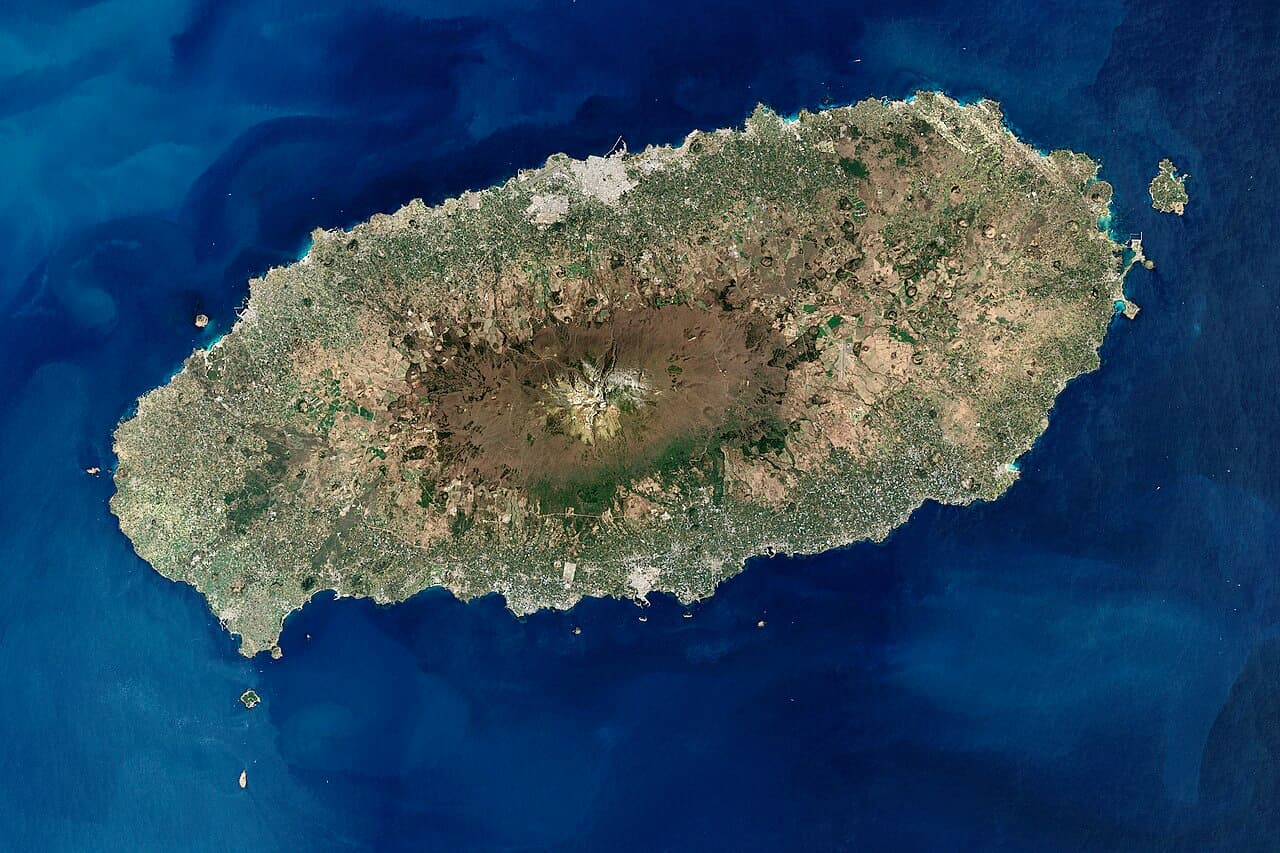
Jeju Island
THE QUICK VERDICT
By Anthony · Updated April 2026
Choose Jeju Island if you want South Korea's volcanic UNESCO island — Hallasan hike, Seongsan sunrise, lava tube caves, haenyeo divers, and a special 30-day visa exemption for most nationalities.
- Best for
- Hallasan summit hike, Seongsan sunrise crater, lava-tube caves, haenyeo women-diver lunches
- Two seasons
- Apr–May and Sep–Nov
- Budget anchor
- $130/day mid-range
- Worth a look
- 30-day visa-free entry for nearly every nationality — even when mainland Korea isn't
South Korea's volcanic island paradise holds a UNESCO triple crown — biosphere reserve, world natural heritage, and global geopark — for Hallasan (1,950m, Korea's highest peak), Seongsan Ilchulbong (a tuff cone rising from the sea), and Manjanggul (one of the world's longest lava tubes at 13 km). The busiest air route in the world runs Seoul–Jeju; 15 million visitors come annually. Jeju has its own visa exemption — 30 days for most nationalities without a Korean visa.
The two links below are affiliate links — MapSorted earns a small commission if you book through them, at no extra cost to you. How this works.
Tours & Experiences
Bookable tours, activities, and day trips in Jeju Island
Where to Stay
Compare hotels and rentals in Jeju Island
📍 Points of Interest
Hallasan National Park· 15 km S
South Korea's highest mountain at 1,950m, this UNESCO World Heritage dormant volcano dominates the island. Multiple hiking trails of varying difficulty lead to the summit crater lake.
Seongsan Ilchulbong (Sunrise Peak)· 38 km E
An extraordinary tuff cone that erupted from the sea floor 100,000 years ago. The 182m crater rim provides one of Jeju's most dramatic sunrise viewpoints.
Manjanggul Lava Tube· 22 km E
One of the world's longest lava tube systems at 13.4 km, with 1 km open to visitors. The cave interior features dramatic lava formations and a constant cool temperature.
Jusangjeolli Cliff· 30 km SW
Thousands of hexagonal basalt columns formed by rapidly cooling lava create a striking geometric coastline on Jeju's southern shore near the Jungmun Resort complex.
Jeju Folk Village Museum· 34 km SE
A meticulously preserved open-air museum of 100 traditional stone-walled, thatched-roof Jeju homes arranged by historical social class. One of the best folk museum experiences in Korea.
Cheonjeyeon Waterfall· 30 km SW
A three-tiered waterfall in a subtropical gorge near Jungmun. The upper falls feed a pool where mythical sky nymphs were said to bathe. An ornate bridge spans the gorge above.
Udo Island· 39 km E
A cow-shaped island a 30-minute ferry ride from Seongsan. Electric scooters, coral beaches, peanut ice cream, and views back to Sunrise Peak make this the island's best day trip.
★ Local Picks
Biyangdo Island· 28 km W
A tiny volcanic island off the west coast accessible by 15-minute ferry from Hanrim. Two hikeable craters, a lighthouse, and almost zero foreign tourists — Jeju's most peaceful escape.
Sanbangsan Lava Dome· 36 km SW
A 395m dome-shaped cliff on the southwest coast with a Buddhist cave temple carved into the rock face, dripping with stalactites and looking directly out to sea. Spectacular in spring canola season.
At a Glance
- Pop.
- 675K
- Timezone
- Seoul
- Dial
- +82
- Emergency
- 112 (police) / 119 (fire)
Jeju holds a UNESCO triple crown: World Natural Heritage Site, Biosphere Reserve, and Global Geopark — one of only a handful of places on Earth with all three designations.
Hallasan, the shield volcano at the island's center, is South Korea's highest peak at 1,950m and last erupted around 1,007 years ago.
The Seoul–Jeju air route is consistently ranked the world's busiest airline route, with over 70,000 flights per year connecting the two cities.
Manjanggul Lava Tube stretches 13.4 km, making it one of the longest lava tubes on the planet — only 1 km is open to the public.
Jeju's haenyeo (sea women) free-dive without oxygen to harvest seafood, a tradition over 1,500 years old now recognized by UNESCO as intangible cultural heritage.
Most foreign nationals can visit Jeju without any Korean visa for up to 30 days — a special exemption that doesn't apply to mainland South Korea.
Top Sights
Seongsan Ilchulbong (Sunrise Peak)
🌿A dramatic tuff cone that erupted from the sea 100,000 years ago. The 182m crater rim offers panoramic views of the ocean and Jeju's eastern coastline — arrive before dawn to watch the sunrise paint the crater gold. Entry is 2,000 KRW; the 20-min climb is steep but paved.
Hallasan National Park
🌿South Korea's highest mountain at 1,950m, this dormant shield volcano dominates the island's skyline. Four hiking trails range from the leisurely Yeongsil Course to the strenuous Seongpanak route that reaches the crater lake. Snow blankets the summit from December through March.
Manjanggul Lava Tube
🗼One of the world's longest lava tube cave systems at 13.4 km. The accessible 1 km section reveals an alien landscape of lava stalactites, lava columns, and shell fossils. Keep a jacket handy — it's a constant 11°C inside regardless of the season.
Jusangjeolli Cliff
🌿Thousands of hexagonal basalt columns stacked like a giant's organ pipes along the southern coast. The columns formed when lava from Hallasan cooled rapidly hitting the sea. The adjacent Jungmun Resort area has the island's best upscale hotels and galleries.
Jeju Folk Village Museum
🏛️An open-air museum preserving 100 traditional Jeju homes exactly as they were — stone walls, thatched roofs, and all. The village layout reflects the three distinct social classes of historical Jeju society. Skilled craftspeople demonstrate traditional trades on weekends.
Cheonjeyeon Waterfall
🌿A three-tiered waterfall system set in a lush subtropical gorge, more atmospheric than the more famous Cheonjiyeon falls. The upper pond is believed to be where the seven nymphs of the sky descended to bathe — a pavilion bridge decorated with nymph carvings spans the gorge above.
Udo Island
🌿A 30-minute ferry from Seongsan brings you to this flat, cow-shaped island (udo means "cow island"). Rent an electric scooter to circle it in a few hours: coral sand beaches, peanut ice cream, and views back to Seongsan Ilchulbong are the main draws. Day-trip only.
Climate & Best Time to Go
Jeju has a humid subtropical climate warmer and wetter than mainland Korea. The island receives significant rainfall year-round, especially in summer monsoon season. Hallasan creates a weather divide — the south (Seogwipo) is noticeably milder and sunnier than the north in winter.
Spring
March–May46–64°F
8–18°C
Cherry blossoms arrive in late March, followed by canola flowers blanketing the fields in April — the island's most visually spectacular season. Crowds build through April as Korean families make the trip. May is warm, pleasant, and less crowded than peak summer.
Summer
June–August72–86°F
22–30°C
Hot, humid, and extremely busy. The July–August monsoon (jangma) brings heavy rainfall. Typhoon risk is real from July through September — check forecasts. Beach crowds are at their absolute peak; accommodation prices spike dramatically on weekends.
Autumn
September–November59–75°F
15–24°C
Many experienced visitors rate autumn as Jeju's best season. Hallasan's slopes turn vivid red and orange from mid-October. Crowds thin after Chuseok (Korean Thanksgiving, usually September). The weather is crisp, clear, and ideal for hiking.
Winter
December–February37–50°F
3–10°C
Cold but manageable, and far fewer tourists. Hallasan's summit sees snow from December onwards — the crater lake freezes. The south coast (Seogwipo, Jungmun) stays notably milder. Tangerine season peaks in winter, and Jeju's camellias bloom December through March.
Best Time to Visit
Late April–June and September–November offer the best combination of good weather and manageable crowds.
Spring (Mar–May)
Crowds: High (especially April)Cherry blossoms in late March and canola fields in April make this visually spectacular. Peak domestic tourism in April — book accommodation 4+ weeks ahead.
Pros
- + Iconic cherry blossom and canola flower season
- + Warm without summer humidity
- + Hiking conditions excellent from May
Cons
- − April is the busiest month with Korean domestic tourists
- − Accommodation prices elevated
- − Weekend crowds at Seongsan can be severe
Summer (Jun–Aug)
Crowds: Very highHot, humid, and packed. The monsoon rains arrive in late June. Beaches are crowded; typhoon risk is real. Prices peak in July–August.
Pros
- + Best beach weather
- + Festivals and outdoor events
- + Long daylight hours
Cons
- − Typhoon risk May–September
- − Extreme crowds at beaches
- − Higher accommodation prices
- − Humidity makes hiking uncomfortable
Autumn (Sep–Nov)
Crowds: Moderate (September) to Low (November)The island's best-kept secret among foreign visitors. Crowds drop sharply after Chuseok. Hallasan's autumn foliage in October rivals any mountain scenery in Korea.
Pros
- + Best hiking weather of the year
- + Spectacular autumn foliage on Hallasan
- + Lower prices than summer
- + Clear skies
Cons
- − Early September may still see typhoon tails
- − November can be chilly in evenings
Winter (Dec–Feb)
Crowds: LowQuiet and cold. Snow on Hallasan makes for dramatic scenery. Tangerine harvest season. The south coast is noticeably milder — Seogwipo sees some of the warmest winter temperatures in Korea.
Pros
- + Very low prices
- + Snow landscapes on Hallasan
- + Jeju camellia season (Dec–Mar)
- + Authentic local experience without tourist crowds
Cons
- − Cold, especially northern Jeju City
- − Some coastal attractions less appealing
- − Occasional ferry cancellations to Udo
🎉 Festivals & Events
Jeju Fire Festival (제주들불축제)
MarchA dramatic festival at Sarabong Hill where the hillside is set ablaze to re-enact the ancient practice of burning fields for pest control. Fireworks and traditional performances accompany the spectacle.
Jeju Canola Flower Festival
AprilFields of yellow canola across the island's eastern regions burst into bloom in early April. Festivals run at Gimnyeong Maze Park and several farms, with photography contests and local market events.
Jeju Haenyeo Festival
JuneCelebrating the island's iconic sea women (haenyeo), this festival includes diving demonstrations, seafood tastings, and exhibitions on the haenyeo cultural tradition recognized by UNESCO.
Jeju World Natural Heritage Festival
OctoberEvents centered on Jeju's volcanic geology and natural heritage status, including guided lava tube tours, Hallasan hiking challenges, and geological exhibitions at Seongsan Ilchulbong.
Off the Beaten Path
Biyangdo Island
A tiny volcanic island reachable by a 15-minute ferry from Hanrim on the west coast. No crowds, a pair of craters to hike, a lighthouse, and complete silence broken only by waves. Locals picnic on the volcanic rocks while tourists pile into Hallasan.
The island within the island that almost no foreign tourists visit — you'll have the volcanic craters largely to yourself.
Jeju Olle Trail Route 7
Of the 26 Olle Trail routes that ring the island, Route 7 on the west coast — passing through horse farms, tangerine orchards, and coastal cliffs — is the one Jeju residents walk for pleasure. The 17.6 km route ends at Wollyeong-ri Waterfall.
Locals rate Olle 7 as the most scenic route on the entire network — it combines every landscape type Jeju has to offer in a single day.
Dongmun Traditional Market
Skip the tourist-facing Jeju Olle Market and head to Dongmun for raw Jeju daily life: haenyeo selling fresh abalone and sea urchin straight from the morning catch, towers of tangerines and hallabong citrus, black pork cuts, and flatbread-like ssalbang rice pastries.
This is where Jeju families actually shop. The best gogi guksu (pork noodle soup) stalls in the city are tucked into the market's back lanes.
Sanbangsan Lava Dome
This 395m lava dome on the southwestern coast is overshadowed by Hallasan and Seongsan, but its cave temple (Sanbang굴사) carved into the cliff face, dripping with stalactites and overlooking the sea, is one of Jeju's most atmospheric spots at any hour.
The approach through a hillside draped in yellow canola flowers in spring (March–April) is one of the most photographed but somehow still uncrowded walks on the island.
Safety Breakdown
Very Safe
out of 100
Jeju is one of the safest destinations in Asia for international travelers. Violent crime is rare and petty theft uncommon by regional standards. The main risks are natural — rip currents at popular beaches and changing weather on Hallasan trails.
Things to Know
- •Check trail conditions before ascending Hallasan — routes are sometimes closed due to ice, high winds, or heavy rain without much advance notice.
- •Rip currents are a genuine hazard at Jungmun Saekdal Beach and Hamdeok Beach. Swim only in designated areas when the flags are green.
- •Typhoons (July–September) can shut down the airport and strand travelers for 1-2 days. Get travel insurance that covers delays and always have buffer days at the end of your trip.
- •Loveland, the outdoor erotic sculpture park, is adults-only (18+) — not the place to bring children.
- •Jeju driving can be chaotic; rental car is the most practical way to get around but road manners differ from Western norms.
- •Scams targeting tourists are minimal, but overpriced "black pork" restaurants near tourist sites do exist — walk one street back from any major attraction to find better value.
Emergency Numbers
Police
112
Fire & Ambulance
119
Tourist Helpline (24hr, English)
1330
Coast Guard
122
Costs & Currency
Where the money goes
USD per dayBackpacker = hostel dorm + street food + public transit. Mid-range = 3-star hotel + neighbourhood restaurants + transit cards. Luxury = 4/5-star + fine dining + taxis. How we calibrate these numbers →
Quick cost estimate
Customize per category →Estimates based on regional averages. Flight prices vary by season and airline.
budget
$45-75
Guesthouse or hostel dormitory (₩20,000–30,000), intercity buses, convenience store meals and cheap local restaurants, free beaches and nature. Hallasan hike is free.
mid-range
$100-160
Decent hotel or pension (₩70,000–100,000), rental car shared between 2 people, sit-down restaurants including one black pork dinner, major paid attractions.
luxury
$260+
Shilla, Lotte, or Hyatt property in Jungmun Resort area (₩250,000+), private driver, premium seafood restaurants, spa treatments, Udo Island excursion.
Typical Costs
| Item | Local | USD |
|---|---|---|
| FoodConvenience store meal (gimbap + ramen) | ₩3,500–5,000 | $2.50–4 |
| FoodGogi guksu (pork noodle soup) at local restaurant | ₩8,000–10,000 | $6–7 |
| FoodBlack pork (heukdwaeji) dinner for two | ₩50,000–80,000 | $37–60 |
| FoodFresh abalone bibimbap | ₩20,000–30,000 | $15–22 |
| FoodTangerine ice cream (Udo Island) | ₩3,000 | $2 |
| DrinksJeju Beer at convenience store | ₩2,500 | $1.80 |
| DrinksAmericano at café | ₩4,000–5,500 | $3–4 |
| TransportAirport bus to Seogwipo | ₩5,500 | $4 |
| TransportRental car per day (economy) | ₩35,000–50,000 | $26–37 |
| AttractionsSeongsan Ilchulbong entry | ₩2,000 | $1.50 |
| AttractionsManjanggul Lava Tube entry | ₩4,000 | $3 |
| AttractionsJeju Folk Village Museum | ₩11,000 | $8 |
| AccommodationHostel dormitory bed | ₩25,000–35,000 | $18–26 |
| AccommodationMid-range hotel/pension (per room) | ₩80,000–150,000 | $59–111 |
💡 Money-Saving Tips
- •The Hallasan National Park hike — one of Korea's greatest outdoor experiences — is completely free. Pack your own lunch and water.
- •A T-money card loaded with ₩20,000 covers most bus travel around the island and is cheaper than taxis for every individual segment.
- •Eat at the Dongmun Traditional Market rather than tourist-facing restaurants near attractions — prices are 30–50% lower for the same quality seafood.
- •Book flights Seoul–Jeju well in advance (3+ weeks) using Korean budget carriers (Jeju Air, T'way Air) for fares under ₩30,000 one way.
- •Many beaches — Hamdeok, Hyeopjae, Iho Tewoo — are completely free with no entry fee, unlike some resort areas.
- •Udo Island scooter rental split between two people (₩30,000/hr each scooter) beats the island's own tour packages significantly.
South Korean Won
Code: KRW
1 USD ≈ 1,350 KRW (2025). ATMs are widely available in Jeju City and tourist areas; use machines attached to banks (Woori, Shinhan, KB) for better rates than convenience store ATMs. Currency exchange booths at the airport are convenient but offer slightly worse rates than city banks.
Payment Methods
South Korea is highly cashless — most restaurants, shops, and attractions accept Visa and Mastercard without issue. T-money cards (sold at convenience stores) handle all bus and some taxi fares. Some traditional market stalls and older restaurants are cash-only; carry ₩50,000–100,000 in cash.
Tipping Guide
Tipping is not customary and can cause confusion. South Korean service culture does not expect tips. Simply pay the bill amount.
Not expected. Drivers may refuse tips. Rounding up to the nearest 1,000 KRW is a polite gesture if you wish.
International luxury hotels have adopted Western tipping conventions for bellhops (₩2,000–5,000 per bag) and housekeeping, but it is still not expected at locally-run guesthouses.
For organized tours with excellent service, tipping ₩10,000–20,000 per person is appreciated but not obligatory.
How to Get There
✈️ Airports
Jeju International Airport(CJU)
3 km from Jeju City centerAirport limousine buses run to Seogwipo (1 hr, ₩5,500) and Jungmun. City buses 100, 600 reach central Jeju City in 20 min (₩1,200). Taxis to Jeju City center take 10 min for ₩4,000–6,000. Car rental desks are in the arrivals hall.
✈️ Search flights to CJU🚌 Bus Terminals
Jeju Intercity Bus Terminal
Located near Jeju City center, this terminal connects to the intercity bus network including Seogwipo (1 hr, ₩3,000), Seongsan (1 hr 10 min, ₩3,700), and Hallim (50 min, ₩2,700). Most bus routes originate here.
Seogwipo Intercity Bus Terminal
The southern hub for buses to Jungmun Resort, Seongsan, and back to Jeju City. If you're based in the south, this is your starting point for most transit connections.
Travel Connections

Seoul
South Korea's capital is the world's most frequent origin for Jeju-bound passengers. With dozens of daily flights from both Gimpo and Incheon, Seoul is the natural gateway before or after Jeju. Combine a few days in the city with your island escape.

Busan
South Korea's second city and beach capital pairs naturally with Jeju. Multiple daily flights connect Gimhae Airport to Jeju International. Busan's Haeundae Beach, vibrant fish market, and seaside temples make it a worthy destination in its own right.

Osaka
Jeju and Osaka share a surprisingly strong travel corridor, popular with Japanese tourists and Koreans making quick Japan trips. Osaka's street food scene (takoyaki, okonomiyaki) contrasts sharply with Jeju's raw seafood culture — a rewarding double-dip.

Tokyo
Direct flights connect Jeju to Haneda and Narita, making a Japan–Korea multi-city trip straightforward. Tokyo's urban density and neon chaos feel like a completely different planet after Jeju's volcanic coastlines and hiking trails.
Seogwipo
Jeju's second city on the southern coast is worth a night or two on its own. The rocky coastline, Cheonjiyeon waterfall, Olle Trail access, and a slower pace than the north make Seogwipo a base favored by repeat visitors who've already done the big hits.
Entry Requirements
Jeju Island has a unique visa exemption scheme separate from mainland South Korea. Most foreign nationals can enter Jeju without any visa for up to 30 days — this applies even to nationalities that would require a visa to visit Seoul or Busan. However, this exemption only covers Jeju; transit to mainland Korea requires a standard Korean visa if your nationality normally requires one.
Entry Requirements by Nationality
| Nationality | Visa Required | Max Stay | Notes |
|---|---|---|---|
| US Citizens | Visa-free | 30 days (Jeju only) / 90 days (with K-ETA for mainland) | K-ETA (Korea Electronic Travel Authorization) required since 2021 for travel to mainland Korea. Jeju-only visits exempt from K-ETA. US citizens eligible for 90-day visa-free on mainland with K-ETA. |
| EU Citizens | Visa-free | 90 days (mainland) / 30 days (Jeju only) | EU citizens are visa-free for South Korea including Jeju for up to 90 days. The Jeju 30-day special exemption is less relevant since EU visitors can travel the whole country freely. |
| Chinese Citizens | Visa-free | 30 days (Jeju only) | Chinese citizens normally require a visa for mainland South Korea. Jeju-specific exemption allows 30-day visa-free stay restricted to Jeju Island. Cannot travel to mainland without a Korean visa. |
| Indian Citizens | Visa-free | 30 days (Jeju only) | Indian citizens normally require a visa for mainland South Korea. Jeju special exemption applies. If planning to visit Seoul after Jeju, a separate Korean visa is required. |
Visa-Free Entry
Tips
- •If your trip includes both Jeju and mainland Korea (Seoul, Busan), apply for the K-ETA or relevant visa before departure — the Jeju exemption only covers your time on the island.
- •The 30-day Jeju exemption is generous — most visitors easily see the island in 4–7 days.
- •Check whether your nationality qualifies for the Jeju exemption before assuming it does — a small number of nationalities are excluded.
- •Passport must be valid for at least 6 months beyond your intended stay.
Shopping
Jeju's shopping scene is dominated by food souvenirs — tangerines, black sesame products, green tea goods, and dried seafood. The island has duty-free megastores near the airport catering to Chinese and Japanese shoppers. For authentic local products, traditional markets beat the tourist-oriented souvenir shops hands-down.
Dongmun Traditional Market
Traditional MarketJeju's largest and most authentic market, operating since 1945. Two floors of stalls selling fresh produce, dried seafood, hanbok, local spirits, and prepared foods. The best prices on Jeju tangerines and hallabong citrus.
Known for: Fresh haenyeo seafood, local produce, authentic Jeju snacks
Jeju Olle Market
Night MarketA weekend market (Friday–Sunday) adjacent to Dongmun, designed for tourists with craft stalls, street food, and pop-up culture events. More curated and photogenic than Dongmun, but prices are higher.
Known for: Street food, crafts, evening atmosphere
Shinsegae Duty Free (Airport)
Duty FreeMassive duty-free complex near Jeju International Airport with Korean cosmetics (K-beauty), electronics, spirits, and designer goods at tax-free prices. Popular with Chinese and Japanese visitors on short trips specifically for duty-free shopping.
Known for: K-beauty products, Korean spirits, electronics at duty-free prices
Seogwipo Maeil Olle Market
Daily MarketA smaller, more manageable version of Dongmun, located in Seogwipo's center. Popular with travelers staying on the south coast. Excellent for picking up local tangerine chocolates, Jeju green tea sets, and fresh black pork.
Known for: Tangerine-based goods, local Jeju crafts, fresh black pork
🎁 Unique Souvenirs to Look For
- •Hallabong tangerine products (dried tangerines, tangerine chocolate, tangerine jam)
- •Jeju black pork (heukdwaeji) — cured or processed versions for travel
- •Haenyeo-harvested dried seafood (sea urchin, abalone)
- •Jeju green tea from O'sulloc Plantation
- •Dol hareubang (stone grandfather) ceramic or carved lava stone figurines
- •Jeju horse products (horse oil cream is a popular K-beauty item)
Language & Phrases
Korean uses Hangul script (한글), a phonetically regular alphabet created in 1443. Most signs in tourist areas include English transliteration. Learning a few basic phrases is warmly appreciated.
| English | Translation | Pronunciation |
|---|---|---|
| Hello / Hi | 안녕하세요 | An-nyeong-ha-se-yo |
| Thank you | 감사합니다 | Gam-sa-ham-ni-da |
| Excuse me / Sorry | 죄송합니다 | Joe-song-ham-ni-da |
| Yes | 네 | Ne |
| No | 아니요 | A-ni-yo |
| Do you speak English? | 영어 할 줄 아세요? | Yeong-eo hal jul a-se-yo? |
| How much is this? | 이게 얼마예요? | I-ge eol-ma-ye-yo? |
| Where is...? | ...이/가 어디예요? | ...i/ga eo-di-ye-yo? |
| The bill, please | 계산서 주세요 | Gye-san-seo ju-se-yo |
| One beer, please | 맥주 하나 주세요 | Maek-ju ha-na ju-se-yo |
| Delicious! | 맛있어요! | Ma-si-sseo-yo! |
| Help! | 도와주세요! | Do-wa-ju-se-yo! |
Getting Around
Jeju has no train network. The practical choice for most visitors is a rental car — the island is not large (roughly 73 km east-west) and driving allows access to the many coastal spots that buses don't reach. Taxis are readily available and affordable by Asian standards.
Rental Car
₩30,000–60,000/day ($22–45 USD)The recommended way to explore Jeju. Dozens of rental agencies operate at the airport. Roads are good, GPS navigation works well, and parking is generally free at tourist sites. An international driving permit is required for most foreign visitors.
Best for: First-time visitors, families, anyone wanting flexibility to stop at coastal viewpoints
Intercity Bus (간선버스)
₩1,200–3,000 ($1–2.50 USD)A network of express and local buses connects major towns and tourist sites. The 101 and 102 express buses form a circular route around the island's perimeter. Jeju City to Seogwipo takes about 1 hour and costs ₩3,000. The T-money card works island-wide.
Best for: Budget travelers comfortable with fixed schedules and willing to walk from bus stops to trailheads
Taxi
₩3,800 base + ₩100/168m ($3 + meter)Orange taxis are standard, black taxis are a slightly more premium option. Both are metered and honest. Jeju City to Seongsan costs roughly ₩50,000–60,000. Kakao Taxi (the Korean equivalent of Uber) works island-wide and has an English interface.
Best for: Airport transfers, evenings out, reaching spots not served by buses
E-Bike / Scooter
₩10,000–20,000/hour ($8–15 USD)On Udo Island, electric scooters are the dominant mode of transport and can be rented near the ferry terminal. On the main island, some sections of the Jeju Olle Trail are accessible by bicycle, and rental shops operate in Jeju City.
Best for: Udo Island exploration, coastal trail sections
Walkability
Low island-wide, moderate-to-good within Jeju City center and Seogwipo downtown. Most major attractions require a vehicle to reach — Jeju is not a city you can explore on foot.
If you like Jeju Island, you'll love…
4 cities with a similar vibe, outside of the same country.
Japan · OVR 79
jaw-dropping scenery · easy to live online

Portugal · OVR 80
landscapes that steal the show · immaculate streets

Germany · OVR 80
fast wifi, English-friendly · noticeably tidy at every turn

Taiwan · OVR 83
unforgettable natural beauty · immaculate streets