All Destinations
576 guides — page 1 of 24

Aarhus
Denmark
Denmark's second city and the country's youngest, with one in five residents enrolled at Aarhus University. The cultural centrepiece is ARoS, the art museum crowned by Olafur Eliasson's Your Rainbow Panorama, a 150 m glass walkway through every colour of the spectrum. Den Gamle By is an open-air history museum reconstructing Danish urban life across four centuries, and Moesgaard Museum south of town displays the 2,000-year-old Grauballe Man bog body in a grass-roofed sloping building you can walk over. Reach it from Copenhagen in 3 hours by direct DSB train (~DKK 350-450 / EUR 47-60) or 30 minutes by SAS flight.

Abisko
Sweden
A 200-person village 250 km north of the Arctic Circle that has become Europe's most reliable Northern Lights base — a microclimate produced by the Lapporten U-shaped valley keeps a hole in the cloud cover even when the rest of Swedish Lapland is socked in, giving Abisko roughly 200 clear nights a year. The Aurora Sky Station gondola climbs 900 m up Mount Nuolja for cloud-free aurora viewing from November through March. In summer the village is the southern trailhead of the Kungsleden, Sweden's classic 440 km long-distance hike, with the midnight sun above the horizon from late May to mid-July.

Abu Dhabi
United Arab Emirates
The UAE's capital has the most extraordinary mosque in the world — Sheikh Zayed Grand Mosque (white marble, 82 domes, world's largest handmade carpet) is free to non-Muslim visitors. The Louvre Abu Dhabi under Jean Nouvel's Rain of Light dome is a genuine world-class museum. Qasr Al Watan presidential palace opened to visitors in 2019. The Empty Quarter's 200m sand dunes are 2.5 hours south.

Acadia National Park
United States
The first national park east of the Mississippi (1916) — 47,000 acres across Mount Desert Island, the Schoodic Peninsula, and Isle au Haut. Cadillac Mountain at 1,530 ft is the first place in the continental US to see sunrise October through early March. Rockefeller's 45 miles of carriage roads exclude cars; the 27-mile Park Loop Road connects Sand Beach, Thunder Hole, Otter Cliffs, and Jordan Pond. The Beehive and Precipice ladder trails are some of the most dramatic hikes in the eastern US.
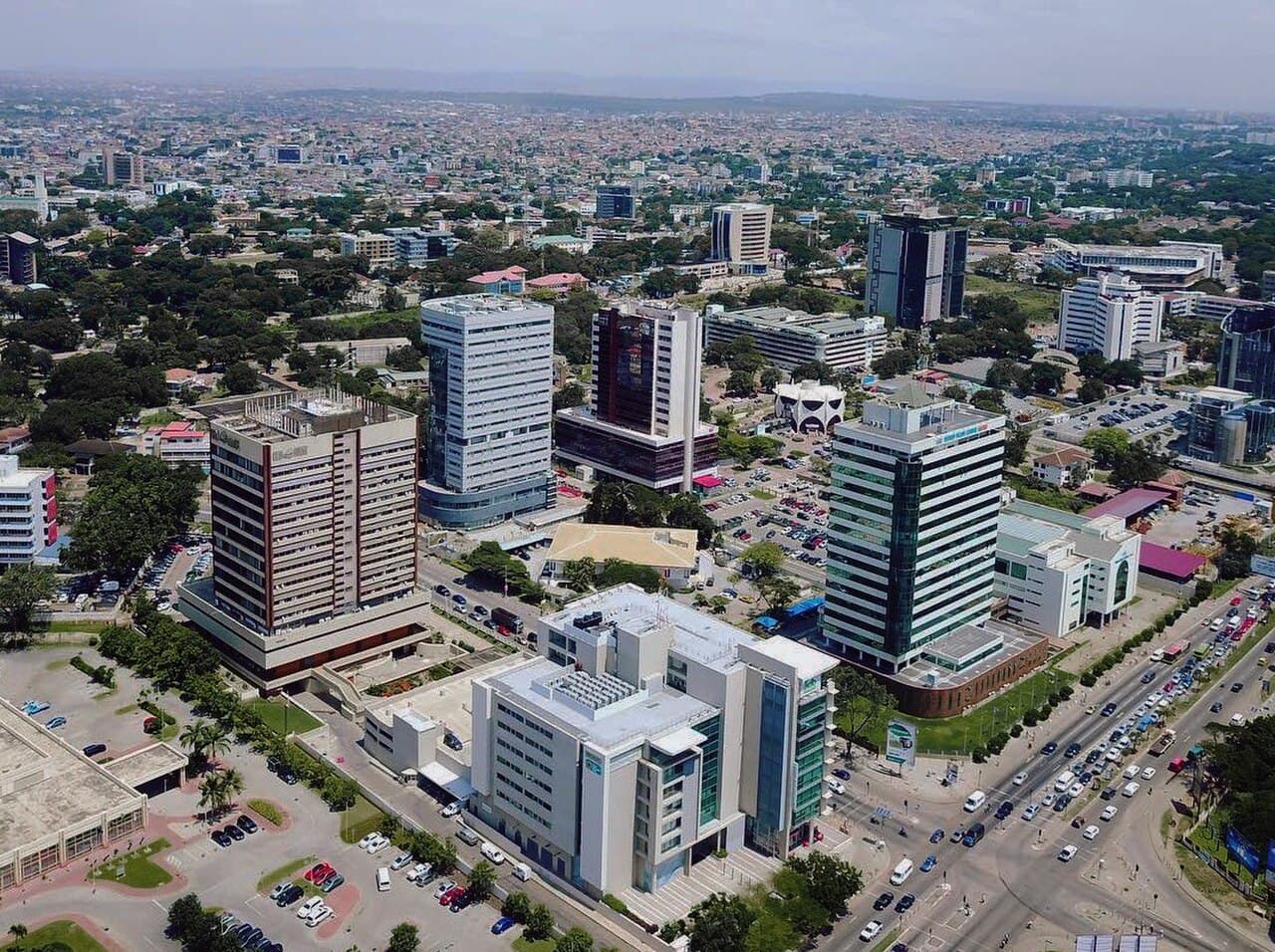
Accra
Ghana
West Africa's most welcoming capital — vibrant markets, historic Jamestown, lively beach bars, and world-class jollof rice. Gateway to Cape Coast castles and Kakum rainforest canopy walks.

Addis Ababa
Ethiopia
Addis Ababa is the diplomatic capital of Africa and the birthplace of coffee culture. Sitting at 2,355 m elevation, this high-altitude capital houses the Lucy fossil at the National Museum, the sprawling Merkato market, Holy Trinity Cathedral, and the African Union headquarters. A gateway to Ethiopia's extraordinary historic northern circuit — Lalibela, Gondar, and the Simien Mountains.

Agadir
Morocco
Morocco's premier beach resort city — completely rebuilt after the catastrophic 1960 earthquake that killed a third of its population — now stretches along a 10km crescent of soft Atlantic sand backed by promenade hotels, riad-style resorts, and an artificial marina. Less culturally dense than Marrakech or Fez but more relaxed and family-friendly: 300+ days of sunshine, year-round 18-28°C, and consistent surf at nearby Taghazout (45min north) which has become a global longboard pilgrimage. The hilltop Kasbah ruins (rebuilt walls only — interior never restored) overlook the bay; the Souk El Had is North Africa's largest market with 6,000+ stalls; Paradise Valley palm oasis and Crocoparc are easy half-day trips. Population ~600K including greater area.

Agra
India
Home to the Taj Mahal — the white-marble Mughal mausoleum Shah Jahan built for Mumtaz Mahal between 1632-1653, and one of the planet's most familiar buildings. UNESCO 1983. Agra Fort + the Baby Taj round out the trio of Mughal masterpieces; Fatehpur Sikri 40km west adds another UNESCO site for day-trippers. Sits on the Golden Triangle between Delhi (200km north) and Jaipur (240km southwest). The Gatimaan Express does Delhi-Agra in 1h40m, India's fastest train. Air pollution and aggressive touts are real downsides.

Akureyri
Iceland
Iceland's de facto northern capital — a town of 19,000 at the head of the 60 km Eyjafjörður, ringed by 1,500m mountains that hold their snow until June. The botanical garden is the world's northernmost; the bars on Strandgata are unexpectedly lively for a sub-Arctic latitude. Akureyri is the launch pad for the Diamond Circle (Goðafoss, Mývatn, Dettifoss, Húsavík whale watching) and a far quieter alternative to Reykjavík for serious north-Iceland exploration. 388 km / 5 hours from Reykjavík by Ring Road, or a 45-minute domestic flight.

Albuquerque
United States
Albuquerque straddles the Rio Grande on a high desert plateau (5,300 ft) with the granite face of the Sandia Mountains rising 5,000 ft directly east of downtown — reachable by the longest aerial tramway in the Americas. The Old Town adobe plaza dates to 1706 Spanish settlement, and green chile (the state question is literally 'red or green?') drips from every breakfast burrito. Each October the world's largest hot air balloon festival floods the sky with 500+ balloons; the rest of the year you get Breaking Bad locations, Petroglyph National Monument, and 310 days of sunshine.

Alexandria
Egypt
Egypt's second city and the Mediterranean's great Levantine port - founded in 331 BC by Alexander the Great, capital of the Ptolemies, home of Cleopatra, the Pharos lighthouse, and the original Library that for centuries was the brain of the ancient world. Modern Alexandria is a 5-million-strong waterfront city of crumbling Belle Epoque facades, the 2002 Bibliotheca Alexandrina (a 172-million-euro modernist reincarnation of the lost Library), the Catacombs of Kom el Shoqafa, the 15th-century Qaitbay Citadel built on the lighthouse foundations, and a humid sea breeze that feels nothing like the Sahara three hours south.

Algarve
Portugal
Portugal's golden coast is Europe's most photogenic Atlantic shoreline — limestone sea stacks and grottos at Ponta da Piedade (Lagos), the sheltered cove of Praia da Marinha, and 300 days of sunshine per year (the highest in continental Europe). Cabo de São Vicente — the most southwesterly point of mainland Europe — is where Henry the Navigator founded his navigation school in 1419 and launched the Age of Discovery. The Ria Formosa lagoon system stretches 90km, home to flamingos, rare chameleons, and barrier island beaches.

Almaty
Kazakhstan
Kazakhstan's largest city sits dramatically beneath the snow-capped Tien Shan mountains. A cosmopolitan hub with Soviet-era architecture, excellent Central Asian cuisine, the iconic Green Bazaar, and easy access to alpine hiking and skiing at Shymbulak.

AlUla
Saudi Arabia
Saudi Arabia's northwestern oasis valley and its first UNESCO site — Hegra (Madain Salih), 111 monumental Nabataean tombs carved into honeyed sandstone 2,000+ years ago, far better preserved than Petra. The mud-brick Old Town crumbles photogenically at the valley floor; Elephant Rock (Jabal AlFil) defines the night-sky photos; the mirrored Maraya hall hosts headline acts at the Winter at Tantora festival. Opened to tourism only in 2019 — luxury lodges (Habitas, Banyan Tree) lead the boom.

Amalfi Coast
Italy
The Amalfi Coast is a UNESCO-listed stretch of dramatic clifftop villages cascading down to turquoise Mediterranean waters. Positano, Amalfi, and Ravello are the headliners, but the quieter towns of Atrani and Praiano offer a more authentic experience. The coastal roads are spectacular (if hair-raising), and the food is incredible.

American Southwest
United States
A road-trip region of red-rock canyons and impossibly wide skies — Grand Canyon's South Rim, Sedona's crimson buttes, Antelope Canyon's light shafts, Horseshoe Bend, and Monument Valley's towering mesas. Flagstaff and Sedona anchor most itineraries; a rental car is mandatory and the distances are bigger than they look.

Amman
Jordan
Amman is the gateway to Jordan's ancient wonders — Petra, Wadi Rum, and the Dead Sea are all within reach. The city itself rewards exploration: the Citadel and Roman Theater anchor the historic core, while the Rainbow Street area buzzes with cafes and galleries. Jordanian hospitality is legendary, and the mansaf (lamb with yogurt sauce) is a must-try.

Amsterdam
Netherlands
Amsterdam's iconic canal rings, world-class museums, and cycling culture make it one of Europe's most charming capitals. The city punches well above its weight in art (Rijksmuseum, Van Gogh Museum), food, and nightlife. Compact enough to explore on foot or by bike, with a tolerant, cosmopolitan vibe that's uniquely Dutch.

Anchorage
United States
Anchorage holds nearly 40% of Alaska's population on a Cook Inlet promontory ringed by the Chugach Mountains. The Tony Knowles Coastal Trail runs 11 miles along the water with regular moose sightings and beluga whales offshore. It's the staging ground for Denali, the Kenai Peninsula, and Prince William Sound — and the only US city where you can land on a Boeing 737, fish for king salmon downtown on Ship Creek, and watch a midnight-sun sunset around 23:30 in late June.

Annapolis
United States
Maryland's capital was briefly the capital of the United States (Nov 1783–Aug 1784), and the State House is the oldest US capitol still in continuous legislative use. The 18th-century brick streets of the historic district run downhill to the Chesapeake Bay-fed harbor — known locally as Ego Alley because boaters love to be seen there. The US Naval Academy occupies 338 waterfront acres on the Severn River; Maryland blue crabs come steamed with Old Bay; and Annapolis is the self-proclaimed sailing capital of America, with a fleet of charter sloops on the city dock most weekends.

Annecy
France
Annecy is the alpine resort French people send each other to — a 14th-century old town wrapped around the Thiou canal where the Palais de l'Île sits midstream like a stone ship, and behind it the Lac d'Annecy: 27 km² of glacier-fed water so clear that EU water-quality reports rank it the cleanest large lake in Europe. The 42 km lakeside cycle path (Voie Verte) is one of France's flagship rides, the swimming is genuine swimming (not posing), and 30 minutes' drive south-east puts you on the Col de la Colombière or Glières plateau, both Tour de France climbs. Pastel facades, geraniums in window boxes, and a quality of summer evening light that makes the lake look almost tropical.

Antalya
Turkey
Turkey's Mediterranean capital of 1.7 million sprawls along a 30-km stretch of cliffs and coves backed by the snow-capped Beydağları range — Hadrian's Gate framing the entrance to Kaleiçi (the walled Roman-Ottoman old town), the Yivli Minaret silhouetted against the Gulf of Antalya, the Düden Falls cascading directly into the Mediterranean, and the Antalya Archaeological Museum's Pamphylian sculpture hall. The launchpad for the Lycian and Pamphylian ruins of Aspendos, Perge, Side, and Termessos, with year-round mild winters and summer beaches stretching to Olympos.

Antigua
Antigua and Barbuda
The larger of the two islands that make up Antigua and Barbuda, a 108-square-mile volcanic-and-coral landmass in the Leeward Caribbean with a much-quoted boast of 365 beaches, one for every day of the year. The southwest coast holds Nelson's Dockyard at English Harbour, the only continuously-running Georgian-era dockyard on Earth and a UNESCO World Heritage Site. Sunday evenings draw the island to Shirley Heights for steel-band-and-barbecue sunsets over the same harbour. The Dickenson Bay strip on the northwest coast anchors the all-inclusive resort cluster, and a 90-minute ferry north reaches Barbuda's pink-sand Princess Diana Beach.
