
Vienna
THE QUICK VERDICT
By Anthony · Updated August 2026
Choose Vienna if you want imperial palaces, Klimt's Kiss, Mozart concerts, Sachertorte in grand cafés, and one of Europe's most livable capitals.
- Best for
- Naschmarkt brunches, Belvedere Klimt halls, Heuriger wine taverns in Grinzing, free U-Bahn Sunday concerts
- Two seasons
- Apr–Jun and Sep–Oct
- Budget anchor
- $185/day mid-range
- Worth a look
- standing-room opera tickets at Staatsoper run €10 with the same dress-up locals
Vienna is the city of music, imperial grandeur, and coffeehouse culture. The former heart of the Habsburg Empire impresses with its Baroque palaces, world-class museums, and a cultural scene that rivals any European capital. Classical concerts, Sachertorte, and wine taverns in the Vienna Woods — it's refined without being stuffy.
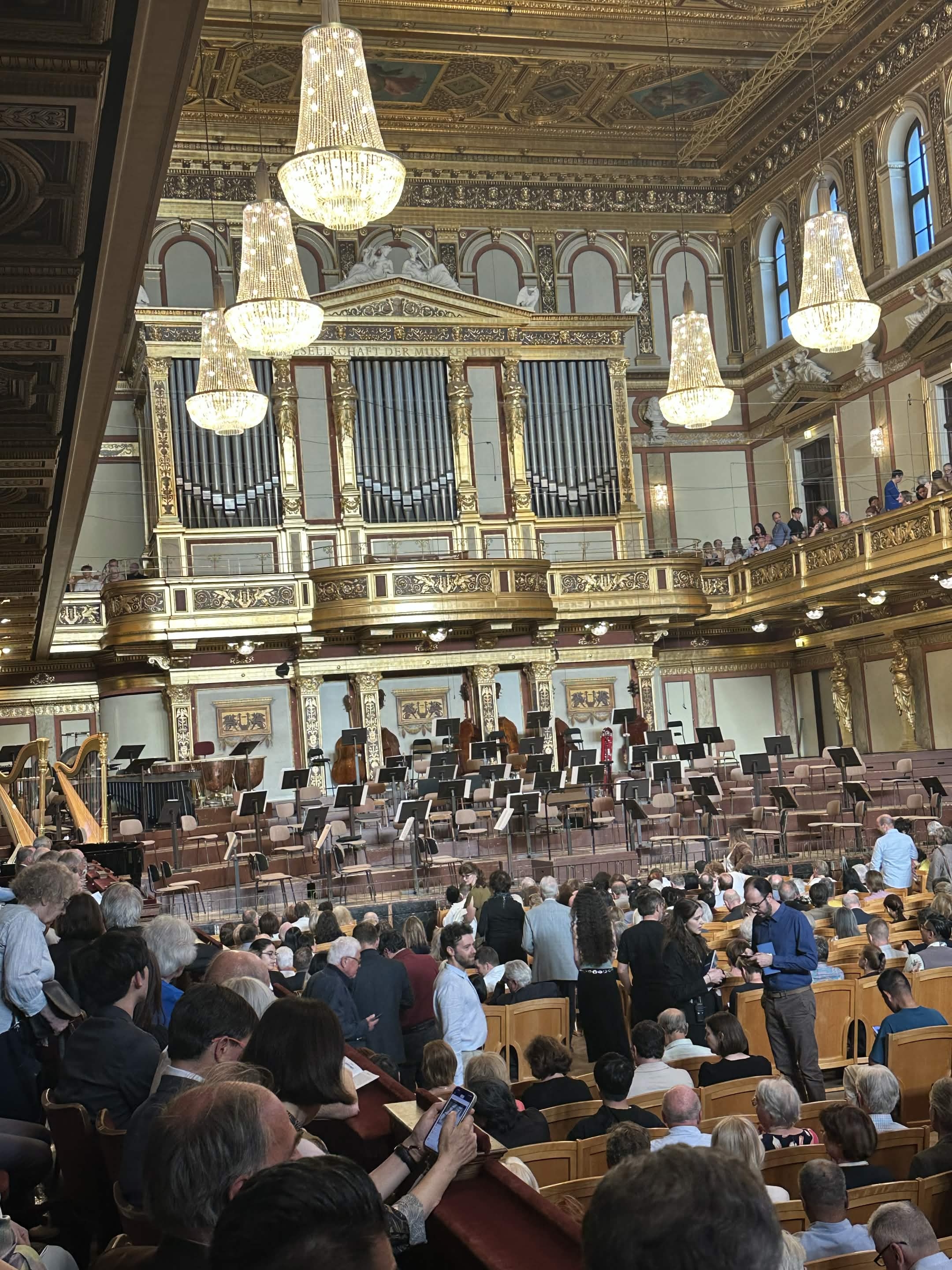
I've been here
Read my postcard from Vienna — a first-hand trip report →
The two links below are affiliate links — MapSorted earns a small commission if you book through them, at no extra cost to you. How this works.
Tours & Experiences
Bookable tours, activities, and day trips in Vienna
Where to Stay
Compare hotels and rentals in Vienna
📍 Points of Interest
Schonbrunn Palace
Former imperial summer residence with 1,441 rooms and gardens
St. Stephen's Cathedral
Gothic cathedral with iconic patterned roof tiles
Belvedere Palace
Baroque palace housing Klimt's The Kiss
Hofburg Imperial Palace
Centuries-old seat of Habsburg power
MuseumsQuartier
One of the world's largest cultural complexes
Naschmarkt
Vienna's most popular open-air market
Vienna State Opera
World-class opera house with affordable standing tickets
★ Local Picks
Heuriger Wine Taverns
Traditional Viennese wine taverns in vineyard hills
Brunnenmarkt
Authentic multicultural street market
Zentralfriedhof
Grand cemetery with graves of Beethoven, Brahms, and Schubert
At a Glance
- Pop.
- 1.9M (city)
- Timezone
- Vienna
- Dial
- +43
- Emergency
- 112
Vienna has been ranked the world's most liveable city multiple years running by the Economist Intelligence Unit
The city was the capital of the Habsburg Empire for over 600 years, shaping much of European history
Vienna's coffeehouse culture is UNESCO-recognized as an Intangible Cultural Heritage
Over half of the city's area is green space, including vineyards within city limits that produce local wine
Mozart, Beethoven, Strauss, Schubert, and Mahler all lived and composed in Vienna
The Wiener Schnitzel must legally be made from veal in Austria — pork versions are called Schnitzel Wiener Art
Top Sights
Schonbrunn Palace
🏰The 1,441-room former summer residence of the Habsburgs, rivaling Versailles in grandeur. The gardens, Gloriette viewpoint, and maze are included with a garden ticket.
St. Stephen's Cathedral
🗼The Gothic masterpiece at the heart of Vienna with its iconic chevron-patterned roof tiles. Climb the 343 steps of the South Tower for panoramic views over the old city.
Belvedere Palace
🏛️A Baroque palace complex housing Austria's most important art collection, including Klimt's "The Kiss." The Upper and Lower Belvedere are connected by stunning formal gardens.
Hofburg Imperial Palace
🏰The seat of Habsburg power for centuries, now home to the Spanish Riding School, Imperial Apartments, Sisi Museum, and the Austrian National Library's stunning Prunksaal.
MuseumsQuartier
🏛️One of the world's largest cultural complexes, housing the Leopold Museum, MUMOK (modern art), and Kunsthalle Wien. The courtyard is a beloved hangout spot with colorful furniture.
Naschmarkt
🏪Vienna's most popular open-air market stretching 1.5 km with over 120 stalls selling fresh produce, spices, cheeses, and international street food. The Saturday flea market is a highlight.
Vienna State Opera
📌One of the world's premier opera houses, offering standing-room tickets for as little as four euros. Even without a performance, the architecture and guided tours are worth a visit.
Prater & Riesenrad
🌳A vast public park featuring the iconic Giant Ferris Wheel built in 1897. The Wurstelprater amusement area is free to enter, with pay-per-ride attractions.
Climate & Best Time to Go
Vienna has a continental climate with cold winters, warm summers, and distinct seasons. Spring and autumn are mild but changeable. Summers can be hot, while winter occasionally brings snow to the city.
Spring
March - May41-68°F
5-20°C
Cool at first, warming steadily. Cherry blossoms appear in April and the city's parks come alive. Some rainy days but increasingly pleasant.
Summer
June - August61-86°F
16-30°C
Warm to hot with occasional thunderstorms. Long daylight hours and outdoor events throughout the city. Heatwaves above 35 degrees are becoming more common.
Autumn
September - November41-68°F
5-20°C
September is often sunny and pleasant. October brings golden foliage and wine harvest season. November turns cold and grey with fog common in the Danube valley.
Winter
December - February28-41°F
-2-5°C
Cold with occasional snowfall. The famous Christmas markets light up the city from mid-November. January and February are the coldest months.
Best Time to Visit
Late April through June and September through October offer the best weather with moderate crowds and comfortable temperatures. The Christmas market season (mid-November through December) is magical despite the cold.
Spring (March - May)
Crowds: Moderate — builds toward MayThe city emerges from winter with blooming gardens and outdoor cafe life returning. April can be unpredictable but May is reliably warm and sunny.
Pros
- + Gardens and parks in bloom
- + Comfortable walking temperatures
- + Easter markets at Schonbrunn and Freyung
- + Lower hotel prices than summer
Cons
- − March and early April can be cold and grey
- − Occasional rainy spells
- − Some outdoor attractions not yet in full season
Summer (June - August)
Crowds: High — peak tourist seasonWarm and sometimes hot with long daylight hours. The city fills with outdoor concerts, open-air cinemas, and Danube Canal bar life. July and August can see heatwaves.
Pros
- + Long days with sunset after 9 PM
- + Open-air festivals and concerts
- + Danube Island and canal swimming
- + Heurigen wine garden season in full swing
Cons
- − Temperatures can exceed 35 degrees in July-August
- − Higher accommodation prices
- − Some locals leave in August
- − Occasional intense thunderstorms
Autumn (September - November)
Crowds: Moderate in September, low by NovemberSeptember is warm and golden, perfect for vineyard visits. October brings wine harvest and stunning fall foliage. November turns cold and foggy but culturally rich.
Pros
- + Wine harvest season in October
- + Beautiful autumn colors in parks and vineyards
- + Opera and concert season begins
- + Good hotel deals from October
Cons
- − Rain increases from October
- − Fog common in the Danube basin
- − Days shorten significantly by November
- − Some outdoor venues close
Winter (December - February)
Crowds: Moderate in December (Christmas markets), low in January-FebruaryCold but atmospheric. Christmas markets transform the city with mulled wine, roasted chestnuts, and twinkling lights. January and February are quiet but the cultural calendar stays full.
Pros
- + Magical Christmas markets
- + Ball season begins in January
- + Lowest accommodation prices in January-February
- + Cozy coffeehouse culture at its best
Cons
- − Cold with temperatures often below freezing
- − Short daylight hours
- − Grey skies and occasional snow
- − Some outdoor attractions close or reduce hours
🎉 Festivals & Events
Vienna Christmas Markets
November-DecemberMultiple markets across the city including Rathausplatz, Schonbrunn, Belvedere, and Spittelberg. Mulled wine, handcrafts, and festive lights create a winter wonderland atmosphere.
Vienna Ball Season
January-FebruaryOver 450 balls held across the city, from the legendary Opera Ball to more accessible events. A living tradition of Viennese waltz culture dating back centuries.
Donauinselfest
JuneEurope's largest open-air music festival on the Danube Island, with multiple stages and free admission. Three days of concerts drawing millions of visitors.
Wiener Festwochen
May-JuneVienna's premier arts festival featuring international theater, dance, music, and performance art across venues throughout the city.
Off the Beaten Path
Heuriger Wine Taverns in Grinzing
Traditional Viennese wine taverns serving new wine (Heuriger) produced from their own vineyards, paired with cold buffets of local cheeses, spreads, and meats.
These family-run taverns in the vineyard-covered hills of the 19th district are where Viennese locals spend long summer evenings, far from tourist crowds.
Brunnenmarkt
Vienna's longest street market stretching through the multicultural 16th district with Turkish, Balkan, and Middle Eastern food stalls, produce vendors, and cheap eats.
While tourists flock to Naschmarkt, this is where locals actually shop. Prices are lower and the atmosphere is more authentically diverse.
Zentralfriedhof (Central Cemetery)
One of Europe's largest cemeteries and the final resting place of Beethoven, Brahms, Schubert, Strauss, and an honorary grave for Mozart.
Far more than a cemetery, it is a peaceful park with Art Nouveau chapels and a fascinating window into Viennese cultural history.
Strandbar Herrmann
A riverside beach bar on the Danube Canal with sand, lounge chairs, and affordable drinks. Popular with locals for after-work relaxation in summer.
The Danube Canal bar scene is Vienna's best-kept summer secret. Multiple bars line the waterfront but Herrmann has the most local crowd.
Karmelitermarkt
A small, unpretentious neighborhood market in the 2nd district with excellent brunch spots, organic produce, and a Saturday farmers' market.
A genuinely local market experience without Naschmarkt's tourist markup. The surrounding Karmeliterviertel is one of Vienna's most charming residential neighborhoods.
Safety Breakdown
Very Safe
out of 100
Vienna is one of the safest major cities in Europe. Violent crime is very rare and the city feels secure even late at night. Petty theft can occur around tourist hotspots and on public transit but is far less common than in many European capitals.
Things to Know
- •Keep an eye on bags at Naschmarkt, Stephansplatz, and on crowded U-Bahn lines during rush hour
- •Watch for ticket scam artists near the State Opera offering overpriced or fake concert tickets
- •The Praterstern area around the train station can feel rough after dark but is generally safe
- •Avoid unlicensed taxi drivers at the airport — use the official taxi stand or pre-book
- •Jaywalking is taken seriously and can result in a fine, even if no cars are coming
Natural Hazards
Emergency Numbers
General Emergency
112
Police
133
Fire Department
122
Ambulance
144
Doctor on Call
141
Costs & Currency
Where the money goes
USD per dayBackpacker = hostel dorm + street food + public transit. Mid-range = 3-star hotel + neighbourhood restaurants + transit cards. Luxury = 4/5-star + fine dining + taxis. How we calibrate these numbers →
Quick cost estimate
Customize per category →Estimates based on regional averages. Flight prices vary by season and airline.
budget
$60-90
Hostel dorm, transit pass, supermarket meals and wurstelstand sausages, free parks and church visits
mid-range
$150-220
Mid-range hotel, coffeehouse breakfasts, Beisl dinners, two to three paid attractions per day
luxury
$350+
Five-star hotel on the Ringstrasse, fine dining, opera box seats, private museum tours, taxis everywhere
Typical Costs
| Item | Local | USD |
|---|---|---|
| AccommodationHostel dorm bed | €22-35 | $24-38 |
| AccommodationMid-range hotel (double) | €100-180 | $109-196 |
| AccommodationLuxury hotel | €250-500 | $273-545 |
| FoodWurstelstand sausage | €3.50-5 | $3.80-5.45 |
| FoodMelange (coffee) at a coffeehouse | €4.50-6 | $4.90-6.55 |
| FoodLunch at a Beisl (local bistro) | €10-15 | $11-16 |
| FoodDinner at mid-range restaurant | €25-45 | $27-49 |
| FoodBeer (Krugel, 0.5L) | €4-5.50 | $4.35-6 |
| TransportSingle transit ride | €2.40 | $2.60 |
| Transport24-hour transit pass | €8 | $8.70 |
| TransportUber across town | €8-15 | $8.70-16 |
| AttractionsSchonbrunn Palace Grand Tour | €29 | $32 |
| AttractionsBelvedere Upper | €16.70 | $18 |
| AttractionsVienna Pass (1 day) | €87 | $95 |
💡 Money-Saving Tips
- •Get the 24-hour or 72-hour Wiener Linien pass for unlimited transit — far cheaper than single tickets
- •Many museums offer free entry on the first Sunday of the month, including the Belvedere and Leopold Museum
- •Standing-room tickets at the Vienna State Opera start at just four euros — arrive an hour early to queue
- •Fill up at a Beisl for lunch where daily specials (Mittagsmenu) run eight to twelve euros with soup and main
- •Vienna's tap water comes from Alpine springs and is excellent — refill bottles at the many public fountains
- •Walk the Ringstrasse instead of taking the tourist Ring Tram (it saves nine euros)
- •Visit the Heurigen in Grinzing or Stammersdorf for affordable local wine and buffet dinners
- •Parks, churches, and the Zentralfriedhof are all free and provide world-class experiences
Euro
Code: EUR
1 EUR is approximately 1.09 USD (as of early 2026). ATMs (Bankomat) are widely available. Avoid exchange counters at tourist spots and the airport which charge high fees.
Payment Methods
Cash is still important in Vienna. Many smaller restaurants, Heurigen (wine taverns), and market stalls are cash-only. Larger restaurants, hotels, and shops accept Visa and Mastercard. American Express is less common. Contactless payment is growing but carry some cash.
Tipping Guide
Tipping 5-10% is customary. Say the total you want to pay when handing over your card or cash rather than leaving coins on the table. Service charge is not usually included.
Round up to the nearest euro or leave small change. In traditional coffeehouses, a small tip for the Herr Ober (waiter) is appreciated.
Round up to the nearest euro or add 5-10%. Tell the driver the amount you want to pay.
Porters receive one to two euros per bag. Housekeeping tips of one to two euros per day are appreciated but not expected.
Three to five euros per person for a group tour. Private guides may warrant more. Free walking tour guides rely on tips, five to ten euros per person is standard.
How to Get There
✈️ Airports
Vienna International Airport (Schwechat)(VIE)
18 km southeast of city centerCity Airport Train (CAT) runs nonstop to Wien Mitte in 16 min (€14.90 one-way). S-Bahn S7 takes 25 min for €2.40 with a transit pass. Uber/Bolt typically €25-35 to the center.
✈️ Search flights to VIE🚆 Rail Stations
Wien Hauptbahnhof (Vienna Central Station)
3 km south of Stephansplatz (U1 direct)Modern main station opened in 2015 handling most domestic and international trains, including Railjet services to Salzburg, Budapest, Prague, Munich, and Venice.
Wien Meidling
5 km southwestSecondary long-distance station served by Railjet and international trains heading south and west. Well connected via U6.
Wien Mitte
Central (Landstrasse district)City center station and terminus for the City Airport Train (CAT). Also serves S-Bahn regional trains.
🚌 Bus Terminals
Vienna International Bus Terminal (VIB)
Main long-distance bus terminal at Erdberg (U3) handling FlixBus, RegioJet, and other operators. Buses to Budapest (3h, ~€10-18), Prague (4h, ~€15-25), Bratislava (1h, ~€5-10), and many other European cities.
Getting Around
Vienna has an excellent, integrated public transit system run by Wiener Linien covering U-Bahn (metro), trams, and buses. The network is clean, punctual, and runs late on weekends. A 24-hour pass is just eight euros and covers all modes.
U-Bahn
€2.40 single ride; €8 for 24-hour pass; €17.10 for 72-hour passFive lines (U1-U6, no U5 yet) covering the city efficiently. Runs from about 5 AM to midnight on weekdays, and 24 hours on Friday and Saturday nights.
Best for: Getting between major districts and to outer neighborhoods quickly
Strassenbahn
€2.40 single ride (same ticket as U-Bahn and bus)An extensive tram network with 28 lines, including heritage routes. The Ring Tram circles the Ringstrasse past all major landmarks.
Best for: Scenic travel along the Ringstrasse and reaching neighborhoods between U-Bahn stops
Wiener Linien Buses
€2.40 single ride (same integrated ticket)Fills gaps in the rail network. Night buses (N-lines) run all major routes from 12:30 AM to 5 AM on weeknights when the U-Bahn is closed.
Best for: Night travel on weekdays and reaching areas not served by U-Bahn or tram
WienMobil Rad (City Bikes)
Free for first 30 min; €1 per additional 30 minBike-share system with stations across the city. The first 30 minutes are free with registration. Vienna is flat in the center with dedicated bike lanes.
Best for: Short trips along the Danube Canal, Ring, and between central districts on nice days
Uber / Bolt
€8-15 for most trips within the city centerBoth operate in Vienna. Taxis are also reliable and metered. Uber tends to be slightly cheaper than traditional taxis.
Best for: Late-night travel on weekdays, groups, or trips with heavy luggage
Walkability
The historic center (Innere Stadt) is compact and highly walkable, with most major sights within a 20-minute walk of Stephansplatz. The Ringstrasse boulevard encircling the old city is about 5 km and makes a pleasant walk or tram ride.
Travel Connections

Bratislava
The Slovak capital is one of the closest capital-to-capital trips in the world. A compact old town, a hilltop castle, and great craft beer make it an easy day trip.

Budapest
Hungary's grand capital with thermal baths, ruin bars, and stunning Danube-side architecture. Direct Railjet trains run multiple times daily.

Salzburg
Mozart's birthplace set against Alpine scenery with a hilltop fortress, Baroque old town, and Sound of Music filming locations. A comfortable day trip or overnight.

Wachau Valley
A UNESCO-listed Danube valley with terraced vineyards, medieval villages, and the stunning Melk Abbey. Best explored by boat between Melk and Krems from April to October.

Prague
The Czech capital with its fairytale old town, Prague Castle, Charles Bridge, and some of Europe's best beer. Direct trains run several times daily.
Entry Requirements
Austria is part of the Schengen Area. Visitors from many countries can enter visa-free for up to 90 days within any 180-day period. The ETIAS travel authorization system is expected for visa-exempt nationals — check current requirements before travel.
Entry Requirements by Nationality
| Nationality | Visa Required | Max Stay | Notes |
|---|---|---|---|
| US Citizens | Visa-free | 90 days | Passport must be valid for at least 3 months beyond planned departure. ETIAS authorization may be required — check before travel. |
| UK Citizens | Visa-free | 90 days | Post-Brexit, UK nationals are treated as third-country visitors. The 90/180-day Schengen rule applies strictly. |
| Canadian Citizens | Visa-free | 90 days | Same Schengen rules apply. Working Holiday visa available for ages 18-30. |
| EU/EEA Citizens | Visa-free | Unlimited | Freedom of movement applies. Can live and work without a visa. National ID card sufficient for entry. |
| Indian Citizens | Yes | Up to 90 days | Must apply for a Schengen visa at the Austrian embassy or VFS Global center. Requires travel insurance, accommodation proof, and financial means. |
Visa-Free Entry
Tips
- •The 90-day limit is cumulative across ALL Schengen countries — time in Germany, Italy, or France counts against your Austrian allowance
- •Your passport must be valid for at least 3 months beyond your planned departure from the Schengen area
- •Keep proof of accommodation, return flights, and travel insurance accessible at the border
- •Austria strictly enforces Schengen overstay rules — fines and entry bans can result from exceeding 90 days
- •EU/EEA citizens need only a national ID card, not a passport, for entry
Shopping
Vienna blends imperial-era luxury with contemporary Austrian design. From the grand shopping streets of the 1st district to local market finds, the city rewards patient browsing with unique Austrian-made goods.
Graben & Kohlmarkt
luxury shoppingVienna's most prestigious shopping streets in the heart of the 1st district, lined with international luxury brands, the historic Demel confectionery, and Austrian jeweler Koechert.
Known for: High-end fashion, traditional Austrian confections, designer jewelry
Mariahilfer Strasse
mainstream retailVienna's longest and busiest shopping street, partially pedestrianized, running from the Ringstrasse to Westbahnhof with high-street brands and department stores.
Known for: Mainstream fashion, electronics, large department stores
Neubaugasse & 7th District
boutique & designA trendy neighborhood with independent Austrian designers, vintage clothing, concept stores, and the creative quarter around the MuseumsQuartier.
Known for: Austrian fashion designers, vintage finds, artisan coffee roasters
Naschmarkt & Flea Market
marketVienna's iconic food market with specialty stalls during the week and a sprawling Saturday flea market with antiques, vintage clothing, and vinyl records.
Known for: Spices, specialty foods, Saturday flea market, antiques
🎁 Unique Souvenirs to Look For
- •Sachertorte from Hotel Sacher or Demel (the two rivals each claim the original recipe)
- •Augarten porcelain, handmade in Vienna since 1718
- •Manner wafers in the iconic pink packaging from the flagship store at Stephansplatz
- •Mozart Kugeln (chocolate balls) from Mirabell or handmade versions from confectioners
- •Petit Point embroidery, a traditional Viennese needlework craft
- •Austrian Loden wool clothing from traditional outfitters
- •Pumpkin seed oil from Styria, available at Naschmarkt
- •Julius Meinl coffee and tea from the flagship store on Graben
Language & Phrases
Austrian German differs from standard German with unique vocabulary and a softer pronunciation. English is widely spoken in tourist areas and by younger Viennese, but basic German phrases are appreciated.
| English | Translation | Pronunciation |
|---|---|---|
| Hello (formal) / Hi (casual) | Gruss Gott / Servus | groos GOT / SAIR-voos |
| Good morning | Guten Morgen | GOO-ten MOR-gen |
| Thank you | Danke | DAHN-keh |
| Please / You're welcome | Bitte | BIT-eh |
| Excuse me / Sorry | Entschuldigung | ent-SHOOL-dee-goong |
| Yes / No | Ja / Nein | yah / nine |
| How much is this? | Wie viel kostet das? | vee feel KOS-tet dahs? |
| Where is...? | Wo ist...? | voh ist...? |
| The check, please | Die Rechnung, bitte | dee REKH-noong, BIT-eh |
| I don't understand | Ich verstehe nicht | ikh fer-SHTAY-eh nikht |
| Do you speak English? | Sprechen Sie Englisch? | SHPREKH-en zee ENG-lish? |
| A coffee, please | Einen Kaffee, bitte | EYE-nen kah-FAY, BIT-eh |
If you like Vienna, you'll love…
4 cities with a similar vibe, outside of the same country.

Netherlands · OVR 80
you barely need transit · fast wifi, English-friendly

Netherlands · OVR 80
you barely need transit · fast wifi, English-friendly

Germany · OVR 79
noticeably tidy at every turn · easy to get around without a car

Germany · OVR 79
fast wifi, English-friendly · compact, pedestrian-first layout