North America
Mexico
Ancient ruins, vibrant street food, stunning beaches, and rich artistic heritage.
Mexico at a glance
MXN
Spanish
$70–$350
Jan–May, Oct–Dec
28° / 21°C
70/100
Visa-free entry for 🇺🇸 US, 🇬🇧 UK, 🇪🇺 EU passport holders. Always confirm requirements with the embassy before booking.
Destinations in Mexico
13 guides available

Mexico City
Mexico
Mexico City is one of the world's great megacities — a sprawling, vibrant metropolis built on the ruins of the Aztec capital Tenochtitlan. The food scene rivals any city on earth (from street tacos to world-ranked restaurants), the museums are extraordinary, and the neighborhoods are endlessly walkable. A cultural powerhouse at altitude.

Oaxaca
Mexico
Mexico's culinary capital and a UNESCO World Heritage city. Famous for mole, mezcal, indigenous markets, Day of the Dead celebrations, and nearby Monte Albán ruins.
Tulum
Mexico
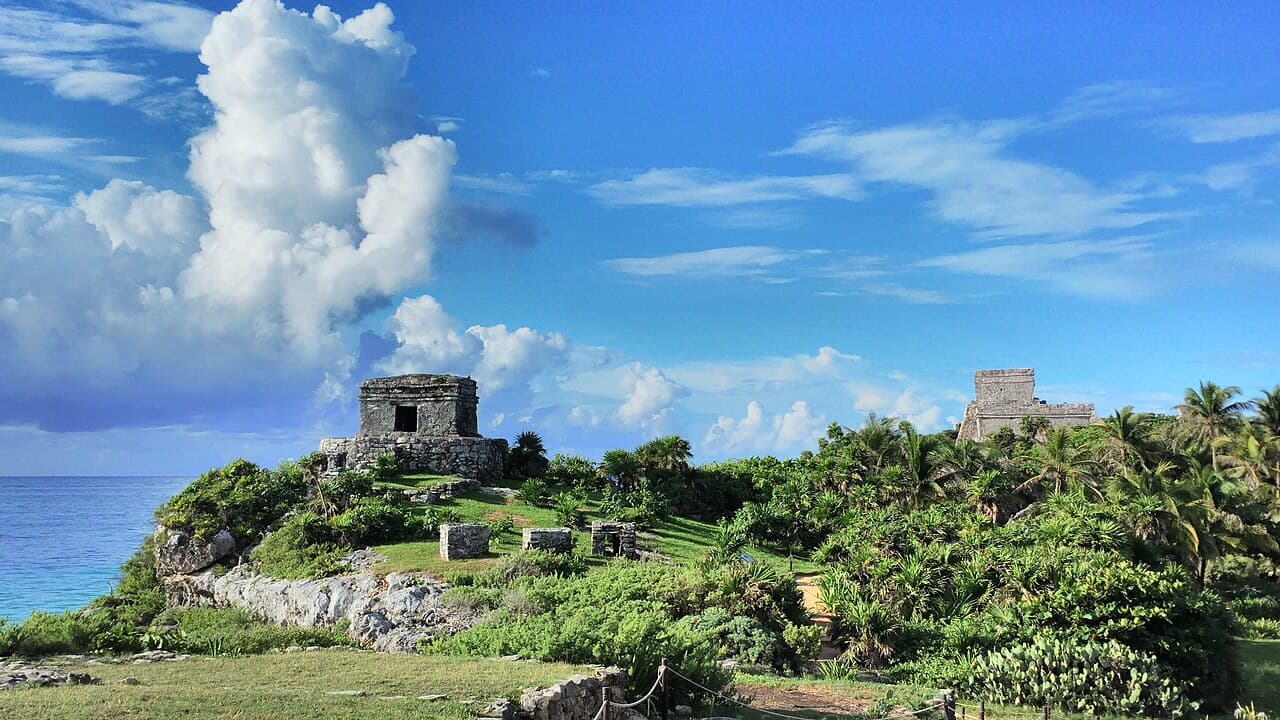
Riviera Maya's boho-chic capital — the only walled coastal Mayan ruins, perched on a cliff above turquoise Caribbean. Two Tulums coexist: the Pueblo (taco stands, hostels, real prices) and the Beach Hotel Zone (Instagram-famous palapa resorts at eye-watering rates). Cenotes everywhere — Gran Cenote, Dos Ojos, Sac Actun. Sian Ka'an Biosphere south, Coba Ruins inland. The new Maya Train and a brand-new Tulum airport opened late 2023.

Cancún
Mexico
The Caribbean's most visited resort destination — Cancún's Hotel Zone is a 23km barrier island of turquoise water so specific in shade it barely looks real. But Cancún is also the gateway to Mexico's greatest Maya site: Chichén Itzá (a New Seven Wonder, 200km inland), Isla Mujeres (30min ferry), and Tulum's cliff-top ruins above the sea. The cenotes of the Yucatán Peninsula — crystal-clear sinkholes sacred to the Maya — are the most extraordinary swimming experiences in the Americas.

Puerto Vallarta
Mexico
A Pacific resort town on Banderas Bay where the Sierra Madre tumbles directly into the sea — 1.5 km of sculpture-lined Malecón, the cobblestoned Romantic Zone with its crown-towered Our Lady of Guadalupe Church, and 42 distinct beaches around the bay from family-friendly Los Muertos to roadless Yelapa to the offshore Marietas Islands' Hidden Beach. Hollywood put Puerto Vallarta on the map when John Huston filmed The Night of the Iguana here in 1963 with Burton and Taylor; it has since become Latin America's most LGBTQ+ friendly destination. Tourist infrastructure is excellent and English widely spoken; humpback whales calve in the bay December-March. The all-inclusive Hotel Zone is generic; the Romantic Zone is where Vallarta's charm actually lives.

Mérida
Mexico
The colonial capital of Yucatán founded by Francisco de Montejo in 1542 on the site of the Maya city of T'hó — the conquistadors used dismantled Maya pyramid stones to build the cathedral, which you can still see in the walls. Mérida is consistently ranked among the safest cities in Mexico, the cultural capital of the Yucatec Maya (the only Mexican city where you regularly hear an indigenous language in everyday life), and the gateway to Chichén Itzá, Uxmal, and the Yucatán cenotes. The Paseo de Montejo is a French-influenced boulevard lined with henequen-boom mansions; the Mercado Lucas de Gálvez serves the best cochinita pibil in the country; the Sunday Bici-Ruta closes the city centre to cars. Heat April-May is brutal — visit November-February.

San Miguel de Allende
Mexico
A UNESCO World Heritage colonial town in central Mexico's Bajío highlands — the neo-Gothic pink-stone Parroquia de San Miguel Arcángel rises above the Jardín plaza like nothing else in Mexico, lit gold at sunset and pink at dawn. Cobblestone streets wind past 18th-century pastel houses, the Fábrica La Aurora art and design centre, the hot springs of Atotonilco, and a 10,000-strong North American expat community that has shaped the town since 1950. Day of the Dead and the Festival of San Miguel Arcángel (with the famous 4am Alborada fireworks) are the two most spectacular festivals in Mexico's calendar — both happen here.

Cabo San Lucas
Mexico
Where the Pacific Ocean meets the Sea of Cortez at the southernmost tip of the 1,200-km Baja California peninsula — the El Arco rock arch is the geological marker of land's end and the most photographed landmark in Baja. Calm Medano Beach, the buzzing 380-slip Marina, world-class sportfishing (the Bisbee tournament is the world's richest), December-April whale watching for grey, humpback, and blue whales, and the Tropic of Cancer running through the middle of Los Cabos. Easy US-friendly access — direct flights from every major US gateway, US dollars accepted everywhere.

Guanajuato
Mexico
Guanajuato is the Mexican silver-mining city that became a multicoloured riot — pink, ochre, mint, and lemon-yellow houses tumbling up the hillsides of a narrow ravine, with most of the city's traffic underground in 18th-century mine tunnels that were repurposed for cars. UNESCO inscribed the historic centre and the surrounding mines in 1988. The university (founded 1732) keeps the streets young; Diego Rivera was born here in a townhouse that's now a museum; the El Pípila monument on the hilltop gives you the photogenic panorama; and on weekend evenings the callejoneadas — student musicians in 17th-century costume leading wine-soaked walking serenades through the back alleys — are the warmest way to experience the city.
.jpg%3Fwidth%3D1280&w=1600&q=75)
Playa del Carmen
Mexico
The Riviera Maya's most walkable beach town, an hour south of Cancun airport on Highway 307. The pedestrianised Quinta Avenida runs four kilometres parallel to the sand, packed with restaurants, bars, gelato counters and silver-jewellery boutiques that do not close until 1 am. Mamita's Beach anchors the casual beach-club scene to the north; the all-inclusive resort cluster pushes south toward Tulum. Ferries depart every half hour for Cozumel (35 minutes) and there is a separate boat to Isla Mujeres, which makes Playa a useful base for a Caribbean island day trip without committing to staying offshore.
.jpg%3Fwidth%3D1280&w=1600&q=75)
Cozumel
Mexico
A flat 478 sq km Caribbean island east of Playa del Carmen, reached in 35 minutes by passenger ferry. The reason to come is underwater: Cozumel sits on the Mesoamerican Reef, the second-largest barrier reef system in the world, with Palancar, Santa Rosa Wall and Punta Sur drift dives consistently ranked among the planet's best. San Miguel is the only real town, a low-rise grid built around a cruise terminal that sees regular Carnival and Royal Caribbean stops. Inland, Chankanaab Park combines a Mayan ruin with snorkelling lagoons; the rest of the island is mostly mangroves, beach clubs and one perimeter road.

Guadalajara
Mexico
Mexico's second city and the capital of Jalisco, a 5-million metro that gave the country mariachi, tequila and the charreria rodeo. The historic centre runs from the twin-spired Cathedral past the Hospicio Cabanas, a UNESCO-listed neoclassical orphanage whose chapel ceiling is covered in Jose Clemente Orozco's 1939 frescoes including the Man of Fire. Tlaquepaque and Tonala sit on the southeast edge as artisan neighbourhoods of pottery, blown glass and Saturday markets. The town of Tequila is an hour west by tequila-themed train through fields of blue agave. GDL airport handles direct flights from most major US hubs.

Cuernavaca
Mexico
The City of Eternal Spring, 90 minutes south of Mexico City over the mountains, where 1,500 metres of elevation and a mild year-round climate have drawn capital weekenders since the Aztec emperors. Hernan Cortes built his 1526 Palace here on the ruins of an Aztec tribute centre, making it the oldest standing civic building in the Americas. The Borda Garden, laid out by a French silver baron in the 1780s, was Maximilian and Carlota's summer retreat in the 1860s. The Robert Brady Museum, in a former convent, holds the American expat's idiosyncratic collection of Frida Kahlo, Tamayo, and African and Asian art across 14 themed rooms.