
Oaxaca
THE QUICK VERDICT
By Anthony · Updated June 2026
Choose Oaxaca if you want Mexico's best food scene, mezcal culture, indigenous markets, and Day of the Dead celebrations.
- Best for
- mole negro at Las Quince Letras, mezcal palenque tastings, Monte Alban ruins, Tlacolula Sunday market
- Two seasons
- Mar–Apr and Oct–Dec
- Budget anchor
- $95/day mid-range
- Language gap
- English gets thin outside tourist areas — a translation app earns its keep
- Worth a look
- Hierve el Agua's petrified waterfalls and Teotitlan rug-weaving villages make a stunning combined day trip
Mexico's culinary capital and a UNESCO World Heritage city. Famous for mole, mezcal, indigenous markets, Day of the Dead celebrations, and nearby Monte Albán ruins.
The two links below are affiliate links — MapSorted earns a small commission if you book through them, at no extra cost to you. How this works.
Tours & Experiences
Bookable tours, activities, and day trips in Oaxaca
Where to Stay
Compare hotels and rentals in Oaxaca
📍 Points of Interest
Monte Alban
Ancient Zapotec hilltop capital and UNESCO World Heritage Site
Santo Domingo de Guzman
Magnificent 16th-century church with gilded interior
Zocalo (Plaza de la Constitucion)
Lively central square shaded by laurel trees
Hierve el Agua· 53 km SE
Petrified waterfalls with natural infinity pools
Mitla Archaeological Zone· 42 km E
Zapotec-Mixtec site with unmatched geometric stone mosaics
★ Local Picks
Mercado de Abastos
Massive local wholesale market with authentic food stalls
Mezcaloteca
Intimate tasting room with single-village artisanal mezcals
Jalatlaco Neighborhood
Colorful bohemian quarter with cafes and galleries
At a Glance
- Pop.
- 300,000 (city), 600,000 (metro)
- Timezone
- Mexico City
- Dial
- +52
- Emergency
- 911
Oaxaca is widely considered the culinary capital of Mexico, home to seven iconic moles and the birthplace of mezcal
The state of Oaxaca has 16 indigenous groups — more cultural diversity than any other Mexican state — each with distinct languages and traditions
Monte Alban, a UNESCO World Heritage Site perched on a flattened mountaintop, was the capital of the Zapotec civilization for over 1,500 years
Oaxaca's Day of the Dead celebration is one of the most elaborate in Mexico, with week-long festivities, comparsas (parades), and graveyard vigils
The city's vibrant street art scene and artisan markets have made it a creative hub for artists and designers from across the Americas
Oaxaca sits at 1,550 meters (5,085 ft) in a valley surrounded by the Sierra Madre mountains, giving it a pleasant year-round climate
Top Sights
Monte Alban
📌A breathtaking archaeological site atop a flattened mountain overlooking the Oaxaca Valley. This ancient Zapotec capital (500 BC - 700 AD) features a grand plaza, pyramids, an observatory, and carved stone reliefs. One of Mexico's most important pre-Columbian sites.
Santo Domingo de Guzman Church & Cultural Center
📌A stunning 16th-century Dominican church with an interior entirely covered in gold leaf and polychrome plaster. The adjoining ex-convent houses the Museum of Oaxacan Cultures with treasures from the Tomb 7 Monte Alban excavation.
Mercado Benito Juarez & Mercado 20 de Noviembre
🗼Two adjacent bustling markets that are the heart of Oaxacan food culture. Juarez sells crafts, produce, and mole pastes. 20 de Noviembre is famous for its Pasillo de Humo (Smoke Alley) where vendors grill tasajo and cecina over open coals.
Hierve el Agua
🌿A set of petrified waterfalls formed by mineral-rich springs cascading over cliff edges. The natural infinity pools at the top offer swimming with views across the valley. One of Oaxaca's most photographed natural wonders.
Mitla Archaeological Zone
📌Known as the "Place of the Dead," this Zapotec-Mixtec site is famous for its intricate geometric stone mosaics — no two panels are alike. The stonework here is considered the finest in all of Mesoamerica.
Zocalo (Plaza de la Constitucion)
🗼The lively central square shaded by Indian laurel trees, surrounded by cafes with second-floor terraces. Street performers, vendors, and political demonstrations make it the social heartbeat of the city.
Mezcal Distilleries (Palenques)
📌The valleys surrounding Oaxaca are dotted with artisanal mezcal producers (palenques) where agave is roasted in underground pits, crushed by horse-drawn stone wheels, and fermented in open-air vats — unchanged for centuries.
Tule Tree (Arbol del Tule)
🌿A Montezuma cypress with the thickest trunk of any tree in the world — 14 meters in diameter and estimated to be 1,500-2,000 years old. Located in the churchyard of Santa Maria del Tule.
Language & Phrases
Mexican Spanish is the primary language. Many indigenous languages (Zapotec, Mixtec, Mixe) are spoken in surrounding communities. Oaxacans appreciate any effort to speak Spanish — even basic phrases will warm interactions. English is spoken at tourist-oriented businesses but rarely elsewhere.
| English | Translation | Pronunciation |
|---|---|---|
| Hello / Goodbye | Hola / Adios | OH-lah / ah-dee-OHS |
| Good morning / Good evening | Buenos dias / Buenas noches | BWEH-nos DEE-ahs / BWEH-nahs NOH-ches |
| Thank you | Gracias | GRAH-see-ahs |
| Please | Por favor | por fah-VOR |
| Excuse me / Sorry | Disculpe / Perdon | dees-KOOL-peh / per-DOHN |
| Yes / No | Si / No | see / no |
| How much is this? | Cuanto cuesta? | KWAHN-toh KWES-tah? |
| Where is...? | Donde esta...? | DOHN-deh es-TAH...? |
| The check, please | La cuenta, por favor | lah KWEN-tah, por fah-VOR |
| Delicious! | Que rico! | keh REE-koh! |
| I don't speak Spanish | No hablo espanol | no AH-bloh es-pahn-YOL |
| Cheers! (for mezcal) | Salud! | sah-LOOD! |
Climate & Best Time to Go
Oaxaca city sits at 1,550 meters elevation and enjoys a temperate semi-arid climate with warm days and cool nights year-round. There is a distinct rainy season from June to September with afternoon thunderstorms. The city gets over 300 days of sunshine per year.
Dry Season
October - May50-86°F
10-30°C
Clear, sunny days with comfortable temperatures and cool evenings. October-November are warm and green from the rains. December-February can be chilly at night. March-May are the hottest months.
Rainy Season
June - September57-82°F
14-28°C
Mornings are usually clear with heavy afternoon thunderstorms lasting 1-2 hours. The surrounding hills turn lush green. Temperatures are slightly cooler due to cloud cover and rain.
Best Time to Visit
October through April is the dry season with clear skies and comfortable temperatures. Late October to early November (Day of the Dead) and July (Guelaguetza) are the most festive and atmospheric times to visit, but accommodations book up months in advance.
Dry Season (October - May)
Crowds: Moderate to high — peaking around Day of the Dead and Christmas/New YearMostly clear skies with warm days and cool nights. The best weather for exploring archaeological sites and artisan villages. November is especially popular for Day of the Dead festivities.
Pros
- + Clear skies for Monte Alban visits
- + Perfect walking weather
- + Day of the Dead celebrations
- + Comfortable evening temperatures
Cons
- − Peak pricing during Day of the Dead and Christmas
- − March-May can be very hot
- − Dusty conditions at archaeological sites
- − Accommodation scarce during festivals
Rainy Season (June - September)
Crowds: Low to moderate — except during Guelaguetza in JulyAfternoon thunderstorms are heavy but usually brief. Mornings are clear and the surrounding mountains turn lush green. The Guelaguetza festival in July is the biggest cultural event of the year.
Pros
- + Lower hotel prices
- + Lush green landscapes
- + Guelaguetza festival in July
- + Fewer tourists at archaeological sites
Cons
- − Heavy afternoon rains can disrupt plans
- − Roads to Hierve el Agua may be muddy
- − Higher humidity
- − Some outdoor activities limited
🎉 Festivals & Events
Day of the Dead (Dia de los Muertos)
October 31 - November 2One of Mexico's most elaborate Day of the Dead celebrations with comparsas (costumed parades), graveyard vigils, elaborate altars (ofrendas), and mezcal-fueled festivities across the city.
Guelaguetza
Two Mondays after July 16Oaxaca's most important cultural festival — indigenous communities from across the state gather on the Cerro del Fortin hillside to perform traditional dances, music, and share regional foods.
Noche de Rabanos (Night of the Radishes)
December 23A uniquely Oaxacan competition where artisans carve intricate scenes from giant radishes. Displayed in the Zocalo, the radish sculptures depict nativity scenes, dancers, and historical events.
Calenda Processions
Year-round (most frequent in December)Colorful neighborhood street processions with giant puppets (monos de calenda), marching bands, dancing, and fireworks celebrating saints' days and community events.
Off the Beaten Path
Mercado de Abastos
The city's main wholesale market — a sprawling, chaotic maze of stalls selling everything from live turkeys to fresh mole pastes, dried chilies, chapulines (grasshoppers), and mezcal. Locals shop here, tourists rarely venture in.
This is where Oaxacans actually shop and eat. The food stalls inside serve some of the best and cheapest tlayudas, tamales, and atole in the city.
San Agustin Etla Paper Mill (CASA)
A beautifully converted former hydroelectric plant and paper mill turned into a contemporary art center by artist Francisco Toledo. Hosts rotating exhibitions and community art workshops.
The late Francisco Toledo was Oaxaca's most beloved artist and cultural champion — this space embodies his vision of art as community service.
Mezcaloteca
A tiny, unassuming tasting room dedicated to educating visitors about artisanal mezcal. No fancy cocktails — just carefully curated flights of single-village, single-agave mezcals served in copitas.
The owners personally source from small family producers across Oaxaca. Each mezcal comes with a story about the mezcalero and the wild agave variety used.
Jalatlaco Neighborhood
A quiet, photogenic neighborhood just east of the centro with cobblestone streets, colorful facades, and a growing number of independent cafes, mezcalerias, and small galleries.
While tourists crowd the Zocalo, Jalatlaco offers a glimpse of neighborhood Oaxaca — families gathering at the local church, kids playing in the streets, and excellent hole-in-the-wall eateries.
Teotitlan del Valle
A Zapotec weaving village where families have been creating hand-dyed, hand-woven rugs using backstrap and pedal looms for generations. Natural dyes come from cochineal, indigo, and pomegranate.
You can watch the entire process from shearing to weaving in family workshops, and buy directly from the artisans at a fraction of gallery prices.
Safety Breakdown
Moderate
out of 100
Oaxaca city is generally safe for tourists and has a welcoming, community-oriented atmosphere. The historic center is well-patrolled and walkable. As with all of Mexico, use common sense — avoid flashing valuables, be cautious at night in unfamiliar areas, and stick to reputable transport. Political protests occasionally block roads but are rarely dangerous to bystanders.
Things to Know
- •The historic center is safe to walk day and night, but be cautious in poorly lit areas beyond the centro
- •Use authorized taxis or ride-hailing apps (Didi, InDriver) rather than hailing unmarked cars from the street
- •Political protests and teacher strikes are common in Oaxaca — they can block major roads but are generally peaceful
- •Be cautious with mezcal tastings — artisanal mezcal is typically 45-55% ABV, much stronger than most spirits
- •Drink bottled water only — even upscale restaurants typically serve purified water, but always confirm
- •The mountain road to Puerto Escondido has many switchbacks — take motion sickness medication if susceptible
Natural Hazards
Emergency Numbers
General Emergency
911
Police
911
Red Cross (Cruz Roja)
065
Fire Department
068
Tourist Police
(951) 516-0123
Costs & Currency
Where the money goes
USD per dayBackpacker = hostel dorm + street food + public transit. Mid-range = 3-star hotel + neighbourhood restaurants + transit cards. Luxury = 4/5-star + fine dining + taxis. How we calibrate these numbers →
Quick cost estimate
Customize per category →Estimates based on regional averages. Flight prices vary by season and airline.
budget
$35-55
Hostel dorm, market meals and street food, colectivos, free walking tours, self-guided Monte Alban
mid-range
$70-120
Boutique B&B, restaurant meals, guided day tours, mezcal tastings, cooking class
luxury
$200+
Heritage hotel, fine dining at Origen or Criollo, private tours, spa treatments, premium mezcal tastings
Typical Costs
| Item | Local | USD |
|---|---|---|
| AccommodationHostel dorm bed | MXN 200-350 | $12-20 |
| AccommodationMid-range hotel (double) | MXN 800-1,500 | $46-87 |
| AccommodationBoutique heritage hotel | MXN 2,500-5,000 | $145-290 |
| FoodMarket comedor meal | MXN 50-80 | $3-4.65 |
| FoodTlayuda from street vendor | MXN 40-70 | $2.30-4 |
| FoodRestaurant dinner | MXN 200-400 | $12-23 |
| FoodMezcal tasting (3 pours) | MXN 100-200 | $6-12 |
| FoodCraft coffee | MXN 45-70 | $2.60-4 |
| TransportColectivo to Mitla | MXN 30-50 | $1.75-3 |
| TransportCity taxi ride | MXN 40-80 | $2.30-4.65 |
| AttractionsMonte Alban entrance | MXN 90 | $5.20 |
| AttractionsCooking class (half-day) | MXN 1,200-2,000 | $70-116 |
| AttractionsGuided mezcal tour | MXN 800-1,500 | $46-87 |
💡 Money-Saving Tips
- •Eat at market comedores for authentic Oaxacan meals at a fraction of restaurant prices
- •Take colectivos instead of private taxis to reach villages and archaeological sites
- •Free mezcal tastings are offered at many shops along Macedonio Alcala — no purchase required
- •Visit Monte Alban on Sunday when entrance is free for Mexican residents (and less crowded)
- •Buy crafts directly from artisan villages rather than city galleries — prices can be 30-50% lower
- •The free walking tour from the Zocalo is an excellent introduction to the city (tip-based)
- •Street food tlayudas at the 20 de Noviembre market are filling meals for under $4
- •Oaxacan chocolate from the mills on Calle Mina is cheaper and fresher than packaged brands
Mexican Peso
Code: MXN
1 USD is approximately 17.25 MXN (as of early 2026). ATMs are abundant in the centro — Banorte, BBVA, and Santander have lower fees. Some US dollars are accepted at tourist-oriented businesses, but pesos always get better value. Avoid standalone ATMs in convenience stores.
Payment Methods
Cash is preferred at markets, street food stalls, colectivos, and small businesses. Credit cards (Visa, Mastercard) are accepted at hotels, upscale restaurants, and larger shops. American Express is less widely accepted. Contactless payments are growing but not yet universal.
Tipping Guide
10-15% is standard in sit-down restaurants. Check if propina (tip) is already included on the bill — some tourist restaurants add it automatically.
Not expected at food stalls and warungs, but leaving small change is appreciated at market comedores.
MXN 100-200 ($6-12) per person for a full-day tour. More for exceptionally knowledgeable guides.
Not expected for taxi rides. Round up to the nearest MXN 10 for convenience.
MXN 30-50 ($1.75-3) per bag for porters. MXN 30-50 per day for housekeeping.
How to Get There
✈️ Airports
Oaxaca International Airport (Xoxocotlan)(OAX)
7 km southAuthorized airport taxis to the centro cost MXN 150-200 (~$9-12). Colectivo vans (shared) are about MXN 60 (~$3.50). Didi/InDriver rides are MXN 80-120 (~$5-7). No public bus to the airport.
✈️ Search flights to OAX🚌 Bus Terminals
ADO / OCC Bus Terminal (1a Clase)
First-class buses to Mexico City (6h, MXN 600-900), Puebla (4.5h, MXN 550-750), and Huatulco (6h, MXN 400-650). ADO GL offers premium reclining seats. Book on the ADO app.
Central de Abastos Terminal (2a Clase)
Second-class buses and colectivos to regional destinations: Puerto Escondido (6-7h, MXN 350-600), Sierra Norte villages, and Pacific coast towns. Less comfortable but more frequent.
Getting Around
Oaxaca's compact historic center is easily explored on foot. For outlying sites like Monte Alban, Hierve el Agua, and weaving villages, you'll need organized transport. Colectivos (shared vans) are the cheapest way to reach nearby villages. Ride-hailing apps work well in the city.
Colectivos (Shared Vans)
MXN 10-50 (~$0.60-3) depending on distanceShared minivans departing from various points around the centro to nearby villages, markets, and archaeological sites. They leave when full. Cheap and used by locals for everything.
Best for: Reaching Tule, Teotitlan, Mitla, and other valley towns like a local — very cheap but somewhat unpredictable schedules
Taxis / Ride-hailing (Didi, InDriver)
MXN 40-80 (~$2.30-4.65) for trips within the centroMetered taxis are available throughout the city. Didi and InDriver operate as ride-hailing alternatives to Uber (which doesn't work well in Oaxaca). Always confirm the fare before departing in taxis.
Best for: Point-to-point trips within the city, especially at night or with luggage
Organized Tours & Private Drivers
MXN 300-600 (~$17-35) per person for group tours; MXN 1,500-2,500 (~$85-145) for private driver/dayMany agencies offer day tours combining sites along popular routes (Mitla + Tule + Hierve el Agua, or Monte Alban + artisan villages). Private drivers can be hired for customized itineraries.
Best for: Reaching distant sites like Hierve el Agua, combining multiple stops efficiently, and getting context from a knowledgeable guide
Bicycle Rental
MXN 150-250 (~$9-15) per daySeveral shops rent bicycles for exploring the city and nearby valley floor. The centro is mostly flat, though traffic can be intense. Some tours offer guided valley cycling.
Best for: Exploring the city at your own pace and cycling to nearby villages like Atzompa on the valley floor
Walkability
The historic center is very walkable — the Zocalo, markets, Santo Domingo, museums, and best restaurants are all within a 15-minute walk of each other. Sidewalks can be narrow and uneven. Most streets in the centro are one-way with light traffic.
Travel Connections
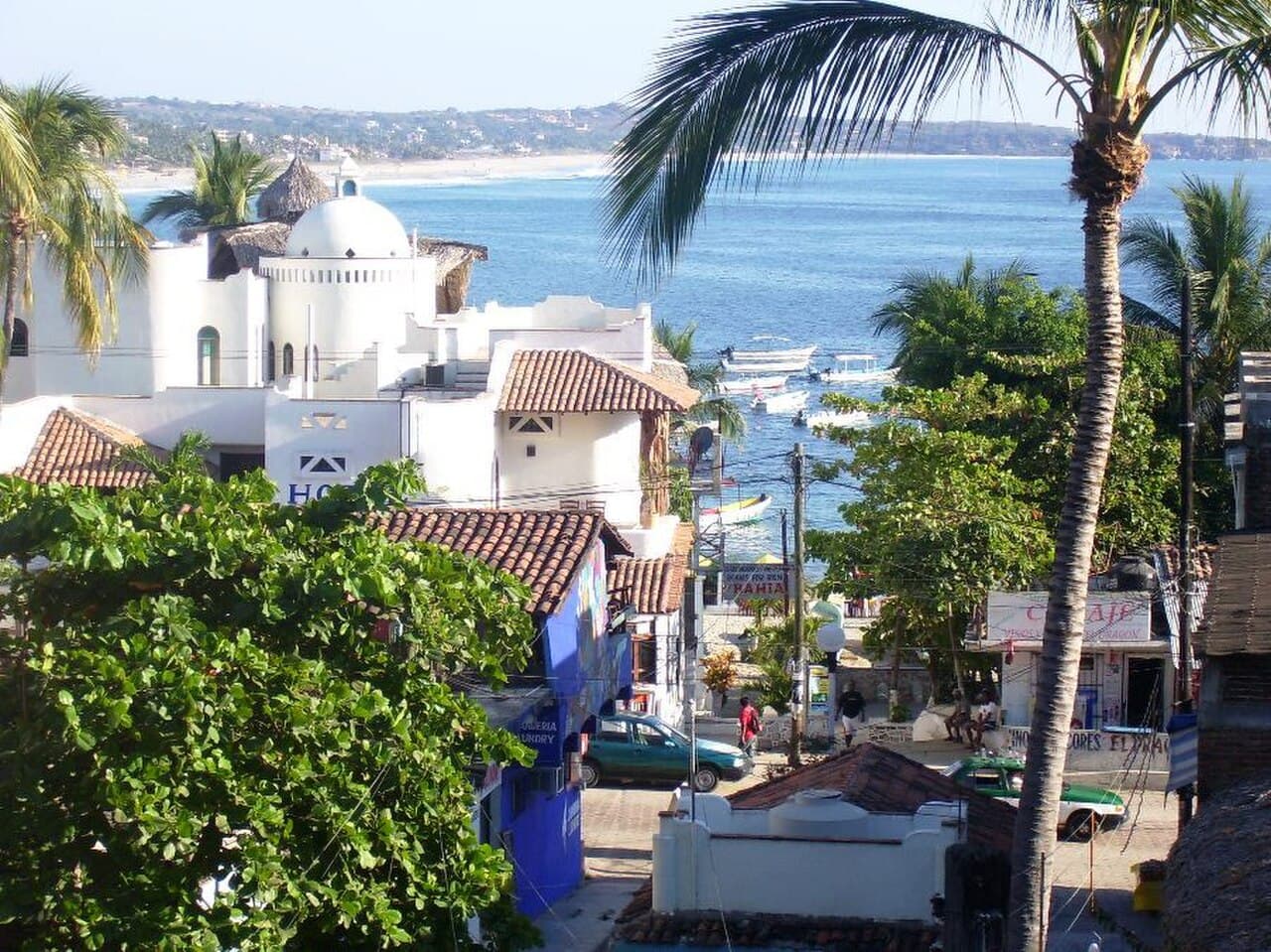
Puerto Escondido
A laid-back Pacific surf town with powerful beach breaks at Zicatela, bioluminescent lagoon tours, and a growing food scene. The road trip through the Sierra Madre is spectacular but stomach-churning.
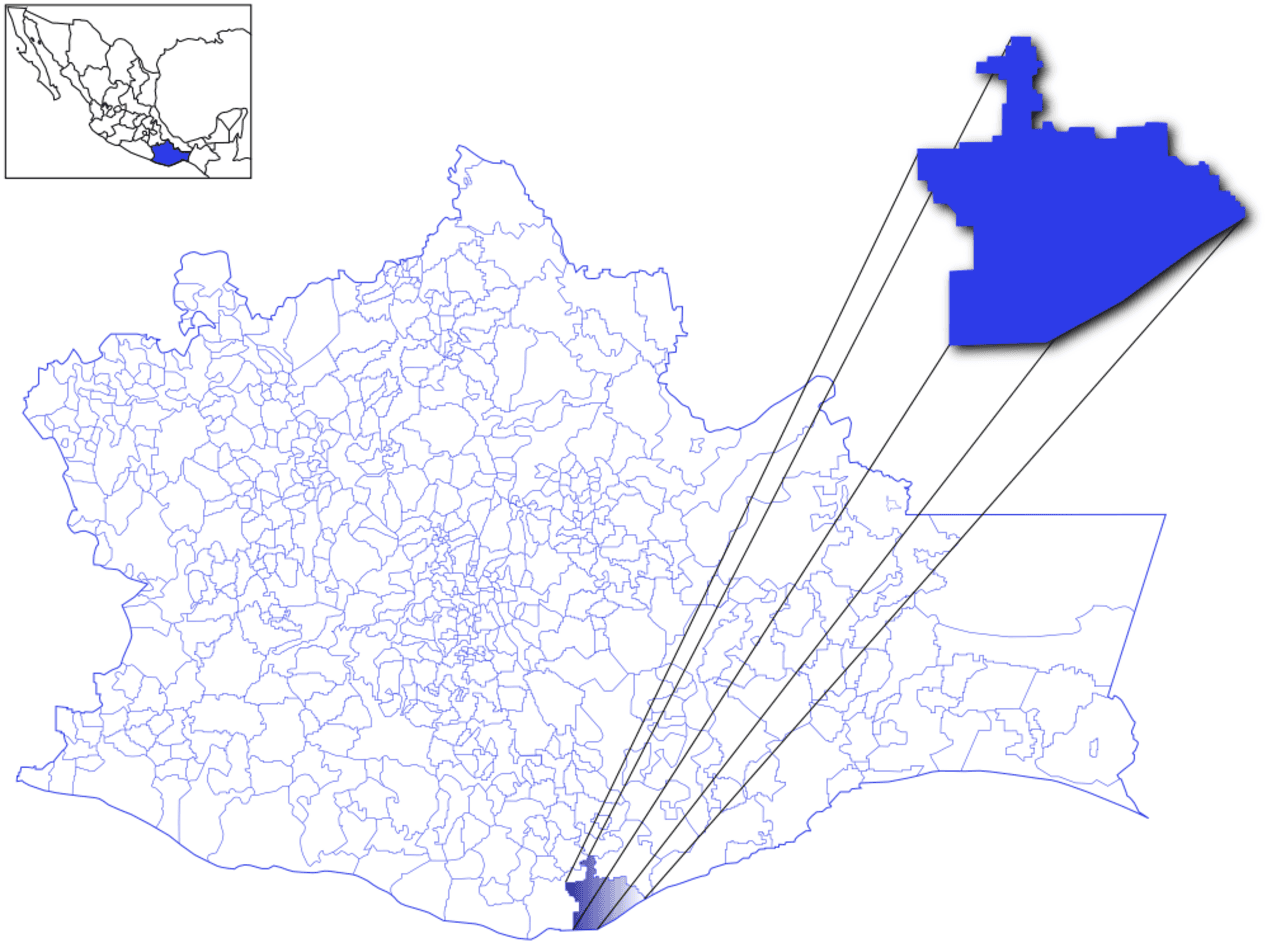
Huatulco
Nine bays of turquoise Pacific waters surrounded by national park. Snorkeling, boat tours through the bays, and a quieter alternative to other Mexican resort towns.

Puebla
A beautiful colonial city famous for its Talavera tiles, elaborate baroque churches, and inventive cuisine (mole poblano, chiles en nogada). A UNESCO World Heritage historic center.
San Jose del Pacifico
A mystical cloud forest village perched at 2,400 meters in the Sierra Madre del Sur. Known for its misty mountain atmosphere, mushroom traditions, and temazcal (sweat lodge) ceremonies.

Mazunte & Zipolite
Twin beach villages on the Pacific coast. Mazunte is a yoga and eco-tourism hub with a sea turtle conservation center. Zipolite is Mexico's only official nudist beach with a bohemian spirit.
Entry Requirements
Mexico offers visa-free entry to citizens of most Western countries, Japan, South Korea, and several Latin American nations for tourism stays up to 180 days. You will receive an FMM (Forma Migratoria Multiple) tourist permit on arrival — keep this card safe as you'll need it when departing.
Entry Requirements by Nationality
| Nationality | Visa Required | Max Stay | Notes |
|---|---|---|---|
| US Citizens | Visa-free | 180 days | No visa needed. FMM tourist card issued on arrival (increasingly digital). Passport must be valid for duration of stay. |
| Canadian Citizens | Visa-free | 180 days | Same terms as US citizens. Canada-Mexico relations are strong with direct flights from several Canadian cities. |
| UK Citizens | Visa-free | 180 days | No visa required. Standard FMM tourist card on arrival. Passport valid for duration of stay. |
| EU Citizens | Visa-free | 180 days | No visa needed for most EU nationalities. FMM issued on arrival. |
| Indian Citizens | Yes | Up to 180 days | Must apply for a Mexican visa at the embassy. However, holders of a valid US visa can enter Mexico visa-free for up to 180 days. |
Visa-Free Entry
Tips
- •The FMM tourist card is now increasingly digital — some airlines provide it electronically, but carry a printed copy as backup
- •Immigration officers may ask for proof of onward travel and accommodation — have confirmations accessible
- •The 180-day maximum is at the immigration officer's discretion — they may stamp fewer days. Check your FMM immediately
- •If you overstay your FMM, you'll face a fine at departure and potential entry issues in the future
- •Altitude sickness is unlikely in Oaxaca (1,550m) but drink extra water on arrival and limit alcohol the first day
Shopping
Oaxaca is one of Mexico's finest destinations for artisan crafts. Each surrounding village specializes in a different craft — black pottery in San Bartolo Coyotepec, woven rugs in Teotitlan del Valle, alebrijes in San Martin Tilcajete. The city's markets and galleries offer everything under one roof, but visiting the villages is the best experience.
Mercado Benito Juarez
traditional marketA covered market packed with stalls selling mole pastes, chocolate, mezcal, embroidered blouses, leather goods, and Oaxacan crafts. Good for one-stop souvenir shopping.
Known for: Mole negro paste, chocolate de agua, chapulines (grasshoppers), hand-embroidered textiles, leather huarache sandals
Andador Macedonio Alcala (Pedestrian Street)
gallery districtThe elegant pedestrian street connecting the Zocalo to Santo Domingo, lined with galleries, designer boutiques, mezcal bars, and upscale craft shops.
Known for: Contemporary Oaxacan art, high-end textiles, designer mezcal brands, fine jewelry
San Bartolo Coyotepec
artisan villageA village 12 km south famous for its distinctive black pottery (barro negro). Workshops demonstrate the burnishing technique that gives the clay its metallic sheen.
Known for: Black clay pottery, decorative figurines, functional tableware, and ornamental pieces
San Martin Tilcajete
artisan villageThe home of alebrijes — fantastical hand-carved and painted wooden creatures. Families in this village create these whimsical animals from copal wood using traditional and contemporary designs.
Known for: Alebrijes (painted wooden spirit animals), from small keychains to large museum-quality sculptures
🎁 Unique Souvenirs to Look For
- •Artisanal mezcal from small-batch palenques — ask for espadín, tobalá, or wild-harvested varieties
- •Hand-embroidered huipil blouses from indigenous communities — each region has distinct patterns
- •Barro negro (black pottery) from San Bartolo Coyotepec workshops
- •Alebrijes from San Martin Tilcajete — prices range from $5 keychains to $500+ museum pieces
- •Oaxacan chocolate discs for making hot chocolate — Mayordomo or Guelaguetza brands
- •Mole paste from the markets — mole negro, coloradito, or amarillo in vacuum-sealed bags
- •Hand-woven rugs from Teotitlan del Valle using natural cochineal and indigo dyes
- •Chapulines (toasted grasshoppers seasoned with chile and lime) — Oaxaca's iconic crunchy snack
If you like Oaxaca, you'll love…
4 cities with a similar vibe, outside of the same country.

Morocco · OVR 71
world-class dining · manageable on foot

Colombia · OVR 71
world-class dining · manageable on foot

Morocco · OVR 72
not wallet-breaking · interesting cultural mix
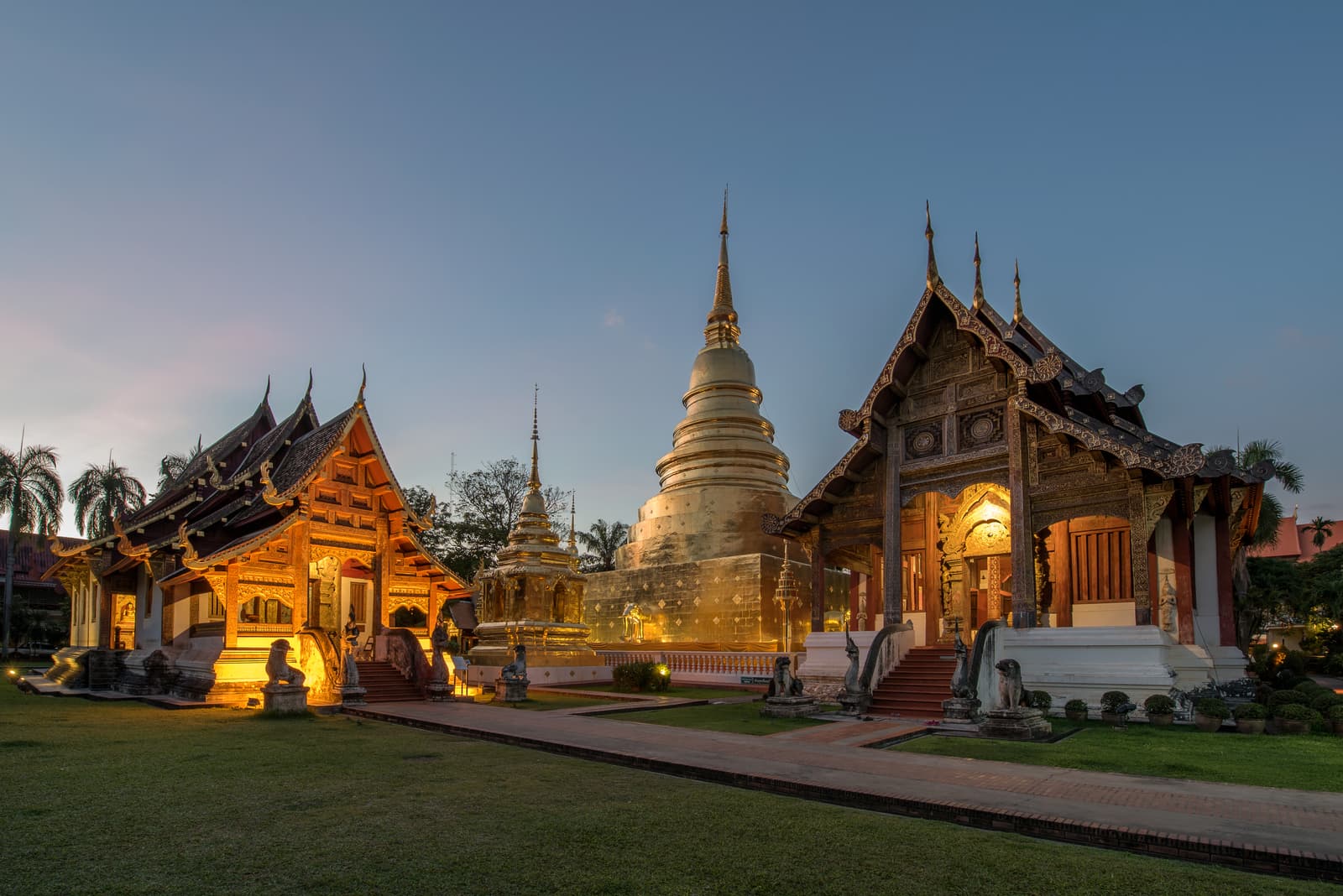
Thailand · OVR 77
world-class dining · manageable on foot