
Cartagena
THE QUICK VERDICT
By Anthony · Updated June 2026
Choose Cartagena if you want a UNESCO walled city on the Caribbean — salsa courtyards, Getsemaní street art, Rosario Islands, and Colombia's friendliest coast.
- Best for
- Ciudad Amurallada balconies at sunset, Plaza Trinidad street food, Islas del Rosario day-trips
- Best window
- Dec–Mar
- Budget anchor
- $115/day mid-range
- No real seasons
- Within 4°C year-round — timing is about rain, not temperature
- Skip if
- you want a transit-based city — getting beyond the walls means taxis or tuk-tuks
Cartagena's UNESCO-listed walled city is one of the most beautiful colonial centers in the Americas — bougainvillea-draped balconies, pastel-colored buildings, and cobblestone streets alive with music and street food. The Caribbean warmth extends to the people, the nearby Rosario Islands, and the ceviche.
The two links below are affiliate links — MapSorted earns a small commission if you book through them, at no extra cost to you. How this works.
Tours & Experiences
Bookable tours, activities, and day trips in Cartagena
Where to Stay
Compare hotels and rentals in Cartagena
📍 Points of Interest
Walled City (Ciudad Amurallada)
UNESCO-listed colonial center with colorful architecture
Castillo San Felipe de Barajas
Largest Spanish colonial fortress in the Americas
Getsemani
Vibrant neighborhood with street art and nightlife
Islas del Rosario· 35 km SW
Caribbean archipelago with snorkeling and beaches
Plaza de Bolivar
Main square with cathedral and Palace of the Inquisition
Convento de la Popa
17th-century hilltop convent with panoramic views
Bocagrande Beach
Main city beach strip with hotels and restaurants
★ Local Picks
Mercado de Bazurto
Chaotic local market with authentic food and culture
La Cevicheria
Famous ceviche spot visited by Anthony Bourdain
Plaza de la Trinidad
Getsemani's lively evening gathering spot
At a Glance
- Pop.
- 1M (city)
- Timezone
- Bogota
- Dial
- +57
- Emergency
- 123
Cartagena's Walled City (Ciudad Amurallada) is a UNESCO World Heritage Site, founded in 1533 by Spanish conquistadors
The city was one of the most important ports in the Spanish Empire and a primary hub of the transatlantic slave trade
Gabriel Garcia Marquez lived in Cartagena and set much of "Love in the Time of Cholera" here
Cartagena sits on the Caribbean coast with average temperatures of 28-32°C year-round — it never gets cold
The city has 11 km of colonial walls that took over 200 years to complete (1586-1796)
Cartagena was attacked by Sir Francis Drake in 1586, who held the city for ransom for 107 days
Top Sights
Walled City (Ciudad Amurallada)
🏘️The historic heart of Cartagena — a labyrinth of colorful colonial buildings, flower-draped balconies, cobblestone plazas, churches, and boutique hotels within 16th-century fortified walls.
Castillo San Felipe de Barajas
📌The largest Spanish colonial fortress in the Americas, built on San Lazaro hill with an intricate system of tunnels designed to amplify sound for detecting intruders. Arrive early to beat the heat.
Getsemani
🏘️Once a gritty working-class barrio, now Cartagena's coolest neighborhood with vibrant street art, lively plazas, hostels, rooftop bars, and the nightly gathering at Plaza de la Trinidad.
Islas del Rosario
🏝️An archipelago of 27 coral islands 45 minutes by boat from Cartagena, offering crystal-clear Caribbean water, snorkeling, diving, and beach club day trips.
Plaza de Bolivar
🗼The main square of the Walled City, surrounded by the Cathedral, the Palace of the Inquisition (now a museum), and colonial mansions. Shaded by tropical trees with palenquera fruit sellers.
Convento de la Popa
📌A 17th-century convent perched on the highest point in Cartagena (150m), offering panoramic views of the entire city, the Caribbean, and the surrounding coastline.
Bocagrande Beach
🏖️The city's main beach strip along a modern peninsula of high-rise hotels and restaurants. The sand is acceptable and the water warm, but the real beach experiences are on the islands.
Palacio de la Inquisicion
🏛️A striking colonial palace that housed the Spanish Inquisition's tribunal. Now a museum with historical exhibits on colonial-era persecution and Cartagena's complex past.
Climate & Best Time to Go
Cartagena has a tropical climate with consistently hot temperatures year-round. There are two main seasons: dry (December-April) and wet (May-November). Humidity is always high, typically 80-90%. Air conditioning is your friend.
Dry Season
December - April77-91°F
25-33°C
The most popular time to visit with sunny skies, lower humidity, and Caribbean breezes. January and February are the most comfortable months. Prices and crowds peak during this period.
Transition (Early Wet)
May - June79-91°F
26-33°C
Rain begins but is usually in short, intense afternoon bursts. Mornings are still sunny. Fewer tourists and better prices than the dry season.
Wet Season
July - November77-90°F
25-32°C
The wettest period with October seeing the most rainfall. Thunderstorms are dramatic but usually brief. Humidity is at its highest. This is low season with the best deals.
Peak Dry
January - March77-90°F
25-32°C
The driest and most comfortable months with consistent trade winds providing natural cooling. This is high season — book accommodation and tours well in advance.
Best Time to Visit
December through March is peak season with dry weather and comfortable breezes. For fewer crowds and lower prices, visit in June or early July when rain is present but manageable. Avoid October-November — the wettest months.
Dry Season (December - April)
Crowds: High — peaks around Christmas, New Year, and Semana SantaThe most popular time to visit with sunny skies, trade wind breezes, and lower humidity. January and February are the most comfortable. Prices and crowds are highest during this period.
Pros
- + Consistently sunny weather
- + Lower humidity with cooling breezes
- + Best conditions for island trips
- + Vibrant festival atmosphere
Cons
- − Highest accommodation prices
- − Popular attractions crowded
- − Flights more expensive
- − Beach vendors more aggressive
Shoulder Season (May - July)
Crowds: Moderate to lowRain arrives but usually in short afternoon bursts. Mornings are sunny and temperatures are warm. Fewer tourists and noticeably lower prices. A good compromise between weather and value.
Pros
- + Significantly lower prices
- + Fewer tourists at attractions
- + Mornings typically dry
- + Lush, green surroundings
Cons
- − Afternoon rain is frequent
- − Humidity increases
- − Some island trips may be cancelled in rough seas
- − Mosquitoes more active
Wet Season (August - November)
Crowds: LowThe rainiest period, especially October and November. Heavy afternoon downpours can last several hours. Lowest tourist numbers and best deals, but weather can disrupt outdoor plans.
Pros
- + Lowest accommodation prices of the year
- + Very few tourists
- + Authentic local atmosphere
- + Great for budget travelers
Cons
- − Heavy rain can disrupt plans
- − Humidity at maximum
- − Rough seas may cancel island trips
- − Some businesses reduce hours
Festive Period (Late December - January)
Crowds: Very highThe city fills with Colombian vacationers and international tourists. Prices spike but the energy is electric, with street music, parties, and celebrations throughout.
Pros
- + Festive atmosphere and parties
- + Best weather of the year
- + Live music and street events
- + Warm Caribbean Christmas
Cons
- − Highest prices of the year
- − Hotels book months in advance
- − Restaurants and beaches packed
- − Traffic congestion
🎉 Festivals & Events
Fiestas de la Independencia
November 11Cartagena's independence celebration features parades, beauty pageants, live music, dancing in the streets, and the iconic Battle of Flowers parade. The city parties for days.
Hay Festival Cartagena
JanuaryA major international literary and arts festival bringing authors, thinkers, and artists from around the world to venues throughout the Walled City.
Cartagena International Music Festival
JanuaryA week of free classical music concerts held in historic churches, plazas, and theaters throughout the Walled City. World-class musicians perform in stunning colonial settings.
Cartagena International Film Festival (FICCI)
MarchThe oldest film festival in Latin America, screening Colombian and international films in venues across the city.
Off the Beaten Path
Mercado de Bazurto
Cartagena's enormous, chaotic, and authentic central market where locals shop for everything from fresh fish to household goods. The food stalls serve some of the best and cheapest meals in the city.
This is the real Cartagena that tourists rarely see. The seafood ceviche and fried fish stands are outstanding. Not for the faint-hearted — it's hot, crowded, and hectic.
La Cevicheria
A no-frills ceviche joint on Calle Stuart that became internationally famous after Anthony Bourdain visited. The coconut ceviche and shrimp ceviche are exceptional.
Despite its fame, it remains genuinely good and reasonably priced. Locals still eat here. Arrive before noon to avoid the inevitable queue.
Plaza de la Trinidad at Night
The heart of Getsemani comes alive every evening as locals gather to drink beer, listen to music, dance, and socialize on the steps of the 17th-century church.
This is where Cartagena's social life happens organically — no cover charge, no tourist price, just neighborhood energy. Buy a beer from a tienda and join in.
Palenque de San Basilio
A village 50 km southeast of Cartagena, founded by escaped enslaved Africans in the 17th century. It preserves its own Creole language, music (champeta), and traditions.
UNESCO recognized it as a Masterpiece of the Oral and Intangible Heritage of Humanity. Day trips offer a powerful connection to Afro-Colombian heritage.
Cafe del Mural
A colorful cafe in Getsemani serving excellent Colombian coffee, fresh juices, and arepas. The terrace overlooks one of the neighborhood's most photographed murals.
Beyond the Instagram appeal, this cafe genuinely supports local artists and serves some of the best single-origin Colombian coffee in Cartagena at fair prices.
Safety Breakdown
Moderate
out of 100
Cartagena is generally safe for tourists in the Walled City, Getsemani, and Bocagrande, but petty crime like pickpocketing and phone snatching is common. Scams targeting tourists are widespread. Use common sense, especially after dark.
Things to Know
- •Avoid walking alone through the Walled City or Getsemani after midnight — take a taxi or Uber instead
- •Be wary of overly friendly strangers offering tours, drugs, or services — these are often scam setups
- •Negotiate taxi fares before getting in as meters are not used in Cartagena — Uber is more transparent
- •Don't wear flashy jewelry or carry expensive cameras openly, especially outside tourist zones
- •Avoid the beaches at night — they are not patrolled and robberies have been reported
- •Beware of the "rose scam" where someone places a rose on you and demands payment
- •Only book island trips through reputable operators or your hotel — unlicensed boats lack safety equipment
Natural Hazards
Emergency Numbers
General Emergency
123
Police
112
Ambulance
125
Fire Department
119
Tourist Police
+57 5 693 6015
Costs & Currency
Where the money goes
USD per dayBackpacker = hostel dorm + street food + public transit. Mid-range = 3-star hotel + neighbourhood restaurants + transit cards. Luxury = 4/5-star + fine dining + taxis. How we calibrate these numbers →
Quick cost estimate
Customize per category →Estimates based on regional averages. Flight prices vary by season and airline.
budget
$30-50
Hostel dorm in Getsemani, street food and market meals, walking tours, local buses, free beaches and plazas
mid-range
$80-150
Boutique hotel in Getsemani or Walled City, mix of restaurants, taxi/Uber, island day trip, 1-2 activities
luxury
$300+
Luxury hotel in the Walled City, fine dining, private boat charters, spa treatments, private guided tours
Typical Costs
| Item | Local | USD |
|---|---|---|
| AccommodationHostel dorm bed | COP 40,000-70,000 | $9-16 |
| AccommodationMid-range hotel (double) | COP 250,000-500,000 | $58-116 |
| AccommodationBoutique hotel in Walled City | COP 600,000-1,500,000 | $140-350 |
| FoodStreet arepa con queso | COP 3,000-5,000 | $0.70-1.15 |
| FoodFresh juice from a street stand | COP 3,000-6,000 | $0.70-1.40 |
| FoodLunch set meal at local restaurant | COP 12,000-18,000 | $2.80-4.20 |
| FoodDinner at mid-range Walled City restaurant | COP 50,000-90,000 | $11.60-21 |
| FoodBeer at a bar | COP 7,000-12,000 | $1.60-2.80 |
| TransportTaxi within tourist zone | COP 8,000-15,000 | $1.85-3.50 |
| TransportUber to airport | COP 10,000-15,000 | $2.30-3.50 |
| TransportIsland day trip (Rosario/Baru) | COP 80,000-150,000 | $18-35 |
| AttractionsCastillo San Felipe entry | COP 33,000 | $7.70 |
| AttractionsPalacio de la Inquisicion | COP 22,000 | $5.10 |
| AttractionsWalking tour (tip-based) | COP 40,000-60,000 tip | $9-14 tip |
💡 Money-Saving Tips
- •Stay in Getsemani instead of the Walled City — equally charming, far cheaper, and walkable to everything
- •Eat set meals ("almuerzo ejecutivo" or "corrientazo") at local restaurants for COP 12,000-18,000 — full lunch with soup, main, drink, and dessert
- •Book island trips through local agencies in Getsemani rather than hotel tour desks, which add heavy markups
- •Drink fresh juice from street stands instead of cafes — same fruit at a third of the price
- •Walk the city walls for free at sunset — one of the best experiences in Cartagena costs nothing
- •Visit Playa Blanca by bus from the Terminal (COP 15,000) instead of the COP 80,000+ boat tours
- •Buy Wayuu mochilas from street vendors in Getsemani — prices are significantly lower than in Las Bovedas
- •Fill your water bottle at purified water stations in many hostels — avoid buying expensive bottled water
Colombian Peso
Code: COP
1 USD is approximately 4,300 COP (as of early 2026). ATMs are widely available — look for Bancolombia or Davivienda machines for the best rates. Withdraw in larger amounts to minimize per-transaction fees (typically COP 15,000-18,000 per withdrawal). Many tourist businesses also accept USD.
Payment Methods
Cash is essential for taxis, street food, small shops, and markets. Major hotels, restaurants, and stores in the Walled City accept Visa and Mastercard. Nequi (Colombia's mobile payment app) is widely used by locals. USD is accepted at some tourist businesses but you'll get a worse rate. Always carry small bills — COP 10,000 and 20,000 notes are most useful.
Tipping Guide
A 10% "propina voluntaria" (voluntary tip) is added to the bill — your server will ask if you'd like to include it. Say "si" unless service was poor. Additional tipping is not expected.
No tip expected. Rounding up small amounts is a nice gesture but not customary.
Not expected. Since fares are negotiated, the agreed price is the final amount.
COP 5,000-10,000 (~$1-2.30) per bag for bellhops. Housekeeping COP 5,000-10,000 per day.
COP 20,000-40,000 (~$4.60-9.30) per person for a half-day tour is generous. Island boat crews appreciate COP 10,000-20,000.
How to Get There
✈️ Airports
Rafael Nunez International Airport(CTG)
3 km from the Walled CityTaxi to the Walled City COP 15,000-20,000 (~$3.50-4.60), 10-15 min. Uber slightly cheaper at COP 10,000-15,000. No public bus directly to tourist areas. The airport has direct flights from Miami, Fort Lauderdale, New York (JFK), and major Colombian cities.
✈️ Search flights to CTG🚌 Bus Terminals
Terminal de Transporte de Cartagena
Main bus terminal located 30 min from the Walled City. Buses to Santa Marta (4-5h, COP 40,000-60,000), Barranquilla (2h, COP 20,000-30,000), Medellin (13h, COP 100,000-140,000), and Bogota (20h, COP 130,000-180,000). Book with Copetran, Berlinas, or Marsol.
Getting Around
Cartagena is a compact city. The Walled City, Getsemani, and Bocagrande are all walkable (though hot). Taxis are the main transport mode — meters are not used, so agree on fares in advance. Uber works but drivers may be cautious about pickups. TransCaribe rapid buses serve broader routes.
Taxis
COP 8,000-25,000 (~$2-6 USD) for most tripsYellow taxis are ubiquitous but do not use meters. Fares are negotiated in advance. Most trips within tourist areas are COP 8,000-15,000. Have your hotel write down fair prices for common routes.
Best for: Most trips around the city — quick, available everywhere, and affordable
Uber / InDriver
COP 6,000-20,000 (~$1.40-4.60 USD) for most tripsBoth apps work in Cartagena with transparent pricing. Uber is the most reliable. Drivers may call to confirm pickup details. Slightly cheaper than taxis for longer routes.
Best for: Fair pricing without negotiation, airport transfers, and trips outside the tourist zone
TransCaribe
COP 2,800 (~$0.65 USD) per rideBus rapid transit system with air-conditioned buses on dedicated lanes. Useful for reaching Bazurto market and outer neighborhoods. Rechargeable card required.
Best for: Budget transit to areas outside the tourist core — mainly used by locals
Water Taxis & Tour Boats
COP 40,000-200,000 (~$9-46 USD) depending on destination and typeBoats depart from Muelle de la Bodeguita and Muelle Turistico for island day trips, sunset cruises, and transfers to Playa Blanca. Book through your hotel or a reputable agency.
Best for: Day trips to Islas del Rosario, Playa Blanca, and sunset cruises
On Foot
FreeThe Walled City and Getsemani are best explored on foot. Streets are cobblestoned and pedestrian-friendly. However, the heat and humidity make long walks exhausting — carry water and take breaks.
Best for: Exploring the Walled City, Getsemani, and the city walls at sunset
Walkability
The Walled City and Getsemani are highly walkable but extremely hot during midday (10 AM - 3 PM). The walls themselves are a spectacular walking route, especially at sunset. Bocagrande has a beachfront promenade. Wear comfortable shoes — cobblestones are uneven. Carry water at all times.
Travel Connections

Islas del Rosario
A national park archipelago with coral reefs, turquoise water, and beach clubs. Day trips include boat transfer, lunch, and snorkeling. Playa Blanca on Isla Baru is the most popular stop.

Playa Blanca (Isla Baru)
The closest white-sand Caribbean beach to Cartagena with clear water and beachside seafood. Can be crowded with vendors, but early morning arrivals or overnight stays are peaceful.
Volcan del Totumo
A small mud volcano where you float in warm volcanic mud said to have therapeutic properties. A quirky, unique experience followed by a rinse in a nearby lagoon.

Santa Marta & Tayrona National Park
A gateway to the stunning Tayrona National Park, where Caribbean beaches meet jungle-covered mountains. The Lost City (Ciudad Perdida) trek also departs from here.
Mompox
A beautifully preserved colonial town on the Rio Magdalena, largely unchanged since the 18th century. UNESCO-listed and the setting for Garcia Marquez's "Chronicle of a Death Foretold."

Bogota
Colombia's high-altitude capital with world-class museums, the historic La Candelaria district, and a booming culinary scene set against an Andean mountain backdrop.
Entry Requirements
Colombia has a welcoming visa policy for most Western visitors. Citizens of over 100 countries can enter visa-free for up to 90 days, extendable to 180 days per calendar year. No visa required for short tourist stays for most nationalities.
Entry Requirements by Nationality
| Nationality | Visa Required | Max Stay | Notes |
|---|---|---|---|
| US Citizens | Visa-free | 90 days (extendable to 180) | Passport valid for 6 months beyond entry date. Immigration stamps your passport with 90 days. Extension available at Migracion Colombia offices. |
| UK Citizens | Visa-free | 90 days (extendable to 180) | Same conditions. Colombia is a popular destination for UK travelers. |
| Canadian Citizens | Visa-free | 90 days (extendable to 180) | Standard visa-free entry. Return or onward ticket may be requested. |
| EU Citizens | Visa-free | 90 days (extendable to 180) | All EU member states enjoy visa-free access. Passport must be valid for 6 months. |
| Chinese Citizens | Yes | Up to 90 days | Must apply at a Colombian consulate before travel. Processing takes 5-15 business days. Holders of valid US or Schengen visas may be eligible for visa-free entry. |
| Venezuelan Citizens | Visa-free | 90 days | Special migration protocols apply due to the ongoing migration crisis. Border entry points have specific procedures. |
Visa-Free Entry
Tips
- •Immigration may ask for proof of onward travel — have a flight confirmation or bus ticket ready
- •The 90-day stamp can be extended for another 90 days at a Migracion Colombia office (COP 100,000-200,000 fee)
- •You cannot exceed 180 days in Colombia per calendar year on a tourist visa
- •Colombia requires a yellow fever vaccination certificate if arriving from certain countries (Brazil, Peru, some African nations)
- •The "Check Mig" form should be completed online before arrival at www.migracioncolombia.gov.co — speeds up immigration processing
- •Digital nomad visas are available for remote workers planning stays beyond 90 days — apply at a Colombian consulate
Shopping
Cartagena offers a mix of artisan crafts, Colombian emeralds, handmade jewelry, and traditional goods. The Walled City has upscale boutiques and galleries, while Getsemani and local markets offer more authentic and affordable finds.
Las Bovedas
artisan marketA row of 23 arched vaults built into the city walls in the 18th century, originally used as dungeons and later as storage. Now filled with artisan shops selling crafts, hammocks, and souvenirs.
Known for: Colorful hammocks, mochila bags (Wayuu), handmade jewelry, Colombian coffee
Centro Historico Boutiques
upscale shoppingThe Walled City's colonial streets are home to high-end Colombian designers, art galleries, and emerald shops. Calle Santo Domingo and surrounding streets have the best selection.
Known for: Colombian emeralds, designer clothing, contemporary art, handmade leather goods
Getsemani Street Vendors
street marketInformal vendors along Getsemani's streets and plazas selling Wayuu mochilas, bracelets, artwork, and local snacks. Haggling is expected.
Known for: Wayuu mochilas (woven bags), friendship bracelets, street art prints, fresh coconut
Mercado de Bazurto
local marketThe sprawling local market with fresh produce, seafood, spices, and household goods. Not a souvenir destination but an immersive cultural experience where you can buy fresh fruit and street food.
Known for: Fresh tropical fruit, seafood, local spices, cocada (coconut candy), cheap prepared food
🎁 Unique Souvenirs to Look For
- •Wayuu mochila bags — hand-woven by indigenous Wayuu women, each takes weeks to complete
- •Colombian emeralds — buy from reputable dealers in the Walled City (ask for certificates)
- •Sombrero vueltiao — the traditional Colombian hat, a national symbol
- •Colombian coffee — single-origin beans from Huila, Narino, or the Coffee Triangle
- •Cocada and other coconut sweets from palenquera women
- •Handmade hammocks from Las Bovedas
- •Aguardiente — Colombia's anise-flavored national spirit
- •Colorful framed street art prints from Getsemani artists
Language & Phrases
Cartagena Spanish has a distinct Caribbean flavor — fast, with dropped final consonants (especially "s") and a musical rhythm. Costeno slang is colorful and locals love it when visitors try. English is limited outside upscale hotels and restaurants.
| English | Translation | Pronunciation |
|---|---|---|
| Hello / Hi | Hola / Que mas? | OH-lah / keh MAHS? |
| Good morning | Buenos dias | BWEH-nos DEE-ahs |
| Thank you | Gracias | GRAH-see-ahs |
| Please | Por favor | por fah-VOR |
| Excuse me / Sorry | Disculpe / Perdon | dis-KOOL-peh / per-DON |
| Yes / No | Si / No | see / noh |
| How much is this? | Cuanto vale esto? | KWAN-toh VAH-leh ES-toh? |
| Too expensive! | Muy caro! | mwee KAH-roh! |
| The check, please | La cuenta, por favor | lah KWEN-tah, por fah-VOR |
| Where is...? | Donde queda...? | DON-deh KEH-dah...? |
| Cool / Awesome (slang) | Chevere / Bacano | cheh-VEH-reh / bah-KAH-noh |
| No worries / Relax | Tranquilo / No hay lio | trahn-KEE-loh / noh eye LEE-oh |
If you like Cartagena, you'll love…
4 cities with a similar vibe, outside of the same country.

Mexico · OVR 72
world-class dining · manageable on foot

Dominican Republic · OVR 69
decent pedestrian spine · solid bar scene
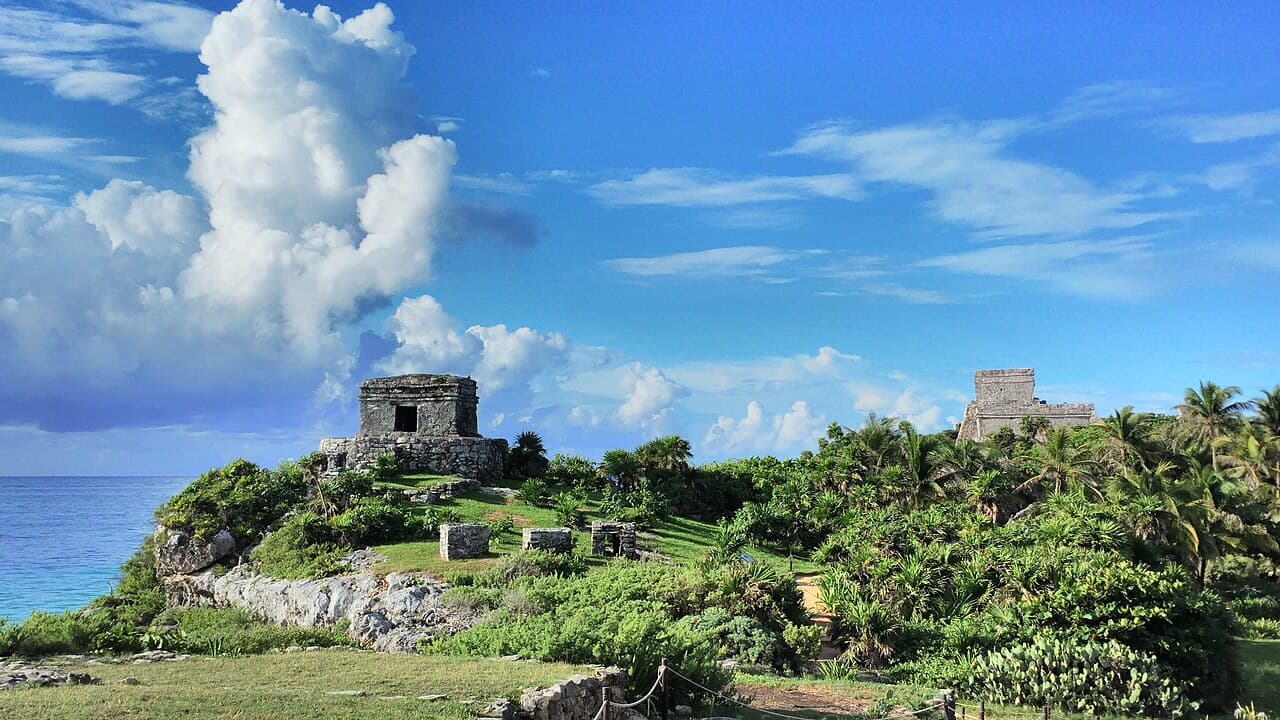
Mexico · OVR 67
evening buzz · interesting cultural mix

Morocco · OVR 71
legendary food scene · decent pedestrian spine