
Antigua
THE QUICK VERDICT
By Anthony · Updated April 2026
Choose Antigua if You want a Caribbean beach week with genuine Georgian-era maritime history, easy English-speaking logistics, and the option to ferry over to Barbuda's almost-empty pink-sand coast..
- Best for
- Nelson's Dockyard UNESCO Georgian harbour, Shirley Heights Sunday steel-band sunsets, 365 beaches
- Best window
- Dec–Apr
- Budget anchor
- $250/day mid-range
- No real seasons
- Within 4°C year-round — timing is about rain, not temperature
- Worth a look
- 90-minute ferry north reaches Barbuda's pink-sand Princess Diana Beach with almost no crowds
The larger of the two islands that make up Antigua and Barbuda, a 108-square-mile volcanic-and-coral landmass in the Leeward Caribbean with a much-quoted boast of 365 beaches, one for every day of the year. The southwest coast holds Nelson's Dockyard at English Harbour, the only continuously-running Georgian-era dockyard on Earth and a UNESCO World Heritage Site. Sunday evenings draw the island to Shirley Heights for steel-band-and-barbecue sunsets over the same harbour. The Dickenson Bay strip on the northwest coast anchors the all-inclusive resort cluster, and a 90-minute ferry north reaches Barbuda's pink-sand Princess Diana Beach.
The two links below are affiliate links — MapSorted earns a small commission if you book through them, at no extra cost to you. How this works.
Tours & Experiences
Bookable tours, activities, and day trips in Antigua
Where to Stay
Compare hotels and rentals in Antigua
📍 Points of Interest
Nelson's Dockyard
UNESCO Georgian Royal Navy dockyard at English Harbour, the only continuously operating dockyard of its era anywhere in the world
Shirley Heights Lookout
18th-century military lookout 490 feet above English Harbour, Sunday steel-band sunset BBQ since 1981
Dickenson Bay
The all-inclusive resort cluster on the calm northwest coast — Sandals Grande, Halcyon Cove, Siboney Beach Club
Devil's Bridge· 16 km E
Natural limestone arch on the windward Atlantic coast with dramatic blowholes
St. John's Cathedral
Twin-towered Anglican cathedral crowning the capital — rebuilt 1845 after earlier earthquakes
Half Moon Bay· 15 km E
Crescent of pink-tinged sand on the Atlantic east coast — strong surf, dramatic, less developed
Stingray City Antigua· 15 km NE
Shallow sandbar at Seatons where 30-plus southern stingrays glide in waist-deep water
Redcliffe Quay
Restored 18th-century warehouse district with independent boutiques, cafes, galleries
★ Local Picks
Pigeon Point Beach
Quiet protected beach inside Falmouth Harbour, walkable from English Harbour
At a Glance
- Pop.
- 93,000 (Antigua and Barbuda combined) / 22,000 (St. John's capital)
- Timezone
- Antigua
Antigua's tourism board has long pitched the claim of "365 beaches — one for every day of the year." Nobody has ever produced a definitive count, but the island's 95-mile coastline is genuinely stippled with small coves, and the marketing line has stuck since the 1960s
Nelson's Dockyard at English Harbour is the only continuously operating Georgian-era dockyard in the world — built by the Royal Navy in 1725, named after Horatio Nelson who served here as a young captain in the 1780s, and inscribed as a UNESCO World Heritage Site in 2016
The country gained independence from the United Kingdom on November 1, 1981, but remains in the Commonwealth and uses the Eastern Caribbean Dollar (XCD), pegged to the US Dollar at 2.7 to 1 — meaning every Caribbean island from Anguilla to Grenada uses the same currency
Sunday evenings at Shirley Heights Lookout above English Harbour have hosted a steel-band-and-barbecue sunset party every week since 1981, drawing locals, expats, and yacht crews to one of the most consistent recurring events in the Caribbean
Barbuda — the smaller, flatter sister island 27 nautical miles north — has fewer than 1,500 residents and one of the largest frigate-bird breeding colonies on Earth, plus a 17-mile uninterrupted pink-sand beach renamed Princess Diana Beach in 2011
The annual Antigua Sailing Week in late April-early May is one of the world's top five regattas, drawing 1,500 sailors and a hundred-plus boats to English Harbour and Falmouth Harbour for a week of racing and parties
Top Sights
Nelson's Dockyard National Park
📌A restored Georgian Royal Navy dockyard at English Harbour, the only one of its kind still operating anywhere in the world. The harbour was strategically priceless during the 18th-century European wars over the Caribbean — sheltered, narrow-mouthed, and impossible to attack. Today the cobbled stone buildings house museums, galleries, the Admiral's Inn restaurant, and a working marina full of superyachts. Entry is EC$23, valid for the dockyard plus Shirley Heights and Dow Hill.
Shirley Heights Lookout
📌A restored 18th-century military lookout 490 feet above English Harbour with the most photographed view on the island — the twin harbours of English and Falmouth spread below, framed by hills and the open Caribbean beyond. Sunday evenings host the legendary steel-band-and-barbecue party from 4 PM (with the band starting around 6:30 and a rotating reggae act after 8). Thursdays now have a smaller version. Entry EC$30 includes the dockyard.
Princess Diana Beach, Barbuda
🏖️A 17-mile arc of pale-pink sand on Barbuda's west coast, renamed in 2011 for the late Princess of Wales who holidayed here. The pink hue comes from crushed coral and shell fragments mixed into the white silica sand. Reachable by the 90-minute Barbuda Express ferry from St. John's plus a short land transfer; many visitors do it as a long day trip. The beach is essentially empty most of the year.
Devil's Bridge & Indian Town National Park
🌿A natural limestone arch on the windward Atlantic coast where centuries of waves have carved a stone bridge between two cliffs. Blowholes around the arch shoot spray 20 feet up when swells hit. The site is named for the colonial-era legend that enslaved people would jump from here believing the devil would carry them home to Africa. Wild, dramatic, free to visit, no facilities.
Dickenson Bay
🏖️The most developed beach on the northwest coast and the heart of Antigua's all-inclusive resort cluster — Sandals Grande, Halcyon Cove, and Siboney Beach Club all open onto the same gentle white-sand crescent. Calm Caribbean water, jet-ski and parasail operators, beach bars (Ana's on the Beach is the best), and the easiest swim on the island.
St. John's Cathedral & Heritage Quay
🗼The capital's twin landmarks — the white twin-towered St. John's Anglican Cathedral (rebuilt 1845 after a series of earthquakes destroyed earlier versions) crowns the hill above town, and Heritage Quay is the cruise-ship shopping plaza with duty-free perfume, jewellery, and Caribbean rum. Most cruise passengers see only Heritage Quay; the cathedral and the local Public Market two blocks east are far more interesting.
Stingray City Antigua
📌A shallow sandbar on the northeast reef (nothing to do with the Cayman version) where 30-plus southern stingrays glide around in waist-deep water. Half-day boat trips from Seatons Village include snorkel gear and the chance to feed and stroke the rays. About US$70 per adult. Calm, protected, suitable for non-swimmers.
Climate & Best Time to Go
Antigua has a tropical maritime climate moderated by constant northeast trade winds — temperatures stay between about 22 and 30 degrees Celsius year-round. The dry season runs December through April (and matches peak tourism); the wet season May through November brings short afternoon showers and the Atlantic hurricane risk that peaks August through October. Antigua averages 45 inches of rain a year, less than most of the Caribbean.
Dry Season Peak
December - April72 to 82°F
22 to 28°C
Perfect Caribbean conditions — warm dry trade-wind days, low humidity, almost no rain, and clear visibility for snorkelling. The peak tourist season runs mid-December through mid-April with hotel rates at their highest. Sailing Week in late April is the season finale.
Shoulder
May - June75 to 84°F
24 to 29°C
Warmer and slightly more humid than peak season but still mostly dry, with hotel rates dropping 30-50 percent from winter peak. June is the best value-for-conditions month of the year, before the hurricane window opens in earnest.
Wet Season
July - October77 to 86°F
25 to 30°C
Hot and humid with daily afternoon showers (typically brief tropical bursts) and the peak of the Atlantic hurricane season. Major hurricanes hit Antigua roughly once a decade — Irma in 2017 was the most recent. Hotel rates at their lowest; some properties close for September.
Late Wet / Early Dry
November75 to 84°F
24 to 29°C
A transitional month — hurricane season technically ends November 30, rain tapers off, and the trade winds settle in. Excellent value before the December peak. Sea temperatures still 28°C from the long warm summer.
Best Time to Visit
Mid-December through April for the classic dry-season Caribbean conditions, with late April-early May (Sailing Week) as the peak event. November and early December are excellent shoulder value just before peak season; June is the best low-season month before hurricane risk peaks.
Peak Dry Season (Mid-December through April)
Crowds: Very high, especially Christmas/New Year and FebruaryThe classic Caribbean winter — warm, dry, low humidity, clear water, and constant trade winds. Hotel rates 2-3 times the summer low. Christmas/New Year and Presidents Week (US holiday) are the peak-of-peak. Antigua Sailing Week in late April-early May is the season-closing event.
Pros
- + Perfect weather
- + Sea temperature 26-28°C
- + Low rain
- + Great snorkelling visibility
- + All restaurants and tours operating
Cons
- − Most expensive period
- − Hotels book 3-6 months ahead for Christmas
- − Cruise crowds in St. John's daily
Shoulder Sweet Spot (May-June)
Crowds: ModerateHotel rates drop 30-50 percent from peak, weather is still excellent (slightly warmer and more humid than peak), and the cruise season tapers off significantly. June in particular is the best value-for-conditions month of the year.
Pros
- + Significantly lower rates
- + Still mostly dry
- + Fewer cruise days
- + Sailing Week in early May
Cons
- − Humidity rising
- − First brief afternoon showers possible
Wet/Hurricane Season (July-October)
Crowds: LowHot, humid, with daily afternoon showers (typically brief tropical bursts) and the peak of the Atlantic hurricane season. Some boutique hotels close for September. Hotel rates at their absolute lowest. Travel insurance with hurricane cover essential.
Pros
- + Cheapest rates of the year
- + Quiet beaches
- + Sea temperature 28-29°C
- + Authentic local atmosphere
Cons
- − Hurricane risk real (especially Aug-Oct)
- − Brief daily showers
- − Some hotels and tours suspended
- − Travel insurance complications
Late Wet / Early Dry (November-Early December)
Crowds: Low to moderateA short transitional window with hurricane risk fading, rain tapering, trade winds settling in, and rates still well below the December 15 peak-season cutoff. November is the value sweet spot for visitors who can avoid the holiday weeks.
Pros
- + Conditions improving daily
- + Pre-peak rates
- + Hurricane risk past
- + Sea temperature still 27°C
Cons
- − Some afternoon rain possible early in window
- − US Thanksgiving week creeps into peak rates
🎉 Festivals & Events
Antigua Sailing Week
Late April - Early MayOne of the world's top five regattas — 1,500 sailors, 100-plus boats, six days of races between English and Falmouth Harbours, and a packed party schedule that draws yachtsmen from across the Atlantic.
Antigua Carnival
Late July - Early AugustA 10-day national festival commemorating the 1834 abolition of slavery, with calypso competitions, mas-band parades through St. John's, the J'ouvert pre-dawn street party, and a beauty pageant. The biggest cultural event of the local calendar.
Shirley Heights Sunday Sunset
Every Sunday year-roundSteel band from 4 PM, reggae act from 8, and a barbecue throughout — the most consistent recurring social event in the Caribbean, running every Sunday evening since 1981.
Antigua Charter Yacht Show
Early DecemberA trade event for the global luxury-yacht-charter industry that fills English and Falmouth Harbours with 80-plus mega yachts. Mostly closed to the public but the harbours look spectacular and yacht-watching is free.
Off the Beaten Path
Pigeon Point Beach
A small protected beach at the entrance to Falmouth Harbour, walkable from English Harbour or a five-minute drive. Calm water inside the harbour mouth, soft sand, the Bumpkin's beach bar serving rum punch and conch fritters, and a much quieter scene than Dickenson Bay or Half Moon Bay.
Most cruise day-trippers head to the famous beaches on the west coast — Pigeon Point sits in plain view of yacht-week traffic but stays calm because the all-inclusives are 45 minutes away. The walk over from Nelson's Dockyard takes 20 minutes through Galleon Beach.
Roti King, St. John's
A no-frills counter-service spot near the public market in St. John's serving the Antiguan version of West Indian roti — a thin curry-stained flatbread wrapped around stewed chicken, goat, or vegetables. About EC$25 (US$9) for a hefty wrap. The locals' lunch, miles from the cruise-port restaurants.
Antiguan food culture is built on West Indian roti, fungee (cornmeal porridge), pepperpot stew, and saltfish — none of which you'll find at a resort buffet. Roti King is the best-known of the half-dozen authentic local lunch spots in the capital.
Hike to Rendezvous Bay
A 45-minute walk through dry tropical forest from Falmouth Harbour to a secluded bay on the south coast that has no road access. Ten minutes of pristine beach, a small fringing reef for snorkelling, and almost certainly nobody else there on a weekday. Bring water, snorkel gear, and reef shoes.
Of the famous "365 beaches," the road-accessible ones are well-trafficked. Rendezvous and Doigs Beach to its east are the easiest of the no-road beaches and reward an hour of walking with empty Caribbean perfection.
Catamaran Day Sail Around the Island
Several operators (Tropical Adventures, Wadadli Cats, Treasure Island Cruises) run all-day catamaran circumnavigations from Dickenson Bay or Heritage Quay. Standard format includes snorkel stops, lunch, open bar, beach time at Bird Island or Cades Reef, and a sunset return. About US$140 per person.
Antigua's shape — small enough to circumnavigate in a day, with a complex coastline of bays — is ideal for a sailing day. The water visibility and wind reliability mean these trips run almost daily December-April. Better value than most day tours of the island's land attractions.
The Larder, Falmouth Harbour
A casual European-feeling waterfront cafe and deli on the Falmouth Harbour marina serving real coffee, croissants, salads, sandwiches, and a small dinner menu after 5 PM. Frequented by yacht crews and independent travellers; a sane alternative to the touristy Antigua Yacht Club bar across the water.
Yacht-week regulars treat the Falmouth Harbour marina as a tiny European port — and The Larder is the de facto morning meeting spot. Grab an espresso and a chocolate croissant and watch the yachts roll in.
Safety Breakdown
Moderate
out of 100
Antigua is generally safe for tourists, with violent crime against visitors rare and police presence high in the resort and yacht-harbour areas. The main risks are petty theft from beaches and rental cars, road-safety hazards (driving on the left, narrow roads, livestock crossing), sun and water exposure, and the seasonal hurricane risk. Outside the resort enclaves, common-sense precautions about valuables apply as anywhere.
Things to Know
- •Driving is on the left in Antigua and a temporary local driving permit (EC$50) is required at any rental counter — independent of your home licence
- •Roads are narrow, often unmarked, and shared with goats and dogs; drive slowly especially after dark and avoid driving rural roads at night
- •Don't leave valuables visible in rental cars, especially at trailheads and beach parking — this is the most common tourist-targeted crime
- •St. John's after dark away from the cruise port can be sketchy; stick to lit areas and don't walk back to a hotel through Gray Hill
- •The northeast Atlantic coast has dangerous surf and rip currents at Half Moon Bay and Long Bay — calm Caribbean coast beaches like Dickenson and Pigeon are far safer
- •Sun exposure at 17 degrees north is intense year-round; reef-safe sunscreen is now mandatory in some marine park areas
- •Mosquitoes can carry dengue and chikungunya in the wet season — use repellent at dusk, especially in low-lying coastal areas
- •Hurricane season runs June through November with peak risk August-October; travel insurance with hurricane cancellation cover is wise for August-October trips
Natural Hazards
Emergency Numbers
Emergency (Police/Fire/Ambulance)
911 or 999
Police St. John's (non-emergency)
(268) 462-0125
Mount St. John's Medical Centre
(268) 484-2700
US Embassy Bridgetown (covers Antigua)
+1 (246) 227-4000
Costs & Currency
Where the money goes
USD per dayBackpacker = hostel dorm + street food + public transit. Mid-range = 3-star hotel + neighbourhood restaurants + transit cards. Luxury = 4/5-star + fine dining + taxis. How we calibrate these numbers →
Quick cost estimate
Customize per category →Estimates based on regional averages. Flight prices vary by season and airline.
budget
$110-160
Independent guesthouse or hostel room (Cocobay area or English Harbour), local roti and bakery meals, public minibuses and one rental day, free beaches plus one paid attraction
mid-range
$220-350
Mid-range beachfront hotel or boutique inn, mix of resort and local restaurant meals, rental car for the week, Nelson's Dockyard plus a catamaran day sail
luxury
$500-1,200
All-inclusive resort (Sandals, Jumby Bay, Curtain Bluff) or premium boutique like Hermitage Bay; no need to budget for food and drink; private day-charter, spa days, and Barbuda trip add-ons
Typical Costs
| Item | Local | USD |
|---|---|---|
| AccommodationHostel dorm bed (Catherine's Cafe or English Harbour) | EC$120-180/night | $45-65 |
| AccommodationMid-range guesthouse double | EC$540-900/night | $200-330 |
| AccommodationAll-inclusive resort double per person | EC$1,000-2,500/night | $370-925 |
| FoodRoti at Roti King | EC$25 | $9 |
| FoodLocal fish and fungee at a beach shack | EC$45-65 | $17-24 |
| FoodSit-down dinner at a marina restaurant | EC$120-220 | $45-80 |
| FoodRum punch on the beach | EC$15-25 | $6-9 |
| FoodWadadli beer at a bar | EC$10-15 | $4-6 |
| TransportRental car per day | EC$120-200 | $45-75 |
| TransportLocal driving permit (one-time) | EC$50 | $18 |
| TransportTaxi airport to St. John's | EC$40 | $15 |
| TransportPublic minibus St. John's to English Harbour | EC$8 | $3 |
| AttractionsNelson's Dockyard + Shirley Heights pass | EC$30 | $11 |
| AttractionsCatamaran day sail with lunch and bar | EC$380 | $140 |
| AttractionsStingray City Antigua | EC$190 | $70 |
| AttractionsBarbuda Express ferry round trip | EC$155 | $58 |
💡 Money-Saving Tips
- •Visit in late April-early May (after spring break, before hurricane season) for the best balance of weather, crowds, and rates — saving 30-40 percent off winter peak
- •Stay at an independent guesthouse near English Harbour rather than an all-inclusive — keeps daily food spend low and preserves flexibility to eat at local restaurants
- •Eat lunch at the local roti and saltfish places (Roti King in St. John's, Captain D's in English Harbour) rather than tourist marina restaurants — half the price for more authentic food
- •A rental car for 3 days at the start of a week-long stay covers all sightseeing efficiently; you don't need it for the whole stay
- •Devil's Bridge, the Pillars of Hercules walk, and most beaches are completely free — the only paid attractions worth the entry fee are Nelson's Dockyard and Shirley Heights
- •Sunday at Shirley Heights costs EC$30 (US$11) entry plus your food and drink — far better value than any organised "Sunday party tour" at US$80+
- •Carib Bean coffee, English Harbour Rum, and Wadadli beer in the supermarket cost half what the duty-free shops at the airport charge
Eastern Caribbean Dollar
Code: XCD
The Eastern Caribbean Dollar (XCD) is pegged to the US Dollar at 2.7 to 1 — meaning US dollars are accepted everywhere on the island, often with prices listed in both currencies. Small purchases generally yield change in EC dollars. ATMs (Scotia, Royal Bank, FCIB, ACB) dispense both EC and USD. Credit cards (Visa, Mastercard, Amex) are accepted at all hotels, restaurants, and most shops. Always carry small EC notes for taxis, beach bars, and tips.
Payment Methods
Credit cards accepted at hotels, restaurants, shops, and tour operators. Cash useful for taxis, public minibuses, beach bars, the public market, and small purchases. ATM withdrawals work with most international debit cards but charge fees of US$3-5 plus your home bank's charge. Mobile pay (Apple Pay, Google Pay) is accepted at many establishments.
Tipping Guide
A 10 percent service charge is often added to bills automatically; check before tipping again. If no service charge, 15 percent is appropriate. Cash tips preferred over card.
Tipping is technically not expected but US$2-5 per day for housekeeping and US$1-2 per drink for bartenders is appreciated and improves service noticeably.
Round up to the nearest EC$5 or add 10 percent. Drivers do not expect large tips since the regulated fares are reasonably set.
US$5-10 per person for half-day group tours; US$10-20 per person for full-day boat or sailing trips.
EC$5 (US$2) per bag.
How to Get There
✈️ Airports
V.C. Bird International Airport(ANU)
8 km / 5 mi northeast of St. John'sTaxi to St. John's 15 min, US$15 fixed; to Jolly Harbour 30 min, US$28; to English Harbour 40 min, US$32. No public bus. Hotel transfers typically pre-arranged for all-inclusive stays. Direct flights from US (American, Delta, United, JetBlue), UK (British Airways, Virgin Atlantic), Canada (Air Canada), and the Caribbean (LIAT, InterCaribbean). One terminal, modest but functional.
✈️ Search flights to ANUTravel Connections
Entry Requirements
Antigua and Barbuda has one of the most relaxed entry policies in the Caribbean — most Western visitors enter visa-free for 1 to 6 months on arrival simply by presenting a passport and onward ticket. The country also runs a citizenship-by-investment program. Health-related entry requirements (yellow fever, COVID) have ended as of 2024.
Entry Requirements by Nationality
| Nationality | Visa Required | Max Stay | Notes |
|---|---|---|---|
| US Citizens | Visa-free | 6 months on arrival | Passport valid for length of stay. No advance visa or eVisa required. Onward ticket may be checked. |
| UK Citizens | Visa-free | 6 months on arrival | Passport valid for length of stay. No visa required. Direct flights from Gatwick on Virgin Atlantic and British Airways. |
| EU Citizens | Visa-free | 6 months on arrival | Passport valid for length of stay. No visa required. Most arrive via UK or US connections. |
| Canadian Citizens | Visa-free | 6 months on arrival | Direct flights from Toronto and Montreal on Air Canada (winter season). |
| Australian Citizens | Visa-free | 1 month on arrival, extendable | Extension to 6 months at the immigration office in St. John's. |
| Other nationalities | Yes | Per visa | eVisa available via the Antigua and Barbuda government portal for many nationalities; processing 5-10 business days. |
Visa-Free Entry
Visa on Arrival
Tips
- •Antigua collects a US$28 departure tax usually included in your air ticket — check your itinerary; airport collection still happens occasionally
- •Customs is straightforward — a duty-free allowance of one litre of spirits and 200 cigarettes per adult
- •No exit form or e-arrival required for visa-free nationalities — just a printed onward ticket if asked
- •For yacht arrivals, clear at English Harbour, Jolly Harbour, or St. John's with the Customs and Immigration desks
- •Driving permits are EC$50 (US$18) one-time, valid for the duration of your visit, issued at any car rental counter
Shopping
Most Antigua shopping is concentrated at Heritage Quay (the cruise-port duty-free plaza) and Redcliffe Quay (the more atmospheric restored 18th-century warehouse district one block south). Local crafts include sea-island cotton clothing, hand-woven baskets, and locally-roasted coffee from Carib Bean. Genuine Antiguan rum (Cavalier and English Harbour) and the local Wadadli beer are worth bringing home.
Heritage Quay
cruise-port shoppingA two-storey plaza adjacent to the cruise dock with duty-free perfume, jewellery, watches, alcohol, and Caribbean clothing chains. Open mainly when ships are in port. Predictable cruise-port retail; not particularly Antiguan.
Known for: Duty-free luxury, perfume, watches, US-brand clothing
Redcliffe Quay
restored historic warehousesA pedestrian-only district one block south of Heritage Quay where 18th-century brick warehouses have been restored into independent boutiques, cafes, galleries, and the Big Banana pizza place. Better quality and more local character than Heritage Quay.
Known for: Caribbean art, batik clothing, jewellery, restaurants
St. John's Public Market
local produce and goodsA working farmers market at the southern end of Market Street — fruit, vegetables, fish, and craft stalls. Saturday mornings are busiest. Worth a wander even if you're not buying. Bargaining is acceptable on craft items, not produce.
Known for: Fresh produce, Caribbean fruit, crafts, local atmosphere
🎁 Unique Souvenirs to Look For
- •English Harbour Antigua Rum — a 5-year and 10-year aged rum made on the island, considered one of the Caribbean's best
- •Cavalier Antigua Rum — the island's other major distillery, popular as the local drink at the rum shops
- •Wadadli Beer — the local lager, named for the Carib word for the island; mostly drunk in 6-packs at home but a few cans make a fun souvenir
- •Sea Island Cotton clothing — fine cotton long associated with the Leeward Islands; buy at Sandals shops or Antigua Crafts
- •Hand-woven sweetgrass baskets and bowls — the island has a small basket-weaving tradition descended from West African heritage
- •Carib Bean Coffee — locally roasted at the Cockcrow plantation, sold in supermarkets and at the airport
- •Local pottery from Sarah Fuller Studio (Cobbs Cross) — the best of the few working ceramic artists on the island
Language & Phrases
English is the official language and universally spoken — Antigua was a British colony until 1981 and the school system still operates in standard English. In informal settings most Antiguans switch to Antiguan Creole (Wadadli English), a Caribbean creole with West African grammatical roots and West Indian vocabulary. Visitors will be addressed in standard English everywhere.
| English | Translation | Pronunciation |
|---|---|---|
| Hello / Good day | Wha gwan / Good day | wah GWAN / good DAY |
| Goodbye | Walk good / Likkle more | wahk GOOD / LIK-kle more |
| Yes / No | Yes / No | standard English |
| Please / Thank you | Please / Thank you (or Tanks) | TANKS |
| How are you? | How yuh do? / Yuh aright? | how yuh DOO |
| I am good | Mi deh good / Aright | mi DEH good |
| No problem | No problem mon / Cool runnings | no PROB-lem mon |
| Native Antiguan / patriotic name | Wadadli (the Carib name for the island) | wah-DAD-lee |
| How much? | How much fuh dis? | how MUCH fuh dis |
| A small drink (Caribbean usage) | Wa small one | wah SMAHL one |
| The local stew (national dish) | Fungee and pepperpot | FOON-jee and PEP-per-pot |
| Cheers | Big up! / Bless! | BIG up |
Getting Around
Antigua has no scheduled public transit other than the cheap and chaotic shared-minibus network used mostly by locals. Most visitors either rent a car for independence (driving on the left, EC$50 temporary permit required), use taxis (regulated fixed fares published at every taxi stand), or stay in the all-inclusive resort cluster and barely move. The island is small — 14 miles by 11 miles — so taxi fares to anywhere from anywhere are typically EC$60-150.
Taxis
EC$60-150 most island trips; published ratesRegulated fixed fares between zones — published at the airport, every cruise port, and most resort lobbies. From V.C. Bird International (ANU) to St. John's about US$15, to Jolly Harbour US$28, to English Harbour US$32. Minivan taxis carry up to seven passengers for the same fare. Taxis are the default for non-rental visitors.
Best for: Airport transfers, day trips with non-driving travellers, most short hops
Rental Car
US$45-75/day plus US$18 permitHertz, Avis, Budget, and several local operators at ANU and St. John's. About US$45-75/day for an SUV (recommended for narrow, sometimes potholed roads). Driving is on the left and requires a temporary local permit (EC$50, issued at the rental counter against your home licence). Roads are unsignposted and Google Maps is the de facto navigation tool.
Best for: Independent island exploration, beach-hopping, multi-day stays away from resort cluster
Public Minibuses
EC$3-8 (US$1-3) per ridePrivately-operated shared minibuses with West Bus Station (St. John's) as the hub. EC$3-8 per ride. Routes serve mostly local commuters between St. John's and the villages — useful for adventurous budget travellers but not designed for tourist itineraries (no fixed schedule, packed at peak times, slow).
Best for: Backpackers and adventurous travellers; not for first-time visitors
Barbuda Express Ferry
EC$155 / US$58 round tripDaily fast-ferry service between St. John's and Codrington (Barbuda) — 90 minutes each way, EC$155 (US$58) round trip. Schedule allows one long day trip on most days; check the current schedule at barbudaexpress.com. Sea can be rough in winter; bring motion-sickness pills if susceptible.
Best for: Day trip to Barbuda for Princess Diana Beach
Inter-Island Flights
US$140-400 round trip to neighbouring islandsV.C. Bird International is a regional hub for LIAT, InterCaribbean, and Silver Airways serving the Eastern Caribbean. Useful for adding a Montserrat day trip or a multi-island holiday. SVG Air also runs charters to Barbuda (faster than the ferry for those who can afford it).
Best for: Multi-island Caribbean trips, fast Barbuda transfer
Walkability
Antigua is not walkable — distances are too large and roads usually shoulderless. The exceptions are St. John's capital (compact, walkable old town), the English/Falmouth Harbour twin marinas (where the Dockyard, Pillars of Hercules walk, and Pigeon Point are all on foot), and the all-inclusive resort enclaves which are designed as self-contained walkable units.
If you like Antigua, you'll love…
4 cities with a similar vibe, outside of the same country.
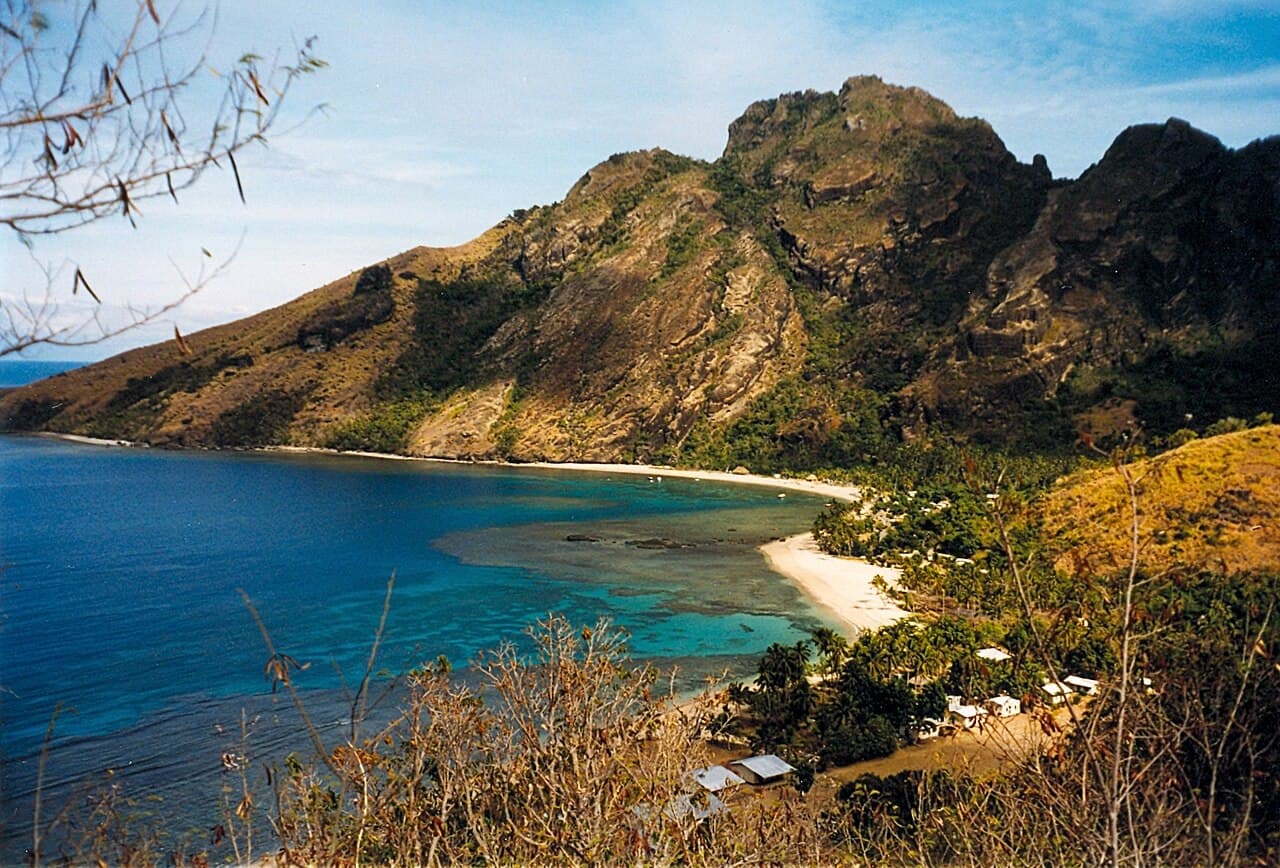
Fiji · OVR 68
jaw-dropping scenery · reliable wifi, decent English

Saint Lucia · OVR 69
unforgettable natural beauty · reliable wifi, decent English

United States · OVR 76
unforgettable natural beauty · workable for remote days
.jpg%3Fwidth%3D1280&w=1600&q=75)
Mexico · OVR 71
landscapes that steal the show · tidy public spaces