All Destinations
374 of 576 guides match

Aarhus
Denmark
Denmark's second city and the country's youngest, with one in five residents enrolled at Aarhus University. The cultural centrepiece is ARoS, the art museum crowned by Olafur Eliasson's Your Rainbow Panorama, a 150 m glass walkway through every colour of the spectrum. Den Gamle By is an open-air history museum reconstructing Danish urban life across four centuries, and Moesgaard Museum south of town displays the 2,000-year-old Grauballe Man bog body in a grass-roofed sloping building you can walk over. Reach it from Copenhagen in 3 hours by direct DSB train (~DKK 350-450 / EUR 47-60) or 30 minutes by SAS flight.

Abu Dhabi
United Arab Emirates
The UAE's capital has the most extraordinary mosque in the world — Sheikh Zayed Grand Mosque (white marble, 82 domes, world's largest handmade carpet) is free to non-Muslim visitors. The Louvre Abu Dhabi under Jean Nouvel's Rain of Light dome is a genuine world-class museum. Qasr Al Watan presidential palace opened to visitors in 2019. The Empty Quarter's 200m sand dunes are 2.5 hours south.
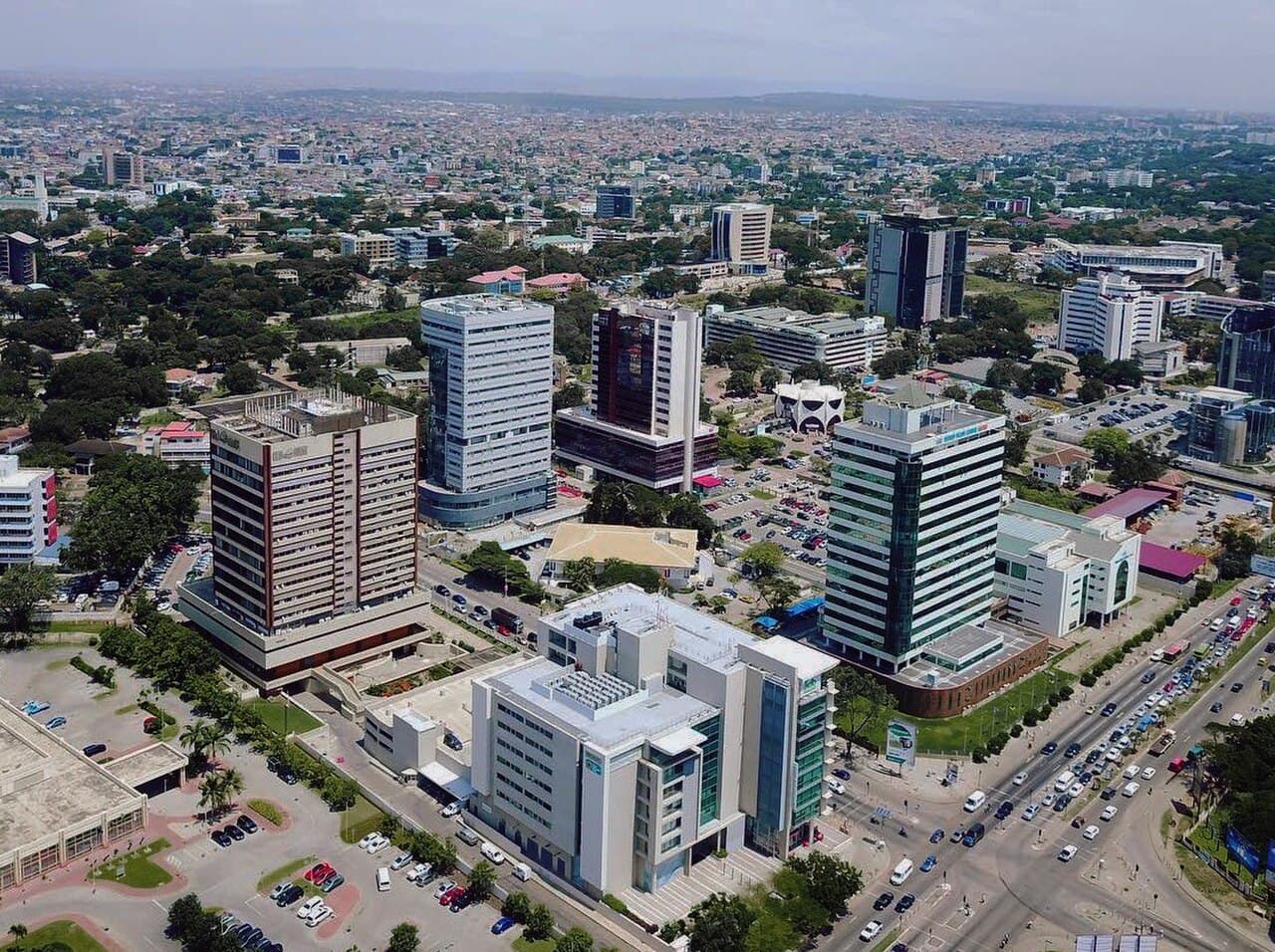
Accra
Ghana
West Africa's most welcoming capital — vibrant markets, historic Jamestown, lively beach bars, and world-class jollof rice. Gateway to Cape Coast castles and Kakum rainforest canopy walks.

Addis Ababa
Ethiopia
Addis Ababa is the diplomatic capital of Africa and the birthplace of coffee culture. Sitting at 2,355 m elevation, this high-altitude capital houses the Lucy fossil at the National Museum, the sprawling Merkato market, Holy Trinity Cathedral, and the African Union headquarters. A gateway to Ethiopia's extraordinary historic northern circuit — Lalibela, Gondar, and the Simien Mountains.

Agadir
Morocco
Morocco's premier beach resort city — completely rebuilt after the catastrophic 1960 earthquake that killed a third of its population — now stretches along a 10km crescent of soft Atlantic sand backed by promenade hotels, riad-style resorts, and an artificial marina. Less culturally dense than Marrakech or Fez but more relaxed and family-friendly: 300+ days of sunshine, year-round 18-28°C, and consistent surf at nearby Taghazout (45min north) which has become a global longboard pilgrimage. The hilltop Kasbah ruins (rebuilt walls only — interior never restored) overlook the bay; the Souk El Had is North Africa's largest market with 6,000+ stalls; Paradise Valley palm oasis and Crocoparc are easy half-day trips. Population ~600K including greater area.

Agra
India
Home to the Taj Mahal — the white-marble Mughal mausoleum Shah Jahan built for Mumtaz Mahal between 1632-1653, and one of the planet's most familiar buildings. UNESCO 1983. Agra Fort + the Baby Taj round out the trio of Mughal masterpieces; Fatehpur Sikri 40km west adds another UNESCO site for day-trippers. Sits on the Golden Triangle between Delhi (200km north) and Jaipur (240km southwest). The Gatimaan Express does Delhi-Agra in 1h40m, India's fastest train. Air pollution and aggressive touts are real downsides.

Akureyri
Iceland
Iceland's de facto northern capital — a town of 19,000 at the head of the 60 km Eyjafjörður, ringed by 1,500m mountains that hold their snow until June. The botanical garden is the world's northernmost; the bars on Strandgata are unexpectedly lively for a sub-Arctic latitude. Akureyri is the launch pad for the Diamond Circle (Goðafoss, Mývatn, Dettifoss, Húsavík whale watching) and a far quieter alternative to Reykjavík for serious north-Iceland exploration. 388 km / 5 hours from Reykjavík by Ring Road, or a 45-minute domestic flight.

Albuquerque
United States
Albuquerque straddles the Rio Grande on a high desert plateau (5,300 ft) with the granite face of the Sandia Mountains rising 5,000 ft directly east of downtown — reachable by the longest aerial tramway in the Americas. The Old Town adobe plaza dates to 1706 Spanish settlement, and green chile (the state question is literally 'red or green?') drips from every breakfast burrito. Each October the world's largest hot air balloon festival floods the sky with 500+ balloons; the rest of the year you get Breaking Bad locations, Petroglyph National Monument, and 310 days of sunshine.

Alexandria
Egypt
Egypt's second city and the Mediterranean's great Levantine port - founded in 331 BC by Alexander the Great, capital of the Ptolemies, home of Cleopatra, the Pharos lighthouse, and the original Library that for centuries was the brain of the ancient world. Modern Alexandria is a 5-million-strong waterfront city of crumbling Belle Epoque facades, the 2002 Bibliotheca Alexandrina (a 172-million-euro modernist reincarnation of the lost Library), the Catacombs of Kom el Shoqafa, the 15th-century Qaitbay Citadel built on the lighthouse foundations, and a humid sea breeze that feels nothing like the Sahara three hours south.

Almaty
Kazakhstan
Kazakhstan's largest city sits dramatically beneath the snow-capped Tien Shan mountains. A cosmopolitan hub with Soviet-era architecture, excellent Central Asian cuisine, the iconic Green Bazaar, and easy access to alpine hiking and skiing at Shymbulak.

Amman
Jordan
Amman is the gateway to Jordan's ancient wonders — Petra, Wadi Rum, and the Dead Sea are all within reach. The city itself rewards exploration: the Citadel and Roman Theater anchor the historic core, while the Rainbow Street area buzzes with cafes and galleries. Jordanian hospitality is legendary, and the mansaf (lamb with yogurt sauce) is a must-try.

Amsterdam
Netherlands
Amsterdam's iconic canal rings, world-class museums, and cycling culture make it one of Europe's most charming capitals. The city punches well above its weight in art (Rijksmuseum, Van Gogh Museum), food, and nightlife. Compact enough to explore on foot or by bike, with a tolerant, cosmopolitan vibe that's uniquely Dutch.

Anchorage
United States
Anchorage holds nearly 40% of Alaska's population on a Cook Inlet promontory ringed by the Chugach Mountains. The Tony Knowles Coastal Trail runs 11 miles along the water with regular moose sightings and beluga whales offshore. It's the staging ground for Denali, the Kenai Peninsula, and Prince William Sound — and the only US city where you can land on a Boeing 737, fish for king salmon downtown on Ship Creek, and watch a midnight-sun sunset around 23:30 in late June.

Annapolis
United States
Maryland's capital was briefly the capital of the United States (Nov 1783–Aug 1784), and the State House is the oldest US capitol still in continuous legislative use. The 18th-century brick streets of the historic district run downhill to the Chesapeake Bay-fed harbor — known locally as Ego Alley because boaters love to be seen there. The US Naval Academy occupies 338 waterfront acres on the Severn River; Maryland blue crabs come steamed with Old Bay; and Annapolis is the self-proclaimed sailing capital of America, with a fleet of charter sloops on the city dock most weekends.

Annecy
France
Annecy is the alpine resort French people send each other to — a 14th-century old town wrapped around the Thiou canal where the Palais de l'Île sits midstream like a stone ship, and behind it the Lac d'Annecy: 27 km² of glacier-fed water so clear that EU water-quality reports rank it the cleanest large lake in Europe. The 42 km lakeside cycle path (Voie Verte) is one of France's flagship rides, the swimming is genuine swimming (not posing), and 30 minutes' drive south-east puts you on the Col de la Colombière or Glières plateau, both Tour de France climbs. Pastel facades, geraniums in window boxes, and a quality of summer evening light that makes the lake look almost tropical.

Antalya
Turkey
Turkey's Mediterranean capital of 1.7 million sprawls along a 30-km stretch of cliffs and coves backed by the snow-capped Beydağları range — Hadrian's Gate framing the entrance to Kaleiçi (the walled Roman-Ottoman old town), the Yivli Minaret silhouetted against the Gulf of Antalya, the Düden Falls cascading directly into the Mediterranean, and the Antalya Archaeological Museum's Pamphylian sculpture hall. The launchpad for the Lycian and Pamphylian ruins of Aspendos, Perge, Side, and Termessos, with year-round mild winters and summer beaches stretching to Olympos.

Arequipa
Peru
Arequipa is Peru's second-largest city (~1.1 million) sitting at 2,335m (7,660 ft) in a high-desert basin under the perfect cone of El Misti volcano (5,822m). The colonial old town is built almost entirely from sillar — pearly-white volcanic ash blocks quarried from nearby Chachani — earning the nickname La Ciudad Blanca. The standout sight is the Santa Catalina Monastery: a walled 'city within a city' (20,000 m², founded 1579) that operated as a closed convent for almost 400 years and still has 20 Dominican nuns in residence. Arequipa is also the staging post for the two-day descent into the Colca Canyon (3,400m deep, twice the Grand Canyon) to see the morning thermals carry condors out of the gorge.

Asheville
United States
Blue Ridge Mountain city nicknamed Beer City USA — more craft breweries per capita than any American city. Biltmore Estate (250 rooms, George Vanderbilt, 1895) is the largest private home in America. The River Arts District has 200+ working artist studios in former industrial buildings. Gateway to the Great Smoky Mountains National Park (45 minutes) and the Blue Ridge Parkway.

Aspen
United States
America's most famous ski town and the priciest in this set — a 7,000-resident former silver-mining town at 7,908 ft surrounded by four separate mountains under one Aspen Snowmass lift ticket: Aspen Mountain (Ajax) rising from town, Aspen Highlands with the legendary Highland Bowl hike, Buttermilk (Winter X Games home since 2002), and massive Snowmass 12 miles down-valley. The Maroon Bells, twin 14,000-ft peaks reflected in Maroon Lake, are the most photographed mountains in North America (reservation shuttle May-October). Off the slopes, the Aspen Music Festival fills July and August, the Food and Wine Classic takes over mid-June, and the Aspen Ideas Festival convenes thinkers each summer. ASE airport sits 4 miles from downtown.

Astana
Kazakhstan
Kazakhstan's futuristic capital rises from the steppe with bold architecture — the Bayterek Tower, Khan Shatyr mall, and Norman Foster's Palace of Peace. One of the world's youngest capitals, showcasing ambitious 21st-century city building.

Aswan
Egypt
Egypt's southernmost city sits at the First Cataract of the Nile, where the river narrows around granite islands and the Sahara meets Nubian sandstone. Once the ancient frontier town of Swenett guarding Pharaonic Egypt's southern border, Aswan today is the launching point for Abu Simbel (280km south), Philae Temple (relocated to Agilkia Island after the High Dam flooded its original home), and felucca cruises around Elephantine Island and Kitchener's Botanical Garden. The Nubian villages on the West Bank — Gharb Soheil and Heisa — preserve the language, music, and indigo-and-ochre architecture of a culture displaced when Lake Nasser drowned 44 villages in the 1960s. Significantly hotter, drier, and quieter than Cairo or Luxor; population ~290K.

Athens
Greece
Athens is the cradle of Western civilization — the Acropolis still dominates the skyline 2,500 years on. Beyond the ancient ruins, a modern city of street art, rooftop bars, and a vibrant food scene has emerged. Plaka's winding streets, the Monastiraki flea market, and sunset views from Lycabettus Hill make it far more than a history lesson.

Atlanta
United States
The capital of the New South — Sherman burned the city in 1864 and the phoenix on the official seal commemorates the rise from ashes. Martin Luther King Jr. was born here, preached at Ebenezer Baptist Church on Auburn Avenue, and is buried at the King Center; the MLK National Historical Park is the essential Civil Rights pilgrimage. Coca-Cola was invented here in 1886 and the brand still anchors downtown alongside the Georgia Aquarium (largest in the Western Hemisphere) and the Civil and Human Rights Center. The 22-mile Beltline trail has connected 45 neighborhoods into a continuous urban park; Ponce City Market and Krog Street Market on the Eastside Trail are the food-scene anchors. ATL is the busiest airport in the world; Atlanta is the cultural and economic capital of the South.

Auckland
New Zealand
New Zealand's largest city is built on 53 volcanic cones with harbors on two sides. The "City of Sails" offers world-class sailing, Polynesian culture, excellent food, and easy access to black sand beaches, wine regions, and native bush.