
Busan
THE QUICK VERDICT
By Anthony · Updated June 2026
Choose Busan if you want Korea's beach-and-seafood second city — Haeundae, Gamcheon painted village, Jagalchi fish market, Beomeosa, and the Busan International Film Festival.
- Best for
- Gamcheon's painted hillside, Jagalchi raw-fish counters, Haeundae sand, Beomeosa templestays
- Two seasons
- Apr–Jun and Sep–Oct
- Budget anchor
- $120/day mid-range
- Language gap
- English gets thin outside tourist areas — a translation app earns its keep
- Worth a look
- cheaper, less hectic Korea sister to Seoul with KTX-bullet 2.5 hour link
South Korea's coastal second city offers stunning beaches, vibrant seafood markets, hillside villages splashed with street art, and soothing hot springs. Haeundae Beach and Gamcheon Culture Village are highlights, with the KTX bullet train connecting to Seoul in just 2.5 hours.
The two links below are affiliate links — MapSorted earns a small commission if you book through them, at no extra cost to you. How this works.
Tours & Experiences
Bookable tours, activities, and day trips in Busan
Where to Stay
Compare hotels and rentals in Busan
📍 Points of Interest
Haeundae Beach
Busan's premier beach with 1.5 km of white sand, beachfront cafes, and the annual Sand Festival and Film Festival. The Haeundae Blueline Park sky capsule rides along the coast.
Jagalchi Fish Market
South Korea's largest seafood market where you select live fish from tanks and have it sliced into sashimi at upstairs restaurants.
Haedong Yonggungsa Temple· 13 km E
A stunning Buddhist temple built on a cliff overlooking the East Sea, dating to 1376. Best visited at sunrise.
★ Local Picks
Gamcheon Culture Village
A colorful hillside village of pastel-painted houses, art installations, and quirky cafes built on steep stairway alleys overlooking the harbor.
Beomeosa Temple
A 1,300-year-old mountain temple on the slopes of Geumjeongsan, surrounded by ancient forests and offering templestay programs for overnight visitors.
At a Glance
- Pop.
- 3.4M
- Timezone
- Seoul
- Dial
- +82
- Emergency
- 112 (police) / 119 (fire)
Busan is South Korea's second-largest city with about 3.4 million people and the country's largest port, handling roughly 22 million shipping containers per year
Jagalchi Fish Market is the largest seafood market in South Korea, stretching along the waterfront with vendors selling everything from live octopus to king crab
Haeundae Beach draws over 10 million visitors each summer and hosts the Busan International Film Festival, Asia's largest film festival
The Gamcheon Culture Village, often called the "Machu Picchu of Busan," was transformed from a war-refugee settlement into a vibrant hillside art village
Busan is famous for its distinct regional dialect (satoori) that even other Koreans find charmingly blunt and direct
The city has seven beaches within its limits, natural hot springs in Dongnae, and forested mountains — making it one of Asia's best beach-and-city combos
Top Sights
Haeundae Beach
🏖️Busan's most famous beach with a 1.5 km crescent of white sand, backed by high-rise hotels and seafood restaurants. In summer the beach is packed; in winter it's a scenic coastal walk with the stunning Haedong Yonggungsa Temple nearby.
Gamcheon Culture Village
🏘️A hillside neighborhood of brightly painted houses, murals, sculptures, and galleries. Wander narrow stairway alleys to find art installations, quirky cafes, and panoramic views of the harbor below.
Jagalchi Fish Market
🏪South Korea's biggest seafood market where you can pick live fish, crab, or octopus from tanks and have it prepared on the spot at upstairs restaurants. The raw fish (hoe) is legendary.
Haedong Yonggungsa Temple
🏯A rare cliffside Buddhist temple perched on the rocky coast northeast of Haeundae. Built in 1376, the ocean-facing location is spectacular at sunrise and during cherry blossom season.
Gwangalli Beach & Diamond Bridge
🏖️A laid-back beach known for its nightlife strip and views of the illuminated Gwangan Diamond Bridge. Beachfront bars and cafes make it the best spot for evening drinks with a view.
Beomeosa Temple
🏯A serene 1,300-year-old temple nestled in the forests of Mt. Geumjeongsan. Far less touristy than most Korean temples, with beautiful stone pagodas and the option to do a templestay overnight.
Taejongdae Resort Park
🌿A dramatic coastal cliff park at the southern tip of Yeongdo Island with walking trails, a lighthouse, and views stretching to Japan on clear days. Take the Danubi train or walk the 4 km loop.
Language & Phrases
Korean uses the Hangul alphabet, which is logical and learnable in a few hours. Busan has its own distinct dialect (satoori) that is louder and more melodic than Seoul Korean. English signage is common in tourist areas and the metro, but limited in local neighborhoods.
| English | Translation | Pronunciation |
|---|---|---|
| Hello | 안녕하세요 | an-nyeong-ha-se-yo |
| Thank you | 감사합니다 | gam-sa-ham-ni-da |
| Yes / No | 네 / 아니요 | ne / a-ni-yo |
| Excuse me | 저기요 | jeo-gi-yo |
| How much is this? | 이거 얼마예요? | i-geo eol-ma-ye-yo? |
| Delicious! | 맛있어요! | ma-shi-sseo-yo! |
| The check, please | 계산이요 | gye-sa-ni-yo |
| Where is...? | ...어디예요? | ...eo-di-ye-yo? |
| I don't understand | 이해 못해요 | i-hae mot-hae-yo |
| Do you speak English? | 영어 하세요? | yeong-eo ha-se-yo? |
| One beer, please | 맥주 하나 주세요 | maek-ju ha-na ju-se-yo |
| It's beautiful | 예뻐요 | ye-ppeo-yo |
Climate & Best Time to Go
Busan has a humid subtropical climate moderated by the ocean. Summers are warm and humid with a pronounced monsoon season in July, while winters are milder than Seoul thanks to the coastal location.
Spring
March - May50-68
10-20
Cherry blossoms peak in late March to early April, earlier than Seoul. Pleasant temperatures with occasional rain.
Summer
June - August72-88
22-31
Hot and humid with heavy monsoon rains in July. Peak beach season is August after the rains subside. Typhoons possible in late summer.
Autumn
September - November54-75
12-24
The best time to visit — clear skies, comfortable temperatures, and beautiful fall foliage on the surrounding mountains.
Winter
December - February32-46
0-8
Milder than Seoul but still cold. Snow is rare. A great time for hot springs and seafood without summer crowds.
Best Time to Visit
September through November offers the best weather with clear skies, warm temperatures, and spectacular fall foliage. Late March through May (spring) is also excellent with cherry blossoms and comfortable temperatures.
Spring (March - May)
Crowds: Moderate — rising through MayCherry blossoms erupt along the Nakdong River and at Dalmaji Hill in early April. Temperatures warm steadily and the beaches begin to come alive.
Pros
- + Cherry blossom season in early April
- + Comfortable temperatures for walking
- + Fewer crowds than summer
- + Clear skies and low humidity
Cons
- − Early March can still be chilly
- − Yellow dust from China can affect air quality
- − Some beach facilities not yet open
Summer (June - August)
Crowds: Very high — peak Korean holiday seasonHot and humid with monsoon rains in June-July (jangma season). August is peak beach season with Haeundae and Gwangalli packed with domestic tourists.
Pros
- + Beach season in full swing
- + Busan Sea Festival in August
- + Long daylight hours
- + Vibrant nightlife along the coast
Cons
- − Monsoon rains in June-July
- − Very humid with temperatures above 30 degrees
- − Beaches extremely crowded in August
- − Accommodation prices peak
Autumn (September - November)
Crowds: ModerateThe best overall season with dry, clear weather, warm days, and cool evenings. Fall foliage at Beomeosa Temple and Geumjeongsan Mountain is spectacular in late October.
Pros
- + Clear skies and comfortable temperatures
- + Stunning fall foliage
- + BIFF (Busan International Film Festival) in October
- + Great hiking weather
Cons
- − Temperatures drop by November
- − Popular leaf-viewing spots can get busy on weekends
- − Water too cool for swimming by October
Winter (December - February)
Crowds: LowCold but milder than Seoul thanks to the coastal location. Clear skies are common and attractions are blissfully uncrowded. Snow is rare at sea level.
Pros
- + Fewest tourists
- + Clear winter skies
- + Cheaper accommodation
- + Milder than other Korean cities
Cons
- − Cold winds off the sea
- − Some outdoor attractions reduce hours
- − Shorter days
- − Beach areas feel deserted
🎉 Festivals & Events
Busan International Film Festival (BIFF)
OctoberAsia's largest film festival held at the Busan Cinema Center in Haeundae, drawing international filmmakers and stars for 10 days of screenings and events.
Haeundae Sand Festival
May-JuneMassive sand sculpture exhibition on Haeundae Beach with international artists creating enormous works alongside beach activities and concerts.
Busan Fireworks Festival
October-NovemberA spectacular fireworks display over Gwangalli Beach with pyrotechnic teams from around the world lighting up the Diamond Bridge.
Jagalchi Festival
OctoberA celebration of Busan's seafood culture at Jagalchi Market with fish auctions, sashimi tastings, cooking competitions, and cultural performances.
Off the Beaten Path
Huinnyeoul Culture Village
A cliffside village on the Yeongdo coast with narrow alleyways, murals, independent bookshops, and ocean-view cafes perched above the waves.
While tourists crowd Gamcheon, locals come here for the dramatic coastline path and quieter artistic atmosphere without the selfie sticks.
Oncheonjang Hot Spring Foot Baths
Free public foot baths fed by natural hot springs in the Dongnae area, a tradition dating back over a thousand years. Multiple pools line the main street.
Most visitors head to fancy jimjilbangs, but locals soak their feet here after work for free, chatting with neighbors over the steaming water.
Choryang Ibagu-gil (Story Road)
A hillside heritage trail connecting stories of Korean War refugees through murals, a monorail, and a 168-step stairway with harbor views.
This walk through Busan's refugee history is deeply moving and far less touristed than Gamcheon, offering an authentic look at the city's wartime past.
Millak Waterfront Park at Night
Locals bring fried chicken and beer to this seaside park after dark, sitting on mats by the ocean. Convenience stores and chicken shops line the entrance.
The quintessential Busan evening — chimaek (chicken and beer) by the sea is how locals unwind, and this park is the best spot for it.
Jeonpo Cafe Street
A neighborhood of converted industrial workshops turned into specialty coffee roasters, dessert cafes, and craft beverage spots in a gritty-chic setting.
Busan's specialty coffee scene rivals Seoul's, and Jeonpo is its beating heart — the contrast of espresso bars inside old metalwork shops is uniquely Busan.
Safety Breakdown
Very Safe
out of 100
Busan is very safe for travelers. Violent crime is rare and the city is well-policed. The main concerns are petty theft in crowded tourist areas and rip currents at beaches during summer.
Things to Know
- •Heed beach warning flags — rip currents can be dangerous at Haeundae and Songjeong beaches during monsoon season
- •Taxis are metered and safe but confirm the driver uses the meter, especially from the train station
- •Soju is strong — pace yourself at the many seafood-and-soju spots along the beach
- •Typhoon season (Aug-Sep) can bring sudden storms; monitor weather alerts during this period
- •Traffic can be aggressive — use pedestrian crossings and watch for scooters on sidewalks
Emergency Numbers
Police
112
Fire & Ambulance
119
Tourist Helpline (multilingual)
1330
Costs & Currency
Where the money goes
USD per dayBackpacker = hostel dorm + street food + public transit. Mid-range = 3-star hotel + neighbourhood restaurants + transit cards. Luxury = 4/5-star + fine dining + taxis. How we calibrate these numbers →
Quick cost estimate
Customize per category →Estimates based on regional averages. Flight prices vary by season and airline.
budget
$50
Guesthouse dorm, street food and market meals, metro transport, free beaches and temples
mid-range
$120
Boutique hotel, sit-down seafood meals, mix of metro and taxi, entrance fees and activities
luxury
$300
Beachfront hotel at Haeundae, premium sashimi dinners, private transfers, spa and premium experiences
Typical Costs
| Item | Local | USD |
|---|---|---|
| FoodBowl of milmyeon (cold wheat noodles) | 8,000 KRW | $6 |
| FoodSashimi platter at Jagalchi Market | 30,000-50,000 KRW | $22-37 |
| FoodHotteok (sweet pancake) street snack | 1,500 KRW | $1.10 |
| TransportSingle metro ride | 1,400 KRW | $1.05 |
| AccommodationGuesthouse dorm bed | 25,000 KRW | $19 |
| AccommodationMid-range hotel near Haeundae | 100,000-150,000 KRW | $75-112 |
| ActivityHaedong Yonggungsa Temple entry | Free | Free |
💡 Money-Saving Tips
- •Get a Visit Busan Pass (24h or 48h) for free entry to 30+ attractions and discounts on restaurants
- •Eat at Gukje Market and BIFF Square for cheap, delicious street food — ssiat hotteok is Busan's specialty
- •Use the T-money card for discounted transit fares and free transfers between bus and metro
- •Many of Busan's best attractions (beaches, temples, Gamcheon Village) are free to visit
- •Buy fresh seafood at morning markets when prices are lower than tourist-hour rates
South Korean Won
Code: KRW
1 USD is approximately 1,340 KRW (as of early 2026). ATMs are widely available at convenience stores (CU, GS25, 7-Eleven) and accept international cards. Global ATMs in banks like KB Kookmin and Shinhan offer the best rates.
Payment Methods
South Korea is one of the most cashless societies in the world. Credit and debit cards (Visa, Mastercard) are accepted virtually everywhere, including street food vendors and market stalls. Mobile payments via KakaoPay and Samsung Pay are ubiquitous. Carry a small amount of cash for very small traditional market vendors.
Tipping Guide
Tipping is not customary and can even cause confusion. Service is included in the price. Simply pay the bill as stated.
No tipping expected. Some specialty cafes have a tip jar but it is entirely optional and uncommon.
No tipping expected. Drivers do not expect tips and will often try to return extra change.
Not expected at most hotels. At luxury international hotels, bellhops may appreciate 1,000-2,000 KRW per bag but it is not required.
A small tip of 5,000-10,000 KRW is appreciated for private or small group tours but never expected.
How to Get There
✈️ Airports
Gimhae International Airport(PUS)
15 km westLight rail to Sasang Station (25 min, 1,500 KRW) connecting to metro Line 2, airport limousine bus to Haeundae (50 min, 7,000 KRW), or taxi (~25,000 KRW)
✈️ Search flights to PUS🚆 Rail Stations
Busan Station
1 km from Jungang-dong city centerKTX high-speed rail hub with frequent service to Seoul (2.5 hrs), Daegu (50 min), and Gyeongju. Located in central Busan on Metro Line 1.
Getting Around
Busan has an excellent metro system covering most tourist areas, supplemented by buses and affordable taxis. A T-money card works on all public transport.
Busan Metro
1,400-1,800 KRW ($1-1.35)Six lines covering major attractions, beaches, and the train station. Clean, efficient, and well-signed in English.
Best for: Getting between major areas like Haeundae, Seomyeon, and Nampo-dong
City Buses
1,300 KRW (~$1)Extensive bus network reaching areas the metro doesn't, including Gamcheon Village and Taejongdae. Google Maps or Naver Map for routes.
Best for: Hillside neighborhoods and coastal areas not on metro lines
Taxis
3,800-15,000 KRW ($2.80-11)Plentiful and affordable. Use the Kakao T app to hail rides easily with no language barrier. Base fare starts at 3,800 KRW.
Best for: Late night travel, groups, or reaching temples and parks
KTX / SRT Trains
28,600-59,800 KRW ($21-45)High-speed rail connects Busan to Seoul, Daegu, and other cities from Busan Station.
Best for: Day trips to Gyeongju or intercity travel
Walkability
Moderate — beach areas and Nampo-dong are very walkable, but the city is spread out and hilly. Metro + walking is the best combination.
Travel Connections

Seoul
South Korea's capital and cultural powerhouse. The KTX from Busan Station to Seoul Station is fast, frequent, and comfortable.

Gyeongju
The "museum without walls" — the ancient capital of the Silla Kingdom with royal tombs, Bulguksa Temple, and Seokguram Grotto, all UNESCO World Heritage sites.

Fukuoka
Japan's gateway city in Kyushu, famous for Hakata ramen, yatai street food stalls, and canal city. The ferry ride across the Korea Strait is a unique way to hop countries.
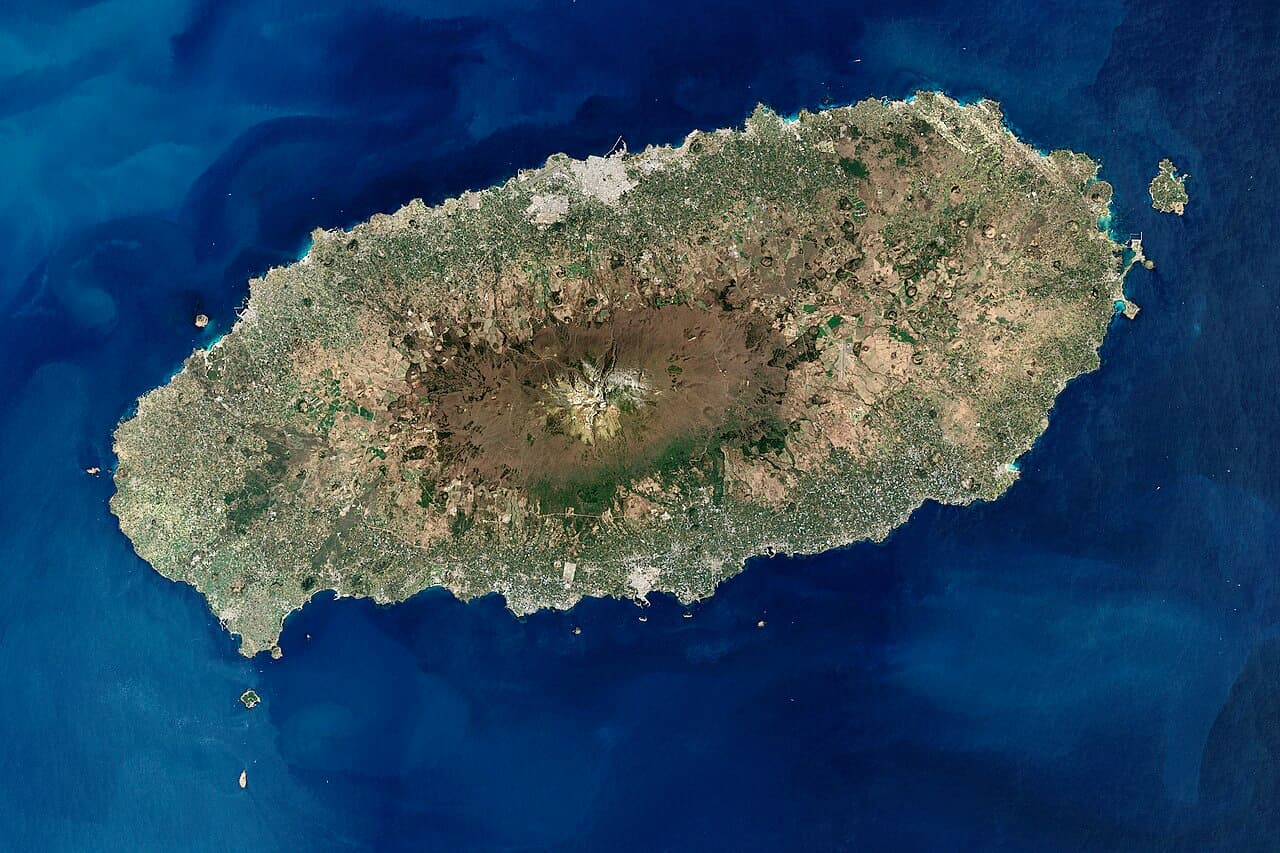
Jeju Island
South Korea's volcanic resort island with lava tubes, Hallasan mountain, tangerine orchards, and dramatic coastal scenery. The Busan-Jeju flight is one of the world's busiest routes.
Entry Requirements
South Korea has a generous visa-free policy for many nationalities. Most Western passport holders can enter for 30-90 days without a visa. The K-ETA (Korea Electronic Travel Authorization) requirement has been suspended for many nationalities through 2026 but check the latest status before travel.
Entry Requirements by Nationality
| Nationality | Visa Required | Max Stay | Notes |
|---|---|---|---|
| US Citizens | Visa-free | 90 days | K-ETA currently waived. Passport must be valid for duration of stay. Customs declaration form required on arrival. |
| UK Citizens | Visa-free | 90 days | Visa-free entry for tourism. Same K-ETA waiver applies. |
| Canadian Citizens | Visa-free | 180 days | Canadians enjoy an extended 180-day visa-free stay, one of the longest allowances. |
| EU Citizens | Visa-free | 90 days | Most EU nationals enter visa-free for 90 days. Some Eastern European countries may differ. |
| Chinese Citizens | Yes | Up to 90 days | Visa required. Apply at the Korean embassy or consulate. Group tour visa programs available through approved agencies. |
Visa-Free Entry
Tips
- •Check if the K-ETA waiver is still active for your nationality before departure — the policy has changed multiple times
- •Arrival cards are distributed on flights and can also be completed at immigration kiosks
- •Automated immigration gates are available for citizens of certain countries with biometric passports
- •Gimhae Airport (PUS) in Busan has its own international terminal — you do not need to fly through Seoul
- •Keep your accommodation address handy for the arrival card — the hotel name and district are usually sufficient
Shopping
Busan offers a mix of traditional markets, underground shopping arcades, and modern malls. The city is particularly known for its massive seafood markets and affordable Korean fashion in sprawling underground shopping streets.
Gukje Market & BIFF Square
traditional marketBusan's largest traditional market dating to the Korean War era, with hundreds of stalls selling everything from clothing and fabric to kitchenware, souvenirs, and legendary street food.
Known for: Street food (ssiat hotteok, eomuk), vintage finds, Korean souvenirs, fabrics
Seomyeon Underground Shopping Center
underground arcadeA vast underground shopping network beneath the Seomyeon intersection with affordable Korean fashion, accessories, cosmetics, and K-beauty shops.
Known for: Affordable Korean fashion, K-beauty products, accessories
Shinsegae Centum City
department storeThe world's largest department store by floor area, featuring luxury brands, a massive food hall, ice rink, spa, cinema, and rooftop garden.
Known for: Luxury brands, Korean designer fashion, gourmet food hall, tax-free shopping
Gwangbok-dong Fashion Street
shopping districtA lively pedestrian shopping street near Nampo-dong with Korean fashion boutiques, cosmetics chains, and a youthful vibe popular with local students.
Known for: Trendy Korean fashion, K-pop merchandise, cosmetics
🎁 Unique Souvenirs to Look For
- •Dried seafood and seaweed gift sets from Jagalchi Market
- •Busan-exclusive ssiat hotteok mix to recreate the famous seed-filled pancakes at home
- •Korean skincare and K-beauty products at discounted prices from Seomyeon shops
- •Gamcheon Culture Village art prints and postcards from local artists
- •Traditional Korean ceramics and celadon from Gukje Market artisan stalls
- •Eomuk (fish cake) gift packs from Samjin Eomuk, a Busan institution since 1953
If you like Busan, you'll love…
4 cities with a similar vibe, outside of the same country.

Taiwan · OVR 77
world-class dining · easy to get around without a car

Japan · OVR 80
safe after dark · fast wifi, English-friendly

Argentina · OVR 75
serious culinary pedigree · manageable on foot

China · OVR 76
serious culinary pedigree · easy to get around without a car