Quick Verdict
Pick Busan if Haeundae beach high-rises, Jagalchi Fish Market, and Seomyeon late nights trump volcanic hikes. Pick Jeju Island if Hallasan summit climbs, Manjanggul lava tubes, and haenyeo diver beaches beat city density.
Can't pick? Visit both.
Build a trip that includes Busan and Jeju Island, with complementary stops we'll suggest.
🤝 It's a tie — both rated 78 OVR
Keep exploring

Busan
South Korea
Jeju Island
South Korea
Busan
Jeju Island
How do Busan and Jeju Island compare?
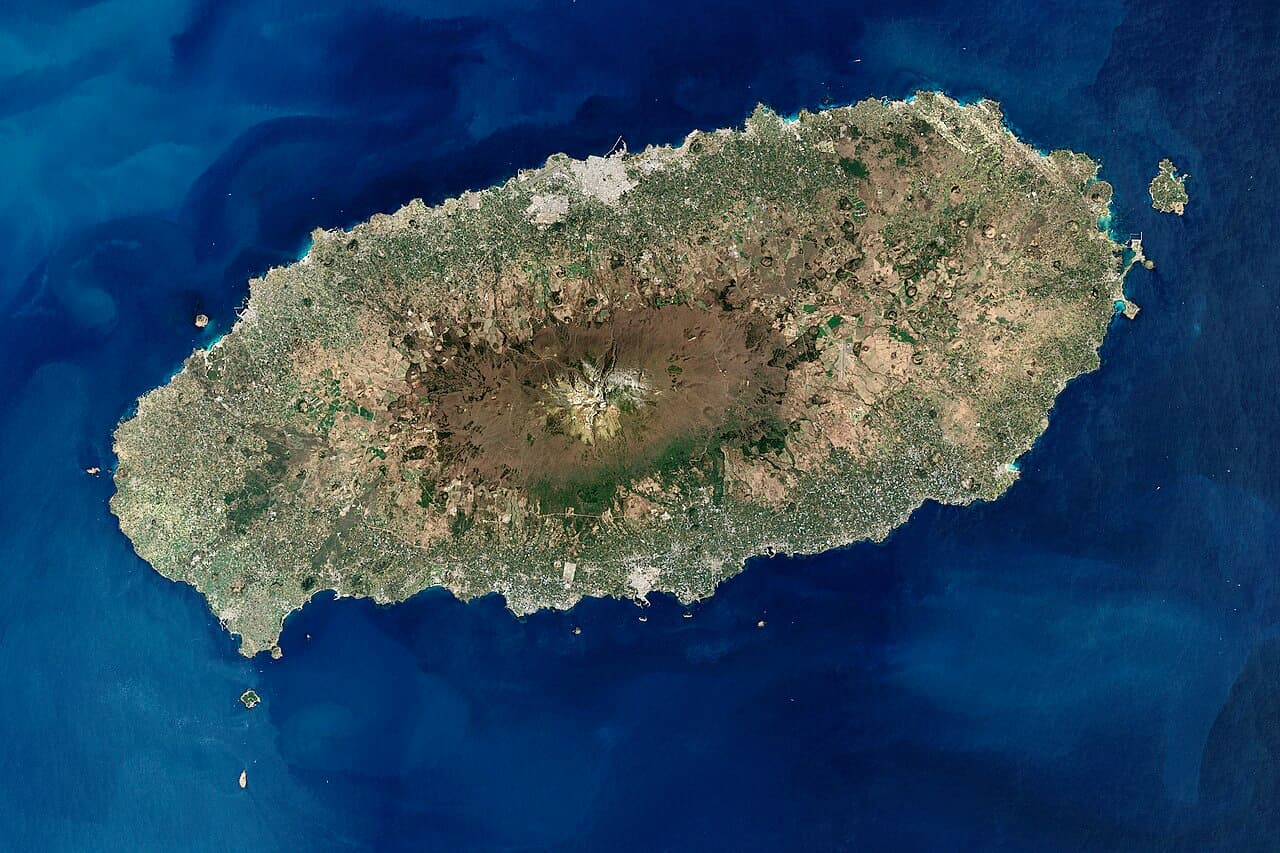
Two coastal South Korea destinations, same currency and language, both 88-safety — and the choice is between dense beach-city energy and slow volcanic island calm. Busan is Korea's second city and beach-port culture — Haeundae's high-rise sand, Jagalchi Fish Market's live octopus stalls, Gamcheon Culture Village's painted hillside, and a 4 AM Seomyeon nightlife rivaling Seoul. Jeju is the volcanic-island weekend — UNESCO Hallasan (1,947m, dormant volcano), Manjanggul lava tube (the world's longest at 7.4 km), the female haenyeo divers harvesting abalone in their 60s and 70s, and Olle trail walks along basalt cliffs.
Mid-range budgets land at $120 in Busan against $130 on Jeju. Busan wins on walkability (4 vs 2 — Jeju is car-rental island), transit (5 vs 3), nightlife (4 vs 3), food-scene depth (5 vs 4 — Busan's mil-myeon and pork-soup ssiat-hotteok are city-specific), and value. Jeju wins on nature access (5 vs 4 — Hallasan, lava tubes, Olle trails), cleanliness (5 vs 4), safety (88 vs 88 tied), and that specific island-honeymoon rhythm half of Korea uses for newlywed week.
Practical move: combine them via Korean Air or Jeju Air ($60 round-trip booked a month out, 1 hour from Busan/Gimhae). Time both April–May (cherry blossom + canola fields on Jeju) or September–October (foliage on Hallasan). Avoid June–August: monsoon season hits both. Festival anchor: Busan International Film Festival early October; Jeju Olle Walking Festival late October.
💰 Budget
🛡️ Safety
Busan
Busan is very safe for travelers. Violent crime is rare and the city is well-policed. The main concerns are petty theft in crowded tourist areas and rip currents at beaches during summer.
Jeju Island
Jeju is one of the safest destinations in Asia for international travelers. Violent crime is rare and petty theft uncommon by regional standards. The main risks are natural — rip currents at popular beaches and changing weather on Hallasan trails.
🌤️ Weather
Busan
Busan has a humid subtropical climate moderated by the ocean. Summers are warm and humid with a pronounced monsoon season in July, while winters are milder than Seoul thanks to the coastal location.
Jeju Island
Jeju has a humid subtropical climate warmer and wetter than mainland Korea. The island receives significant rainfall year-round, especially in summer monsoon season. Hallasan creates a weather divide — the south (Seogwipo) is noticeably milder and sunnier than the north in winter.
🚇 Getting Around
Busan
Busan has an excellent metro system covering most tourist areas, supplemented by buses and affordable taxis. A T-money card works on all public transport.
Walkability: Moderate — beach areas and Nampo-dong are very walkable, but the city is spread out and hilly. Metro + walking is the best combination.
Jeju Island
Jeju has no train network. The practical choice for most visitors is a rental car — the island is not large (roughly 73 km east-west) and driving allows access to the many coastal spots that buses don't reach. Taxis are readily available and affordable by Asian standards.
Walkability: Low island-wide, moderate-to-good within Jeju City center and Seogwipo downtown. Most major attractions require a vehicle to reach — Jeju is not a city you can explore on foot.
📅 Best Time to Visit
Busan
Apr–Jun, Sep–Oct
Peak travel window
Jeju Island
Apr–May, Sep–Nov
Peak travel window
The Verdict
Choose Busan if...
you want Korea's beach-and-seafood second city — Haeundae, Gamcheon painted village, Jagalchi fish market, Beomeosa, and the Busan International Film Festival
Choose Jeju Island if...
you want South Korea's volcanic UNESCO island — Hallasan hike, Seongsan sunrise, lava tube caves, haenyeo divers, and a special 30-day visa exemption for most nationalities
Jeju Island
Frequently asked
Is Busan or Jeju Island cheaper?
Busan is cheaper on average. A mid-range day in Busan costs about $120 vs $130 in Jeju Island, so Busan saves you roughly $10 per day compared to Jeju Island.
Is Busan or Jeju Island safer?
Busan and Jeju Island score equally on our safety index (88/100). Specific risks differ by neighborhood — check the Safety section on each guide.
Which has better weather, Busan or Jeju Island?
Jeju Island has the more temperate climate year-round. Jeju has a humid subtropical climate warmer and wetter than mainland Korea. The island receives significant rainfall year-round, especially in summer monsoon season. Hallasan creates a weather divide — the south (Seogwipo) is noticeably milder and sunnier than the north in winter.
Is it easier to get by with English in Busan or Jeju Island?
English is more widely spoken in Jeju Island (3/5 vs 2/5 on our scale). You'll find it easier to order food, ask for directions, and navigate transit in Jeju Island.
When is the best time to visit Busan vs Jeju Island?
Busan peaks in Apr–Jun, Sep–Oct. Jeju Island peaks in Apr–May, Sep–Nov. Both peak in Apr–May, Sep–Oct, so a single trip pairs them naturally.
How long is the flight from Busan to Jeju Island?
Roughly 56m on a direct flight (about 299 km / 186 mi). One-way fares typically run $60-180 depending on season and how far in advance you book.
How do daily costs in Busan and Jeju Island compare?
In Busan: budget ~$50/day, mid-range ~$120/day, luxury ~$300/day. In Jeju Island: budget ~$45-75/day, mid-range ~$100-160/day, luxury ~$260+/day.
You might also compare
BusanvsJeju Island
Try another