
Asia
South Korea
K-pop, kimchi, ancient palaces, and cutting-edge technology in perfect harmony.
South Korea at a glance
KRW
Korean
$100–$150
Apr–Jun, Sep–Nov
27° / 2°C
89/100
Visa-free entry for 🇺🇸 US, 🇬🇧 UK, 🇪🇺 EU passport holders. Always confirm requirements with the embassy before booking.
Destinations in South Korea
7 guides available
Seoul
South Korea
Seoul is a high-octane blend of ancient palaces and K-pop culture, street food alleys and neon-lit shopping districts. The city moves fast — cutting-edge technology, 24-hour everything, and one of the world's best subway systems. Yet ancient hanok villages and serene temples exist just minutes from the buzz.

Busan
South Korea
South Korea's coastal second city offers stunning beaches, vibrant seafood markets, hillside villages splashed with street art, and soothing hot springs. Haeundae Beach and Gamcheon Culture Village are highlights, with the KTX bullet train connecting to Seoul in just 2.5 hours.
Jeju Island
South Korea
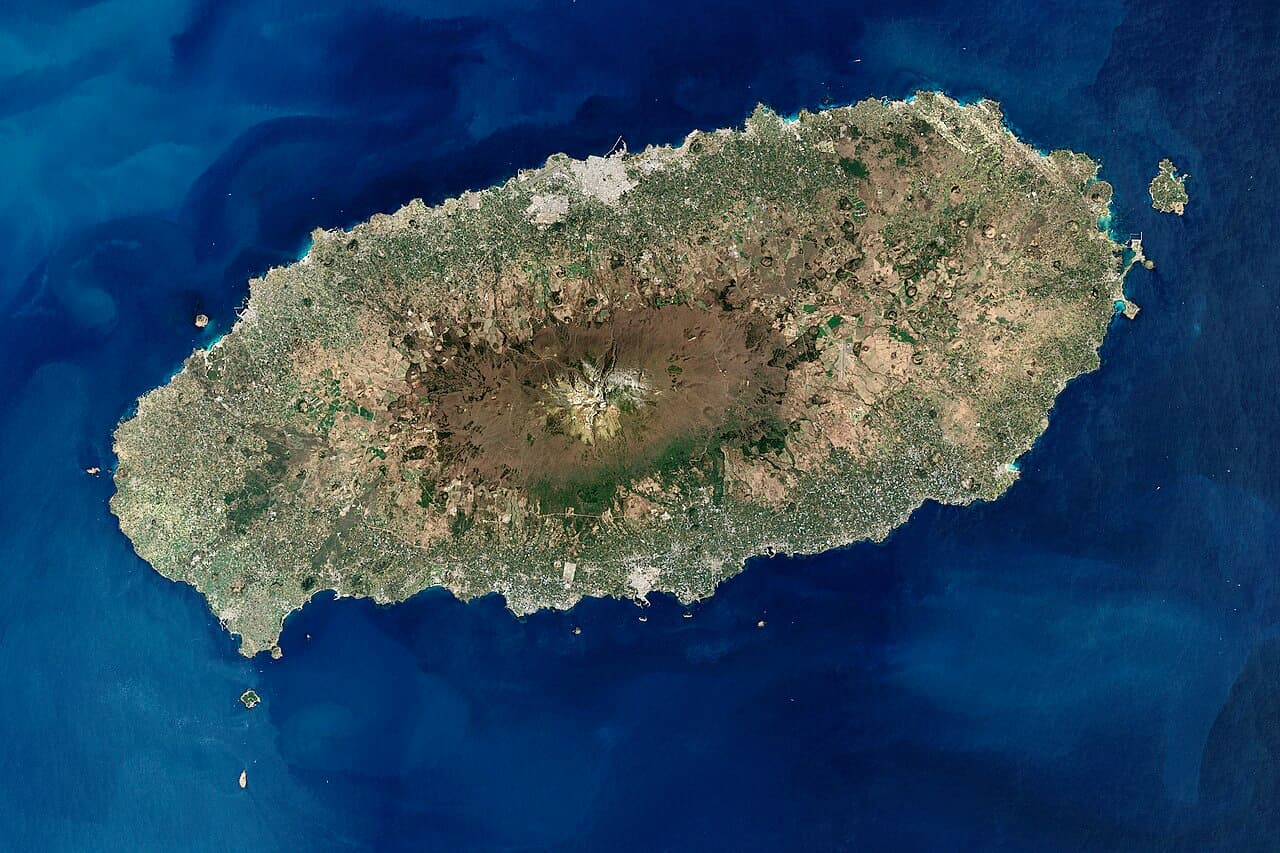
South Korea's volcanic island paradise holds a UNESCO triple crown — biosphere reserve, world natural heritage, and global geopark — for Hallasan (1,950m, Korea's highest peak), Seongsan Ilchulbong (a tuff cone rising from the sea), and Manjanggul (one of the world's longest lava tubes at 13 km). The busiest air route in the world runs Seoul–Jeju; 15 million visitors come annually. Jeju has its own visa exemption — 30 days for most nationalities without a Korean visa.

Jeju
South Korea
Jeju Island sits 100 km off the southern tip of the Korean peninsula — a 1,850-square-kilometre volcanic island built around 1,947-metre Hallasan, South Korea's tallest mountain. UNESCO has triple-inscribed the island (Biosphere Reserve, Geopark, World Natural Heritage) for the volcano, the Geomunoreum lava-tube system (Manjanggul Cave is 7.4 km long), and Seongsan Ilchulbong, the 'Sunrise Peak' tuff cone on the east coast. The 425-km Olle Trail walking network rings the island in 27 numbered routes, the haenyeo (women free-divers, average age 70+) still harvest abalone off the coast, and Jeju black pork and abalone porridge are the local food obsessions.

Gyeongju
South Korea
Korea's museum without walls — capital of the Silla Kingdom for nearly a thousand years (57 BC to 935 AD) and home to a UNESCO Historic Areas inscription that bundles together Bulguksa Temple, the Seokguram Grotto on the slopes of Toham Mountain, the royal tumuli rising like grass-covered hills in the city centre, and Cheomseongdae, the small bottle-shaped observatory built in the 7th century and considered the oldest surviving in East Asia. Anapji Pond mirrors its restored pavilions after dark, cherry blossoms line the tomb park in early April, and the Gyeongju National Museum houses the Silla gold crowns. Two hours by KTX from Seoul or one from Busan.

Sokcho
South Korea
A Pacific east-coast city wedged between the East Sea and Seoraksan, the most photographed mountain range in Korea — Daecheongbong tops out at 1,708 metres, the granite Ulsanbawi formation rises in six fused peaks above the cable car terminus, and Biryongpokpo waterfall threads through the inner park. The town itself runs along Sokcho Beach, the morning fish market at Daepo Port handles the live-octopus and red-snow-crab trade, and the old Russian-Korean Abai Village quarter at the harbour mouth is the only neighbourhood of its kind in Korea. Two and a half hours by express bus from Seoul.

Jeonju
South Korea
Korea's culinary capital and the birthplace of bibimbap — the proper version, layered with raw beef tartare, served in a bronze bowl, paired with a dozen banchan side dishes. Jeonju Hanok Village preserves more than 700 traditional Korean houses inside the central downtown, with tiled roofs sloping in tight rows and most homes still operating as hanok-stay guesthouses where you sleep on a heated ondol floor. Pungnammun Gate, the last surviving gate of the old city wall, anchors the southern edge, and the Jeonju Bibimbap Festival turns the village into one open kitchen each October. Ninety minutes by KTX from Seoul.