
Niseko
THE QUICK VERDICT
By Anthony · Updated April 2026
Choose Niseko if You want the world's most reliable powder snow, four interconnected resorts on one pass, and an English-speaking apres-ski scene where Aussie pubs sit next to onsen ryokan..
- Best for
- 15+ metres of dry powder, four-resort all-mountain pass, onsen ryokan after Hirafu laps
- Two seasons
- Jul–Aug and Dec–Mar
- Budget anchor
- $320/day mid-range
- Costs bite
- Top 10% of destinations on daily spend ($320/day mid-range)
- Skip if
- cost matters — luxury nights routinely top $800 and even mid-range pushes $320 in peak ski
Hokkaido's premier ski region, two hours by road from Sapporo's New Chitose airport. Four interconnected resorts — Grand Hirafu, Hanazono, Niseko Village, Annupuri — share a single all-mountain pass on the slopes of Mount Niseko Annupuri, with the conical Mount Yotei staring across the valley like a small Mount Fuji. The 15+ metres of dry, light powder per season is the most reliable in the world, which is why an Australian and Singaporean expat scene has set up a year-round base. December through March is ski; July and August add hiking, rafting, and onsen-and-green-season pricing.
The two links below are affiliate links — MapSorted earns a small commission if you book through them, at no extra cost to you. How this works.
Tours & Experiences
Bookable tours, activities, and day trips in Niseko
Where to Stay
Compare hotels and rentals in Niseko
📍 Points of Interest
Grand Hirafu Resort
The largest of the four Niseko resorts, village-anchored
Hanazono Resort
Northern resort with the longest single descent
Niseko Village
Hilton-anchored mid-mountain resort
Annupuri Resort
Westernmost, quietest resort with wide intermediate runs
Mount Yotei
Perfectly conical 1,898 m volcano across the valley
Goshiki Onsen
Historic five-coloured natural hot spring inn above Annupuri
Lake Toya· 27 km SE
Volcanic caldera lake with onsen ryokan and Showa Shinzan dome
★ Local Picks
Yukoro Onsen
Locals-leaning hot spring at the base of Hirafu Village
Niseko Pizza
Wood-fired pizza shop in upper Hirafu Village
Bang Bang Yakitori
12-seat charcoal yakitori bar in lower Hirafu
Milk Kobo· 24 km SE
Dairy-coop farm shop with exceptional soft-serve near Lake Toya
At a Glance
- Pop.
- 4,800 (Niseko Town)
- Timezone
- Tokyo
- Dial
- +81
- Emergency
- 110 (police) / 119 (fire+amb)
Niseko sits 90 minutes by road west of Sapporo's New Chitose Airport (CTS) on the slopes of Mount Niseko Annupuri (1,308 m), with the conical Mount Yotei (1,898 m) staring across the valley like a smaller Mount Fuji
Four interconnected resorts — Grand Hirafu, Hanazono, Niseko Village, and Annupuri — share a single all-mountain pass and deliver one of the world's largest interconnected ski areas
Annual snowfall averages 14-15 metres of dry, light powder — among the most reliable snow on Earth, driven by Siberian air masses crossing the Sea of Japan
The night skiing operation is the largest in the world — Grand Hirafu lights up to mid-mountain until 8:30 PM, allowing 12+ hour ski days in peak season
Niseko has a substantial Australian, Singaporean, and Hong Kong expat community — many businesses operate in English, AUD pricing is common, and the apres-ski scene tilts heavily Antipodean
The summer "green season" (July-August) brings hiking up Yotei and Annupuri, river rafting on the Shiribetsu, and rates that drop 50-70% from the winter peak
Top Sights
Grand Hirafu Resort
📌The largest of the four Niseko resorts and the de facto centre of the village. 30 lifts and gondolas serving 24 named runs across all difficulty levels, with the village base at the foot of the King 3 lift. Hirafu Village (the surrounding resort town) is where most of the bars, ramen shops, and rental hotels cluster. Single-resort lift ticket JPY 8,500/day; all-mountain pass JPY 9,500/day.
Niseko United All-Mountain Pass
📌A single lift pass covering all four resorts (Grand Hirafu, Hanazono, Niseko Village, Annupuri) connected at the top of Mount Niseko Annupuri. JPY 9,500 for one day, with significant savings on multi-day passes. The interconnect allows you to ski one face down to a different village, take a shuttle back, and never repeat a run for a week.
Hanazono Resort & Backcountry
📌The northern resort, owned by Hong Kong's Pacific Century group and the most newcomer-friendly base. Less crowded than Hirafu, with the longest single descent on the mountain (5.6 km). The Hanazono backcountry gates open access to substantial off-piste terrain — a guide is mandatory for anyone unfamiliar with avalanche conditions.
Mount Yotei
📌The 1,898 m perfectly conical stratovolcano across the valley from Niseko Annupuri — frequently called "Ezo Fuji" for its resemblance to Mount Fuji. In summer, a 5-7 hour hike to the crater rim. In winter, a serious ski-touring objective for the dawn-patrol alpine crowd. The view of Yotei from the upper Niseko lifts is the iconic Hokkaido photograph.
Niseko Village & The Hilton
📌The middle of the four resorts, anchored by the Hilton Niseko Village and the Higashiyama-area Green Leaf Hotel. A more contained, family-friendly setup than Hirafu — quieter at night, with direct gondola access from the hotel doors. The village hosts the higher-end Kasara Townhouses and the Setsu Niseko residences.
Annupuri Resort
📌The westernmost and quietest of the four resorts. Wide intermediate runs and excellent treeline skiing on the western face. Less Australian-bar scene; more locals and Japanese tourists. The Annupuri base is also the closest to the Goshiki Onsen, the most authentic of the area's natural hot springs.
Goshiki Onsen
📌A historic natural hot-spring inn 6 km up a forest road past the Annupuri base, with five varying mineral pools (the name "five colours" refers to the historical iron-and-sulphur tints). Open to non-staying day bathers, with separate male and female outdoor rotenburo facing into the forest. JPY 800 for a day soak. Open year-round; the winter access road requires a 4WD or shuttle.
Lake Toya & Showa Shinzan Day Trip
📌A volcanic caldera lake 50 minutes south by car, with the active Mount Usu and the much younger Showa Shinzan (a lava dome that pushed out of farmland in 1944) on its southern shore. A summer or shoulder-season day off the slopes — there are a cluster of lakeside onsen ryokan around Toyako Onsen.
Costs & Currency
Where the money goes
USD per dayBackpacker = hostel dorm + street food + public transit. Mid-range = 3-star hotel + neighbourhood restaurants + transit cards. Luxury = 4/5-star + fine dining + taxis. How we calibrate these numbers →
Quick cost estimate
Customize per category →Estimates based on regional averages. Flight prices vary by season and airline.
budget
$120-180
Hostel bunk or shared lodge, half-day lift ticket or rental skis, set-menu lunch, izakaya dinner, no nightlife
mid-range
$280-450
Mid-range hotel or condo, full-day all-mountain pass, rental skis, sit-down lunch and dinner, a couple of beers
luxury
$700-1,500+
Setsu Niseko or Park Hyatt suite, private guide, demo skis, fine dining, premium onsen, helicopter or cat skiing
Typical Costs
| Item | Local | USD |
|---|---|---|
| AccommodationHostel / lodge bunk (peak season) | JPY 6,000-10,000 | $40-65 |
| AccommodationMid-range hotel / condo | JPY 25,000-50,000 | $165-330 |
| AccommodationLuxury (Setsu, Park Hyatt, Aman, Kasara) | JPY 80,000-250,000 | $530-1,650 |
| LiftAll-mountain pass 1 day | JPY 9,500 | $63 |
| LiftSingle resort 1 day | JPY 8,500 | $56 |
| LiftAll-mountain 5-day pass | JPY 42,000 | $278 |
| RentalSkis + boots + poles per day | JPY 6,000-10,000 | $40-65 |
| RentalSnowboard + boots per day | JPY 5,500-9,000 | $36-60 |
| FoodSet lunch at resort cafeteria | JPY 1,200-1,800 | $8-12 |
| FoodIzakaya dinner | JPY 3,500-6,000 | $23-40 |
| FoodBeer at a Hirafu bar | JPY 800-1,200 | $5-8 |
| WellnessOnsen day pass (Yukoro, Goshiki) | JPY 700-1,200 | $4.65-8 |
| TransportCTS shuttle one way | JPY 3,000-4,000 | $20-26 |
💡 Money-Saving Tips
- •Travel mid-week and avoid the Christmas-New Year peak — accommodation rates triple between Dec 26 and Jan 5
- •Multi-day all-mountain passes get sharply cheaper — 5-day works out 12% off the day rate
- •Self-cater breakfast from the Kutchan Co-op — restaurant breakfasts run JPY 2,500-4,000
- •Eat lunch at the resort cafeterias rather than the village restaurants — half the price for similar food
- •Use the free village shuttle and inter-resort shuttle instead of taxis — they cover the whole area
- •Visit in March for cheaper rates and warmer maritime snow — still good powder, much smaller crowds
- •Skip January and visit in February for the same powder at slightly lower prices
Japanese Yen
Code: JPY
1 USD is approximately 150-155 JPY. Niseko has Japan's most foreign-card-friendly ATM coverage outside Tokyo — Seven Bank ATMs at the Hirafu Lawson and Seicomart stores work with all foreign cards. Cards are widely accepted at hotels, ski resorts, and restaurants — more so than typical rural Japan, due to the international clientele. Some smaller izakaya and onsen are still cash-only.
Payment Methods
Cards are unusually well-accepted in Niseko — most hotels, lift offices, ski rental shops, and restaurants take Visa and Mastercard. IC cards (Suica, PASMO, Kitaca) work on JR trains and many vending machines but not on the Niseko shuttles. Apple Pay and contactless are widely available. Always carry some yen for the smaller izakaya, onsen, and rural shops.
Tipping Guide
No tipping. Service is included; staff will run after you to return cash.
No tipping at any tier. Bell staff and concierge are salaried.
A modern exception — many international ski schools (run by Australians) accept tips of JPY 1,000-3,000 per day per instructor. Optional but appreciated.
No tip. Round up only if the driver helps with luggage.
No tip; sealed-price service.
Climate & Best Time to Go
Niseko has two distinct seasons that matter — winter (December to mid-April) and summer green season (June to early October). Spring and autumn shoulders are short and many businesses close. Winter delivers 14-15 metres of dry, light powder; summer delivers cool, comfortable hiking conditions in the 20s. Late autumn (mid-October to early December) and the snow-melt mud season (late April to mid-June) are dead time on the mountain.
Winter (Ski Season)
December - early April14-28°F
-10 to -2°C
Peak ski season with 14-15 metres of seasonal snowfall. January and February are the deepest powder months and the most expensive. December conditions can be variable until the new year; March is warmer with a heavier maritime snow.
Spring (Shoulder)
Mid-April - May32-54°F
0-12°C
Snow melts rapidly. Skiing closes at most resorts in mid-April, with the very last lifts running into early May at Annupuri. Many restaurants and bars close for staff turnover; village is sleepy.
Summer (Green Season)
June - early October57-77°F
14-25°C
Cool, dry, hiking-friendly weather — the appeal of Hokkaido summers. Mount Yotei climbing season runs July-September. River rafting on the Shiribetsu, mountain biking, and onsen visits are the activities. Rates drop 50-70% from winter.
Autumn (Shoulder)
Mid-October - November32-50°F
0-10°C
Maple foliage in mid-October, then a quick decline. November is the deadest month — most lifts not yet open, hiking trails closing, many restaurants on break. The first significant snow usually falls in early December.
Best Time to Visit
For powder skiing: mid-January through late February. For better weather and lower prices: late March. For summer hiking and rafting: late July through August. The deadest months are November and May — many businesses are closed and the mountain operations are between seasons.
Early Winter (December)
Crowds: Extreme Dec 26-Jan 5; moderate elsewhereSnow builds through the month. Resorts open progressively from late November to mid-December. The Christmas-New Year period (Dec 26-Jan 5) is the single most expensive and crowded week of the year.
Pros
- + Quiet pre-Christmas period
- + Festive atmosphere
- + New snow building
Cons
- − Variable conditions early in the month
- − Christmas-New Year prices triple
Peak Winter (January - February)
Crowds: Very high but spread evenlyThe deepest and lightest powder of the season. January is the coldest and quietest after the New Year departure; February is slightly warmer with the most consistent snow. Demand is huge — book hotels 6+ months ahead.
Pros
- + Best powder
- + Reliable snow conditions
- + Coldest, driest snow
Cons
- − Highest non-holiday prices
- − Need to book ski rentals weeks ahead
- − Cold (-10 to -15°C)
Late Winter (March - early April)
Crowds: ModerateWarmer maritime snow but still excellent skiing through mid-March. Lift queues drop sharply. The last 1-2 weeks of March hit a sweet spot — good snow, lower prices, longer days.
Pros
- + Lower prices
- + Long days
- + Warmer temperatures
- + Spring snow
Cons
- − Heavier maritime snow
- − Some terrain closing late season
- − Variable conditions
Summer (Green Season, July - August)
Crowds: Low to moderateCool, dry hiking weather. Mount Yotei climbing season, river rafting, mountain biking, golf, onsen. Rates fall 50-70% from winter peak. Most ski rental shops switch to bike rental.
Pros
- + Cool weather
- + Cheapest accommodation
- + Yotei climbing
- + Lavender at nearby Furano
Cons
- − Many ski-season restaurants closed
- − Some bars do not reopen until winter
- − Limited evening atmosphere
🎉 Festivals & Events
Niseko Snow Festival
JanuaryA small village snow-sculpture festival in Hirafu, with a torchlight ski parade down the mountain and fireworks. The local complement to the bigger Sapporo Snow Festival.
Powder Triathlon
FebruaryA skiing+snowshoeing+ski touring relay race held in Niseko, with the Australian Niseko expat community as the central crowd.
Mount Yotei Opening
July 1The annual ceremonial opening of the Mount Yotei climbing season, with a small ceremony at the trailhead.
Niseko Classic Cycling Race
JulyA two-day amateur road-cycling race around Mount Yotei and Lake Toya — a UCI-sanctioned event drawing riders from across Asia-Pacific.
Off the Beaten Path
Niseko Pizza
A wood-fired pizza shop in upper Hirafu Village run by an Australian couple, with sourdough bases, local Hokkaido cheese, and a no-bookings policy that means a 30-minute wait at peak ski season.
After a week of ramen and izakaya the carb-and-cheese hit lands like a revelation. The Hokkaido potato pizza is the unexpected winner.
Bang Bang Yakitori
A small wooden yakitori bar in lower Hirafu that has been there since long before Niseko was a destination, with an English menu, charcoal-grilled chicken thigh, and a sake selection. Bookings essential — the bar seats 12.
The genuine Japanese food experience that survives despite the Australianisation of the village. The owner has been cooking for the same crowd for 25 years.
Yukoro Onsen
A small, locals-leaning natural hot spring at the base of Hirafu Village, with separate male and female outdoor rotenburo facing the woods. Open until 10 PM. JPY 800 with an attached cafe for the after-soak coffee.
The bigger hotel onsens are excellent but full of fellow tourists. Yukoro is the end-of-day local soak that Niseko regulars use.
Milk Kobo
A 25-minute drive south near Lake Toya, this farm shop is owned by a dairy cooperative and sells some of the best soft-serve ice cream in Hokkaido — pure milk flavour, no flavouring, served from cones by middle-aged women in white aprons.
A summer or shoulder-season detour that genuinely justifies the drive. In winter, drive a different route — the road to Toyako can ice up.
Safety Breakdown
Very Safe
out of 100
Niseko is exceptionally safe in the Japanese baseline sense — no meaningful crime risk, well-maintained resort infrastructure, and excellent emergency services. The actual hazards are mountain-environmental: avalanche risk in the backcountry, treewell suffocation in deep powder, frostbite on cold days, and driving conditions on snowed-in roads.
Things to Know
- •Backcountry skiing requires a guide and avalanche transceiver, shovel, and probe — the Niseko Avalanche Information centre publishes daily ratings; respect the closed-gate signs
- •Treewell suffocation is the leading on-mountain death cause — never ski tree runs alone in deep powder; keep a partner in sight
- •Frostbite risk on -15°C+ days — face mask, neck gaiter, and finger-warmers on the chairlifts
- •Driving the Niseko-Sapporo route in winter requires snow tyres or chains — most rental cars in Hokkaido come with snow tyres; check before leaving the airport
- •Drink driving is a serious offence in Japan with a near-zero alcohol limit — use the resort shuttles or designated ride-hailing after onsen-and-beer dinners
- •The village hot springs require a pre-soak rinse, no swimsuits, and full nudity — visible tattoos may bar entry to some traditional onsen (the resort hotel onsens are now mostly tattoo-friendly)
Natural Hazards
Emergency Numbers
Police
110
Fire / Ambulance
119
JNTO Tourist Hotline (24/7, English)
050-3816-2787
Niseko Patrol (in-resort, via lift staff)
Use any lift station phone
How to Get There
✈️ Airports
New Chitose Airport (Sapporo)(CTS)
100 km east of NisekoHokkaido Resort Liner shuttle bus, 3 hours, JPY 3,000-4,000 with hotel drop-off. Or self-drive 2-2.5 hours via Route 230 (snow tyres essential in winter). Or JR Hakodate Line + Niseko shuttle, 3.5 hours, JPY 2,500-3,500 — least convenient.
✈️ Search flights to CTS🚆 Rail Stations
JR Niseko Station
A small unmanned rural station 8 km from Hirafu Village on the JR Hakodate Line. Useful only for travellers connecting from Hakodate or Otaru. From the station, take a Niseko shuttle (5 min, JPY 200-400) or pre-arrange a hotel pickup.
JR Kutchan Station
The larger town station 5 km north of Hirafu Village. More frequent JR Hakodate Line services. Several inter-resort shuttles call here. Works as the JR rail option from Sapporo (2 hours).
🚌 Bus Terminals
Niseko Welcome Centre / Hirafu Bus Terminal
The central village shuttle terminal in lower Hirafu. Hokkaido Resort Liner and Chuo Bus airport shuttles drop here, as well as inter-resort shuttles and the village free loop.
Getting Around
Most Niseko visitors arrive by airport shuttle bus from Sapporo's New Chitose Airport (CTS), then move around the four resorts on the free Niseko United inter-resort shuttle. Self-driving from Sapporo is the alternative — but winter Hokkaido roads require snow tyres and confidence. Within Hirafu Village, walking and the free village shuttle cover everything.
Hokkaido Resort Liner / Chuo Bus airport shuttle
JPY 3,000-4,000 one way (around US$20-26)Direct shuttle buses from CTS Airport to Niseko, multiple daily, with hotel drop-offs. Booking online ahead is essential in peak season. Travel time around 3 hours including stops.
Best for: Winter arrivals — easier than driving in snow
Niseko United Inter-Resort Shuttle
Free with all-mountain passFree during ski season, connecting all four resorts (Grand Hirafu, Hanazono, Niseko Village, Annupuri) on a 30-60 minute loop. Allows you to ski one resort, ride down, and shuttle to another base.
Best for: Maximising the all-mountain pass
Hirafu Village Shuttle
FreeA free village loop bus connecting upper Hirafu, lower Hirafu, the Welcome Centre and the gondola base. Runs every 15-20 minutes during ski season. The way to get to the gondola in your boots without walking.
Best for: Within Hirafu Village — boots, dinner, and post-ski bar runs
Niseko Taxi
JPY 1,000-3,000 for in-village; JPY 6,000+ to other resortsA handful of taxis operate from Hirafu Village and the Niseko Village Hilton. Fares are high (JPY 1,000-3,000 for in-village trips). Phone-call dispatch only — most hotels can ring for you.
Best for: After-hours returns when shuttles have stopped
Self-drive rental car
JPY 7,000-12,000/day (around US$45-80)Rental cars from CTS Airport (Toyota Rent-a-Car, Nippon, Times) all come with snow tyres in winter season by default. Petrol is cheap by Japanese standards. Driving in deep snow is a learned skill — beginners should use the shuttle.
Best for: Multi-day trips with side-trips to Lake Toya, Otaru, and Sapporo
Walkability
Hirafu Village is walkable but in ski boots and -10°C, you will use the shuttle. Lower Hirafu (the gondola base) and upper Hirafu (the bars and restaurants) are about a 15-minute walk apart on a steep hill — the shuttle is the right answer in ski clothes. Niseko Village (Hilton-anchored) is a self-contained pedestrian compound. Annupuri and Hanazono are not walkable — shuttle or car only.
Travel Connections
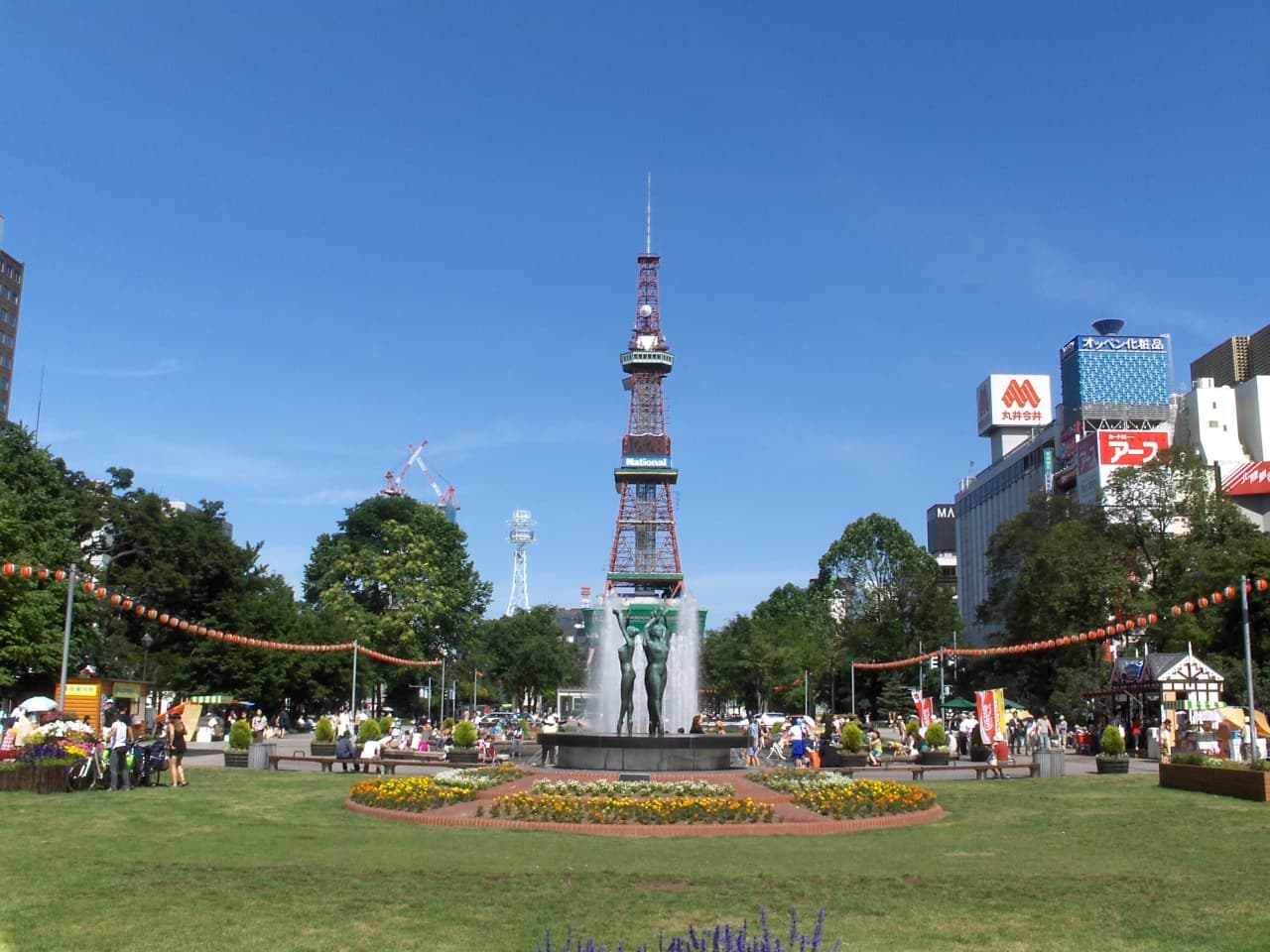
Sapporo
Hokkaido's capital and the gateway airport for Niseko. Worth a 1-2 night stop on the way in or out — Susukino nightlife, Sapporo Beer Garden, the morning sushi at Nijo Market, and the Snow Festival in February.
Otaru
A historic harbour town with stone warehouses along the Otaru Canal, glass-blowing studios, and the original LeTAO cheesecake shop. A natural half-day stop when self-driving between Niseko and Sapporo airport.
Lake Toya
A volcanic caldera lake with lakeside onsen ryokan, the active Mount Usu, and the post-1944 Showa Shinzan lava dome. The natural off-day from skiing and the closest summer alternative.
Hakodate
Southern Hokkaido's historic port city, with one of Japan's "Three Greatest Night Views" from Mount Hakodate, a star-shaped Bakumatsu-era fort (Goryokaku), and the seafood-rich Hakodate Asaichi morning market.
Furano
Central Hokkaido's ski-and-lavender region — a less-Aussie alternative ski resort in winter and the famous lavender-fields-of-Hokkaido destination in mid-July.
Entry Requirements
Japan offers visa-free entry for short-term tourism to passport-holders from 71 countries including the US, UK, EU, Canada, Australia, and most of east and southeast Asia. The standard stay is 90 days — well in excess of any reasonable Niseko ski trip. You arrive at CTS (Sapporo New Chitose), clear immigration there, and shuttle into Niseko.
Entry Requirements by Nationality
| Nationality | Visa Required | Max Stay | Notes |
|---|---|---|---|
| US Citizens | Visa-free | 90 days | Visa-free. Passport must be valid for the duration of stay. |
| UK Citizens | Visa-free | 90 days | Visa-free with same conditions. |
| EU Citizens | Visa-free | 90 days | Visa-free across all Schengen states. |
| Australian Citizens | Visa-free | 90 days | Visa-free. The most common nationality at Niseko. |
| Indian Citizens | Yes | 15-30 days (eVisa) | eVisa available for tourism through the official Japan eVisa portal. |
Visa-Free Entry
Visa on Arrival
Tips
- •Pre-fill the Visit Japan Web entry form before departure — combines immigration, customs and quarantine into a single QR code
- •No vaccinations required for routine tourist entry
- •A return or onward ticket is technically required but rarely checked
- •Customs allows up to 3 bottles of alcohol and 200 cigarettes duty-free — useful if bringing in spirits for the rental house
- •Snowboards and skis count as one piece of luggage on most Japan-bound flights — check fees in advance
- •Hokkaido has no separate immigration — the Sapporo CTS process is the same as Tokyo
Shopping
Niseko shopping is concentrated in Hirafu Village — ski rental shops, brand sportswear (Burton, Patagonia, Mont-bell), Australian-import grocery stores, and a handful of souvenir and craft shops. For real Japanese shopping, drive 5 km north to Kutchan town for a proper supermarket and the local hardware store.
Hirafu Village (Upper & Lower)
resort villageThe main concentration of ski rental shops, ski brand stores, and souvenir outlets. Rhythm Niseko is the largest rental shop. Several Australian-style cafes and espresso bars dot the upper village.
Known for: Ski rentals, sportswear brands, ski-themed souvenirs, Aussie-brand baby food and snacks
Kutchan Town
local townThe nearest proper Japanese town (5 km north). Co-op and Lawson supermarkets, a hardware store, and a Tsuruha drugstore for Japanese skincare and pharmacy goods. The right place to stock up if you are self-catering.
Known for: Real grocery shopping, Japanese drugstore goods, hardware
Niseko Village Hilton Arcade
hotel arcadeA small upscale arcade attached to the Hilton, with a Japanese sweets shop, a small Lawson convenience store, and a craft and jewellery boutique.
Known for: Convenience store, hotel-arcade gifts, Hokkaido confectionery
Hirafu Welcome Centre Souvenir Hall
souvenir centreThe municipal souvenir hall at the base of the village, with regional Hokkaido products under one roof — Yotei spring water, Kutchan potato chips, Sapporo Beer goods, and Royce chocolate.
Known for: Regional Hokkaido souvenirs, Royce chocolate, Yotei spring water
🎁 Unique Souvenirs to Look For
- •Yotei spring water — bottled at the base of Mount Yotei, sold throughout Niseko
- •Royce nama chocolate — a Hokkaido specialty (the Sapporo airport stocks it but Niseko shops carry it too)
- •Kutchan potato chips — Calbee's most famous Hokkaido product comes from the local potato fields
- •Niseko-branded ski apparel from Rhythm or local boutiques
- •Yukidoke (snow-melt) sake from local Niseko-area breweries
- •Hokkaido dairy products — sealed for travel — from the Milk Kobo farm shop near Lake Toya
Language & Phrases
Japanese is written in kanji, hiragana, and katakana. Niseko has Japan's strongest English-language coverage outside Tokyo — most resort staff, rental shops, and restaurants in Hirafu Village operate in fluent English. The smaller izakaya, Kutchan town, and Annupuri side are more Japanese-only. A few phrases earn warm responses everywhere.
| English | Translation | Pronunciation |
|---|---|---|
| Hello | こんにちは (Konnichiwa) | kon-nee-chee-wah |
| Good morning | おはようございます (Ohayou gozaimasu) | oh-hah-yoh goh-zai-mahss |
| Thank you | ありがとうございます (Arigatou gozaimasu) | ah-ree-gah-toh goh-zai-mahss |
| Excuse me / Sorry | すみません (Sumimasen) | soo-mee-mah-sen |
| Yes / No | はい / いいえ (Hai / Iie) | hai / ee-eh |
| How much is it? | いくらですか? (Ikura desu ka?) | ee-koo-rah dess kah? |
| Where is the gondola? | ゴンドラはどこですか? (Gondora wa doko desu ka?) | gon-doh-rah wah doh-koh dess kah? |
| Lift ticket, please | リフト券お願いします (Rifuto-ken onegaishimasu) | ree-foo-toh ken oh-neh-gai-shee-mahss |
| Delicious | おいしい (Oishii) | oy-shee |
| Cold! | 寒い! (Samui!) | sah-moo-ee |
| Cash only? | 現金のみですか? (Genkin nomi desu ka?) | gen-kin noh-mee dess kah? |
| The bill, please | お会計お願いします (Okaikei onegaishimasu) | oh-kai-kei oh-neh-gai-shee-mahss |
If you like Niseko, you'll love…
4 cities with a similar vibe, outside of the same country.

United States · OVR 69
noticeably tidy at every turn · fast wifi, English-friendly

Iceland · OVR 70
remarkably safe · noticeably tidy at every turn

United States · OVR 72
remarkably safe · public spaces stay spotless

Greenland · OVR 68
public spaces stay spotless · easy to live online