
Dakar
THE QUICK VERDICT
By Anthony · Updated June 2026
Choose Dakar if you want West Africa's cultural capital — Île de Gorée UNESCO, African Renaissance Monument, mbalax music clubs, thieboudienne, and Lac Rose pink lake.
- Best for
- Île de Gorée slave-trade memorial, mbalax dance clubs, thieboudienne, Lac Rose pink lake
- Best window
- Nov–Apr
- Budget anchor
- $115/day mid-range
- Needs care
- Scores below most of the catalog on safety — read that section before you go
- Skip if
- you want spotless streets — sanitation infrastructure is patchy and trash is visible
Senegal's vibrant Atlantic capital pulses with Wolof culture, colorful markets, world-class music venues, fresh seafood, and the spirit of Teranga (hospitality) that defines West Africa.
The two links below are affiliate links — MapSorted earns a small commission if you book through them, at no extra cost to you. How this works.
Tours & Experiences
Bookable tours, activities, and day trips in Dakar
Where to Stay
Compare hotels and rentals in Dakar
📍 Points of Interest
Gorée Island
UNESCO World Heritage slave trade memorial island
African Renaissance Monument
49-meter bronze statue with panoramic city views
IFAN Museum of African Arts
West Africa's premier ethnographic museum
Lac Rose (Lac Retba)· 29 km NE
Pink-hued salt lake colored by algae
Mosque of the Divinity
Stunning ocean-side mosque in Ouakam
N'Gor Island & Beach
Westernmost point of Africa with surfing and beaches
Marché Sandaga
Dakar's main bustling traditional market
Village des Arts
Artist studios and galleries compound
Corniche Ouest
Scenic Atlantic coastal road with cliffside views
★ Local Picks
Soumbédioune Fish Market
Working fishing village with sunset pirogue landings
At a Glance
- Pop.
- 3.7M
- Timezone
- Dakar
- Dial
- +221
- Emergency
- 17 / 18
Dakar sits on the Cap-Vert peninsula, the westernmost point of mainland Africa — you can literally watch the sun set over the Atlantic from the continent's edge
Senegal is one of Africa's most stable democracies, having never experienced a coup since independence in 1960
Dakar was the finish line of the legendary Paris-Dakar Rally from 1979 to 2007, cementing its name in global motorsport history
Gorée Island, a 20-minute ferry ride from Dakar, was a major hub in the Atlantic slave trade and is now a UNESCO World Heritage Site
Teranga — the Wolof word for hospitality — is the national ethos. Senegal is known as "Le Pays de la Teranga" (The Land of Hospitality)
Thiéboudienne (rice and fish) is the national dish and was inscribed on UNESCO's Intangible Cultural Heritage list in 2021
Top Sights
Gorée Island (Île de Gorée)
🗼A UNESCO World Heritage Site just 3.5 km off the coast. The Maison des Esclaves (House of Slaves) is a powerful memorial to the transatlantic slave trade. The island itself is car-free with colorful colonial architecture and bougainvillea-draped streets.
African Renaissance Monument
🗼A 49-meter bronze statue atop the Collines des Mamelles — taller than the Statue of Liberty. Controversial for its cost but undeniably impressive. The observation deck offers panoramic views of the city and coastline.
IFAN Museum of African Arts (Musée Théodore Monod)
🏛️West Africa's premier ethnographic museum, housed in a handsome colonial building on Place Soweto. Outstanding collections of masks, textiles, musical instruments, and ritual objects from across the region.
Lac Rose (Lac Retba)
🌿A striking pink-hued lake about 35 km northeast of Dakar, colored by Dunaliella salga algae. Salt harvesters work the shores. Best seen November-June when the color is most vivid.
Mosque of the Divinity (Mosquée de la Divinité)
🗼A stunning mosque perched on volcanic rocks at the ocean's edge in Ouakam. The turquoise domes against crashing Atlantic waves create one of Dakar's most photogenic scenes.
Village des Arts
📌A creative compound where dozens of Senegalese artists have studios and galleries. Painting, sculpture, textiles, and mixed media. A wonderful place to buy contemporary African art directly from the creators.
Les Almadies & N'Gor Beach
🌿The westernmost tip of Africa. N'Gor Island is a short pirogue ride away with a beautiful beach and excellent surfing. The Almadies area has Dakar's best restaurants and nightlife.
Marché Sandaga
🏪Dakar's most famous market in the heart of the Plateau district. A bustling maze of stalls selling fabrics, tailoring, electronics, street food, and everything in between. Rebuilt and still the commercial pulse of the city.
Safety Breakdown
Exercise Caution
out of 100
Dakar is one of the safest major cities in West Africa. Violent crime against tourists is rare, but petty crime (pickpocketing, bag snatching, scams) occurs in crowded areas like markets and around tourist sites. Senegalese people are famously welcoming. Exercise standard precautions and you'll have a smooth experience.
Things to Know
- •Watch for pickpockets in Sandaga Market, around the port area, and on crowded car rapides (public minibuses)
- •Use official yellow and black taxis or ride-hailing apps — negotiate fares before getting in unmetered taxis
- •Avoid walking alone on poorly lit streets at night, particularly around the Plateau and Corniche areas
- •Be wary of overly friendly strangers near tourist sites who offer unsolicited guide services — agree on fees upfront or decline politely
- •Keep cameras and phones discreet in markets and crowded areas — opportunistic phone snatching happens
- •Rip currents are strong on many Atlantic-facing beaches — swim only at beaches where locals are swimming
Natural Hazards
Emergency Numbers
Police
17
Fire / Ambulance
18
SAMU (Emergency Medical)
1515
Gendarmerie
800 00 20 20
Climate & Best Time to Go
Dakar has a hot semi-arid climate moderated by Atlantic breezes. There are two distinct seasons: a long dry season (November-May) with very little rain and pleasant temperatures, and a short rainy season (June-October) with hot, humid conditions and brief but intense downpours. Being on a peninsula, Dakar is generally cooler than inland Senegal.
Cool Dry Season
November - February64-81°F
18-27°C
The most comfortable time to visit. Clear skies, low humidity, and pleasant ocean breezes. Cool evenings may require a light jacket. Perfect for sightseeing and beach days.
Hot Dry Season
March - May68-86°F
20-30°C
Temperatures climb but remain moderated by the ocean. Harmattan dust haze may reduce visibility in March. Still dry with virtually no rain. Warm but manageable.
Rainy Season (Hivernage)
June - October75-90°F
24-32°C
Hot and humid with short, intense rainstorms — usually in the afternoon or evening. August and September are the wettest months. Some streets flood temporarily. The landscape turns green.
Best Time to Visit
November to May (dry season) offers the best weather — clear skies, low humidity, and comfortable temperatures. December-February is the coolest and most pleasant. The rainy season (June-October) brings brief but intense downpours, humidity, and occasional flooding, but also green landscapes and lower prices.
Cool Dry Season (November - February)
Crowds: High — peak season with international visitors, especially December-JanuaryThe most comfortable period with clear skies, ocean breezes, and cool evenings. Peak tourist season. The Saint-Louis Jazz Festival (May) and Dakar Biennale (even years) may fall at the edges of this period.
Pros
- + Best weather — cool, dry, and sunny
- + Ideal for beach activities and sightseeing
- + Cultural festivals and events
- + Comfortable evening temperatures
Cons
- − Higher accommodation prices
- − Tourist sites more crowded
- − Book Gorée Island ferry in advance
- − Harmattan haze possible in late season
Hot Dry Season (March - May)
Crowds: Moderate — shoulder season with reasonable pricesTemperatures rise but skies remain clear. Less crowded than winter months. Good time to visit if you can handle the heat. Dakar Biennale (Dak'Art) is usually held in May-June.
Pros
- + Fewer tourists
- + Lower accommodation prices
- + Still dry weather
- + Dak'Art Biennale in even years
Cons
- − Increasing heat and humidity
- − Harmattan dust haze early in season
- − Some expat-run businesses close
- − Hot afternoons limit outdoor activity
Rainy Season (June - October)
Crowds: Low — best deals on accommodation and fewer touristsShort, intense afternoon rainstorms with humid conditions. The city turns green. Lower tourist numbers mean better deals. Lac Rose is less vivid during this period.
Pros
- + Lowest prices
- + Green landscapes
- + Fewer tourists at key sites
- + Mango and fruit season
Cons
- − Humidity and heat
- − Flooding in some neighborhoods
- − Less vivid Lac Rose
- − Some beach erosion
🎉 Festivals & Events
Dak'Art Biennale
May-June (even years)Africa's most prestigious contemporary art festival, transforming the city with exhibitions, installations, and performances across galleries and public spaces.
Saint-Louis Jazz Festival
MayAn internationally acclaimed jazz festival in nearby Saint-Louis, drawing musicians from across Africa, the Caribbean, and the world.
Grand Magal de Touba
Varies (Islamic calendar)Senegal's largest religious pilgrimage when millions of Mouride Muslims travel to the holy city of Touba. Not in Dakar but profoundly affects the city as it empties out.
Tabaski (Eid al-Adha)
Varies (Islamic calendar)The most important holiday in Senegal. Families gather for feasts of grilled lamb. A wonderful time to experience Senegalese hospitality if invited to a family celebration.
Off the Beaten Path
Soumbédioune Fish Market at Sunset
A working fishing village and market on the Corniche where dozens of colorful pirogues land their catch each afternoon. Watch fishermen haul in the day's work as women sort and sell fresh fish, and the sun sets over the Atlantic.
This is Dakar at its most authentic — no tourist infrastructure, just the daily rhythm of West African fishing life played out against an incredible sunset backdrop. Arrive around 4-5 PM.
Chez Loutcha (Gorée Island)
A family-run Creole restaurant on Gorée Island serving home-cooked Senegalese and Cape Verdean dishes on a bougainvillea-shaded terrace. The thiéboudienne and grilled lobster are outstanding.
After the emotional weight of the House of Slaves, this peaceful terrace with genuinely great food provides the perfect place to reflect. Reservations are wise — everyone on the island ends up here.
Dakar's Mural Art & Graffiti Scene
The neighborhoods of Médina and Ouakam are covered in striking street art and murals by local and international artists. The "Festigraff" festival and organizations like RBS Crew have transformed walls across the city into open-air galleries.
Dakar has one of Africa's most dynamic street art scenes, but it's rarely in guidebooks. Walk through Médina with eyes up — political commentary, cultural pride, and pure artistic energy cover building after building.
Ngor Island Surf Session
Take a 5-minute pirogue ride (CFA 1,000) from Ngor beach to Ngor Island. The right-hand point break off the island is one of West Africa's best surf spots, and the island itself has a sleepy village feel, a small beach, and a couple of laid-back restaurants.
Surfing at the westernmost point of continental Africa with warm water, no crowds, and a CFA 500 pirogue taxi back — it doesn't get more off-the-beaten-path than this. Board rentals available on the beach.
Costs & Currency
Where the money goes
USD per dayBackpacker = hostel dorm + street food + public transit. Mid-range = 3-star hotel + neighbourhood restaurants + transit cards. Luxury = 4/5-star + fine dining + taxis. How we calibrate these numbers →
Quick cost estimate
Customize per category →Estimates based on regional averages. Flight prices vary by season and airline.
budget
$30-50
Auberge or guesthouse, street food and local restaurants, car rapides and shared taxis, free beaches and walking tours
mid-range
$80-150
Mid-range hotel, restaurant meals with drinks, taxis or ride apps, guided tours and museum visits
luxury
$200+
Boutique hotel or resort, fine dining at Les Almadies, private car and driver, island excursions and surf lessons
Typical Costs
| Item | Local | USD |
|---|---|---|
| AccommodationBudget auberge/hostel | CFA 10,000-20,000 | $17-34 |
| AccommodationMid-range hotel | CFA 35,000-60,000 | $59-102 |
| AccommodationBoutique/luxury hotel | CFA 100,000+ | $170+ |
| FoodThiéboudienne at a local restaurant | CFA 1,000-2,500 | $1.70-4.25 |
| FoodMid-range restaurant meal | CFA 4,000-8,000 | $6.80-13.60 |
| FoodFine dining at Les Almadies | CFA 15,000-30,000 | $25.50-51 |
| FoodCafé Touba (street) | CFA 100-200 | $0.17-0.34 |
| FoodFresh fruit juice (ditakh, bouye) | CFA 200-500 | $0.34-0.85 |
| TransportTaxi across town | CFA 1,500-5,000 | $2.50-8.50 |
| TransportCar rapide ride | CFA 150-400 | $0.25-0.65 |
| AttractionsGorée Island ferry (foreigner) | CFA 5,200 | $8.80 |
| AttractionsIFAN Museum entry | CFA 5,000 | $8.50 |
💡 Money-Saving Tips
- •Eat thiéboudienne and yassa poulet at local "tangana" restaurants — a filling meal costs under $3
- •Take the TER train to/from the airport instead of a taxi — it costs a fraction of the price
- •Use car rapides for short trips within the city — dirt cheap and culturally immersive
- •Visit Gorée Island on weekdays to avoid weekend surcharges and crowds
- •Buy fabric at Marché HLM and have clothes tailored — much cheaper than buying ready-made
- •Drink Café Touba from street vendors instead of espresso at cafes — it's uniquely Senegalese and costs pennies
- •Negotiate taxi fares firmly but fairly — know the going rate by asking your hotel reception first
West African CFA Franc
Code: XOF
1 USD is approximately 590-610 XOF. The CFA franc is pegged to the euro (1 EUR = 655.957 XOF), so euro exchange rates are fixed. ATMs are widely available at banks (CBAO, Société Générale, Ecobank). Visa cards work at most ATMs; Mastercard acceptance is more limited. Bring euros for the best exchange rates.
Payment Methods
Cash is king in Dakar for daily transactions. ATMs are available at major banks but can run out of cash, especially on weekends — withdraw enough for a few days. Credit cards are accepted at upscale hotels, restaurants, and shops, but not at markets or small businesses. Orange Money (mobile money) is widely used by locals. Euros exchange at a fixed rate and are easier to exchange than US dollars.
Tipping Guide
Service charge is rarely included. 5-10% is appreciated. Round up at casual eateries.
CFA 500-1,000 ($0.85-1.70) for porters. CFA 1,000-2,000 ($1.70-3.40) per day for housekeeping at upscale hotels.
CFA 3,000-5,000 ($5-8.50) per day for guides. More for exceptional full-day excursions.
Not expected — fares are negotiated in advance. Rounding up is a kind gesture.
Tipping is not expected, but small change left over from purchases is appreciated by helpers.
How to Get There
✈️ Airports
Blaise Diagne International Airport(DSS)
47 km southeast of central DakarAirport Express (AIBD Express) bus to the city center costs CFA 3,000 (~$5) and takes 45-75 minutes depending on traffic. Taxis cost CFA 20,000-30,000 (~$34-51) and take 45-60 minutes. Ride-hailing apps (Yango) are available. The airport opened in 2017 and is modern and well-organized.
✈️ Search flights to DSS🚆 Rail Stations
TER (Train Express Régional) — Dakar Station
Central Dakar (multiple stations)The modern TER commuter rail connects central Dakar to Blaise Diagne International Airport via Diamniadio in about 45 minutes. Clean, air-conditioned trains with scheduled departures. A game-changer for airport transfers.
🚌 Bus Terminals
Gare Routière Pompiers / Baux Maraîchers
Long-distance sept-place (7-seat) taxis and buses depart from informal gare routières to destinations across Senegal. Sept-places to Saint-Louis (5h, CFA 5,000-8,000), Saly (2h, CFA 3,000), and Ziguinchor (14h, CFA 12,000). Vehicles leave when full.
Getting Around
Dakar's traffic is notoriously congested, particularly during weekday rush hours. The recently opened BRT (Bus Rapid Transit) system has improved transit on major corridors. Taxis are abundant, and ride-hailing apps like Yango and Heetch are popular. The iconic "car rapides" — colorfully painted minibuses — are a cultural experience but chaotic for newcomers.
Yango / Heetch
CFA 1,500-5,000 (~$2.50-8.50) for most city tripsRide-hailing apps that work well in Dakar. Fixed pricing via the app avoids negotiation. Widely available in central areas and increasingly in the suburbs.
Best for: All travel around the city — the most convenient and fair-priced option for visitors
BRT (Bus Rapid Transit)
CFA 300-500 (~$0.50-0.85)Dakar's modern BRT line runs dedicated lanes along key corridors, connecting the suburbs to the city center. Clean, air-conditioned buses with electronic payment.
Best for: Fast, affordable transit along the BRT corridor — avoids traffic jams
Yellow & Black Taxis
CFA 1,500-5,000 (~$2.50-8.50) for city tripsDakar's ubiquitous taxis are unmetered — always negotiate the fare before getting in. Most drivers are friendly but will start high with tourists. Learning a few key phrases in Wolof helps tremendously.
Best for: Flexible point-to-point travel when you're comfortable negotiating fares
Car Rapides & Ndiaga Ndiaye
CFA 150-400 (~$0.25-0.65)The iconic colorfully painted minibuses (car rapides) and larger Ndiaga Ndiaye buses are the cheapest way to get around. Routes are not posted — you shout your destination and hop on. An authentic experience but not for the faint-hearted.
Best for: Budget travelers seeking local flavor — best with a Wolof-speaking companion
Gorée Island Ferry
CFA 5,200 (~$8.80) round trip for foreigners, CFA 1,200 for residentsSONAPL operates ferries from the Dakar port to Gorée Island several times daily. The 20-minute crossing offers great views of the city skyline.
Best for: The only way to reach Gorée Island — buy tickets in advance on busy weekends
Walkability
Central Dakar (Plateau district) is compact and walkable during the day. The Corniche coastal road is pleasant for walking with ocean views. However, sidewalks are often broken or nonexistent in other neighborhoods. Traffic makes pedestrian crossings hazardous. Les Almadies and the Plateau are the most pedestrian-friendly areas.
Travel Connections
Saint-Louis
Senegal's former colonial capital, a UNESCO World Heritage Site built on an island in the Senegal River. Faded French colonial grandeur, vibrant fishing communities at Guet Ndar, and the Djoudj Bird Sanctuary nearby.
Saly & Petite Côte
Senegal's main beach resort strip along the Petite Côte. Sandy beaches, resort hotels, seafood restaurants, and the Bandia Wildlife Reserve for day safaris.
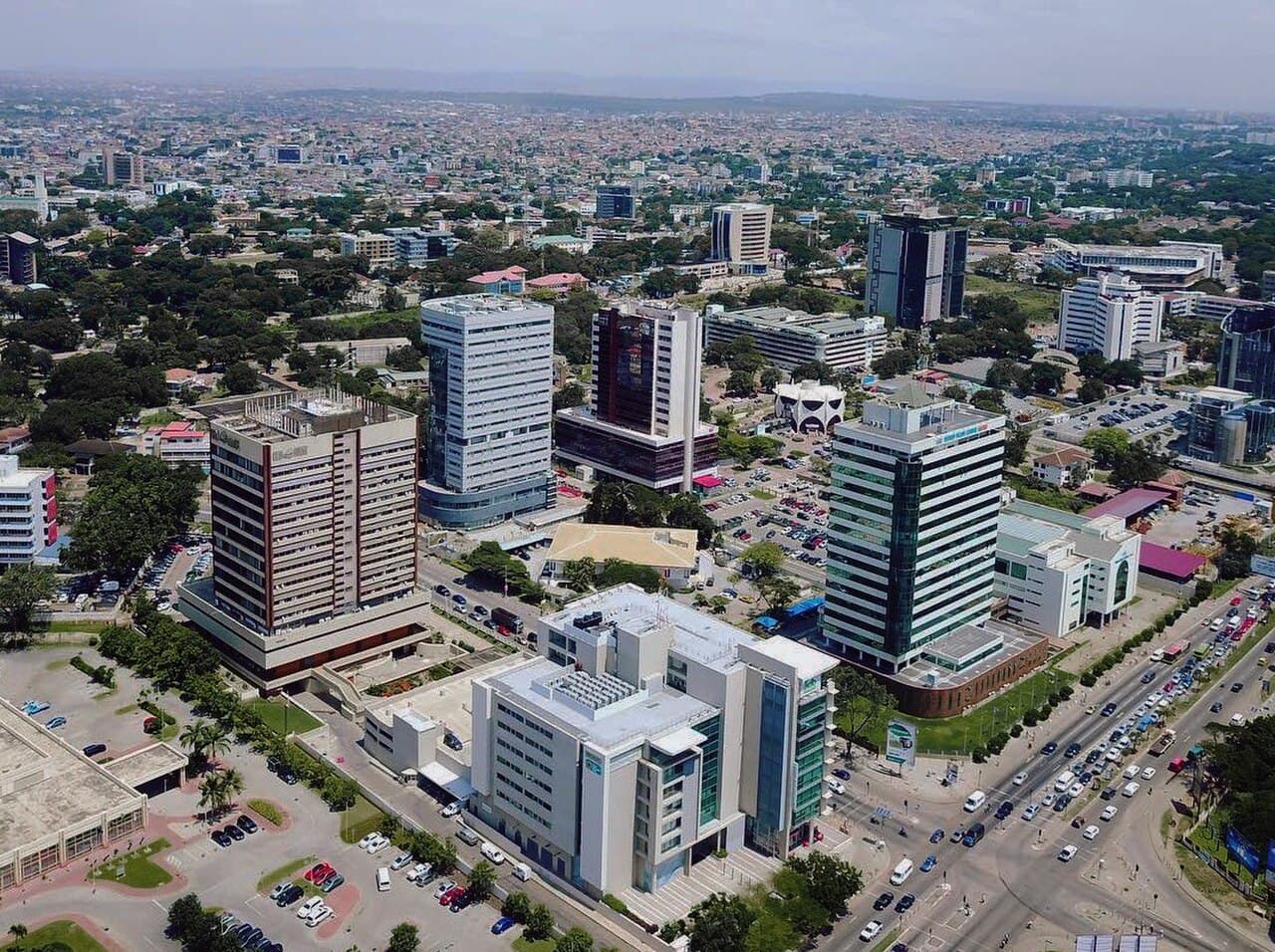
Accra
Ghana's energetic capital on the Gulf of Guinea. A hub for West African culture, Afrobeats, and history — from Jamestown and Cape Coast Castle to the vibrant Makola Market and Osu nightlife.

Marrakech
Morocco's red city of souks, riads, and the famous Jemaa el-Fnaa square. A gateway to North African culture, Atlas Mountain excursions, and Sahara desert trips.

Casamance (Ziguinchor)
Senegal's lush southern region separated by The Gambia. Tropical forests, quiet beaches, Diola culture, and the river-laced Casamance delta. A completely different feel from Dakar.
Entry Requirements
Senegal has a relatively open visa policy. Many nationalities can enter visa-free for stays up to 90 days, and others can obtain a visa on arrival or an e-visa. Yellow fever vaccination is required for entry.
Entry Requirements by Nationality
| Nationality | Visa Required | Max Stay | Notes |
|---|---|---|---|
| US Citizens | Visa-free | 90 days | Visa-free entry for tourism. Passport must be valid for at least 6 months. Proof of return ticket and yellow fever vaccination required. |
| UK Citizens | Visa-free | 90 days | Visa-free entry. Same documentation requirements as US citizens. |
| EU Citizens | Visa-free | 90 days | Visa-free entry for all EU/Schengen passport holders. Yellow fever certificate mandatory. |
| Canadian Citizens | Visa-free | 90 days | Visa-free entry. Standard documentation requirements apply. |
| Indian Citizens | Yes | 30-90 days | E-visa required before travel. Apply online. Processing takes 3-7 business days. |
| Nigerian Citizens | Visa-free | 90 days | Visa-free under ECOWAS freedom of movement. Valid ECOWAS travel certificate or passport required. |
Visa-Free Entry
Visa on Arrival
Tips
- •Yellow fever vaccination certificate is MANDATORY for entry — you will be turned away without it
- •Passport must be valid for at least 6 months from the date of entry
- •Carry a photocopy of your passport separately from the original as a backup
- •Immigration officers may ask to see proof of accommodation and a return/onward ticket
- •Blaise Diagne Airport has efficient immigration processing — typically 15-30 minutes
- •If staying longer than 90 days, you must register with the local police for an extension
Shopping
Dakar is a shopping city where markets, artisan workshops, and modern malls coexist. The Plateau district has bustling traditional markets, while Les Almadies offers boutique shopping. Senegal is famous for its tailors — bring fabric from Marché HLM and have custom clothes made in 24-48 hours.
Marché Sandaga
traditional marketDakar's main market in the Plateau — a sprawling, chaotic, exhilarating experience. Fabrics, electronics, household goods, street food, and relentless energy.
Known for: Wax-print fabrics, local clothing, electronics, and an immersive market experience
Marché HLM
fabric marketThe go-to market for fabrics and tailoring. Hundreds of stalls selling West African wax prints, bazin riche, and silk. Choose your fabric and have it tailored into custom clothing at one of the many on-site ateliers.
Known for: Wax-print fabrics, bazin riche, custom tailoring within 24-48 hours
Soumbédioune Artisan Market
craft marketA dedicated artisan village near the Corniche with woodcarvers, jewelers, leather workers, and painters. More relaxed than street vendors. Prices are negotiable but fair.
Known for: Wood carvings, bronze sculptures, leather goods, jewelry, paintings
Sea Plaza / Les Almadies Boutiques
modern shoppingDakar's modern shopping mall near the Plateau, with international brands, supermarkets, and a cinema. Les Almadies also has upscale boutiques and African designer stores.
Known for: International brands, African fashion designers, upscale dining, entertainment
🎁 Unique Souvenirs to Look For
- •Custom-tailored clothing — bring wax-print fabric from Marché HLM and have a tailor create a custom outfit in 1-2 days
- •Sous-verre (reverse glass painting) — a traditional Senegalese art form depicting religious and cultural scenes
- •Thiouraye incense — locally made fragrant incense used in Senegalese homes
- •Djembe drums — handcrafted traditional West African drums from Soumbédioune market
- •Silver Tuareg jewelry — rings, bracelets, and pendants from Sahelian artisans
- •Basket weaving — colorful woven baskets and prayer mats from southern Senegal
- •Café Touba — spiced coffee with djar (Selim pepper) unique to Senegal, sold in ground form
- •Baobab fruit products — powder, juices, and sweets from Africa's iconic tree
Language & Phrases
French is the official language and is used in business, government, and education. However, Wolof is the lingua franca spoken by about 80% of the population in daily life. Speaking even a few words of Wolof will earn you enormous goodwill and wide smiles. Most market interactions happen in Wolof.
| English | Translation | Pronunciation |
|---|---|---|
| Hello / Peace be with you | Salaam aleekum (Wolof/Arabic) | sa-LAHM ah-LAY-koom |
| Response: And peace be with you | Maleekum salaam | mah-LAY-koom sa-LAHM |
| How are you? | Nanga def? (Wolof) | NAHN-ga def? |
| I'm fine | Mangi fi rekk (Wolof) | MAHN-gee fee rekk |
| Thank you | Jërëjëf (Wolof) / Merci (French) | jeh-reh-JEF |
| How much? | Niaata la? (Wolof) | nyah-TAH lah? |
| It's too expensive | Dafa seer (Wolof) | DAH-fah seer |
| No problem | Amul solo (Wolof) | ah-MOOL so-LOH |
| Delicious | Neex na (Wolof) | neekh nah |
| Yes / No | Waaw / Déedéet (Wolof) | wow / day-DAYT |
| Goodbye | Ba beneen yoon (Wolof) | bah beh-NEEN yohn |
| I don't understand | Dégg naa ko (Wolof) / Je ne comprends pas (French) | dehg nah koh / zhuh nuh kohm-PRAHN pah |
If you like Dakar, you'll love…
4 cities with a similar vibe, outside of the same country.


