
Panama City
THE QUICK VERDICT
By Anthony · Updated June 2026
Choose Panama City if you want the Panama Canal visitor centers, Casco Viejo's UNESCO colonial core, Ancon Hill jungle, and the San Blas islands by 4x4 + boat.
- Best for
- Miraflores Locks ship transit, Casco Viejo rooftops, Ancon Hill jungle, San Blas islands by 4x4 + boat
- Best window
- Dec–Apr
- Budget anchor
- $115/day mid-range
- Needs care
- Scores below most of the catalog on safety — read that section before you go
- No real seasons
- Within 5°C year-round — timing is about rain, not temperature
- Worth a look
- USD currency plus a Singapore-style skyline make it Latin America's easiest first-trip capital
A modern skyline rising above a historic old quarter (Casco Viejo), with the famous Panama Canal, tropical biodiversity, and a crossroads-of-the-Americas energy.
The two links below are affiliate links — MapSorted earns a small commission if you book through them, at no extra cost to you. How this works.
Tours & Experiences
Bookable tours, activities, and day trips in Panama City
Where to Stay
Compare hotels and rentals in Panama City
📍 Points of Interest
Miraflores Locks
Watch ships transit the Panama Canal up close
Casco Viejo
UNESCO colonial quarter with rooftop bars and plazas
BioMuseo
Frank Gehry's colorful biodiversity museum
Panama Viejo
Ruins of the original 1519 city destroyed by pirates
Amador Causeway
Scenic island road with skyline and canal views
Metropolitan Natural Park
Tropical rainforest with wildlife inside the city
Iglesia de San Jose
Church with golden altar hidden from pirates
Cinta Costera
Waterfront promenade with skyline views
★ Local Picks
Mercado de Mariscos
Waterfront fish market with cheap fresh ceviche
Mi Pueblito
Open-air museum of Panama's cultural traditions
At a Glance
- Pop.
- 1.5M
- Timezone
- Panama
- Dial
- +507
- Emergency
- 911
Panama City is the only capital in the Americas with a tropical rainforest within its city limits — Parque Natural Metropolitano has sloths, toucans, and monkeys minutes from the skyscrapers
The Panama Canal generates roughly $4 billion annually in toll revenue, with the largest container ships paying over $1 million for a single transit
Panama uses the US Dollar as its official currency (called the Balboa), making it one of the easiest countries in Latin America for American travelers
The city skyline rivals Miami and Dubai — Panama City has more skyscrapers than any other Latin American city, earning it the nickname "Dubai of the Americas"
Casco Viejo (the Old Quarter) went from a crumbling slum to a UNESCO World Heritage Site and one of the trendiest neighborhoods in Central America in just two decades
Panama is the only country where you can watch the sun rise over the Pacific and set over the Atlantic, due to the S-shaped curve of the isthmus
Top Sights
Panama Canal (Miraflores Locks)
🗼Watch massive ships transit through the canal locks from the Miraflores Visitor Center. The observation decks provide close-up views of vessels being raised and lowered 16 meters. The museum explains the canal's history and engineering.
Casco Viejo (Old Quarter)
🏘️A UNESCO World Heritage neighborhood of crumbling colonial churches, restored plazas, rooftop bars, and boutique hotels on a peninsula jutting into the Bay of Panama. The contrast between ruins and renovation is striking.
BioMuseo (Museum of Biodiversity)
🏛️Frank Gehry's only Latin American building — a riot of colorful angular panels housing exhibits on how Panama's emergence from the sea changed the world's biodiversity. Stunning architecture on the Amador Causeway.
Panama Viejo
🏛️The ruins of the original Panama City, founded in 1519 and destroyed by pirate Henry Morgan in 1671. A UNESCO World Heritage Site with a cathedral tower, stone walls, and an excellent museum.
Amador Causeway
🗼A scenic road connecting three small islands at the Pacific entrance to the canal, built from rock excavated during canal construction. Bike rentals, restaurants, and panoramic views of the city skyline and passing ships.
Metropolitan Natural Park
🌿A 265-hectare tropical rainforest in the middle of the city with hiking trails, wildlife (sloths, toucans, agoutis), and a canopy crane viewpoint. The only protected tropical forest within a Latin American capital.
Cinta Costera
🗼A waterfront promenade stretching along the Bay of Panama from Casco Viejo toward Punta Pacifica. Popular for jogging, cycling, and sunset views of the glittering skyline. Free public spaces and playgrounds.
Iglesia de San Jose (Golden Altar)
📌A modest Casco Viejo church hiding an extraordinary golden baroque altar that survived Henry Morgan's sacking of Panama Viejo in 1671 — legend says it was painted black to disguise it from pirates.
Safety Breakdown
Exercise Caution
out of 100
Panama City is moderately safe for tourists, especially in the main tourist areas of Casco Viejo, the banking district, and the Causeway. However, certain neighborhoods (El Chorrillo, Curundu, parts of Calidonia) have high crime rates and should be avoided. Petty theft is the main concern in tourist zones.
Things to Know
- •Casco Viejo is safe during the day but be aware of your surroundings at night — avoid wandering into adjacent El Chorrillo neighborhood which borders the old quarter
- •Use registered yellow taxis or Uber — unmarked taxis have been involved in robberies. Uber is widely available and reliable
- •The banking district (Obarrio, Marbella) is safe and modern but can feel deserted after business hours on weekdays
- •Keep valuables in hotel safes — snatch-and-grab thefts from pedestrians happen along the Cinta Costera and in crowded areas
- •Be cautious with ATMs at night — use machines inside banks or malls when possible
Natural Hazards
Emergency Numbers
Police
104
Fire Department
103
Ambulance (SUME 911)
911
Tourism Police
+507 211-3546
General Emergency
911
Climate & Best Time to Go
Panama City has a tropical climate with a pronounced dry season (mid-December to mid-April) and a long wet season (mid-April to mid-December). Temperatures are consistently hot and humid year-round. Rain during the wet season is heavy but usually comes in afternoon bursts, leaving mornings clear.
Dry Season (Verano)
Mid-December - Mid-April75-93°F
24-34°C
The best time to visit with sunny skies, lower humidity, and minimal rain. The trade winds provide some relief from the heat. This is peak season for tourism and canal transits.
Early Wet Season
Mid-April - June75-91°F
24-33°C
Rains begin gradually with afternoon thunderstorms. Mornings remain mostly sunny. The landscape turns lush and green. A good shoulder season with lower prices.
Peak Wet Season
July - November75-90°F
24-32°C
Heavy daily rain, usually from 2-6 PM. October and November are the wettest months. Mornings are often clear enough for sightseeing. Humidity is at its highest.
Late Transition
December75-91°F
24-33°C
Rains ease through December as the dry season approaches. A good month to visit with improving weather, festive decorations, and the start of peak season pricing.
Best Time to Visit
Mid-December through mid-April (dry season) offers the best weather with clear skies and lower humidity. January through March is peak season. The shoulder months of December and April offer a good balance of weather and value.
Dry Season (Mid-December - Mid-April)
Crowds: High — peak season, especially during Carnival (February/March)Sunny skies, lower humidity, and the trade winds provide relief. The best time for outdoor activities, canal visits, and island trips. Peak tourist season with higher prices.
Pros
- + Best weather for sightseeing and canal visits
- + Lower humidity than wet season
- + Ideal for San Blas and Bocas del Toro trips
- + Carnival festivities in February/March
Cons
- − Highest hotel prices of the year
- − Popular tours book up quickly
- − Still hot (30-34°C) despite being the "cool" season
- − Carnival week can be chaotic
Early Wet Season (Mid-April - June)
Crowds: Moderate — good shoulder season valueAfternoon rains begin but mornings are usually clear. Prices drop and crowds thin. A good time to visit if you don't mind afternoon showers.
Pros
- + Lower prices than dry season
- + Mornings usually clear
- + Fewer tourists at major attractions
- + Lush green landscapes
Cons
- − Daily afternoon thunderstorms
- − Higher humidity
- − Some outdoor activities affected by rain
- − Island trips may have rougher seas
Peak Wet Season (July - November)
Crowds: Low — best prices and fewest touristsHeavy daily rain, usually from early afternoon through evening. October and November are the wettest months. Mornings can be sunny enough for sightseeing.
Pros
- + Lowest hotel prices
- + Almost no tourist crowds
- + Morning sunshine for activities
- + Dramatic storm clouds and lightning over the skyline
Cons
- − Heavy afternoon and evening rain
- − Flash flooding in parts of the city
- − Some island trips may be canceled
- − Oppressive humidity
🎉 Festivals & Events
Carnival
February/MarchPanama's biggest party — four days of parades, water trucks (culecos) drenching crowds, live music, and costumes. Celebrated across the country but Panama City and the Azuero Peninsula are the main venues.
Panama Jazz Festival
JanuaryA week-long international jazz festival in Casco Viejo and other venues with free outdoor concerts and performances by international and Panamanian artists.
Festival del Cristo Negro de Portobelo
October 21Tens of thousands of pilgrims walk or crawl to Portobelo to honor the Black Christ statue. A powerful expression of Afro-Colonial faith traditions.
Independence Days
November 3-28Panama celebrates multiple independence dates throughout November (from Colombia, from Spain, and Flag Day), with parades, concerts, and patriotic celebrations.
Off the Beaten Path
Mercado de Mariscos (Fish Market)
A waterfront fish market where the upper-floor restaurants serve the freshest ceviche in the city at a fraction of restaurant prices. The ground floor sells raw seafood; upstairs, vendors prepare it to order.
Locals line up for the $3-5 ceviche cups that rival anything served at high-end Casco Viejo restaurants. The rooftop views of the skyline and fishing boats are a bonus.
Parque Natural Metropolitano Summit Trail
While most visitors stick to the easy lower trails, the Mono Titi trail climbs to a canopy viewpoint with sweeping views of the canal, the Bridge of the Americas, and the city skyline emerging from the jungle.
Standing at the viewpoint and seeing both the Pacific Ocean and the city skyline through a tropical forest canopy is one of Panama City's most surreal experiences.
Pedro Mandinga Rum Bar
A tiny rum bar in Casco Viejo specializing in Panamanian rums and craft cocktails, run by a local rum enthusiast. The space doubles as a rum museum with vintage bottles and distilling equipment.
The owner's passion for Panamanian rum culture turns every visit into an education. Try the Seco Herrerano cocktails — Panama's national spirit that few tourists discover.
Mi Pueblito
A small open-air museum recreating traditional villages from Panama's three main cultures — Spanish colonial, Afro-Antillean Caribbean, and indigenous. Tucked beneath Ancon Hill and often overlooked.
A genuinely informative introduction to Panama's diverse cultural heritage in a peaceful setting. The Afro-Antillean section with its Caribbean wooden houses is particularly well done.
Costs & Currency
Where the money goes
USD per dayBackpacker = hostel dorm + street food + public transit. Mid-range = 3-star hotel + neighbourhood restaurants + transit cards. Luxury = 4/5-star + fine dining + taxis. How we calibrate these numbers →
Quick cost estimate
Customize per category →Estimates based on regional averages. Flight prices vary by season and airline.
budget
$35-55
Hostel dorm, street food and market meals, Metro and MetroBus, free sights
mid-range
$80-150
Mid-range hotel, restaurant meals, Uber transport, canal visit, 1-2 activities
luxury
$250+
Luxury hotel in Casco Viejo, fine dining, private canal tours, spa, cocktail bars
Typical Costs
| Item | Local | USD |
|---|---|---|
| AccommodationHostel dorm bed | $12-18 | $12-18 |
| AccommodationMid-range hotel | $60-120 | $60-120 |
| AccommodationBoutique hotel in Casco Viejo | $150-400 | $150-400 |
| FoodStreet food / market meal | $3-5 | $3-5 |
| FoodLunch at casual restaurant | $8-15 | $8-15 |
| FoodDinner at upscale restaurant | $25-60 | $25-60 |
| FoodLocal beer (Balboa, Atlas) | $2-4 | $2-4 |
| FoodCocktail at Casco Viejo bar | $8-14 | $8-14 |
| TransportMetro ride | $0.35 | $0.35 |
| TransportUber across city | $3-10 | $3-10 |
| TransportUber to Tocumen Airport | $15-25 | $15-25 |
| AttractionsMiraflores Locks Visitor Center | $20 | $20 |
| AttractionsBioMuseo admission | $22 | $22 |
| AttractionsSan Blas day trip | $150-250 | $150-250 |
💡 Money-Saving Tips
- •Use the Metro ($0.35) instead of Uber during rush hours — it's faster and dramatically cheaper in congested traffic
- •Eat at the Mercado de Mariscos fish market for $3-5 ceviche instead of $15+ restaurant portions
- •The Cinta Costera, Casco Viejo walking, and Parque Metropolitano trails are all free
- •Stay in Calidonia or El Cangrejo instead of Casco Viejo — accommodation is 40-60% cheaper and Metro-accessible
- •Buy a Metro/MetroBus rechargeable card ($2 + balance) for the cheapest transit in the city
- •Visit the Miraflores Locks late afternoon for lower crowds — the viewing is best when Neopanamax ships transit (check the canal authority schedule online)
- •Happy hour cocktails in Casco Viejo are typically half-price from 4-7 PM
US Dollar (Balboa)
Code: USD
Panama uses the US Dollar as legal tender, called the Balboa. Panamanian coins (same size and value as US coins) circulate alongside American coins. No currency exchange needed for US travelers. ATMs dispense US Dollars. Credit cards are widely accepted in the modern city, though small vendors and markets prefer cash.
Payment Methods
Credit and debit cards (Visa, Mastercard) are widely accepted at restaurants, hotels, malls, and most businesses. Cash is needed for taxis (unless using Uber), markets, small shops, and street food vendors. ATMs are plentiful in the banking district and malls. US Dollar coins and bills work everywhere.
Tipping Guide
10% is standard; 15% for excellent service. Check if a service charge (propina) is already included on the bill.
$1-2 per bag for bellhops, $2-5 per day for housekeeping.
Tipping is not expected in taxis. Rounding up is appreciated but not required.
$5-10 per person for half-day tours (canal, Casco Viejo). $10-20 for full-day excursions.
$1 per drink or 10-15% of tab at cocktail bars.
How to Get There
✈️ Airports
Tocumen International Airport(PTY)
24 km east of the city centerUber is the most convenient option ($15-25, 30-50 min depending on traffic). Official airport taxis cost $30 flat rate. Metro Line 2 now connects near the airport area. There is no direct bus to the city center but MetroBus routes connect nearby.
✈️ Search flights to PTYMarcos A. Gelabert Airport (Albrook)(PAC)
3 km from Casco ViejoA small domestic airport adjacent to Albrook Mall and bus terminal. Taxi or Uber to Casco Viejo costs $3-5 (10 min). Serves domestic flights to Bocas del Toro, David, and the San Blas region.
✈️ Search flights to PAC🚌 Bus Terminals
Albrook Bus Terminal (Gran Terminal Nacional de Transporte)
Central America's largest and most modern bus terminal, connected to Albrook Mall and Metro Line 1. Buses to David (6-7h, $15-18), Boquete, Chitre, Santiago, and all domestic destinations. International buses to Costa Rica (Tica Bus, 16h).
Getting Around
Panama City has the best public transit in Central America thanks to its modern Metro system and extensive MetroBus network. Uber is widely used and affordable. Traffic congestion is severe during rush hours (7-9 AM, 4-7 PM), so the Metro is often faster than driving.
Panama Metro
$0.35 per ride with a rechargeable Metro cardA modern, air-conditioned metro system with two lines. Line 1 runs from Albrook (bus terminal) through the banking district to the northeast suburbs. Line 2 connects to the eastern suburbs and airport area. Clean, fast, and cheap.
Best for: Fast, cheap transit between Albrook bus terminal, the banking district, and city center
MetroBus
$0.25 per rideModern air-conditioned buses covering routes throughout the city. Much more comfortable than the old "diablos rojos" (red devil buses), which are mostly retired. Requires a Metro card.
Best for: Reaching areas not served by the Metro, including Miraflores Locks and Amador Causeway
Uber
$3-10 for most rides within the cityWidely available and the most reliable way to get around. Prices are reasonable by North American standards. The app avoids language barriers and fare disputes.
Best for: Door-to-door transport, late-night travel, airport transfers
Yellow Taxis
$2-10 for trips within central Panama CityRegistered yellow taxis are metered by zone. Agree on the fare before getting in or confirm they will use the meter. Available everywhere but Uber is generally preferred.
Best for: Quick rides when Uber availability is low
Walkability
Casco Viejo is compact and walkable. The Cinta Costera promenade is excellent for walking or jogging along the waterfront. However, the wider city is spread out and not pedestrian-friendly — sidewalks disappear in many areas and traffic is aggressive. Use the Metro and Uber for distances beyond Casco Viejo.
Travel Connections

San Blas Islands (Guna Yala)
An autonomous indigenous territory of 365 palm-fringed coral islands in the Caribbean. Crystal-clear water, white sand, thatched-roof cabanas, and the Guna people's vibrant mola textile art.
Bocas del Toro
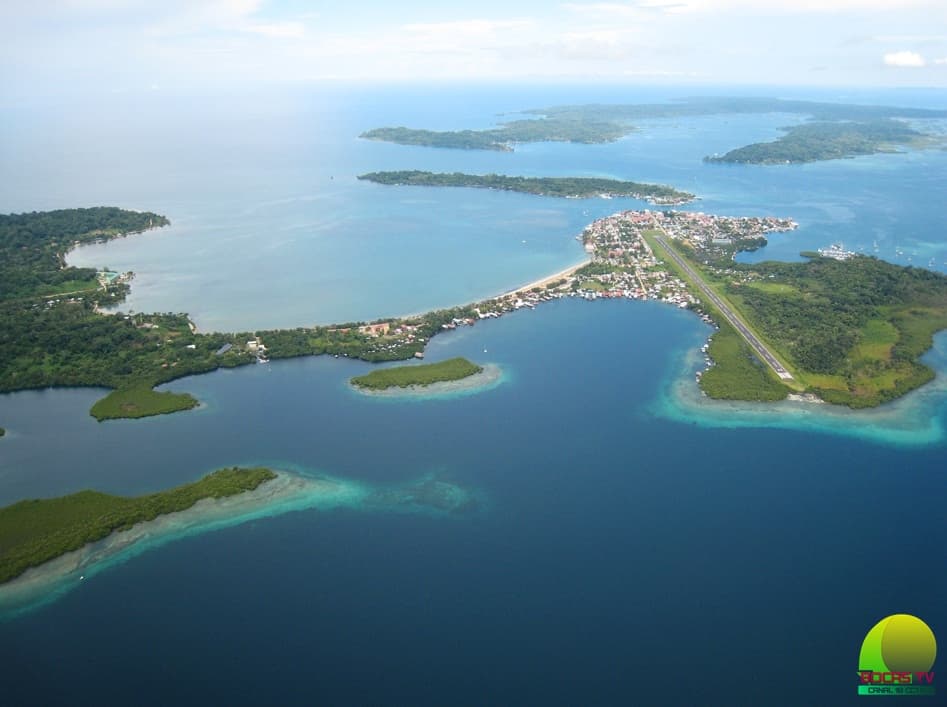
A Caribbean archipelago of jungle-covered islands with laid-back beach towns, excellent surfing, snorkeling with starfish, and a party scene centered on Isla Colon.

Cartagena
Colombia's stunning walled colonial city on the Caribbean coast, with colorful streets, world-class restaurants, and Caribbean beaches on nearby islands.

El Valle de Anton
A mountain town inside the crater of an extinct volcano, popular as a weekend escape for Panama City residents. Hot springs, waterfalls, a handicraft market, and cool mountain air.

Portobelo
A sleepy Caribbean town with massive Spanish colonial forts (UNESCO World Heritage), where treasure fleets once loaded plundered gold. The annual Festival del Cristo Negro draws huge crowds.
Entry Requirements
Panama has relatively open entry requirements for most Western passport holders, allowing visa-free stays of 90-180 days. The country's role as an international banking and transit hub means immigration infrastructure is modern and efficient.
Entry Requirements by Nationality
| Nationality | Visa Required | Max Stay | Notes |
|---|---|---|---|
| US Citizens | Visa-free | 180 days | No visa needed. Passport valid for 3+ months. May be asked to show proof of onward travel and sufficient funds ($500 or credit card). |
| Canadian Citizens | Visa-free | 180 days | No visa needed. Same requirements as US citizens. Proof of onward travel may be requested. |
| UK Citizens | Visa-free | 180 days | No visa needed. Passport must be valid for at least 3 months beyond planned stay. |
| EU Citizens | Visa-free | 90-180 days (varies by country) | Most EU nationalities receive 90 or 180 days visa-free. Check specific country allowance before travel. |
| Australian Citizens | Visa-free | 180 days | No visa needed. Standard entry requirements apply. |
| Indian Citizens | Yes | 30-90 days | Visa must be obtained from Panamanian consulate before travel. Holders of valid US, Canada, UK, EU, or Australia visas may be eligible for a stamped tourist card on arrival. |
Visa-Free Entry
Tips
- •Immigration officers may ask for proof of onward travel (return flight or ticket out of Panama) and sufficient funds — have these ready
- •The 180-day stay is generous but strictly enforced — overstaying incurs fines and potential entry bans
- •If entering overland from Costa Rica, the Paso Canoas border crossing can be slow — arrive early in the morning
- •Your passport must be valid for at least 3 months from your date of entry
- •Panama does not require yellow fever vaccination for direct arrivals from the US or Europe, but it is required if arriving from certain South American or African countries
Shopping
Panama City is a shopping powerhouse with massive modern malls, duty-free zones, and traditional artisan markets. The city's status as a banking hub means luxury brands are well represented. Casco Viejo offers boutique shopping in colonial storefronts, while the Colon Free Zone is one of the largest duty-free areas in the world.
Casco Viejo Boutiques
boutique shoppingRestored colonial buildings housing designer shops, art galleries, and concept stores. Karavan Gallery, Reprosa (pre-Columbian inspired jewelry), and Diegograndi (leather goods) are standouts.
Known for: Panamanian designer fashion, pre-Columbian replica jewelry, art galleries, mola-inspired accessories
Albrook Mall
shopping mallOne of the largest malls in the Americas with over 500 stores, connected to the bus terminal and Metro. Everything from international brands to Panamanian shops at competitive prices.
Known for: Massive selection, competitive prices, convenient Metro access, electronics and fashion
Mercado Nacional de Artesanias
artisan marketA government-sponsored artisan market in Panama Viejo selling traditional crafts from across Panama's provinces — molas from Guna Yala, pollera accessories, tagua nut carvings, and woven baskets.
Known for: Guna molas, traditional Panamanian crafts, tagua nut carvings, woven Embera baskets
Multiplaza Pacific
luxury mallThe city's premier luxury mall with high-end international brands, a gourmet food court, and a cinema. Located in the Punta Pacifica area near the Trump Tower.
Known for: Luxury international brands, high-end dining, premium cinema experience
🎁 Unique Souvenirs to Look For
- •Guna molas — hand-stitched reverse-applique textile panels made by the Guna people of San Blas, each taking weeks to complete
- •Reprosa jewelry — gold and silver pieces cast from pre-Columbian designs found in Panamanian archaeological sites
- •Seco Herrerano — Panama's national spirit, a sugar cane liquor from the Azuero Peninsula
- •Tagua nut carvings — "vegetable ivory" carved into animal figures and jewelry by Embera artisans
- •Panama hats — despite the name's association with Ecuador, Panamanian versions are sold throughout Casco Viejo
- •Geisha coffee from Boquete — among the world's most expensive and sought-after coffee varieties
Language & Phrases
Panamanian Spanish is heavily influenced by Caribbean rhythms and American English due to the canal zone. English is more widely spoken than in most Latin American countries, especially in the banking district and tourist areas. Panamanians speak quickly and use a lot of local slang.
| English | Translation | Pronunciation |
|---|---|---|
| Hello / Hi | Hola | OH-lah |
| What's up? (informal) | Que xopa? | keh SOH-pah? |
| Thank you | Gracias | GRAH-see-ahs |
| Please | Por favor | por fah-VOR |
| How much? | Cuanto cuesta? | KWAN-toh KWES-tah? |
| Where is...? | Donde esta...? | DON-deh es-TAH...? |
| I don't understand | No entiendo | no en-tee-EN-doh |
| The check, please | La cuenta, por favor | lah KWEN-tah, por fah-VOR |
| Cool / Awesome (Panamanian slang) | Chuleta! | choo-LEH-tah! |
| Dude / Bro (Panamanian) | Fren | FREN |
| One beer, please | Una cerveza, por favor | OO-nah ser-VEH-sah, por fah-VOR |
| That's too expensive | Es muy caro | es mooy KAH-roh |
If you like Panama City, you'll love…
4 cities with a similar vibe, outside of the same country.


