
Marseille
THE QUICK VERDICT
By Anthony · Updated June 2026
Choose Marseille if you want France's oldest, grittiest, sunniest port — Vieux Port fish market, Calanques National Park hikes, bouillabaisse, Notre-Dame de la Garde, and Cassis day-trips.
- Best for
- Calanques National Park hikes, Vieux Port bouillabaisse, Notre-Dame de la Garde view, Cassis ferry
- Two seasons
- Apr–Jun and Sep–Oct
- Budget anchor
- $150/day mid-range
- Skip if
- you want polished, low-friction tourism or worry-free wallet/phone street awareness
France's oldest and most diverse city sits on the Mediterranean coast with the stunning Calanques national park at its doorstep. A gritty, authentic port city famous for bouillabaisse, the Vieux-Port, and the hilltop Notre-Dame de la Garde basilica.
The two links below are affiliate links — MapSorted earns a small commission if you book through them, at no extra cost to you. How this works.
Tours & Experiences
Bookable tours, activities, and day trips in Marseille
Where to Stay
Compare hotels and rentals in Marseille
📍 Points of Interest
Vieux-Port
The ancient harbor that has been the heart of Marseille for 2,600 years. Now a lively marina surrounded by restaurants, with a daily fish market on the quayside.
MuCEM
A striking modern museum of Mediterranean civilizations connected to historic Fort Saint-Jean by an elevated walkway. The lace-like concrete exterior is an architectural landmark.
Le Panier
Marseille's oldest quarter — a hillside maze of colorful streets, street art, artisan shops, and the beautiful Vieille Charité cultural center.
Château d'If
A 16th-century island fortress immortalized in The Count of Monte Cristo. A short ferry ride from the Old Port with great views back to the Marseille skyline.
★ Local Picks
Notre-Dame de la Garde
The iconic basilica crowning Marseille's highest hill with a gilded Madonna statue on top. The interior is lavishly decorated with mosaics and the 360-degree panoramic views are breathtaking.
Calanques National Park
Dramatic white limestone cliffs and turquoise coves stretching along the coast. World-class hiking and swimming in one of Europe's most beautiful coastal landscapes.
At a Glance
- Pop.
- 870K
- Timezone
- Paris
- Dial
- +33
- Emergency
- 112 / 15·17·18
Marseille is the oldest city in France, founded as Massalia by Greek sailors from Phocaea around 600 BC — over 2,600 years ago
It is France's second-largest city and the largest port on the Mediterranean, giving it a gritty, multicultural energy unlike any other French city
Bouillabaisse, the iconic Provençal fish stew, was invented here by fishermen using their unsold catch — authentic versions require at least three types of local fish
The Calanques — dramatic limestone fjord-like inlets — stretch along the coast southeast of the city, offering some of the best coastal hiking in Europe
Marseille soap (savon de Marseille) has been made here since the 14th century using olive oil, and authentic producers still follow the traditional 14-day process
Notre-Dame de la Garde, the basilica perched high above the city, is affectionately called "La Bonne Mère" (The Good Mother) and is the most visited site in Marseille
Top Sights
Notre-Dame de la Garde
📌A Romano-Byzantine basilica crowning the highest point in Marseille (154m). The panoramic 360-degree views of the city, sea, and islands are extraordinary. The interior is lavishly decorated with mosaics and ex-voto offerings. Worth the uphill walk or bus ride.
Calanques National Park
🌿Stunning white limestone cliffs plunging into turquoise water along the coast southeast of Marseille. Hike to Calanque de Sugiton or En-Vau for the most spectacular scenery. Bring water, sun protection, and proper shoes — trails are rocky.
Vieux-Port (Old Port)
🗼The vibrant heart of Marseille for 2,600 years. Now a yacht marina surrounded by restaurants and cafes. Visit the morning fish market on the quayside (Quai des Belges) and take in the scene from a waterfront terrace.
MuCEM (Museum of European and Mediterranean Civilisations)
🏛️A striking modern museum by the harbor connected to Fort Saint-Jean by a dramatic elevated walkway. The building itself — a concrete cube wrapped in filigree — is as impressive as the collections inside.
Le Panier
🏘️Marseille's oldest neighborhood — a tangle of narrow streets climbing the hill above the Old Port. Colorful street art, independent boutiques, artisan workshops, and the striking Vieille Charité cultural center.
Château d'If
🗼A 16th-century island fortress made famous by Alexandre Dumas's The Count of Monte Cristo. A short ferry ride from the Old Port gives you views back to the Marseille skyline and the Frioul Islands.
La Corniche
🏘️A scenic coastal road stretching 5 km along the shoreline from the Old Port area to the Plage du Prado beaches. Walk or cycle it for stunning sea views, passing the Vallon des Auffes fishing hamlet.
Climate & Best Time to Go
Marseille has a Mediterranean climate with hot, dry summers and mild, wet winters. The Mistral wind can bring sudden cold, clear spells any time of year.
Spring
March - May50-68°F
10-20°C
Lovely and increasingly warm. Fewer tourists than summer. The Calanques are at their greenest. Occasional Mistral wind brings very clear skies.
Summer
June - August68-86°F
20-30°C
Hot, sunny, and dry. Peak season for beaches and the Calanques (which may close during fire-risk days in July-August). The sea is warm enough for swimming.
Autumn
September - November54-75°F
12-24°C
September is warm and less crowded — arguably the best month to visit. October can bring heavy Mediterranean rainstorms. November is cool but often clear.
Winter
December - February41-54°F
5-12°C
Mild compared to northern France, with many sunny days. The Mistral wind can make it feel colder. Quietest season for tourism. Good for museums and food.
Best Time to Visit
May through June and September through October offer the best balance of warm weather, calm seas for calanque visits, and manageable crowds. The mistral wind adds character year-round but is strongest in winter and spring.
Spring (March - May)
Crowds: Low to moderateWarming steadily with wildflowers in the calanques. The mistral wind can blow hard in March and April but brings brilliant blue skies. May is reliably warm and sunny.
Pros
- + Wildflower season in the calanques
- + Warm but not hot
- + Fewer tourists than summer
- + Crystal-clear water visibility
Cons
- − Mistral wind can be very strong
- − Sea water still cool for swimming
- − Some beach facilities not yet open
- − Variable weather in March
Summer (June - August)
Crowds: High — peak seasonHot, dry, and sunny with temperatures regularly above 30 degrees. The city buzzes with outdoor life and the calanques are in full season. Very busy in July and August.
Pros
- + Perfect beach and calanque weather
- + Long sunny days
- + Vibrant outdoor dining and nightlife
- + All festivals and events running
Cons
- − Very hot — midday sightseeing is uncomfortable
- − Calanques can be access-restricted due to fire risk
- − Crowded beaches
- − Higher accommodation prices
Autumn (September - October)
Crowds: Moderate, dropping to low by late OctoberStill warm with the sea at its warmest temperature. Crowds thin out after French rentrée (back to school). Excellent for calanque hiking as fire restrictions ease.
Pros
- + Warmest sea temperatures of the year
- + Fewer crowds
- + Ideal hiking weather
- + Good hotel deals from October
Cons
- − Occasional Mediterranean storms
- − Daylight hours shortening
- − Some seasonal businesses wind down
- − Rain increases in late October
Winter (December - February)
Crowds: LowMild by northern European standards but the mistral wind can make it feel much colder. Brilliant blue skies between wind events. A quieter, more local Marseille.
Pros
- + Mild temperatures rarely below 5 degrees
- + Authentic local atmosphere
- + Lowest prices for accommodation
- + Christmas markets and santons fair
Cons
- − Strong mistral wind
- − Too cold for swimming
- − Some calanque trails can be muddy
- − Shorter days and early sunsets
🎉 Festivals & Events
Fete de la Chandeleur (Navettes)
FebruaryMarseillais flock to the Abbey of Saint-Victor to buy blessed navette cookies, continuing a tradition dating back centuries.
Carnival de la Plaine
MarchA colorful neighborhood carnival in the Cours Julien quarter with costumes, parades, music, and dancing in the streets.
Festival de Marseille
June-JulyA major performing arts festival featuring dance, theater, and music from Mediterranean and international artists across outdoor venues.
Foire aux Santons
November-JanuaryMarseille's traditional santons (nativity figurine) fair near the Old Port, one of the oldest and largest in Provence.
Fiesta des Suds
OctoberA world music and arts festival at the Dock des Suds featuring eclectic lineups spanning Mediterranean, African, and electronic genres.
Off the Beaten Path
Vallon des Auffes
A tiny fishing port tucked beneath the Corniche Kennedy with colorful boats, a handful of restaurants, and an atmosphere that feels like a village within the city.
Locals come here for a bouillabaisse lunch at Chez Fonfon or just to sit on the rocks at sunset. It is one of the most photogenic spots in Marseille and rarely overrun.
Cours Julien & La Plaine
Marseille's alternative heart — a neighborhood of street art, independent cafes, vinyl shops, and a daily market on Place Jean Jaures.
This is where young Marseillais hang out. The Wednesday and Saturday morning markets at La Plaine are authentic and excellent. Streets are alive with murals.
Calanque de Sormiou by Local Bus
The most accessible calanque by public transport, with a small beach, a couple of casual restaurants, and turquoise water rivaling the Caribbean.
Skip the tourist boat tours and take bus 23 to the trailhead, then walk down. Locals bring picnics and spend entire days here.
La Joliette & Les Docks Village
A revitalized port district with converted 19th-century warehouses now housing restaurants, boutiques, and cultural spaces alongside the MuCEM.
This area represents Marseille's modern renaissance. The rooftop bars overlooking the port and the Sunday brunch scene here are purely local.
Morning Fish Market at Vieux-Port
Each morning the Quai des Belges comes alive with fishermen selling the morning catch directly from their boats — a tradition going back centuries.
Arrive by 8 AM to see the real market before tourists appear. The fishermen will explain their catch and recommend preparation. This is the soul of Marseille.
Safety Breakdown
Moderate
out of 100
Marseille has a rougher reputation than other French cities, and some of it is deserved — drug-related violence affects certain northern neighborhoods. Tourist areas around the Old Port and Le Panier are generally safe but pickpocketing is common.
Things to Know
- •Avoid the northern suburbs (13th-16th arrondissements) — these are not tourist areas
- •Be alert for pickpockets at the Old Port, train station (Gare Saint-Charles), and on the metro
- •Don't leave valuables visible in parked cars, especially near Calanques trailheads
- •Stick to well-lit, populated areas at night — the area around Cours Julien is lively and safe
- •The Calanques close on high fire-risk days in summer — check access before hiking
- •Tap water is safe to drink throughout Marseille
Emergency Numbers
European Emergency
112
Police
17
Ambulance (SAMU)
15
Fire
18
Costs & Currency
Where the money goes
USD per dayBackpacker = hostel dorm + street food + public transit. Mid-range = 3-star hotel + neighbourhood restaurants + transit cards. Luxury = 4/5-star + fine dining + taxis. How we calibrate these numbers →
Quick cost estimate
Customize per category →Estimates based on regional averages. Flight prices vary by season and airline.
budget
$50-75
Hostel dorm, bakery lunches, market food, public transport, free sights and hiking
mid-range
$120-180
Hotel room, restaurant bouillabaisse, museum entries, Calanques boat trip
luxury
$280-450
Boutique hotel, Michelin dining, private Calanques sailing, wine tasting
Typical Costs
| Item | Local | USD |
|---|---|---|
| FoodPanisse or navette at a bakery | €2-4 | $2.20-4.40 |
| FoodAuthentic bouillabaisse | €45-65 | $49.50-71.50 |
| FoodLunch at a casual restaurant | €12-18 | $13.20-19.80 |
| TransportMetro/bus 10-trip pass | €14.50 | $16 |
| TransportFerry to Château d'If | €11 round trip | $12.10 |
| AccommodationHostel dorm bed | €20-35 | $22-38.50 |
| AccommodationMid-range hotel | €80-140 | $88-154 |
| AttractionMuCEM entry | €11 | $12.10 |
💡 Money-Saving Tips
- •The Calanques are free to hike — the best activity in Marseille costs nothing
- •Notre-Dame de la Garde is free to visit and offers the best views in the city
- •The free ferry across the Old Port saves walking around the entire harbor
- •Buy fresh produce and seafood at the morning fish market for cheap meals
- •MuCEM's exterior walkway, rooftop, and Fort Saint-Jean gardens are all free
- •The RTM day pass (€5.20) is worth it if you plan to use transport more than twice
Euro
Code: EUR
1 EUR is approximately 1.09 USD (as of early 2026). ATMs are widely available from major French banks (BNP Paribas, Credit Agricole, Societe Generale). Avoid independent exchange bureaux near the Old Port which charge excessive fees.
Payment Methods
Credit and debit cards are widely accepted, including contactless payments with Visa and Mastercard. American Express is less commonly accepted. Many small shops, market stalls, and some restaurants have minimum card amounts (often five to ten euros). Carry some cash for markets and small purchases.
Tipping Guide
Service is included in the price by law (service compris). Leaving a few euros or rounding up for good service is appreciated but never expected. 5-10% is generous.
Leave small change — 20-50 cents for a coffee, a euro or two for a meal. Not tipping is perfectly acceptable.
Rounding up to the nearest euro is standard. Tipping 5-10% is generous and appreciated for longer rides.
Porters receive one to two euros per bag. Housekeeping tips of one to two euros per day are appreciated in upscale hotels but not expected.
Five to ten euros per person for a half-day group tour. Free walking tour guides rely on tips.
How to Get There
✈️ Airports
Marseille Provence Airport(MRS)
27 km northwest (Marignane)Navette shuttle bus to Gare Saint-Charles (€10, 25 min, every 10-15 min). Taxi ~€50-55, 30-40 min.
✈️ Search flights to MRS🚆 Rail Stations
Gare de Marseille-Saint-Charles
Central, 10-minute walk above the Old PortThe main railway station with TGV high-speed trains to Paris (3 hrs), Lyon (1.5 hrs), Nice (2.5 hrs), and connections across southern France. The grand staircase overlooking the city is a landmark itself.
Getting Around
Marseille has a decent metro and bus system. The city center around the Old Port is walkable, but the Calanques and some neighborhoods require a car or bus.
Marseille Metro
€1.90 single, €14.50 for 10 tripsTwo lines crossing at major hubs. Clean and efficient but limited coverage. Line 1 runs east-west through the center; Line 2 runs north-south. Runs 5 AM to 12:30 AM.
Best for: Getting between major points quickly
RTM Buses
€1.90 singleAn extensive bus network filling gaps left by the metro. Bus 21 goes to the Calanques (Luminy). Bus 60 runs along the Corniche. Same ticket as metro.
Best for: Reaching the Calanques, beaches, and Notre-Dame de la Garde
Tramway
€1.90 singleThree tram lines covering the eastern parts of the city. Less useful for tourists but connects well with the metro.
Best for: Eastern neighborhoods
Ferry Boats
Free (Old Port shuttle), €11 (Château d'If round trip)A free shuttle ferry crosses the Old Port (3 minutes). Paid ferries run to Château d'If and the Frioul Islands from Quai des Belges.
Best for: Crossing the Old Port, island excursions
Walking
FreeThe Old Port, Le Panier, and the Corniche are all pleasant for walking. Be prepared for hills — Marseille is built on steep terrain.
Best for: Exploring the Old Port area and Le Panier
Walkability
Good around the Old Port and Le Panier but the city is hilly and spread out. Comfortable shoes recommended. The Corniche walk is beautiful but long (5 km).
Travel Connections

Aix-en-Provence
An elegant Provençal town of fountains, plane tree-lined boulevards, and Cézanne's studio. A gentler, more polished counterpart to raw Marseille.

Cassis
A picture-perfect fishing village at the foot of the Calanques. Great for boat trips into the calanques and sipping local rosé at the harbor.

Nice
The glamorous capital of the French Riviera with its famous Promenade des Anglais, pebble beaches, and the charming old town.

Avignon
The medieval papal city with its massive palace and the famous half-bridge. A gateway to the Luberon and Rhône Valley wine regions.

Barcelona
Spain's Mediterranean jewel with Gaudi's architecture, the Gothic Quarter, beaches, and an electric food scene. The TGV runs along the stunning Mediterranean coast.
Entry Requirements
France is part of the Schengen Area. Visitors from many countries can enter visa-free for up to 90 days within any 180-day period. The ETIAS travel authorization system is expected for visa-exempt nationals — check current requirements before travel.
Entry Requirements by Nationality
| Nationality | Visa Required | Max Stay | Notes |
|---|---|---|---|
| US Citizens | Visa-free | 90 days | Passport must be valid for at least 3 months beyond planned departure. ETIAS authorization may be required — check before travel. |
| UK Citizens | Visa-free | 90 days | Post-Brexit, UK nationals follow the 90/180-day Schengen rule. Separate from any French overseas territory rules. |
| Canadian Citizens | Visa-free | 90 days | Same Schengen rules apply. Youth Mobility visa (PVT) available for ages 18-35. |
| EU/EEA Citizens | Visa-free | Unlimited | Freedom of movement applies. Can live and work without a visa. National ID card sufficient for entry. |
| Indian Citizens | Yes | Up to 90 days | Must apply for a Schengen visa at the French embassy or VFS Global center. Requires travel insurance, accommodation proof, and financial means. |
Visa-Free Entry
Tips
- •The 90-day limit is cumulative across ALL Schengen countries — time in Spain, Italy, or Germany counts against your allowance
- •Marseille Provence Airport has both Schengen and non-Schengen terminals — follow signs carefully
- •Your passport must be valid for at least 3 months beyond your planned departure from the Schengen area
- •Keep proof of accommodation, return flights, and travel insurance accessible at the border
- •EU/EEA citizens need only a national ID card, not a passport, for entry to France
Shopping
Marseille's shopping scene reflects its multicultural character — from Provencal soaps and pastis to North African spices and independent fashion. The city rewards those who venture beyond the obvious tourist shops near the Old Port.
Rue Saint-Ferreol & Centre Bourse
mainstream retailThe main shopping street running from the Old Port inland, with French high-street brands, the Galeries Lafayette, and the Centre Bourse mall.
Known for: French fashion chains, department stores, everyday shopping
Le Panier
artisan & boutiqueMarseille's oldest neighborhood is home to small galleries, artisan soap makers, independent boutiques, and craft workshops in colorful narrow streets.
Known for: Handmade soap, local art, artisan crafts, independent designers
Noailles Market (Marche des Capucins)
food marketKnown as the Belly of Marseille, this vibrant market district near Canebiere is packed with North African, Middle Eastern, and Provencal food stalls.
Known for: Spices, olives, fresh produce, North African ingredients, affordable street food
Cours Julien
vintage & alternativeThe bohemian quarter is dotted with vintage clothing shops, record stores, independent bookshops, and street-art-inspired boutiques.
Known for: Vintage clothing, vinyl records, streetwear, local art prints
🎁 Unique Souvenirs to Look For
- •Savon de Marseille — authentic Marseille soap made with olive oil, from workshops like La Grande Savonnerie
- •Navettes de Saint-Victor — boat-shaped cookies from the bakery Four des Navettes, baking since 1781
- •Pastis (anise liqueur) — Ricard and 51 are both Marseille-born brands
- •Provencal fabrics (indiennes) in traditional patterns
- •Bouillabaisse spice mix and saffron from Noailles Market
- •Santons — hand-painted Provencal nativity figurines from local artisan workshops
- •Olive oil and tapenade from Provence
Language & Phrases
French is the primary language. Marseille has a distinctive southern accent with a more pronounced, singing quality compared to Parisian French. English is spoken in tourist areas but much less widely than in Paris — basic French goes a very long way and is warmly received.
| English | Translation | Pronunciation |
|---|---|---|
| Hello / Good day | Bonjour | bohn-ZHOOR |
| Good evening | Bonsoir | bohn-SWAHR |
| Thank you | Merci | mair-SEE |
| Please | S'il vous plait | seel voo PLAY |
| Excuse me / Sorry | Excusez-moi / Pardon | ex-koo-zay MWAH / par-DOHN |
| Yes / No | Oui / Non | wee / nohn |
| How much is this? | Combien ca coute? | kohm-bee-EN sah KOOT? |
| Where is...? | Ou est...? | oo AY...? |
| The check, please | L'addition, s'il vous plait | lah-dee-see-OHN, seel voo PLAY |
| I don't understand | Je ne comprends pas | zhuh nuh kohm-PRAHN pah |
| Do you speak English? | Parlez-vous anglais? | par-lay VOO ahn-GLAY? |
| Cheers! | Sante! | sahn-TAY! |
If you like Marseille, you'll love…
4 cities with a similar vibe, outside of the same country.

Mexico · OVR 70
workable for remote days · strong food culture
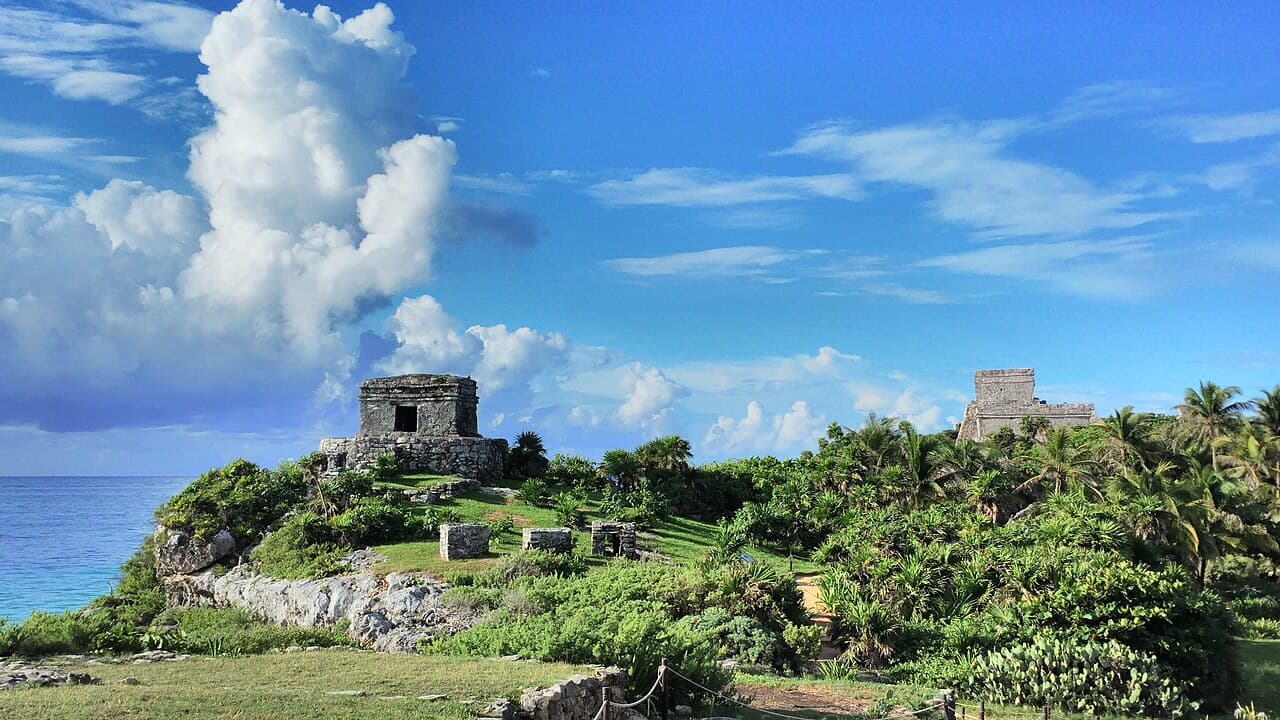
Mexico · OVR 67
reliable eating scene · solid bar scene
.jpg%3Fwidth%3D1280&w=1600&q=75)
Mexico · OVR 69
strong food culture · decent pedestrian spine

Azerbaijan · OVR 71
workable for remote days · strong food culture