
Buenos Aires
THE QUICK VERDICT
By Anthony · Updated June 2026
Choose Buenos Aires if you want tango, incredible steak, European-style architecture, and South America's most cosmopolitan capital.
- Best for
- parrilla steak nights in Palermo, milonga tango halls, Recoleta Cemetery, San Telmo Sunday antique fair
- Two seasons
- Mar–May and Oct–Nov
- Budget anchor
- $110/day mid-range
- Needs care
- Scores below most of the catalog on safety — read that section before you go
- Language gap
- English gets thin outside tourist areas — a translation app earns its keep
- Skip if
- you want safe wandering after dark — petty crime and street awareness are real concerns
Buenos Aires is the Paris of South America — grand Haussmann-style avenues, sidewalk cafes, and a fierce cultural identity built on tango, steak, and Malbec. The city's barrios each have a distinct personality, from the colorful houses of La Boca to the tree-lined elegance of Palermo. Incredible value for visitors right now.
The two links below are affiliate links — MapSorted earns a small commission if you book through them, at no extra cost to you. How this works.
Tours & Experiences
Bookable tours, activities, and day trips in Buenos Aires
Where to Stay
Compare hotels and rentals in Buenos Aires
📍 Points of Interest
La Boca & Caminito
Colorful riverside neighborhood with street tango and art
Recoleta Cemetery
Ornate necropolis with Eva Peron's tomb
Teatro Colon
World-class opera house with stunning acoustics
San Telmo Sunday Market
Sprawling antiques and flea market on Calle Defensa
Plaza de Mayo & Casa Rosada
Historic political plaza with the presidential palace
MALBA
Museum of Latin American Art with premier collection
Palermo Parks & Rosedal
Expansive green district with rose gardens and lakes
★ Local Picks
Cafe Tortoni
Iconic 1858 cafe with marble tables and tango shows
Costanera Sur Reserve
350-hectare urban nature reserve with 300+ bird species
Salon Canning Milonga
Authentic traditional tango dance hall in Palermo
At a Glance
- Pop.
- 3M (city), 15M (metro)
- Timezone
- Buenos Aires
- Dial
- +54
- Emergency
- 911
Buenos Aires has the widest avenue in the world — Avenida 9 de Julio spans 140 meters across
The city has more bookstores per capita than any other city in the world
Tango was born in the working-class neighborhoods of Buenos Aires in the late 1800s
Argentines consume more beef per capita than almost any other nation — around 50 kg per person annually
The Subte (metro) opened in 1913, making it the first underground railway in Latin America
Buenos Aires is called the "Paris of South America" for its European-inspired architecture and cafe culture
Top Sights
La Boca & Caminito
🏘️A colorful riverside neighborhood famous for its brightly painted corrugated-metal houses, street tango performances, and art-filled alleyways. The birthplace of Boca Juniors football club.
Recoleta Cemetery
🗼An extraordinary city of the dead with over 4,600 ornate mausoleums and crypts, including the tomb of Eva Peron. The architecture spans Art Nouveau, Art Deco, and Baroque styles.
Teatro Colon
📌One of the world's finest opera houses, with acoustics rivaling La Scala and the Vienna Staatsoper. Guided tours run daily, but catching a performance is the real experience.
San Telmo Market
🏪A sprawling Sunday antiques and flea market stretching along Calle Defensa through Buenos Aires' oldest neighborhood. Live tango, street food, and vintage treasures everywhere.
Plaza de Mayo
🗼The political heart of Argentina, flanked by the Casa Rosada (Pink House) presidential palace, the Cabildo, and the Metropolitan Cathedral where Pope Francis once served.
Palermo Parks & Gardens
🌳A vast green district with the Rosedal rose garden, Japanese Garden, botanical gardens, and lakes. Palermo Soho and Hollywood offer the city's best dining and nightlife.
MALBA
🏛️The Museum of Latin American Art of Buenos Aires houses an outstanding collection of 20th-century Latin American works, from Frida Kahlo to Antonio Berni. Striking modern architecture.
Puerto Madero
🏘️A revitalized docklands district with upscale restaurants, the Puente de la Mujer bridge, and the Costanera Sur ecological reserve — a surprising nature escape in the heart of the city.
Safety Breakdown
Exercise Caution
out of 100
Buenos Aires is generally safe for tourists in central neighborhoods, but petty crime like pickpocketing and bag snatching is common, especially in crowded areas. Violent crime targeting tourists is rare but situational awareness is essential.
Things to Know
- •Avoid displaying expensive electronics or jewelry openly, especially on the Subte and in La Boca beyond the Caminito tourist strip
- •Watch out for the "mustard scam" — someone spills something on you while an accomplice steals your belongings during the distraction
- •Use official radiotaxis or ride apps (Uber, Cabify, DiDi) rather than hailing unmarked cabs
- •Keep a photocopy of your passport in your hotel safe and carry only a copy on the street
- •Avoid wandering into La Boca, Constitucion, or Once neighborhoods after dark
- •Be cautious at ATMs — use machines inside banks during business hours when possible
Natural Hazards
Emergency Numbers
General Emergency
911
Police
101
Fire Department
100
Ambulance (SAME)
107
Tourist Police
0800-999-5000
Language & Phrases
Argentine Spanish uses "vos" instead of "tu" for informal "you," and "ll" and "y" are pronounced "sh" (e.g., "calle" sounds like "CA-sheh"). Many young portenos speak some English, but Spanish goes a long way.
| English | Translation | Pronunciation |
|---|---|---|
| Hello / Hi | Hola | OH-lah |
| Good morning / Good afternoon | Buen dia / Buenas tardes | bwen DEE-ah / BWEH-nahs TAR-des |
| Thank you | Gracias | GRAH-see-ahs |
| Please | Por favor | por fah-VOR |
| Excuse me | Disculpa / Perdon | dis-KOOL-pah / per-DON |
| Yes / No | Si / No | see / noh |
| How much is this? | Cuanto sale esto? | KWAN-toh SAH-leh ES-toh? |
| Where is...? | Donde queda...? | DON-deh KEH-dah...? |
| The check, please | La cuenta, por favor | lah KWEN-tah, por fah-VOR |
| I don't understand | No entiendo | noh en-tee-EN-doh |
| Do you speak English? | Hablas ingles? | AH-blahs een-GLEHS? |
| Awesome / Cool (slang) | Genial / Copado | heh-nee-AHL / koh-PAH-doh |
Climate & Best Time to Go
Buenos Aires has a humid subtropical climate with hot summers and mild winters. The city rarely experiences extreme cold, but summer humidity can be intense. Rain is distributed fairly evenly throughout the year.
Spring
September - November55-75°F
13-24°C
Pleasant and warming with jacaranda trees blooming purple across the city in November. Occasional rain but mostly sunny. One of the best times to visit.
Summer
December - February68-90°F
20-32°C
Hot and humid with temperatures frequently exceeding 35°C. Many portenos flee to the coast. Afternoon thunderstorms are common but brief.
Autumn
March - May54-75°F
12-24°C
Cooling gradually with beautiful foliage in parks. March is still warm, while May brings crisp mornings. Excellent weather for walking the city.
Winter
June - August43-59°F
6-15°C
Mild by South American standards but damp and gray. Snow is virtually unheard of. Indoor cultural life — theater, milongas, cafes — thrives.
Best Time to Visit
March through May (autumn) and September through November (spring) offer the most pleasant weather. Avoid January and February when the city empties out, temperatures soar above 35°C, and humidity is oppressive.
Spring (September - November)
Crowds: Moderate — increasing toward NovemberWarming temperatures, jacaranda blossoms in November, and the city coming alive after winter. Parks fill with people and outdoor dining returns in full force.
Pros
- + Beautiful jacaranda bloom across the city
- + Comfortable walking temperatures
- + Outdoor cafe season begins
- + Lower prices than peak tourist season
Cons
- − Occasional spring rain showers
- − Can still be cool in September evenings
- − Some spring weekends coincide with national holidays
Summer (December - February)
Crowds: Low in January (locals leave), moderate otherwiseHot, humid, and quiet as many portenos leave the city for beach vacations. Some restaurants close for January holidays, but fewer crowds mean easier access to everything.
Pros
- + Long daylight hours
- + Fewer crowds at attractions
- + Great for outdoor concerts and festivals
- + Summer nightlife peaks
Cons
- − Extreme heat and humidity (35°C+ common)
- − Many local restaurants close for vacation in January
- − Afternoon thunderstorms frequent
- − Air conditioning inconsistent in older buildings
Autumn (March - May)
Crowds: ModerateArguably the best time to visit. Warm days, cool evenings, spectacular fall foliage in the parks, and the city buzzing with cultural events after the summer break.
Pros
- + Ideal temperatures for walking the city
- + Beautiful autumn colors in parks and plazas
- + Cultural season kicks off
- + Reasonable hotel prices
Cons
- − Rain increases in May
- − Evenings can turn chilly by late April
- − Days get shorter toward May
Winter (June - August)
Crowds: LowCool and gray but rarely frigid. The coldest months see Buenos Aires at its most local and culturally rich — theater season, tango, indoor cafes, and cozy parrillas.
Pros
- + Lowest accommodation prices
- + Rich indoor cultural scene
- + Minimal tourist crowds
- + Peak tango season
Cons
- − Gray and damp weather
- − Some outdoor attractions less appealing
- − Shorter daylight hours
- − Occasional cold snaps below 5°C
🎉 Festivals & Events
Carnival (Murgas)
FebruaryBuenos Aires celebrates Carnival with neighborhood murga drumming and dance troupes parading through the streets, especially in San Telmo, La Boca, and Abasto.
Tango Festival & World Cup
AugustThe world's biggest tango event features two weeks of free milongas, performances, classes, and the World Tango Championship at venues across the city.
Feria del Libro
April-MayOne of the world's largest book fairs, held at La Rural exhibition center in Palermo, drawing over a million visitors with author talks and publishers from 40+ countries.
Vendimia (Wine Harvest)
MarchWhile centered in Mendoza, Buenos Aires hosts tastings and wine events throughout March celebrating the grape harvest season.
Off the Beaten Path
Cafe Tortoni
Buenos Aires' oldest and most iconic cafe, opened in 1858 on Avenida de Mayo. Marble tables, stained glass, and a basement tango show that captures old-world porteno glamour.
While touristy, locals still revere it as a cultural institution. The hot chocolate with churros is legendary. Go early on a weekday to avoid long lines.
El Preferido de Palermo
A century-old corner almacen (general store) turned beloved neighborhood restaurant serving simple, hearty Argentine comfort food at honest prices.
This is where Palermo locals actually eat. No frills, no Instagram aesthetic — just exceptional milanesas, empanadas, and a wine list that punches above its weight.
Parque Centenario Sunday Fair
A local weekend market around the park with secondhand books, vinyl records, artisan crafts, and live music. Far less touristy than San Telmo.
This is the market where portenos actually browse on Sundays. You'll find genuine vintage finds and neighborhood atmosphere without the tourist markup.
Milonga at Salon Canning
A traditional milonga (tango social dance) held in a classic dance hall in Palermo. Live orchestras play on select nights and dancers of all levels fill the floor.
Unlike tourist tango shows, this is where real porteno dancers come. The etiquette, the cabeceo (head-nod invitation), and the energy are the authentic article.
Costanera Sur Ecological Reserve
A 350-hectare nature reserve on reclaimed land along the Rio de la Plata waterfront, with walking trails, birdwatching, and river views just steps from Puerto Madero's skyscrapers.
Most visitors skip it entirely. Locals jog, cycle, and picnic here. Over 300 bird species have been recorded. It's the best free outdoor escape in the city.
Costs & Currency
Where the money goes
USD per dayBackpacker = hostel dorm + street food + public transit. Mid-range = 3-star hotel + neighbourhood restaurants + transit cards. Luxury = 4/5-star + fine dining + taxis. How we calibrate these numbers →
Quick cost estimate
Customize per category →Estimates based on regional averages. Flight prices vary by season and airline.
budget
$30-50
Hostel dorm, Subte and buses, empanadas and pizza by the slice, free parks and neighborhoods, self-catering
mid-range
$80-140
Mid-range hotel or Airbnb, mix of parrillas and cafes, Uber when needed, 1-2 paid attractions per day
luxury
$250+
Boutique hotel in Palermo or Recoleta, fine dining at closed-door restaurants, private tours, tango dinner shows
Typical Costs
| Item | Local | USD |
|---|---|---|
| AccommodationHostel dorm bed | ARS 8,000-15,000 | $8-15 |
| AccommodationMid-range hotel (double) | ARS 40,000-80,000 | $40-80 |
| AccommodationBoutique hotel in Palermo | ARS 120,000-250,000 | $120-250 |
| FoodDozen empanadas | ARS 6,000-10,000 | $6-10 |
| FoodCafe cortado | ARS 1,500-2,500 | $1.50-2.50 |
| FoodLunch menu ejecutivo | ARS 8,000-15,000 | $8-15 |
| FoodParrilla dinner for two with wine | ARS 30,000-50,000 | $30-50 |
| FoodCraft beer at a bar | ARS 3,000-5,000 | $3-5 |
| TransportSingle Subte/bus ride | ARS 650 | $0.65 |
| TransportUber across town | ARS 5,000-15,000 | $5-15 |
| TransportTaxi to Ezeiza airport | ARS 20,000-30,000 | $20-30 |
| AttractionsTeatro Colon guided tour | ARS 8,000 | $8 |
| AttractionsMALBA museum entry | ARS 5,000 | $5 |
| AttractionsTango dinner show | ARS 40,000-80,000 | $40-80 |
💡 Money-Saving Tips
- •Exchange USD at the "blue dollar" rate for significantly more pesos — Western Union, crypto, or trusted cuevas offer better rates than banks
- •Eat empanadas and pizza — Buenos Aires has incredible cheap food that locals eat daily
- •Many museums offer free or reduced entry on Wednesdays
- •Take the Subte and colectivos — public transit is extraordinarily cheap with a SUBE card
- •Drink Malbec from a vinoteca rather than at bars — excellent bottles start at ARS 5,000 ($5)
- •Visit Recoleta Cemetery and most parks for free — the best experiences cost nothing
- •Order "menu del dia" or "menu ejecutivo" at lunch for set meals at a fraction of dinner prices
- •Buy alfajores from kioscos instead of tourist shops — same quality at local prices
Argentine Peso
Code: ARS
Argentina has a complex currency situation. The official rate and the parallel "blue dollar" rate can differ significantly. As of early 2026, 1 USD is approximately 1,000 ARS at official rates. Western Union transfers and crypto exchanges often yield better rates than banks. Always check current rates before exchanging — the situation changes frequently.
Payment Methods
Cash is still king in many situations, especially at markets, small restaurants, and taxis. Credit cards (Visa, Mastercard) are accepted at larger establishments but foreign cards may be charged at the official exchange rate. Many travelers find it advantageous to bring USD cash and exchange at "cuevas" (informal exchange houses) for better rates. MercadoPago is the dominant local digital wallet.
Tipping Guide
10% is standard for table service. Some restaurants add a "cubierto" (cover charge) of ARS 1,000-2,000 per person — this is not a tip.
Rounding up or leaving 10% is appreciated. No tip expected at counter service or for takeaway coffee.
Not customary. Rounding up to the nearest convenient amount is a nice gesture but not expected.
ARS 2,000-5,000 per bag for bellhops. Housekeeping ARS 2,000-3,000 per day is generous.
$5-10 USD per person for a half-day tour. Many guides prefer tips in USD.
ARS 500-1,000 for food delivery is standard in Buenos Aires.
How to Get There
✈️ Airports
Ministro Pistarini International Airport (Ezeiza)(EZE)
35 km southwest of city centerTienda Leon shuttle bus to downtown terminal (~$15 USD, 45-60 min). Uber/Cabify ~$20-30 USD. Official remise (car service) ~$30-40 USD. No direct rail link.
✈️ Search flights to EZEAeroparque Jorge Newbery(AEP)
2 km from downtown (Palermo waterfront)Domestic and regional flights. Taxi/Uber to city center ~$5-8 USD in 10-15 min. Bus lines 33, 45 also serve the airport.
✈️ Search flights to AEP🚆 Rail Stations
Retiro Station
Central (adjacent to bus terminal)Main terminal for Mitre, Belgrano Norte, and San Martin commuter lines. Long-distance trains to Rosario, Cordoba, and Tucuman depart from here (book through Trenes Argentinos).
🚌 Bus Terminals
Terminal de Omnibus de Retiro
Buenos Aires' main long-distance bus terminal with services to every major Argentine city and international routes. Buses to Mendoza (13h, ~$30 USD), Bariloche (20h, ~$50 USD), Iguazu Falls (18h, ~$40 USD). Semi-cama and cama (sleeper) classes available.
Getting Around
Buenos Aires has an extensive public transit network centered on the Subte (metro), colectivos (buses), and a commuter rail system. The SUBE rechargeable card is required for all public transit and costs ARS 3,000 (~$3 USD). Individual rides are extremely cheap by international standards.
Subte
ARS 650 (~$0.65 USD) per ride with SUBE cardSix color-coded lines (A through H) covering central Buenos Aires. Trains run from 5:00 AM to around 11:00 PM (later on weekends). Line A uses beautifully preserved 1913-era wooden carriages on select runs.
Best for: Quick trips between major points in the city center — especially along the Avenida de Mayo and Santa Fe corridors
Colectivos
ARS 500-650 (~$0.50-0.65 USD) per ride with SUBE cardOver 180 bus lines covering every corner of the metropolitan area, running 24 hours. The system is vast but confusing for newcomers — use the "Como Llego" app for route planning.
Best for: Reaching neighborhoods not served by the Subte, like La Boca, Belgrano, or Costanera
Uber / Cabify / DiDi
ARS 5,000-15,000 (~$5-15 USD) for most cross-city tripsAll three operate widely. Uber exists in a legal gray area but works reliably. Drivers may ask you to sit in front to appear like a friend rather than a passenger.
Best for: Late-night travel, reaching the airports, or when carrying luggage
Radio Taxis
ARS 3,000-10,000 (~$3-10 USD) for most trips within the cityBlack and yellow cabs are ubiquitous. Use official radiotaxis (black roof light) or have your hotel call one. Insist on the meter and carry small bills as drivers often claim to lack change.
Best for: Short trips when you want door-to-door service without app hassle
Commuter Rail (Trenes Argentinos)
ARS 200-500 (~$0.20-0.50 USD) with SUBE cardSeveral commuter lines radiate from Retiro, Once, and Constitucion stations to the suburbs and beyond. The Mitre line to Tigre is the most useful for visitors.
Best for: Day trips to Tigre and the delta, or reaching outer neighborhoods
Walkability
Central Buenos Aires is flat and very walkable. The grid layout makes navigation easy. Palermo, San Telmo, Recoleta, and the Microcentro are all best explored on foot. Sidewalks can be uneven — watch your step, especially on tree-lined streets where roots push up tiles.
Travel Connections

Colonia del Sacramento
A UNESCO-listed Portuguese colonial town in Uruguay with cobblestone streets, pastel buildings, and a laid-back riverside vibe. Perfect day trip or overnight escape.
Tigre & the Parana Delta
A lush river delta with waterways, islands, and stilted houses. Take a boat tour through the canals, eat at a riverside parrilla, or kayak through the marshes.

Montevideo
Uruguay's capital offers a more relaxed pace, excellent seafood, the massive Mercado del Puerto, and the charming Ciudad Vieja neighborhood.
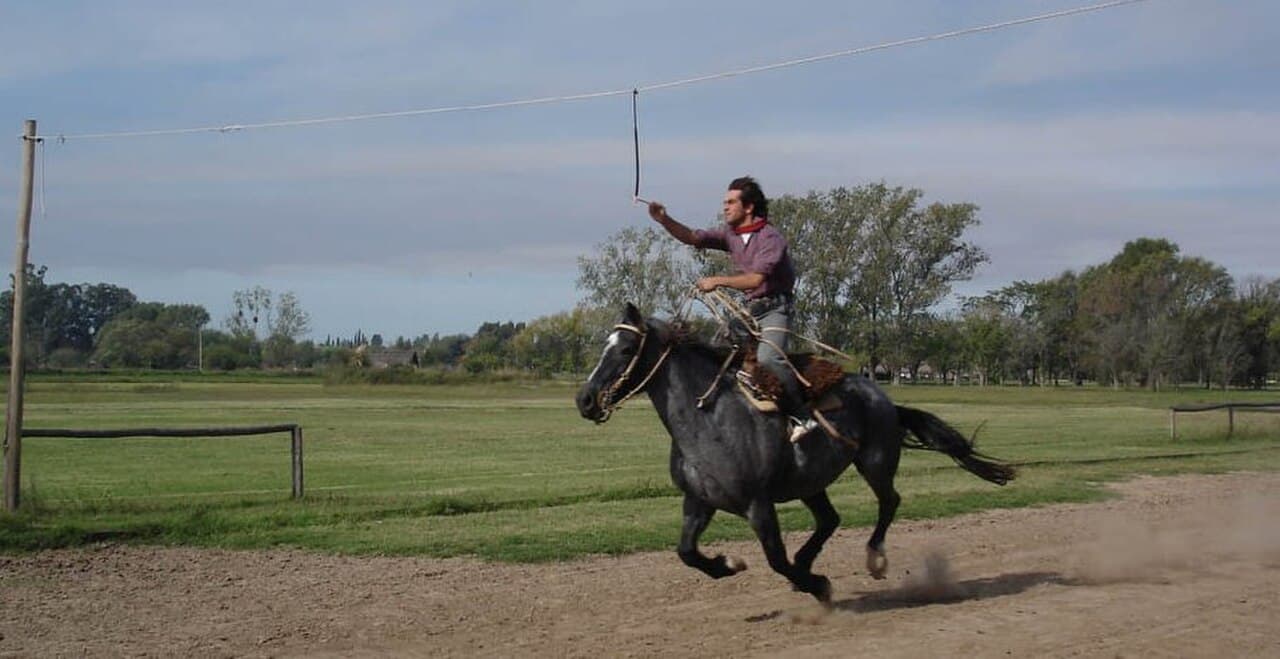
San Antonio de Areco
The heart of gaucho culture in the Pampas. Visit estancias (ranches), watch polo, and experience traditional Argentine country life with asado and folk music.

La Plata
A planned city with a remarkable Neo-Gothic cathedral and one of Latin America's best natural science museums. A quieter, university-town counterpart to Buenos Aires.

Santiago
Chile's cosmopolitan capital nestled beneath the snow-capped Andes, offering world-class wine regions, vibrant street art, and a thriving culinary scene.
Entry Requirements
Argentina has a relatively open visa policy. Most Western nationals can enter visa-free for 90 days. US citizens no longer need to pay a reciprocity fee as of 2016. A valid passport is required for all foreign visitors.
Entry Requirements by Nationality
| Nationality | Visa Required | Max Stay | Notes |
|---|---|---|---|
| US Citizens | Visa-free | 90 days | Passport must be valid for duration of stay. 90-day extension available at immigration office (Direccion Nacional de Migraciones) for a fee. |
| UK Citizens | Visa-free | 90 days | No reciprocity fee. Same 90-day allowance with possible extension. |
| Canadian Citizens | Visa-free | 90 days | Reciprocity fee was eliminated. Standard 90-day tourist entry. |
| EU/Schengen Citizens | Visa-free | 90 days | Visa-free entry for all EU member states. Working Holiday visas available for select nationalities ages 18-35. |
| Brazilian Citizens | Visa-free | 90 days | Mercosur member — can enter with national ID card, no passport needed. |
| Chinese Citizens | Yes | Up to 90 days | Must apply for a visa at the Argentine consulate. A 10-year multiple-entry visa is available. Travelers with valid US or Schengen visas may qualify for an AVE (electronic travel authorization). |
Visa-Free Entry
Visa on Arrival
Tips
- •The 90-day stay can be extended once for another 90 days at the Migraciones office in Buenos Aires for a small fee
- •Many travelers do a "border run" to Uruguay by ferry to reset their 90-day clock — this is tolerated but not guaranteed
- •Keep your entry stamp and migration card safe — you'll need them when departing
- •There is no departure tax included in tickets purchased abroad — it's already rolled into your airfare
- •Digital nomad visa options are available for remote workers planning stays beyond 90 days
Shopping
Buenos Aires is a shopper's paradise for leather goods, wine, and artisan crafts. The weak peso makes quality items remarkably affordable for visitors paying in foreign currency. Markets, boutiques, and design fairs offer far better finds than malls.
Palermo Soho
boutique & designThe epicenter of Argentine independent fashion and design. Cobblestone streets lined with local designer boutiques, vintage shops, and concept stores around Plaza Serrano.
Known for: Argentine fashion designers, leather jackets, handmade jewelry, and weekend craft fairs in Plaza Serrano
San Telmo (Sunday Market)
antiques & flea marketThe famous Feria de San Telmo stretches along Calle Defensa every Sunday with hundreds of vendors selling antiques, vintage items, art, and crafts. The indoor Mercado de San Telmo operates daily.
Known for: Antiques, vintage silverware, vinyl records, mate gourds, tango memorabilia
Calle Florida & Galerias Pacifico
mainstream retailA pedestrianized shopping street in the Microcentro with mainstream brands and the beautiful Galerias Pacifico mall housed in a Beaux-Arts building with frescoed ceilings.
Known for: Leather goods shops, souvenir stores, international brands, and the Galerias Pacifico murals
Recoleta Design Fair
artisan marketA weekend craft and design fair in the plaza outside the Recoleta Cultural Center, surrounded by upscale restaurants and the famous cemetery.
Known for: Handmade crafts, local art, leather accessories, silverwork
🎁 Unique Souvenirs to Look For
- •Argentine leather goods — jackets, bags, wallets, belts (Palermo Soho has the best selection)
- •Mate gourd and bombilla set — the essential Argentine tea-drinking kit
- •Malbec wine from Mendoza — buy at any vinoteca for a fraction of export prices
- •Dulce de leche — the national obsession, best from La Salamandra or Havanna
- •Fileteado art — Buenos Aires' ornamental folk art style on signs, trays, and prints
- •Alpargatas (traditional canvas shoes) — the original Argentine espadrille
- •Tango music on vinyl from San Telmo record shops
- •Gaucho knives (facones) with silver handles
If you like Buenos Aires, you'll love…
4 cities with a similar vibe, outside of the same country.

Brazil · OVR 72
world-class dining · legendary night scene

Mexico · OVR 78
legendary food scene · late-night stamina

Brazil · OVR 68
serious culinary pedigree · legendary night scene

Italy · OVR 74
serious culinary pedigree · decent pedestrian spine