
Montevideo
THE QUICK VERDICT
By Anthony · Updated June 2026
Choose Montevideo if you want South America's calmest capital — Ciudad Vieja, Rambla sunsets, Mercado del Puerto parrilla, tango, and ferries to Colonia del Sacramento.
- Best for
- Mercado del Puerto parrilla grills, Rambla cycling, Ciudad Vieja tango, Colonia ferry day-trip
- Best window
- Nov–Apr
- Budget anchor
- $125/day mid-range
- Worth a look
- safest, calmest capital in South America with progressive laws and the continent's cleanest beaches
Uruguay's laid-back capital stretches along the Río de la Plata with beautiful rambla boardwalks, Art Deco architecture, and the legendary Mercado del Puerto for grilled meats. A relaxed, walkable city with mate culture on every corner.
The two links below are affiliate links — MapSorted earns a small commission if you book through them, at no extra cost to you. How this works.
Tours & Experiences
Bookable tours, activities, and day trips in Montevideo
Where to Stay
Compare hotels and rentals in Montevideo
📍 Points of Interest
Mercado del Puerto
Historic iron market with legendary parrilla restaurants
Ciudad Vieja
Historic old town with colonial architecture and plazas
Palacio Salvo
Iconic Art Deco tower on Plaza Independencia
Pocitos Beach
Popular urban beach with golden sand and Rambla views
Teatro Solis
Uruguay's premier 1856 neoclassical theater
★ Local Picks
La Rambla
22 km waterfront promenade along the Rio de la Plata
Feria de Tristan Narvaja
Massive Sunday street market spanning 30+ blocks
At a Glance
- Pop.
- 1.4M
- Timezone
- Montevideo
- Dial
- +598
- Emergency
- 911
Montevideo is home to nearly half of Uruguay's entire population — about 1.8 million people in the metro area
Uruguay was the first country in the world to fully legalize cannabis, and Montevideo is the policy's epicenter
The city hosted the first ever FIFA World Cup final in 1930 at Estadio Centenario
Uruguay consistently ranks as the most progressive and stable country in South America
Mate is not just a drink but a lifestyle — locals carry thermoses everywhere and share mate with friends constantly
The Rambla, Montevideo's waterfront promenade, stretches 22 km along the Rio de la Plata
Top Sights
Ciudad Vieja (Old Town)
🏘️The historic heart of Montevideo with colonial architecture, Plaza Independencia, the iconic Palacio Salvo, pedestrian Calle Sarandi, and the lively Mercado del Puerto.
Mercado del Puerto
🏪A bustling 1868 iron-market hall packed with parrilla restaurants grilling enormous cuts of beef over wood-fired pits. The most atmospheric lunch spot in the city.
La Rambla
🗼A 22 km waterfront promenade hugging the coastline from Ciudad Vieja to Carrasco. Locals jog, share mate, fish, and watch sunsets here every evening.
Palacio Salvo
🗼An Art Deco icon and one of South America's most distinctive buildings. Guided tours take you to the upper floors for panoramic views of the city and river.
Teatro Solis
📌Uruguay's premier theater, built in 1856 with a stunning neoclassical facade. Guided tours are available, but catching a ballet or orchestra performance is the best way to experience it.
Pocitos Beach
🏖️The most popular urban beach in Montevideo with golden sand, a curved bay, and the Rambla promenade lined with cafes and apartment buildings.
Estadio Centenario & Football Museum
🗼The historic stadium built for the 1930 World Cup, still hosting major matches. The on-site museum traces Uruguay's remarkable football heritage.
Feria de Tristan Narvaja
🏪Montevideo's massive Sunday street market stretching over 30 blocks with everything from antiques and vinyl records to fresh produce and live animals.
Climate & Best Time to Go
Montevideo has a humid subtropical climate moderated by the Rio de la Plata. Summers are warm but not extreme, and winters are cool and damp. The wind off the river can make it feel cooler than the temperature suggests.
Spring
September - November52-72°F
11-22°C
Pleasant and warming with occasional rain. Parks bloom and outdoor life returns. A lovely time to walk the Rambla.
Summer
December - February64-86°F
18-30°C
Warm and sunny with long days. Beach season along the Rambla and Pocitos. Occasional thunderstorms but mostly clear skies.
Autumn
March - May54-73°F
12-23°C
Cooling gradually with beautiful golden light. Still comfortable for outdoor exploration. May brings cooler rains.
Winter
June - August43-57°F
6-14°C
Cool and damp with overcast skies. The wind off the river adds a chill factor. Indoor cultural life — cafes, theaters, tango — comes alive.
Best Time to Visit
October through March (Southern Hemisphere spring/summer) offers the warmest weather for enjoying the Rambla, beaches, and outdoor life. December through February is peak summer but Carnival season (January-February) is the most vibrant time to visit.
Spring (September - November)
Crowds: Low to moderateWarming steadily with jacaranda trees blooming across the city. Pleasant for walking and sightseeing. October and November are especially nice.
Pros
- + Comfortable temperatures
- + Jacaranda bloom season
- + Fewer crowds
- + Good hotel rates
Cons
- − Rain possible, especially in September
- − Sea still cool for swimming
- − Some beach services not yet running
Summer (December - February)
Crowds: High — peak season, especially during CarnivalWarm to hot with temperatures reaching 30-35 degrees. The city is at its most vibrant with beach life, outdoor dining, and Carnival celebrations.
Pros
- + Best beach weather
- + Carnival season (January-February)
- + Vibrant outdoor nightlife
- + Long warm evenings
Cons
- − Humidity can be high
- − Peak prices during Carnival and holidays
- − Some Montevideans leave for beach resorts
- − Occasional heat waves
Autumn (March - May)
Crowds: Low to moderateStill warm in March, cooling gradually. Golden light and mild temperatures make it excellent for exploring. Fewer tourists and good value.
Pros
- + Beautiful autumn light
- + Comfortable walking weather
- + Harvest season at wineries
- + Lower prices
Cons
- − Days shortening
- − Rain increasing in May
- − Beach season winding down
- − Some seasonal activities ending
Winter (June - August)
Crowds: LowCool and grey with temperatures around 8-14 degrees. The Rambla is windswept but the city's indoor cultural life — theaters, tango venues, wine bars — comes into its own.
Pros
- + Lowest prices
- + Authentic local atmosphere
- + Excellent for museums and indoor culture
- + No queues anywhere
Cons
- − Cool and damp
- − Grey skies common
- − Wind along the waterfront
- − Shorter days
🎉 Festivals & Events
Carnival (Las Llamadas)
January-FebruaryUruguay's Carnival is the longest in the world, running 40 days. Las Llamadas features massive candombe drum processions through Barrio Sur and Palermo.
Semana Criolla (Creole Week)
March-AprilA week of gaucho culture at the Prado rural exhibition grounds with rodeo, traditional crafts, folk music, and asado competitions during Easter.
Dia de la Nostalgia
AugustA uniquely Uruguayan holiday when the entire country plays music from the past. Dance halls and bars host massive parties playing classics all night.
Noche de la Nostalgia
August 24The night before Dia de la Nostalgia is the biggest party night of the year — every bar, club, and venue plays retro music until dawn.
Off the Beaten Path
Feria de Tristan Narvaja
A massive Sunday street market that stretches over 30 blocks through the Cordon neighborhood, selling everything from antiques and vinyl records to live animals and fresh produce.
This is how Montevideans spend their Sunday mornings. Arrive early, browse the antiques and book stalls, then settle into a sidewalk cafe for a cortado. It is the heartbeat of the city.
La Rambla at Sunset
The 22-kilometer waterfront promenade along the Rio de la Plata is where locals jog, share mate, fish, and watch spectacular sunsets.
Walk from Pocitos toward Punta Carretas at golden hour. Locals gather on the rocks with thermoses of mate and facturas (pastries) — bring your own and join in.
Mercado Agricola de Montevideo (MAM)
A beautifully restored 1913 market building where locals shop for produce, cheese, wine, and artisan goods amid food stalls serving Uruguayan staples.
Unlike the tourist-focused Mercado del Puerto, MAM is where real Montevideans do their weekly shopping. The food court upstairs has excellent, affordable lunch options.
Parque Rodo on Weekends
Montevideo's beloved park comes alive on weekends with families, joggers, mate circles, and the adjacent Feria de Villa Biarritz organic market on Saturdays.
The Saturday morning Villa Biarritz market is the best place to sample local artisan cheese, honey, and baked goods while mingling with locals.
Barrio Sur & Palermo for Candombe
On weekend evenings, the historically Afro-Uruguayan neighborhoods of Sur and Palermo echo with the drums of candombe — a UNESCO-recognized tradition.
Follow the sound of drums on weekend nights, especially in the lead-up to Carnival. The llamadas (drum processions) are raw, powerful, and deeply local.
Safety Breakdown
Moderate
out of 100
Montevideo is relatively safe by South American standards but has seen rising petty crime in recent years. Ciudad Vieja can be quiet and poorly lit after business hours. The Pocitos, Carrasco, and Punta Carretas neighborhoods feel noticeably safer.
Things to Know
- •Be alert in Ciudad Vieja after dark — the area empties out significantly when offices close
- •Avoid displaying expensive electronics or jewelry, especially on public transit
- •Use Uber or official taxis at night rather than walking in unfamiliar areas
- •Keep an eye on your belongings at Feria de Tristan Narvaja — the Sunday crowds attract pickpockets
- •Pocitos, Punta Carretas, and Carrasco are the safest neighborhoods for walking at any hour
- •Carry a photocopy of your passport rather than the original
Emergency Numbers
General Emergency
911
Police
109
Fire Department
104
Ambulance
105
Costs & Currency
Where the money goes
USD per dayBackpacker = hostel dorm + street food + public transit. Mid-range = 3-star hotel + neighbourhood restaurants + transit cards. Luxury = 4/5-star + fine dining + taxis. How we calibrate these numbers →
Quick cost estimate
Customize per category →Estimates based on regional averages. Flight prices vary by season and airline.
budget
$40-60
Hostel dorm, buses, empanadas and market food, free beaches and parks
mid-range
$90-160
Mid-range hotel, mix of parrillas and cafes, Uber, Mercado del Puerto meals
luxury
$220+
Boutique hotel in Pocitos or Carrasco, fine dining, wine experiences, private tours
Typical Costs
| Item | Local | USD |
|---|---|---|
| AccommodationHostel dorm bed | UYU 700-1,200 | $17-30 |
| AccommodationMid-range hotel (double) | UYU 3,000-6,000 | $75-150 |
| FoodChivito (steak sandwich) | UYU 350-500 | $9-12.50 |
| FoodParrilla lunch at Mercado del Puerto | UYU 600-1,000 | $15-25 |
| FoodCoffee and medialunas | UYU 200-350 | $5-9 |
| FoodDinner for two with wine | UYU 2,000-3,500 | $50-87 |
| TransportSingle bus ride | UYU 42-52 | $1-1.30 |
| TransportUber across town | UYU 150-400 | $3.70-10 |
| AttractionsPalacio Salvo tour | UYU 400 | $10 |
| AttractionsTeatro Solis guided tour | UYU 150 | $3.75 |
💡 Money-Saving Tips
- •Uruguay is pricier than Argentina — budget travelers should cook at hostels using supermarket ingredients
- •The Rambla, Pocitos Beach, and Feria de Tristan Narvaja are all free experiences
- •Eat chivitos from street carts and empanadas from bakeries for cheap, filling meals
- •Buy Tannat wine (Uruguay's signature grape) at supermarkets for a fraction of restaurant prices
- •Many museums are free or donation-based, including the MAPI and several galleries in Ciudad Vieja
- •Take the bus rather than Uber for most trips — the system is reliable and very cheap
- •Visit Mercado del Puerto on weekday afternoons for lower prices and fewer crowds than weekends
Uruguayan Peso
Code: UYU
1 USD is approximately 40-42 UYU (as of early 2026). US dollars are widely accepted in tourist areas, hotels, and restaurants, often at a competitive rate. Exchange money at banks or cambios (exchange houses) along 18 de Julio — avoid street changers.
Payment Methods
Credit and debit cards (Visa and Mastercard) are widely accepted in restaurants, shops, and hotels. Many establishments offer a discount for cash payment (often 10-15% off). Small shops, market stalls, and buses are cash-only. US dollars are accepted at many hotels and tourist restaurants.
Tipping Guide
A 10% tip is customary and expected for table service. Some restaurants include a cubierto (cover charge) which is not a tip — add 10% on top.
Leaving small change or rounding up is sufficient. Tips are not expected at casual counter-service places.
Rounding up to the nearest 10-20 pesos is standard. Tipping 10% is generous.
Porters receive 50-100 UYU per bag. Housekeeping tips of 50-100 UYU per day are appreciated at upscale hotels.
10% tip is standard. At Mercado del Puerto, the asadores (grill masters) appreciate a small direct tip for exceptional meat.
How to Get There
✈️ Airports
Carrasco International Airport(MVD)
20 km east of city centerCOT airport bus to downtown (UYU 250, ~$6 USD, 40 min). Uber ~UYU 800-1,200 (~$20-30 USD, 25-35 min). Official airport taxi ~$35-45 USD.
✈️ Search flights to MVD🚌 Bus Terminals
Tres Cruces Bus Terminal
The main long-distance terminal with services to Punta del Este (2h, ~$12 USD), Colonia del Sacramento (2.5h, ~$15 USD), and international routes to Buenos Aires, Porto Alegre, and Sao Paulo.
Getting Around
Montevideo relies primarily on buses (no metro system). The STM card is used for all public transit. The city is also very walkable in its central neighborhoods. Uber operates widely and is affordable.
City Buses
UYU 42-52 (~$1-1.30 USD) per ride with STM cardAn extensive bus network covering all neighborhoods. Routes can be confusing for newcomers — use the "Como Ir" app or Google Maps. Buses run from early morning until around midnight.
Best for: Getting between neighborhoods and to attractions outside the city center
Uber / Cabify
UYU 150-400 (~$3.70-10 USD) for most cross-city tripsBoth operate throughout the city and are very affordable. Payment through the app works with international credit cards.
Best for: Late-night travel, reaching the airport, and trips along the extended Rambla
Taxis
UYU 200-500 (~$5-12.50 USD) for most tripsYellow and black metered taxis are widely available. Generally honest with meters. Can be hailed on the street or called by phone.
Best for: Short trips around the center and when Uber surge pricing applies
Movete Bike Share
UYU 50-100 (~$1.25-2.50 USD) per tripA growing bike-share system with stations along the Rambla and in central neighborhoods. The flat Rambla is ideal for cycling.
Best for: Cruising the Rambla on a sunny day from Ciudad Vieja to Pocitos
Walkability
The central areas — Ciudad Vieja, Centro, Cordon, and Pocitos — are very walkable. The Rambla promenade is one of the world's great urban walks. The city is flat, making it easy on the feet. Summer heat is the only real obstacle.
Travel Connections

Buenos Aires
Argentina's sprawling capital is just across the river, offering tango, steak, and a completely different urban energy from laid-back Montevideo.

Colonia del Sacramento
A UNESCO World Heritage Portuguese colonial town with cobblestone streets, pastel buildings, and beautiful sunsets over the Rio de la Plata.

Punta del Este
South America's most glamorous beach resort with stunning Atlantic beaches, the famous Hand in the Sand sculpture, and a vibrant summer social scene.

Cabo Polonio
An off-grid hippie hamlet with no electricity, massive sea lion colonies, wild beaches, and a lighthouse — Uruguay's most unique coastal escape.
Entry Requirements
Uruguay has a welcoming visa policy. Citizens of most Western countries, Mercosur member states, and many others can enter visa-free for 90 days. Extensions are possible at the immigration office in Montevideo.
Entry Requirements by Nationality
| Nationality | Visa Required | Max Stay | Notes |
|---|---|---|---|
| US Citizens | Visa-free | 90 days | Passport must be valid for the duration of stay. Extension of 90 additional days available at Direccion Nacional de Migracion. |
| UK Citizens | Visa-free | 90 days | Same conditions as US citizens. No Working Holiday agreement currently in place. |
| Mercosur Citizens (Argentina, Brazil, Paraguay) | Visa-free | Unlimited (with residency process) | Can enter with national ID card, no passport needed. Mercosur residency process is straightforward. |
| EU Citizens | Visa-free | 90 days | Most EU nationalities receive 90 days visa-free with possible extension. |
| Indian Citizens | Yes | Up to 90 days | Must apply for a visa at the Uruguayan embassy. Requires invitation letter or hotel bookings, financial proof, and return ticket. |
Visa-Free Entry
Tips
- •Uruguay is one of the most progressive countries in South America for entry requirements — most nationalities can enter easily
- •The 90-day stay can be extended once for an additional 90 days at the immigration office in Montevideo
- •Many long-term visitors do a quick border run to Buenos Aires to reset their 90-day clock
- •Carrasco International Airport immigration is typically quick and efficient
- •If arriving by ferry from Buenos Aires, you clear both Argentine and Uruguayan immigration at the port
- •Keep your entry card — you need it when departing
Shopping
Montevideo's shopping scene is understated but rewarding. Leather goods, wool products, and local wines are the standout buys. The city favors neighborhood markets and independent shops over mega-malls.
Ciudad Vieja
boutique & artisanThe old town has a growing number of independent shops, galleries, and artisan workshops in renovated colonial buildings, plus the excellent Mercado del Puerto.
Known for: Artisan leather goods, local art, antiques, weekend craft fairs
Punta Carretas Shopping
shopping mallA modern mall built inside a former prison on the waterfront, with international and local brands, a cinema, and food court with river views.
Known for: Mainstream fashion, international brands, duty-free for tourists
Feria de Tristan Narvaja
Sunday flea marketUruguay's largest street market stretching over 30 blocks with antiques, books, vinyl records, vintage clothing, crafts, and nearly everything else imaginable.
Known for: Antiques, books, vinyl records, vintage finds, local curiosities
Avenida 18 de Julio
high streetMontevideo's main commercial avenue running through the center with local shops, street vendors, and the traditional Galeria shops.
Known for: Everyday shopping, local brands, traditional shops
🎁 Unique Souvenirs to Look For
- •Uruguayan leather goods — jackets, bags, belts, and wallets of excellent quality
- •Tannat wine — Uruguay's signature grape, available at wine shops and supermarkets
- •Mate gourd and bombilla set — the essential kit for Uruguay's national drink
- •Uruguayan wool and knitwear from Manos del Uruguay
- •Candombe drums or miniature replicas
- •Dulce de leche from local producers
- •Amethyst and agate stones from Uruguay's northern mining regions
Language & Phrases
Uruguayan Spanish (Rioplatense) is similar to Argentine Spanish with distinctive features: "ll" and "y" are pronounced "sh" (calle = "KAH-sheh"), and "vos" is used instead of "tu." English is not widely spoken outside upscale hotels and tourist areas — basic Spanish is essential.
| English | Translation | Pronunciation |
|---|---|---|
| Hello / Hi | Hola | OH-lah |
| How are you? (informal) | Como andas? | KOH-moh AHN-dahs? |
| Thank you | Gracias | GRAH-see-ahs |
| Please | Por favor | por fah-VOR |
| Excuse me | Disculpa | dis-KOOL-pah |
| Yes / No | Si / No | see / noh |
| How much is this? | Cuanto sale? | KWAN-toh SAH-leh? |
| Where is...? | Donde queda...? | DON-deh KEH-dah...? |
| The check, please | La cuenta, por favor | lah KWEN-tah, por fah-VOR |
| I don't understand | No entiendo | noh en-tee-EN-doh |
| It's delicious | Esta buenisimo | es-TAH bway-NEE-see-moh |
| Cheers! (common toast) | Salud! | sah-LOOD! |
If you like Montevideo, you'll love…
4 cities with a similar vibe, outside of the same country.
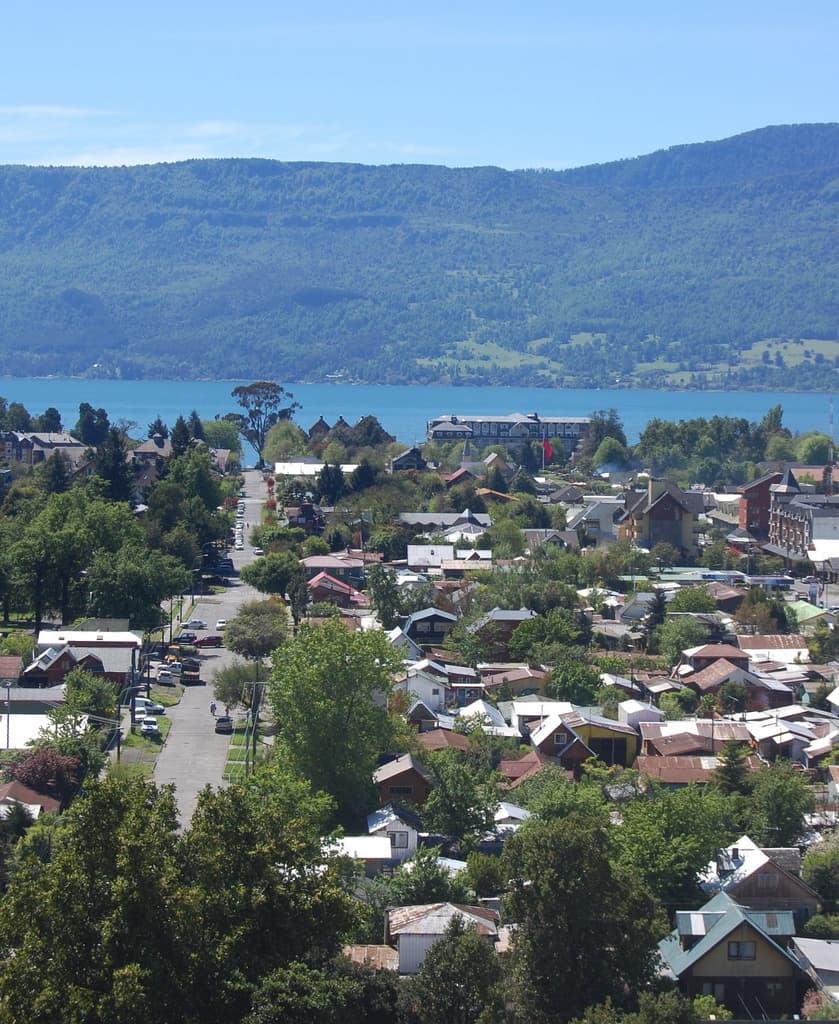
Chile · OVR 72
workable for remote days · strong food culture

Slovakia · OVR 73
eminently walkable core · reliable wifi, decent English

Slovenia · OVR 75
eminently walkable core · strong food culture

Croatia · OVR 75
eminently walkable core · reliable eating scene