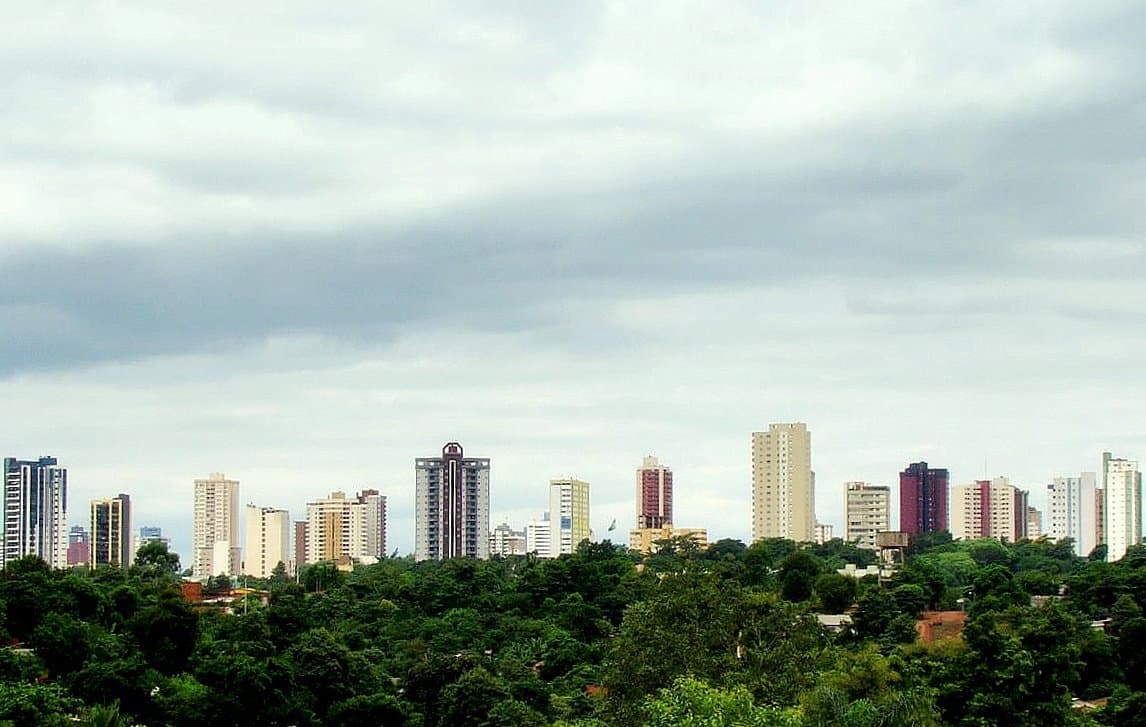
Karachi
THE QUICK VERDICT
By Anthony · Updated April 2026
Choose Karachi if You want South Asia's most underrated megacity — incredible food, beach access, and a complex urban story Mumbai-watchers will recognize..
- Best for
- Burns Road biryani, Empress Market, Mohatta Palace, Clifton Beach, Bohra-style food crawls
- Best window
- Nov–Mar
- Budget anchor
- $50/day mid-range
- Needs care
- Scores below most of the catalog on safety — read that section before you go
- Real bargain
- Bottom 10% on daily spend ($50/day mid-range)
- Skip if
- you want low-friction sightseeing — political tension flares periodically and street safety needs vigilance
Pakistan's port megacity of 16 million on the Arabian Sea — a sprawling, restless capital of commerce, culture, and contradiction. Mughal-era shrines sit beside colonial Bunder Road, Mohatta Palace's pink Jodhpur sandstone glows at sunset, and Clifton Beach draws families on Friday evenings. The country's most diverse food city: Bohra, Memon, Sindhi, Pashtun, Punjabi, Hyderabadi cuisines all served within blocks of each other.
The two links below are affiliate links — MapSorted earns a small commission if you book through them, at no extra cost to you. How this works.
Tours & Experiences
Bookable tours, activities, and day trips in Karachi
Where to Stay
Compare hotels and rentals in Karachi
📍 Points of Interest
Mazar-e-Quaid
White marble mausoleum of Pakistan's founder Muhammad Ali Jinnah — the country's most-visited monument, with hourly changing of the guard.
Mohatta Palace
A pink Jodhpur-sandstone Rajput-Mughal mansion (1927) now Karachi's most prestigious art museum.
Clifton Beach (Sea View)
40 km Arabian Sea coastline — central Sea View promenade is Karachi's Friday-evening social heart.
Frere Hall
Venetian Gothic 1860s colonial hall in a public garden — Sadequain ceiling mural and Sunday book market.
Empress Market
1889 Gothic-Revival market hall in Saddar — spices, fabrics, fish, and the densest Karachi sensory overload.
Burns Road Food Street
The original Karachi food street — Mohajir nihari (Waheed's), biryani, lassi, and rabri since the 1950s.
Pakistan Maritime Museum
Naval history museum on Karsaz Road with decommissioned aircraft, the PNS Hangor submarine, and family-friendly grounds.
Manora Island
A small island reached by 20-min ferry from Kemari — 1888 lighthouse, Hindu temple, beach, and a fishing-village pace.
Mazar-e-Abdullah Shah Ghazi
8th-century Sufi shrine on the Clifton cliff — Thursday evening qawwali sessions in the courtyard.
Sunday Bazaar (DHA Phase 8)
Karachi's biggest weekly bazaar — Sunday-only crafts, Sindhi quilts, Multan pottery, antiques, books, food court.
Port Grand
A waterfront entertainment and dining strip on the Native Jetty Bridge — restaurants, food trucks, and harbour views.
At a Glance
- Pop.
- 16.4 million (metro)
- Timezone
- Karachi
- Dial
- +92
- Emergency
- 15
Karachi is Pakistan's largest city, financial capital, and only major port — handling around 60% of the country's sea cargo through Port Qasim and Karachi Port. The metropolitan population is estimated at 16-20 million, making it one of the world's ten largest cities
Founded as a small fishing village called Kolachi by the 1700s, it became the British Raj's administrative capital of Sindh in 1843 and grew explosively after partition in 1947 — when over a million Urdu-speaking refugees (Mohajirs) arrived from India and reshaped the city's demographic and culinary identity
Karachi was Pakistan's first national capital from 1947 to 1959 — Mazar-e-Quaid, the white marble mausoleum of founder Muhammad Ali Jinnah, is the city's symbolic centre and the most-visited monument in Sindh
Karachi has the most diverse cuisine in Pakistan — Mohajir biryani, Bohra thaal sharing-meals, Memon haleem, Sindhi sai bhaji, Pashtun chapli kebabs, and Goan-influenced seafood from the Christian community at Boat Basin all coexist within a 10km radius
The city sits on the Arabian Sea — Clifton Beach (40 km of sand) is the local Friday-evening destination, and the offshore Astola Island and Hawke's Bay (a green-turtle nesting site) are weekend escapes
Karachi runs on the rupee but the dollar is the unofficial second currency — major hotels, real estate, and luxury restaurants quote in USD. The official rate hovers around 278 PKR/USD in early 2026
Defence (DHA) and Clifton are the prosperous southern districts where most foreigners stay — wide tree-lined streets, walled compounds, fast wifi, and the highest concentration of restaurants and cafes. Saddar (downtown) is older and grittier
Top Sights
Mazar-e-Quaid (Jinnah's Mausoleum)
📌The white-marble mausoleum of Muhammad Ali Jinnah, founder of Pakistan, completed in 1971 in a 53-acre garden. The cubic structure with its arched openings and hung Chinese chandelier is the country's most photographed monument. The hourly changing of the guard ceremony (uniformed Naval, Army and Air Force cadets) is the highlight. Free entry, open daily 09:00-22:00; modest dress required.
Mohatta Palace
🏛️A pink Jodhpur-sandstone Rajput-Mughal mansion built in 1927 by Hindu merchant Shivratan Mohatta as a summer house — later home to Jinnah's sister Fatima Jinnah, now a museum and Sindh's most prestigious art venue. The interior holds rotating exhibitions of Pakistani contemporary art, photography, and Sufi-tradition exhibits. The exterior glows pink at sunset; the lawns host concerts. Rs. 50 (~$0.18) entry, closed Mondays.
Clifton Beach & Sea View
🏖️A 40 km arc of Arabian Sea coastline running south from the city — the central Sea View promenade gets packed Friday and Saturday evenings with families, camel rides, balloon sellers, and corn-on-the-cob carts. Sand quality varies (don't expect Caribbean white); the beach's strength is the social tableau, not swimming. Sunset is the moment. Free; 24-hour access.
Frere Hall
🗼A Venetian Gothic 1860s colonial building set in a public garden, originally Karachi's town hall under the British. The upper floor holds the unfinished Sadequain ceiling mural (begun 1986, the artist died before completion) and a small library. The Sunday book market in the surrounding garden is a Karachi institution — second-hand books spread on tarpaulins, 50% Urdu/50% English. Free; closed Wednesdays.
Empress Market
🏘️A Gothic-Revival market hall built in 1889 to commemorate Queen Victoria, occupying a full city block in central Saddar. The clock tower is visible from across the Old Town. Inside: spice merchants, butchers, fishmongers, fabric stalls, tea-leaf vendors, and the densest concentration of Karachi sensory overload in one building. Operates 09:00-22:00 daily; the surrounding lanes (Fish Market, Rambharti Street) are equally interesting.
Manora Island
🏖️A small island reached by 20-minute ferry from Kemari (or by road across a long causeway) — fishing-village pace, the 1888 Manora Lighthouse, the Hindu Shri Varun Dev Mandir, the St. Paul's Catholic Church, and the long sandy Manora Beach almost empty mid-week. A genuine half-day escape from the megacity, and a glimpse at Karachi's less-Mohajir, more-coastal-Sindhi face. Ferry Rs. 50 (~$0.18).
Pakistan Maritime Museum
🏛️A surprisingly substantial naval museum on the Karsaz Road — exhibits on Pakistan's navy history, decommissioned aircraft and submarines on the open-air deck, the Daphne-class submarine PNS Hangor (which sank an Indian frigate in 1971) you can walk through. The grounds are landscaped with playgrounds; popular Friday family destination. Rs. 400 (~$1.45) adults.
Burns Road Food Street
🏘️The original Karachi food street — a 200m stretch in old Saddar where Mohajir and Sindhi food traditions have served the city since the 1950s. Famous for: Waheed's nihari (slow-cooked beef stew, the city benchmark), Delhi Rabri House (creamy reduced-milk dessert), Punjab Lassi House, Cafe Student Biryani (the original branch), Malik Sweets. Eat standing or at plastic tables on the pavement; cash-only; busy 19:00-01:00.
Safety Breakdown
Exercise Caution
out of 100
Karachi's security situation has improved dramatically since the 2013 Karachi Operation — the violent crime and ethnic-political turbulence of the 2008-2013 era are largely past. However, it remains a complex megacity: street crime (mobile-phone snatching, mugging) is common; certain neighbourhoods (Lyari, Orangi, parts of North Karachi) are higher-risk; political demonstrations occasionally turn violent. The southern districts where most foreigners stay (Defence, Clifton, parts of Saddar) are reasonably safe with normal precautions. Solo female travellers should plan more carefully — Karachi is conservative, and harassment, while not violent, can be persistent.
Things to Know
- •Use ride-hailing apps (Careem, InDriver, Yango) rather than street rickshaws or taxis — fixed prices, GPS-tracked, and the driver is identifiable; about Rs. 300-700 ($1-3) for most city trips
- •Keep mobile phones out of sight in traffic — phone-snatching from car windows by motorcyclists is the city's most common crime; use the speakerphone or a hands-free kit
- •Defence (DHA), Clifton, and Boat Basin are reasonably safe to walk in during the day; avoid walking alone after dark in any neighbourhood including Defence — use a Careem
- •Avoid Lyari, Orangi, parts of Korangi, and Sohrab Goth without a local guide — these areas have had political violence in the past and remain less predictable
- •Foreigners are sometimes asked by police for ID at random checkpoints — carry a copy of your passport and visa; the police are usually professional but processes can be slow
- •Political rallies and processions can turn into roadblocks or violent — check news (Dawn, The News) before heading out and avoid affected areas; PTI rallies and MQM events are the most volatile
- •Drinking water — only sealed bottled water (Aquafina, Nestlé Pure Life are common); even ice in cheaper restaurants can be from tap
- •Solo female travellers — book rooms in Defence/Clifton hotels with secure compounds; use Careem rather than rickshaws; dress conservatively (long sleeves, loose trousers, dupatta scarf for shrines)
- •Pakistan is broadly conservative — public displays of affection are not appropriate; alcohol is illegal for Muslims and only available to non-Muslim foreigners with a permit (some hotels arrange this)
Natural Hazards
Emergency Numbers
Police
15
Edhi Ambulance (best emergency service)
115
Fire
16
Tourist Police Karachi
1422
Rescue 1122
1122
Costs & Currency
Where the money goes
USD per dayBackpacker = hostel dorm + street food + public transit. Mid-range = 3-star hotel + neighbourhood restaurants + transit cards. Luxury = 4/5-star + fine dining + taxis. How we calibrate these numbers →
Quick cost estimate
Customize per category →Estimates based on regional averages. Flight prices vary by season and airline.
budget
$15-30
Hostel or budget hotel in Saddar (Rs. 2,500-5,000/$9-18), street food (Burns Road, dhabas), Careem rickshaws, free attractions (Mazar-e-Quaid, Frere Hall, Clifton Beach)
mid-range
$45-90
Mid-range hotel in Defence/Clifton (Rs. 8,000-18,000/$29-65), restaurant meals (Kolachi, BBQ Tonight, Cafe Flo), Careem cars, paid attractions and a guided tour
luxury
$160-400+
Five-star hotel (Marriott Karachi, Movenpick, PC, Mövenpick), fine dining (Okra, Sajjad), private driver and 4x4 for day trips, premium experiences and shopping
Typical Costs
| Item | Local | USD |
|---|---|---|
| AccommodationHostel dorm (Saddar) | Rs. 1,500-3,500/night | $5-13 |
| AccommodationBudget hotel (Saddar/Korangi) double | Rs. 3,500-7,000/night | $13-25 |
| AccommodationMid-range hotel (Defence/Clifton) double | Rs. 9,000-22,000/night | $32-79 |
| AccommodationFive-star (Marriott, Movenpick, PC) double | Rs. 30,000-80,000/night | $108-288 |
| FoodBurns Road meal (nihari + naan + lassi) | Rs. 400-700 | $1.45-2.50 |
| FoodMid-range restaurant dinner with drinks | Rs. 1,500-3,500 | $5.40-12.60 |
| FoodBoat Basin seafood feast | Rs. 2,000-5,000 per person | $7.20-18 |
| FoodCafe Flo / Okra fine dining | Rs. 4,000-9,000 per person | $14-32 |
| FoodCutting chai (street) | Rs. 50-100 | $0.18-0.36 |
| FoodEspresso at Defence cafe | Rs. 350-600 | $1.25-2.15 |
| TransportCareem city ride (Defence to Saddar) | Rs. 350-800 | $1.25-2.90 |
| TransportCareem airport to Defence | Rs. 800-1,500 | $2.90-5.40 |
| TransportRickshaw short trip | Rs. 150-400 | $0.54-1.45 |
| AttractionMohatta Palace entry | Rs. 50 | $0.18 |
| AttractionPakistan Maritime Museum | Rs. 400 | $1.45 |
| AttractionMazar-e-Quaid | Free | Free |
💡 Money-Saving Tips
- •Use Careem rickshaws (not cars) for short trips — Rs. 150-300 vs Rs. 400-800 for a car, same destination
- •Eat Burns Road or local dhabas — Rs. 400-700 for an excellent nihari/biryani meal vs Rs. 2,000+ at Defence restaurants
- •Stay in Defence Phase 5 or 6 (not Phase 8) — same neighborhood quality, walking access to Sea View, but 30-50% cheaper hotels
- •The Sunday Bazaar (DHA Phase 8) sells the same crafts as hotel gift shops at 30-40% of the price — just go on Sunday morning
- •Mazar-e-Quaid, Frere Hall, Clifton Beach, Sea View, Empress Market, Mohatta Palace gardens are all free or near-free entry
- •Hotel breakfasts in Pakistan are often included and substantial (parathas, omelettes, halwa-puri) — fill up at breakfast and skip lunch
- •Domestic flights to Lahore/Islamabad on AirSial, AirBlue, SereneAir often cheaper than PIA — book 2-3 weeks ahead for Rs. 12,000-18,000 ($43-65)
- •Pakistani SIM card from Jazz, Zong, or Telenor — Rs. 1,500-2,500 ($5-9) for 1 month with 20+ GB data; essential for Careem and WhatsApp
Pakistani Rupee
Code: PKR
Pakistan uses the Rupee (Rs. or PKR). At writing, $1 USD ≈ Rs. 278. Cash is essential — most rickshaws, street food, small shops, and bazaars are cash-only. ATMs (HBL, UBL, MCB, Standard Chartered) accept international Visa/Mastercard with Rs. 200-400 fee per withdrawal. Many ATMs limit foreign cards to Rs. 25,000-50,000 per transaction. Major hotels and Defence/Clifton restaurants accept cards. The Open Market (currency dealers in Saddar near Boulton Market) gives better rates than banks for changing dollars.
Payment Methods
Cash dominates. Visa/Mastercard credit and debit cards accepted at major hotels (Marriott, Movenpick, PC), Defence and Clifton restaurants, supermarkets (Imtiaz, Hyperstar, Naheed), and shopping malls (Dolmen, Lucky One). UnionPay is increasingly accepted (Chinese tourist push). Apple Pay / Google Pay support is limited. JazzCash and Easypaisa are the local digital wallets — useful for residents but require a Pakistani SIM. American Express is rarely accepted.
Tipping Guide
10% is standard at sit-down restaurants. Many upscale restaurants add a service charge — check the bill. No tipping at street food stalls (Burns Road, dhabas).
Rs. 100-200 ($0.36-0.72) per bag for porters. Rs. 200-500/day ($0.72-1.80) for housekeeping at mid-range to luxury hotels.
Not expected. Rounding up to the nearest Rs. 50-100 is appreciated.
Rs. 1,000-2,000 ($3.60-7.20) per day for group guides; Rs. 2,000-4,000 ($7.20-14.40) for private guides.
Rs. 20-50 ($0.07-0.18) for a fill-up if they wash the windshield.
Climate & Best Time to Go
Karachi has a hot desert climate moderated by the Arabian Sea — long hot summers (April-October), a brief dry winter (November-February), and occasional monsoon rain (July-September) that can cause urban flooding when intense. The sea breeze (the famous Karachi southwest wind) keeps daytime temperatures bearable through summer; humidity is high year-round. Winter (Nov-Feb) is the only comfortable visiting season.
Winter
November - February55 to 82°F
13 to 28°C
The peak visitor season — sunny, dry, daytime 22-28°C, nights pleasantly cool (down to 13°C in January). Low humidity, blue skies, perfect for sightseeing and beach evenings. Hotel prices peak; book ahead.
Spring
March - April68 to 91°F
20 to 33°C
Warming rapidly — March is still pleasant, April starts to feel hot. Humidity climbs. Last comfortable window before summer; locals consider March one of the year's best months.
Summer & Monsoon
May - September79 to 100°F
26 to 38°C
Hot and humid — daytime 33-38°C, nights barely below 28°C, and the dew point in 24-26°C range that makes evenings sticky. The southwest sea breeze provides relief. Monsoon (July-September) brings sporadic torrential rain that can flood low-lying areas of the city; transport disruption common during heavy storms. Avoid unless you have specific business.
Autumn
October73 to 95°F
23 to 35°C
Transition month — early October still hot, late October cooling. Humidity drops as monsoon retreats. By the last week, evenings are pleasant; Defence rooftops fill up.
Best Time to Visit
November-March is the only sensible visiting window — daytime 22-28°C, low humidity, clear skies. December-February are the absolute best months. April-October is too hot and humid for casual sightseeing; the brutal May-June pre-monsoon and the urban-flooding July-September monsoon both make outdoor exploration unpleasant.
Winter (November - February)
Crowds: Moderate to high — peak seasonThe peak visitor window — daytime 22-28°C, low humidity, blue skies. Defence rooftops fill up; Sea View packed every evening. Hotel prices peak; book 2-3 weeks ahead for Defence/Clifton 4-5 star.
Pros
- + Comfortable temperatures
- + Low humidity
- + Best for sightseeing and beach evenings
- + Sunday Bazaar comfortable in winter
Cons
- − Hotel prices peak
- − Weekend traffic in Defence/Clifton bad
- − December air quality can be poor (smoke from agricultural burning in Punjab drifts south)
Spring (March - April)
Crowds: Moderate — slightly thinner than peak winterMarch is excellent (warm, sunny, last comfortable month); April warming rapidly into early summer. Spring lawn fashion releases — Sana Safinaz, Khaadi, Asim Jofa drop their lawn collections in March-April; Tariq Road and Zamzama get crowded with women buying.
Pros
- + Lawn fashion launches (good for shopping)
- + Last pre-summer window
- + Beach water still cool enough for paddling
Cons
- − April starts to feel hot
- − Humidity climbing
- − Less golden-hour light than winter
Summer (May - September)
Crowds: Low — locals leave for Murree, Hunza, SkarduBrutal — daytime 33-40°C, humidity 60-80%, heat index often above 45°C. The 2015 heat wave killed over 1,200 people. Sea breeze provides some relief in Clifton/Defence; the eastern districts (Korangi, Landhi, North Karachi) are noticeably hotter. July-September brings monsoon rain that floods low-lying areas. Avoid unless you have specific business.
Pros
- + Lowest hotel prices
- + No tourist crowds
- + Mango season (June-July): Sindhri, Anwar Ratol, Chaunsa varieties
Cons
- − Extreme heat and humidity
- − Heat-stroke risk
- − Monsoon urban flooding
- − Power cuts more frequent
- − Outdoor activities miserable
Autumn (October)
Crowds: Low to moderate — building toward winter peakTransition month — early October still hot, late October cooling rapidly. Humidity drops as monsoon retreats. By the last week, evenings are pleasant; Defence rooftop cafes reopen.
Pros
- + Improving weather
- + Lower prices than peak
- + Post-monsoon greenery
Cons
- − Early October still hot
- − Some residual humidity
- − Late monsoon storms possible
🎉 Festivals & Events
Eid ul-Fitr
Varies (end of Ramadan, lunar)The biggest holiday in Pakistan — three days of family visits, new clothes, and feasting. Restaurants close on the first day; Sea View is packed on the second and third evenings with families. Great atmosphere but transport and businesses disrupted.
Eid ul-Adha
Varies (lunar, ~2 months after Eid ul-Fitr)Festival of sacrifice — animals (sheep, cows, goats) sacrificed across the city; meat distributed to neighbours and the poor. Some areas (Saddar, Korangi) have heavy livestock markets in the days before. Visceral but culturally significant; meat-shy travellers should plan around it.
Karachi Eat Festival
JanuaryA 3-day food festival in Frere Hall gardens — 100+ Karachi restaurants set up stalls, music performances, family atmosphere. Tickets ~Rs. 500 ($1.80) entry; the city's best one-stop introduction to its cuisine.
Karachi Literature Festival
FebruaryPakistan's biggest literary festival, three days at the Beach Luxury Hotel — talks in English and Urdu, book launches, panels. Free entry; the best place to see the country's public intellectuals in one place.
Independence Day
August 14Pakistan's national day — green-and-white flags everywhere, fireworks at Sea View, military parade ceremony at Mazar-e-Quaid. Heavy traffic and security. Patriotic and joyful but inconvenient if you're not part of the celebration.
Off the Beaten Path
Boat Basin Late-Night Seafood
A row of open-air seafood restaurants on the Clifton coastal strip that come alive after 22:00 — fresh prawns, lobster, pomfret, crab grilled and curry-fried to order at Kaybees, Khan Baba, and Nayab. Order the masala fish and a fresh lime soda; you'll spend Rs. 1,500-3,000 ($5-11) per person for a feast. Open until 03:00.
This is where Karachi families and well-off Karachiites actually eat at midnight — the seafood comes off the harbour boats hours earlier, and the late-night mood (with the sea breeze and the blare of car horns from Khayaban-e-Saadi) is pure Karachi.
Sunday Bazaar (Defence Phase 8)
Karachi's biggest weekly bazaar — operates Sunday only, 06:00-15:00 (best 09:00-12:00), in the open ground at DHA Phase 8. Hundreds of stalls: antique brass, Sindhi rilli quilts, vintage Pakistani movie posters, Afghan rugs, second-hand books, plants, kitchen gear, and an excellent food court. Bargaining expected (start at 40% of asking price). Free entry; come by Uber as parking is impossible.
This is the most authentic place to buy genuine Pakistani crafts at non-tourist prices — Sindhi embroidery, Multan blue pottery, Lasbela rilli quilts, and antique Pashtun chests at a fraction of what hotel craft shops charge.
Empress Market Spice Lanes at Dawn
The narrow lanes immediately south of Empress Market come alive 05:30-08:00 — wholesale spice traders unloading 50-kg sacks of cumin, fennel, dried chilli, and the famous Sindhi-style red chilli powder. Coffee at the small stalls (Rs. 60), nihari breakfast at Sabri Nihari (Rs. 400), and a glimpse of the city before it's fully awake.
Karachi rewards early risers — by 09:00 the heat and traffic are already overwhelming, but at dawn the city has a quieter, almost Mediterranean feel. The wholesale spice trade has operated here continuously since the 1880s.
Mazar-e-Abdullah Shah Ghazi
The 8th-century Sufi shrine of Abdullah Shah Ghazi on the cliff above Clifton Beach — the spiritual centre of working-class Karachi. Thursday evenings (especially after sunset) host qawwali sessions in the courtyard, free to attend, with 200+ devotees on the mosaic floor. Modest dress, separate-gender areas; remove shoes; non-Muslims are welcome but should observe quietly.
Most travellers spend their Karachi evenings at Defence cafes — Abdullah Shah Ghazi's Thursday qawwali is the genuine spiritual heart of the city, sustained by working-class devotees, and the music is extraordinary. Cliftonites and rickshaw drivers stand shoulder-to-shoulder.
Karachi Press Club + Frere Hall Sunday Books
A combined Saturday afternoon: walk the British-era Frere Hall garden where second-hand book sellers spread tarpaulins (10:00-19:00 Sunday best, but Saturday too) — Rs. 100-500 for a paperback, including occasional 1950s Penguins and Pakistani first editions. Then 5 minutes east to the Karachi Press Club lawn (when not member-only events) for chai. The combination is the best Saddar afternoon.
The Frere Hall book market is a gentle, civilized counterpoint to Karachi's usual chaos — and the people watching is unmatched. The Press Club has hosted every Pakistani writer worth reading; the lawn is where they still meet.
How to Get There
✈️ Airports
Jinnah International Airport(KHI)
15 km east of Clifton/DefencePakistan's second-busiest airport (after Lahore). Two terminals: Jinnah International (international + most domestic) and the older terminals across the runway. Careem/InDriver pickup from the designated rideshare zone outside arrivals, Rs. 800-1,500 (~$3-5) to Defence/Clifton (30-50 minutes). Pre-paid taxi counters inside arrivals charge Rs. 1,800-2,500 (~$7-9). Hotel pickups arranged at Rs. 2,500-4,000 (~$9-15).
✈️ Search flights to KHI🚆 Rail Stations
Karachi Cantt Station
The main intercity rail terminus. Karachi Express to Lahore (16-18h, Rs. 4,000-12,000 / ~$14-43 in air-con), Awam Express to Peshawar (~26h), and Bahauddin Zakaria Express to Multan. Pakistan Railways is improving but Pakistan rail remains slow vs flying — flights from KHI to LHE/ISB take 1.5h vs 16h+ by train.
Karachi City Station
Older central station, mostly local and regional services to Hyderabad, Mirpur Khas, Rohri. Less used by travellers. Connected to Saddar via short rickshaw ride.
🚌 Bus Terminals
Daewoo Bus Terminal (Sohrab Goth)
Air-conditioned premium buses to Lahore (16-18h, Rs. 5,000-7,000 / ~$18-25), Islamabad (20h), Faisalabad, Multan. Daewoo Express is the gold standard (clean, on-time, hostess service). Faisal Movers and Skyways are similar tier. Departs Sohrab Goth and Yousuf Plaza terminals on the city's northeast edge.
NLC Bus Terminal
Government-run National Logistics Cell terminal — cheaper buses to Lahore (Rs. 3,000-4,500 / ~$11-16), Islamabad, and northern destinations. Rough comfort, but useful for budget travellers; departs from various points in the city.
Getting Around
Karachi's public transit is severely underdeveloped for a city of 16 million — there is no metro yet (the Green Line BRT runs one corridor; the Red Line is under construction), the suburban rail (Karachi Circular Railway) is partially restored, and most residents rely on motorcycles, rickshaws, and minibuses. For visitors, ride-hailing apps (Careem, InDriver, Yango) are the easiest and safest option — cheap, GPS-tracked, no negotiation required.
Careem / InDriver / Yango
Rs. 150-800 (~$0.50-3) for most city tripsThe dominant ride-hailing apps. Careem is the polished option (UAE-owned, good for hotel pickup); InDriver lets you set your own price (and drivers accept/reject); Yango is Russian-owned and competitive. Cars and rickshaws both available on each. The driver speaks basic English in most cases; Defence and Clifton journeys take 10-30 minutes.
Best for: All visitor transport — safest, fixed-price, GPS-tracked
Auto-rickshaws (street-hailed)
Rs. 100-400 (~$0.36-1.45) for short tripsYellow-and-black or yellow-and-green three-wheelers, ubiquitous on Karachi streets. Negotiate the fare before getting in (no meters); the rickshaw driver will quote 50-100% above the local price for foreigners — counter at half. For convenience, Careem and InDriver both offer rickshaw bookings (cheaper than cars, fixed price).
Best for: Short trips when no Careem available; navigating narrow Saddar lanes
Green Line BRT
Rs. 15-55 (~$0.05-0.20)Pakistan's second BRT (after Lahore) — a single 17.6 km dedicated bus corridor from Surjani Town in the north to Numaish (M.A. Jinnah Road, central Saddar). Air-conditioned articulated buses, smart-card fare collection, ~Rs. 55 ($0.20) per ride. Useful only if your route aligns with the corridor; not a comprehensive transit system.
Best for: North-south travel along M.A. Jinnah Road corridor
Hotel taxis
Rs. 1,500-4,000 (~$5-14)Booked through your hotel front desk — more expensive than Careem (typically Rs. 1,500-4,000 / $5-14 for a city trip) but the driver is vetted, English-speaking, and the car is air-conditioned. Useful for first arrival from the airport before you have local SIMs and apps set up.
Best for: Airport transfers on arrival, evening trips for solo female travellers
Kemari-Manora Ferry
Rs. 50 (~$0.18) one-wayPublic boat across Karachi Harbour from Kemari Boat Basin to Manora Island, 20 minutes, Rs. 50 (~$0.18). Departs roughly every 30 minutes during daylight. The only public-water transport in the city; primarily used by Manora residents and weekend day-trippers.
Best for: Day trip to Manora Island
Walkability
Karachi is not a walkable city — distances are vast, sidewalks are inconsistent or absent, summer heat is brutal, and traffic is aggressive. Specific areas reward walking: Saddar around Empress Market and Frere Hall (mornings), Clifton Sea View promenade (evenings), DHA Phase 8 weekend bazaars. For everything else, take a Careem.
Travel Connections
Hyderabad (Sindh)
Sindh's historic second city — Pacco Qillo (the Talpur Mirs' fort), the colourful Resham Bazaar, the wind-catcher rooftop architecture, and the Indus River within reach. Best as a day trip combined with the Bhit Shah shrine of Shah Abdul Latif (Sindh's great Sufi poet).
Mohenjo-daro
The 4,500-year-old Indus Valley Civilization metropolis — UNESCO World Heritage and one of the most important archaeological sites on the planet. The unexcavated portion is huge; salt corrosion is degrading what is exposed. A 2-day round-trip from Karachi is the sane way to do it.
Gorakh Hill Station
Sindh's only proper hill station — at 1,734m on the Kirthar Range, with cool summer temperatures (15-25°C while Karachi bakes), pine forests, and the night-sky stargazing the lowlands can't offer. Basic camping huts and tents. Best Oct-Mar.
Hawke's Bay & Sandspit
The popular weekend escape beaches west of the city — quieter than Sea View, with rented thatch huts (Rs. 3,000-5,000/day), camel rides, and surprisingly clean water. Hawke's Bay is a green-turtle nesting site (Sept-Jan); WWF runs guided night-time turtle-watching tours in season.

Lahore
Pakistan's cultural and culinary capital — Mughal forts, the Walled City, Badshahi Mosque, and a food scene Karachiites grudgingly admit might be even better than theirs. Multiple daily flights (1.5h) on PIA, AirSial, AirBlue, SereneAir.
Entry Requirements
Pakistan launched an e-Visa system in 2019 and has progressively expanded visa-free and visa-on-arrival access since 2022. Most Western nationalities (US, UK, EU, Canada, Australia) need a visa but can apply online — the standard tourist e-Visa is 3 months single-entry for ~$60. A small number of nationalities (UAE, Malaysia, China, Turkey, etc.) get visa-free entry. Pakistan also runs a visa-on-arrival pilot for tour-group travellers from 50+ countries.
Entry Requirements by Nationality
| Nationality | Visa Required | Max Stay | Notes |
|---|---|---|---|
| US Citizens | Yes | 90 days (single-entry e-Visa) / longer for business / multi-entry | e-Visa available at visa.nadra.gov.pk — ~$60 fee, processing typically 7-10 days. Apply at least 3 weeks before travel. Passport must be valid 6+ months. Visa-on-arrival available for tour group travellers via approved operators. |
| UK Citizens | Yes | 90 days (single-entry e-Visa) | e-Visa available online (~$60), 7-10 day processing. Same passport validity rules. UK was added to visa-on-arrival pilot for tour-group travellers in 2022. |
| EU Citizens | Yes | 90 days (single-entry e-Visa) | e-Visa available for all EU nationalities at the same ~$60 rate. Some EU nationals (Germany, France, Italy, Spain, Netherlands) eligible for the visa-on-arrival tour-group programme. |
| Canadian Citizens | Yes | 90 days (single-entry e-Visa) | e-Visa available online. 7-10 days processing. Tour-group visa-on-arrival also available. |
| Australian Citizens | Yes | 90 days (single-entry e-Visa) | e-Visa available online. Apply 3+ weeks before travel. Tour-group VOA available. |
| Indian Citizens | Yes | Severely restricted | Indian nationals require a conventional visa from the Pakistan High Commission in Delhi — political relations make these difficult and slow to obtain. Religious-pilgrim visas (Sikh pilgrims to Nankana Sahib, Hindus to Hinglaj) are more common than tourist visas. |
Visa-Free Entry
Visa on Arrival
Tips
- •Apply for the e-Visa at least 3 weeks before travel — processing is officially 7-10 days but can take longer; do not leave it until the last week
- •Passport must be valid for 6 months beyond your intended departure date with at least 2 blank pages
- •Print your e-Visa approval letter — immigration at KHI usually checks a printout, not a digital copy on phone
- •Hotel booking confirmation is sometimes requested at immigration — keep a printed copy of your first hotel's confirmation
- •On arrival in Karachi, immigration queues can be 30-60 minutes; e-Visa holders use a faster lane than visa-on-arrival
- •You may be asked your purpose of visit — "tourism" is the simplest answer; if visiting friends/family, have their address/phone ready
- •Foreigners must register with the Foreigners Registration Office if staying 30+ days at one address (your hotel handles this for hotel stays); independent travellers should check with their accommodation
- •Some restricted areas (border zones, parts of Balochistan, parts of KP/FATA) require a separate No Objection Certificate (NOC) — Karachi, Lahore, Islamabad, Hunza, the Karakoram Highway are all open to foreign tourists without NOC
- •Alcohol is prohibited for Muslims and only legally available to non-Muslim foreigners with a permit — major hotels (Marriott, Movenpick, Avari) issue these on the spot
Shopping
Karachi shopping spans the chaotic Saddar bazaars to gleaming Defence shopping malls. The Sunday Bazaar in Phase 8 is the best one-stop crafts market; Tariq Road and Zamzama Boulevard are the trendy fashion strips; Empress Market and the Light House clothing market offer wholesale prices. Bargaining is expected in bazaars (start at 40-50% of the asking price); fixed-price stores in malls and Defence boutiques.
Sunday Bazaar (DHA Phase 8)
weekly marketKarachi's biggest and best weekly bazaar — only Sundays, 06:00-15:00. Hundreds of stalls in an open lot: antiques, Sindhi rilli quilts, Multan blue pottery, Afghan rugs, vintage brass, second-hand books, plants, kitchen gear, and a food court of biryani, kebabs and chai. Bargain hard. Free entry.
Known for: Sindhi rilli quilts, Multan pottery, antiques, Afghan rugs, Bohra leather
Tariq Road
shopping streetA 3 km strip of clothing shops, salons, bridal-wear boutiques, and street stalls — mid-range fashion that locals actually buy. Particularly known for embroidered shalwar-kameez, lawn fabric (the Pakistani spring lawn craze peaks here in March-May), and silver jewellery. Less polished than Zamzama, more authentic.
Known for: Lawn fabric, shalwar-kameez, bridal wear, costume jewellery
Zamzama Boulevard
upscale shopping districtDefence Phase 5 boulevard — designer Pakistani fashion (Sana Safinaz, Khaadi, Generation, Zara Shahjahan), upscale cafes (Cafe Aylanto, Espresso, Xander's), and air-conditioned boutiques. Fixed prices. The destination for pre-wedding shopping among Karachi's elite.
Known for: Designer fashion (Sana Safinaz, Khaadi, etc.), formalwear, jewellery, cafes
Empress Market & Light House
historic marketThe 1889 Empress Market for spices, fabric, fish, and meat (the Gothic-Revival building itself worth visiting); 5 minutes south the Light House clothing market — wholesale piles of t-shirts, jeans, denim and synthetic blends at the lowest prices in the city. For genuine bargains; not for the squeamish.
Known for: Spices, wholesale clothing, fabric, fish, household goods
🎁 Unique Souvenirs to Look For
- •Sindhi rilli quilt — patchwork bedcovers in red/orange/green, traditional women's craft from interior Sindh; small bedcover Rs. 3,000-8,000 ($11-29), king-size Rs. 12,000-25,000 ($43-90)
- •Multan blue pottery — turquoise-and-cobalt glazed pottery (vases, bowls, tiles) made in Multan for centuries; small piece Rs. 800-3,000 ($3-11), large vase Rs. 5,000-15,000 ($18-54)
- •Sindhi ajrak shawl — block-printed cotton cloth in deep red, indigo, and black, the traditional Sindhi men's shawl; Rs. 1,500-4,000 ($5-14)
- •Truck-art souvenirs — small painted wooden boxes, tiles, and bookends in the colourful Pakistani truck-art style; Rs. 800-3,500 ($3-13)
- •Onyx items (Balochistan onyx) — green-and-white marble bowls, chess sets, candle holders carved from Pakistani onyx; Rs. 1,500-10,000 ($5-36)
- •Pashtun silver jewellery — heavy embellished tribal silver from the Frontier; Rs. 3,000-15,000 ($11-54)
- •Shalwar-kameez set — tailored to your measurements at Tariq Road shops in 24-48 hours; Rs. 5,000-20,000 ($18-72) for fabric + tailoring
- •Lawn-fabric suit — a length of Pakistani spring lawn (cotton voile, very fine) printed in famous designer prints; Rs. 3,500-12,000 ($13-43) for a 3-piece unstitched set
Language & Phrases
Urdu is the national language and lingua franca; Sindhi is the provincial language of Sindh and widely spoken in interior Sindh and among older Karachi residents; English is widely understood in Defence, Clifton, hotels, restaurants, and among educated Karachiites of all classes. Most Careem drivers, waiters, and shopkeepers speak basic English. A few words of Urdu earn warm responses and better prices in bazaars.
| English | Translation | Pronunciation |
|---|---|---|
| Hello / Peace be upon you | As-salamu alaykum | as-sa-LAH-mu a-LAY-kum |
| Reply (And upon you) | Wa alaykumu s-salam | wa a-LAY-ku-mus sa-LAHM |
| Thank you | Shukriya | shoo-KREE-ya |
| Yes / No | Han / Nahin | hahn / nuh-HEEN |
| How much? | Kitne ka hai? | kit-NAY ka hay? |
| Too expensive | Bohot mehnga hai | bo-HUT meh-NGA hay |
| Cheaper, please | Sasta karo, please | SUS-ta KA-ro, please |
| Where is...? | Kahan hai...? | ka-HAHN hay? |
| Water | Pani | PAH-nee |
| Tea | Chai | chai |
| Delicious | Bohot acha | bo-HUT AH-cha |
| No spicy / less spicy | Mirchi kam | MIR-chee kum |
| I don't understand | Mujhe samajh nahin aaya | MOO-jhay sa-MAJ na-HEEN aa-ya |
| Friend / Brother (informal) | Bhai | BHAI |
| Goodbye | Khuda hafiz / Allah hafiz | khoo-DA HA-fiz / al-LAH HA-fiz |
If you like Karachi, you'll love…
4 cities with a similar vibe, outside of the same country.