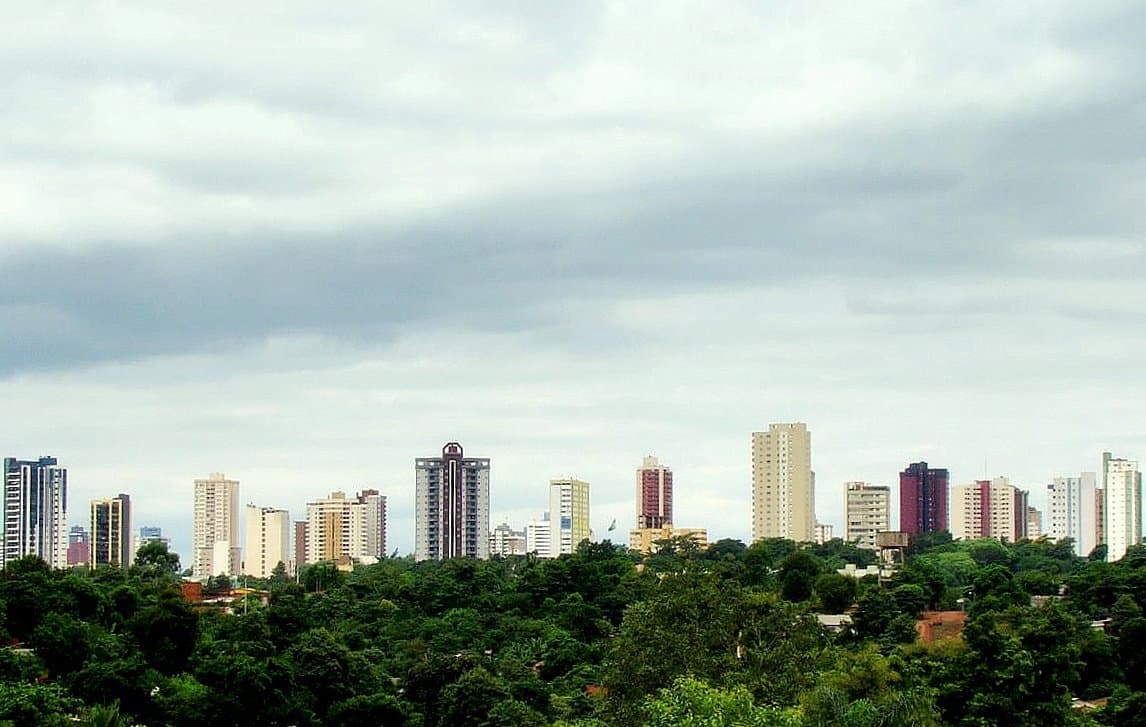
Foz do Iguaçu
THE QUICK VERDICT
By Anthony · Updated April 2026
Choose Foz do Iguaçu if You want the panoramic, postcard view of Iguazu Falls plus the Itaipu Dam, the world's largest bird park, and easy day-tripping into Argentina and Paraguay from a single base..
- Best for
- Brazilian-side panoramic falls walk, Argentine-side Devil's Throat catwalk, Itaipu Dam, Parque das Aves
- Best window
- Apr–Sep
- Budget anchor
- $90/day mid-range
- Skip if
- you want a walkable city base — the town itself sprawls and you'll need taxis or tours daily
Foz do Iguaçu is the Brazilian launchpad for one of the planet's great spectacles — 275 individual waterfalls thundering across a 2.7 km horseshoe of basalt cliffs on the Paraná-Argentina border. The Brazilian side gives you the panoramic, postcard view of the falls (Argentina's side puts you on top of them, and most travellers do both). Beyond the cataratas, the city is the Tríplice Fronteira where Brazil, Argentina, and Paraguay meet, home to the Itaipu hydroelectric dam (the second-largest in the world) and a surprisingly diverse Lebanese-Brazilian-Paraguayan food scene built around shawarma, churrasco, and Paraguayan chipa.
The two links below are affiliate links — MapSorted earns a small commission if you book through them, at no extra cost to you. How this works.
Tours & Experiences
Bookable tours, activities, and day trips in Foz do Iguaçu
Where to Stay
Compare hotels and rentals in Foz do Iguaçu
📍 Points of Interest
Cataratas do Iguaçu (Brazilian Side)· 22 km SE
1.2 km panoramic walkway facing the falls — Devil's Throat catwalk, 275 individual cataracts in view
Cataratas Argentine Side· 22 km SE
Garganta del Diablo platform directly above the central plunge, plus Lower and Upper Circuit catwalks
Itaipu Hydroelectric Dam· 16 km N
World's second-largest hydroelectric dam — Panoramic Tour across the top, Special Tour into the powerhouse
Parque das Aves (Bird Park)· 13 km SE
16-hectare Atlantic Forest bird rescue and conservation park — toucans, macaws, harpy eagle
Marco das Três Fronteiras
Triple-border landmark where Brazil, Argentina and Paraguay meet — sunset light show
Templo Budista Chen Tien
Hilltop Chinese Buddhist temple with 120+ saint statues and a 7m gold-leaf Buddha
Mesquita Omar Ibn Al-Khattab
Brazil's largest mosque — built 1981 by the Lebanese-Brazilian community, free guided tours
Macuco Safari Boat· 22 km SE
Speedboat ride into the cataracts — 12 minutes of being soaked beneath the smaller falls
★ Local Picks
Trilha Macuco (Forest Walk)· 21 km SE
3 km loop through Atlantic Forest to a swimmable hidden waterfall — far quieter than the main catwalks
Refúgio Biológico Bela Vista (Itaipu)· 13 km N
Free Itaipu wildlife reserve with capybaras, tapirs, ocelots, and a short forest trail — book online
At a Glance
- Pop.
- 300K (city) / 850K (Tríplice Fronteira metro)
- Timezone
- Sao Paulo
- Dial
- +55
- Emergency
- 190 / 192
Iguazu Falls is the largest waterfall system in the world by volume — 275 individual cataracts spread across a 2.7 km horseshoe of basalt cliffs, with the central Devil's Throat alone dropping 80 m
The Brazilian side gives you the panoramic, postcard view of the falls from across the gorge; the Argentine side puts you on top of them via a network of catwalks. Most travellers do both — a half-day in Brazil, a full day in Argentina
Foz do Iguaçu sits at the Tríplice Fronteira (Triple Frontier) where Brazil, Argentina (Puerto Iguazú) and Paraguay (Ciudad del Este) meet — three countries, three currencies, and three very different shopping experiences within 20 km
The Itaipu Hydroelectric Dam — built jointly by Brazil and Paraguay between 1975 and 1991 — was the world's largest until China's Three Gorges came online in 2008 and remains the second-largest. It supplies ~10% of Brazil's electricity and ~85% of Paraguay's
Foz has one of the largest Lebanese-Brazilian populations outside São Paulo (~30,000) thanks to early-20th-century migration to the border trading economy — the result is a city where shawarma and esfihas are as easy to find as feijoada
Parque Nacional do Iguaçu (the Brazilian park) was inscribed as a UNESCO World Heritage Site in 1986; the adjacent Argentine park was inscribed in 1984. Together they protect ~250,000 hectares of subtropical Atlantic Forest, home to jaguars, tapirs, and 400+ bird species
Top Sights
Cataratas do Iguaçu — Brazilian Side
🌿The 1.2 km panoramic walkway along the cliff edge facing the falls — you walk past dozens of viewpoints and end on a steel catwalk that pushes out into the Devil's Throat itself, where you get soaked. Plan a half-day; entry R$95 for foreigners (2026), park bus included. The most photographed Brazilian-side viewpoint is from the elevated platform at Porto Canoas. Avoid weekends if possible — Argentine, Brazilian, and Paraguayan day-trippers all converge.
Cataratas do Iguaçu — Argentine Side
🌿A full day across the Tancredo Neves international bridge — you pass Argentine immigration (Brazilians and visa-free nationalities cross freely) and reach Parque Nacional Iguazú in Puerto Iguazú, where a small narrow-gauge train carries you to the Garganta del Diablo platform — the single most spectacular spot on the entire system, where you stand directly above the 80m central plunge. Lower and Upper Circuits add 3-4 hours of additional catwalks. ARS pricing varies wildly with inflation; budget USD 30-40 entry. Bring your passport.
Itaipu Binacional Dam
🗼The world's second-largest hydroelectric plant — 7.7 km long, 196 m tall, and producing 14,000 MW. The Panoramic Tour (R$85, 1.5 hr, English audio guide) drives you across the dam top with stops at the spillway. The Special Tour (R$215, 2.5 hr) takes you down inside the powerhouse to see the turbines. Visits run Tuesday-Sunday; book online a day ahead. The spillway runs only when reservoir levels are high (typically Dec-Feb) — when it does, it's a second waterfall in itself.
Parque das Aves (Bird Park)
📌A 16-hectare private rescue and conservation park directly opposite the entrance to the Brazilian falls — most visitors combine the two on the same day. You walk through immersive aviaries with toucans, macaws, hummingbirds, and the harpy eagle (the largest raptor in the Americas). It's Brazil's best-organised bird park and the only place outside the rainforest where you reliably see Atlantic Forest species at arm's length. R$95 entry; allow 2 hours.
Macuco Safari (Boat into the Falls)
📌A speedboat trip that drives you directly under the smaller falls on the Brazilian side — 12 minutes of being completely soaked, in a wetsuit-equivalent dry bag for your camera. Operated by Macuco Safari (the only concessionaire) inside the Brazilian park. R$370 (2026); allow 2 hours including the truck transfer through the forest. You will get wet — bring swim clothes underneath. The Argentine equivalent (Iguazú Jungle) goes under the bigger Argentine cataracts but costs roughly the same in USD.
Marco das Três Fronteiras
🗼The triple-border landmark on the Brazilian shore where the Iguaçu and Paraná rivers meet — across the water you see the Argentine and Paraguayan obelisks marking the same point on their respective banks. Each country built a coloured concrete obelisk in its national colours. The Brazilian site (R$50, sunset slot is best) has a small museum, a viewing platform, and an evening light-and-sound show. More photogenic than profound but worth 90 minutes at golden hour.
Templo Budista Chen Tien
🗼A surprising hilltop Chinese Buddhist temple — built by the local Chinese community in the 1990s — with 120+ statues of saints lining a stepped courtyard, a 7m gold-leaf Buddha at the summit, and a free panoramic view across Foz. No entry fee (donations welcome). 30-minute visit; especially photogenic at sunset. Pair with a Lebanese lunch on Avenida Brasil downtown.
Mesquita Omar Ibn Al-Khattab
🗼The largest mosque in Brazil — built in 1981 by the Lebanese community and modelled on Mecca's Al-Aqsa. Free guided tours daily (Mon-Sat) by community members, in Portuguese and English; women are loaned headscarves at the entrance. 30 minutes is enough. Combined with the Buddhist temple, the Hindu temple in Ciudad del Este, and the local Catholic and Orthodox churches, Foz is one of the most religiously diverse small cities in South America.
Helicopter Flight (Helisul)
📌The 10-minute helicopter loop over the Brazilian falls — operated only from the Brazilian side (Argentina banned overflights in 2007 to reduce tourist disturbance to the wildlife). USD 175 per person (price fixed in dollars; subject to fuel surcharge). The view is genuinely incredible — the entire horseshoe is visible from 200m up. The 35-minute extended flight (USD 380) adds the Itaipu dam. Departs from Helisul base directly opposite the Bird Park.
Compras in Ciudad del Este (Paraguay)
📌A genuinely chaotic Paraguayan border-shopping experience — electronics, perfumes, cosmetics, and counterfeit everything sold at duty-free prices in the Shopping Paris and the streets surrounding it. Brazilians cross by the thousand every weekend. Foreign tourists go for the spectacle more than the bargains; bring your passport, cross before noon, and be back in Brazil by 16:00. The Friendship Bridge can take 1-3 hours each way at peak. Not for the faint of heart but a genuine border experience.
Climate & Best Time to Go
Foz has a humid subtropical climate — hot, humid summers (Dec-Mar) with afternoon thunderstorms; mild, drier winters (Jun-Aug) with comfortable temperatures and the occasional cold front. The falls run year-round but at very different volumes. Dry-season volume (May-Sep) gives you crisp views of the cataracts and clear catwalks; wet-season volume (Dec-Mar) is overwhelming spray, occasional partial closures of catwalks, and the Devil's Throat sometimes invisible behind its own mist.
Summer (Wet Season)
December - March72 to 95°F
22 to 35°C
Hot, humid, and the falls at maximum volume — the Devil's Throat sometimes vanishes inside its own spray, and the Argentine catwalks closest to it can be closed for safety. Daily afternoon thunderstorms; mornings usually clear. Brazilian school holidays (mid-Dec to Feb) mean peak crowds.
Autumn
April - May59 to 82°F
15 to 28°C
The first sweet spot — falls still high-volume from the summer rains but humidity drops, crowds thin, and afternoon storms become rare. Mid-April to mid-May is one of the two best windows for a visit.
Winter (Dry Season)
June - August46 to 75°F
8 to 24°C
Dry, cool, and the most comfortable months for hiking and spending the full day on the catwalks — the spray-mist is at its lowest, so you can see the cataracts without getting soaked. Occasional cold fronts (frente fria) drop daytime temps below 15°C for 2-3 days at a time. Pack a fleece. Falls volume is at its lowest of the year but still impressive.
Spring
September - November59 to 86°F
15 to 30°C
The second sweet spot — warming up but rain still moderate, falls volume climbing as the spring rains begin in the upstream catchment. October is generally considered the single best month: comfortable, lower crowds, full-volume falls, and the spillway at Itaipu starting to run.
Best Time to Visit
April-May and September-October are the optimal windows — comfortable temperatures, manageable crowds, the falls at high but not overwhelming volume, and the spillway at Itaipu often running. December-March is summer peak: highest falls volume but maximum heat, humidity, crowds, and Brazilian school holidays. June-August is the dry season: cool, comfortable, lower volume but easier to see the cataracts without spray-mist.
Summer / Wet Season (December - March)
Crowds: Very high (peak season)Hot, humid, and the falls at maximum — the Devil's Throat sometimes vanishes in its own spray. Daily afternoon thunderstorms; mornings usually clear. Brazilian school holidays peak the crowds.
Pros
- + Falls at maximum volume
- + Itaipu spillway most likely to run
- + Long daylight (sunset 19:30)
- + Atlantic Forest at its lushest
Cons
- − Heat and humidity (35°C)
- − Daily thunderstorms
- − Maximum crowds
- − Highest hotel prices
- − Some catwalks closed in extreme spray
Autumn (April - May)
Crowds: ModerateThe first sweet spot — falls still high-volume from summer rains but humidity drops, crowds thin. Mid-April to mid-May is ideal.
Pros
- + Comfortable temperatures
- + Lower crowds than summer
- + Falls still high-volume
- + Hotel prices drop after Carnival
- + Less rain
Cons
- − Cool mornings (15°C)
- − Some lingering humidity
- − Argentine pesos volatile around the May-June fiscal year
Winter / Dry Season (June - August)
Crowds: Moderate (Brazilian winter holidays in July push crowds back up)Cool and dry — most comfortable for spending all day on catwalks. Lower falls volume but less spray-mist means you can see the cataracts clearly.
Pros
- + Most comfortable temperatures
- + Less spray-mist, clearer views
- + Lower humidity
- + Cheaper accommodation outside July school holidays
Cons
- − Lower falls volume
- − Cold fronts can drop temps below 10°C for 2-3 days
- − Itaipu spillway typically closed
- − Short daylight (sunset 17:30)
Spring (September - November)
Crowds: Low to moderateThe second sweet spot — warming up, crowds thin, falls volume climbing. October is widely considered the single best month.
Pros
- + Best balance of weather and falls volume
- + Lowest crowds of the year
- + Spring rains start the spillway running
- + Most pleasant for both falls and Itaipu
Cons
- − Some afternoon storms returning by November
- − Pollen sensitive may notice
🎉 Festivals & Events
Carnival
February or early MarchBrazilian Carnival is celebrated in Foz with street parties (blocos) along Avenida Brasil and at the Sambódromo — much smaller than Rio or Salvador but a genuine local party. Hotel prices spike for the long weekend.
Festival das Cataratas
JuneA two-week tourism trade fair and cultural festival at the Bourbon Cataratas Convention Center — concerts, gastronomy, and a chance to see the city in festival mode. Less of a tourist draw than a trade event.
Festa das Nações (Festival of Nations)
JulyThe Lebanese, Italian, German, Portuguese, and Paraguayan communities of Foz each set up food and culture pavilions for two weeks at the Centro de Eventos do Lago — the most authentic local celebration of the city's immigrant identity.
Itaipu Sound and Light Show
Year-round (Friday and Saturday evenings)A nighttime sound-and-light show projected onto the dam — included in the standard Itaipu Panoramic Tour or as a standalone evening visit (R$120). Especially atmospheric in spring and summer.
Off the Beaten Path
Lebanese Lunch on Avenida Brasil
Avenida Brasil (the central downtown axis) is lined with Lebanese-Brazilian restaurants run by 2nd- and 3rd-generation Lebanese families — Bufalo Branco for grilled meats and Lebanese mezze, Tropicana for shawarma and esfihas. Two people eat enormously for R$80-120 (~$16-24).
Foz's 30,000-strong Lebanese community arrived for the border trade in the early 1900s and never left — the result is genuinely good shawarma, esfihas, kibbeh, and tabouli at small-town Brazilian prices. Most foreign tourists never leave the Cataratas Avenida resort strip and miss it entirely.
Sunrise at the Falls (Hotel das Cataratas guests only)
The Belmond Hotel das Cataratas is the only hotel inside the Brazilian national park — guests can enter the park before opening (07:00 vs the public 09:00) and have the falls completely empty for the first 90 minutes of daylight. Rooms start ~R$2,800 (~$560)/night but it includes the entry fees.
You will literally have one of the great natural wonders of the world to yourself for an hour and a half. No other accommodation arrangement on the Brazilian side comes close — and the breakfast on the terrace facing the gorge is a standalone experience.
Trilha Macuco (Forest Walk + Hidden Waterfall)
A free 3 km loop trail inside the Brazilian park that branches off from the main walkway — most tourists skip it entirely because they don't see the entrance. The trail winds through Atlantic Forest to a swimmable hidden waterfall (Salto Macuco) you can stand under. Wear hiking shoes; allow 2-3 hours including swim time.
You can be 15 minutes' walk from the Devil's Throat platform (which has 5,000 people on it) and have a forest waterfall completely to yourself. The trail is well-maintained and signposted, just not advertised on most operator brochures.
Refúgio Biológico Bela Vista (Free Itaipu Wildlife Reserve)
A free Itaipu-operated wildlife refuge 5 km from the dam, with native Atlantic Forest species (capybaras, tapirs, jaguarundis, ocelots) in large enclosures and a short forest trail. Reservations required online (free). Most Itaipu visitors take the dam tour and leave; the refuge gives you 2 hours of forest and animal-spotting at zero cost.
A genuinely well-funded conservation reserve hidden inside the Itaipu binational area — and free. The animal enclosures are large and naturalistic; this is rescue and rehabilitation, not a zoo.
Safety Breakdown
Moderate
out of 100
Foz is safer than its border-city reputation suggests — the historic perception was shaped by Ciudad del Este (Paraguay) cross-border crime, not Foz itself. Tourist areas (the Cataratas avenue resort strip, Avenida das Cataratas, the national park) are heavily policed and largely trouble-free. Downtown Foz can feel sketchy at night; petty theft and phone snatching are the main concerns. Stay alert at the Friendship Bridge and in Ciudad del Este, and you'll likely have no issues.
Things to Know
- •The tourist resort strip on Avenida das Cataratas (where most international hotels are) is well-lit and patrolled — generally fine to walk in the evening
- •Downtown Foz (Avenida Brasil and the bus station area) feels rougher after dark — use Uber after 20:00 rather than walk
- •In Ciudad del Este (Paraguay) — keep your passport and cash in a money belt, leave your watch at the hotel, don't use your phone in the street, and be back across the bridge by 16:00. Most pickpocket and phone-snatching incidents involving Brazil-side tourists happen here
- •The Friendship Bridge between Brazil and Paraguay is heavily congested most days; allow 1-3 hours each way. Brazilians and visa-free nationalities are not normally stamped — keep your passport out anyway
- •Inside the national parks, sticking to marked trails is essential — coatis (raccoon-like animals at the falls) are tame-looking but bite if you feed them, and the parks have venomous snakes off-trail
- •Use Uber and 99 (both work in Foz) rather than street taxis — the official airport taxi monopoly was broken in 2024 and Uber is now allowed all the way to the door
- •For Argentina day trips, your passport is essential — Argentine immigration may stamp Brazilians (they don't have to) and will stamp foreign nationalities. Don't lose the entry slip
- •Drink only bottled or filtered water — Foz tap water is treated but inconsistent; most hotels provide bottled water
Natural Hazards
Emergency Numbers
Police (Military Police)
190
Ambulance (SAMU)
192
Fire Department
193
Tourist Police (Polícia Turística)
+55 45 3521-1465
National Park Emergency
+55 45 3529-8383
Costs & Currency
Where the money goes
USD per dayBackpacker = hostel dorm + street food + public transit. Mid-range = 3-star hotel + neighbourhood restaurants + transit cards. Luxury = 4/5-star + fine dining + taxis. How we calibrate these numbers →
Quick cost estimate
Customize per category →Estimates based on regional averages. Flight prices vary by season and airline.
budget
$30-55
Hostel dorm in downtown Foz, Lebanese lunches, public bus 120 to the falls, free Itaipu Refúgio Bela Vista, single side of the falls
mid-range
$70-130
Three-star hotel on Cataratas Avenue, restaurant dinners with caipirinha, Uber to the falls, both Brazilian and Argentine sides plus the dam tour
luxury
$300-700
Belmond Hotel das Cataratas inside the park (or Loi Suites in Argentina), private bilingual guide, helicopter flight, Special Tour at Itaipu, fine dining at the hotel
Typical Costs
| Item | Local | USD |
|---|---|---|
| AccommodationHostel dorm (downtown) | R$60-110/night | $12-22 |
| AccommodationMid-range hotel double (Cataratas Ave) | R$320-650/night | $64-130 |
| AccommodationBelmond Hotel das Cataratas (in park) | R$2,800-6,000/night | $560-1,200 |
| FoodLebanese lunch on Avenida Brasil (per person) | R$40-70 | $8-14 |
| FoodMid-range dinner with caipirinha | R$80-150 | $16-30 |
| FoodPer-kilo buffet lunch (R$/kg) | R$60-90/kg | $12-18/kg |
| FoodCaipirinha at a bar | R$18-35 | $3.60-7 |
| FoodBottle of beer (Brahma or Skol) | R$8-15 | $1.60-3 |
| TransportUber airport → downtown | R$40-60 | $8-12 |
| TransportPublic bus 120 to the falls | R$5.50 | $1.10 |
| TransportUber to Argentine border | R$50-80 | $10-16 |
| AttractionsBrazilian falls entry (foreigner) | R$95 | $19 |
| AttractionsArgentine falls entry (foreigner USD-pegged) | ~$30-40 USD | $30-40 |
| AttractionsBird Park (Parque das Aves) | R$95 | $19 |
| AttractionsItaipu Panoramic Tour | R$85 | $17 |
| AttractionsItaipu Special Tour (powerhouse) | R$215 | $43 |
| AttractionsMacuco Safari boat ride | R$370 | $74 |
| AttractionsHelisul 10-min helicopter flight | USD 175 | $175 |
💡 Money-Saving Tips
- •Take Linha 120 public bus to the falls for R$5.50 instead of a R$70-100 taxi — same access, slightly slower
- •The Brazilian-side bus shuttle inside the park is included in the ticket — there's no extra fee for moving between viewpoints
- •Skip the Macuco Safari boat ride — the Devil's Throat catwalk gets you equally soaked for free
- •The Refúgio Bela Vista wildlife reserve (Itaipu) is free — book online, allow 2 hours
- •Eat Lebanese on Avenida Brasil instead of at the resort strip — R$40-70 lunch versus R$120+ at hotels
- •Cross to Argentina by Uber to the border (R$50) and walk the bridge — much cheaper than booked transfers (~R$200)
- •Bring USD cash for Argentine day trips — restaurants and shops give you the blue dollar rate (30-50% better than ATM withdrawals)
- •Buy bus tickets at the rodoviária a day or two ahead for the best price — São Paulo bus is R$280-450 depending on operator and timing
Brazilian Real
Code: BRL
1 USD is approximately 5.0 BRL (early 2026). ATMs are widespread in Foz — Banco do Brasil and Bradesco are the most reliable for foreign cards. The Argentine side runs on pesos with severe inflation; bring USD cash for the best Argentine rates (a phenomenon known as the "blue dollar" rate gives you 30-50% more pesos for cash USD than ATMs do). Paraguayan side accepts USD, BRL, and guaraníes interchangeably. PIX (Brazilian instant bank transfer) is universal in Foz; foreign visitors generally pay by card or cash.
Payment Methods
Credit cards (Visa, Mastercard) accepted everywhere except small street vendors. Amex less widely accepted. Carry some cash for buses (R$5.50), small purchases, and the Argentine and Paraguayan sides. Cash USD is the best currency for Argentina day trips — physically hand over USD bills at restaurants and hotels for the unofficial blue dollar rate.
Tipping Guide
Most restaurants add a 10% "serviço" charge to the bill. This is optional but customary to pay. If not included, 10% is standard.
Not expected at casual bars. At cocktail bars or for table service, rounding up or R$2-5 is generous.
R$5-10 (~$1-2) per bag for porters. R$5-10 per day for housekeeping, left in an envelope on the pillow.
Not expected for ride-hailing apps. For street taxis, rounding up to the nearest R$5 is common.
R$30-60 (~$6-12) per person for a half-day tour, R$50-100 for a full day. More for private guides.
Not expected; the service is included.
How to Get There
✈️ Airports
Foz do Iguaçu International Airport (Cataratas)(IGU)
13 km southeast of downtownUber/99 to downtown R$40-60 (~$8-12, 20 min); to Cataratas Avenue hotels R$25-35 (~$5-7, 10 min). Public bus 120 stops at the airport (R$5.50). Many international hotels offer free shuttles. Domestic-focused airport — direct flights from São Paulo (GRU and CGH), Rio (GIG and SDU), Curitiba, Porto Alegre, Brasília, and Belo Horizonte on LATAM, GOL, and Azul. International routes from Lima, Buenos Aires (seasonal), Asunción, and Santiago.
✈️ Search flights to IGUCataratas del Iguazú International Airport (Argentine side)(IGR)
18 km west (Puerto Iguazú, Argentina)Less convenient if you're staying in Foz — international flights to Buenos Aires (Aerolíneas Argentinas, FlyBondi) only. If you fly into IGR you'll need an international transfer (~R$200, 60 min including border crossing) to Foz hotels.
✈️ Search flights to IGRGuaraní International Airport (Ciudad del Este, Paraguay)(AGT)
32 km southwestLimited international service — mostly Asunción flights on Paraguayan Airlines. Convenient only if you're flying internally within Paraguay.
✈️ Search flights to AGT🚌 Bus Terminals
Terminal Rodoviário Internacional
Foz's main long-distance bus terminal, 4 km north of downtown. Daily departures to São Paulo (16 hr, R$280-450), Rio de Janeiro (22 hr, R$350-550), Curitiba (9 hr, R$180-260), Florianópolis (13 hr, R$220-320), and across the border to Asunción (5 hr, R$100), Buenos Aires via Posadas (18 hr), and Santiago de Chile via Mendoza. Major operators: Pluma, Catarinense, Crucero del Norte. Long-haul Brazilian buses are surprisingly comfortable (leito reclining seats) but slow.
Terminal de Transporte Urbano (TTU)
Downtown city bus terminal — origin for Linha 120 to the falls, the Argentine border, and the Itaipu dam. R$5.50 single fare cash.
Getting Around
Foz is a small city — distances are short but spread out across a low-density urban grid. The tourist areas (the Cataratas Avenue resort strip and the national park) are 8-12 km from downtown, and walking between them is impractical. Uber and 99 work well throughout Foz and to the Argentine border; both are cheaper than taxis. There's a basic public bus system (Linha 120 connects downtown to the falls) but most foreign visitors stick to ride-shares or organised tours.
Uber / 99
R$15-50 (~$3-10) most tripsBoth apps work throughout Foz (and across the border to Puerto Iguazú in Argentina) with transparent pricing. The default for tourists. Falls (national park) to downtown ~R$30 (~$6); airport to downtown ~R$50 (~$10).
Best for: Most travel — airport, falls, restaurants, the Itaipu dam
Linha 120 (City Bus to Falls)
R$5.50 (~$1.10)Public bus 120 from the Terminal de Transporte Urbano downtown to the Brazilian park entrance — runs every 22 minutes 05:30-22:00. R$5.50 (~$1.10) cash. Stops at major hotels along Avenida das Cataratas. The cheapest way to the falls; takes 50-60 minutes including stops. Most tourists prefer Uber.
Best for: Budget travel from downtown to the falls
Rental Car
R$140-260 (~$28-52) per day plus fuelUseful if you want maximum flexibility for both sides of the falls and the dam — most international agencies (Localiza, Movida, Hertz) at the airport. Crossing into Argentina with a rental requires written permission and Argentine third-party insurance (~$15/day add-on); most visitors leave the car in Foz and take a transfer or Uber for the Argentine day. Fuel ~R$6.20/litre (~$5/US gallon).
Best for: Maximum flexibility, multiple side trips, larger groups
Street Taxi
R$70-120 (~$14-24) most tripsAvailable at the airport, downtown, and major hotels. More expensive than Uber and historically the source of overcharging complaints — agree the fare before getting in. Airport to downtown R$80-120; downtown to falls R$70-100.
Best for: When Uber surge pricing is high or no driver is nearby
Tour Operator Transfers
R$80-150 (~$16-30) per personMost hotels can book a private transfer to either side of the falls, the dam, or the bird park — ~R$80-150 per person depending on group size, includes pickup and waiting. Convenient if you want a guide; not strictly necessary.
Best for: First-time visitors who want a guide and English-speaking driver
Walkability
Foz itself is not very walkable — distances are large and most attractions are spread along the Cataratas Avenue or in suburban areas. Within the national parks (both sides) walking is the main mode and the catwalks are flat and accessible. Downtown Foz around Avenida Brasil is walkable for restaurant-hopping during the day.
Travel Connections
Puerto Iguazú
The Argentine side town — quieter and more compact than Foz, with a small handful of restaurants on the Hito Tres Fronteras viewpoint and direct access to the Argentine national park. Most visitors stay in Foz and day-trip across; some prefer the Argentine side as a base.
Ciudad del Este (Paraguay)
Paraguay's second-largest city and South America's biggest border-shopping hub — chaotic, fascinating, and not particularly safe (keep cash buried, leave the watch at the hotel). Day trip only; bring your passport.
Curitiba
The capital of Paraná state — Brazil's most planned city, famous for its public transport, parks, and the Oscar Niemeyer Museum. The natural connecting point if you're crossing Brazil east-west; most international flights to Foz route through here or São Paulo.

São Paulo
Brazil's megalopolis and the most likely connecting hub for international visitors — direct flights from Foz on LATAM, GOL, Azul. Combine the falls with 2-3 days of São Paulo restaurants and museums for a balanced trip.

Rio de Janeiro
Direct flights on LATAM, GOL, Azul — the classic Brazilian itinerary pairs Rio (4-5 days) with the falls (2-3 days). No reasonable bus option; fly.
Entry Requirements
Brazil offers visa-free entry to most Western nationalities for tourism stays up to 90 days within any 180-day period. The Brazilian e-visa for US, Canadian, and Australian citizens — initially scheduled to take effect in 2024 and then 2025 — has been postponed multiple times; as of early 2026 these nationalities still enter visa-free, but check the latest before travel. For day trips into Argentina (Iguazú falls Argentine side) and Paraguay (Ciudad del Este) a passport is essential. Argentine immigration may but does not always stamp Brazil-side visitors crossing for the day; Paraguayan immigration generally does not stamp.
Entry Requirements by Nationality
| Nationality | Visa Required | Max Stay | Notes |
|---|---|---|---|
| US Citizens | Visa-free | 90 days in any 180-day period | Visa-free for tourism (current as of early 2026; the much-postponed e-visa requirement may take effect — verify before travel). Passport must be valid 6+ months beyond entry. |
| UK Citizens | Visa-free | 90 days in any 180-day period | Visa-free for tourism. Passport valid 6+ months beyond entry. |
| EU Citizens | Visa-free | 90 days in any 180-day period | Visa-free for tourism. Standard Schengen-area passport rules. |
| Canadian Citizens | Visa-free | 90 days in any 180-day period | Visa-free for tourism (current; verify the e-visa status before travel). |
| Australian Citizens | Visa-free | 90 days in any 180-day period | Visa-free for tourism (current; verify the e-visa status before travel). |
Visa-Free Entry
Tips
- •Crossing into Argentina for the Iguazú day trip — bring your passport. Argentine immigration may stamp foreign nationalities entering at Puerto Iguazú; keep the entry slip
- •Crossing into Paraguay (Ciudad del Este) — passport essential, even though both Brazilian and Paraguayan immigration generally do not stamp day-trippers. Carry a copy of your Brazilian entry stamp as backup
- •Yellow fever vaccination is officially required if you're entering Brazil from a country with risk (most South American and African countries) — not normally checked for direct flights from Europe or North America, but advisable. The vaccine is available free at airport health posts in São Paulo and Rio
- •The Brazilian Federal Police entry stamp is what counts — your 90 days starts the day they stamp you in. Overstays trigger a R$8-100/day fine at exit
- •Argentine pesos are best obtained at the border for cash USD at the blue dollar rate — don't bother with ATM withdrawals
- •Driving from Brazil into Argentina with a rental car requires written permission from the rental agency and Argentine third-party insurance (~$15/day add-on)
Shopping
Foz's shopping divides cleanly into three border experiences: respectable Brazilian malls and souvenirs in Foz proper; chaotic duty-free electronics and counterfeit goods across the bridge in Ciudad del Este (Paraguay); and small-town artisan crafts in Puerto Iguazú (Argentina). The Brazilian falls park has a small but reasonable gift shop; most authentic Brazilian souvenirs are easier to source in Rio or São Paulo.
Avenida Brasil (Downtown)
main commercial streetFoz's central shopping spine — Lebanese restaurants, sportswear, mid-range Brazilian fashion, and the central market. Casual and Brazilian-priced. Best for everyday souvenirs and a window into the daily life of the city.
Known for: Lebanese restaurants, mid-range Brazilian fashion, small electronics
Catuaí Palladium Shopping
modern mallFoz's largest modern shopping mall — Brazilian fashion brands (Renner, C&A, Hering, Riachuelo), supermarkets, food court, cinema. Open until 22:00. Useful for everyday needs and air-conditioned escape from the heat. ~5 km from downtown.
Known for: Brazilian fashion brands, supermarkets, cinema, food court
Ciudad del Este Shopping (Paraguay)
border shopping districtAcross the Friendship Bridge — Shopping Paris, Shopping Mona Lisa, and the surrounding streets are a duty-free electronics, perfumes, and counterfeit-goods bazaar. Cash US dollars or Brazilian reais accepted everywhere. Genuinely chaotic; not particularly safe; bring your passport, a money belt, and your wits.
Known for: Electronics, perfumes, branded knock-offs, counterfeit watches and bags
Puerto Iguazú Hito Tres Fronteras Crafts
artisan craft areaOn the Argentine side near the Three Frontiers viewpoint — small craft stalls selling Argentine-Guaraní crafts (mate gourds, leather, silver jewellery, wooden carvings). Better-quality and more authentic than the Brazilian-side equivalent. Pay in pesos or USD.
Known for: Mate gourds, leather, silver, wooden carvings
🎁 Unique Souvenirs to Look For
- •Mate gourd and bombilla set from Argentine craft stalls — €15-40 for a working set, the iconic South American drinking ritual
- •Cachaça or pinga (Brazilian sugarcane spirit) from a Foz supermarket — R$25-100 (~$5-20) for a serious bottle, far cheaper than airport prices
- •Chamamé music CD or vinyl from Puerto Iguazú — the local Argentine-Paraguayan folk style, virtually unknown outside the region
- •Brazilian Havaianas flip-flops at downtown shoe stores — R$30-50 (~$6-10) for a pair, Brazil-side prices
- •Itaipu Binacional energy-themed merchandise from the dam visitor centre — engineering-nerd gift territory, surprisingly good quality
- •Fresh-roasted Brazilian coffee from a downtown supermarket — the Brazilian Specialty Coffee Association has put serious origin coffees in supermarkets at R$40-80 for 250g
Language & Phrases
Brazilian Portuguese is the language of Foz. Spanish gets you understood (the Argentine and Paraguayan border populations are bilingual), but locals appreciate Portuguese effort. English proficiency is moderate at international hotels and tour operators, limited elsewhere. The Lebanese-Brazilian community generally speaks both Portuguese and Arabic at home.
| English | Translation | Pronunciation |
|---|---|---|
| Hello | Olá / Oi | oh-LAH / OY |
| Good morning | Bom dia | bom JEE-ah |
| Good evening | Boa noite | BOH-ah NOY-chee |
| Please | Por favor | por fah-VOR |
| Thank you | Obrigado / Obrigada (m/f) | oh-bree-GAH-doo / oh-bree-GAH-dah |
| Yes / No | Sim / Não | seem / now |
| How much? | Quanto custa? | KWAN-too KOOS-tah? |
| The bill, please | A conta, por favor | ah KOHN-tah por fah-VOR |
| Where is...? | Onde fica...? | OHN-jee FEE-kah? |
| I don't speak Portuguese | Não falo português | now FAH-loo por-too-GES |
| Two beers, please | Duas cervejas, por favor | DOO-as ser-VEY-zhas por fah-VOR |
| Cheers! | Saúde! | sah-OO-jee |
If you like Foz do Iguaçu, you'll love…
4 cities with a similar vibe, outside of the same country.

Indonesia · OVR 68
strong food culture · stretches your budget

Indonesia · OVR 69
reliable wifi, decent English · reliable eating scene

Indonesia · OVR 66
workable for remote days · genuinely affordable
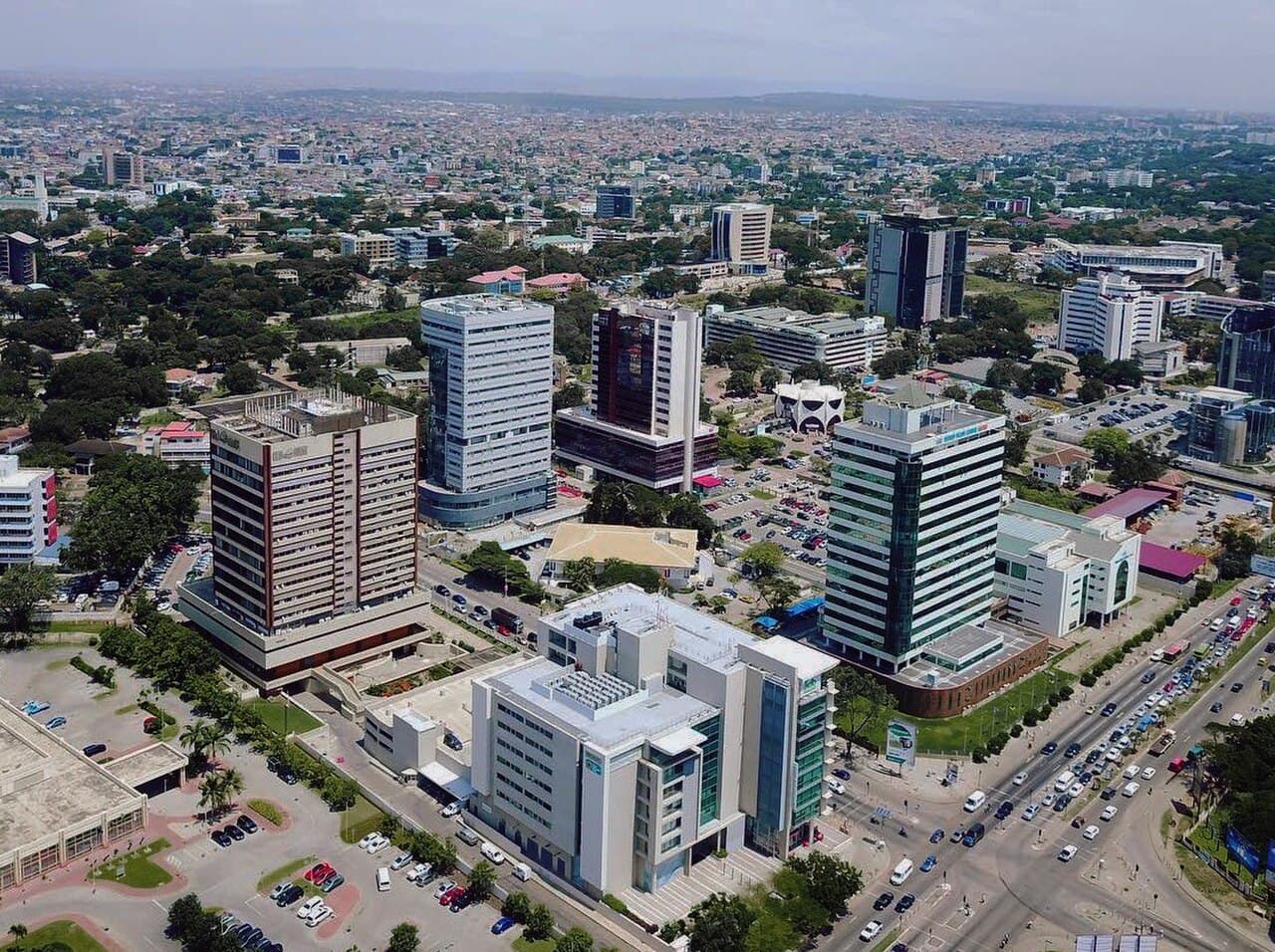
Ghana · OVR 65
strong food culture · not wallet-breaking