
Rio de Janeiro
THE QUICK VERDICT
By Anthony · Updated June 2026
Choose Rio de Janeiro if you want Brazil's most photogenic city — Copacabana, Ipanema, Christ the Redeemer, Sugarloaf, samba at Lapa, and Carnival if you dare.
- Best for
- Sunday Ipanema feira, Lapa samba clubs, Pão de Açúcar cable car at dusk, Pedra Bonita hang-gliding
- Two seasons
- Apr–Jun and Sep–Nov
- Budget anchor
- $120/day mid-range
- Needs care
- Scores below most of the catalog on safety — read that section before you go
- Skip if
- you don't want to street-smart constantly — phone snatching is daily, even on Copacabana
Rio de Janeiro is one of the world's most dramatic cities — Christ the Redeemer watches over a landscape of granite peaks, tropical forest, and golden beaches. Copacabana and Ipanema are iconic, the Carnival is legendary, and the carioca lifestyle of samba, beach volleyball, and acai bowls is infectious. A city that pulses with energy.
The two links below are affiliate links — MapSorted earns a small commission if you book through them, at no extra cost to you. How this works.
Tours & Experiences
Bookable tours, activities, and day trips in Rio de Janeiro
Where to Stay
Compare hotels and rentals in Rio de Janeiro
📍 Points of Interest
Christ the Redeemer
Iconic 30-meter Art Deco statue atop Corcovado Mountain
Sugarloaf Mountain
Granite peak with cable car and panoramic bay views
Ipanema Beach
World-famous beach and social hub of carioca life
Escadaria Selaron
Colorful tiled staircase connecting Lapa and Santa Teresa
Tijuca National Park
World's largest urban rainforest with hiking trails
Maracana Stadium
Legendary football stadium and Olympic venue
Lapa Arches
18th-century aqueduct and gateway to Lapa nightlife
★ Local Picks
Pedra do Sal
Birthplace of samba with authentic open-air roda nights
Mureta da Urca
Iconic sunset-watching seawall where locals gather
Parque Lage
Italian mansion and cafe with Cristo framed by rainforest
At a Glance
- Pop.
- 6.7M (city), 13M (metro)
- Timezone
- Sao Paulo
- Dial
- +55
- Emergency
- 190 / 192
Christ the Redeemer atop Corcovado Mountain is one of the New Seven Wonders of the World, standing 30 meters tall with a 28-meter arm span
Rio hosted both the 2014 FIFA World Cup and 2016 Summer Olympics, the first in South America
Carnival in Rio is the largest festival in the world, attracting over 2 million people per day to the streets
The Tijuca Forest is the world's largest urban rainforest, covering over 32 square kilometers within the city
Cariocas (Rio locals) practically live on the beach — Copacabana and Ipanema are social gathering spots, not just sunbathing areas
Bossa nova music was born in the bars and apartments of Ipanema and Copacabana in the late 1950s
Top Sights
Christ the Redeemer (Cristo Redentor)
🗼The iconic Art Deco statue of Jesus Christ atop the 710-meter Corcovado Mountain. The panoramic views of the city, coastline, and Sugarloaf are breathtaking. Take the cog train through the Tijuca Forest.
Sugarloaf Mountain (Pao de Acucar)
🗼A granite monolith rising 396 meters from Guanabara Bay, reached by a two-stage cable car. Sunset rides offer some of the most spectacular views on Earth.
Ipanema Beach
🏖️The world-famous stretch of sand immortalized in bossa nova. Each section (posto) attracts a different crowd — families, surfers, LGBTQ+ community, and fashionable cariocas.
Escadaria Selaron
📌A vibrant staircase covered in over 2,000 colorful tiles from more than 60 countries, created by Chilean artist Jorge Selaron over two decades. Connects Lapa to Santa Teresa.
Santa Teresa
🏘️A bohemian hilltop neighborhood with colonial mansions, art studios, and winding streets. The yellow bondinho tram (restored after a 2011 accident) rattles through the steep lanes.
Tijuca National Park
🌳The world's largest urban rainforest with hiking trails, waterfalls, and wildlife within the city limits. The Pico da Tijuca hike (1,022 m) rewards with panoramic views.
Maracana Stadium
📌One of the world's most legendary football stadiums, hosting two World Cup finals and the 2016 Olympics. Attending a Flamengo match captures the passion of Brazilian football culture.
Lapa Arches (Arcos da Lapa)
📌A striking 18th-century aqueduct that now carries the Santa Teresa tram. Lapa comes alive at night with samba clubs, bars, and street parties, especially on Friday nights.
Safety Breakdown
Exercise Caution
out of 100
Rio is an incredible city, but safety requires awareness. Petty theft and mugging (especially phone snatching) are common in tourist areas. Favela tours should only be done with reputable guides. Most visits are trouble-free with basic street smarts.
Things to Know
- •Do not flash expensive phones, cameras, or jewelry on the street — phone snatching is the most common crime against tourists
- •Use a cheap secondary phone or keep your main phone in a discreet money belt when walking in busy areas
- •Avoid walking on the beach or through Centro after dark — use Uber or taxis for nighttime travel
- •Never wander into favelas independently — only visit with established community tourism operators
- •Use Uber or 99 app for rides instead of hailing cabs on the street — it's safer, cheaper, and eliminates fare scams
- •Copacabana can feel sketchy at night in certain stretches — stick to the well-lit, busy sections near the hotel strip
Natural Hazards
Emergency Numbers
Police (Military Police)
190
Ambulance (SAMU)
192
Fire Department
193
Tourist Police (DEAT)
21 2332-2924
Civil Defense
199
Climate & Best Time to Go
Rio has a tropical savanna climate with hot, humid summers (December-March) and warm, drier winters (June-August). It rarely drops below 20°C. The city is warm enough for beach activities year-round, though summer rain can be intense.
Summer (Wet Season)
December - March75-95°F
24-35°C
Hot, humid, and rainy with intense afternoon downpours that clear quickly. Carnival falls in February or March. Peak beach season despite the heat.
Autumn
April - May70-86°F
21-30°C
Warm and increasingly dry. Excellent beach weather without the summer humidity. One of the best times to visit with fewer crowds post-Carnival.
Winter (Dry Season)
June - August64-81°F
18-27°C
The driest and "coolest" months, though still warm by most standards. Clear skies are ideal for hiking and sightseeing. Occasional cold fronts bring brief drops.
Spring
September - November68-86°F
20-30°C
Warming up with increasing rain. Pleasant temperatures and moderate humidity. The city gears up for summer and Carnival season.
Best Time to Visit
April through June and August through October offer the best combination of warm weather, less rain, and manageable crowds. December through February is peak summer with Carnival energy but intense heat and rain. Winter (June-August) is mild and dry.
Summer (December - March)
Crowds: Very high — Carnival and peak summerHot, humid, and festive. Carnival (February/March) electrifies the city. Beaches are packed and the energy is at its peak, but expect heat, humidity, and afternoon thunderstorms.
Pros
- + Carnival is a once-in-a-lifetime experience
- + Peak beach season and outdoor energy
- + Longest days and warmest water
- + New Year's Eve at Copacabana is spectacular
Cons
- − Extreme heat and humidity (35°C+)
- − Heavy afternoon rainstorms
- − Highest hotel prices, especially during Carnival
- − Increased petty crime with larger crowds
Autumn (April - May)
Crowds: Moderate — great shoulder seasonStill warm with decreasing rain. Post-Carnival calm means fewer tourists and lower prices. Excellent beach weather without the intense summer humidity.
Pros
- + Warm, dry weather ideal for sightseeing
- + Hotel prices drop after Carnival
- + Fewer tourists
- + Comfortable hiking conditions
Cons
- − Water temperature starts cooling
- − Shorter days than summer
- − Some Carnival-related events wind down
- − Occasional cool fronts
Winter (June - August)
Crowds: Low to moderate — winter vacation brings some domestic tourismMild and dry by Rio standards (18-27°C). The driest time of year with clear skies. Still warm enough for beach visits on sunny days. Peak season for Sao Joao festivals.
Pros
- + Driest months with clear skies
- + Best visibility for mountain views and hiking
- + Lower hotel prices
- + Comfortable temperatures for active sightseeing
Cons
- − Cooler evenings may need a light jacket
- − Ocean water is cooler
- − Shorter days (sunset around 5:30 PM)
- − Less festive beach atmosphere
Spring (September - November)
Crowds: Moderate — building toward summerWarming up with some rain returning. Jacaranda trees bloom in purple across the city in October. A pleasant transition with moderate crowds and prices.
Pros
- + Pleasant warming temperatures
- + Jacaranda blooms in October
- + Good hotel value
- + City comes alive as summer approaches
Cons
- − Increasing rain from October
- − Humidity rising
- − Some beach days interrupted by rain
- − Accommodation prices start climbing toward December
🎉 Festivals & Events
Carnival
February/March (46 days before Easter)The world's biggest party with samba school parades at the Sambodromo, massive street blocos (block parties), and costumes everywhere. Book accommodation months in advance.
Reveillon (New Year's Eve)
December 31Over 2 million people dress in white and gather on Copacabana Beach for one of the world's largest New Year's celebrations with fireworks over the ocean.
Rock in Rio
September/October (biennial)One of the world's largest music festivals, held every two years in Rio with international headliners across multiple days.
Festa de Sao Joao
JuneTraditional midsummer festival with bonfires, forro music, square dancing (quadrilha), and corn-based foods. Celebrated enthusiastically in Rio's suburbs and neighboring cities.
Off the Beaten Path
Pedra do Telegrafo
A rock on Guaratiba's Pedra Branca peak that creates the illusion of standing on the edge of a cliff in photos. The hike through Atlantic Forest is scenic and the views are real.
While tourists queue at Christ the Redeemer, locals hike here for equally stunning views without the crowds. The optical illusion photos are a bonus.
Roda de Samba at Pedra do Sal
An open-air samba circle held every Monday and Friday night in the historic Afro-Brazilian neighborhood where samba was born. Live musicians, cheap beer, and dancing in the streets.
This is the birthplace of samba, and the weekly roda is a living tradition where locals come to dance and socialize. Far more authentic than Lapa's tourist-oriented samba bars.
Mureta da Urca
A low seawall at the base of Sugarloaf where locals gather at sunset with coolers of beer. No chairs, no tables — just the wall, the sunset, and the view of Guanabara Bay.
A classic carioca tradition — buying cheap beer from vendors and sitting on the wall to watch the sunset. It's the anti-bar, and it's perfect.
Feira de Sao Cristovao
A massive indoor market celebrating Northeastern Brazilian culture with live forro music, regional food, and handicrafts. Open weekends, running continuously from Friday evening to Sunday night.
A portal to the culture of Brazil's Northeast (Bahia, Pernambuco, Ceara) without leaving Rio. The food and music alone make it a destination.
Parque Lage
A public park at the base of Corcovado with a stunning Italianate mansion housing a visual arts school and a cafe in the courtyard. Christ the Redeemer looms directly above.
The cafe courtyard with its pool, palm trees, and the Cristo visible through the forest canopy above is one of Rio's most Instagrammable spots, yet surprisingly uncrowded.
Costs & Currency
Where the money goes
USD per dayBackpacker = hostel dorm + street food + public transit. Mid-range = 3-star hotel + neighbourhood restaurants + transit cards. Luxury = 4/5-star + fine dining + taxis. How we calibrate these numbers →
Quick cost estimate
Customize per category →Estimates based on regional averages. Flight prices vary by season and airline.
budget
$40-70
Hostel dorm, street food and juice bars, metro and bus, free beaches and hiking
mid-range
$100-180
Mid-range hotel in Copacabana or Ipanema, restaurants, Uber, guided tours and attractions
luxury
$300+
Beachfront hotel (Copacabana Palace, Fasano), fine dining, private tours, helicopter flight over the city
Typical Costs
| Item | Local | USD |
|---|---|---|
| AccommodationHostel dorm bed | R$60-120 | $12-24 |
| AccommodationMid-range hotel (double) | R$300-700 | $60-140 |
| AccommodationLuxury beachfront hotel | R$1,500-5,000 | $300-1,000 |
| FoodAcai bowl (large) | R$15-25 | $3-5 |
| FoodPer-kilo buffet lunch | R$40-60/kg | $8-12/kg |
| FoodDinner at mid-range restaurant | R$60-120 | $12-24 |
| FoodCaipirinha at a bar | R$18-35 | $3.60-7 |
| FoodStreet food (pastel, coxinha) | R$8-15 | $1.60-3 |
| TransportMetro single ride | R$7.50 | $1.50 |
| TransportUber across Zona Sul | R$15-40 | $3-8 |
| TransportFerry to Niteroi | R$7.70 | $1.50 |
| AttractionsChrist the Redeemer (train + entry) | R$90-130 | $18-26 |
| AttractionsSugarloaf Cable Car | R$120-180 | $24-36 |
| AttractionsMaracana football match | R$40-200 | $8-40 |
💡 Money-Saving Tips
- •Eat at per-kilo (por quilo) buffet restaurants for excellent, filling meals at fair prices — you pay by the weight of your plate
- •Buy acai and fresh juices from neighborhood juice bars rather than tourist-facing shops
- •Use the metro for the Copacabana-Ipanema-Centro corridor — it's cheap, safe, and avoids traffic
- •Free hikes in Tijuca Forest, Pedra Bonita, and Morro Dois Irmaos offer stunning views without entrance fees
- •Visit Christ the Redeemer on weekday mornings for shorter queues and clearer views
- •Buy Havaianas at local shoe stores or supermarkets for R$20-30 instead of R$50+ at tourist shops
- •The Ipanema Hippie Fair on Sundays is great for affordable, unique souvenirs direct from artisans
- •Enjoy the beach for free — bring your own mat and buy cold drinks from walking vendors at local prices
Brazilian Real
Code: BRL
1 USD is approximately 5 BRL (as of early 2026). ATMs (caixas eletronicos) are available at banks and shopping malls — use those inside banks for safety. Banco do Brasil, Bradesco, and Itau ATMs accept international cards. Avoid street money changers.
Payment Methods
Credit cards (Visa, Mastercard) are widely accepted at restaurants, shops, and hotels. PIX (instant bank transfer via QR code) has become the most common payment method for locals. Many small vendors and beach sellers are cash-only. Contactless payments are growing. Always carry some cash for street food, markets, and small purchases.
Tipping Guide
Most restaurants add a 10% "servico" charge to the bill. This is optional but customary to pay. If not included, 10% is standard.
Not expected at casual bars. At cocktail bars or for table service, rounding up or R$2-5 is generous.
R$5-10 per bag for porters. R$5-10 per day for housekeeping. Leave tips in an envelope marked for the cleaner.
Not expected for ride-hailing apps. For regular taxis, rounding up to the nearest R$5 is common.
No tip expected for beach chair and umbrella rental or food vendors. Just pay the stated price.
R$20-50 per person for a half-day tour. More for private guides or exceptional experiences.
How to Get There
✈️ Airports
Galeao - Antonio Carlos Jobim International Airport(GIG)
20 km north of CopacabanaUber/99 to Copacabana R$60-100 (~$12-20, 30-60 min depending on traffic). Premium bus (BRT + metro integration) R$20. Airport shuttle buses run to major hotels.
✈️ Search flights to GIGSantos Dumont Airport(SDU)
In Centro, 8 km from CopacabanaDomestic flights only. VLT light rail connects to Centro stations. Uber to Copacabana R$20-35 (~$4-7, 15-20 min). Metro nearby at Cinelandia station.
✈️ Search flights to SDU🚌 Bus Terminals
Rodoviaria Novo Rio
Rio's main intercity bus terminal with departures to Sao Paulo (6h, R$100-180), Petropolis (1.5h, R$35-50), Buzios (3h, R$80-120), Paraty (4.5h, R$90-140), Belo Horizonte (7h, R$120-200), and destinations nationwide. Located in Santo Cristo near the port area.
Getting Around
Rio has a metro system, bus network, light rail (VLT), and widespread ride-hailing via Uber and 99. The metro is the safest and most reliable option for tourists. Buses are cheap but can be confusing and less safe for visitors unfamiliar with routes.
MetroRio
R$7.50 (~$1.50) per ride; prepaid Riocard availableThree lines covering the main tourist corridor from Ipanema/Copacabana through Centro to Maracana and Tijuca. Clean, air-conditioned, and safe. MetroOnibus integration extends reach.
Best for: Getting between Copacabana, Ipanema, Centro, and Maracana safely and quickly
Uber / 99
R$15-40 (~$3-8) for most trips in the Zona SulBoth operate extensively throughout Rio with transparent upfront pricing. The default choice for most tourists and many locals. Significantly safer than hailing street taxis.
Best for: Late-night travel, reaching areas not on the metro line, and avoiding phone exposure on the street
VLT (Light Rail)
R$4.30 (~$0.86) per rideA modern light rail system connecting Porto Maravilha, Santos Dumont Airport, Central Station, and the ferry terminal in the renovated port area.
Best for: Exploring the revitalized Centro and port area, including the Museum of Tomorrow and Olympic Boulevard
City Buses
R$4.30 (~$0.86) per ride; BRT R$4.60An extensive but confusing network. Buses are cash-based or Riocard. Air-conditioned "frescos" run the coastal routes (Copacabana-Ipanema-Leblon).
Best for: Budget travel to areas the metro doesn't reach, though Uber is usually a safer alternative
CCR Barcas Ferries
R$7.70 (~$1.50) to NiteroiCommuter ferries from Praca XV in Centro to Niteroi (20 min) and Ilha de Paqueta (1 hour). Great views of Guanabara Bay and the city skyline.
Best for: Day trips to Niteroi and the Contemporary Art Museum, or a scenic bay crossing
Walkability
Ipanema, Leblon, and the Copacabana beachfront are very walkable. The beach promenades are excellent for walking and cycling. Centro is walkable during the day but sparse at night. The city is large and hilly — metro and Uber fill the gaps.
Travel Connections

Petropolis
A cool mountain retreat that was the summer residence of the Brazilian emperors. The Imperial Museum in the former palace is one of Brazil's most visited museums.

Buzios
A glamorous beach peninsula with 23 beaches, cobblestoned Rua das Pedras lined with boutiques and restaurants, and a St. Tropez-like atmosphere that Brigitte Bardot put on the map.

Ilha Grande
A car-free island with pristine beaches, hiking trails through Atlantic Forest, and the stunning Lopes Mendes beach. No roads, no cars — just nature and hammocks.
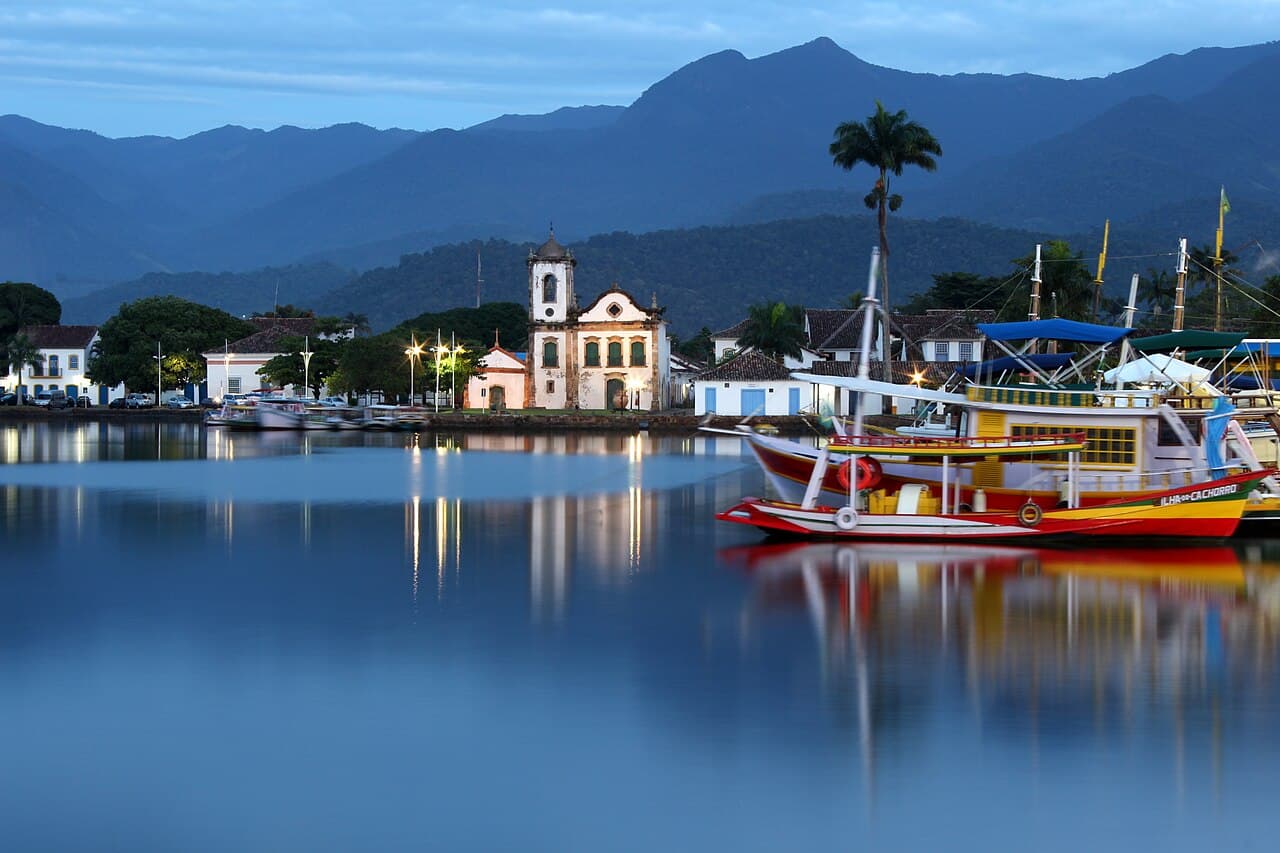
Paraty
A perfectly preserved 18th-century colonial town with cobblestoned streets, colonial churches, and a backdrop of lush mountains meeting the sea. UNESCO World Heritage Site.

Niteroi
Home to Oscar Niemeyer's iconic flying saucer-shaped Contemporary Art Museum and excellent beaches. The ferry ride offers stunning views of Rio's skyline.

Sao Paulo
Brazil's sprawling megacity and economic capital with a world-class dining scene, cutting-edge contemporary art, vibrant nightlife, and neighborhoods reflecting every culture on earth.
Entry Requirements
Brazil has a reciprocal visa policy — it generally mirrors how your country treats Brazilian citizens. US, Canadian, Australian, and Japanese visitors can enter visa-free for up to 90 days. The e-Visa system has simplified the process for nationalities that require a visa.
Entry Requirements by Nationality
| Nationality | Visa Required | Max Stay | Notes |
|---|---|---|---|
| US Citizens | Visa-free | 90 days (extendable to 180) | Visa exemption since 2024. Passport must be valid for at least 6 months. 90-day stay extendable once at Federal Police. |
| UK Citizens | Visa-free | 90 days | Visa-free entry. Same terms as US citizens. Return or onward ticket may be requested. |
| Canadian Citizens | Visa-free | 90 days | Visa-free since reciprocal agreement. Same terms apply. |
| EU Citizens | Visa-free | 90 days | Most EU nationalities have visa-free access. 90 days within any 180-day period. |
| Indian Citizens | Yes | Up to 90 days | e-Visa available online. Standard tourist visa processing. Proof of accommodation and funds required. |
| Chinese Citizens | Visa-free | 90 days | Visa-free entry since mutual exemption agreement. Electronic registration may be required. |
Visa-Free Entry
Tips
- •Keep a photocopy of your passport and visa separately — if your phone or bag is stolen, you'll need this at the police station and consulate
- •Yellow fever vaccination is recommended but not required for Rio — it IS required if visiting the Amazon or Pantanal
- •Brazil does not stamp passports at entry/exit — an electronic record is kept, but ensure you receive confirmation
- •The 90-day visa-free stay can be extended once at a Federal Police office for an additional 90 days (R$100 fee)
- •Travel insurance is not mandatory but strongly recommended, especially for adventure activities and hospital costs
Shopping
Rio's shopping ranges from beachwear and havaianas on every corner to upscale malls and lively street markets. The city is a great place to pick up Brazilian-designed fashion, cachacha, and artisan crafts.
Ipanema (Rua Visconde de Piraja)
upscale shopping streetIpanema's main shopping avenue with Brazilian fashion brands, concept stores, and the Hippie Fair market on Sundays at Praca General Osorio.
Known for: Brazilian fashion, bikinis (Lenny Niemeyer, Farm), Sunday Hippie Fair
Shopping Leblon
upscale mallAn upscale mall in the wealthy Leblon neighborhood with Brazilian and international luxury brands, a cinema, and excellent dining options.
Known for: High-end Brazilian brands, Osklen, international luxury, dining
Saara Market (Centro)
street market districtA sprawling pedestrianized market area in Centro with hundreds of small shops selling everything from fabrics to electronics at bargain prices. Chaotic and vibrant.
Known for: Carnival costumes and accessories, bargain clothing, fabric, costume jewelry
Feira de Sao Cristovao
cultural marketA massive indoor market celebrating Northeastern Brazilian culture with live music, food, and handicrafts. Open from Friday evening through Sunday night.
Known for: Northeastern food, forro music, hammocks, leather goods, regional crafts
🎁 Unique Souvenirs to Look For
- •Havaianas flip-flops — buy them in Rio for a fraction of international retail prices
- •Brazilian bikinis from local designers (Lenny Niemeyer, Farm, Salinas)
- •Cachaca bottles — Brazil's national spirit, the base of caipirinhas
- •Canga (beach sarong/towel) in colorful Brazilian prints
- •Brigadeiros (chocolate truffles) from artisan chocolatiers
- •Brazilian coffee beans from specialty roasters
- •Street art prints and photography from local artists
- •Capoeira-themed crafts and berimbau musical instruments
Language & Phrases
Brazilian Portuguese sounds warmer and more musical than European Portuguese. English is not widely spoken outside of upscale hotels and tourist hotspots. Even basic Portuguese will be enthusiastically received — cariocas love when visitors try.
| English | Translation | Pronunciation |
|---|---|---|
| Hello / Hi | Oi / Ola | oy / oh-LAH |
| Good morning | Bom dia | bom JEE-ah |
| Thank you (male/female) | Obrigado / Obrigada | oh-bree-GAH-doo / oh-bree-GAH-dah |
| Please | Por favor | por fah-VOR |
| Excuse me / Sorry | Com licenca / Desculpa | kohm lee-SEN-sah / deh-SKOOL-pah |
| How much is this? | Quanto custa? | KWAN-too KOOS-tah? |
| Where is...? | Onde fica...? | OHN-jee FEE-kah...? |
| The check, please | A conta, por favor | ah KON-tah, por fah-VOR |
| I don't understand | Nao entendo | now en-TEN-doo |
| Do you speak English? | Voce fala ingles? | voh-SEH FAH-lah een-GLEHZ? |
| Cool / Awesome (slang) | Legal | leh-GOW |
| Beer | Cerveja | ser-VEH-zhah |
If you like Rio de Janeiro, you'll love…
4 cities with a similar vibe, outside of the same country.

Peru · OVR 71
legendary food scene · reliable wifi, decent English

Panama · OVR 68
reliable wifi, decent English · not wallet-breaking

Colombia · OVR 70
late-night stamina · workable for remote days

Lebanon · OVR 67
serious culinary pedigree · vibrant after-dark energy