Foz do Iguaçu vs Rio de Janeiro
Which destination is right for your next trip?
Last updated
Quick Verdict
Pick Rio de Janeiro for Christ the Redeemer, Ipanema sunsets, and samba nights in Lapa. Pick Foz do Iguaçu if 275 cataracts, the Devil's Throat catwalk, and Parque das Aves toucans pull harder.
Can't pick? Visit both.
Build a trip that includes Foz do Iguaçu and Rio de Janeiro, with complementary stops we'll suggest.
🏆 Rio de Janeiro wins 70 OVR vs 67 · attribute matchup 2–5
Keep exploring
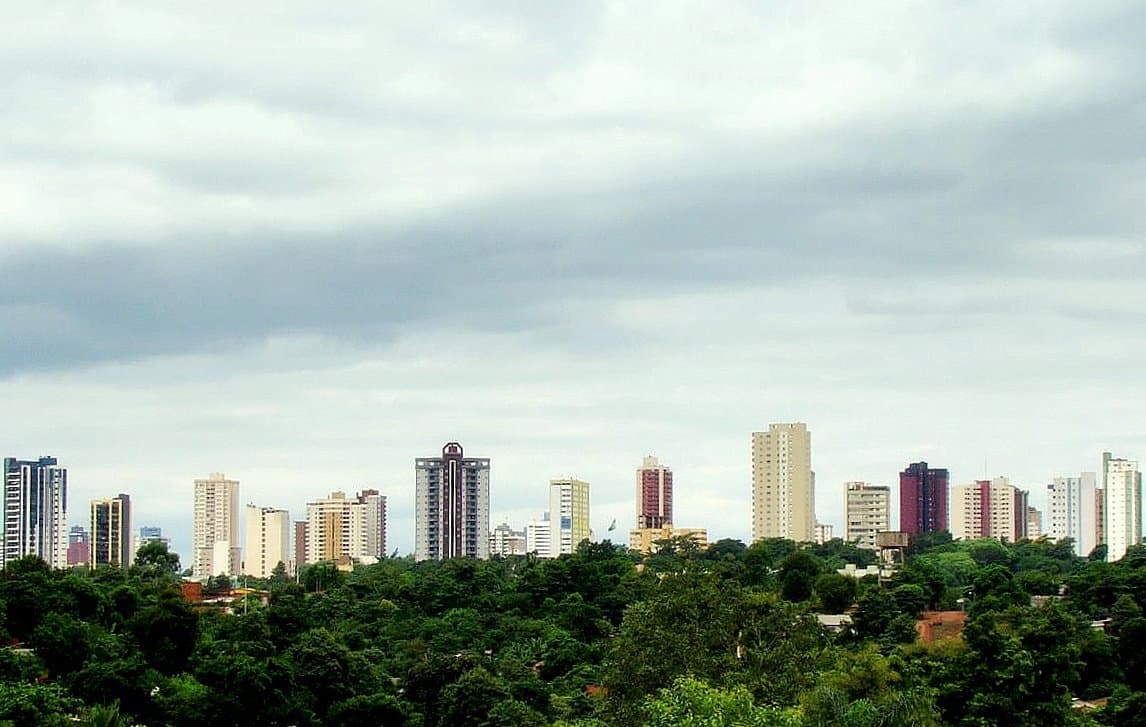
Foz do Iguaçu
Brazil

Rio de Janeiro
Brazil
Foz do Iguaçu
Rio de Janeiro
How do Foz do Iguaçu and Rio de Janeiro compare?
These two anchor a classic Brazil itinerary at opposite scales of urban energy. Rio is the 6.7-million-person carioca capital — Christ the Redeemer atop Corcovado, Sugarloaf cable cars from Praia Vermelha, Copacabana and Ipanema beaches, samba at Lapa's arches, the Selarón steps, the bohemian Santa Teresa hilltop, and Carnival in February if you dare the crowds. Foz do Iguaçu is the 260,000-person frontier city built around the falls — 275 cascades across a 2.7 km horseshoe, the world's largest bird park (Parque das Aves), the Itaipu Dam, and a Lebanese-Brazilian food crossroads where shawarma and feijoada coexist comfortably.
Most Brazil itineraries pair them. The flight from Rio's Galeão (GIG) to Foz (IGU) runs 2 hours direct on Gol/LATAM at R$300–$700 round-trip ($60–$140); the bus is brutal at 22+ hours. Rio costs more day-to-day at $55 budget / $120 midrange vs Foz at $45 / $90, and Rio's safety reality (rated 48 on the index here) means you treat Copacabana and Lapa with serious caution after dark. Foz is comfortable in comparison — quieter streets, fewer scams, and the falls themselves never close. The standard 7-day Brazil split: 4 nights Rio, 3 nights Foz, with both park sides of Iguazu.
Pro tip: Rio's Cristo Redentor sells timed tickets in advance through the official site (paineirascorcovado.com.br); the queue at the base for walk-ups can hit 90 minutes in summer, and the cogwheel train from Cosme Velho is the photogenic option. In Foz, book the Brazilian-side park entry and the Macuco Safari boat the day before through Cataratas do Iguaçu's official site. Pick Rio de Janeiro if Christ the Redeemer, Ipanema sunsets, and Lapa samba define what you came for. Pick Foz do Iguaçu if 275 cascades, the Devil's Throat catwalk, and the Parque das Aves bird park matter more.
💰 Budget
🛡️ Safety
Foz do Iguaçu
Foz is safer than its border-city reputation suggests — the historic perception was shaped by Ciudad del Este (Paraguay) cross-border crime, not Foz itself. Tourist areas (the Cataratas avenue resort strip, Avenida das Cataratas, the national park) are heavily policed and largely trouble-free. Downtown Foz can feel sketchy at night; petty theft and phone snatching are the main concerns. Stay alert at the Friendship Bridge and in Ciudad del Este, and you'll likely have no issues.
Rio de Janeiro
Rio is an incredible city, but safety requires awareness. Petty theft and mugging (especially phone snatching) are common in tourist areas. Favela tours should only be done with reputable guides. Most visits are trouble-free with basic street smarts.
🌤️ Weather
Foz do Iguaçu
Foz has a humid subtropical climate — hot, humid summers (Dec-Mar) with afternoon thunderstorms; mild, drier winters (Jun-Aug) with comfortable temperatures and the occasional cold front. The falls run year-round but at very different volumes. Dry-season volume (May-Sep) gives you crisp views of the cataracts and clear catwalks; wet-season volume (Dec-Mar) is overwhelming spray, occasional partial closures of catwalks, and the Devil's Throat sometimes invisible behind its own mist.
Rio de Janeiro
Rio has a tropical savanna climate with hot, humid summers (December-March) and warm, drier winters (June-August). It rarely drops below 20°C. The city is warm enough for beach activities year-round, though summer rain can be intense.
🚇 Getting Around
Foz do Iguaçu
Foz is a small city — distances are short but spread out across a low-density urban grid. The tourist areas (the Cataratas Avenue resort strip and the national park) are 8-12 km from downtown, and walking between them is impractical. Uber and 99 work well throughout Foz and to the Argentine border; both are cheaper than taxis. There's a basic public bus system (Linha 120 connects downtown to the falls) but most foreign visitors stick to ride-shares or organised tours.
Walkability: Foz itself is not very walkable — distances are large and most attractions are spread along the Cataratas Avenue or in suburban areas. Within the national parks (both sides) walking is the main mode and the catwalks are flat and accessible. Downtown Foz around Avenida Brasil is walkable for restaurant-hopping during the day.
Rio de Janeiro
Rio has a metro system, bus network, light rail (VLT), and widespread ride-hailing via Uber and 99. The metro is the safest and most reliable option for tourists. Buses are cheap but can be confusing and less safe for visitors unfamiliar with routes.
Walkability: Ipanema, Leblon, and the Copacabana beachfront are very walkable. The beach promenades are excellent for walking and cycling. Centro is walkable during the day but sparse at night. The city is large and hilly — metro and Uber fill the gaps.
📅 Best Time to Visit
Foz do Iguaçu
Apr–Sep
Peak travel window
Rio de Janeiro
Apr–Jun, Sep–Nov
Peak travel window
The Verdict
Choose Foz do Iguaçu if...
You want the panoramic, postcard view of Iguazu Falls plus the Itaipu Dam, the world's largest bird park, and easy day-tripping into Argentina and Paraguay from a single base.
Choose Rio de Janeiro if...
you want Brazil's most photogenic city — Copacabana, Ipanema, Christ the Redeemer, Sugarloaf, samba at Lapa, and Carnival if you dare
Foz do Iguaçu
Rio de Janeiro
Frequently asked
Is Foz do Iguaçu or Rio de Janeiro cheaper?
Foz do Iguaçu is cheaper on average. A mid-range day in Foz do Iguaçu costs about $90 vs $120 in Rio de Janeiro, so Foz do Iguaçu saves you roughly $30 per day compared to Rio de Janeiro.
Is Foz do Iguaçu or Rio de Janeiro safer?
Foz do Iguaçu scores higher on our safety index (65/100 vs 48/100). Foz is safer than its border-city reputation suggests — the historic perception was shaped by Ciudad del Este (Paraguay) cross-border crime, not Foz itself.
Which has better weather, Foz do Iguaçu or Rio de Janeiro?
Rio de Janeiro has the more temperate climate year-round. Rio has a tropical savanna climate with hot, humid summers (December-March) and warm, drier winters (June-August). It rarely drops below 20°C. The city is warm enough for beach activities year-round, though summer rain can be intense.
When is the best time to visit Foz do Iguaçu vs Rio de Janeiro?
Foz do Iguaçu peaks in Apr–Sep. Rio de Janeiro peaks in Apr–Jun, Sep–Nov. Both peak in Apr–Jun, Sep, so a single trip pairs them naturally.
How long is the flight from Foz do Iguaçu to Rio de Janeiro?
Roughly 1h 59m on a direct flight (about 1,194 km / 741 mi). One-way fares typically run $120-350 depending on season and how far in advance you book.
How do daily costs in Foz do Iguaçu and Rio de Janeiro compare?
In Foz do Iguaçu: budget ~$30-55/day, mid-range ~$70-130/day, luxury ~$300-700/day. In Rio de Janeiro: budget ~$40-70/day, mid-range ~$100-180/day, luxury ~$300+/day.
You might also compare
Foz do IguaçuvsRio de Janeiro
Try another