
South America
Brazil
Carnival, beaches, rainforests, samba, and one of the world's most vibrant cultures.
Brazil at a glance
BRL
Portuguese
$90–$350
Year-round
29° / 22°C
64/100
Visa-free entry for 🇺🇸 US, 🇬🇧 UK, 🇪🇺 EU passport holders. Always confirm requirements with the embassy before booking.
Destinations in Brazil
8 guides available
Rio de Janeiro
Brazil
Rio de Janeiro is one of the world's most dramatic cities — Christ the Redeemer watches over a landscape of granite peaks, tropical forest, and golden beaches. Copacabana and Ipanema are iconic, the Carnival is legendary, and the carioca lifestyle of samba, beach volleyball, and acai bowls is infectious. A city that pulses with energy.

São Paulo
Brazil
South America's largest metropolis is a powerhouse of culture, cuisine, and nightlife. The food scene rivals any city on earth with incredible Japanese, Italian, and regional Brazilian restaurants. Vila Madalena's street art and Paulista Avenue's energy define the city.

Salvador
Brazil
Brazil's first capital (1549-1763) and the heart of Afro-Brazilian culture. The pastel-painted Pelourinho (UNESCO 1985) is a colonial maze of cobblestones, baroque churches, and gold-leafed Igreja São Francisco. Birthplace of capoeira, candomblé, and samba-reggae — Olodum still drums Tuesdays. Acarajé from street vendors, moqueca from neighborhood spots, and a Carnival that rivals Rio's for the world's largest street party. Beaches strung along the Atlantic coast.

Florianópolis
Brazil
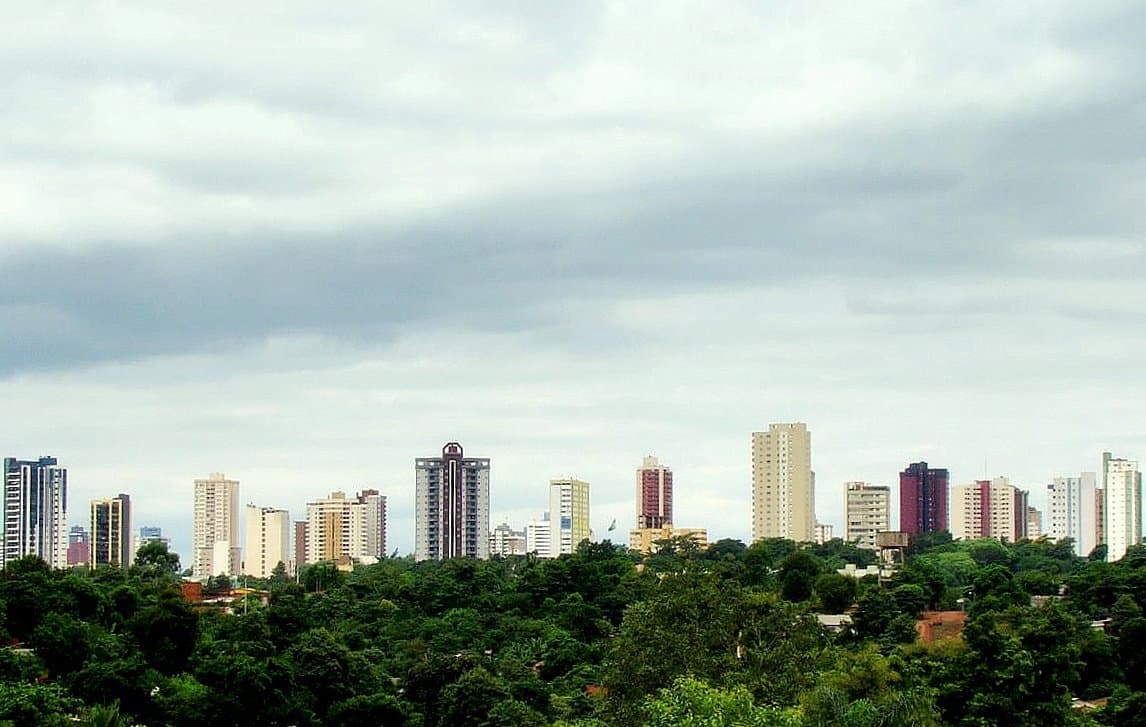
A 54-km-long island off the southern Brazilian coast with 42 distinct beaches — broad surf beaches at Mole and Joaquina, calm family bay waters at Jurerê, the bohemian Lagoa da Conceição lagoon at the centre, and the wild undeveloped south where Lagoinha do Leste requires a 2.5-hour rainforest hike. Florianópolis (locally "Floripa") is consistently ranked the highest quality-of-life Brazilian capital, settled by Azorean Portuguese in 1748 with fishing villages still preserving Azorean lacework, oyster farms (90% of Brazilian oysters come from this bay), and the lilting "Manezinho" accent. The 1898 Mercado Público's upstairs Box 32 oyster bar is the most beloved local institution. Public transit is genuinely mediocre — rent a car or rely on Uber. Beach scene is world-class; peak summer (December-February) is crowded and expensive.
Foz do Iguaçu
Brazil
Foz do Iguaçu is the Brazilian launchpad for one of the planet's great spectacles — 275 individual waterfalls thundering across a 2.7 km horseshoe of basalt cliffs on the Paraná-Argentina border. The Brazilian side gives you the panoramic, postcard view of the falls (Argentina's side puts you on top of them, and most travellers do both). Beyond the cataratas, the city is the Tríplice Fronteira where Brazil, Argentina, and Paraguay meet, home to the Itaipu hydroelectric dam (the second-largest in the world) and a surprisingly diverse Lebanese-Brazilian-Paraguayan food scene built around shawarma, churrasco, and Paraguayan chipa.
Paraty
Brazil
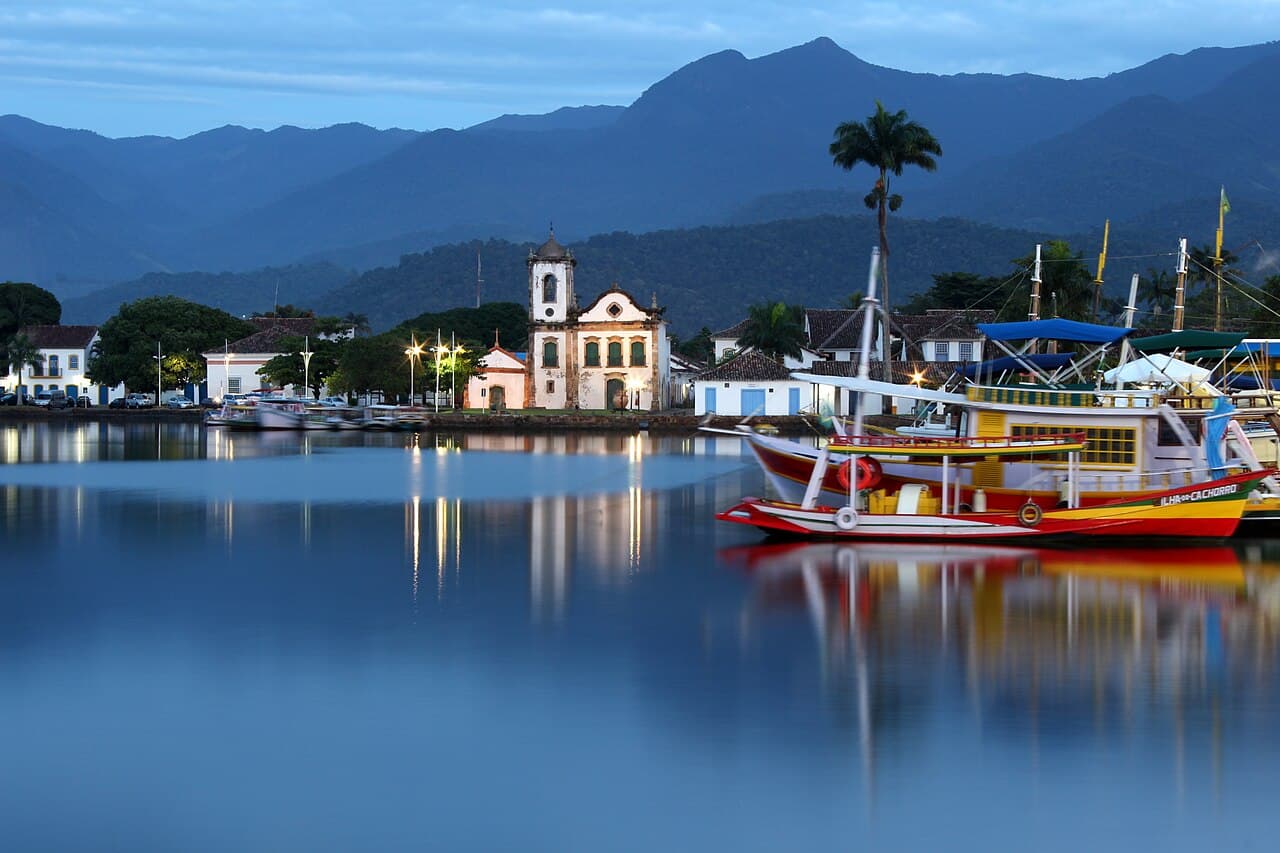
Paraty is the perfectly preserved 18th-century colonial port halfway between Rio and São Paulo — whitewashed houses with bright shutters, churches at every corner, and cobblestone streets so uneven you stop pretending shoes will help. UNESCO inscribed the historic centre in 2019 (alongside the surrounding Atlantic Forest reserves) for its colonial architecture and the cultural landscape that grew around the gold-mining caminho do ouro. Today the harbour fills with traditional schooners (saveiros) running day trips to dozens of green islands and turquoise coves; the back lanes hide some of Brazil's best cachaça stills, and the surrounding Serra da Bocaina forest hides 100m waterfalls reachable on foot.

Manaus
Brazil
Manaus is the unlikely metropolis dropped into the middle of the Amazon — a city of 2.2 million people 1,400 km up the river from the Atlantic, reachable by air or by multi-day boat and absolutely not by road from anywhere most travellers come from. The fortunes of the rubber boom (1879-1912) built the pink Teatro Amazonas opera house — Italian marble, French chandeliers, all hauled up the river in pieces — and you visit Manaus today for two reasons: the city itself (the opera house, the Adolpho Lisboa market, the Meeting of the Waters where the black Rio Negro and sandy Solimões flow side by side without mixing for 6 km) and as the launchpad for jungle lodges and riverboat trips into the Amazon proper.
_(cropped2).jpg%3Fwidth%3D1280&w=1600&q=75)
Fernando de Noronha
Brazil
A 21-island UNESCO archipelago of volcanic origin lying 350 km off the northeast coast of Brazil, reached only by a one-hour flight from Recife or Natal. The federal government caps the population on the main island at 470 visitors at any one time and charges a daily environmental preservation fee plus a national park entry, which keeps the place close to pristine. Praia do Sancho, accessed by a steep ladder down a cliff face, is consistently rated the world's best beach. Baia dos Golfinhos hosts the largest known resident colony of spinner dolphins on Earth, who arrive every dawn to rest after night feeding.