
Florianópolis
THE QUICK VERDICT
By Anthony · Updated April 2026
Choose Florianópolis if you want a Brazilian beach island with 42 beaches across surf, bay, and wild categories, Azorean fishing-village heritage, the country's best oysters, and a high-quality-of-life Brazilian capital.
- Best for
- 42 beaches across surf, bay, and wild zones, Lagoa da Conceição kitesurfing, Azorean fishing villages
- Best window
- Oct–Mar
- Budget anchor
- $180/day mid-range
- Skip if
- you wanted urban walkability — the island is car-dependent and beaches are spread across 54 km
A 54-km-long island off the southern Brazilian coast with 42 distinct beaches — broad surf beaches at Mole and Joaquina, calm family bay waters at Jurerê, the bohemian Lagoa da Conceição lagoon at the centre, and the wild undeveloped south where Lagoinha do Leste requires a 2.5-hour rainforest hike. Florianópolis (locally "Floripa") is consistently ranked the highest quality-of-life Brazilian capital, settled by Azorean Portuguese in 1748 with fishing villages still preserving Azorean lacework, oyster farms (90% of Brazilian oysters come from this bay), and the lilting "Manezinho" accent. The 1898 Mercado Público's upstairs Box 32 oyster bar is the most beloved local institution. Public transit is genuinely mediocre — rent a car or rely on Uber. Beach scene is world-class; peak summer (December-February) is crowded and expensive.
The two links below are affiliate links — MapSorted earns a small commission if you book through them, at no extra cost to you. How this works.
Tours & Experiences
Bookable tours, activities, and day trips in Florianópolis
Where to Stay
Compare hotels and rentals in Florianópolis
📍 Points of Interest
Praia Mole & Joaquina
Flagship east-coast surf beaches — Mole for beach clubs and bohemian crowd, Joaquina for surfing championships
Lagoa da Conceição
Freshwater lagoon at island centre with bohemian Lagoa village, kitesurfing, sandboarding, and SUP
Jurerê Internacional· 18 km N
Luxury north-coast beach district — calm bay water, high-end beach clubs (P12, Café de la Musique), summer celebrity scene
Hercílio Luz Bridge
1926 suspension bridge connecting island to mainland — visual icon of the city, restored 2019
Ribeirão da Ilha· 14 km S
Preserved 18th-century Azorean fishing village — Ostradamus oyster restaurant and traditional architecture
Lagoinha do Leste· 20 km S
2.5-hour Atlantic-rainforest hike to one of the most pristine undeveloped beaches in southern Brazil
Forte de Santo Antônio (Anhatomirim)· 19 km N
18th-century Portuguese fortress on an island in Florianópolis Bay with resident bottlenose dolphins
★ Local Picks
Mercado Público
1898 colonial public market with the famous Box 32 oyster bar — the most beloved Manezinho institution
At a Glance
- Pop.
- 525K (city), 1.2M (metro)
- Timezone
- Sao Paulo
- Dial
- +55
- Emergency
- 190 / 192
Florianópolis (locally called "Floripa") is the capital of Santa Catarina state in southern Brazil — almost the entire city sits on Santa Catarina Island, a 54-km-long island connected to the mainland by three bridges including the iconic 1926 Hercílio Luz suspension bridge
The island has 42 distinct beaches — from the broad surf beaches of the east coast (Joaquina, Mole, Praia Mole) to the calm bay beaches of the north (Jurerê, Canasvieiras) to the wild deserted south (Lagoinha do Leste, Naufragados). It is one of the few cities in the world where you can choose between 42 beaches in a day
Florianópolis was settled by Azorean Portuguese colonists in 1748 — and many small fishing villages on the southern half of the island still preserve Azorean heritage in their architecture, lacework, fishing techniques, and the soft sing-song "Manezinho" accent of the descendants
The city has been ranked among the highest quality-of-life cities in Brazil for two decades — well-educated population, low violent crime relative to other Brazilian capitals, excellent universities, and a tech-startup scene that has earned it the nickname "Silicon Island"
The interior of the island has a stunning fresh-water lagoon — Lagoa da Conceição — surrounded by sand dunes, with kitesurfing, sandboarding, and the bohemian Lagoa village as the island's main social hub
Public transit on the island is genuinely mediocre — buses are infrequent, the road network is limited, and during peak summer (December-February) the highways become congested for hours. Florianópolis works much better with a rental car, scooter, or via Uber than with public transport
Top Sights
Praia Mole & Joaquina
🏖️The two flagship east-coast surf beaches — Praia Mole is wide, flat, and lined with beach clubs and the bohemian crowd; Joaquina is the surfing capital of southern Brazil with consistent waves and the legendary Joaca surf championship every January. Both are 30-40 minutes from central Florianópolis. Watch out for strong currents and listen to lifeguards.
Lagoa da Conceição
🌳The freshwater lagoon at the centre of the island — surrounded by mountains and sand dunes, with a bohemian-chic village (Lagoa) at the western end where the bars, restaurants, kitesurfing, sandboarding, and most of the island's nightlife happen. Stand-up paddleboarding the lagoon at sunset is one of the most peaceful Florianópolis activities. The Joaquina dunes (between the lagoon and the ocean) are sandboarding central.
Jurerê Internacional
🏖️The luxury beach district on the north of the island — Jurerê Internacional has been called "Brazil's Hamptons" for its high-end beach clubs (P12, Café de la Musique, Donna), summer-mansion architecture, and December-February celebrity scene. Calm, family-friendly water; expensive everything; and a buzzy daytime beach-club scene.
Mercado Público de Florianópolis
🗼The 1898 colonial-era public market in central Florianópolis — fishmongers, cured-meat counters, traditional pastel and cachaça stalls, and the upstairs Box 32 oyster bar (the most beloved Manezinho institution in the city). Genuinely local; Saturday mornings are the most authentic. Free to wander; lunch and oysters MX$ for two with cachaça.
Hercílio Luz Bridge & Centro Histórico
🗼The 1926 Hercílio Luz suspension bridge connecting the island to the mainland — the longest suspension bridge in Brazil at the time of construction, restored 2019 after decades of disuse, and the visual icon of the city. Walk across at sunset for the classic photo. The historic centre nearby has the Catedral Metropolitana, Praça XV de Novembro, and the art-deco Cruz e Sousa Palace.
Ribeirão da Ilha (Azorean village)
📌On the southwestern coast — one of the most preserved Azorean fishing villages on the island, with 18th-century pastel-coloured houses, the 1806 Nossa Senhora da Lapa church, and the famous Ostradamus restaurant serving Brazil's finest oysters (the bay around Ribeirão produces 90% of Brazil's oysters). 30 minutes south of central Floripa by car.
Lagoinha do Leste hike
🌳A 2.5-hour each-way hike through Atlantic rainforest to one of the most beautiful and least developed beaches in the country — a perfect crescent of white sand backed by jungle, no road access, no infrastructure (bring water and food). The southern starting trailhead (from Pântano do Sul village) is the easier of the two routes. Combine with a Pântano do Sul fish lunch on return.
Forte de Santo Antônio (Anhatomirim Island)
🗼18th-century Portuguese coastal fortress on a small island in Florianópolis Bay — restored, accessible by boat tours from Canasvieiras (north of the island), and home to a resident pod of bottlenose dolphins that surface in the bay during boat tours. 4-hour catamaran tour combines the fort with dolphin watching and a beach stop. R$150-200 per person.
Climate & Best Time to Go
Florianópolis has a humid subtropical climate — warm-to-hot summers (December-March, the southern-hemisphere summer), mild and damp winters (June-August), spring and autumn transitions. Sea temperatures range 20-26°C; the southern Atlantic is significantly cooler than tropical Bahia or northeast Brazil. Frequent summer afternoon thunderstorms; winter cold fronts (frente fria) bring 24-48 hours of rain and cooler air every 1-2 weeks.
Spring
September - November59 to 77°F
15 to 25°C
Excellent shoulder season — temperatures rising, lower crowds than summer peak, jacarandá blooms in November. Sea temperatures still 18-21°C (cool for swimming). Some rain.
Summer
December - March68 to 86°F
20 to 30°C
High season — peak crowds (especially Argentine tourists in January), highest accommodation prices (3-5x off-peak rates), and the busiest beaches and restaurants. Sea 24-26°C; daily afternoon thunderstorms common. The party-summer Floripa experience.
Autumn
April - May59 to 77°F
15 to 25°C
The optimal window for value travellers — warm enough to swim, dramatically cheaper than summer, fewer crowds, lush green landscape. Some rain. Easter brings a brief crowd surge.
Winter
June - August50 to 72°F
10 to 22°C
Cool and damp — daytime 15-22°C, nights down to 10°C, sea 18-20°C (too cold for most swimmers), with cold fronts (frente fria) bringing rain every 1-2 weeks. Southern right whale season in nearby Praia do Rosa June-November. Lowest tourist numbers; many beach businesses closed.
Best Time to Visit
October-November and April-May are the optimal windows — warm enough to swim, dramatically cheaper than peak summer, much lower crowds, and lush green landscape. Peak summer (December-March) has the best weather and best beach scene but also peak prices and crowds (especially during Argentinian summer holidays in January). Winter (June-August) is cool and damp; not the season for a beach trip.
High Summer (December-February)
Crowds: MaximumThe flagship season — peak heat, peak crowds, peak prices. Brazilian, Argentine, and Uruguayan tourists flood the island; Jurerê Internacional is at its peak celebrity buzz. Sea 24-26°C; daily afternoon thunderstorms common. Book accommodation 4+ months ahead.
Pros
- + Best weather of the year
- + Full party scene
- + Long daylight hours
- + All restaurants and beach clubs running
Cons
- − Highest prices (3-5x off-peak)
- − Crowds at all major beaches
- − Highway congestion peak
- − Bookings need months advance
Late Summer / Autumn (March-May)
Crowds: Moderate (low after mid-March)Excellent value period — March is the tail of peak summer (still warm and beach-ready, tourists thinning), April and May progressively cooler but still pleasant. Easter brings a brief crowd surge. Lush green landscape after summer rains.
Pros
- + Beach-warm temperatures
- + Dramatic price drop after Carnaval
- + Lower crowds
- + Lush green landscape
Cons
- − Sea cooling (April-May 20-22°C)
- − Some rain
- − Easter crowd surge
- − Some beach clubs reduce hours
Winter (June-August)
Crowds: LowCool and damp — daytime 15-22°C, sea 18-20°C (too cold for most swimmers), frequent cold fronts. Lowest tourist numbers of the year; many beach businesses close or reduce hours. Southern right whales calve at nearby Praia do Rosa June-November (the highlight of the off-season).
Pros
- + Lowest hotel prices of the year
- + Few crowds
- + Whale watching at nearby Praia do Rosa
- + Atlantic rainforest at its lushest
Cons
- − Cool and damp weather
- − Sea too cold for swimming
- − Many beach businesses closed
- − Frequent cold fronts
Spring (September-November)
Crowds: ModerateThe best value-weather balance after autumn — temperatures rising, jacarandá blooms in November, sea warming. Lower crowds than peak summer; gradually rising prices toward December.
Pros
- + Warming temperatures
- + Spring blooms
- + Lower prices than peak
- + Whale season tail (June-November)
Cons
- − Sea still cool (18-22°C)
- − Some rain
- − Beach businesses ramping up
🎉 Festivals & Events
Carnaval
February (variable, 40 days before Easter)Florianópolis Carnaval is significantly less famous than Rio or Salvador but still party-heavy — the Lagoa Carnaval is the most local-leaning (samba schools, blocos, street parties), while Jurerê hosts the celebrity-attended commercial Carnaval. Hotel rates 4-5x normal; book 6+ months ahead.
Festa do Divino (Azorean villages)
May (variable)A traditional Azorean religious festival celebrated in the southern fishing villages (Ribeirão da Ilha, Pântano do Sul) — processions, traditional food, and folkloric dance. Far less commercial than the major Carnival; genuinely cultural.
Festival da Tainha (Mullet Festival)
June-JulyTainha (mullet) season is the traditional Florianópolis fishing festival — the southern fishing villages celebrate the seasonal arrival of the fish with restaurant specials and small village festivals. Mid-winter timing means the festival is local and uncrowded.
Whale Watching season at Praia do Rosa
June-NovemberSouthern right whales calve in the bays around Praia do Rosa (90 km south of Florianópolis) — boat tours and cliff-top sightings. The peak winter activity for the southern Brazilian coast and the easiest excuse to visit Floripa in the off-season.
New Year's Eve (Réveillon) Jurerê
31 DecemberJurerê Internacional hosts one of Brazil's biggest New Year's Eve parties — fireworks over the bay, beach-club gala dinners, and a hotel-rate spike that puts Christmas-NYE at the most expensive week of the year. Book 8+ months ahead.
Off the Beaten Path
Box 32 Oysters at Mercado Público
The upstairs oyster bar at the 1898 Mercado Público is the single most beloved Manezinho institution in Floripa — a stand-up bar serving fresh local oysters (R$30-50 per dozen), sernambis (small clams), and ice-cold draft beer to a mix of fishermen, lawyers, and tourists. Open from 09:30 (most regulars there by 11:00 for the lunchtime crowd). Cash only at peak times.
Florianópolis Bay produces 90% of Brazil's oysters and Box 32 is the institution where the city actually celebrates that — the experience of standing at a market bar with a dozen oysters, a cold beer, and Manezinho fishermen at 11:00 am is unrepeatable elsewhere in Brazil.
Sunday at Praia da Galheta
A clothing-optional beach next to Praia Mole accessible only by a 20-minute uphill trail (signed from the south end of Mole) — protected, less crowded than Mole, and with beautiful views back across to the Lagoa da Conceição. Bring water and food (no infrastructure). Fully nude or naturist-friendly; mixed naturist/non-naturist crowd.
Florianópolis has more beach options than any other Brazilian capital and Galheta is the rare wild-feeling beach reachable on foot from a popular surf beach. The trail itself through Atlantic rainforest is a small adventure.
Lagoa Sunset SUP
Stand-up paddleboarding on Lagoa da Conceição at sunset is a Floripa staple — the lagoon is calm in the late afternoon, the western mountains catch alpenglow, and rental shacks at Lagoa village rent boards for R$60-100/hour. The most peaceful evening activity on the island. Pair with sushi and caipirinhas at Lagoa village afterwards.
The lagoon is at the centre of the island and accessible from anywhere on Floripa within 30 minutes — but most tourists never get on the water. SUP at sunset is the most distinctively Floripa evening experience.
Dunas da Joaquina sandboarding
The huge sand dunes between Lagoa da Conceição and Praia Joaquina — sandboarding (a sled-like board you ride down the dunes) is the iconic Floripa activity. R$10 board rental from beach-side stalls, no instructor needed. Late afternoon (16:30-18:00) is the best light for the dunes; early morning the dunes can be bone-cold sand and very popular.
Sandboarding the Joaquina dunes is genuinely fun, very photogenic, and accessibly cheap — a R$10 activity in a country where most tourist activities are expensive. Few mainstream Brazilian tourist destinations have this kind of free-spirit budget activity.
Costa da Lagoa hike & lunch
A 5-km trail (one-way, mostly flat) along the western shore of Lagoa da Conceição through Atlantic rainforest leads to the village of Costa da Lagoa — a tiny boat-only Azorean fishing village (no road access; technically you can hike in but the locals come and go by lagoon boat). Several family-run seafood restaurants along the lagoon shore for fresh-fish lunch (R$80-150 per person). Boat back to Lagoa village R$25.
Costa da Lagoa is one of the few traditional Azorean villages in Brazil that remains genuinely roadless and feels unchanged from the 19th century. The hike-in-boat-out structure gives you both the trail and the village experience.
Safety Breakdown
Moderate
out of 100
Florianópolis is one of the safer Brazilian capitals — significantly safer than Rio, Salvador, or Recife. Violent crime in tourist areas is rare; the bigger concerns are opportunistic theft (especially on beaches when belongings are unattended), peak-summer congestion, ocean rip currents, and basic urban awareness in central Florianópolis at night. Solo travellers and women generally report comfort.
Things to Know
- •Beach theft is the most common tourist crime — never leave belongings unattended on the beach when swimming; use beach hotels with secure storage or keep valuables in waterproof pouches you take in the water
- •The city centre (centro histórico) is fine during business hours but quieter at night — take Uber after 21:00 rather than walking long distances
- •Praia Mole, Joaquina, and the east-coast surf beaches have strong rip currents; swim in lifeguard-marked areas only and respect red flags
- •During peak summer (December-February), the BR-282 highway between the mainland and the island is congested for hours — schedule airport returns with 3-hour buffer in peak season
- •Lagoinha do Leste and other southern hike-in beaches have no infrastructure — bring water, food, sunscreen, and don't hike alone if you can avoid it
- •Uber is widely used and reliable; significantly cheaper than taxis and generally safer late at night than walking
- •Keep an eye on bags in Lagoa village restaurants and Mercado Público — opportunistic theft happens
- •The Capoeira and Lagoa nightlife scenes occasionally have incidents at very late hours; standard urban awareness suffices
- •Carry copies of your passport rather than the original; police carry-checks are uncommon but possible
Emergency Numbers
Police (general)
190
Ambulance/SAMU
192
Fire
193
Tourist Police (Floripa)
+55 48 3331 0700
Lifeguard / Coast Guard
193
Costs & Currency
Where the money goes
USD per dayBackpacker = hostel dorm + street food + public transit. Mid-range = 3-star hotel + neighbourhood restaurants + transit cards. Luxury = 4/5-star + fine dining + taxis. How we calibrate these numbers →
Quick cost estimate
Customize per category →Estimates based on regional averages. Flight prices vary by season and airline.
budget
$50-100
Hostel dorm or budget pousada in Lagoa or Centro, kilo-restaurant lunches and beach kiosk meals, public bus, free beach activities
mid-range
$130-280
Boutique pousada or mid-range hotel double (R$400-900/night), restaurant meals, Uber transport, day boat trip, beach club entry
luxury
$400-1,200
Five-star Jurerê Internacional resort (R$1,500-4,500/night), fine dining (Ostradamus, Vento Sul), private boat charter, premium beach club VIP, hired guide
Typical Costs
| Item | Local | USD |
|---|---|---|
| AccommodationHostel dorm in Lagoa or Centro | R$80-180/night | $16-36 |
| AccommodationMid-range pousada or hotel double | R$400-900/night | $80-180 |
| AccommodationFive-star Jurerê resort (peak summer) | R$1,500-5,000/night | $300-1,000 |
| FoodKilo-restaurant lunch (per kilo, salads + grilled mains) | R$45-80 | $9-16 |
| FoodBox 32 oyster + caipirinha at Mercado Público | R$40-80 | $8-16 |
| FoodLagoa restaurant dinner for two | R$250-500 | $50-100 |
| FoodOstradamus oyster dinner for two | R$400-800 | $80-160 |
| FoodBeach kiosk lunch (fish, fries, beer) | R$60-120 | $12-24 |
| FoodCaipirinha at a Lagoa bar | R$25-45 | $5-9 |
| TransportPublic bus single ride | R$5-7 | $1-1.40 |
| TransportUber Centre to Lagoa | R$25-40 | $5-8 |
| TransportUber Centre to Jurerê | R$50-80 | $10-16 |
| TransportAirport Uber to Lagoa | R$60-90 | $12-18 |
| TransportRental car per day | R$120-250 | $24-50 |
| ActivitySandboard rental Joaquina dunes (1 hour) | R$10-20 | $2-4 |
| ActivitySUP rental Lagoa per hour | R$60-100 | $12-20 |
| ActivityAnhatomirim catamaran day tour | R$150-220 | $30-44 |
| ActivityKitesurf lesson (3 hours) | R$300-500 | $60-100 |
| ActivityJurerê beach club P12 entry (peak) | R$200-500 | $40-100 |
💡 Money-Saving Tips
- •Visit in shoulder season (April-May or September-November) — accommodation is 50-70% cheaper than peak summer (December-February) and weather is still comfortable
- •Eat lunch at a "por kilo" restaurant — pay by weight at a self-service buffet, R$45-80 for a full meal versus R$100+ at a restaurant
- •Beach activities (swimming, surfing, hiking, sandboarding) are mostly free — Floripa is a budget-friendly destination if you focus on the beaches and skip the Jurerê beach clubs
- •Avoid Jurerê Internacional in peak summer unless you specifically want the celebrity scene — beach club entries can be R$200-500/day, and Lagoa or Praia Mole offers better-value bohemian alternatives
- •Use Uber over taxis (consistently cheaper) and ride-share via Uber if travelling with friends — splits transit costs
- •Renting a car for 2-3 days lets you cover the whole island; cheaper per day than 6 separate Uber day trips
- •The Mercado Público lunch upstairs is excellent value — R$40-80 for oysters, beer, and traditional Manezinho dishes, much cheaper than restaurant equivalents
- •Many beaches in the south (Lagoinha do Leste, Naufragados, Pântano do Sul) are free and undeveloped — bring food and water and you have a great day for the cost of fuel
Brazilian Real
Code: BRL
Brazil uses the Brazilian Real (R$). At writing, R$1 ≈ $0.20 USD, or US$1 ≈ R$5. ATMs (Banco do Brasil, Bradesco, Itaú, Santander) inside banks are reliable; standalone ATMs in tourist areas are less safe. Cards (Visa, Mastercard) accepted virtually everywhere except small beach kiosks and street vendors. Pix (the Brazilian instant-payment system) is the dominant local payment method but requires a Brazilian bank account; tourists rely on cards. Cash for: beach kiosks, street snacks, taxi tips.
Payment Methods
Visa and Mastercard accepted virtually everywhere — restaurants, beach hotels, supermarkets, gas stations, even most beach kiosks now have card readers. American Express acceptance is more limited. Pix dominates local-to-local payments but requires a Brazilian account; tourists default to cards. Cash needed for: beach snacks, public buses (R$5-7), small village vendors, tipping. Foreign card withdrawal fees at Brazilian ATMs: R$15-30 plus your home bank charge.
Tipping Guide
A 10% service charge ("serviço") is automatically added to most restaurant bills — this is essentially the tip. Adding extra is unnecessary unless service was exceptional. Small cafes and casual places don't always include it; check the bill.
10% serviço usually included on the bill. If standing at a bar with no waiter, no tipping.
Round up to the nearest R$5; not strictly expected. Uber tipping is via the app post-trip, optional.
Bellboy R$10-20 per bag. Housekeeping R$10-20/day for multi-day stays. Concierge R$20-50 for substantive help.
Group tour guide R$30-80 per person for half/full day. Private guide R$100-300 per person per day.
No tipping for beach-chair/umbrella service — these are paid services already.
How to Get There
✈️ Airports
Hercílio Luz International Airport(FLN)
12 km southFLN was rebuilt in 2019 and is now a modern facility — daily flights from São Paulo (1.5 hr), Rio (1.5 hr), Brasília, Porto Alegre, Curitiba; international from Buenos Aires, Santiago, Lima, Lisbon (LATAM, GOL, Azul). Transport to Centre/Lagoa: Uber R$50-80 (20-30 min), official airport taxi R$80-130, public bus to TICEN terminal R$8 (45 min, then transfer to area-specific bus).
✈️ Search flights to FLN🚆 Rail Stations
No passenger rail
Brazil has very limited passenger rail outside metro systems; Florianópolis has no rail service to or within the city.
🚌 Bus Terminals
Rita Maria Long-Distance Bus Terminal
The long-distance bus terminal in central Florianópolis — services to São Paulo (12 hr overnight, R$200-400), Curitiba (4 hr, R$150-250), Porto Alegre (6 hr, R$150-250), Iguazu Falls (14 hr, R$300-500), and Buenos Aires via Porto Alegre (24 hr, R$500-800). Comfortable executive-class buses (Catarinense, Pluma) make long-distance Brazilian bus travel functional.
Travel Connections
Entry Requirements
Brazil has been progressively visa-friendly — visa-free entry for most Western passports for tourism (90 days). The previously confusing eVisa requirement for US/Canada/Australia citizens has changed multiple times; as of 2024 the planned eVisa requirement has been postponed again, and these nationals are visa-free for 90 days. Always verify current rules close to travel.
Entry Requirements by Nationality
| Nationality | Visa Required | Max Stay | Notes |
|---|---|---|---|
| US Citizens | Visa-free | 90 days visa-free (current rules) | The Brazilian eVisa requirement for Americans has been postponed multiple times — as of 2024 US citizens enter visa-free for 90 days. Always confirm current status before booking. Passport must be valid 6+ months from entry. |
| UK Citizens | Visa-free | 90 days visa-free | Visa-free entry for tourism. Passport valid 6+ months from entry. |
| EU Citizens | Visa-free | 90 days visa-free | Visa-free entry. Passport valid 6+ months. |
| Canadian Citizens | Visa-free | 90 days visa-free (current rules) | Same as US — eVisa requirement has been postponed multiple times. Confirm at booking. |
| Australian Citizens | Visa-free | 90 days visa-free (current rules) | Same as US/Canada — eVisa postponed. Confirm at booking. |
Visa-Free Entry
Visa on Arrival
Tips
- •The Brazilian eVisa requirement for US/Canada/Australia citizens has been postponed multiple times (most recently to April 2025); always check the current status close to travel
- •When eVisa is in effect (history suggests it may be again), it is online-applicable, costs around US$80, and is valid for 10 years — relatively low friction
- •Yellow fever vaccination is recommended (not required for entry to Brazil but required if continuing to certain other countries afterward) — Santa Catarina state itself is low-risk
- •Travel insurance is strongly recommended — Brazilian private hospitals are expensive, and US insurance often does not cover Brazil
- •Bring a Brazilian Type N (Type C variant) plug adapter — Brazil uses a specific 3-prong system; voltage 127V/220V varies by region (Florianópolis is 220V)
- •Mosquito-borne illnesses (dengue, occasional Zika) exist; repellent with DEET is sensible especially in summer
- •Carry a printed copy of your accommodation booking and onward flight at immigration; sometimes asked
Shopping
Florianópolis is not primarily a shopping destination — beach gear, surf brands, and Azorean handicrafts (lacework, pottery, fishing-village embroidery) are the local specialties. Beachwear and bikini brands (Cia Marítima, Salinas) are local pride; surf shops are clustered around Lagoa and Mole. The Centro Histórico has a few craft shops; the major shopping mall (Beiramar Shopping) handles US-style needs.
Lagoa da Conceição surf shops
surf districtThe main concentration of surf shops, beachwear boutiques, and yoga gear in the Lagoa village area — both the Lagoa centro and the road to Joaquina have several. Local Florianópolis surf brands (Mormaii, Hocks) are based here.
Known for: Surf gear, beachwear, yoga apparel, board rentals
Mercado Público (artisan section)
public marketThe downstairs section of the 1898 public market has Azorean lacework, pottery, açaí stalls, and traditional cachaça. Better quality than mass-tourist souvenir shops and direct from the artisans.
Known for: Azorean lacework, traditional cachaça, regional crafts
Beiramar Shopping & Iguatemi
mallModern shopping malls — Beiramar Shopping in downtown and Iguatemi in the north. Brazilian and international brands (Renner, Riachuelo, Adidas, Nike), multiplex cinemas, food courts. Useful for forgotten essentials or US-style mall break.
Known for: Brazilian fashion, beachwear chains, mall shopping
Ribeirão da Ilha
craft villageThe Azorean fishing village on the southwest coast has small workshops selling traditional lacework, ceramic figurines, and local cachaça. Combine with an Ostradamus oyster lunch for a half-day Azorean experience.
Known for: Azorean lace, regional pottery, hand-bottled cachaça
🎁 Unique Souvenirs to Look For
- •Azorean bobbin lace (renda de bilro) from Ribeirão da Ilha or the Mercado Público — the traditional handmade lace from the Azorean settlers; small pieces R$50-150, large doilies and tablecloths R$200-800
- •Local artisan cachaça from a Mercado Público stall — far better than supermarket Pitú or 51, look for small Santa Catarina distilleries; 700ml bottle R$60-200
- •Fresh oysters from the Ribeirão da Ilha bay (eat-in only at Ostradamus or similar; not transportable) — R$30-50 per dozen, the best in Brazil
- •Florianópolis-brand bikini (Cia Marítima, Salinas) from a Lagoa or Beiramar Shopping store — the iconic Brazilian bikini brands at local prices, R$150-400
- •Azorean ceramic figurines from a Ribeirão workshop — small painted fishing-village pieces R$80-300, lovely and distinctive
- •Local artisan açaí or guaraná powder from the Mercado Público — Brazilian superfoods at far better quality and prices than US health-food shops
Language & Phrases
Portuguese is the national language of Brazil. Brazilian Portuguese is significantly different from European Portuguese in pronunciation and vocabulary. The local Florianópolis "Manezinho" accent (descended from Azorean settlers) is sing-song and distinctive but still mutually intelligible. English proficiency in tourism is moderate (hotels, surf schools, Lagoa restaurants); limited at older Mercado Público stalls and in southern villages. Spanish speakers will find Portuguese partly comprehensible but should not assume mutual intelligibility.
| English | Translation | Pronunciation |
|---|---|---|
| Hello | Olá | oh-LAH |
| Good morning | Bom dia | bohng JEE-ah |
| Good evening | Boa noite | BOH-ah NOY-chee |
| Please | Por favor | por fa-VOR |
| Thank you | Obrigado / Obrigada (M/F) | oh-bree-GAH-do / dah |
| You're welcome | De nada | jee NAH-da |
| Yes / No | Sim / Não | seeng / now |
| How much? | Quanto custa? | KWAN-too KOOS-ta |
| The bill, please | A conta, por favor | ah KOHN-ta por fa-VOR |
| A beer, please | Uma cerveja, por favor | OO-ma sair-VAY-zha por fa-VOR |
| Where is the bathroom? | Onde fica o banheiro? | OHN-jee FEE-ka oh ban-YAY-roh |
| Cheers! | Saúde! | sah-OO-jee |
Getting Around
Florianópolis has genuinely mediocre public transport — the city was designed assuming car ownership, the bus network is infrequent and slow, and the spread-out island layout means walking is rarely practical for inter-neighbourhood travel. Most travellers rent a car, hire scooters, or rely on Uber. Driving the island is mostly easy except for peak summer congestion.
Uber
R$25-90 typicalThe single most useful transport option — Uber operates throughout Florianópolis including the airport. Centre to Lagoa: R$25-40. Centre to Jurerê: R$50-80. Centre to Joaquina: R$45-70. Airport to Lagoa: R$60-90. Easy English-language interface.
Best for: Inter-neighbourhood travel, airport transfers, late nights, beach trips
Rental car
R$120-250/dayThe ideal way to experience the island's 42 beaches — rental from R$120-250/day. Major rental companies (Localiza, Movida, Hertz) at the airport and downtown. Driving is mostly easy except in peak summer when highways congest. Parking generally fine off-peak; can be a problem at popular beaches in January.
Best for: Multi-beach island exploration, southern villages, day trips north or south
Public bus
R$5-7The Fortronic system covers the island but is infrequent and slow. The TICEN central terminal in downtown is the main transfer hub. Standard fare R$5-7. Useful for budget travellers but expect 60-90 minute trips for distances Uber covers in 25 minutes.
Best for: Budget travellers, students, fixed routes (Lagoa, Centre, Trindade)
Walking
FreeWalking works only within compact zones — the Centro Histórico, the Lagoa village area, the Jurerê beachfront. Inter-neighbourhood walking is impractical. Bring comfortable shoes for the cobblestones in the historic centre and Azorean villages.
Best for: Centro Histórico, Lagoa village, Jurerê beachfront
Taxi
R$5.50 flagfall, R$30-100 typicalYellow taxis exist but are now mostly used by older locals — Uber dominates the market. Taxi flag-fall R$5.50, fares typically 50-80% higher than Uber. Useful at the airport in peak times when Uber wait can be long.
Best for: Airport in peak times, cash-only travellers
Walkability
Florianópolis is poorly walkable as a whole — the spread-out island layout, infrequent public transport, and limited sidewalks mean that walking only works within compact areas (Centro Histórico, Lagoa village, Jurerê beachfront, individual beach districts). Plan for car/scooter/Uber for inter-neighbourhood movement.
If you like Florianópolis, you'll love…
4 cities with a similar vibe, outside of the same country.

Spain · OVR 75
jaw-dropping scenery · late-night stamina

Philippines · OVR 71
unforgettable natural beauty · reliable wifi, decent English

Spain · OVR 74
unforgettable natural beauty · clean enough to relax
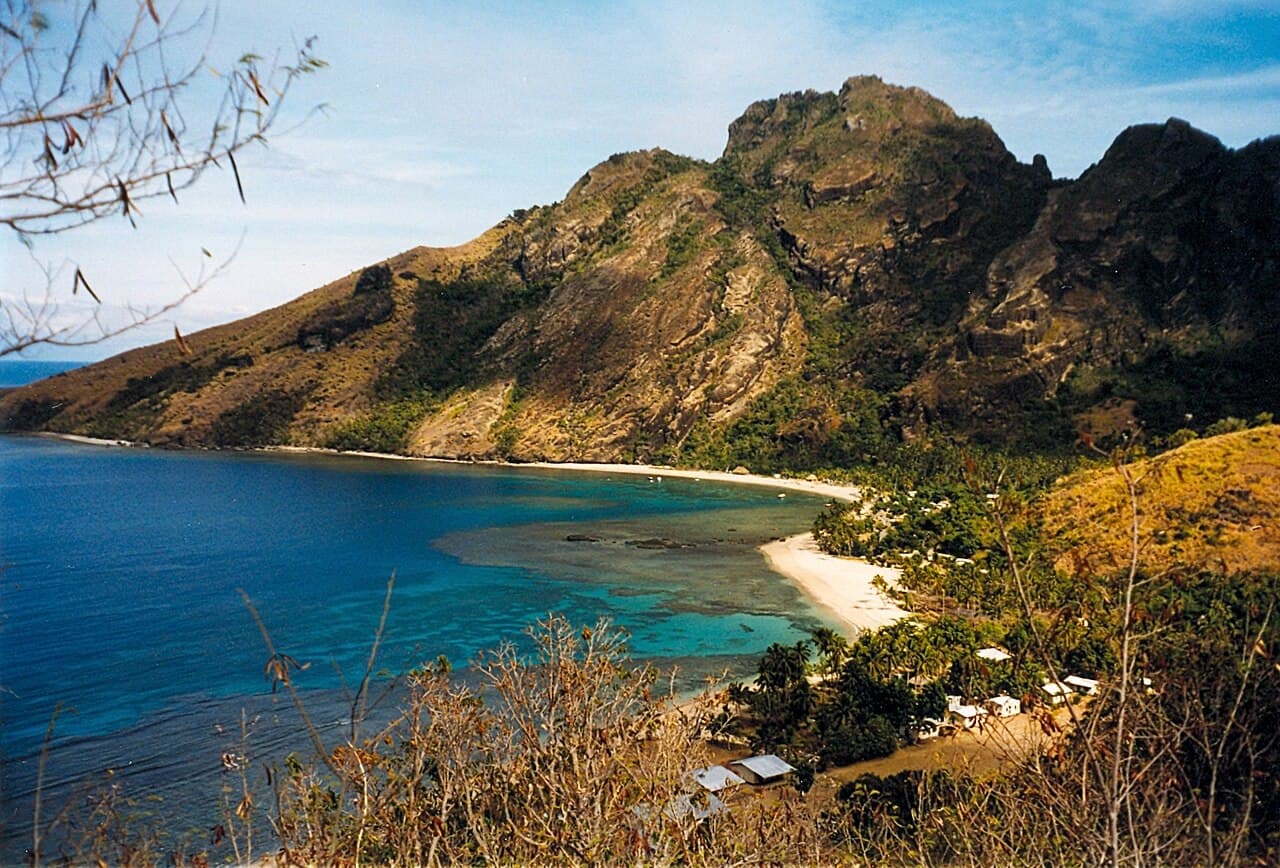
Fiji · OVR 68
landscapes that steal the show · reliable wifi, decent English