
Phi Phi Islands
THE QUICK VERDICT
By Anthony · Updated April 2026
Choose Phi Phi Islands if you want the Andaman's most spectacular limestone-karst archipelago, Maya Bay (with daily caps), world-class snorkelling at Bamboo Island and Hin Klang, and a no-cars beach island reachable by ferry from Phuket or Krabi.
- Best for
- Maya Bay sunrise (with daily caps), Bamboo Island snorkels, Viewpoint hike, longtail loops to Pileh Lagoon
- Best window
- Nov–Apr
- Budget anchor
- $130/day mid-range
- No real seasons
- Within 2°C year-round — timing is about rain, not temperature
- Skip if
- you want quiet evenings — Tonsai Bay turns into a fire-show beach party and bass carries until 02:00
A six-island archipelago in the Andaman Sea between Phuket and Krabi — protected within the Hat Noppharat Thara–Mu Ko Phi Phi National Park, with Permian-era limestone karst cliffs ringing turquoise water. Phi Phi Don is the only inhabited island; Phi Phi Leh holds Maya Bay (the famous beach from "The Beach" 2000), which closed entirely from 2018 to 2022 for coral recovery and reopened with strict daily caps (4,375 visitors/day, 60-minute slots, no swimming inside the bay), closing annually August 1–September 30 for further recovery. The classic Phi Phi day combines Maya Bay, Pileh Lagoon, Bamboo Island snorkelling, and the Phi Phi Viewpoint hike for the iconic double-bay photograph. No roads, no cars, no airport — everything is by boat from the wooden Tonsai Pier.
The two links below are affiliate links — MapSorted earns a small commission if you book through them, at no extra cost to you. How this works.
Tours & Experiences
Bookable tours, activities, and day trips in Phi Phi Islands
Where to Stay
Compare hotels and rentals in Phi Phi Islands
📍 Points of Interest
Maya Bay (Phi Phi Leh)
Famous beach from "The Beach" (2000) — reopened 2022 with daily caps (4,375/day), 60-min slots, closed Aug-Sep annually for reef recovery
Phi Phi Viewpoint
186m climb above Tonsai with three platform viewpoints — iconic double-bay shape of Phi Phi Don visible from the top
Bamboo Island (Koh Mai Phai)
Small low coral island 5 km north — best snorkelling reef in the area, 15-20m visibility, soft and hard coral
Pileh Lagoon
Jade-green saltwater lagoon enclosed by 100m limestone cliffs on Phi Phi Leh — narrow channel entry, swimming and snorkelling allowed
Loh Dalum Beach
Phi Phi Don's 800m northern crescent — shallow protected swimming, beachfront bars, fire-twirling shows from 21:00
Long Beach (Hat Yao)
Phi Phi Don's longest and quieter beach — calm shallow water, reef snorkelling 50m offshore, alternative to busy Tonsai
Hin Klang Snorkelling Site
Submerged shallow reef between Phi Phi Don and Phi Phi Leh — reef sharks, green turtles, dense coral, 10-20m visibility
★ Local Picks
Sunrise Maya Bay tour
07:00 first-slot tour — Maya Bay genuinely quiet (200 vs 4,000 visitors), golden cliff light, back to Phi Phi Don by 09:30
At a Glance
- Pop.
- 2,000 (Phi Phi Don only)
- Timezone
- Bangkok
- Dial
- +66
- Emergency
- 191 / 1669
The Phi Phi Islands are a six-island archipelago in the Andaman Sea, 45 km southeast of Phuket and 40 km west of Krabi — protected as part of Hat Noppharat Thara–Mu Ko Phi Phi National Park since 1983
Phi Phi Don is the only inhabited island (around 2,000 permanent residents in Tonsai Village and Loh Dalum); Phi Phi Leh — home to Maya Bay — is uninhabited and visited only on day trips with park-fee entry
Maya Bay closed to all visitors from June 2018 to January 2022 to allow coral recovery after years of overcrowding from "The Beach" (2000) tourism — it reopened with strict daily caps (currently 4,375 visitors/day, no swimming or anchoring inside the bay), and closes annually August 1 to September 30 for further reef recovery
The 2004 Indian Ocean tsunami devastated Phi Phi Don — Tonsai Village (the narrow sand isthmus connecting the island's two halves) was almost completely destroyed and around 4,000 people died on the island. The current Tonsai is the rebuilt post-2004 version
The dramatic limestone karst cliffs that ring the islands are the same Permian-era limestone that creates Halong Bay (Vietnam) and Krabi's Railay — formed 270 million years ago when the area was a tropical reef sea, then uplifted and eroded into the modern pinnacles
Phi Phi has no airport, no roads, and no cars on the islands — Phi Phi Don is reached only by ferry from Phuket (90 min), Krabi (90 min), Koh Lanta (60 min), or Railay; you arrive at the wooden Tonsai Pier and walk everywhere thereafter
Top Sights
Maya Bay (Phi Phi Leh)
🏖️The famous beach from "The Beach" (2000) — a curving 250-metre crescent of pure white sand enclosed by 100-metre limestone cliffs on three sides, opening to the turquoise Andaman through a narrow gap. Reopened January 2022 after a 4-year coral-recovery closure with strict rules: 4,375 visitors/day cap, no swimming inside the bay, no boats anchoring inside, mandatory 60-minute time slot booked online via the national park system, 400 THB park fee (~$11) plus boat tour charge. Closes annually August 1–September 30 for continued reef recovery. Less crowded than pre-2018 but still busy 11:00–14:00; book the 07:00 first slot for fewer people.
Phi Phi Viewpoint (Phi Phi Don)
🗼A 30-minute climb up cement steps from Tonsai Village to the 186-metre summit — three platform viewpoints (Viewpoint 1, 2, 3) with progressively better panoramas of the iconic double-bay shape of Phi Phi Don (Tonsai Bay one side, Loh Dalum the other, with the narrow sand isthmus in between). 30 THB entry. Best at sunrise (no shade on the climb after 09:00) or just before sunset. Bring water; the climb is steep in tropical humidity.
Bamboo Island (Koh Mai Phai)
🏖️A small, low coral island 5 km north of Phi Phi Don — fringed by some of the best snorkelling reef in the area, with rich soft and hard coral and excellent visibility (15–20 m). The island itself has a small white-sand beach and not much else (no shade, limited facilities). National park fee 400 THB ($11) on top of boat tour cost. Most snorkel tours combine Bamboo Island with Phi Phi Leh sights and a stop at Monkey Beach.
Pileh Lagoon
🗼A jade-green saltwater lagoon completely enclosed by 100-metre limestone cliffs on Phi Phi Leh — boats enter through a narrow channel into still emerald water that's only 4–10 m deep over a white-sand bottom. Pileh is included on most Phi Phi Leh boat tours and is significantly less crowded than Maya Bay. Swimming and snorkelling allowed. The lagoon is one of the most photographed spots in the Andaman.
Loh Dalum Beach (Tonsai)
🏖️The northern of Phi Phi Don's two main beaches — a curving 800-metre crescent of pale sand with shallow protected swimming and the bulk of Phi Phi's beachfront bars and nightlife. Fire-twirling shows at the bars from 21:00, beach buckets and cheap cocktails through midnight. The beach is busy and party-oriented; for quieter swimming use Long Beach (Hat Yao) in the south.
Long Beach (Hat Yao)
🏖️Phi Phi Don's longest and quieter beach — 600 m of pale sand, calm shallow water, and a few small resorts. Reach by 30-minute walk from Tonsai (a path through forest) or 100 THB longtail boat from Tonsai Pier. Excellent for swimming and snorkelling (the reef just offshore has reef sharks and turtles). Significantly more relaxed than Loh Dalum/Tonsai; consider staying here for a quieter Phi Phi.
Snorkelling at Hin Klang
📌A submerged shallow reef between Phi Phi Don and Phi Phi Leh — excellent for snorkelling with reef sharks (small blacktips, harmless), green turtles, and dense coral. Visibility 10–20 m most of the year. Most boat tours stop here for 30–45 minutes. Best in the dry season (November–April) when sea visibility peaks. Combine with a Maya Bay + Pileh + Bamboo Island tour for the classic Phi Phi day.
Diving with Phi Phi dive shops
📌Phi Phi is one of Thailand's best-known dive destinations — the famous "King Cruiser" wreck (50m sunk passenger ferry, advanced dive), the Anemone Reef pinnacle, Bida Nok and Bida Nai (limestone pinnacles for whale sharks November–April). 3,500–4,500 THB ($95–$120) for two dives; the dive shops cluster around Tonsai Village (Blue View, Adventure Club, Diving in Phi Phi). Multi-day PADI Open Water courses 12,000–15,000 THB ($330–$410).
Climate & Best Time to Go
Phi Phi has a tropical monsoon climate with two clear seasons — the dry "high" season (November–April) with calm seas, sunny skies, and excellent visibility, and the wet southwest monsoon (May–October) with heavy rain, rough seas, and frequent boat-tour cancellations. October is the rainiest month. Year-round temperatures stay 26–32°C.
Peak Dry Season
November - February75 to 86°F
24 to 30°C
The optimal window — dry, sunny, calm seas, and perfect snorkelling visibility. Christmas/New Year brings peak crowds and prices. February is the most reliably perfect weather; all boat tours run; Maya Bay open and stable.
Late Dry / Hot Season
March - April79 to 91°F
26 to 33°C
Increasingly hot and humid but still dry — sea visibility excellent, all tours running, slightly thinner crowds than December–January. Songkran (Thai New Year, mid-April) brings a small festival surge.
Shoulder Wet
May - July77 to 88°F
25 to 31°C
Southwest monsoon begins — afternoon thunderstorms more common, but mornings often clear. Sea increasingly rough; some smaller boat tours cancelled. Lower prices and fewer crowds. Maya Bay still open.
Maya Bay Closed / Peak Wet
August - October77 to 88°F
25 to 31°C
Heavy monsoon rain, rough seas, and Maya Bay closed (Aug 1–Sep 30) for reef recovery. October is the wettest month of the year with potential ferry cancellations. Some Phi Phi resorts close entirely in this window. Avoid unless you have a specific reason.
Best Time to Visit
November–April is the dry "high" season — calm seas, perfect snorkelling visibility, all boat tours running, Maya Bay open. December–February is peak crowds and prices but weather is most reliable. May–July is wet shoulder (some afternoon rain, lower prices, Maya Bay still open). August 1–September 30 Maya Bay closes annually for reef recovery; October is the rainiest month.
Peak Dry Season (November–February)
Crowds: Very high (peak)The optimal window for weather and operations — sunny, calm seas, perfect snorkelling visibility, every boat tour running, Maya Bay stable. Christmas/New Year brings peak crowds and prices (book 2+ months ahead). February is the most reliably perfect.
Pros
- + Best weather
- + Calm seas
- + All tours running
- + Best snorkel visibility
- + Maya Bay open and stable
Cons
- − Highest prices
- − Christmas/NYE booked solid
- − Maya Bay 4,000+ daily visitors
Late Dry / Hot (March–April)
Crowds: HighIncreasingly hot and humid but still dry — sea visibility excellent, all tours running, slightly thinner crowds than December. Songkran (Thai New Year, mid-April) brings a small festival surge. Maya Bay open.
Pros
- + Still dry weather
- + Slightly thinner crowds
- + Songkran festival
- + All tours operating
Cons
- − Very hot midday
- − High humidity
- − Sun extreme
Shoulder Wet (May–July)
Crowds: Moderate to lowSouthwest monsoon begins — afternoon thunderstorms more common, mornings often clear. Sea increasingly rough; some smaller boat tours cancelled. Lower prices and fewer crowds. Maya Bay still open. Excellent value if you can accept some weather risk.
Pros
- + 30-40% lower prices
- + Fewer crowds
- + Maya Bay still open
- + Lush green islands
Cons
- − Afternoon storms
- − Some tour cancellations in rough seas
- − Reduced visibility
Maya Bay Closed / Peak Wet (August–October)
Crowds: LowMaya Bay closes annually August 1–September 30 for reef recovery. October is the wettest month with potential ferry cancellations and rough seas. Some Phi Phi resorts close entirely. Avoid unless Maya Bay is not your priority.
Pros
- + Cheapest accommodation
- + Almost no crowds
- + The rest of Phi Phi still open
Cons
- − Maya Bay closed (Aug-Sep)
- − Heavy rain (Oct)
- − Rough seas
- − Some ferries cancelled
- − Some resorts closed
🎉 Festivals & Events
Songkran (Thai New Year)
April 13-15Thailand's national water festival — water fights in Tonsai Village, traditional Buddhist ceremonies in the morning, beach parties in the evening. Phi Phi Songkran is smaller-scale than Bangkok or Chiang Mai but festive. Hotel prices spike 20-30%.
Loi Krathong
November (full moon)The Thai festival of light — krathong (lotus-flower lanterns made from banana leaves) floated on the sea at Tonsai Bay and Loh Dalum, paper lanterns released into the sky. One of the most photogenic Thai festivals; smaller-scale than Chiang Mai but atmospheric.
Maya Bay reopening
October 1 (annual)Maya Bay reopens after its annual August–September closure on October 1 — first-week visitors get the best post-closure conditions (recovered coral, fewer visitors). Worth planning around if Maya Bay is the priority.
Christmas/New Year on Loh Dalum
December 24 - January 2Loh Dalum hosts massive beach parties for Christmas and New Year — fire shows, DJ sets, fireworks at midnight on December 31. Hotel prices peak. The single biggest party period in the Phi Phi calendar.
Off the Beaten Path
Sunrise Maya Bay tour
Maya Bay's reopening introduced strict daily caps (4,375 visitors) and 60-minute time slots — but the 07:00 first slot is dramatically less crowded than the 11:00–14:00 peak window. A few small operators run sunrise tours leaving Tonsai at 06:00 to be inside Maya Bay at 07:00 sharp. 1,500–2,500 THB ($40–$70) per person; the bay is genuinely quiet (200 people instead of 4,000), the morning light on the cliffs is golden, and you're back on Phi Phi Don by 09:30 with the whole day still ahead. Book 24+ hours in advance.
Maya Bay even with caps is busy at peak hours — 4,000 people in 60-minute waves still feels like a queue. The 07:00 first slot is the way the bay was meant to be experienced. The sunrise tour boats are also subject to the cap, so book early.
Stay on Long Beach instead of Tonsai
Tonsai Village is the convenient base but it's genuinely loud (bars until 02:00, fire shows on Loh Dalum, party hostels) and crowded. Long Beach (Hat Yao) on the south coast is a 30-minute walk or 100 THB longtail boat from Tonsai Pier — 5+ small resorts, calm shallow swimming, reef snorkelling 50 m offshore (turtles regular), and zero nightlife. Phi Phi Long Beach Resort or Phi Phi Long Beach Bungalows: 1,500–4,000 THB ($40–$110) per night. Same access to all the boat tours; dramatically more peaceful.
Tonsai is what most visitors experience — 90% of Phi Phi tourism stays in the central village. Long Beach is genuinely 10 minutes by boat away but feels like a different island, with the same beach quality and snorkelling.
Private longtail boat day with a local captain
Booking a private longtail boat at Tonsai Pier (1,800–3,000 THB / $50–$80 for a half-day, 2,500–4,500 / $70–$120 for a full day) is significantly more flexible and intimate than the group speedboat tours. The Thai longtail captains know the islands well and will adjust the route to the day's sea conditions, take detours to less-photographed beaches (Nui Beach, Wang Long Lagoon), and stop wherever you want for a swim. The longtail itself is the genuine Andaman experience — slower than speedboats but more atmospheric. Pile in 4–6 people and the cost per person is comparable to a group tour.
Group speedboat tours follow a rigid schedule with 30 other tourists, including queues to enter Maya Bay. Private longtails can stop anywhere, wait out the busy hours, and feel like a Thai fishing trip rather than a tourist circus.
Sunset on Phi Phi Viewpoint 2
Most visitors climb Phi Phi Viewpoint at sunrise or in the morning — but late afternoon (16:30 climb, 17:30 sunset, return after dark with a phone torch) is significantly cooler and the light on the limestone cliffs is golden rather than the harsh midday sun. Bring water (no vendors at the top after 17:00), a phone torch for the descent, and a small snack. Viewpoint 2 (the middle platform) has the best balance of view and tree shade for waiting out the sunset itself.
The sunrise climb is the famous Phi Phi photograph but the sunset is significantly more comfortable (no morning humidity-drenched climb in tropical heat) and the light is warmer. The descent in dusk is part of the experience — you're back at the village for dinner.
Dinner at Anna's Restaurant
A small family-run Thai restaurant on the back-lane of Tonsai Village (away from the main strip) — green curry with chicken, pad Thai with prawns, tom yum soup, and the Phi Phi staple massaman curry. 150–280 THB ($4–$8) per dish; portion sizes generous; ingredients fresh from the daily mainland deliveries. Open 11:00–22:00, closed Mondays. Three minutes' walk from the busiest tourist strip but completely different in price and vibe.
The Tonsai main strip is dominated by Western-aimed restaurants charging tourist prices for mediocre Thai food. Anna's is genuine Thai cooking at Thai prices, frequented by the long-term diving instructors and resort staff who eat there nightly.
Avoid August–September Maya Bay closure
Maya Bay closes annually August 1 to September 30 for reef recovery — and many visitors arrive for a Phi Phi trip and discover the headline sight is closed. The Phi Phi national park and the official Thailand tourism website publish the dates each year (sometimes with adjustments), and the closure has held every year since 2022. Book trips outside this window if Maya Bay is the priority. The rest of Phi Phi (Pileh Lagoon, Bamboo Island, Phi Phi Don) remains open during the August–September closure.
The Maya Bay closure is well-documented but easily missed by visitors planning months in advance. November–April is the best Phi Phi window (dry season, calm seas, Maya Bay open). May–July is shoulder (some rain, Maya Bay still open). August–September: Maya Bay closed. October: rain peak.
Safety Breakdown
Moderate
out of 100
Phi Phi is among the safer Thai destinations for tourists — small island, tourism-dependent economy, and police presence in Tonsai. Violent crime rare. The main risks are physical: boat accidents (rare but serious), drowning at Loh Dalum during full-moon parties, scooter accidents on the Phi Phi Don path system (no roads but dirt paths), reef cuts from snorkelling, and dengue-carrying mosquitoes. Drink-spiking and bag theft at Loh Dalum bars during the busiest party nights.
Things to Know
- •Boat safety is the genuine risk — speedboat operators sometimes overload boats or skip life jackets; check that life jackets are accessible and fitting before departure. Avoid the cheapest "fast" boats with no operating company name visible
- •Loh Dalum beach bars during full-moon and high-season nights have reported drink-spiking incidents — never leave drinks unattended, watch your drink being made, and travel in groups
- •Dengue fever risk peaks May–September — mosquitoes are most active dawn and dusk; pack DEET-based repellent and consider treating clothing
- •Reef cuts from snorkelling can become infected quickly in tropical water — wear reef shoes or fins, clean any cut immediately with antiseptic, and consider tetanus shot status
- •Riptides at Loh Dalum and Long Beach during the wet season (June–October) are real — swim only at calm times and never alone in rough sea
- •Maya Bay overcrowding (despite caps) means falls and slips on the rocks are common — wear water shoes and step carefully on the wet limestone
- •Tap water is not drinkable — use bottled water; ice in tourist restaurants is generally safe
- •Drug enforcement is strict — Thailand has strong penalties for drug possession including for tourists; cannabis was decriminalised in 2022 but is now in regulatory flux. Avoid ambiguity
- •Sunburn is severe at Phi Phi's tropical latitude — even cloudy days; SPF 50+ and reapply every 90 minutes on the boat tours
Emergency Numbers
Tourist Police
1155
Emergency (general)
191
Ambulance
1669
Phi Phi Hospital
+66 75 622 151
Costs & Currency
Where the money goes
USD per dayBackpacker = hostel dorm + street food + public transit. Mid-range = 3-star hotel + neighbourhood restaurants + transit cards. Luxury = 4/5-star + fine dining + taxis. How we calibrate these numbers →
Quick cost estimate
Customize per category →Estimates based on regional averages. Flight prices vary by season and airline.
budget
$35-65
Tonsai dorm bed or cheap fan bungalow on Long Beach, street food, group boat tour, walking around Phi Phi Don
mid-range
$90-200
Mid-range resort on Tonsai or Long Beach, restaurant meals, full-day boat tour, sunset on Phi Phi Viewpoint
luxury
$300-800
High-end resort (Zeavola, Phi Phi Island Village), private speedboat day, sunrise Maya Bay tour, fine dining
Typical Costs
| Item | Local | USD |
|---|---|---|
| AccommodationHostel dorm Tonsai (high season) | 500-1,200 THB | $14-33 |
| AccommodationMid-range bungalow Tonsai or Long Beach | 1,800-4,500 THB | $50-125 |
| AccommodationHigh-end resort (Zeavola, Phi Phi Island Village) | 8,000-25,000 THB | $220-690 |
| FoodPad Thai at a local Thai restaurant | 120-200 THB | $3-5.50 |
| FoodFull Thai meal at Anna's or similar | 250-450 THB | $7-12 |
| FoodWestern restaurant dinner Tonsai | 400-900 THB | $11-25 |
| FoodBeach bar bucket cocktail | 300-500 THB | $8-14 |
| FoodSingha or Chang beer bottle | 100-180 THB | $2.75-5 |
| FoodMango sticky rice from a stall | 80-120 THB | $2.20-3.30 |
| TransportFerry Phuket-Phi Phi single | 600-800 THB | $17-22 |
| TransportFerry Krabi-Phi Phi single | 600-800 THB | $17-22 |
| TransportLongtail Tonsai to Long Beach | 100-200 THB | $2.75-5.50 |
| TransportLongtail private half-day | 1,800-3,000 THB | $50-83 |
| ActivityGroup full-day boat tour | 1,500-2,500 THB | $42-69 |
| ActivitySunrise Maya Bay tour | 1,500-2,500 THB | $42-69 |
| ActivityPrivate speedboat full day (8 pax) | 6,000-12,000 THB | $165-330 |
| ActivityTwo-tank dive | 3,500-4,500 THB | $95-125 |
| ActivityPADI Open Water 4-day course | 12,000-15,000 THB | $330-415 |
| ActivityMaya Bay national park fee | 400 THB | $11 |
| ActivityPhi Phi Viewpoint entry | 30 THB | $0.85 |
💡 Money-Saving Tips
- •Eat at the Thai-aimed restaurants in Tonsai's back lanes — Anna's, Mama Resto, Local Food Market — at 1/3 the price of the main-strip Western restaurants
- •Group speedboat tours are dramatically cheaper than private charters — 1,500–2,500 vs 6,000–12,000 THB; book at Tonsai Pier the day before for the best rate
- •Stay on Long Beach instead of Tonsai — same beach quality and snorkelling at 30–40% lower hotel rates and a more peaceful setting
- •Travel in May or June (shoulder wet season) — Maya Bay still open, prices 30% lower, fewer tourists. Avoid August–October when Maya Bay closes
- •Buy snorkel mask and fins in Phuket or Krabi (cheaper than on Phi Phi) if you're doing 3+ days of snorkelling — saves the rental cost on every tour
- •Withdraw maximum (20,000 THB) per ATM visit to spread the 220 THB foreign card fee — ATMs run out on busy weekends
- •Phi Phi Beer at Tonsai bars is 80–150 THB; Western imports are 250–400 THB — stick to local Singha or Chang for value
- •Sunrise Maya Bay tours are similar price to standard tours but dramatically less crowded — same Maya Bay experience without the queue
Thai Baht
Code: THB
1 USD ≈ 35-37 THB. Phi Phi has 4–5 ATMs in Tonsai Village (Bangkok Bank, Krungthai, Kasikorn) — all charge a 220 THB ($6) foreign card fee per withdrawal. Withdraw the maximum (typically 20,000 THB) each time to spread the fee. Cards (Visa, Mastercard) accepted at most resorts, mid-range restaurants, and dive shops — but Wi-Fi outages take card readers down regularly. Cash needed for: longtails, beach bars, market stalls, longtail captains, snacks, and tipping. Bring sufficient cash from Phuket or Krabi.
Payment Methods
Cards accepted at most resorts, mid-range restaurants, dive shops, and tour offices — but Wi-Fi/connectivity outages can take card readers offline for hours. Always have backup cash. Cash (THB) essential for longtails, beach bars, food stalls, market shopping, and tipping. Mobile payments (PromptPay) used by Thais but require a Thai bank account; not for tourists.
Tipping Guide
Tipping not customary at most Thai restaurants; for tourist-aimed restaurants where service is good, 10% appropriate. Round up the bill at smaller places.
Bellboy: 50–100 THB ($1.50–$3) per bag carried up. Housekeeping: 50–100 THB per day for multi-day stays.
50–100 THB ($1.50–$3) tip on top of the agreed fare for short hops; 200–500 THB ($5.50–$14) for a half-day private trip.
100–200 THB ($3–$5.50) per person at the end of a full-day group tour for the boat staff.
200–500 THB ($5.50–$14) per dive day for a good instructor; multi-day course tip 1,000–2,000 THB.
50–100 THB ($1.50–$3) for a 1-hour beach massage. Spa massage 100–200 THB.
How to Get There
✈️ Airports
Phuket International Airport(HKT)
60 km west (over water)Phuket (HKT) is the closest international airport — heavy direct connections from Bangkok, Singapore, KL, Hong Kong, China, the Middle East, and Europe. Onward to Phi Phi: airport minivan to Rassada Pier (~600 THB / $17, 1 hour) + ferry to Tonsai Pier (90 min, 600–800 THB). Total HKT to Phi Phi: 3.5–4 hours; arrive by 13:00 for the last ferry. Pre-arranged combo transfers (van + ferry) ~1,500 THB ($40).
✈️ Search flights to HKTKrabi International Airport(KBV)
50 km east (over water)Krabi (KBV) is the alternative — strong domestic connections (Bangkok via Air Asia, Nok Air) and limited international (Singapore, KL). Onward: airport minivan to Klong Jilad Pier (~150 THB / $4, 30 min) + ferry to Tonsai (90 min, 600–800 THB). Total KBV to Phi Phi: 3 hours; significantly faster than HKT. Pre-arranged combo: ~1,200 THB ($33).
✈️ Search flights to KBV🚆 Rail Stations
No rail
There is no railway anywhere in southern Thailand within 200 km of Phi Phi. The Bangkok-Surat Thani train serves the gulf-side islands (Koh Samui, Koh Tao) but not the Andaman islands.
🚌 Bus Terminals
Tonsai Pier (ferry terminal)
Tonsai Pier is Phi Phi's sole entry/exit point for arriving travellers. Wooden pier, ticket booths for the ferry companies (Lomprayah, Bundhaya, Phi Phi Cruiser), and signs to all the resorts. Ferry tickets sold same-day at Tonsai or pre-booked online. There is no bus station — Phi Phi has no roads.
Travel Connections

Phuket
Thailand's largest island and the regional gateway — Patong Beach's nightlife, Old Phuket Town's Sino-Portuguese architecture, and Phuket International Airport (HKT) for international connections. Most Phi Phi visitors arrive and depart via Phuket; some use it as a more developed contrast base.

Krabi
Krabi's Ao Nang and the legendary climbing peninsula of Railay — same limestone karst landscape as Phi Phi but on the mainland, with rock climbing, longtail boats, and Tonsai Beach (the climbing village, not Phi Phi's Tonsai). Easy ferry connection; pair Phi Phi with Railay for the classic Andaman trip.
Koh Lanta
A long, less-developed island 60 minutes south by ferry — long sandy beaches, far quieter than Phi Phi or Phuket, and an excellent base for Trang Province island-hopping (Koh Rok, Koh Haa). The full-day Lanta-to-Phi Phi-to-Lanta tour is one of the best snorkel circuits in Thailand.

Bangkok
Thailand's capital — temples, street food, the Chao Phraya, and Suvarnabhumi airport for international onward connections. Combine Phi Phi's southern beaches with 3-4 days in Bangkok for the classic Thailand introduction.
Entry Requirements
Thailand offers visa-free entry of 60 days (extended in 2024 from 30 days) for citizens of around 90 countries including USA, UK, EU, Australia, Canada, and most major Asian nations. Passport must be valid 6+ months beyond intended departure. Phi Phi has no immigration; international visitors enter Thailand at Bangkok (BKK/DMK), Phuket (HKT), or Krabi (KBV) and arrive at Phi Phi by ferry.
Entry Requirements by Nationality
| Nationality | Visa Required | Max Stay | Notes |
|---|---|---|---|
| US Citizens | Visa-free | 60 days (extendable +30 days) | Visa-free for tourism. Passport valid 6+ months beyond intended stay. 60-day stamp on arrival; can be extended once by 30 days at any Thai immigration office (1,900 THB / $52 fee). |
| UK Citizens | Visa-free | 60 days (extendable +30 days) | Visa-free for tourism. Passport valid 6+ months beyond stay. Same 30-day extension available. |
| EU Citizens | Visa-free | 60 days (extendable +30 days) | All 27 EU member states visa-free for 60 days. Same extension options. |
| Australian Citizens | Visa-free | 60 days (extendable +30 days) | Visa-free entry. Passport valid 6+ months past intended departure. |
| Canadian Citizens | Visa-free | 60 days (extendable +30 days) | Visa-free for tourism. Passport valid 6+ months past stay. |
Visa-Free Entry
Visa on Arrival
Tips
- •Thailand extended visa-free stay from 30 to 60 days in mid-2024 for most Western nationalities — confirm current rules before travel as policy can change
- •Passport must have at least 6 months validity beyond your intended departure
- •Onward/return ticket sometimes requested at check-in or arrival immigration
- •Phi Phi has no immigration — international visitors clear customs at Phuket (HKT), Krabi (KBV), or Bangkok (BKK/DMK) and ferry to the island
- •Maya Bay requires a separate national park booking and 400 THB ($11) fee on top of the boat tour cost — book online via the Department of National Parks
- •Drug enforcement in Thailand is strict — recreational drugs (other than cannabis, which is in regulatory flux) carry severe penalties for both Thais and tourists
- •Thai customs ban e-cigarettes/vaping products — enforcement is sporadic but legal penalties exist; do not bring vaping equipment
Shopping
Phi Phi is not a shopping destination — but the lanes of Tonsai Village have small shops selling beach-aimed items: sarongs, surf wear, cheap tank tops with "Phi Phi" prints, snorkel gear, sunscreen, and the universal Thai-island T-shirt range. Prices are tourist-island high (everything ferries in from Phuket or Krabi); for serious shopping, day-trip to Phuket's Old Town or wait until you reach Bangkok.
Tonsai Village lanes
shopping streetThe grid of pedestrian lanes through central Tonsai — 100+ small shops selling beach gear, sarongs, "Same Same But Different" T-shirts, snorkel masks and fins, sunscreen, mosquito repellent, and small souvenirs. Bargaining is standard (start at 50% of the asking price). Open 10:00–22:00.
Known for: Beach gear, sarongs, T-shirts, snorkel kit, sunscreen
Pier-side stalls
marketA small cluster of food and souvenir stalls near Tonsai Pier — fresh coconut water, mango sticky rice, fried noodles, plus local handicrafts and shell jewellery. Useful for last-minute snacks before the ferry; prices reasonable.
Known for: Snacks, fresh coconuts, shell jewellery, ferry-day buys
🎁 Unique Souvenirs to Look For
- •Thai sarong (paratu) — 200–500 THB ($5.50–$14), reasonable beachwear that doubles as a wrap or towel
- •Snorkel mask and fins set — 800–1,500 THB ($22–$40), useful for the Phi Phi tours; cheaper to buy than rent if doing 3+ days of snorkelling
- •Phi Phi-stamp T-shirt or tank top — 200–400 THB ($5.50–$11), the universal beach souvenir
- •Hand-strung shell or coral bracelet from a pier-side stall — 50–200 THB ($1.50–$5.50), simple beach aesthetic
- •Mango sticky rice in a takeaway box — 80–120 THB ($2.50–$3.50), the classic Thai dessert for an afternoon snack
- •Bottle of Thai whiskey (Mekhong, SangSom) for the famous beach buckets — 280–450 THB ($8–$12), the universal Loh Dalum drink
Language & Phrases
Thai is the national language; English proficiency is high in Phi Phi tourism (resorts, restaurants, dive shops, longtail captains, tour offices) given the island's long-standing international clientele. A few words of Thai are warmly received. Thai is tonal (5 tones) and the script is non-Latin — Western visitors mostly use English with key Thai courtesies.
| English | Translation | Pronunciation |
|---|---|---|
| Hello | Sawasdee (M: krap / F: ka) | sa-wa-DEE krap/ka |
| Thank you | Khop khun (M: krap / F: ka) | kop-koon krap/ka |
| Yes | Chai | CHAI |
| No | Mai | MAI |
| Sorry / Excuse me | Khor thot | kor-TOAT |
| How much? | Tao rai? | tow-RAI |
| Too expensive | Phaeng | PAENG |
| Cheap please | Lod noi | lod-NOY |
| Where is...? | Yu thi nai...? | yoo-tee-NAI |
| Delicious | A-roi | a-ROY |
| The bill, please | Check bin | CHEK-bin |
| Cheers! | Chon kaew! | CHON-gao |
Getting Around
Phi Phi has no roads and no cars on the islands — Phi Phi Don is reached only by boat, and once on the island you walk everywhere or hire longtails to other beaches. There is no public transport network, no taxis, no scooter rental, and no airport. Boat tours from Tonsai Pier are the standard way to reach the headline sights (Maya Bay, Pileh Lagoon, Bamboo Island).
Walking
FreeThe only way to move within Tonsai Village and along the path system on Phi Phi Don. Tonsai is a small grid of pedestrian lanes; from Tonsai you can walk 30 minutes to Long Beach, 20 minutes to Phi Phi Viewpoint, and along the Loh Dalum beachfront. No cars or scooters anywhere on the island.
Best for: Tonsai, Loh Dalum, Phi Phi Viewpoint, Long Beach
Longtail boat (taxi)
100-3,000 THBThe only on-island transport — wooden Thai longtails for hire at Tonsai Pier and the boat ranks. 100–300 THB ($3–$8) for short hops to Long Beach, Monkey Beach, or Loh Bagao Bay. 1,800–3,000 THB ($50–$80) for half-day private hire to Phi Phi Leh sights. Captains negotiate; agree the route and price before stepping on.
Best for: Long Beach, private day trips, beach-hopping outside Tonsai
Ferry to Phuket / Krabi / Koh Lanta
500-800 THB singleStandard tourist ferries connect Tonsai Pier to Phuket's Rassada Pier (90 min, 600–800 THB / $17–$22), Krabi's Klong Jilad Pier (90 min, 600–800 THB), and Koh Lanta (60 min, 500–700 THB). Most ferries run twice daily — morning and afternoon departures. In the wet season (June–October) some ferries are cancelled in rough seas.
Best for: Arrival/departure, Phuket/Krabi/Koh Lanta connections
Speedboat group tour
1,500-2,500 THB full-day groupThe standard half-day or full-day boat tours from Tonsai Pier — speedboats (15–25 passengers) doing the Maya Bay + Pileh Lagoon + Bamboo Island + Hin Klang circuit. 1,500–2,500 THB ($40–$70) for a full-day group tour, including national park fees and snorkel gear. Book at Tonsai pier the day before, or via your hostel.
Best for: Maya Bay, Phi Phi Leh sights, snorkelling circuit
Private speedboat charter
6,000-12,000 THB full dayPrivate speedboat charters from Tonsai Pier — 6,000–12,000 THB ($165–$330) for a full-day boat carrying up to 8 passengers. More flexible than group tours and useful for families or small groups. The captain adjusts the route and timing to your preferences.
Best for: Flexible itinerary, families, photography priority
Walkability
Tonsai Village is fully walkable and pedestrian-only; no cars or scooters anywhere on Phi Phi Don. Outside Tonsai you need a longtail boat for Long Beach access. Inter-island transport is exclusively by boat. Public transit score 1/5: there is no public transport — only private boat hire.
If you like Phi Phi Islands, you'll love…
4 cities with a similar vibe, outside of the same country.
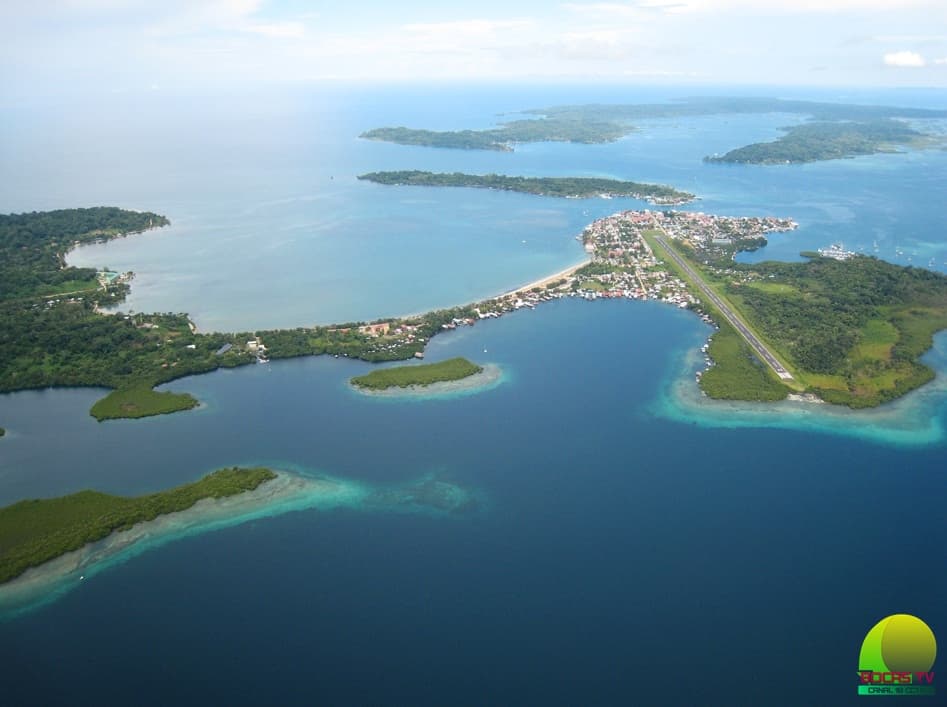
Panama · OVR 69
jaw-dropping scenery · reliable wifi, decent English
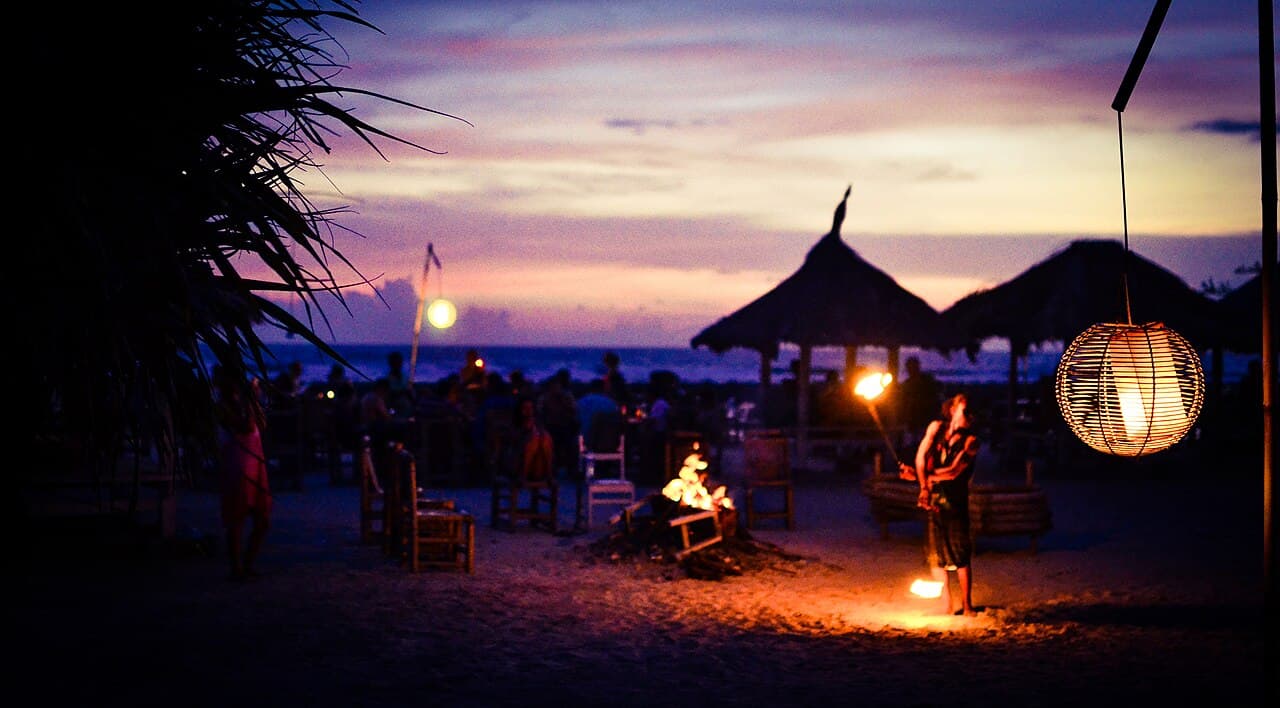
Indonesia · OVR 70
landscapes that steal the show · evening buzz

United States · OVR 73
unforgettable natural beauty · decent pedestrian spine

Philippines · OVR 71
landscapes that steal the show · evening buzz