
Lake Atitlán
THE QUICK VERDICT
By Anthony · Updated April 2026
Choose Lake Atitlán if you want a volcano-rimmed Maya highland lake — twelve villages each with its own character, lanchas between them, and Spanish-school + yoga options.
- Best for
- San Marcos cliff jump, San Juan textile co-ops, Indian Nose sunrise hike, Santiago Maximón shrine, Panajachel lancha hub
- Best window
- Nov–Apr
- Budget anchor
- $73/day mid-range
- Real bargain
- Bottom 10% on daily spend ($73/day mid-range)
- Worth a look
- Spanish schools here run 4 hours of one-on-one tuition for around $150 a week including a homestay
Aldous Huxley called it "the most beautiful lake in the world." Three volcanoes ring a 1,562m caldera, and twelve Maya villages dot the shoreline — each Kaqchikel or Tz'utujil with its own character. Panajachel for transit, San Pedro for backpacker partying and Spanish school, San Marcos for yoga and cliff jumps, Santiago for traditional culture and the Maximón shrine, San Juan for textile co-ops and coffee. Lanchas (boats) shuttle between them.
The two links below are affiliate links — MapSorted earns a small commission if you book through them, at no extra cost to you. How this works.
Tours & Experiences
Bookable tours, activities, and day trips in Lake Atitlán
Where to Stay
Compare hotels and rentals in Lake Atitlán
📍 Points of Interest
Volcán San Pedro
Accessible volcano hike to 3,020m with panoramic lake views
Santiago Atitlán & Maximón Shrine
Tz'utujil Maya village with syncretic folk deity and colonial church
San Marcos La Laguna
Spiritual retreat village with yoga centers and Cerro Tzankujil cliff jump
San Juan La Laguna Textile Co-ops
Women's Maya weaving cooperatives using natural dyes and traditional backstrap looms
Indian Nose / Rostro Maya
Sunrise viewpoint ridge above Santa Clara La Laguna overlooking all three volcanoes
Reserva Natural Atitlán
Nature reserve with hanging bridges, butterfly garden, and spider monkey rescue center
Panajachel — Calle Santander
Main tourist strip and lake gateway with markets, restaurants, and the public dock
★ Local Picks
Santa Catarina Palopó
Village with streets and walls painted in vivid Maya textile geometric patterns
Cerro Tzankujil Natural Park
Forest trails and famous cliff-jumping platform above San Marcos La Laguna
At a Glance
- Pop.
- ~75K (across all villages)
- Timezone
- Guatemala
- Dial
- +502
- Emergency
- 110 / 120
Aldous Huxley called Lake Atitlán "the most beautiful lake in the world" after visiting in 1934 — a description that has defined the lake's reputation ever since
The lake sits at 1,562 meters elevation in the Guatemalan Highlands and is framed by three volcanoes: San Pedro (3,020m), Tolimán (3,158m), and Atitlán (3,537m)
Twelve villages ring the lakeshore, each with its own distinct Maya Kaqchikel or Tz'utujil culture, language, and traditional textile patterns
Public lanchas (small motorboats) are the primary way to travel between villages — a ride between towns costs Q15-25 and takes 15-45 minutes depending on the route
Occasional outbreaks of cyanobacteria (blue-green algae) occur on the lake due to agricultural runoff and wastewater — check local conditions before swimming
Lake Atitlán has no outlet river — water exits only through evaporation and seepage, meaning the lake level fluctuates seasonally and has been rising slowly in recent decades
Top Sights
Volcán San Pedro Hike
🌿The most accessible volcano hike on the lake, departing from San Pedro La Laguna village. A 4-5 hour round-trip through coffee plantations and cloud forest to the summit at 3,020m, with panoramic views of the entire lake and surrounding peaks on clear days.
Santiago Atitlán & the Maximón Shrine
📌The largest village on the lake and the cultural heart of the Tz'utujil Maya people. Visit the 16th-century colonial church and then seek out the Maximón — a syncretic deity represented by a suited effigy who accepts offerings of rum and cigarettes. His location rotates between cofradías (brotherhoods) each year.
San Marcos La Laguna — Yoga & Cerro Tzankujil
🌿The lake's spiritual enclave, home to holistic retreat centers, meditation classes, and energy healers. Cerro Tzankujil is a natural park just outside the village with a famous cliff-jumping platform over the lake and quiet jungle trails.
San Juan La Laguna Textile Co-ops
📌A village celebrated for its natural-dye textile cooperatives run entirely by Maya Tz'utujil women. Visitors can tour the workshops, see the dyeing process using local plants, and buy directly from the weavers. Also a hub for specialty coffee grown on the steep volcanic slopes above the village.
Indian Nose / Rostro Maya Sunrise Hike
📌A 45-minute early-morning hike above Santa Clara La Laguna to a ridge whose profile resembles a Maya face in profile. The sunrise viewpoint — with the three volcanoes emerging from morning mist over the lake — is one of the most photographed scenes in Guatemala.
Reserva Natural Atitlán Panajachel
🌿A private nature reserve on the edge of Panajachel featuring hanging bridges through forest canopy, a butterfly garden, spider monkey rescue center, and lake-view trails. One of the best spots near the main transit hub to connect with local wildlife.
Santa Catarina Palopó — Painted Village
📌A small village a short tuk-tuk ride from Panajachel where the streets, walls, and even rocks have been painted in vivid geometric patterns inspired by traditional Maya textiles. The transformation has made it an open-air mural destination while also revitalizing local artisan identity.
Costs & Currency
Where the money goes
USD per dayBackpacker = hostel dorm + street food + public transit. Mid-range = 3-star hotel + neighbourhood restaurants + transit cards. Luxury = 4/5-star + fine dining + taxis. How we calibrate these numbers →
Quick cost estimate
Customize per category →Estimates based on regional averages. Flight prices vary by season and airline.
budget
$20-35
Hostel dorm or basic guesthouse, comedores meals, public lanchas, free hikes
mid-range
$55-90
Lakefront guesthouse, restaurant meals, guided volcano hike, lancha day trips
luxury
$150+
Boutique lake-view lodge, fine dining, private lancha, spa retreat, guided experiences
Typical Costs
| Item | Local | USD |
|---|---|---|
| AccommodationHostel dorm (San Pedro/San Marcos) | Q70-120 | $9-16 |
| AccommodationBasic guesthouse double room | Q150-280 | $20-36 |
| AccommodationMid-range lakefront hotel | Q300-600 | $39-78 |
| AccommodationBoutique lakefront lodge | Q1000+ | $130+ |
| FoodComedor breakfast (eggs, beans, tortillas) | Q25-40 | $3.25-5.20 |
| FoodComedor lunch or dinner set meal | Q40-80 | $5.20-10.40 |
| FoodRestaurant meal at tourist spot | Q80-160 | $10.40-20.80 |
| FoodCup of local specialty coffee | Q10-20 | $1.30-2.60 |
| TransportPublic lancha between villages | Q15-25 | $1.95-3.25 |
| TransportPrivate lancha charter | Q150-300 | $19.50-39 |
| TransportTuk-tuk within village | Q5-15 | $0.65-1.95 |
| TransportAntigua-Panajachel shuttle | Q80-150 | $10.40-19.50 |
| AttractionsVolcán San Pedro guided hike | Q200-350 | $26-45.50 |
| AttractionsIndian Nose sunrise hike with guide | Q80-150 | $10.40-19.50 |
| AttractionsReserva Natural Atitlán entry | Q60-80 | $7.80-10.40 |
| AttractionsCerro Tzankujil park entry (San Marcos) | Q25-35 | $3.25-4.55 |
💡 Money-Saving Tips
- •Eat at village comedores rather than tourist restaurants — a full set meal of eggs, beans, rice, and tortillas costs Q25-40
- •Take public lanchas instead of private charters — the Q15-25 public boat is the same journey for a fraction of the price
- •Stay in San Pedro La Laguna or San Marcos La Laguna for cheaper accommodation than Panajachel
- •Hike Indian Nose and the inter-village trails independently — many routes require no guide and are well-marked
- •Buy coffee and textiles directly from cooperatives in San Juan La Laguna, bypassing the Panajachel markup
- •Travel during the wet season (May-October) for 30-50% lower accommodation rates and uncrowded hiking
- •Take chicken buses to Sololá and Chichicastenango instead of tourist shuttles to save significantly
- •Bring a reusable water bottle and purification tablets — bottled water costs add up quickly and generate significant plastic waste
Guatemalan Quetzal
Code: GTQ
1 GTQ is approximately 0.13 USD (as of early 2026). ATMs are available in Panajachel (Banco Industrial, BAC Credomatic on Calle Santander) and in larger villages like San Pedro La Laguna. ATMs in smaller villages are rare or nonexistent — withdraw sufficient cash before leaving Panajachel. USD is often accepted at hotels and larger tourist restaurants, generally at a rate of Q7.5-8 per dollar.
Payment Methods
Cash is essential throughout the lake region. Cooperatives, comedores, lanchas, and tuk-tuks are always cash-only. Some upscale hotels and larger restaurants in Panajachel accept Visa and Mastercard but often add a 5-10% surcharge. Withdraw cash in Panajachel before heading to other villages.
Tipping Guide
Tipping is appreciated but not obligatory at local comedores. At tourist restaurants, 10% is customary. Leave Q5-15 at local spots, 10% at mid-range establishments.
No tipping expected on public lanchas. For private charter, rounding up by Q20-30 is a kind gesture after a good experience.
Q50-150 per person per day for hiking or village guides, depending on the length and quality of the tour. Tip at the end of the experience.
No tipping expected. Simply pay the agreed fare.
Q10-20 per bag for porters at upscale lodges. Q20-30 per day for housekeeping at guesthouses where daily service is provided.
Climate & Best Time to Go
Lake Atitlán has a highland subtropical climate that is pleasant year-round, with temperatures typically ranging from 15-25°C (59-77°F). The lake's elevation prevents the oppressive heat of Guatemala's Pacific lowlands. There are two distinct seasons: a dry season from November to April with clear skies and cool nights, and a wet season from May to October with warm mornings and heavy afternoon thunderstorms that typically clear by evening. The lake is famous for its afternoon winds — the Xocomil — which sweep across the water from the south and can create rough chop that suspends lancha service.
Dry Season
November - April55-75°F
13-24°C
The classic travel season. Clear skies allow unobstructed views of the three volcanoes, hiking conditions are excellent, and lake visibility is at its best. December and January nights can be cool enough to require a fleece.
Transition (into wet)
April - May59-79°F
15-26°C
Temperatures peak before rains begin. Mornings remain clear but afternoon clouds build. A good time to visit before the main wet season as crowds thin from the peak December-March period.
Wet Season
May - October59-77°F
15-25°C
Lush green hillsides and lower prices define the rainy season. Rain typically falls in heavy afternoon bursts of 1-2 hours, with mornings often beautifully clear. Volcano views are more frequently obscured by cloud.
Transition (into dry)
October - November55-73°F
13-23°C
Rains taper off in October and conditions improve rapidly. By mid-November the lake is clear and blue again. This shoulder season offers good conditions and lower accommodation prices before the December high season.
Best Time to Visit
November through April (the dry season) offers the clearest lake views, best volcano visibility for hiking, and most reliable weather. December and January are peak season with the highest prices and most visitors. March and April offer excellent conditions with somewhat lower crowds before the rains begin.
Dry Season (November - April)
Crowds: High — especially December through MarchThe most popular time to visit. Clear skies, calm mornings, and cool nights make for ideal hiking and lake exploration. The lake is most beautiful in its flat, brilliant blue state during this season.
Pros
- + Best volcano views and hiking conditions
- + Calm mornings on the lake
- + No rain disruptions to activities
- + Clearest water visibility
Cons
- − Higher accommodation prices
- − Busiest period in Panajachel
- − Pre-book accommodation in December-January
- − Dusty dry-season air in peak months
Transition (April - May)
Crowds: ModerateTemperatures peak and humidity rises before the rains begin. Mornings are still clear but afternoons cloud over. A good shoulder season with fewer visitors than peak dry season.
Pros
- + Lower prices than peak dry season
- + Clear mornings
- + Landscapes begin greening up
- + Good hiking before the rains
Cons
- − Afternoon storms begin by late April
- − Hottest and most humid period
- − Some trails muddy after first rains
Wet Season (May - October)
Crowds: Low to moderateLush green volcanoes and much lower prices define the rainy season. Rain typically arrives as dramatic afternoon thunderstorms before clearing by evening. Mornings are often beautiful. Lancha service can be suspended during storms.
Pros
- + Lowest prices of the year
- + Lush green scenery
- + Fewer tourists
- + Dramatic storm light for photography
Cons
- − Afternoon rain disrupts outdoor activities
- − Volcano views often cloud-obscured
- − Lancha service may be suspended
- − Occasional cyanobacteria blooms
Shoulder Season (October - November)
Crowds: Low in October, rising from mid-NovemberRains taper off through October and conditions improve sharply in November. The landscape is green from the rains, skies are clearing, and prices have not yet risen to high-season levels.
Pros
- + Best of both seasons — green and clear
- + Competitive prices
- + Good hiking conditions returning
- + Day of the Dead celebrations early November
Cons
- − October can still have heavy rain
- − Accommodation books up from late November
- − Variable weather in transition
🎉 Festivals & Events
Semana Santa (Holy Week)
March or AprilEaster Holy Week is celebrated throughout Guatemala with elaborate processions, carpets of colored sawdust and flowers, and solemn religious ceremonies. Santiago Atitlán hosts particularly meaningful Semana Santa celebrations.
Día de los Muertos — Sumpango Giant Kites
November 1-2On All Saints' Day and All Souls' Day, the town of Sumpango near Chimaltenango (on the road from Antigua) hosts a spectacular giant kite festival where enormous hand-painted kites are flown to communicate with ancestors. Combined with local cemetery visits at lake villages.
Feast of San Pedro
June 29San Pedro La Laguna celebrates its patron saint with traditional Maya dance, marimba music, fireworks, and street processions. One of the liveliest local festivals on the lake.
Off the Beaten Path
San Pedro La Laguna Underground Coffee Scene
Beyond the backpacker bars, San Pedro has a growing specialty coffee culture with small cafes serving beans grown on the steep volcanic slopes above town. Seek out the roasters on the back streets behind the main dock for single-origin Atitlán espresso.
Coffee grown at 1,500-2,000m on volcanic soil around the lake has exceptional flavor, but it is almost entirely exported — the best cups stay local and cost Q10-15.
Cerro de Oro
A small, seldom-visited cone rising from the southern shore between San Lucas Tolimán and Santiago Atitlán. A short scramble leads to open views of both Tolimán and Atitlán volcanoes without the crowds of the main hikes.
Almost no tourist infrastructure exists here — you will likely be alone on the trail with local farmers, and the perspective across the lake's southern basin is unique.
Jaibalito Village
One of the smallest and most isolated villages on the lake, accessible only by lancha or a 30-minute forest walk from Santa Cruz La Laguna. A handful of simple guesthouses and restaurants cater to travelers seeking total quiet.
No roads reach Jaibalito — it is quieter than anywhere else on the lake, and watching the nightly bioluminescence in the water from the dock is a rare experience.
Sololá Tuesday & Friday Market
The highland Maya market in Sololá — the departmental capital above the lake — is one of the most authentic in the region, attended primarily by local Maya vendors rather than tourists. The Friday market is especially large.
Unlike the Chichicastenango market, Sololá's market is a working community market where prices are in quetzales and vendors wear traditional traje. Take the chicken bus up from Panajachel.
Tzununá Kayak Route
Rent a kayak from Santa Cruz La Laguna and paddle the quieter northwest shore past the villages of Jaibalito and Tzununá. Morning conditions are typically calm before afternoon winds pick up across the lake.
Seeing the lake at water level — with the volcanoes rising ahead — is a completely different experience from the lancha dock view, and the northwest shore is the least developed stretch of shoreline.
Safety Breakdown
Moderate
out of 100
Lake Atitlán itself is generally safe for travelers and is visited by hundreds of thousands of tourists annually. The main safety concerns are practical rather than violent: the Xocomil afternoon winds can make lancha crossings dangerous, occasional petty theft occurs in Panajachel, and chicken bus routes between towns have historically had sporadic robberies. The San Pedro La Laguna party scene has a drug presence and warrants situational awareness at night. The overall experience is safe when basic precautions are taken.
Things to Know
- •Avoid taking lanchas after dark — night crossings increase accident risk significantly and are best avoided
- •Do not swim in the lake if you have open cuts or wounds, and check local reports for cyanobacteria alerts before any extended swimming
- •Use only registered shuttle drivers and licensed lancha operators recommended by your accommodation
- •Altitude at 1,562m is unlikely to cause serious sickness for most travelers, but ascending to Indian Nose (2,170m) or Volcán San Pedro (3,020m) warrants a slow pace and hydration
- •Keep valuables in a hotel safe and carry minimal cash when exploring Panajachel's Calle Santander
- •If taking chicken buses between towns, hold bags on your lap and stay alert at crowded bus stops
Natural Hazards
Emergency Numbers
Police (PNC)
110
Ambulance (Cruz Roja)
122
Fire Department (Bomberos)
123
ASISTUR Tourist Assistance
1500
How to Get There
✈️ Airports
La Aurora International Airport, Guatemala City(GUA)
145 km eastTourist shuttle vans from Guatemala City to Panajachel run several times daily and take 3-4 hours (Q150-200 per person). Private transfers cost Q600-900. No public bus runs directly to Panajachel from the airport — take a taxi to the city's bus terminal and then a chicken bus via Chimaltenango (slower but Q30-50 total).
✈️ Search flights to GUA🚌 Bus Terminals
Panajachel Bus Terminal (near Calle Santander)
Tourist shuttle services from Antigua to Panajachel depart several times daily and take approximately 2.5 hours (Q80-150 per person). Chicken buses depart frequently to Sololá (Q5, 20 min), from where connections run to Chichicastenango, Quetzaltenango, and Guatemala City. No shuttle service runs directly to villages other than Panajachel — take a lancha from there.
Getting Around
Lake Atitlán is connected internally by an extensive network of public lanchas (motorboats) running between the 12 lakeside villages. Within each village, tuk-tuks (three-wheeled auto-rickshaws) provide inexpensive local transport. Chicken buses connect villages on the road network to Panajachel and up to Sololá. The lake's geography means boats are almost always faster than road routes for inter-village travel.
Public Lanchas (Motorboats)
Q15-25 (~$2-3.25) per person per hopShared motorboats running regular routes between all major lakeside villages. The main hub is Panajachel's public dock (Embarcadero). Boats leave when full, roughly every 30-60 minutes for major routes. Service typically runs 06:00-17:00; travel after dark is not recommended.
Best for: All inter-village travel; the most authentic and cheapest way to explore the lake
Private Lancha Charter
Q150-300 (~$20-40) per trip depending on distance and negotiationPrivate boat hire for groups or flexible itineraries. Can be chartered at the docks in Panajachel, San Pedro, or Santiago Atitlán. Useful for early-morning departures, custom routes, or large groups.
Best for: Flexible itineraries, sunrise runs to Indian Nose, group travel
Tuk-Tuks
Q5-15 (~$0.65-2) per ride within a villageThree-wheeled auto-rickshaws that shuttle passengers within each village and between the dock and accommodations. Available at every village dock. Agree on fare before boarding.
Best for: Getting from the dock to your hotel, short intra-village trips
Chicken Buses (Camionetas)
Q5-30 (~$0.65-4) depending on routeRepurposed US school buses connecting Panajachel to Sololá, and onward to Chichicastenango and Quetzaltenango. Colorfully painted and packed with local passengers, produce, and livestock. Cheap but slow and crowded.
Best for: Budget travel to Sololá market, Chichicastenango, or connections to Xela
Walking
FreeVillage centers are compact and easily walkable. Most accommodations, restaurants, and attractions within each village are within 10-20 minutes on foot. Trails between some adjacent villages (e.g., San Juan to San Pedro) are well-worn and straightforward.
Best for: Exploring within each village; inter-village trails on the southern shore
Walkability
Individual villages are very walkable — San Pedro, San Marcos, and San Juan are all compact enough to explore entirely on foot. Panajachel's Calle Santander is the main commercial street and is pedestrian-friendly. However, the steep terrain in most villages means significant uphill walking; good shoes are essential.
Travel Connections

Antigua Guatemala
Guatemala's most visited colonial city, with cobblestone streets, pastel baroque ruins, and a backdrop of three volcanoes. A UNESCO World Heritage Site and the country's most polished tourist base.

Chichicastenango
Home to one of the largest and most vibrant indigenous markets in Central America, held every Thursday and Sunday. Maya K'iche' traders fill the square around the 16th-century Santo Tomás church with textiles, produce, incense, and ritual offerings.

Quetzaltenango (Xela)
Guatemala's second-largest city — a working highland city with a strong Spanish-school scene, hot springs nearby at Fuentes Georginas, and access to the active Santiaguito volcano.

Guatemala City
The capital and main international gateway to Guatemala. Home to the excellent Museo Popol Vuh with pre-Columbian Maya artifacts, the lively Zona Viva, and the Museum of Anthropology and Ethnology.
Entry Requirements
Guatemala offers visa-free entry for up to 90 days to citizens of most Western countries. Guatemala is part of the CA-4 agreement with Honduras, El Salvador, and Nicaragua — your 90-day allowance is shared across all four countries in a single visit. Entry is through La Aurora International Airport (GUA) in Guatemala City, with onward shuttle or bus to Lake Atitlán.
Entry Requirements by Nationality
| Nationality | Visa Required | Max Stay | Notes |
|---|---|---|---|
| US Citizens | Visa-free | 90 days | No visa required. The 90-day CA-4 period is shared with Honduras, El Salvador, and Nicaragua. Passport must be valid for at least 6 months from entry. |
| UK Citizens | Visa-free | 90 days | Visa-free entry under the CA-4 agreement. Standard tourist stamp issued on arrival. |
| EU Citizens | Visa-free | 90 days | Most EU nationals receive visa-free CA-4 entry for 90 days. Carry proof of onward travel. |
| Australian Citizens | Visa-free | 90 days | Visa-free for 90 days CA-4. Passport must be valid for 6 months. Proof of sufficient funds may be requested. |
| Canadian Citizens | Visa-free | 90 days | Visa-free entry for 90 days. CA-4 agreement applies. |
| Indian Citizens | Yes | Varies | A tourist visa is required. Apply at the Guatemalan Embassy before travel. Processing typically takes 5-10 business days. |
Visa-Free Entry
Tips
- •The CA-4 90-day limit is shared between Guatemala, Honduras, El Salvador, and Nicaragua — keep track of your total days in the region
- •To reset the CA-4 clock, you must exit to a non-CA-4 country (Mexico, Belize, Costa Rica) for 72 hours before re-entering
- •Immigration officers at GUA may ask for proof of accommodation and onward travel — have these ready
- •Keep your entry stamp and immigration slip safe — hotels and banks may ask to see it
- •Carry a photocopy of your passport when exploring villages — keep the original locked at your accommodation
Language & Phrases
Spanish is the official language and widely spoken. However, the lake villages are predominantly Maya — Kaqchikel is spoken in the northern villages (Panajachel, Santa Catarina Palopó, San Juan, San Marcos) while Tz'utujil is spoken in the southern villages (Santiago Atitlán, San Pedro La Laguna). Learning a few words in either language is deeply appreciated and will earn immediate goodwill.
| English | Translation | Pronunciation |
|---|---|---|
| Hello | Hola (Spanish) / Utz awach (Kaqchikel) | OH-lah / OOTS ah-WATCH |
| Good morning | Buenos días (Spanish) / Saqarik (Kaqchikel) | BWAY-nohs DEE-ahs / sah-KAH-reek |
| Thank you | Gracias (Spanish) / Maltiox (Kaqchikel) | GRAH-syahs / mahl-TYOSH |
| Please | Por favor (Spanish) | por fah-VOR |
| Yes / No | Sí / No (Spanish) | SEE / NOH |
| How much? | ¿Cuánto cuesta? | KWAHN-toh KWES-tah? |
| Too expensive! | ¡Muy caro! | MWEE KAH-roh! |
| Where is the dock? | ¿Dónde está el muelle? | DON-day es-TAH el MWAY-yeh? |
| One ticket to San Pedro, please | Un pasaje a San Pedro, por favor | oon pah-SAH-hey ah san PAY-droh, por fah-VOR |
| Beautiful (Kaqchikel) | Nim utzil | NEEM oot-SEEL |
| Excuse me / Sorry | Perdón / Con permiso | pehr-DON / kon pehr-MEE-soh |
| Goodbye | Adiós (Spanish) / Chak'ul (Kaqchikel) | ah-DYOS / chah-KOOL |
Shopping
Lake Atitlán is one of Guatemala's best destinations for authentic Maya textiles and handcrafts. Each village has its own distinct weaving tradition, with unique color palettes and patterns encoded in traditional huipiles (blouses) and table runners. Panajachel's Calle Santander is the main commercial strip, but better quality and fairer prices are found directly in village cooperatives. Bargaining is expected in markets; cooperative prices are typically fixed.
Panajachel — Calle Santander
main shopping streetThe main tourist commercial corridor in Panajachel, lined with souvenir stalls, textile shops, restaurants, and tour agencies. The largest concentration of shopping on the lake, though prices are higher than village sources.
Known for: Textiles, jade jewelry, leather goods, silver, Guatemalan coffee, huipiles
San Juan La Laguna — Textile Co-ops
artisan cooperativeSeveral women's weaving cooperatives in San Juan sell naturally dyed textiles made using traditional backstrap looms. Prices are fair and purchases go directly to the artisans. Tours of the dyeing and weaving process are available.
Known for: Natural-dye textiles, backstrap-loom scarves, table runners, huipiles, coffee
Sololá Market (Tuesday & Friday)
highland Maya marketThe departmental market above Panajachel draws local Maya vendors from across the highlands. Far less touristed than Chichicastenango, with genuine local commerce in produce, household goods, and traditional dress.
Known for: Fresh produce, traditional Maya traje at local prices, local foodstuffs, household goods
🎁 Unique Souvenirs to Look For
- •Huipiles — traditional Maya blouses with intricate hand-woven patterns unique to each village
- •Natural-dye scarves and table runners from San Juan La Laguna co-ops using indigo, marigold, and morro dyes
- •Jade carvings and jewelry — jade was sacred to the ancient Maya and is still worked in Guatemala
- •Specialty coffee from co-ops around San Juan and San Pedro, grown at high elevation on volcanic slopes
- •Wooden Maximón figurines from Santiago Atitlán, a syncretic Maya folk-saint icon
- •Hand-painted ceramics and pottery with Maya geometric motifs
- •Backstrap-loom woven coin purses and bags — small and easy to pack
If you like Lake Atitlán, you'll love…
4 cities with a similar vibe, outside of the same country.

China · OVR 80
unforgettable natural beauty · stretches your budget
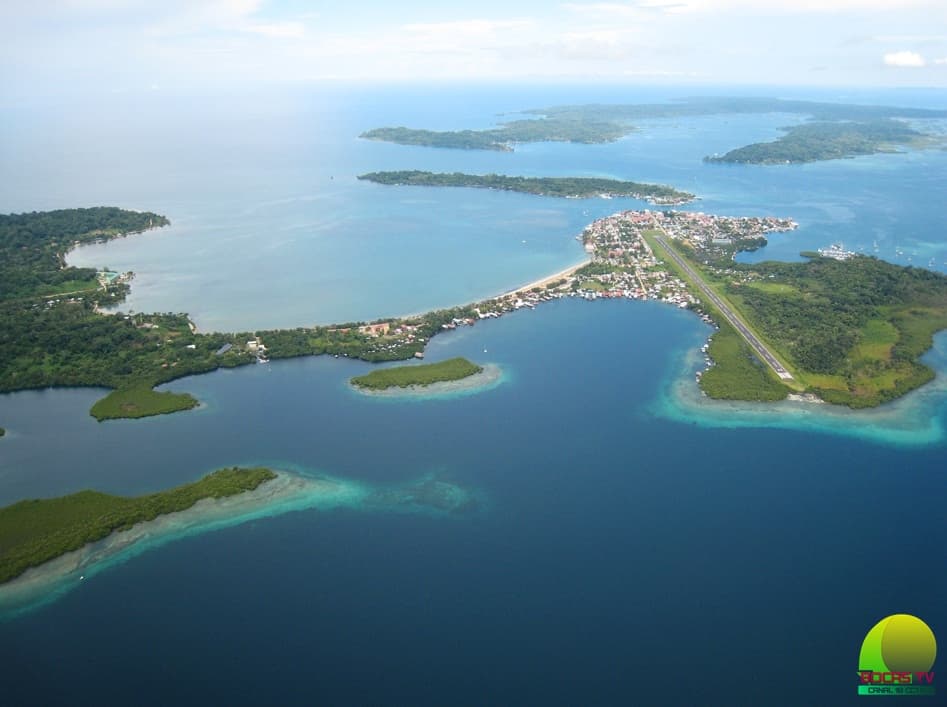
Panama · OVR 69
jaw-dropping scenery · workable for remote days

Philippines · OVR 74
jaw-dropping scenery · easy on the wallet

Kyrgyzstan · OVR 69
easy on the wallet · decent pedestrian spine