
Kigali
THE QUICK VERDICT
By Anthony · Updated June 2026
Choose Kigali if you want Africa's cleanest capital, mountain gorilla trekking, and a story of remarkable transformation.
- Best for
- Kigali Genocide Memorial, Inema Arts Center, Caplaki craft village, Kimironko Market, gateway to Volcanoes NP gorillas
- Two seasons
- Jun–Sep and Dec–Feb
- Budget anchor
- $140/day mid-range
- No real seasons
- Within 2°C year-round — timing is about rain, not temperature
- Worth a look
- Akagera safari (Big Five) is just 2.5 hours east — most visitors never realize Rwanda has it
Africa's cleanest capital spread across lush hills — a city of remarkable transformation, powerful genocide memorials, thriving coffee culture, and the gateway to mountain gorilla trekking.
The two links below are affiliate links — MapSorted earns a small commission if you book through them, at no extra cost to you. How this works.
Tours & Experiences
Bookable tours, activities, and day trips in Kigali
Where to Stay
Compare hotels and rentals in Kigali
📍 Points of Interest
Kigali Genocide Memorial
Principal memorial documenting the 1994 genocide
Kimironko Market
Kigali's largest market with kitenge fabrics and produce
Inema Arts Center
Contemporary gallery with live painting and performances
Kigali Convention Centre
Iconic dome-shaped modern landmark
Nyamirambo Neighborhood
Vibrant multicultural quarter with walking tours
Mount Kigali
Forested urban hill with hiking trails and city views
★ Local Picks
Question Coffee
Social enterprise cafe serving top Rwandan single-origin coffee
Caplaki Craft Village
Cooperative craft market with traditional Rwandan art
At a Glance
- Pop.
- 1.2M
- Timezone
- Kigali
- Dial
- +250
- Emergency
- 112
Kigali is widely considered the cleanest city in Africa, with a nationwide plastic bag ban since 2008 and mandatory community clean-up days (Umuganda) on the last Saturday of every month
Rwanda is known as the "Land of a Thousand Hills" — Kigali is built across several ridges and valleys at an elevation of 1,500 meters
The Kigali Genocide Memorial documents the 1994 genocide against the Tutsi, in which approximately one million people were killed in 100 days
Rwanda is one of only two countries in the world where you can trek to see mountain gorillas in the wild — permits start at $1,500
Rwanda has the highest percentage of women in parliament of any country in the world, consistently above 60%
Kigali is one of the fastest-developing cities in Africa, with gleaming new buildings, excellent roads, and a growing tech startup scene
Top Sights
Kigali Genocide Memorial
🏛️The principal memorial and museum documenting the 1994 genocide against the Tutsi. The resting place of over 250,000 victims, with deeply moving exhibits including a children's memorial. Essential and emotionally demanding.
Kimironko Market
📌Kigali's largest and most vibrant market, a maze of stalls selling colorful kitenge fabrics, fresh produce, spices, crafts, and household goods. The best place to experience daily Kigali life.
Inema Arts Center
🏛️A dynamic contemporary art gallery and studio space run by two self-taught brothers. Watch artists at work, browse bold, colorful paintings, and attend dance and drumming performances.
Nyamirambo Walk
📌A guided walking tour through Kigali's most vibrant and multicultural neighborhood, visiting local tailors, mosques, salons, markets, and traditional food spots with community guides.
Kigali Convention Centre
🗼The striking dome-shaped building has become Kigali's modern architectural icon, visible from across the city. The surrounding area showcases Rwanda's vision of its modernizing capital.
Mount Kigali
🌿A forested hill in the city offering hiking trails through eucalyptus groves with panoramic views of the city skyline and surrounding hills. A peaceful escape from the urban center.
Campaign Against Genocide Museum
🏛️Housed in the former parliament building, this museum chronicles the political history leading to the genocide and the RPF campaign that ended it. Complements the main memorial.
Climate & Best Time to Go
Kigali enjoys a mild tropical highland climate thanks to its 1,500-meter elevation. Temperatures are remarkably consistent year-round — warm days and cool nights. There are two rainy seasons and two dry seasons. The altitude makes it much cooler than you'd expect for a city near the equator.
Short Dry Season
January - February59-82°F
15-28°C
A brief dry spell between the two rainy seasons. Clear skies and warm temperatures make this a good time for gorilla trekking.
Long Rainy Season
March - May59-79°F
15-26°C
The heaviest rains, usually as afternoon downpours. Mornings are often clear. The countryside turns brilliantly green. Gorilla trekking is still possible but trails are muddy.
Long Dry Season
June - September57-81°F
14-27°C
The main dry season and peak tourist period. Clear skies, cooler nights, and the best conditions for wildlife viewing and gorilla trekking.
Short Rainy Season
October - December59-81°F
15-27°C
Lighter rains than the March-May season. Still a good time to visit — showers are usually short. Gorilla permits are easier to secure.
Best Time to Visit
June through September (the long dry season) offers the best weather for gorilla trekking and general sightseeing. January-February (short dry season) is also excellent. The rainy seasons are still viable — rain usually falls in short afternoon bursts — and offer lower prices and fewer trekkers.
Long Dry Season (June - September)
Crowds: High — gorilla permits book up 3-6 months aheadThe peak tourist season with clear skies, mild temperatures, and the best trekking conditions. Gorilla permits sell out months in advance. Optimal for photography.
Pros
- + Best trekking conditions
- + Clear skies for photography
- + Comfortable temperatures
- + All roads accessible
Cons
- − Peak prices
- − Gorilla permits scarce
- − Popular lodges book up
- − Drier landscape less scenic
Short Dry Season (January - February)
Crowds: ModerateA brief window of dry weather between the rains. Excellent for gorilla trekking with slightly fewer visitors than the main dry season.
Pros
- + Good trekking conditions
- + Fewer tourists than June-Sept
- + Green, lush landscape
- + Easier permit availability
Cons
- − Short window — rains can arrive early or late
- − Slightly warmer than dry season
Long Rainy Season (March - May)
Crowds: Low — genuine off-seasonHeavy afternoon rains but mornings are usually clear. Trails are muddy for gorilla trekking but still operational. The countryside is at its most verdant.
Pros
- + Lowest prices
- + Easiest permit availability
- + Lush green scenery
- + Fewer tourists on treks
Cons
- − Muddy trekking trails
- − Afternoon rains daily
- − Some rural roads difficult
- − April is genocide remembrance month — a somber period
Short Rainy Season (October - December)
Crowds: Moderate — increasing toward DecemberLighter rains than March-May. Still a good time to visit with manageable showers. Tourist numbers increase toward December holidays.
Pros
- + Reasonable prices
- + Light rains manageable
- + Good permit availability
- + Green landscape
Cons
- − Occasional heavy showers
- − Some trails muddy
- − Increasing crowds in December
🎉 Festivals & Events
Kwita Izina (Gorilla Naming Ceremony)
SeptemberAn annual ceremony where newly born gorillas are given names, accompanied by cultural performances, conservation speeches, and celebrations. A uniquely Rwandan national event.
Genocide Commemoration (Kwibuka)
April 7-13The national remembrance period marking the beginning of the 1994 genocide. A somber week of vigils, walks of remembrance, and community gatherings. Visitors should be respectful and reflective.
Umuganura (National Harvest Day)
AugustA revived pre-colonial harvest celebration featuring traditional dance, drumming, food, and cultural events across the country.
Kigali Up (Music Festival)
OctoberAn annual music and arts festival bringing together African and international artists for performances, workshops, and cultural exchange in venues across Kigali.
Off the Beaten Path
Question Coffee
A specialty coffee shop and social enterprise run by women genocide survivors, serving excellent single-origin Rwandan coffee with bean-to-cup workshops available.
Rwanda produces exceptional coffee but most is exported — this is one of the best places to taste top-grade Rwandan beans while directly supporting women rebuilding their lives.
Niyo Arts Gallery
A community arts space in Nyamirambo where former street youth create colorful paintings, sculptures, and crafts. Visitors can watch artists work and buy directly from them.
The art tells the story of Rwanda's transformation through the eyes of its youngest generation — powerful, hopeful, and deeply personal.
Fazenda Sengha
A hillside restaurant and cultural space set in beautiful gardens, serving modern Rwandan cuisine with locally sourced ingredients and traditional Imigongo art decorations.
One of the few restaurants reclaiming traditional Rwandan ingredients and techniques while presenting them in a contemporary fine-dining context.
Nyamirambo Women's Center
A community cooperative where local women teach visitors to cook traditional Rwandan meals, make crafts, and explore the neighborhood through walking tours.
The cooking classes and walking tours are led by women from the community who share personal stories alongside recipes — intimate, authentic, and impactful.
Kigali Car-Free Zone
Several streets in the city center that close to vehicle traffic on Sundays and selected evenings, filling with joggers, cyclists, street vendors, dancers, and community events.
This is where you see Kigali at its most relaxed and communal — families, friends, and fitness enthusiasts reclaiming the streets in a city that rarely slows down.
Safety Breakdown
Moderate
out of 100
Kigali is one of the safest capital cities in Africa. Strict law enforcement, low crime rates, and a strong sense of community order make it notably secure. Violent crime against tourists is extremely rare. Petty theft is uncommon. The biggest adjustment is the very strict laws around plastic bags, jaywalking, and public order.
Things to Know
- •Kigali is genuinely safe to walk around at night in most neighborhoods — a rarity for African capitals
- •Plastic bags are completely banned in Rwanda — your luggage may be checked at the airport and any plastic bags confiscated
- •Photography of military installations, government buildings, and the presidential palace is strictly prohibited
- •Do not take photos of people without asking permission — Rwandans value privacy and consent
- •The last Saturday of each month is Umuganda (community service) — most businesses close and movement is restricted from 8-11 AM
- •LGBTQ+ travelers should exercise discretion — same-sex relationships are not illegal but public displays of affection are not accepted
Natural Hazards
Emergency Numbers
Police
112
Ambulance
912
Fire Department
111
Rwanda National Police Emergency
113
Costs & Currency
Where the money goes
USD per dayBackpacker = hostel dorm + street food + public transit. Mid-range = 3-star hotel + neighbourhood restaurants + transit cards. Luxury = 4/5-star + fine dining + taxis. How we calibrate these numbers →
Quick cost estimate
Customize per category →Estimates based on regional averages. Flight prices vary by season and airline.
budget
$40-65
Guesthouse or hostel, local restaurant meals, public buses and motos, free walking tours, market visits
mid-range
$100-180
Mid-range hotel, mixed local and international dining, private transport, city tours, coffee experiences
luxury
$300-500+
Boutique hotel, fine dining, private guided tours, gorilla trekking permit (adds $1,500 per person)
Typical Costs
| Item | Local | USD |
|---|---|---|
| AccommodationHostel/guesthouse | RWF 15,000-30,000 | $12-23 |
| AccommodationMid-range hotel (double) | RWF 60,000-120,000 | $47-94 |
| AccommodationLuxury hotel | RWF 200,000-500,000 | $156-390 |
| FoodLocal restaurant buffet | RWF 2,000-4,000 | $1.55-3.10 |
| FoodBrochette (grilled meat skewer) | RWF 1,500-3,000 | $1.15-2.35 |
| FoodRestaurant meal (upscale) | RWF 12,000-25,000 | $9.40-19.50 |
| FoodRwandan coffee (specialty) | RWF 2,000-4,000 | $1.55-3.10 |
| TransportCity bus ride | RWF 200-300 | $0.15-0.25 |
| TransportMoto-taxi ride | RWF 500-2,000 | $0.40-1.55 |
| TransportBus to Musanze (for gorillas) | RWF 3,500 | $2.70 |
| AttractionsGenocide Memorial | Free (donations welcome) | Free |
| AttractionsGorilla trekking permit | $1,500 | $1,500 |
💡 Money-Saving Tips
- •Eat at local buffet restaurants where you fill a plate from the spread for under $3 — filling and delicious
- •Use public buses or moto-taxi apps instead of private taxis for 80% savings on transport
- •The Kigali Genocide Memorial is free to visit — one of the most important sites in Africa at no cost
- •Buy a local SIM card for mobile money payments — vendors give better prices than card transactions
- •Book gorilla permits well in advance — last-minute availability is rare and secondary market prices are inflated
- •Have clothes custom-made at Kimironko Market — buy fabric and tailoring for a fraction of boutique prices
- •Travel by public bus between cities rather than hiring private transfers — comfortable and extremely cheap
- •Rwandan coffee costs under $2 at local cafes but $5+ at hotel restaurants
Rwandan Franc (RWF)
Code: RWF
1 USD is approximately 1,280 RWF (as of early 2026). US dollars are accepted at some hotels and tour operators but the franc is used for daily transactions. ATMs are available at banks and malls. Bank of Kigali, I&M Bank, and Equity Bank have reliable ATMs.
Payment Methods
Cash is dominant for everyday transactions. Mobile money (MTN MoMo, Airtel Money) is extremely widespread — even small vendors accept it. Credit cards are accepted at upscale hotels, restaurants, and some shops. Visa is more widely accepted than Mastercard. Carry cash for markets, motos, and smaller businesses.
Tipping Guide
Tipping is not mandatory but 10% is appreciated for good service. Some upscale restaurants add a service charge.
$10-20 per person per day for guides and trackers. Gorilla trekking porters are tipped $10-15.
RWF 1,000-2,000 ($0.80-1.55) per bag for porters. Housekeeping tips of RWF 2,000-3,000 per day are welcome.
$5-10 per day for private drivers. Not expected for taxi or moto rides.
$5-10 per person for city walking tours. Community tour guides appreciate generous tips.
How to Get There
✈️ Airports
Kigali International Airport(KGL)
10 km eastTaxi or ride-hailing app to the city center takes 20-30 minutes (RWF 15,000-25,000 / $12-20). No public bus direct to terminal. Hotels can arrange pickup. RwandAir is the national carrier with connections across Africa and to Europe.
✈️ Search flights to KGL🚌 Bus Terminals
Nyabugogo Bus Station
The main intercity bus hub with services to all major Rwandan cities and towns. Virunga Express, Volcano Express, and Ritco operate routes to Musanze/Volcanoes NP (2.5h, RWF 3,500/$2.70), Gisenyi/Lake Kivu (3-4h, RWF 4,500/$3.50), and Huye/Butare (2.5h, RWF 3,000/$2.35).
International Bus Services
Cross-border buses to Kampala, Uganda (8-10h, $15-25) and Bujumbura, Burundi (5-6h, $10-15). Modern coach services like Jaguar Executive and Trinity Express serve these routes.
Getting Around
Kigali has a well-organized public bus system and widely available moto-taxis (motorcycle taxis). The city is hilly and spread out, so walking between neighborhoods requires stamina. Ride-hailing apps have transformed urban transport.
KBS / Royal Express Buses
RWF 200-300 (~$0.15-0.25) per rideModern public buses operate on fixed routes across the city. Clean, affordable, and well-organized with smart card (Tap&Go) payment. Routes cover all major neighborhoods.
Best for: Getting around the city on a budget — routes connect all major areas
Moto-Taxis
RWF 500-2,000 (~$0.40-1.55) depending on distanceMotorcycle taxis are ubiquitous and the fastest way to navigate Kigali's hilly terrain and traffic. Drivers wear numbered vests and must provide helmets for passengers (required by law).
Best for: Quick point-to-point trips, especially up the steep hills or when buses don't go where you need
Move / Yego / SafeMotos
RWF 1,000-5,000 (~$0.80-3.90) for car rides; motos cheaperRide-hailing apps for both cars and motos. SafeMotos tracks drivers and routes for added safety. Yego is a regulated moto-taxi app. All provide fare estimates before booking.
Best for: Comfortable, metered car rides — particularly useful at night or for airport transfers
Private Taxis
RWF 3,000-10,000 (~$2.35-7.80) within the city; airport transfer RWF 15,000-25,000 (~$12-20)Standard taxis are available but don't use meters — negotiate the fare before departing. Hotels can arrange reliable taxi services for airport transfers and day trips.
Best for: Airport transfers, group travel, or when you want a private car with driver
Walkability
Kigali is spread across steep hills, making walking between neighborhoods tiring but rewarding for views. Individual neighborhoods like Nyamirambo and Kimironko are walkable. The city center is improving with wider sidewalks and pedestrian areas. Carry water — the hills and altitude take effort.
Travel Connections

Volcanoes National Park
Home to endangered mountain gorillas in the misty Virunga mountains. Gorilla trekking permits ($1,500) provide a once-in-a-lifetime encounter. Also offers golden monkey treks and Dian Fossey's tomb hike.

Nairobi
East Africa's largest city and a major safari hub. Nairobi National Park, the Karen Blixen Museum, vibrant food scenes, and gateway to the Masai Mara and beyond.

Dar es Salaam
Tanzania's largest city and Indian Ocean port. Gateway to Zanzibar, the Serengeti, and Kilimanjaro. Bustling markets, ocean-front fish markets, and coastal Swahili culture.
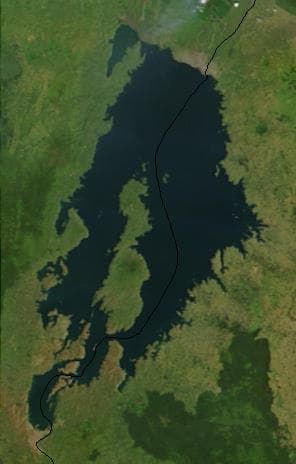
Lake Kivu (Gisenyi/Rubavu)
A stunning freshwater lake on the Congo border with sandy beaches, hot springs, and waterfront lodges. Gisenyi is the main resort town, with a mellow lakeside vibe and views of the Virunga volcanoes.
Nyungwe Forest National Park
One of Africa's oldest and best-preserved montane rainforests. Canopy walkway, chimpanzee tracking, 300 bird species, and 13 primate species in a pristine ancient forest setting.
Entry Requirements
Rwanda offers visa-on-arrival or e-visa for most nationalities, making entry straightforward. All African Union citizens get visa-free entry. The process is quick and efficient — Rwanda's immigration is among the most organized in Africa.
Entry Requirements by Nationality
| Nationality | Visa Required | Max Stay | Notes |
|---|---|---|---|
| US Citizens | Visa-free | 90 days | Visa-free since 2023. Passport must be valid for 6 months. Yellow fever certificate required if arriving from an endemic country. |
| UK Citizens | Visa-free | 90 days | Visa-free entry. Passport valid for 6 months beyond entry date required. |
| Canadian Citizens | Yes | 30 days | Visa on arrival ($50) or e-visa available. E-visa recommended to avoid queues. Apply at irembo.gov.rw. |
| EU Citizens | Yes | 30 days | Most EU nationals need a visa on arrival ($50) or e-visa. Some nations (Germany) are visa-free. Check before travel. |
| Australian Citizens | Yes | 30 days | Visa on arrival ($50) or e-visa. E-visa application takes 3-5 business days. |
| Indian Citizens | Yes | 30 days | Visa on arrival ($50) available. African Union free movement applies. Yellow fever certificate mandatory. |
Visa-Free Entry
Visa on Arrival
Tips
- •The East Africa Tourist Visa ($100) covers Rwanda, Uganda, and Kenya for 90 days — excellent value if visiting multiple countries
- •Yellow fever vaccination is mandatory if arriving from an endemic country — carry your certificate
- •Rwanda's airports are efficient — immigration rarely takes more than 15-20 minutes
- •No plastic bags are allowed into Rwanda — your luggage may be inspected at the airport and any plastic confiscated
- •Register your gorilla trekking permit well in advance through the Rwanda Development Board or a licensed tour operator
Shopping
Kigali offers excellent shopping for African arts, crafts, textiles, and specialty coffee. The city has a growing number of boutiques supporting local artisans and cooperatives. Traditional markets are vibrant and welcoming. Modern malls cater to everyday needs.
Kimironko Market
traditional marketThe largest market in Kigali, sprawling across multiple buildings. The fabric section is legendary — rolls of colorful kitenge, wax prints, and traditional textiles at excellent prices.
Known for: Kitenge fabrics, fresh produce, spices, baskets, tailoring services (custom clothes made in 24h)
Caplaki Craft Village
artisan marketA dedicated craft market near the Genocide Memorial with cooperatives selling wood carvings, baskets, jewelry, paintings, and Imigongo (traditional cow dung art).
Known for: Agaseke peace baskets, wood carvings, Imigongo art, gorilla figurines, jewelry
Kigali Heights / MTN Center
modern mallModern shopping centers with supermarkets, cafes, banks, and some retail shops. Useful for practical needs rather than souvenirs.
Known for: Supermarkets, international brands, coffee shops, restaurants
🎁 Unique Souvenirs to Look For
- •Agaseke peace baskets — UNESCO-recognized woven baskets with intricate geometric patterns made by women cooperatives
- •Kitenge fabric from Kimironko Market — have a tailor make custom clothing in 24 hours
- •Rwandan single-origin coffee — some of the best in Africa, available from Question Coffee and other roasters
- •Imigongo art — distinctive geometric patterns made with natural pigments on cow dung (an ancient Rwandan art form)
- •Gorilla-themed crafts and figurines from Caplaki
- •African print clothing and accessories from local designers
- •Rwandan honey and banana wine (urwagwa)
Language & Phrases
Kinyarwanda is the national language spoken by virtually all Rwandans. English and French are also official languages. English is increasingly dominant in business and education. Swahili is spoken in border areas. A few Kinyarwanda phrases will delight locals.
| English | Translation | Pronunciation |
|---|---|---|
| Hello | Muraho | moo-RAH-ho |
| How are you? | Amakuru? | ah-mah-KOO-roo? |
| I'm fine (response) | Ni meza | nee MEH-zah |
| Thank you | Murakoze | moo-rah-KOH-zeh |
| Thank you very much | Murakoze cyane | moo-rah-KOH-zeh CHAH-neh |
| Please | Mbabarira | mm-bah-bah-REE-rah |
| Yes / No | Yego / Oya | YEH-go / OH-yah |
| Goodbye | Murabeho | moo-rah-BEH-ho |
| How much? | Ni angahe? | nee ahn-GAH-heh? |
| No problem | Nta kibazo | nn-tah kee-BAH-zo |
| Do you speak English? | Ubasha Icyongereza? | oo-BAH-shah ee-chon-geh-REH-zah? |
| Welcome | Murakaza neza | moo-rah-KAH-zah NEH-zah |
If you like Kigali, you'll love…
4 cities with a similar vibe, outside of the same country.

Costa Rica · OVR 66
clean enough to relax · workable for remote days

Argentina · OVR 67
clean enough to relax · low-key street vibe

New Zealand · OVR 70
tidy public spaces · generally safe
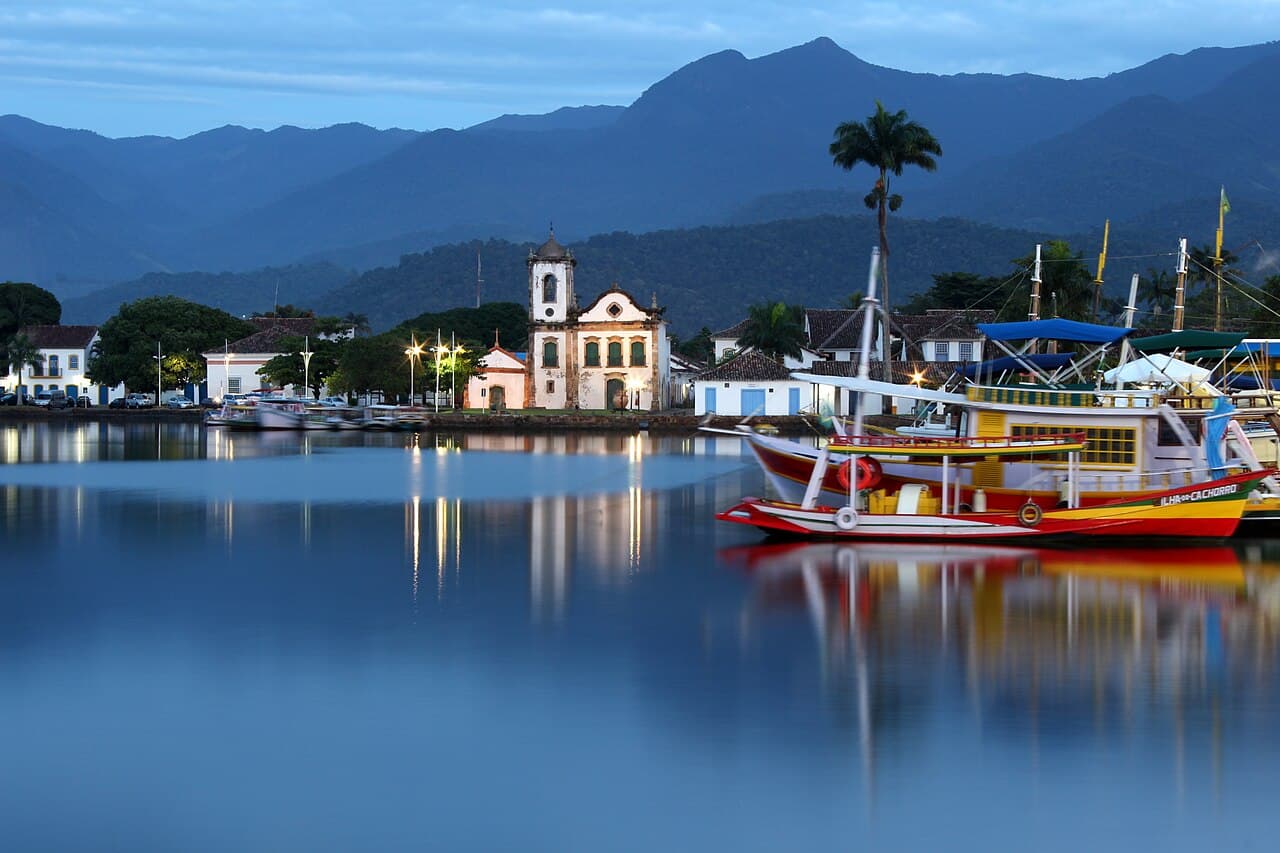
Brazil · OVR 72
clean enough to relax · workable for remote days