
Bariloche
THE QUICK VERDICT
By Anthony · Updated April 2026
Choose Bariloche if you want Patagonian Andes at their most dramatic — Cerro Catedral skiing, Nahuel Huapi trekking, artisan chocolate shops on the shores of a glacier-blue lake with a Swiss-German Andean twist.
- Best for
- Circuito Chico drive, Cerro Catedral powder days, Rapanui artisan chocolate, Llao Llao Hotel afternoon tea
- Two seasons
- Jul–Aug and Dec–Mar
- Budget anchor
- $115/day mid-range
- Skip if
- you want polished public transit — buses are sparse and Patagonia rewards renting a car
Argentina's Patagonian lake district capital — a Swiss-chocolate town on the shore of Nahuel Huapi Lake beneath the Andes. Cerro Catedral is South America's largest ski resort; the Circuito Chico drive is one of the hemisphere's most scenic road loops. The "chocolate capital of Argentina" hosts artisan chocolatiers on every corner of Mitre street.
The two links below are affiliate links — MapSorted earns a small commission if you book through them, at no extra cost to you. How this works.
Tours & Experiences
Bookable tours, activities, and day trips in Bariloche
Where to Stay
Compare hotels and rentals in Bariloche
📍 Points of Interest
Nahuel Huapi National Park
Argentina's oldest national park — an Andean wilderness of glacial lakes, lenga beech forests, and volcanic peaks surrounding Bariloche. The park offers everything from hour-long lakeside strolls to multi-day backcountry circuits.
Cerro Catedral Ski Resort
South America's largest ski resort with 120 km of runs across two mountain massifs. The cable car village at the base (Villa Catedral) has equipment rentals, ski schools, and après-ski. Summer hiking and mountain biking access the same terrain.
Cerro Campanario· 21 km W
A short chairlift (or steep 30-min hike) rewards with what National Geographic called one of the ten best panoramas in the world — Nahuel Huapi Lake, Lago Moreno, Llao Llao Peninsula, and the Andes chain spread below.
Llao Llao Hotel & Resort· 22 km W
A 1940 national monument designed by architect Alejandro Bustillo — a stone-and-timber lodge perched on a peninsula with 360-degree lake-and-mountain views. Even non-guests can walk the grounds and have afternoon tea or a drink at the bar.
Rapa Nui Chocolatería
Bariloche's most celebrated chocolatier — family-run since 1947 with recipes brought from Switzerland. Famous for handmade truffles, hot chocolate thickened with Andean cream, and the signature "Bombón Bariloche" walnut sphere.
Centro Cívico
The 1940 civic centre designed by Ernesto de Estrada — a coherent ensemble of alpine stone-and-timber buildings housing the city hall, museum, and police station. The central square overlooks Nahuel Huapi Lake with the Andes as backdrop.
Cerveza Blest
Argentina's first craft microbrewery (1994) — a chalet-style pub on the lakefront brewing 8 beers on-site using Andean mountain water. The attached restaurant serves excellent Patagonian grill alongside the house beers.
At a Glance
- Pop.
- 140K
- Timezone
- Salta
- Dial
- +54
- Emergency
- 911
San Carlos de Bariloche sits in the Argentine Lake District at the edge of Nahuel Huapi National Park — Argentina's oldest national park (1934) covering 7,050 km² of Andean lakes, forests, and glaciers
Cerro Catedral is the largest ski resort in South America, with 120 runs, 120 km of skiable terrain, and 37 lifts — operating June to October when the Southern Hemisphere winter peaks
German and Swiss immigrants fleeing post-WWI Europe built the city in the 1920s–1930s, giving Bariloche its distinctive alpine architecture — stone and timber chalets that look more Bavaria than Patagonia
Bariloche produces some of the finest artisan chocolate in the world — the main street (Calle Mitre) is lined with chocolatiers, and the city exports handmade chocolates across South America
Nahuel Huapi Lake is 557 km² — the large body of water moderates the local climate and is fed by glacial meltwater, making it a brilliant turquoise-blue even in summer heat
The annual Bariloche 42K trail marathon in October is one of South America's most spectacular mountain running events — the course circles through Nahuel Huapi Park with views of peaks reaching 2,400m
Top Sights
Nahuel Huapi National Park
🌿Argentina's first national park wraps around Bariloche — an Andean wilderness of glacial lakes, temperate rainforest, and volcanic peaks. Day hikes range from the gentle Circuito Chico (20km road circuit) to multi-day treks on the Ruta de los Siete Lagos (Route of the Seven Lakes). The Llao Llao Hotel, a 1940s stone lodge above the lake, is one of South America's great historic hotels.
Cerro Catedral Ski Resort
📌The largest ski resort in South America — 120 km of groomed trails spread across two interconnected mountain massifs. In summer it operates as a trekking and mountain biking destination, with cable cars reaching 2,000m for panoramic views of the Andes chain and Nahuel Huapi Lake far below.
Circuito Chico
🌿A 65 km scenic driving loop through the Llao Llao Peninsula — the essential Bariloche half-day. The route passes Lago Moreno, Lago Perito Moreno, Campanario Hill (a short walk for the finest lake-and-mountains panorama in the region), and the chocolate-box Llao Llao Hotel. Bike rentals make the circuit doable on two wheels.
Calle Mitre Chocolate District
📌The pedestrianised main street is lined wall-to-wall with artisan chocolatiers — Rapa Nui, Mamuschka, and El Turco being the local legends. Bariloche chocolate is made with Alpine techniques introduced by Swiss immigrants and uses premium Argentine dairy. The "choco-crawl" (sampling shops along Mitre) is a city rite of passage.
Cerro Campanario
🌿A short, steep 30-minute hike (or optional chairlift) to a rocky summit above the Llao Llao Peninsula — the view from the top has been called one of the ten best panoramas in the world by National Geographic, taking in Nahuel Huapi Lake, Lago Moreno, and the Andes chain in a single frame.
Centro Cívico & Civic District
🗼The central civic square features Bariloche's distinctive 1940 stone-and-timber buildings designed by architect Ernesto de Estrada — the city hall, police station, and customs house forming a coherent alpine ensemble. The square overlooks the lake with the Andes as backdrop. The Museo de la Patagonia inside the civic centre documents the region's natural and human history.
Climate & Best Time to Go
Bariloche has a temperate Andean climate with four distinct seasons. Summers (Dec–Feb) are warm but not hot, with long days perfect for hiking. Winters (Jun–Aug) bring heavy snow to the mountains — excellent for skiing. Spring and autumn see dramatic foliage and fewer crowds. Rain can arrive any time of year due to proximity to Patagonian weather systems.
Summer
December–February50–77°F
10–25°C
Peak hiking and watersports season — long days (up to 16 hours of light), wildflowers in bloom, and the lakes warm enough for swimming. Most crowded and most expensive.
Autumn
March–May41–64°F
5–18°C
The lenga beech trees turn spectacular shades of orange and red (peak late April) — arguably the most photogenic time in Patagonia. Crowds thin, prices drop, weather still cooperative.
Winter
June–August28–46°F
-2–8°C
Ski season — Cerro Catedral typically has excellent snow coverage. The city buzzes with Argentine and Brazilian ski tourists. Non-skiers find the snowbound landscape beautiful but cold.
Spring
September–November41–68°F
5–20°C
Wildflowers bloom as snow retreats — ideal for trekking before summer crowds. Lupins carpet the roadsides in purple and pink in October/November.
Best Time to Visit
Bariloche rewards visits in every season — each is dramatically different. Best months are January–February (hiking/summer), April (autumn foliage), and July–August (ski season). Avoid the rainy shoulder periods of May and September when conditions are grey and wet.
December–February
Crowds: HighPeak summer — long days, wildflowers, warm lakes. Best for hiking and watersports.
Pros
- + Best hiking conditions
- + Long daylight hours
- + Lake swimming possible
Cons
- − Highest prices
- − Crowded trails
- − Accommodation books out
March–May
Crowds: LowAutumn foliage season — lenga beech trees turn orange and red (peak late April). Crowds thin, prices drop.
Pros
- + Spectacular autumn colors
- + Lower prices
- + Fewer tourists
Cons
- − Rain increasing through May
- − Shorter daylight hours
June–August
Crowds: HighSki season — Cerro Catedral in full operation with Argentine and Brazilian tourists.
Pros
- + World-class skiing
- + Snowy alpine scenery
- + Vibrant ski town atmosphere
Cons
- − Cold temperatures
- − High prices in ski season
- − Non-skiers have limited options
September–November
Crowds: LowSpring — wildflowers bloom, lupins carpet roadsides. Fewer crowds before summer rush.
Pros
- + Wildflower displays
- + Good trail conditions
- + Lower prices than summer
Cons
- − Variable weather especially September
- − Some mountain huts still closed
🎉 Festivals & Events
Ski Season Opening
JuneCerro Catedral opening weekend with celebrations — typically mid-June
Bariloche a la Carta
OctoberAnnual food and wine festival celebrating Patagonian cuisine
Fiesta Nacional de la Nieve
AugustNational Snow Festival with ski competitions, concerts, and coronation of the Snow Queen
Off the Beaten Path
Rapa Nui Chocolatería
The most beloved chocolate shop in Bariloche — family-run since 1947, famous for its handmade truffles, hot chocolate, and the "Bombón Bariloche" (a walnut-and-chocolate sphere). The cafe is a local institution for afternoon tea after a morning hike.
Seven decades of the same family recipe — the definitive Bariloche chocolate experience.
Cerveza Blest
Argentina's first microbrewery (1994), located in a chalet-style pub on the lakefront. Brews 8 beers on-site including a rye beer, porter, and their famous "bock" — all using Andean mountain water. The attached restaurant does excellent parrilla (Argentine grill).
Pioneer of Argentina's craft beer movement — the taproom still has original copper kettles on display.
Rancho Grande Hostel Hike
The free community hike organized every morning by Rancho Grande — a local institution welcoming travelers to Cerro Llao Llao or the Otto circuit. Even if you're not staying there, locals know this is how solo travelers find hiking partners.
The social fabric of the Bariloche backpacker scene — everyone you meet on hikes afterward went through Rancho Grande.
Fondue at Llao Llao
The Llao Llao Hotel's fondue night — set in a 1940 stone lodge designed by Alejandro Bustillo — is an indulgence, but the dining room view of mountains across Nahuel Huapi Lake is unmatched. Reserve weeks ahead in ski season.
The hotel is a national architectural monument; dinner there is how Patagonia does occasion dining.
Safety Breakdown
Moderate
out of 100
Bariloche is generally safe for tourists. The main risks are mountain-specific: weather changes rapidly in the Andes and hikers must be prepared. Some petty theft occurs in the bus terminal and crowded streets. Altitude is not a major concern (city sits at 770m) but mountain treks reach 2,000m+.
Things to Know
- •Mountain weather changes fast — always carry a windproof layer and rain protection even on sunny starts
- •Register hikes with the Parques Nacionales office for long backcountry routes — rescue services need to know your plan
- •Hitchhiking is culturally accepted and common for access to trailheads outside the city — exercise normal judgment
- •Argentine economic volatility means cash (USD or ARS) is often preferred — some businesses still don't accept foreign cards reliably
- •Bus station area can be sketchy at night — keep bags close and be aware of surroundings
- •Tap water is safe; mountain stream water needs filtration
Emergency Numbers
Emergency
911
Police
101
Ambulance
107
Parques Nacionales
0294-442-3121
Costs & Currency
Where the money goes
USD per dayBackpacker = hostel dorm + street food + public transit. Mid-range = 3-star hotel + neighbourhood restaurants + transit cards. Luxury = 4/5-star + fine dining + taxis. How we calibrate these numbers →
Quick cost estimate
Customize per category →Estimates based on regional averages. Flight prices vary by season and airline.
budget
$40–60
Hostel dorm, self-catered meals, free hikes, local buses — a realistic Patagonian budget.
mid-range
$80–150
Private guesthouse, restaurant meals, organized day tours, cable car access.
luxury
$200–500+
Llao Llao Hotel or similar luxury lodge, guided Andes treks, private transfers, premium dining.
Typical Costs
| Item | Local | USD |
|---|---|---|
| FoodStreet empanadas (each) | ARS $500–1,000 | $0.50–1 |
| FoodRestaurant meal (mid-range) | ARS $3,000–8,000 | $8–20 |
| TransportCity bus to Llao Llao | ARS $200–500 | $0.50–1.50 |
| AttractionsCerro Campanario chairlift | ARS $3,000 | $7–10 |
💡 Money-Saving Tips
- •Pay in USD cash at casas de cambio to get the blue-rate equivalent — can save 30–50% vs. card rates
- •Free hikes in Nahuel Huapi Park require only the entry fee — most trails cost nothing beyond that
- •Buy chocolate from less-touristy shops one block off Calle Mitre for the same quality at lower prices
- •Travel shoulder season (Nov or Apr) for 30–40% lower accommodation prices with similar conditions
Argentine Peso
Code: ARS
Argentina has multiple exchange rates — the official rate vs. the "blue" (unofficial) rate can differ significantly. Check Dolarito app for current spreads. USD cash gets favorable rates at casas de cambio. ATMs dispense pesos at poor rates with withdrawal limits — bring USD cash if possible. Major restaurants and hotels accept Visa/Mastercard but a small surcharge may apply.
Payment Methods
Cash (ARS or USD) preferred at many businesses. Major cards accepted at hotels and larger restaurants with possible surcharge. ATMs available but withdrawal limits apply.
Tipping Guide
10–15% — not always included, leave cash on the table
Round up to nearest 100 pesos — standard practice
USD $5–10/day — appreciated and often paid in USD
USD $2–5/night — optional but appreciated
How to Get There
✈️ Airports
Teniente Luis Candelaria International Airport(BRC)
15 km east of city centreTaxi: 20 min, USD $8–12. Bus line to city (slower). Airport has car rental desks.
✈️ Search flights to BRC🚌 Bus Terminals
Terminal de Ómnibus de Bariloche
The main bus terminal on Moreno St. connects to Buenos Aires (20–22 hr overnight, USD $30–60), Mendoza (18 hr), Neuquén (5 hr), and the Chilean border (5–6 hr to Puerto Montt via lake crossing). Vía Bariloche and Andesmar are the main operators.
Getting Around
The city centre is walkable. Local buses (Omnibus 3 de Mayo) connect the centre to Cerro Catedral, Llao Llao, and other points west. Taxis and remises (private car services) are reliable. A car or organized tour is best for the Circuito Grande and Ruta de los Siete Lagos.
City Buses (Omnibus 3 de Mayo)
ARS $200–500Local buses run along the lake road west to Llao Llao (Line 20) and to Cerro Catedral (Line 55). Buy a SUBE card or pay cash.
Best for: Llao Llao circuit, Cerro Catedral access
Taxi / Remis
USD $3–10 most city tripsTaxis are metered; remises (pre-booked private cars) offer flat rates. Reliable and affordable by international standards.
Best for: Airport, evening travel, flexible day trips
Bicycle Rental
USD $15–25/daySeveral shops on Morales St. rent mountain bikes — ideal for the Circuito Chico (flat enough for most fitness levels). Electric bikes available.
Best for: Circuito Chico, lakefront paths
Walking
FreeThe city centre between Centro Cívico and the bus terminal is compact and walkable. The lakefront promenade is a pleasant 2 km stroll.
Best for: City centre, chocolate crawl, lakefront
Walkability
Good in city centre. Poor for outlying attractions — most natural sites require bus, bike, or car.
Travel Connections
Entry Requirements
Argentina allows visa-free entry for citizens of most Western countries. Americans, Europeans, Canadians, and Australians can enter for up to 90 days without a visa.
Entry Requirements by Nationality
| Nationality | Visa Required | Max Stay | Notes |
|---|---|---|---|
| USA | Visa-free | 90 days | Reciprocity fee abolished in 2016 |
| EU | Visa-free | 90 days | Valid passport required |
| UK | Visa-free | 90 days | Standard tourist entry |
| Australia | Visa-free | 90 days | Passport valid 6 months on entry |
| Canada | Visa-free | 90 days | eTA not required |
Visa-Free Entry
Tips
- •Argentina imposes a reciprocity tax on some nationalities — check current requirements
- •Extension to 180 days possible via immigration offices or by briefly crossing to Chile and re-entering
- •No mandatory vaccinations required for entry from most countries
Shopping
Bariloche is primarily known for chocolate, beer, and Patagonian products. Artisan crafts, Mapuche textiles, smoked meats, and alpine wool goods are excellent quality. Prices are reasonable by international standards and the city has a surprising concentration of high-quality food producers.
Calle Mitre
Main shopping streetThe pedestrianised main street runs east-west through the centre — chocolatiers, outdoor gear shops, leather goods, and Patagonian food producers concentrated in a 10-block stretch.
Known for: Artisan chocolate, Patagonian foods, outdoor gear
Centro Artesanal
Craft marketA covered market near the civic centre with Mapuche weavings, handmade leather goods, carved wood, and regional specialty foods.
Known for: Mapuche crafts, woven textiles, leather products
🎁 Unique Souvenirs to Look For
- •Artisan chocolates (especially truffles and bombones)
- •Smoked trout and deer charcuterie
- •Patagonian lamb products
- •Craft beer from local microbreweries
- •Mapuche woven textiles
Language & Phrases
| English | Translation | Pronunciation |
|---|---|---|
| Hello, how are you? | Hola, ¿cómo estás? | OH-lah KOH-moh es-TAHS |
| Where is the city centre? | ¿Dónde está el centro? | DON-deh es-TAH el SEN-troh |
| A sharing platter, please | Una picada, por favor | OO-nah pee-KAH-dah por fa-VOR |
| How much does it cost? | ¿Cuánto cuesta? | KWAN-toh KWES-tah |
| Hey, mate (casual Argentine greeting — only between friends) | Che, boludo | cheh bo-LOO-doh |
| The bill, please | La cuenta, por favor | lah KWEN-tah por fa-VOR |
| Very delicious | Muy rico | moo-ee REE-koh |
| Is there snow on Catedral? | ¿Hay nieve en Catedral? | eye NYEH-veh en kah-teh-DRAL |
If you like Bariloche, you'll love…
4 cities with a similar vibe, outside of the same country.

Egypt · OVR 67
tidy public spaces · reliable wifi, decent English

Rwanda · OVR 66
clean enough to relax · low-key street vibe
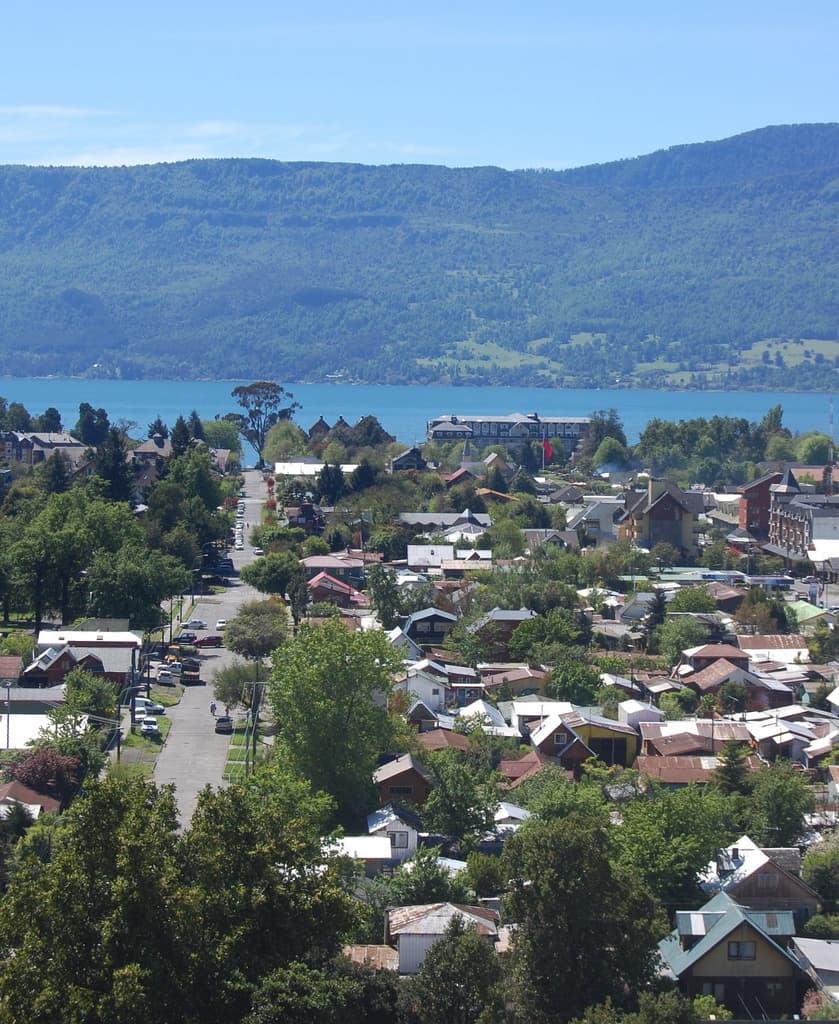
Chile · OVR 72
strong food culture · tidy public spaces

Costa Rica · OVR 66
clean enough to relax · not wallet-breaking