
Olympic National Park
THE QUICK VERDICT
By Anthony · Updated April 2026
Choose Olympic National Park if You want three different parks in one — temperate rainforest, wild Pacific coast, and alpine ridge views — within a 2.5-hour reach of Seattle and accessible year-round on the coast..
- Best for
- Hoh Rain Forest moss cathedrals, Hurricane Ridge alpine ridge, Ruby Beach sea stacks at low tide
- Best window
- Jun–Sep
- Budget anchor
- $185/day mid-range
- Worth a look
- the 73-mile Pacific coast strip stays open year-round, while the alpine interior closes in winter
Olympic spans 922,000 acres on Washington's Olympic Peninsula and packs three separate ecosystems into one park, none of them connected by interior roads. The Hoh Rain Forest on the west side gets 12 feet of rain a year and grows moss-draped Sitka spruce cathedrals. The 73-mile Pacific coast strip holds Ruby Beach, Rialto with its sea stacks, and Shi Shi. The interior alpine zone tops out at 5,200-foot Hurricane Ridge with views from the Olympics back across the Strait of Juan de Fuca to Vancouver Island. Lake Crescent and Sol Duc Hot Springs are the natural bases, the park is 2.5 hours from Seattle including a ferry, and the coast stays open year-round.
The two links below are affiliate links — MapSorted earns a small commission if you book through them, at no extra cost to you. How this works.
Tours & Experiences
Bookable tours, activities, and day trips in Olympic National Park
Where to Stay
Compare hotels and rentals in Olympic National Park
📍 Points of Interest
Hoh Rain Forest· 25 km W
Temperate rainforest with 12-14 ft annual rain; Hall of Mosses and Spruce Nature Trails
Hurricane Ridge· 20 km NE
5,242-ft alpine ridge with views from Olympics to Vancouver Island
Ruby Beach· 61 km W
Pacific cove with sea stacks, drift logs, and red sand at low tide
Rialto Beach & Hole in the Wall· 78 km W
Wild Pacific beach with sea-arch hike at low tide
Lake Crescent· 34 km NW
600-ft-deep glacier-carved lake with electric blue water and 1916 lodge
Sol Duc Hot Springs & Falls· 26 km NW
Hot springs resort and 4-channel waterfall in old-growth forest
Quinault Rain Forest· 42 km SW
Quieter southern rainforest with 1926 Lake Quinault Lodge and worlds-largest tree specimens
Shi Shi Beach· 96 km NW
Wilderness beach with Point of the Arches sea stacks; permit required
Cape Flattery· 106 km NW
Northwesternmost point of contiguous US (Makah land); boardwalk to viewing platforms
★ Local Picks
Second Beach (La Push)· 78 km W
1.4-mile walk from La Push to a quiet sea-stack beach with sunset views
Marymere Falls· 32 km NW
1.7-mile round-trip walk from Lake Crescent to a 90-ft waterfall
Klahhane Ridge· 23 km NE
7.5-mile alpine traverse from Hurricane Ridge with mountain goats and deep panoramas
At a Glance
- Pop.
- Park (no permanent residents); Port Angeles gateway 20K
- Timezone
- Los Angeles
- Dial
- +1
- Emergency
- 911
Olympic National Park covers 922,650 acres on Washingtons Olympic Peninsula and packs three completely distinct ecosystems into one park — temperate rainforest, 73 miles of wild Pacific coast, and an alpine interior topping out at 7,980-foot Mount Olympus
The park was designated a UNESCO World Heritage Site in 1981 and an International Biosphere Reserve in 1976 — one of only a handful of US parks with both designations
The Hoh Rain Forest receives 12 to 14 feet of rain per year — one of the wettest places in the contiguous US — and produces some of the largest moss-draped Sitka spruce and bigleaf maple in North America
There are no roads through the parks interior — every section is reached by spurs from US-101, the highway that loops the entire Olympic Peninsula
The park has 95% of its land designated as wilderness — among the highest wilderness percentages of any US national park, with most of the interior accessible only on foot
Hurricane Ridge at 5,242 feet is the most accessible alpine zone, an hours drive up a paved road from Port Angeles with views from the Olympics across the Strait of Juan de Fuca to Vancouver Island
Roosevelt elk, the parks largest mammal, are named for Theodore Roosevelt and were the species the park was originally created to protect — an estimated 5,000 still range the rainforest valleys
Top Sights
Hoh Rain Forest
📌The signature temperate rainforest experience — 12-14 feet of rain a year produce moss-draped Sitka spruce and bigleaf maple cathedrals up to 300 feet tall. The Hall of Mosses Trail (0.8 miles) and Spruce Nature Trail (1.2 miles) are the easy classics; the Hoh River Trail extends 17 miles to Glacier Meadows on Mount Olympus. The Hoh sits 90 minutes from US-101 down a dead-end spur and the visitor center fills early in summer.
Hurricane Ridge
📌A 17-mile drive south from Port Angeles climbs to a 5,242-foot alpine ridge with the parks best mountain views. Looking south reveals the heart of the Olympics including 7,980-foot Mount Olympus; looking north on a clear day you see across the Strait of Juan de Fuca to Vancouver Island. The Hurricane Hill Trail (3.2 miles round trip) takes you a bit higher; in winter, modest downhill skiing operates weekends.
Ruby Beach
🏖️The most photographed beach in the park — a Pacific cove studded with sea stacks, driftwood logs the size of trucks, and red-toned sand on incoming tides. Easily reached by a short walk from the US-101 pullout. Best at low tide for tidepooling around the central sea stack and at sunset for the iconic silhouette shot.
Rialto Beach & Hole in the Wall
🏖️A wild Pacific beach with offshore sea stacks and a 1.5-mile walk north to Hole in the Wall, a sea-arch through a headland that opens up only at low tide. The beach itself is all polished rocks, drift logs, and crashing surf. Bring a tide chart and waterproof boots.
Lake Crescent
📌A glacier-carved lake 12 miles long and over 600 feet deep, with water so clear and low in nitrogen that it appears electric blue. The historic Lake Crescent Lodge (1916) sits on the south shore — a classic FDR-era log lodge. The Marymere Falls Trail (1.7 miles round trip) starts from the lodge area; Mount Storm King above adds an optional steep scramble.
Sol Duc Hot Springs & Sol Duc Falls
📌A small hot springs resort tucked in old-growth forest, with three soaking pools open to day-use visitors. From the resort, an easy 1.6-mile round-trip trail leads to Sol Duc Falls — a four-channel cascade dropping into a slot canyon, one of the most photographed waterfalls in Washington. Combine soaking and hiking in a single afternoon.
Quinault Rain Forest
📌The Hohs quieter southern cousin — equally lush rainforest along Lake Quinault, with the historic 1926 Lake Quinault Lodge as the base. Worlds-largest specimens of multiple tree species (Sitka spruce, Western red cedar, Douglas fir) all stand within a few miles of the lodge. The Quinault Loop Trail (4 miles) and the Quinault Big Cedar are easy musts.
Shi Shi Beach & Point of the Arches
🏖️A 4-mile round-trip hike (with permit) from the Makah Indian Reservation to one of the most spectacular wilderness beaches on the West Coast. Point of the Arches is a series of dramatic offshore sea stacks. The trail crosses Makah land — a Makah recreation pass is required.
Cape Flattery
📌Technically just outside the park on Makah Tribal land, this is the northwestern-most point of the contiguous US. A 1.5-mile boardwalk and dirt trail leads to four wooden viewing platforms over sea caves, kelp beds, and offshore Tatoosh Island lighthouse. A Makah Recreation Pass ($20) is required.
Climate & Best Time to Go
Olympic has three weather zones because it has three landscapes. The west-side rainforest (Hoh, Quinault) gets 12-14 feet of rain a year — one of the wettest places in the contiguous US. The Pacific coast is wet, windy, and mild year-round (rarely below freezing, rarely above 70°F). The northeast corner (Port Angeles, Sequim) sits in the Olympics rain shadow and is one of the driest places on the West Coast — Sequim averages just 16 inches of rain a year. Hurricane Ridge follows alpine rules: snowbound from November through May, mild and clear in summer.
Spring
April - June39-64°F
4-18°C
Lowlands and coast green up early. Rainforest waterfalls peak in May. Hurricane Ridge road typically opens late May for limited weekday access, full schedule by mid-June. Coastal areas can be excellent — rhododendron in bloom, gray whale migration peaks in April. Bring rain gear and layers.
Summer
July - September50-72°F
10-22°C
The driest season, even in the rainforest — July and August often have 7-10 day stretches of perfect weather. Coastal mornings are foggy until 11am. Hurricane Ridge wildflowers peak in late July through mid-August. Crowds at Hoh, Hurricane Ridge, and Ruby Beach are heavy on weekends.
Autumn
October - November41-59°F
5-15°C
Rainforest valleys turn yellow and gold with bigleaf maple leaves the size of dinner plates. Salmon spawn in the Hoh, Quillayute, and Sol Duc rivers. Coastal storm-watching season begins. Hurricane Ridge road usually closes for the season in mid-November after the first major snowfall.
Winter
December - March32-50°F
0-10°C
The coast and rainforest stay open year-round but get most of their annual rainfall. Storm-watching from coastal lodges (Kalaloch, Lake Quinault) is a recognized winter activity. Hurricane Ridge road opens weekends only when conditions allow — modest downhill skiing operates a few weekends. Lake Crescent and Sol Duc stay open with reduced services.
Best Time to Visit
July through September is the dry-and-clear sweet spot — even the rainforest sees long stretches of sun, Hurricane Ridge wildflowers peak in late July, and all roads are open. June can be excellent on the coast and in the rainforest but Hurricane Ridge is still partially snowed in. September after Labor Day is ideal for the rainforest and beaches as crowds drop sharply. Winter is its own thing: storm-watching from coastal lodges and ranger snowshoe walks at Hurricane Ridge weekends. Avoid May at Hurricane Ridge — road can still be closed.
Spring (April - June)
Crowds: Low to moderateThe coast and rainforest valleys come alive — gray whales migrate north past Cape Flattery in April-May, rhododendron bloom in May. Hurricane Ridge road typically opens for full schedule by mid-June. Rainforest waterfalls peak in May. Coastal areas can see surprising sunny stretches between rainy systems.
Pros
- + Lowest lodge prices
- + Gray whale migration
- + Wildflowers in lowlands
- + Easy parking everywhere
Cons
- − Rainforest still very wet
- − Hurricane Ridge road may not open until mid-June
- − Some backcountry trails impassable until July
- − Frequent rain
Summer (July - August)
Crowds: HighPeak season. The driest stretch of the year even in the rainforest, with long sunny days and mild temperatures. Hurricane Ridge wildflowers peak late July through mid-August. All roads, trails, and facilities open. Crowds heavy at the Hoh, Hurricane Ridge, Ruby Beach on weekends — Hoh visitor center parking fills by 10am. Coastal mornings often foggy until 11am.
Pros
- + Driest weather of the year
- + Hurricane Ridge wildflowers
- + All roads and trails open
- + Long days (15+ hours daylight)
Cons
- − Hoh visitor center parking fills early
- − Lake Crescent and Sol Duc lodges book months ahead
- − Coastal fog until late morning
- − Backcountry permits hard to get
Autumn (September - October)
Crowds: Moderate early September, low by OctoberSeptember after Labor Day is quietly the best month for many regulars — perfect rainforest weather, crowds drop sharply, lodge rates fall 20-30%. Bigleaf maple in the Hoh and Quinault turn brilliant gold by mid-October. Salmon spawning runs peak in the rivers. Hurricane Ridge road usually closes for the season in mid-November after the first significant snow.
Pros
- + Excellent rainforest hiking weather
- + Fall colors in rainforest
- + Salmon spawning runs
- + Lower lodge rates
Cons
- − Hurricane Ridge wildflowers gone
- − Some Hurricane Ridge weekend hours reduced
- − Days getting shorter
- − Increasing rain late October
Winter (November - March)
Crowds: Very lowThe coast and rainforest stay open year-round but soak up most of their annual rainfall. Storm-watching from Kalaloch Lodge or Lake Quinault is an actual recognized winter activity. Hurricane Ridge road opens weekends only when conditions allow — modest downhill skiing operates on a few weekends. Lake Crescent and Sol Duc remain open with reduced services. The park is largely empty.
Pros
- + Storm-watching from coastal lodges
- + Almost empty park
- + Lowest lodge rates of the year
- + Winter rainforest is dramatic
Cons
- − Hurricane Ridge road weekends-only
- − Heaviest rain of the year
- − Some lodge restaurants reduced hours
- − Days short and dark
🎉 Festivals & Events
Sequim Lavender Festival
Mid-JulyA 3-day celebration of the Sequim valleys 13 commercial lavender farms — open farm tours, lavender essential oil and honey for sale, live music. Held at peak bloom. The largest single visitor draw to Sequim each year.
Forks Old-Fashioned 4th of July
July 4Small-town parade, fireworks, and a logging show that includes axe-throwing and tree-climbing competitions — a glimpse of pre-Twilight Forks as a logging town.
Quileute Days (La Push)
JulyA 3-day celebration of Quileute culture in La Push — canoe races, salmon bake, traditional dancing. One of the major Quileute Tribe events of the year.
Storm-Watching Season
November - FebruaryPacific winter storms with hurricane-force winds slam the Olympic coast. Kalaloch Lodge and Lake Quinault Lodge promote storm-watching packages — fireplace, hot drink, and a wall of windows facing the surf.
Off the Beaten Path
Second Beach (La Push)
A 1.4-mile round-trip walk from the Quileute town of La Push leads to one of the most stunning Pacific beaches in the park — sea stacks, an arch, and a long stretch of sand framed by a thick Sitka spruce headland. Often you have it nearly to yourself, especially at sunrise.
Rialto Beach and Ruby Beach are both well-known; Second Beach is mentioned in guidebooks but rarely seen in photos. The 30 minutes of forest walking deters daytrippers, and the camping permits are limited. The view of James Island offshore at sunset is iconic.
Marymere Falls
A 1.7-mile round-trip walk from the Storm King Ranger Station near Lake Crescent through old-growth forest to a delicate 90-foot waterfall framed by mossy basalt walls. Mostly flat with a short steep finish.
The hike is rated easy and well-known to anyone reading the lodge brochure, but you can be at the falls in 45 minutes from the trailhead. Add the Mount Storm King scramble (4 miles round trip, 2,000 ft gain) for a serious workout and the best Lake Crescent views.
Klahhane Ridge from Hurricane Ridge
A 7.5-mile round-trip hike east from the Hurricane Ridge visitor center along the spine of the ridge. Wildflowers, mountain goats (often very close), and views from the Cascades all the way to Vancouver Island. Far fewer people than the parking-lot trails.
Most Hurricane Ridge visitors walk 200 yards and turn around. Klahhane is a real alpine traverse that delivers everything Hurricane Ridge promises with almost nobody else around. Mountain goats in summer are spectacular.
Lake Ozette Triangle
A 9-mile loop hike along the parks remote northwestern coast — boardwalk through coastal forest, then a 3-mile beach walk past sea stacks and the Wedding Rocks petroglyphs, then another boardwalk back. Backcountry permit required to camp; doable as a long day hike.
The Wedding Rocks petroglyphs are pre-contact carvings of whales, ships, and faces — easily missed on the rocky shoreline if you are not looking. The triangle layout is unique to this corner of the park, and the Ozette area sees a fraction of the Hoh and Ruby Beach visitors.
Quinault Loop & Lake Quinault Lodge
A 4-mile loop trail starting from the historic 1926 Lake Quinault Lodge, through one of the parks largest stands of old-growth and past the Quinault Big Cedar (a 174-foot Western red cedar nearly 1,000 years old). Soak it all in from the lodge porch with a Pyramid beer and salmon.
Lake Quinault is the second rainforest valley most visitors skip in favor of the Hoh, even though the Quinault has six different worlds-largest tree specimens within a few miles of the lodge. The lodge itself is one of the great old-park hotels in the system.
Safety Breakdown
Very Safe
out of 100
Olympic is extremely safe from a crime perspective. The real hazards are coastal — sneaker waves, rising tides on beach hikes, and storm-driven debris — plus rainforest bear and cougar country, slippery wet rocks, and getting lost in a fog-shrouded coastal forest. Cell coverage is poor to nonexistent across most of the park. Black bears (and a small number of cougars) are present but rarely a problem if food is stored properly. Always carry a tide chart for any beach hike.
Things to Know
- •Carry a tide chart for any beach hike — sneaker waves can knock you off your feet, and rising tides can trap hikers against headlands; check times for the day and add safety margin
- •Watch for floating logs in the surf at any Pacific beach — they weigh tons and have killed visitors who walked too close on incoming tide
- •On the Ozette and Shi Shi headland traverses, time your crossing for low tide; pin yourself to the cliff if a wave looks high
- •Black bears throughout the rainforest and along the Hoh and Quinault rivers — store food in bear-proof containers at backcountry camps; never leave food in a car at trailheads overnight
- •Cougars are present but very rarely seen; if encountered, make yourself large, do not run, and back away slowly
- •Rain gear is mandatory on any rainforest hike — even on a sunny forecast day, the canopy drips for hours after a rain and trails can be slick
- •Cell service is unreliable across most of the park; download offline maps before driving in
Natural Hazards
Emergency Numbers
General Emergency
911
Park Dispatch (24-hour)
360-565-3115
Wilderness Information Center
360-565-3100
Hurricane Ridge Visitor Center (winter weekends)
360-565-3131
Hoh Visitor Center
360-374-6925
Costs & Currency
Where the money goes
USD per dayBackpacker = hostel dorm + street food + public transit. Mid-range = 3-star hotel + neighbourhood restaurants + transit cards. Luxury = 4/5-star + fine dining + taxis. How we calibrate these numbers →
Quick cost estimate
Customize per category →Estimates based on regional averages. Flight prices vary by season and airline.
budget
$75-130
Camping ($25-35 NPS site), grocery food cooked at camp, self-drive sightseeing, free ranger programs, day-use entry only
mid-range
$170-280
Forks or Sequim motel ($110-180), one lodge meal, Hurricane Ridge day trip, paid entry
luxury
$430+
Lake Crescent Lodge or Lake Quinault Lodge premium room, full lodge dining, Sol Duc spa treatments, Coho ferry day trip to Victoria
Typical Costs
| Item | Local | USD |
|---|---|---|
| Park EntryPrivate vehicle, 7-day pass | USD 30 | $30 |
| Park EntryAmerica the Beautiful annual pass (all NPS sites) | USD 80 | $80 |
| AccommodationNPS campground (Hoh, Kalaloch, Sol Duc) | USD 25-35 | $25-35 |
| AccommodationLake Crescent Lodge | USD 220-450 | $220-450 |
| AccommodationLake Quinault Lodge | USD 200-400 | $200-400 |
| AccommodationSol Duc Hot Springs Resort | USD 250-380 | $250-380 |
| AccommodationKalaloch Lodge & cabins | USD 280-500 | $280-500 |
| AccommodationForks or Sequim motel (mid-range) | USD 110-200 | $110-200 |
| FoodLodge breakfast | USD 14-22 | $14-22 |
| FoodSit-down dinner at lodge dining room | USD 30-55 | $30-55 |
| FoodForks casual dinner | USD 16-28 | $16-28 |
| TransportGasoline (per gallon, on US-101) | USD 4.20-4.80 | $4.20-4.80 |
| TransportBainbridge ferry (vehicle + driver, Seattle round trip) | USD 18-30 | $18-30 |
| TransportCoho ferry to Victoria BC (vehicle + driver, round trip) | USD 75-95 | $75-95 |
| ActivitiesSol Duc Hot Springs day-use soak | USD 18-25 | $18-25 |
| ActivitiesHurricane Ridge winter ski day pass (when open) | USD 45 | $45 |
| ActivitiesBackcountry permit (per person per night) | USD 8 | $8 |
💡 Money-Saving Tips
- •Camp inside the park ($25-35) instead of staying in lodges — Hoh, Kalaloch, and Sol Duc Hot Springs all have flush toilets and put you at the trailhead at dawn
- •Buy the America the Beautiful annual pass ($80) if you will visit any other NPS site in the next 12 months — it pays for itself in 3 entries
- •Stay in Forks ($110-180) instead of in-park lodges — you commute 30-45 minutes to the Hoh and beaches
- •Take the Bainbridge ferry from Seattle — saves 90 minutes vs. driving around Tacoma and is itself an experience
- •Pack a cooler with groceries from Sequim or Port Angeles — there is no real grocery inside the park, and lodge restaurants are pricey
- •Visit Lake Quinault on a weeknight in shoulder season — the lodge drops rates 30-50% from summer peaks
- •Sol Duc day-use hot springs ($18-25) is much cheaper than lodging there — drive in, soak for 2 hours, drive out
- •Visit in October for fall colors in the rainforest — bigleaf maple turn brilliant gold and crowds vanish after Labor Day
US Dollar
Code: USD
US dollars only inside the park. Credit and debit cards work at the entrance station, lodges, restaurants, gift shops, and gas stations along US-101. ATMs are available at the major lodges (Lake Crescent, Lake Quinault, Sol Duc) and in every gateway town. Cell signal for mobile payment apps is unreliable across most of the park interior — bring some cash for tipping and small purchases. Washington state has no income tax but a 6.5% state sales tax plus local additions (often 9-10% total at lodges).
Payment Methods
Credit and debit cards are accepted everywhere inside the park including the entrance station and all lodges (chip-and-PIN cards work). Contactless and Apple/Google Pay work at lodges and visitor centers but not at remote trailhead self-pay stations. Cell signal is unreliable in the rainforest and on the coast — do not count on mobile payment apps that need data. Carry some cash for tips and the rare cash-only spot.
Tipping Guide
18-22% is standard for table service in the US. 20% is the reliable default. The lodge dining rooms (Lake Crescent, Lake Quinault, Sol Duc, Kalaloch) follow normal US tipping. Counter-service spots at visitor centers do not require tipping but tip jars are appreciated.
$1-2 per drink for simple orders, 18-20% for cocktails or full-service bar tabs. Lake Crescent and Lake Quinault lodges have proper bars with full Pacific Northwest beer and wine lists.
Olympic Hiking Co. and Lewis Adventure Tours guides: $20-40 per person for a half-day hike, $40-60 for a full day. NPS rangers cannot accept tips.
$2-5 per bag for bellhops at lodges. $3-5 per night for housekeeping. Sol Duc Hot Springs concierges and spa staff: 18-22% on services.
$5-10 per person for shuttle drivers. Coho ferry crew do not take tips.
How to Get There
✈️ Airports
Seattle-Tacoma International Airport(SEA)
120 mi (193 km) to Port Angeles via Bainbridge ferryThe primary park airport — direct flights from every major US hub plus heavy international service. Best route is Seattle to Bainbridge Island ferry (35 min crossing) then 90 minutes north on WA-305 and US-101. Driving the whole way around Tacoma takes 3 hours.
✈️ Search flights to SEAWilliam R. Fairchild International Airport (Port Angeles)(CLM)
17 mi (27 km) to Hurricane Ridge entranceTiny regional airport with one daily Kenmore Air seaplane connection from Seattle. Useful for short visits if you want to skip the ferry-and-drive routine, but expensive and weather-dependent.
✈️ Search flights to CLMPortland International Airport(PDX)
230 mi (370 km) to Quinault entranceA 4.5-hour drive north via Aberdeen and US-101. Useful if combining Olympic with the Oregon coast or doing a one-way Portland-to-Seattle road trip. For Olympic alone, SEA is closer.
✈️ Search flights to PDX🚆 Rail Stations
No direct rail service
Amtrak does not serve the Olympic Peninsula. The closest station is Edmonds north of Seattle, where Cascades and Empire Builder trains stop — useful only as a step toward the Bainbridge or Bremerton ferry to start an Olympic loop.
🚌 Bus Terminals
Port Angeles
The largest gateway town on the Olympic Peninsula and the natural base for the parks north side (Hurricane Ridge, Lake Crescent, Sol Duc). Has the most lodging, restaurants, and services. Coho ferry to Victoria, BC departs from downtown.
Forks
A small town on US-101 in the parks west (made famous by the Twilight novels). The natural base for Hoh Rain Forest, Rialto Beach, La Push, and Mora. Limited lodging — Quileute Oceanside Resort in La Push and a few motels in Forks itself. Plan ahead in summer.
Sequim
A sunny rain-shadow town 20 miles east of Port Angeles, known for lavender farms (the annual Lavender Festival in mid-July). Cheaper lodging than Port Angeles and a quieter feel for a longer stay.
Quinault & Lake Quinault
A cluster of US-101 communities at the southern entrance to the parks Quinault Rain Forest. Lake Quinault Lodge (1926, on the National Register) is the centerpiece. Far less developed than Forks or Port Angeles, ideal for a quiet rainforest base.
Travel Connections

Seattle
The natural gateway. The Bainbridge or Bremerton ferry from downtown Seattle is the scenic way to start an Olympic loop, eliminating 90 minutes of Tacoma freeway driving. Pike Place Market, the Space Needle, and the Chihuly Garden are all worth time before or after the park.

Mount Rainier National Park
The other Washington crown jewel. Pair Olympic and Rainier on a 7-10 day Cascades-and-coast loop — Olympic for rainforest and beaches, Rainier for the iconic glaciated volcano and subalpine wildflowers. Most travellers do both in one trip.
Victoria, British Columbia
British Columbias capital sits across the strait from Port Angeles. The Coho ferry takes 90 minutes and gets you to Butchart Gardens, the Royal BC Museum, and the harbour-side Empress Hotel. A perfect day trip or overnight extension. Passport required to cross the border.
North Cascades National Park
Washingtons third national park, sometimes called the American Alps for its 300+ glaciers and jagged granite peaks. Far less visited than Olympic. The Whidbey Island ferry crossing makes a logical link if you are doing all three Washington parks.
Portland
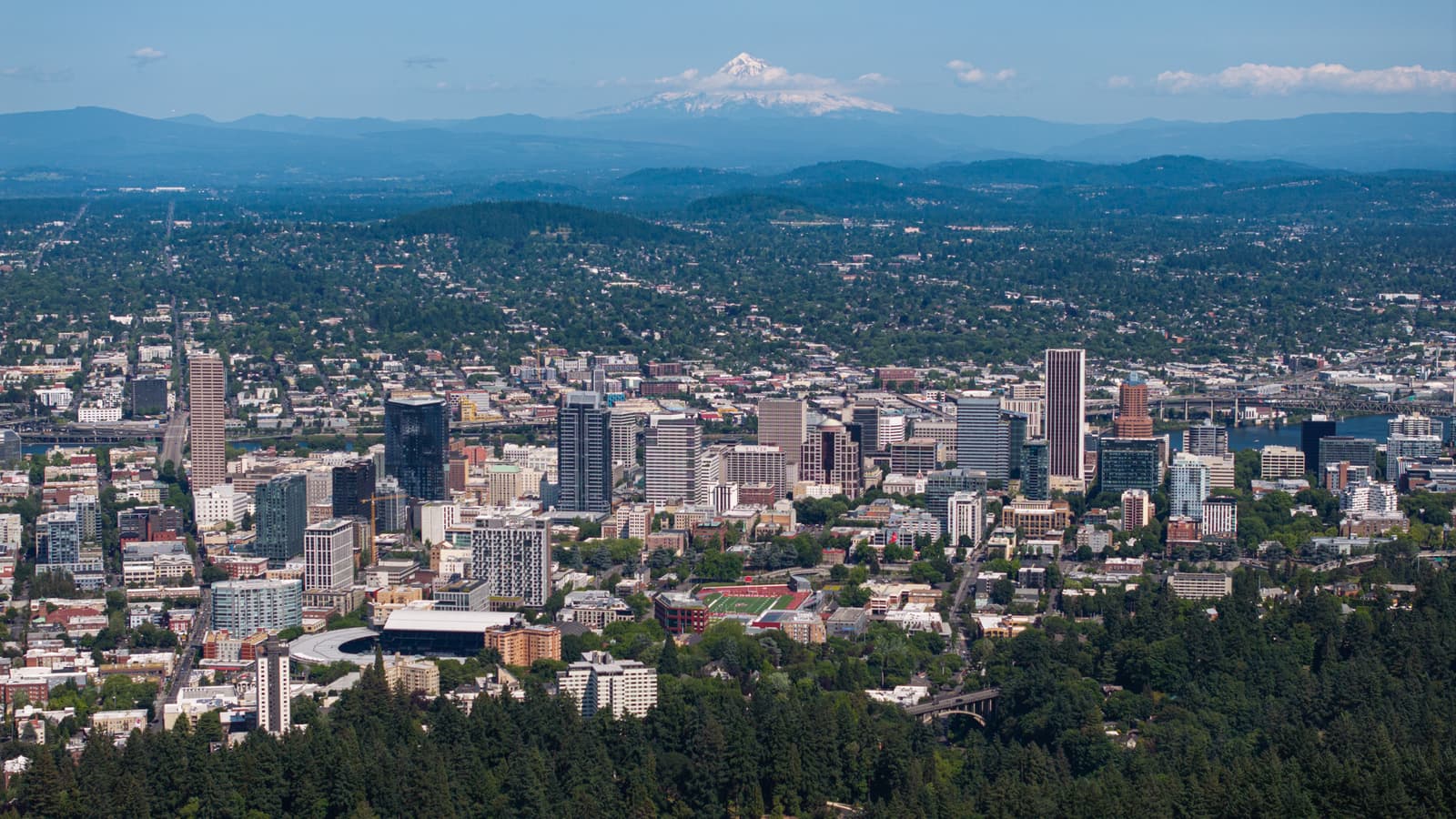
The natural southern bookend for a Pacific Northwest road trip. Fly into Seattle, do Olympic, drive south down the Washington coast through Long Beach and Astoria, and exit from Portland. Powells Books, Forest Park, and the food cart pods are highlights.
Entry Requirements
Olympic National Park is in Washington State, USA. International visitors need either an ESTA (Visa Waiver Program) or a full visitor visa (B-1/B-2) to enter the country. Visa Waiver Program travelers should apply for ESTA at least 72 hours before travel. US citizens need only valid government-issued ID. The park itself has no border control. Note that a Coho ferry day trip to Victoria, BC requires a passport for everyone in the vehicle, including children.
Entry Requirements by Nationality
| Nationality | Visa Required | Max Stay | Notes |
|---|---|---|---|
| US Citizens | Visa-free | Unlimited | Valid government-issued ID required (REAL ID or passport for domestic flights after May 2025). Passport required to take Coho ferry to Victoria BC. |
| UK Citizens | Visa-free | 90 days | ESTA required under Visa Waiver Program (USD 21, apply online at esta.cbp.dhs.gov). Valid for 2 years or until passport expires. |
| EU Citizens | Visa-free | 90 days | Most EU nationals qualify for ESTA (USD 21). Apply at least 72 hours before travel. |
| Canadian Citizens | Visa-free | 6 months | No ESTA or visa required for tourism. Valid passport required at land and air crossings — including the Coho ferry from Victoria. |
| Australian Citizens | Visa-free | 90 days | ESTA required (USD 21). Apply at esta.cbp.dhs.gov. |
| Japanese Citizens | Visa-free | 90 days | ESTA required (USD 21). |
| Indian Citizens | Yes | As per visa | B-1/B-2 visitor visa required. Apply at US consulate; current wait times can be 6-24 months. Interview required. |
Visa-Free Entry
Tips
- •Apply for ESTA only at esta.cbp.dhs.gov — third-party sites charge 3-5x the official $21 fee for no added value
- •Backcountry overnight permits are required for all wilderness camping including the popular coast and Hoh-to-Sol-Duc traverses; reserve on recreation.gov
- •The park entry fee ($30/vehicle, 7 days) is separate from any visa or ESTA cost — pay at the entrance station or use an America the Beautiful pass
- •Cape Flattery and Shi Shi Beach are on Makah Tribal land — a Makah Recreation Pass ($20) is required and is sold at gas stations in Neah Bay
- •Cell service is unreliable across most of the park — download offline maps and have a printed backup of your lodging reservation
Getting Around
A private vehicle is essentially required. Olympic has no roads through its interior — every section is reached by spurs from US-101, the highway that loops the entire Olympic Peninsula (320 miles round trip). Distances on US-101 are deceptive: Port Angeles to the Hoh Rain Forest is 80 miles by air but 130 miles by road through bends and small towns, around 2.5 hours. There is no in-park shuttle. Plan to base in two locations (typically Port Angeles for the north and Forks for the west) rather than chasing the loop daily.
Car Rental
USD 50-130/day from SEA; fuel USD 4.20-4.80/gallon in WAPick up at Seattle (SEA) or fly into Fairchild (CLM) at Port Angeles. Standard cars handle all paved park roads year-round. The Hurricane Ridge Road can require chains in winter. Gas is widely available in Sequim, Port Angeles, Forks, and along US-101 every 30-40 miles.
Best for: Flexible exploration of the multiple disconnected park sections, dawn beach trips, fitting Hurricane Ridge into a clear day
Washington State Ferries
USD 18-30 vehicle Bainbridge ferry; USD 75-95 vehicle Coho to VictoriaThe Bainbridge or Bremerton ferry from downtown Seattle saves 90 minutes vs. driving around Tacoma and provides an iconic Puget Sound crossing. The Coho ferry from Port Angeles to Victoria, BC adds an international option. Both take vehicles or walk-on passengers.
Best for: Shortcut from Seattle, day trip to Victoria BC, scenic crossings of Puget Sound
Clallam Transit & Jefferson Transit
USD 1-3 per rideLocal bus systems connect Sequim, Port Angeles, Forks, and other Olympic Peninsula towns. Useful for budget travellers without a car, though service is hourly at best and some routes only run weekdays. Does not enter the park itself except for limited service to Hurricane Ridge in summer.
Best for: Budget travellers connecting between gateway towns; one-way hike shuttles
Olympic Hiking Co. & Lewis Adventure Tours
USD 75-200 per group depending on distancePrivate shuttles for backpackers needing one-way drops at trailheads (Wonderland-style logistics for the Olympic Coast or High Divide loop) and for car-free travelers wanting a guided day-hike ride from Port Angeles or Sequim. Reservations required.
Best for: Backpacker shuttles, carless day hikers, custom guided trips
Walkability
The park itself is not walkable between sections. Within Port Angeles you can walk a small downtown and waterfront. The lodges (Lake Crescent, Lake Quinault, Sol Duc, Kalaloch) are all stand-alone destinations where you can walk between lodge, trail, and shore. Trail networks at the Hoh, Quinault, Hurricane Ridge, and the coastal beaches are all on-foot only.
Shopping
Shopping at Olympic is split between in-park gift shops at Hurricane Ridge, Hoh, and the historic lodges (Lake Crescent, Lake Quinault, Sol Duc, Kalaloch), the bookstores run by Discover Your Northwest, and the gateway towns of Port Angeles, Sequim, and Forks. In-park shops carry the standard NPS-branded gear and field guides. Authentic Pacific Northwest goods — Coast Salish art, smoked salmon, Sequim lavender, Olympic Peninsula coffee — are richer in the gateway towns.
Hurricane Ridge Visitor Center & Gift Shop
park visitor centerThe main visitor center at Hurricane Ridge has the parks largest natural-history bookstore (run by Discover Your Northwest) plus standard NPS apparel and souvenirs. Strong selection of Olympic Peninsula field guides. Open year-round; reduced winter weekend hours.
Known for: NPS passport stamps, Olympic field guides, branded outerwear
Lake Crescent Lodge & Sol Duc Hot Springs Shops
historic lodge shopsLake Crescent Lodge (1916) and the Sol Duc Hot Springs Resort gift shops carry curated NPS souvenirs, locally-made wood and leather crafts, and Pacific Northwest specialty foods. Lake Crescent Lodges huge stone fireplace and lakeside porch are reasons to stop in even as a non-guest.
Known for: Locally crafted items, lodge merchandise, Pacific Northwest specialty foods
Lake Quinault Lodge Shop
historic lodgeThe 1926 Lake Quinault Lodge gift shop carries Quinault rainforest themed items, locally made cedar carvings (commonly Quinault Indian Nation work), and a strong section of regional natural-history books. The lodges enormous Roosevelt Room hosted FDR in 1937 when he signed the parks creation.
Known for: Cedar carvings, Quinault Indian Nation art, regional books, lodge memorabilia
Port Angeles — Down Riggers and downtown
gateway townA working harbor town with a few outfitters (Brown's Outdoor for hiking gear, Necessities & Temptations for gifts), a small downtown of independent shops and galleries, and the Saturday farmers market featuring Sequim Valley produce, Hood Canal oysters, and local cheese.
Known for: Outdoor gear, art galleries, fresh oysters, regional crafts
Sequim — Lavender Farms
farm shopsSequim is the lavender capital of North America, with 13 commercial lavender farms in a single rain-shadow valley. Most have farm shops selling lavender essential oil, soaps, sachets, honey, and culinary lavender. Peak bloom is the Lavender Festival in mid-July; farm shops are open year-round.
Known for: Lavender essential oil, soaps, culinary lavender, lavender honey
🎁 Unique Souvenirs to Look For
- •NPS Passport and cancellation stamps — one free stamp at every visitor center, including Hurricane Ridge, Hoh, and Quinault
- •Coast Salish or Quinault Indian Nation cedar carving — sold at Quinault Lodge and at the Lower Elwha Klallam Tribe community shop
- •Sequim lavender — essential oil, sachets, honey; peak quality at the family farms in the Sequim-Dungeness valley
- •Smoked Pacific salmon (Hood Canal or Quinault sources) — the Port Angeles farmers market is the easiest source
- •Hood Canal oysters — for those driving back to Seattle, take a detour to Hama Hama Oyster Company on US-101
- •Olympic Peninsula honey — beekeepers in Sequim and Quilcene produce wildflower and lavender varieties
- •Twilight memorabilia from Forks — kitschy but a real local industry around the Stephenie Meyer novels
- •Discover Your Northwest membership — supports the park, comes with discounted gear and quarterly publications
Language & Phrases
English is universal in Washington. What can confuse first-time visitors is the dense Pacific Northwest weather, coastal, and trail vocabulary used by rangers, signs, and locals. A handful of NPS, weather, and Olympic-specific terms make ranger talks and trail signs much easier to follow.
| English | Translation | Pronunciation |
|---|---|---|
| Sneaker wave | A wave noticeably larger than the others that surges far up the beach without warning | SNEEK-er WAYV — never turn your back on the Pacific |
| Tide chart | A printed or downloaded chart of high and low tides — required for any beach hike | TIDE CHART — pin to your fridge before any coast trip |
| Headland | A rocky point sticking out from the coast — passable only at low tide | HED-land — the crux of every coastal hike |
| Old growth | Forest that has never been logged — typically 200+ year-old trees | OHLD GROHTH — the Hoh and Quinault are old-growth crown jewels |
| Liquid sunshine | Local euphemism for steady rain — not as bad as a downpour | LIK-wid SUN-shine — overheard at every lodge front desk |
| The Olympics | Locals shorthand for the Olympic Mountains and the park as a whole | thee oh-LIM-piks — never the Olympics in summer Olympics |
| Roosevelt elk | The largest subspecies of elk in North America, named for Theodore Roosevelt — the species the park was created to protect | ROH-zuh-velt ELK — common in Hoh and Quinault valleys |
| Bear box | Metal food-storage locker at trailheads and backcountry camps | BAIR BOKS — required gear for backcountry camps |
| The Hoh | The Hoh Rain Forest, pronounced like the exclamation Ho | thuh HOH — not the Hoe |
| Mossy | Universal local adjective for the rainforest aesthetic — bigleaf maple covered in club moss | MOS-ee — instagram caption for any Hoh photo |
If you like Olympic National Park, you'll love…
4 cities with a similar vibe, outside of the same country.

Oman · OVR 76
unforgettable natural beauty · safe after dark

United Kingdom · OVR 70
low-anxiety streets · landscapes that steal the show

New Zealand · OVR 76
unforgettable natural beauty · safe after dark

Norway · OVR 77
landscapes that steal the show · public spaces stay spotless