
Mount Rainier National Park
THE QUICK VERDICT
By Anthony · Updated April 2026
Choose Mount Rainier National Park if You want a single iconic glaciated volcano within 2 hours of a major city, the best subalpine wildflower bloom in the Pacific Northwest, and a park you can sample in a long weekend or work into a full Cascades road trip..
- Best for
- Paradise wildflower meadows in July and August, Skyline Trail loop, Reflection Lakes mirror shot
- Best window
- Jul–Sep
- Budget anchor
- $180/day mid-range
- Narrow window
- Only 3 good months a year — book around them
- Worth a look
- Sunrise at 6,400ft is the highest paved road in Washington and the closest road-accessible mountain view
Mount Rainier is a 14,411-foot active stratovolcano less than 90 miles southeast of Seattle, the most prominent peak in the Lower 48 and the centerpiece of a 369-square-mile park established in 1899. The Paradise area on the south flank (5,400 feet) is the busiest base, with the Skyline Trail circling subalpine meadows that erupt with avalanche lily and Indian paintbrush every July and August. Sunrise on the northeast side, at 6,400 feet, is the highest road in Washington and gives the closest road-accessible view of the mountain. Reflection Lakes is the iconic mirror shot, Mowich Lake holds the quiet northwest corner, and snow lingers on the high country into July most years.
The two links below are affiliate links — MapSorted earns a small commission if you book through them, at no extra cost to you. How this works.
Tours & Experiences
Bookable tours, activities, and day trips in Mount Rainier National Park
Where to Stay
Compare hotels and rentals in Mount Rainier National Park
📍 Points of Interest
Paradise & Skyline Trail
Subalpine wildflower meadows at 5,400 feet; the parks busiest hub
Sunrise
Highest paved road in Washington (6,400 ft); face-on view of Emmons Glacier
Reflection Lakes
Iconic mirror reflection of Mount Rainier on calm mornings
Grove of the Patriarchs· 19 km SE
1,000-year-old Western red cedars on a flat 1.1-mile loop
Mowich Lake
Largest and deepest lake in the park; quiet northwest corner
Christine Falls
60-foot waterfall framed by a 1928 CCC stone bridge
Narada Falls
168-foot cascade with a short steep trail to the lower viewing platform
Tipsoo Lake & Naches Peak Loop· 19 km E
Wildflower-rimmed lake at Chinook Pass with a 3.2-mile loop trail
Carbon Glacier· 14 km NW
Lowest-elevation glacier in the contiguous US (3,500 ft); 8.5-mile hike from gate
★ Local Picks
Spray Park
Quiet wildflower basin with face-on Rainier view; 6 miles round trip from Mowich
Burroughs Mountain
Tundra walk to ridge with closest road-accessible view of Emmons Glacier
Comet Falls
320-foot multi-tiered waterfall on a 3.8-mile round-trip from Paradise Road
At a Glance
- Pop.
- Park (no permanent residents); Ashford gateway under 250
- Timezone
- Los Angeles
- Dial
- +1
- Emergency
- 911
Mount Rainier is a 14,411-foot active stratovolcano and the most prominent peak in the contiguous United States — its bulk rises 13,000 feet above the surrounding lowlands, more relief than any other peak south of Alaska
The park covers 369 square miles and was the fifth national park in the US, established in 1899 — older than the National Park Service itself by 17 years
Rainier carries 25 named glaciers totaling 30 square miles of ice — the largest single-mountain glacial system in the contiguous US, and the source of five major rivers
Paradise on the south flank receives an average of 53 feet of snow per year, one of the snowiest places on Earth where snowfall is regularly recorded; the 1971-72 winter set a world record at 93.5 feet
The Wonderland Trail is a 93-mile loop that circumnavigates the entire mountain — a 9-12 day backpack and one of the great long trails in the US, requiring a competitive lottery permit
Subalpine wildflower bloom at Paradise typically peaks the last 2 weeks of July and first 2 weeks of August — avalanche lily, glacier lily, magenta paintbrush, and lupine all at once
The mountain is less than 90 miles southeast of Seattle and visible from the city on clear days — locals call a sunny day "the mountain is out"
Top Sights
Paradise & the Skyline Trail
📌The most-visited area of the park at 5,400 feet on the south slope. The Skyline Trail is a 5.5-mile loop climbing to Panorama Point (6,800 feet) for the closest standard-trail view of the Nisqually Glacier and the summit. In peak wildflower season (late July to mid-August) the meadows are packed with avalanche lily, magenta paintbrush, and lupine. Henry M. Jackson Visitor Center anchors the area with year-round hours.
Sunrise & Mount Fremont Lookout
📌At 6,400 feet, Sunrise is the highest point in the park reachable by car and the highest road in Washington State. The overlook gives a face-on view of the mountains north flank and the Emmons Glacier (the largest glacier by area in the contiguous US). The 5.6-mile round-trip Mount Fremont Lookout hike adds a 1934 fire lookout and 360-degree panoramas. Open July through early October.
Reflection Lakes
📌Two small subalpine tarns 3 miles east of Paradise on Stevens Canyon Road that produce the iconic mirror reflection of Mount Rainier on still mornings. Easiest accessed sunrise pullout in the park — pavement parking, a few feet to the lakeshore. Get there before sunrise for the calmest water and best chance the mountain is unclouded.
Grove of the Patriarchs
📌A flat 1.1-mile loop on a small island in the Ohanapecosh River through one of the parks finest stands of old-growth Western red cedar, Douglas fir, and Western hemlock — some of the trees are over 1,000 years old and 200 feet tall. The suspension bridge across the river is part of the experience. A welcome change of pace from alpine vistas.
Mowich Lake & Spray Park
📌The parks quiet northwest corner, reached by 17 miles of gravel road from the Carbon River entrance. Mowich Lake is the largest and deepest in the park (sits at 4,929 feet), and the Spray Park Trail (6 miles round trip) climbs through old-growth forest into a wildflower meadow with a face-on Rainier view. Far fewer visitors than Paradise — sometimes you have the trail to yourself.
Christine Falls & Narada Falls
📌Two of the most-photographed waterfalls in the park, both right off the Paradise Road. Christine Falls drops 60 feet beneath an arched stone bridge built in 1928 by the CCC. Narada Falls is a 168-foot cascade with a short steep trail to the lower viewing platform — bring rain gear, the spray drenches the trail.
Tipsoo Lake & Naches Peak Loop
📌A high alpine basin at Chinook Pass (5,432 feet) on the eastern boundary, with a wildflower-rimmed lake and arguably the best easy walk in the entire park. The 3.2-mile Naches Peak Loop crosses into the Wenatchee National Forest with views of Rainier on one side and the Stuart Range on the other. Peak bloom mirrors Paradise but with a fraction of the people.
Carbon River & Carbon Glacier
📌The wettest, most rainforest-feeling section of the park, in the northwest. The Carbon River road has been closed to vehicles since 2006 — you walk or bike 5 miles to Ipsut Creek Campground, then continue 3.5 miles on trail to the snout of the Carbon Glacier, the lowest-elevation glacier in the contiguous US (3,500 feet). Quiet and primeval.
Box Canyon of the Cowlitz
📌A short 0.5-mile loop trail and footbridge over a 180-foot-deep slot canyon carved by the Cowlitz River through hard andesite bedrock. An easy roadside stop on Stevens Canyon Road that most people drive past — give it 15 minutes for one of the parks most dramatic geological features.
Climate & Best Time to Go
Mount Rainier creates its own weather. Paradise (5,400 feet) gets 53 feet of snow in an average year — one of the snowiest places on Earth — and snow can linger on the high meadows into late July. Lower areas like Longmire and Ohanapecosh stay open year-round and feel like a Pacific Northwest rainforest. Weather changes fast: a clear morning can become cloud and rain by mid-afternoon, the mountain itself is hidden by clouds roughly 60% of the time. Always pack rain gear and a warm layer, even in August.
Spring
April - June28-64°F
-2 to 18°C
Lower elevations green up by April, but Paradise can still have 10+ feet of snow on the ground in May. Roads above Longmire reopen progressively from late May through late June. Wildflowers begin in the lowlands; high country is still winter. Solid time for waterfalls (peak snowmelt) and avoiding crowds.
Summer
July - August41-72°F
5-22°C
Peak season. Subalpine wildflower bloom at Paradise hits late July through mid-August. All roads open, all trails usually clear by mid-July. Days are long (15+ hours of daylight in early July), warm at lower elevations, cool to cold above 6,000 feet. Reservations now required for vehicle entry on summer weekends and holidays.
Autumn
September - October28-61°F
-2 to 16°C
Wildflowers fade, vine maples and huckleberry leaves turn red and gold across the high country. First serious snow at Paradise typically falls late September; high-elevation trails close. Crowds drop sharply after Labor Day. Lower-elevation forests like Grove of the Patriarchs stay accessible into November.
Winter
November - March14-41°F
-10 to 5°C
Most of the park is snowbound. The road from Longmire to Paradise stays open in winter (chains required), and Paradise transforms into a snowshoeing and sledding destination — ranger-led snowshoe walks run weekends. Sunrise, Stevens Canyon, and the east-side roads close completely. Average snow depth at Paradise in March is around 16 feet.
Best Time to Visit
Late July through mid-August is the unambiguous peak — wildflowers at Paradise, all roads open, all trails clear of snow, all facilities operating. September is a strong runner-up: wildflowers fade but huckleberry leaves turn red, crowds drop sharply after Labor Day, and the mountain is more often visible. Winter is its own thing — Paradise transforms into a snowshoeing destination but only the Longmire-Paradise road stays open. Avoid June if you can: Sunrise and Stevens Canyon are still snowed in, and Paradise meadows are mostly under several feet of snow until mid-July.
Spring (April - June)
Crowds: LowLowlands green up early but the high country stays winter-locked. Stevens Canyon and Sunrise roads typically reopen the third or fourth week of June; Mowich gravel road opens late June. Excellent for waterfalls (peak snowmelt at Christine, Narada, and Comet Falls) and old-growth hikes at Grove of the Patriarchs. Crowds are minimal, lodging cheap, but high-elevation trails are not yet ready.
Pros
- + Peak waterfall flow
- + Lower lodge prices
- + No timed-entry reservation needed
- + Easy parking everywhere
Cons
- − Paradise meadows under snow until mid-July
- − Sunrise closed
- − Stevens Canyon Road not open until late June
- − Frequent rain at lower elevations
Peak Summer (mid-July - August)
Crowds: Very highThe classic Mount Rainier experience. Wildflowers at Paradise hit peak around the last week of July through the first two weeks of August — the meadows are an electric-magenta display unlike anywhere else in the Lower 48. All roads, trails, and facilities open. Days are long and mild. Crowds are heavy: timed-entry reservations are now required for vehicle entry on summer weekends and holidays, parking lots fill by 9am at Paradise.
Pros
- + Peak wildflower bloom at Paradise
- + All roads and trails open
- + Driest weather of the year
- + Best chance the mountain is visible
Cons
- − Timed-entry reservation required on weekends
- − Paradise parking full by 9am
- − Lodge rooms book a year ahead
- − Skyline Trail crowded
Autumn (September - mid-October)
Crowds: Moderate early September, low by OctoberMany regulars vote September the best month overall. Wildflowers fade but vine maples, huckleberry leaves, and mountain ash turn brilliant red and gold across the high country. Crowds drop by 60% after Labor Day, no timed-entry reservation needed, and the mountain is more often unobscured than in cloudier July-August. First serious snow at Paradise typically falls late September; by mid-October most high-elevation roads close.
Pros
- + Fall colors in subalpine meadows
- + Dramatically lower crowds
- + No timed-entry reservation needed
- + Mountain often clearer than summer
Cons
- − Wildflowers gone
- − Some facilities close in mid-September
- − First snow possible by late September
- − Sunrise Road closes by mid-October
Winter (November - March)
Crowds: LowMost of the park is snowbound. The Longmire-Paradise road stays open year-round (chains required), and Paradise becomes a snowshoeing and sledding destination — ranger-led snowshoe walks run weekends, snow play areas at Paradise are designated, and the Tatoosh Range backcountry is paradise for ski mountaineers. Every other park entrance is closed. Average snowpack at Paradise in March is around 16 feet.
Pros
- + Quiet and snowy
- + Ranger snowshoe walks free with $8 rental
- + National Park Inn at Longmire stays open year-round
- + Best month for ski mountaineering on the south side
Cons
- − Only one road open
- − Chains required, often mandatory
- − Most facilities closed
- − Days are short and often rainy at lower elevations
🎉 Festivals & Events
Annual Spring Road Openings
Late May - JuneNot a festival, but the season-opening of the parks east-side and high-elevation roads is a milestone. Paradise Road reopens to Paradise (typically late May), Stevens Canyon and Sunrise follow in June. Cyclists pack the Paradise loop in the brief days before vehicles return.
Wildflower Peak at Paradise
Late July - mid AugustThe two-week subalpine wildflower peak is the parks defining annual event. Avalanche lily, magenta paintbrush, lupine, glacier lily, and dozens more all bloom at once. Photographers schedule full trips around it; the Skyline Trail can have 5,000 people on a Saturday.
Ranger-Led Snowshoe Walks
December - MarchFree 2-hour ranger-led snowshoe walks at Paradise on Saturdays and Sundays through winter. Snowshoes provided for $8 donation. Run weather-permitting; check the visitor center.
Climbing Season
May - SeptemberAbout 10,000 climbers attempt Rainiers summit each year, with success rates around 50%. Peak season is June-August. The 2-day Disappointment Cleaver route via Camp Muir is the standard. Permits are required.
Off the Beaten Path
Spray Park (via Mowich Lake)
A 6-mile round-trip hike from Mowich Lake through old-growth forest into a chain of subalpine meadows that is, by most rangers reckoning, the parks most spectacular wildflower display — and one of its quietest. Spray Falls is a 350-foot bridal-veil cascade at the trail junction.
Paradise gets 50,000 people a day in peak August; Spray Park might get 50. The flower show is comparable, the views of Rainiers north face are arguably better, and the gravel road to Mowich filters out everyone who is not committed.
Sunrise to Burroughs Mountain
A 9-mile round-trip hike from the Sunrise parking area across alpine tundra (one of the very few true tundra environments in the park) to a ridge facing the summit and the Emmons Glacier, the largest glacier in the contiguous US. Three Burroughs summits step progressively closer to the mountain.
You walk on tundra, in summer, in the contiguous US — almost unique outside Alaska. The face of the mountain from Second Burroughs is closer and more dramatic than anything you can see from Paradise. Mountain goats are common.
Comet Falls
A 3.8-mile round-trip hike from a small pullout on Paradise Road to the base of a 320-foot multi-tiered waterfall — one of the tallest in the park. Steep but short, less than 2 hours total for most hikers. Most Paradise-bound visitors zoom past the trailhead.
Drives past Comet Falls trailhead happen by the thousand every summer day; actual hikers are few. Standing at the base of a 320-foot fall after a short workout is a fair trade. Bring a rain jacket — the spray reaches 50 yards out on hot days.
Indian Bar (via Wonderland Trail from Box Canyon)
A 14-mile round-trip backcountry day hike from the Box Canyon trailhead to Indian Bar, an alpine basin on the south side of the mountain where the Wonderland Trail meets a glacier-cut canyon and a backcountry hut. Bear country.
A taste of the 93-mile Wonderland Trail without committing to the full 9-12 day permit lottery. The basin is one of the most beautiful camps on the entire loop, and as a long day hike its almost solo even on August weekends.
Glacier View Wilderness
A short hike outside the park boundary to the west, in the adjacent Glacier View Wilderness, that gives a perfect framing view of Mount Rainiers entire west face from across the Puyallup River canyon. Less than 4 miles round trip, no entrance fee, no permit.
The classic photographers shot of Rainier — the one used on visitor brochures — is taken from outside the park, not inside it. Hikers who want the postcard view often skip this completely. Best at sunset when the mountain catches alpenglow.
Safety Breakdown
Very Safe
out of 100
Mount Rainier is extremely safe from a crime perspective — the real hazards are weather, terrain, and the mountain itself. Hypothermia is possible in any month above 5,000 feet. Glacier travel above 8,000 feet requires a climbing permit, rope, ice axe, and crampons; most visitor injuries come from underestimating snow conditions on what look like summer trails. Bears (mostly black) are present but rarely a problem. The park has full ranger and search-and-rescue staffing, but cellphone coverage is spotty to nonexistent above Longmire.
Things to Know
- •Check the visitor center weather board before any high-elevation hike — afternoon thunderstorms and sudden snow events can both happen in July, and the mountain is hidden in cloud about 60% of summer days
- •Carry the 10 essentials on any trail above Paradise — rain shell, warm layer, headlamp, food, water, map, navigation, fire, first aid, and emergency shelter — even on a 2-hour hike
- •Snow lingers on the upper Skyline Trail through July most years; trekking poles and microspikes are not optional in early summer
- •Glacier travel above the climbing register at 10,080 feet on the Disappointment Cleaver route requires a climbing permit (USD 70 per person) and proper gear; most attempts use the 2-day Camp Muir route
- •Black bears are common at lower elevations — never leave food in your car overnight at trailheads; use the parks bear-proof boxes at backcountry camps
- •Cell service is unreliable above Longmire and absent on the east side — download offline maps and tell someone your itinerary
- •Sunrise altitude (6,400 feet) is the highest car-accessible point in Washington — visitors arriving from sea level should hydrate and pace themselves on the first day
Natural Hazards
Emergency Numbers
General Emergency
911
Park Dispatch (24-hour)
360-569-2211
Climbing Information
360-569-6641
Longmire Ranger Station
360-569-6650
Paradise Ranger Station (summer)
360-569-6571
Costs & Currency
Where the money goes
USD per dayBackpacker = hostel dorm + street food + public transit. Mid-range = 3-star hotel + neighbourhood restaurants + transit cards. Luxury = 4/5-star + fine dining + taxis. How we calibrate these numbers →
Quick cost estimate
Customize per category →Estimates based on regional averages. Flight prices vary by season and airline.
budget
$70-120
Camping ($20-30 NPS site), grocery food cooked at camp, self-drive sightseeing, free ranger programs, day-use entry only
mid-range
$160-260
Ashford or Packwood guesthouse ($120-180), one lodge meal, one guided hike or activity, paid entry
luxury
$420+
Paradise Inn or National Park Inn premium room, full lodge dining, private guided summit prep or photo tour, scenic flight from JBLM area
Typical Costs
| Item | Local | USD |
|---|---|---|
| Park EntryPrivate vehicle, 7-day pass | USD 30 | $30 |
| Park EntryAmerica the Beautiful annual pass (all NPS sites) | USD 80 | $80 |
| Park EntryTimed-entry reservation (peak summer weekends) | USD 2 | $2 |
| AccommodationNPS campground (Cougar Rock, Ohanapecosh) | USD 20-30 | $20-30 |
| AccommodationNational Park Inn (Longmire, year-round) | USD 220-330 | $220-330 |
| AccommodationParadise Inn (mid-May to early October) | USD 240-450 | $240-450 |
| AccommodationAshford guesthouse / cabin | USD 130-280 | $130-280 |
| AccommodationCrystal Mountain Resort (near White River entrance) | USD 200-400 | $200-400 |
| FoodLodge breakfast | USD 14-22 | $14-22 |
| FoodSit-down dinner at Paradise Inn dining room | USD 30-55 | $30-55 |
| FoodAshford casual dinner (Copper Creek Inn) | USD 18-30 | $18-30 |
| TransportGasoline (per gallon, near park) | USD 4.20-4.80 | $4.20-4.80 |
| TransportCar rental per day (SEA airport) | USD 50-130 | $50-130 |
| ActivitiesClimbing permit (summit attempt) | USD 70 | $70 |
| ActivitiesGuided summit climb (2-day, RMI Expeditions) | USD 1,400-1,700 | $1,400-1,700 |
| ActivitiesRanger-led snowshoe walk (winter) | USD 8 (snowshoe rental) | $8 |
| GearMicrospikes purchase | USD 70-90 | $70-90 |
💡 Money-Saving Tips
- •Camp inside the park ($20-30) instead of staying in lodges — Cougar Rock and Ohanapecosh both have flush toilets and put you 5-10 minutes from major trailheads
- •Buy the America the Beautiful annual pass ($80) if you will visit any other NPS site in the next 12 months — it pays for itself in 3 entries
- •Stay in Ashford or Packwood guesthouses ($130-200) instead of in-park lodges ($240-450) — you commute 10-15 minutes
- •Pack a cooler with groceries from Tacoma or Olympia — there is no real grocery store inside the park, and lodge restaurants are pricey
- •Book Paradise Inn as soon as the reservation window opens (13 months ahead) for peak July-August weekends
- •Visit on a weekday in summer instead of a weekend — no timed-entry reservation needed and parking is dramatically easier
- •Free ranger-led snowshoe walks at Paradise on winter weekends — bring kids and snowshoes are provided for $8 donation
- •Visit in late September for the start of fall colors — the high country has its first snow but lodges drop rates and crowds vanish after Labor Day
US Dollar
Code: USD
US dollars only. Credit and debit cards work at the entrance station, lodges (National Park Inn at Longmire, Paradise Inn), restaurants, and gift shops. ATMs are available at the National Park Inn and Paradise Inn but cell signal for mobile payment apps is unreliable above Longmire — bring some cash for tipping shuttle drivers and small purchases. Washington state has no income tax but a 6.5% state sales tax plus local additions (often 9-10% total at lodges).
Payment Methods
Credit and debit cards are accepted everywhere inside the park including the entrance station (chip-and-PIN cards work). Contactless and Apple/Google Pay work at lodges and visitor centers but not at remote trailhead self-pay stations. Cell signal is unreliable above Longmire — do not count on mobile payment apps that need data. Carry some cash for tips and the rare cash-only spot in Ashford or Packwood.
Tipping Guide
18-22% is standard for table service in the US. 20% is the reliable default. The lodge dining rooms at Paradise Inn and National Park Inn follow normal US tipping. Counter-service spots at visitor centers do not require tipping but tip jars are appreciated.
$1-2 per drink for simple orders, 18-20% for cocktails or full-service bar tabs. The Paradise Inn lounge (Tatoosh Room) is the only full bar inside the park.
Day-tour guides from Seattle: $15-25 per person for a half-day tour, $25-40 for a full day. Climbing guides on summit attempts: 10-15% of trip cost (often USD 100-200 on a USD 1,500 climb). NPS rangers cannot accept tips.
$2-5 per bag for bellhops at Paradise Inn or National Park Inn. $3-5 per night for housekeeping. Ashford guesthouses and small inns rarely have separate staff — no tipping needed.
$5-10 per person for guided-tour shuttle drivers. Pierce Transit and other public buses do not take tips.
How to Get There
✈️ Airports
Seattle-Tacoma International Airport(SEA)
85 mi (137 km) to Nisqually EntranceThe primary park airport — direct flights from every major US hub plus heavy international service. Drive 2 hr 15 min south on I-5 then east on WA-7. All major rental car brands are at the airport. The best overall option for any Rainier trip.
✈️ Search flights to SEAPortland International Airport(PDX)
155 mi (250 km) to Nisqually Entrance3-hour drive north on I-5 then east. Useful if you are doing a Portland-Seattle loop with Rainier and Mount St. Helens included, or if Portland fares are dramatically cheaper. Otherwise SEA is closer.
✈️ Search flights to PDXSpokane International Airport(GEG)
275 mi (442 km) to Sunrise EntranceA 5-hour drive across the Cascades — only worth considering if you are doing a wider Pacific Northwest loop including the eastern Washington wineries or North Cascades. Limited but cheaper-than-SEA flights from some cities.
✈️ Search flights to GEG🚆 Rail Stations
Tacoma Dome Station (Sounder)
The closest passenger rail to the park is Tacoma — 60 miles from the Nisqually Entrance. Sound Transit Sounder commuter trains run weekday-only from Seattle (US 4-7), then transfer to the seasonal Pierce Transit Mountain Adventure Express bus on summer weekends.
🚌 Bus Terminals
Nisqually Entrance (Ashford, WA)
The southwest entrance and the only entrance open year-round. Leads to Longmire and Paradise — the busiest and most famous part of the park. Ashford is the main gateway town with most lodging options.
White River Entrance (near Crystal Mountain, WA)
The northeast entrance and gateway to Sunrise. Open roughly late June through early October depending on snow. The Sunrise Road climbs to 6,400 feet — the highest paved road in Washington and the parks best face-on view of the mountain.
Stevens Canyon Entrance (near Packwood, WA)
The southeast entrance, on US-12. Connects via the Stevens Canyon Road (closed November to mid-May) to Paradise. Gives easy access to Ohanapecosh, Grove of the Patriarchs, and Box Canyon. The fastest entrance from Mount St. Helens or the Yakima area.
Carbon River / Mowich Entrance (Wilkeson, WA)
The remote northwest corner. Carbon River road has been closed to vehicles since 2006; you walk or bike in. Mowich Lake is reached by 17 miles of gravel road. The quietest section of the park by a wide margin.
Travel Connections

Seattle
The natural gateway to Mount Rainier and the start point for almost every trip. Pike Place Market, the Space Needle, the Museum of Pop Culture, the Chihuly Garden, and ferry rides on Puget Sound — at least 2 days of city before or after the park. SeaTac (SEA) is the park airport.

Olympic National Park
The other Washington crown jewel — three completely different ecosystems (rainforest, Pacific coast, alpine ridge) on the Olympic Peninsula. Pair the two on a 7-10 day Cascades-and-coast loop, with a Bremerton ferry crossing to save 90 minutes vs. driving around Tacoma. Hurricane Ridge, the Hoh Rain Forest, and Ruby Beach are the main stops.
North Cascades National Park
Washingtons third national park — wildly underrated, sometimes called the American Alps. 300+ glaciers, jagged granite peaks, and the WA-20 North Cascades Highway as one of the great scenic drives. Far less crowded than Rainier or Olympic. Closes November to mid-April when the highway is snowbound.
Mount St. Helens National Volcanic Monument
The mountain that famously blew its top in 1980 — Johnston Ridge Observatory looks straight into the horseshoe-shaped crater 5 miles away, and the ape Cave lava tube on the south side is a 2-mile underground walk. Add a day on the way back to Portland or as a side trip from Rainier — geological history youll see nowhere else.
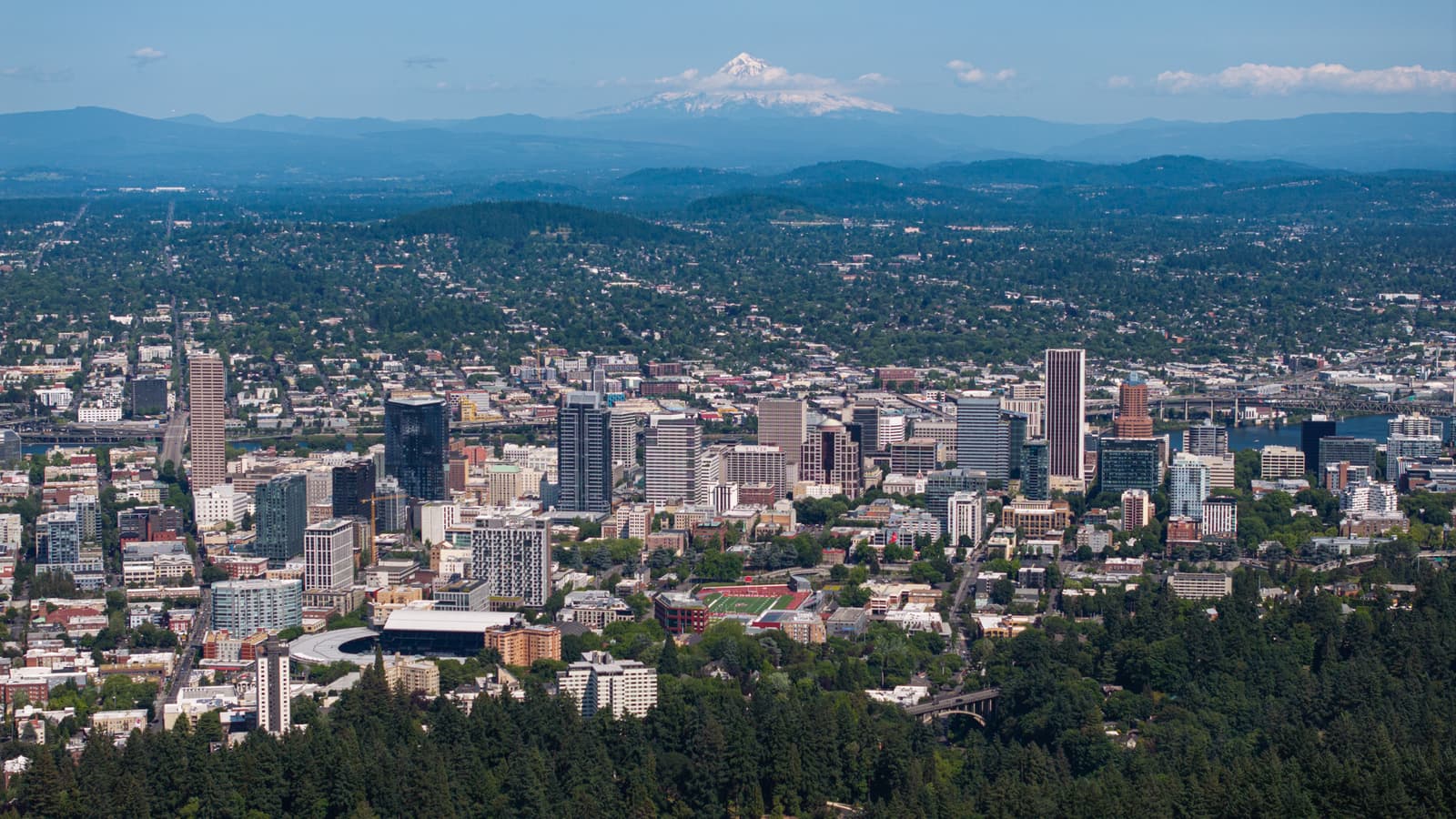
Portland
Combine Rainier with Portland for a full Pacific Northwest loop — Powells Books, Forest Park, the food cart pods, and the Columbia River Gorge an hour east. Most travellers fly into Seattle and out of Portland (or vice versa) and string together both cities, Rainier, St. Helens, and the Gorge.
Entry Requirements
Mount Rainier National Park is in Washington State, USA. International visitors need either an ESTA (Visa Waiver Program) or a full visitor visa (B-1/B-2) to enter the country. Visa Waiver Program travelers should apply for ESTA at least 72 hours before travel. US citizens need only valid government-issued ID. The park itself has no border or visa control; entry formalities are handled at the US port of entry, typically Seattle-Tacoma International Airport (SEA).
Entry Requirements by Nationality
| Nationality | Visa Required | Max Stay | Notes |
|---|---|---|---|
| US Citizens | Visa-free | Unlimited | Valid government-issued ID required (REAL ID or passport for domestic flights after May 2025). |
| UK Citizens | Visa-free | 90 days | ESTA required under Visa Waiver Program (USD 21, apply online at esta.cbp.dhs.gov). Valid for 2 years or until passport expires. |
| EU Citizens | Visa-free | 90 days | Most EU nationals qualify for ESTA (USD 21). Apply at least 72 hours before travel. |
| Canadian Citizens | Visa-free | 6 months | No ESTA or visa required for tourism. Valid passport required at land and air crossings. |
| Australian Citizens | Visa-free | 90 days | ESTA required (USD 21). Apply at esta.cbp.dhs.gov. |
| Japanese Citizens | Visa-free | 90 days | ESTA required (USD 21). |
| Indian Citizens | Yes | As per visa | B-1/B-2 visitor visa required. Apply at US consulate; current wait times can be 6-24 months. Interview required. |
Visa-Free Entry
Tips
- •Apply for ESTA only at esta.cbp.dhs.gov — third-party sites charge 3-5x the official $21 fee for no added value
- •Reserve a timed-entry permit on recreation.gov for any peak summer weekend or holiday — the park sold out most July weekends in 2024
- •The park entry fee ($30/vehicle, 7 days) is separate from any visa, ESTA, or timed-entry costs — pay at the entrance station or use an America the Beautiful pass
- •Cell service is unreliable above Longmire — download offline maps and have a printed backup of your lodging reservation and timed-entry permit
- •The closest US port of entry is Seattle-Tacoma International Airport (SEA); Customs and Border Protection officers will ask about your accommodation and itinerary
Getting Around
A private vehicle is essentially required. There is no public transit into the park, no in-park shuttle outside of a small Paradise loop in peak summer, and no rideshare anywhere inside park boundaries. The park introduced a timed-entry vehicle reservation system on summer weekends and holidays in 2024 — book on recreation.gov before you go for any peak-season weekend. Distances inside the park are deceptive: Paradise to Sunrise is only 34 miles by air but 76 miles by road (about 2 hours each way). Plan to base at one entrance and explore that side.
Car Rental
USD 50-130/day from SEA; fuel USD 4.20-4.80/gallon in WAPick up at Seattle (SEA) or Portland (PDX) and drive 2 to 3.5 hours. Standard 2-wheel-drive cars handle all paved park roads in summer; AWD or 4WD is helpful in shoulder season. Gas inside the park is limited — fill up in Ashford, Packwood, or Enumclaw before entering. Chains are required on Paradise Road in winter conditions.
Best for: Reaching trailheads, multi-day exploration of different park entrances, flexibility for dawn alpenglow shots
Paradise Free Shuttle (summer)
Free with park entryA free internal shuttle loops between Longmire, Cougar Rock Campground, and Paradise on summer weekends and holidays — useful for parking relief on busy days. Does not connect to other park areas (no Sunrise, Mowich, or Ohanapecosh service). Runs roughly late June through Labor Day, hourly.
Best for: Avoiding the Paradise parking battle on August weekends; one-way trail hikes
Pierce Transit Mountain Adventure Express
USD 24 round-tripA weekend-only seasonal bus (June through August) from Tacoma Dome Station to the Nisqually Entrance and Longmire — the only public transit reaching the park. Limited to 28 passengers, reservation required, single round-trip per day.
Best for: Carless visitors from Seattle/Tacoma; weekend day trips
Guided Day Tours from Seattle
USD 180-250 per personOperators like Evergreen Escapes and Mount Rainier Tours run small-group day trips from Seattle hotels (typical 12-hour day, 4-6 hours in the park). Includes Paradise, the Christine and Narada Falls, and short walks on the Skyline Trail. Useful if you have only one day and no rental car.
Best for: Carless visitors with one day to spare; first-time park visit
Walkability
The park itself is not walkable between areas — drives between Paradise, Sunrise, Mowich, and Ohanapecosh are 1-2 hours each. Within the major hubs (Paradise, Longmire, Sunrise) you can walk between visitor center, lodge, restaurant, and trailheads. The Skyline Trail at Paradise, the Sunrise Rim Trail, and the Wonderland Trail circling the entire mountain are all on foot only.
Shopping
Shopping at Mount Rainier is split between in-park gift shops at Paradise, Longmire, and Sunrise, the bookstores run by Washingtons National Park Fund and Discover Your Northwest, and the gateway towns of Ashford, Packwood, and Enumclaw. In-park shops lean toward NPS-branded clothing, plush wildlife, postcards, and field guides; gateway towns hold a few authentic local goods, mountaineering shops, and a strong Cascadia coffee culture. Authentic Pacific Northwest gifts (huckleberry products, Olympia oysters, Washington wines) are easier to find in Seattle.
Paradise Inn Gift Shop & Henry M. Jackson Visitor Center
historic lodge & visitor centerThe 1917 Paradise Inn lobby gift shop is worth visiting just for the building — a massive Cascadian-style log lobby with a 50-foot stone fireplace. Stocks NPS-branded apparel, Yellowstone-style plush wildlife, and a small but good book selection. The adjacent Jackson Visitor Center has the parks main natural history bookstore (Discover Your Northwest).
Known for: NPS passport stamps, field guides, hand-knit alpine sweaters, historic photo prints
Longmire General Store
historic general storeA small year-round general store next to the National Park Inn at Longmire. Sells basic groceries (canned goods, snacks, beer, wine), rain gear, microspikes for snow trails, postcards, and fuel for camp stoves. The 1907 building itself is on the National Register.
Known for: Microspikes, rain shells, NPS books, basic groceries and camp supplies
Ashford — Whittakers Mountain Bunkhouse Store
gateway outfitterFounded by famed Rainier climber Lou Whittaker, this Ashford institution is the best mountaineering gear shop near the park. Rents crampons, ice axes, helmets, and boots for summit attempts; sells the full range of technical gear at non-Seattle prices. Even non-climbers stop in for the historic mountaineering atmosphere.
Known for: Mountaineering rentals, technical layers, historic Whittaker family memorabilia
Packwood — Cliff Droppers and the Saturday Market
gateway townA small US-12 town between Rainier and Mount St. Helens with a few outdoor shops, a gas station, and the popular Cliff Droppers burger spot. The summer Saturday market has local honey, smoked salmon, and Cascade huckleberry products in season.
Known for: Local honey, huckleberry jam, smoked salmon, basic outdoor gear
Sunrise Visitor Center & Lodge
seasonal visitor centerOpen mid-June through early October. The smaller of the parks two main visitor centers, with a focused selection of NPS-branded gear, field guides for the parks east-side ecosystems, and the highest-elevation gift shop in the park.
Known for: Limited summer-only NPS branded items, alpine field guides, ranger-program merchandise
🎁 Unique Souvenirs to Look For
- •NPS Passport and cancellation stamps — one free stamp at every visitor center, including all four entrance stations
- •Yellow alpine wildflower field guide (sold at Jackson Visitor Center) — covers the Paradise meadow species in detail
- •Discover Your Northwest membership — supports the park, comes with discounted gear and quarterly publications
- •Hand-knit alpine sweater or Pendleton wool blanket from Paradise Inn gift shop
- •Rainier-branded Pacific Northwest coffee from Caffe Vita or Stumptown (sold in Seattle, often in Ashford)
- •Microspikes — useful for any spring or early-summer hike at Paradise where snow lingers
- •Mount Rainier topographic map (Tom Harrison or USGS) — practical and looks good framed
- •Huckleberry jam, taffy, and chocolate from Packwood and Ashford gateway shops
Language & Phrases
English is universal in Washington. What can confuse first-time visitors is the dense Pacific Northwest weather and trail vocabulary used by rangers, signs, and locals. A handful of NPS, weather, and Cascadia terms make it easier to follow ranger talks and read trailhead warnings.
| English | Translation | Pronunciation |
|---|---|---|
| The mountain is out | Mount Rainier is visible (clear sky) — a Washington phrase used statewide | thuh MOUN-tin iz OWT — locals greet each other with this on clear days |
| Subalpine | The vegetation zone just below treeline (5,000-6,500 feet at Rainier) where the wildflower meadows grow | sub-AL-pine — the Paradise meadows are subalpine |
| Bear box | Metal food-storage locker at trailheads and backcountry camps — never leave food in your car overnight | BAIR BOKS — uses the same handle as a Yosemite bear locker |
| Lahar | Volcanic mudflow — the regions defining hazard; valley towns have signed evacuation routes | LAH-har (rhymes with bazaar) |
| Postholing | Punching deep into rotten spring snow without snowshoes — exhausting; brings turning back | POST-hole-ing — brings out the microspikes and snowshoes |
| Glissade | Sliding down a snow slope on your boots, controlled with an ice axe — fast and very dangerous if mistimed | gluh-SAHD — never glissade with crampons on |
| Wonderland | Shorthand for the 93-mile Wonderland Trail circumnavigating the entire mountain | WUN-der-land — usually said with a sigh of respect |
| Camp Muir | The 10,080-foot climbing base camp on Rainiers south side — also a punishing day hike | kamp MYOOR — 4.5 miles up, 4,600 feet of gain from Paradise |
| Hella | Pacific Northwest intensifier meaning very or a lot — used by twentysomethings; older locals say wicked | HELL-uh — that trails hella long |
| Sunbreak | A brief gap in the clouds when the sun comes through — often the only sun youll get on a Cascade hike | SUN-brayk — local weather-forecast term |
🧭 Plan a trip including Mount Rainier National Park
Get a five-step itinerary built around Mount Rainier National Park, with complementary stops we'll suggest.
⚔ Still deciding? Compare Mount Rainier National Park
Browse all comparisons →If you like Mount Rainier National Park, you'll love…
4 cities with a similar vibe, outside of the same country.

Oman · OVR 76
jaw-dropping scenery · safe after dark

United Kingdom · OVR 70
remarkably safe · unforgettable natural beauty

New Zealand · OVR 76
unforgettable natural beauty · remarkably safe

Norway · OVR 77
unforgettable natural beauty · immaculate streets