
Málaga
THE QUICK VERDICT
By Anthony · Updated June 2026
Choose Málaga if you want Picasso's birthplace with Costa del Sol beaches, Moorish fortresses, and superb tapas in the sunshine.
- Best for
- Picasso Museum, Alcazaba fortress, Atarazanas Market tapas, El Palo beach chiringuito espetos, Caminito del Rey hike
- Two seasons
- Apr–Jun and Sep–Oct
- Budget anchor
- $150/day mid-range
- Worth a look
- Ronda's cliff-edge bridge and the Frigiliana white village are both 90-minute side trips by car
Picasso's birthplace on the Costa del Sol — a sun-drenched port city with world-class museums, Moorish fortresses, superb tapas, and beach life just steps from the historic center.
The two links below are affiliate links — MapSorted earns a small commission if you book through them, at no extra cost to you. How this works.
Tours & Experiences
Bookable tours, activities, and day trips in Málaga
Where to Stay
Compare hotels and rentals in Málaga
📍 Points of Interest
Alcazaba
11th-century Moorish fortress-palace with gardens and city views
Museo Picasso Málaga
Over 280 works by Picasso in a 16th-century palace
Catedral de la Encarnación
Renaissance cathedral known as La Manquita for its missing tower
Castillo de Gibralfaro
14th-century Moorish castle with the best panoramic views in Málaga
Centre Pompidou Málaga
Modern art branch museum in a colorful glass cube by the port
Mercado Central de Atarazanas
Vibrant 19th-century market in a former Moorish shipyard
★ Local Picks
El Pimpi
Iconic bodega and restaurant with Alcazaba views
Pedregalejo Beach
Former fishing village with authentic chiringuitos and espetos
At a Glance
- Pop.
- 580,000 (city), 1.6M (metro)
- Timezone
- Madrid
- Dial
- +34
- Emergency
- 112
Málaga is the birthplace of Pablo Picasso, who was born here in 1881. The Museo Picasso Málaga now houses over 280 of his works
With over 300 days of sunshine per year, Málaga is one of the sunniest cities in Europe and rarely drops below 10°C in winter
The Alcazaba fortress dates to the 11th century and is one of the best-preserved Moorish palatial fortifications in Spain
Málaga has over 30 museums, earning it the nickname "City of Museums" — more per capita than most Spanish cities
The city's sweet Málaga wine and fried fish (espetos de sardinas) are beloved local traditions dating back centuries
Málaga's port is one of the oldest continuously operating ports in the world, founded by Phoenicians around 770 BC
Top Sights
Alcazaba
📌An 11th-century Moorish fortress-palace perched on a hillside above the city. Wander through lush gardens, horseshoe arches, and fortified walls with sweeping views over the port and Mediterranean.
Museo Picasso Málaga
🏛️Housed in the 16th-century Palacio de Buenavista, this museum showcases over 280 works by Picasso including paintings, sculptures, ceramics, and drawings spanning his entire career.
Catedral de la Encarnación
📌A Renaissance and Baroque cathedral known as "La Manquita" (the one-armed lady) because its second tower was never completed. The rooftop tour offers spectacular panoramic views.
Castillo de Gibralfaro
📌A 14th-century Moorish castle crowning the hill above the Alcazaba. The walk up is steep but rewards with the best panoramic views in Málaga, stretching to the coast and mountains.
Playa de la Malagueta
🏖️The city's main urban beach stretching over 1 km along the waterfront. Lined with chiringuitos (beach bars) serving fresh seafood and espetos (sardines grilled on skewers).
Centre Pompidou Málaga
🏛️A branch of the famous Parisian museum housed in a striking glass cube by the port. Rotating exhibitions of modern and contemporary art from the Pompidou collection.
Mercado Central de Atarazanas
🏪A vibrant 19th-century market housed in a former Moorish shipyard with a stunning stained-glass facade. Stalls overflow with fresh seafood, olives, cheeses, and local produce.
Muelle Uno
🗼A modern waterfront promenade along the port with boutique shops, restaurants, and views of cruise ships and the Pompidou cube. The palm-tree-lined walk connects the center to the beach.
Climate & Best Time to Go
Málaga enjoys a subtropical Mediterranean climate with hot, dry summers and mild winters. It is one of the warmest cities in mainland Europe, with over 300 sunny days per year. Rain is concentrated in autumn and winter, while summer is virtually rain-free.
Spring
March - May55-75°F
13-24°C
Warm and sunny with increasing temperatures. Perfect for sightseeing without the summer heat. Semana Santa (Easter) processions transform the streets.
Summer
June - August70-95°F
21-35°C
Hot and dry with intense sunshine. Beach season is in full swing. Mornings and evenings are best for walking the city — midday can be scorching.
Autumn
September - November57-82°F
14-28°C
September is still warm enough for the beach. October brings occasional rain but pleasant temperatures. November cools but remains mild by European standards.
Winter
December - February46-63°F
8-17°C
Mild and pleasant compared to northern Europe. Some rainy days but plenty of sunshine. Locals wear jackets, but visitors from colder climates often find it comfortable.
Best Time to Visit
April through June and September through October offer the ideal balance of warm weather, manageable crowds, and comfortable sightseeing temperatures. July and August are hot and crowded but perfect for beach days. Winter is mild and ideal for budget travelers.
Spring (March - May)
Crowds: Moderate — higher during Easter weekWarm and sunny with pleasant walking temperatures. Semana Santa processions in March/April are spectacular. Gardens and parks are lush and green.
Pros
- + Perfect sightseeing weather
- + Semana Santa celebrations
- + Blooming gardens and jacaranda trees
- + Beach season starts in May
Cons
- − Easter week is very crowded and expensive
- − Sea still cool for swimming until May
- − Some spring rain possible
Summer (June - August)
Crowds: Very high — peak tourist seasonHot and dry with intense sunshine. Peak beach season and nightlife. The Feria de Agosto is a massive street party. Midday heat makes sightseeing uncomfortable.
Pros
- + Guaranteed sunshine
- + Warm sea swimming
- + Feria de Agosto (August)
- + Long evenings for terrace dining
Cons
- − Temperatures often exceed 35°C
- − Crowded beaches
- − Higher accommodation prices
- − Midday heat limits sightseeing
Autumn (September - November)
Crowds: Moderate in September, low by NovemberSeptember is warm and excellent for beaches with thinner crowds. October is pleasant and still sunny. November brings occasional rain but remains mild.
Pros
- + Warm sea temperatures through October
- + Fewer tourists
- + Lower prices
- + Pleasant sightseeing weather
Cons
- − Increasing rain from October
- − Shorter days
- − Some beach services wind down
- − Occasional heavy autumn storms
Winter (December - February)
Crowds: Low — quietest seasonMild by European standards with average highs around 16-17°C. Sunny days are common, though some rain occurs. A great time for cultural exploration without crowds.
Pros
- + Mildest winter in mainland Europe
- + Lowest prices
- + No crowds at museums
- + Christmas lights on Calle Larios are stunning
Cons
- − Too cool for beach swimming
- − Shorter daylight hours
- − Some rain
- − A few restaurants and beach bars close
🎉 Festivals & Events
Semana Santa
March/April (Easter)One of Spain's most elaborate Easter processions, with ornate floats (tronos) carried through the old town streets by costaleros (bearers). An unforgettable spectacle of devotion and pageantry.
Feria de Agosto
AugustMálaga's biggest annual party: a week of flamenco dancing, bullfights, music, and festivities. The daytime feria on Calle Larios is free and family-friendly.
Málaga Film Festival
MarchSpain's leading Spanish-language film festival, screening premieres and independent films in historic venues throughout the city.
Noche en Blanco
MayA "White Night" cultural event where museums, galleries, and cultural venues open their doors for free evening visits, with street performances and concerts.
Off the Beaten Path
El Pimpi
An iconic Málaga bodega and restaurant in a converted 18th-century building next to the Alcazaba. Wine barrels signed by celebrities line the walls, and the terrace has Alcazaba views.
More than a tourist spot — this is where locals celebrate special occasions. The sweet Málaga wine served straight from the barrel is a tradition you won't find elsewhere.
Soho Arts District
A formerly neglected neighborhood transformed into an open-air street art gallery. Massive murals by international artists cover entire building facades, with galleries and creative spaces throughout.
Most visitors stick to the old town and miss this neighborhood entirely. It shows Málaga's creative reinvention beyond its historical monuments.
Pedregalejo Beach & Chiringuitos
A former fishing village now part of Málaga, with a string of authentic chiringuitos (beach restaurants) grilling fresh sardines on espeto skewers over wood fires right on the sand.
The espeto tradition is specific to Málaga and is now recognized as Intangible Cultural Heritage. This is where locals go for seafood, not La Malagueta.
Jardín Botánico-Histórico La Concepción
A magnificent 19th-century tropical garden on the northern outskirts with over 2,000 plant species, including massive ficus trees, bamboo forests, and hidden waterfalls.
One of the most important subtropical gardens in Europe, yet most visitors to Málaga never make it here. Only a short bus ride from the center.
Baños del Carmen
A historic seaside bathhouse from the 1920s turned open-air restaurant and beach club, popular with locals for sunset drinks with views across the bay to the mountains.
This hidden cove feels a world away from the main beaches. It's a local institution that captures the relaxed Malagueño lifestyle perfectly.
Safety Breakdown
Moderate
out of 100
Málaga is generally safe for tourists, though petty theft (pickpocketing and bag snatching) can occur in crowded areas and on the beach. Violent crime targeting tourists is rare. The main concerns are the same as in most popular Mediterranean cities.
Things to Know
- •Watch for pickpockets in crowded areas, especially Calle Larios, the Atarazanas market, and busy bus/train stations
- •Don't leave belongings unattended on the beach — theft from towels is common at La Malagueta
- •Be cautious of overly friendly strangers offering "gifts" (rosemary sprigs, bracelets) then demanding payment
- •Summer heat can be intense — carry water, wear sunscreen, and avoid midday exposure (1-5 PM)
- •Some streets in the center can be poorly lit at night — stick to busy areas around Calle Larios and Plaza de la Merced
Natural Hazards
Emergency Numbers
General Emergency (EU-wide)
112
National Police
091
Local Police
092
Ambulance
061
Fire Department
080
Costs & Currency
Where the money goes
USD per dayBackpacker = hostel dorm + street food + public transit. Mid-range = 3-star hotel + neighbourhood restaurants + transit cards. Luxury = 4/5-star + fine dining + taxis. How we calibrate these numbers →
Quick cost estimate
Customize per category →Estimates based on regional averages. Flight prices vary by season and airline.
budget
$55-80
Hostel dorm, tapas bars with free tapas, free museum days, walking everywhere, beach days
mid-range
$120-180
Mid-range hotel, restaurant meals, museum visits, Gibralfaro taxi, chiringuito seafood lunch
luxury
$300+
Boutique hotel in old town, fine dining, private tours, rooftop cocktails, day trips by private car
Typical Costs
| Item | Local | USD |
|---|---|---|
| AccommodationHostel dorm bed | €18-28 | $20-31 |
| AccommodationMid-range hotel (double) | €70-130 | $76-142 |
| AccommodationBoutique hotel (double) | €150-300 | $164-327 |
| FoodTapa at a bar | €2-5 | $2.18-5.45 |
| FoodEspetos (sardine skewers) | €3-5 | $3.27-5.45 |
| FoodLunch menú del día | €10-14 | $10.90-15.26 |
| FoodDinner at restaurant | €20-40 | $21.80-43.60 |
| FoodBeer (caña) at a bar | €1.50-3 | $1.64-3.27 |
| TransportSingle bus ride | €1.30 | $1.42 |
| TransportAirport train (C1) | €1.80 | $1.96 |
| TransportTaxi airport to center | €20 | $21.80 |
| AttractionsAlcazaba + Gibralfaro combo | €5.50 | $6 |
| AttractionsMuseo Picasso | €12 | $13.08 |
| AttractionsCentre Pompidou Málaga | €9 | $9.81 |
💡 Money-Saving Tips
- •Many museums offer free entry on Sunday afternoons — including the Museo Picasso (last 2 hours)
- •The menú del día (daily set lunch) at local restaurants is the best food deal: 2-3 courses with drink for €10-14
- •Some tapas bars in the old town still serve a free tapa with each drink ordered
- •Walk the old town — all major sights are within 15 minutes on foot
- •The Alcazaba and Gibralfaro combo ticket saves money versus buying separately
- •Pedregalejo beach chiringuitos are cheaper than La Malagueta restaurants
- •Buy produce, cheese, and ham at the Atarazanas market for picnic lunches
- •Use the Cercanías train (€1.80) instead of taxis for airport transfers
Euro
Code: EUR
1 EUR is approximately 1.09 USD (as of early 2026). ATMs (cajeros automáticos) are plentiful throughout the city. Use banks like CaixaBank, Santander, or BBVA to avoid high fees. Beware of currency exchange booths on tourist streets with poor rates.
Payment Methods
Credit and debit cards (Visa, Mastercard) are accepted at most restaurants and shops. Smaller tapas bars, chiringuitos, and market stalls may be cash-only. Contactless payment is widely used. Bizum (Spanish mobile payment) is popular among locals.
Tipping Guide
Tipping is not obligatory in Spain. Leaving 5-10% for good service is appreciated. Many locals simply round up the bill or leave small change.
Leave small coins (€0.20-0.50) at the bar for coffee or drinks. Not expected but appreciated.
Rounding up to the nearest euro is common but not expected. No need to tip a percentage.
€1-2 per bag for porters. Leaving €1-2/day for housekeeping is a nice gesture but not expected.
€3-5 per person for free walking tours. €2-5 for paid guided tours if service was good.
How to Get There
✈️ Airports
Málaga-Costa del Sol Airport(AGP)
8 km southwestCercanías train (C1 line) runs every 20 min to Málaga Centro-Alameda station (12 min, €1.80). Airport Express bus (line A) to city center (20 min, €3). Taxi costs approximately €20.
✈️ Search flights to AGP🚆 Rail Stations
Málaga María Zambrano
1 km west of the old town (12 min walk)The main station with AVE high-speed trains to Madrid (2h 30min, €30-65), Córdoba (50min, €20-35), and Seville (2h, €25-45). Cercanías commuter trains serve the coast and airport.
🚌 Bus Terminals
Estación de Autobuses de Málaga
Adjacent to the train station. ALSA buses run to Granada (1.5h, €12-18), Ronda (1h 45min, €10-15), Nerja (1h, €5-8), Seville (2.5h, €18-25), and all Costa del Sol towns. FlixBus serves international routes.
Getting Around
Málaga's historic center is compact and walkable. The city has a modern bus network, a growing metro system, and affordable taxis. Most major sights are within a 20-minute walk of each other in the old town. Buses and metro are useful for reaching the beach districts and suburbs.
EMT Málaga Buses
€1.30 single; €0.82 with rechargeable bus card (tarjeta)An extensive bus network covering the entire city and suburbs. Key routes include line 35 to Gibralfaro and line 11 to Pedregalejo beach. Google Maps has real-time tracking.
Best for: Reaching Gibralfaro castle, Pedregalejo, and neighborhoods beyond walking distance
Metro de Málaga
€1.35 single; €0.82 with tarjetaA modern two-line metro system connecting the western suburbs and university to the center. Line 1 (Andalucía Tech) and Line 2 (Palacio de los Deportes) intersect at El Perchel.
Best for: Getting to/from the bus station (El Perchel stop) and the university area
Taxis & Ride-hailing
€5-12 for most trips within the city; airport to center ~€20White taxis with a blue stripe are plentiful. Uber operates in Málaga alongside local apps like FreeNow. Fares are metered and reasonable.
Best for: Airport transfers, late-night travel, and reaching the botanical garden
Málagabici / Bike Rental
€6-12/day for rental; Málagabici annual subscription for residentsA public bike-share system and numerous rental shops. The seafront promenade has a dedicated cycling lane running from the center to the eastern beaches.
Best for: Riding along the seafront promenade to Pedregalejo, flat coastal exploring
Walkability
Málaga's old town is very walkable with most attractions within a compact area between the Alcazaba and the port. The pedestrianized Calle Larios is the main spine. Be prepared for uphill walks to the Alcazaba and Gibralfaro. The seafront promenade is flat and pleasant for walking or cycling.
Travel Connections

Seville
Andalusia's capital with the Alcázar, the world's largest Gothic cathedral, flamenco in Triana, and the stunning Plaza de España. The essence of southern Spain.

Barcelona
Spain's Mediterranean jewel with Gaudí architecture, vibrant food markets, Gothic Quarter alleys, and beaches. A budget flight from Málaga makes it an easy connection.

Granada
Home of the legendary Alhambra palace, the atmospheric Albaicín quarter, and free tapas culture. Set dramatically at the foot of the Sierra Nevada mountains.
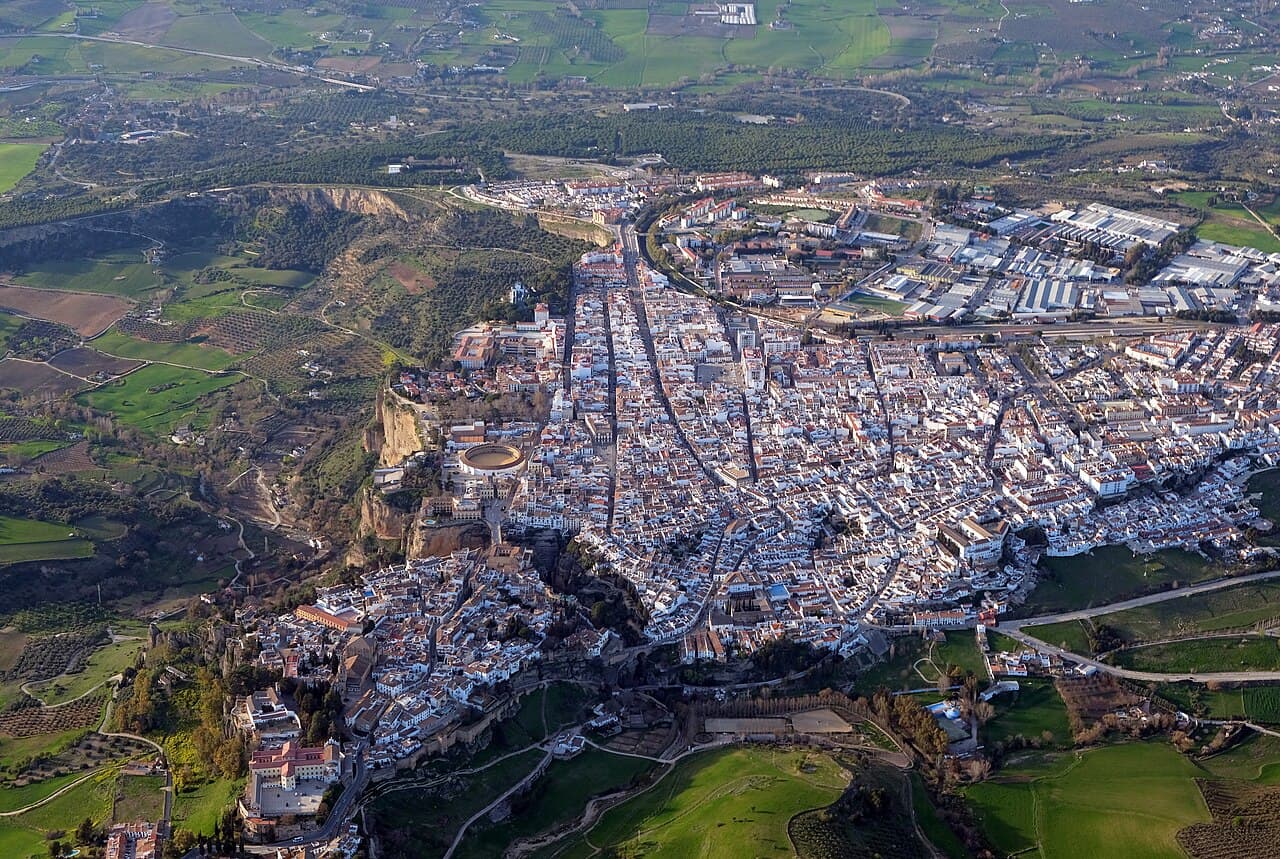
Ronda
A dramatic hilltop town split by the El Tajo gorge, spanned by the iconic Puente Nuevo bridge. One of the most photogenic day trips in Andalusia.
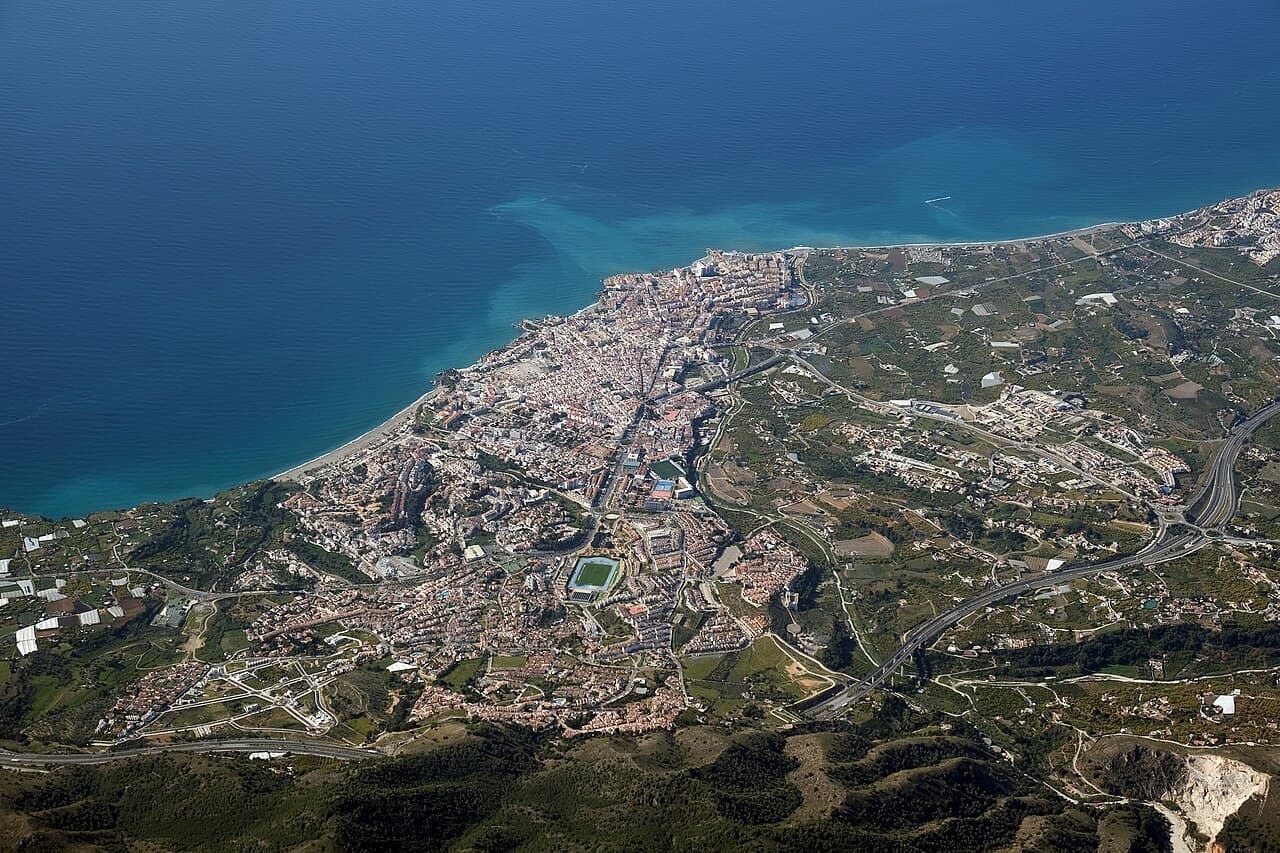
Nerja
A charming coastal town with the famous Balcón de Europa viewpoint, stunning caves, and some of the Costa del Sol's best beaches without the mega-resort feel.
Entry Requirements
Spain is part of the Schengen Area. Visitors from many countries can enter visa-free for up to 90 days within any 180-day period. The ETIAS travel authorization system is expected to launch for visa-exempt nationals — check current requirements before travel.
Entry Requirements by Nationality
| Nationality | Visa Required | Max Stay | Notes |
|---|---|---|---|
| US Citizens | Visa-free | 90 days | Passport must be valid for at least 3 months beyond planned departure. ETIAS authorization may be required — check before travel. |
| UK Citizens | Visa-free | 90 days | Post-Brexit, UK nationals follow Schengen third-country rules. The 90/180-day rule applies. |
| Canadian Citizens | Visa-free | 90 days | Standard Schengen rules apply. Youth Mobility visa available for ages 18-35. |
| EU/EEA Citizens | Visa-free | Unlimited | Freedom of movement applies. Can live and work without a visa. National ID card sufficient for entry. |
| Australian Citizens | Visa-free | 90 days | Standard Schengen rules apply. Working Holiday visa available for ages 18-30. |
| Indian Citizens | Yes | Up to 90 days | Must apply for a Schengen visa at the Spanish embassy or BLS International center. Requires travel insurance, accommodation proof, and financial means. |
Visa-Free Entry
Tips
- •The 90-day limit is cumulative across ALL Schengen countries — time in France, Italy, or Portugal counts against your Spain allowance
- •Your passport must be valid for at least 3 months beyond your planned departure from the Schengen area
- •Spain occasionally restores temporary border checks during major events or security concerns
- •Keep proof of accommodation and return travel accessible — especially when arriving at Málaga airport
- •EU citizens can enter with just a national ID card — no passport needed
Shopping
Málaga offers a mix of high-street shopping along Calle Larios, traditional markets, and artisan boutiques. The old town has independent shops selling ceramics, leather goods, and local food products. The Atarazanas market is the best place for gourmet souvenirs.
Calle Marqués de Larios
high-street retailMálaga's elegant marble-paved main shopping street with Spanish and international brands. Beautifully decorated during Christmas and Feria.
Known for: Zara, Mango, Massimo Dutti, and Spanish fashion brands
Mercado Central de Atarazanas
food marketA 19th-century ironwork market in a former Moorish shipyard. The best place to sample and buy olives, Iberian ham, local cheeses, dried fruits, and sweet wines.
Known for: Fresh seafood, Iberian ham, olives, Málaga wine, local produce
Soho District
artisan & creativeAn up-and-coming neighborhood with independent boutiques, vintage shops, and art galleries nestled among street murals.
Known for: Vintage clothing, local art prints, handmade jewelry, creative gifts
El Corte Inglés
department storeSpain's iconic department store chain with a branch near Calle Larios. The gourmet food floor has an excellent selection of Spanish products for gifts.
Known for: One-stop shopping for Spanish gourmet products, fashion, and souvenirs
🎁 Unique Souvenirs to Look For
- •Málaga sweet wine (Moscatel or Pedro Ximénez) from the Atarazanas market
- •Hand-painted Andalusian ceramic tiles and pottery
- •Premium olive oil from local Andalusian producers
- •Iberian ham (jamón ibérico) vacuum-packed for travel
- •Picasso-themed prints and reproductions from the museum shop
- •Esparto grass baskets and sandals — a traditional craft of the region
- •Malaga raisins (pasas de Málaga) — a protected designation product
Language & Phrases
Spanish is the official language. Malagueños speak with a distinct Andalusian accent — they tend to drop final "s" sounds and speak quickly. English is increasingly common in tourist areas, but any effort in Spanish is warmly appreciated.
| English | Translation | Pronunciation |
|---|---|---|
| Hello / Goodbye | Hola / Adiós | OH-lah / ah-dee-OHS |
| Good morning / Good evening | Buenos días / Buenas tardes | BWAY-nohs DEE-ahs / BWAY-nahs TAR-dehs |
| Thank you | Gracias | GRAH-thee-ahs |
| Please | Por favor | por fah-VOR |
| Excuse me / Sorry | Perdón / Lo siento | pair-DOHN / loh see-EN-toh |
| Yes / No | Sí / No | see / noh |
| How much is this? | ¿Cuánto cuesta esto? | KWAHN-toh KWAY-stah EHS-toh? |
| Where is...? | ¿Dónde está...? | DOHN-deh ehs-TAH...? |
| The check, please | La cuenta, por favor | lah KWEN-tah, por fah-VOR |
| I don't understand | No entiendo | noh en-tee-EN-doh |
| Do you speak English? | ¿Habla inglés? | AH-blah een-GLEHS? |
| A beer, please | Una caña, por favor | OO-nah KAH-nyah, por fah-VOR |
If you like Málaga, you'll love…
4 cities with a similar vibe, outside of the same country.

Portugal · OVR 77
legendary food scene · eminently walkable core

Croatia · OVR 75
eminently walkable core · clean enough to relax

Greece · OVR 75
world-class dining · compact, pedestrian-first layout

Portugal · OVR 78
legendary food scene · tidy public spaces