
Granada
THE QUICK VERDICT
By Anthony · Updated June 2026
Choose Granada if you want colonial charm, volcanoes, and Lake Nicaragua islands at rock-bottom backpacker prices.
- Best for
- colonial cathedral, Mombacho volcano coffee farms, Las Isletas boat tour, $1 fritanga street food on Calle Calzada
- Best window
- Dec–Mar
- Budget anchor
- $70/day mid-range
- Needs care
- Scores below most of the catalog on safety — read that section before you go
- Language gap
- English gets thin outside tourist areas — a translation app earns its keep
- Skip if
- you want polished infrastructure — power flickers, slow wifi, and limited transit are part of the deal
Central America's oldest colonial city on the shores of Lake Nicaragua. Colorful Spanish-era architecture, volcano views, and island-hopping in Las Isletas — at backpacker-friendly prices.
The two links below are affiliate links — MapSorted earns a small commission if you book through them, at no extra cost to you. How this works.
Tours & Experiences
Bookable tours, activities, and day trips in Granada
Where to Stay
Compare hotels and rentals in Granada
📍 Points of Interest
Parque Central & Cathedral
Main plaza with the neoclassical Cathedral of Granada
Iglesia de La Merced
Baroque church with panoramic bell tower views
Convento San Francisco
Historic convent with pre-Columbian statues museum
Las Isletas
Archipelago of 365 volcanic islands in Lake Nicaragua
Volcán Masaya· 23 km W
Active volcano with glowing lava lake viewable from rim
Mombacho Cloud Forest
Dormant volcano with cloud forest hiking trails
★ Local Picks
Laguna de Apoyo
Volcanic crater lake with warm crystal-clear water
Fortaleza La Pólvora
Hidden 18th-century fortress with rooftop views
At a Glance
- Pop.
- 130,000
- Timezone
- Managua
Granada was founded in 1524, making it one of the oldest colonial cities in the Americas and the first European city on mainland America
Lake Nicaragua (Lago Cocibolca) is the largest lake in Central America and home to the world's only freshwater bull sharks
The nearby Masaya Volcano is one of the few volcanoes in the world where you can peer directly into an active lava lake
Granada has been sacked and burned by pirates multiple times, including by the notorious Henry Morgan and William Walker
Nicaragua is the safest country in Central America by homicide rate, despite outdated perceptions
The city's colorful colonial architecture was largely rebuilt after William Walker burned the city in 1856
Top Sights
Parque Central & Cathedral
🗼The vibrant main plaza anchored by the yellow neoclassical Cathedral of Granada, originally built in 1583 and rebuilt several times. Horse-drawn carriages, street food vendors, and shoeshine boys fill the square.
Las Isletas
🌿A stunning archipelago of 365 tiny islands formed by an ancient eruption of Mombacho volcano. Explore by kayak or motorboat past monkey-inhabited islets, local fishing communities, and bird sanctuaries.
Volcán Masaya National Park
🌿An active volcano just 20 km from Granada where you can drive right up to the crater rim and peer into a glowing lava lake. Night visits are particularly spectacular.
Calle La Calzada
🗼The main pedestrian boulevard stretching from Parque Central to the lake, lined with restaurants, bars, street performers, and colonial architecture. The social heart of Granada at night.
Convento y Museo San Francisco
🏛️A 1529 convent housing a museum with pre-Columbian statues from Zapatera Island in Lake Nicaragua. The courtyard and blue-washed corridors are beautifully photogenic.
Mombacho Volcano Cloud Forest
🌿A dormant volcano rising 1,344 meters above Granada, capped with misty cloud forest. Hike through orchid-filled trails, zipline through the canopy, or enjoy sweeping views of the lake and isletas below.
Iglesia de La Merced
📌A baroque church with a bell tower offering the best panoramic views of Granada's terracotta rooftops, the lake, and surrounding volcanoes. Climb the tower at sunset for unforgettable photos.
Safety Breakdown
Exercise Caution
out of 100
Granada is generally safe for tourists, particularly within the well-traveled historic center. Nicaragua as a whole has lower crime rates than its Central American neighbors. Exercise standard precautions, especially at night and near the lake area. Political protests have occasionally caused unrest in the past.
Things to Know
- •Stick to well-lit streets at night — avoid walking alone on the lakefront road or back streets after dark
- •Use licensed taxis or arrange rides through your hotel, especially at night
- •Keep valuables out of sight — petty theft and bag-snatching can occur, particularly around busy tourist areas
- •The political situation has been stable for tourism but check advisories before travel
- •Avoid swimming in Lake Nicaragua near the city — water quality is poor close to shore; use boats to reach cleaner areas
- •Drink bottled or purified water — tap water is not safe to drink in most of Nicaragua
Natural Hazards
Emergency Numbers
Police (Policía Nacional)
118
Fire Department (Bomberos)
115
Red Cross (Cruz Roja)
128
General Emergency
911
Language & Phrases
Nicaraguan Spanish (Nica Spanish) uses "vos" instead of "tú" for informal address. English is limited outside of tourist areas — even basic Spanish will be greatly appreciated and useful.
| English | Translation | Pronunciation |
|---|---|---|
| Hello / Goodbye | Hola / Adiós | OH-lah / ah-dee-OHS |
| Good morning / Good evening | Buenos días / Buenas noches | BWAY-nohs DEE-ahs / BWAY-nahs NOH-chehs |
| Thank you | Gracias | GRAH-see-ahs |
| Please | Por favor | por fah-VOR |
| How much is this? | ¿Cuánto cuesta? | KWAHN-toh KWES-tah? |
| Where is...? | ¿Dónde está...? | DOHN-deh ehs-TAH? |
| The check, please | La cuenta, por favor | lah KWEN-tah, por fah-VOR |
| I don't understand | No entiendo | noh en-tee-EN-doh |
| Do you speak English? | ¿Habla inglés? | AH-blah een-GLEHS? |
| A beer, please | Una cerveza, por favor | OO-nah ser-VEH-sah, por fah-VOR |
| How cool! (Nica slang) | ¡Qué tuani! | keh twah-NEE |
| Buddy / Friend (Nica slang) | ¡Ideay, maje! | ee-deh-AH-ee, MAH-heh |
Costs & Currency
Where the money goes
USD per dayBackpacker = hostel dorm + street food + public transit. Mid-range = 3-star hotel + neighbourhood restaurants + transit cards. Luxury = 4/5-star + fine dining + taxis. How we calibrate these numbers →
Quick cost estimate
Customize per category →Estimates based on regional averages. Flight prices vary by season and airline.
budget
$25-40
Hostel dorm, comedor meals and street food, chicken buses, free walking tour, local beers
mid-range
$50-90
Private room in guesthouse, restaurant meals, guided tours, Las Isletas boat trip, cocktails on La Calzada
luxury
$120-200
Boutique colonial hotel, fine dining, private volcano tour, spa treatments, premium rum tastings
Typical Costs
| Item | Local | USD |
|---|---|---|
| AccommodationHostel dorm bed | C$250-400 | $7-11 |
| AccommodationPrivate room in guesthouse | C$700-1,500 | $19-41 |
| AccommodationBoutique colonial hotel | C$2,500-5,000 | $68-137 |
| FoodComedor meal (rice, beans, meat) | C$80-120 | $2.20-3.30 |
| FoodStreet food (nacatamal, quesillos) | C$30-60 | $0.80-1.65 |
| FoodRestaurant meal on La Calzada | C$300-600 | $8-16 |
| FoodLocal beer (Toña, Victoria) | C$35-60 | $1-1.65 |
| TransportCity taxi ride | C$20-50 | $0.55-1.40 |
| TransportChicken bus to Managua | C$35 | $1 |
| AttractionsLas Isletas boat tour | C$400-700 | $11-19 |
| AttractionsMasaya Volcano night tour | C$360-720 | $10-20 |
| AttractionsLa Merced bell tower | C$40 | $1.10 |
💡 Money-Saving Tips
- •Eat at comedores (local lunch counters) for filling meals under $3 — look where locals eat
- •Take chicken buses instead of tourist shuttles to save 90% on intercity travel
- •Negotiate taxi fares before getting in — locals pay much less than quoted tourist prices
- •Buy Flor de Caña rum at supermarkets rather than tourist shops for half the price
- •Visit Laguna de Apoyo using a C$15 bus from Masaya instead of paying for a shuttle
- •Many churches are free to enter — only the bell tower climbs have small fees
- •Travel during the green season (May-October) for lower accommodation prices and fewer crowds
- •Cook at hostel kitchens and shop at the Mercado Municipal for fresh, cheap ingredients
Córdoba (C$)
Code: NIO
1 USD is approximately 36.5 NIO (as of early 2026). US dollars are widely accepted in tourist areas, often at a slightly worse rate than the official exchange. ATMs dispense córdobas and sometimes dollars. BAC, Banpro, and Lafise are reliable ATM networks.
Payment Methods
Cash is king in Granada. US dollars are accepted at most tourist-facing businesses. Credit cards accepted at mid-range and upscale restaurants and hotels, but many places are cash-only. ATMs are available around the Parque Central. Carry small bills — breaking large notes is difficult.
Tipping Guide
A 10% service charge (propina) is sometimes included. If not, 10% is customary for sit-down meals. Check your bill first.
Not expected at casual bars. C$10-20 per round at nicer establishments is appreciated.
Not customary. Fares are negotiated in advance and tips are not expected.
$3-5 per person for day tours. Boat captains for Las Isletas tours appreciate $2-3.
C$20-50 ($0.55-1.40) per bag for porters at upscale hotels. Not expected at hostels or budget places.
Climate & Best Time to Go
Granada has a tropical climate with a distinct dry season (November-April) and wet season (May-October). Temperatures are consistently hot year-round, with the lowland location near Lake Nicaragua adding humidity. The dry season is the peak travel period.
Dry Season (Verano)
November - April72-95°F
22-35°C
Hot, sunny, and dry with virtually no rain. December through February is the most comfortable period. March-April are the hottest months before the rains arrive.
Wet Season (Invierno)
May - October70-90°F
21-32°C
Afternoon thunderstorms are common, usually lasting 1-2 hours. Mornings are typically clear. The landscape turns lush and green. September-October are the wettest months.
Best Time to Visit
December through April is the dry season and peak travel period. January and February offer the most comfortable temperatures. The shoulder months (November and May) have fewer crowds with manageable rain. The wet season is hot and humid but dramatically green.
Dry Season (November - April)
Crowds: High — especially Christmas/New Year and Semana Santa (Easter week)Sunny skies, minimal rain, and the best weather for volcano hikes and island trips. December through February is the sweet spot — hot but not scorching. March-April are the hottest months.
Pros
- + Reliable sunshine
- + Best conditions for outdoor activities
- + Roads and trails in good condition
- + Festive holiday atmosphere
Cons
- − Hottest months are March-April
- − Higher accommodation prices
- − Dusty landscape
- − Crowded during Semana Santa
Wet Season (May - October)
Crowds: Low — genuine off-seasonAfternoon thunderstorms are predictable — mornings are usually clear. The landscape transforms into vivid green. Tourist numbers drop significantly, bringing lower prices and a more local feel.
Pros
- + Lower prices across the board
- + Lush green landscape
- + Fewer tourists
- + Morning weather is usually clear
Cons
- − Heavy afternoon rains
- − Some roads become muddy
- − Higher humidity and mosquitoes
- − Hurricane season risk (rare in Granada)
🎉 Festivals & Events
Fiestas Patronales de Granada
AugustGranada's main patron saint festival with parades, live music, traditional dances, fireworks, and bullfighting. The city comes alive for two weeks of celebrations.
Semana Santa (Holy Week)
March/AprilElaborate Catholic processions through the colonial streets with colorful alfombras (sawdust carpets), religious floats, and packed churches. Hotels book up months in advance.
La Purísima
December 7-8Nicaragua's biggest religious celebration honoring the Virgin Mary. Families set up altars, children go door to door singing, and sweets are distributed — like a Nicaraguan Halloween.
Día de los Muertos
November 2Families visit cemeteries to clean and decorate graves, share food, and celebrate deceased loved ones in a colorful, festive atmosphere.
Off the Beaten Path
Chocolate Museum & Workshop
A small museum showcasing the history of cacao in Central America, with hands-on workshops where you make your own chocolate from raw Nicaraguan cacao beans.
Nicaragua produces some of the finest cacao in the world, and this place lets you make bean-to-bar chocolate in an afternoon for just a few dollars.
Laguna de Apoyo
A pristine volcanic crater lake between Granada and Masaya, set in a lush nature reserve. Crystal-clear warm water perfect for swimming, kayaking, or just floating at a lakeside hostel.
Locals come here on weekends to escape the heat — the water is naturally heated by volcanic activity and the jungle setting feels completely secluded.
Cemetery of Granada
A beautifully ornate colonial cemetery with elaborate mausoleums, old chapel ruins, and mature tropical trees. Free to wander and rarely visited by tourists.
The ornate 19th-century tombs rival those of La Recoleta in Buenos Aires, but you'll likely have the place entirely to yourself.
El Camino del Lago
The lakefront road leading from town to the port, lined with open-air comedores (food shacks) serving freshly grilled fish, fritanga platters, and cold Toña beers.
This is where locals eat on weekends — massive portions of lake fish, plantains, and gallo pinto for a couple of dollars while watching the sunset over the lake.
Fortaleza La Pólvora
A small 18th-century powder magazine fortress on a hilltop at the western edge of the city, now a museum with views over the rooftops toward the lake.
Virtually no tourists visit this free fortress, but the views and the peaceful plaza around it make it a perfect afternoon escape from Calle La Calzada.
How to Get There
✈️ Airports
Augusto C. Sandino International Airport (Managua)(MGA)
50 km northwestShared shuttle or private transfer to Granada takes about 1 hour ($15-30). Alternatively, taxi to Managua bus terminal (C$250/$7) then chicken bus to Granada (1h, C$35/$1). Pre-arranged hotel transfers are recommended.
✈️ Search flights to MGA🚌 Bus Terminals
Granada Bus Terminal
Located on the western edge of town. Chicken buses depart frequently to Managua (1h, C$35/$1), Masaya (25min, C$15/$0.40), and Rivas (1.5h, C$45/$1.25). Tourist shuttles with hotel pickup serve León ($15-25), San Juan del Sur ($15-20), and Ometepe ($15-20).
Getting Around
Granada's colonial core is compact and easily walkable. For destinations outside the center, cheap taxis, horse-drawn carriages, and local buses are readily available. Chicken buses connect to Managua and other cities. Tourist shuttles run to major destinations.
City Taxis
C$20-50 ($0.55-1.40) within the city; C$200-400 ($5.50-11) to MasayaSmall taxis circulate throughout Granada. Fares are fixed within the city — always agree on a price before getting in. Most rides within the center are C$20-30 (about $0.55-0.85).
Best for: Getting to the lakefront, bus terminal, or anywhere too far or too hot to walk
Chicken Buses
C$15-50 ($0.40-1.40) per ride; Managua C$35 ($1)Colorful retired US school buses that are the backbone of Nicaraguan public transport. Cheap, frequent, and an authentic experience. Buses to Managua, Masaya, and Rivas depart from the terminal or street stops.
Best for: Budget travel between cities — Managua (1h), Masaya (25min), Rivas (1.5h)
Tourist Shuttles
$15-35 per person per trip (León, San Juan del Sur, Ometepe)Private minivans operated by hostels and tour companies, running set routes between major tourist destinations with hotel pickup. More comfortable and faster than chicken buses.
Best for: Comfortable intercity travel with luggage — booked through hostels or tour agencies
Horse-Drawn Carriages
C$400-600 ($11-17) for a 45-minute city tourTraditional horse carriages available in the Parque Central for city tours. A charming way to see the colonial architecture and cover more ground than walking.
Best for: A scenic overview of the colonial center, especially at sunset
Walkability
Granada's colonial center is flat, compact, and best explored on foot. The Parque Central, Calle La Calzada, and all major churches are within a 10-minute walk of each other. Sidewalks are uneven and streets can be dusty. Carry water — it gets very hot.
Travel Connections
León
Nicaragua's intellectual capital and revolutionary heartland. Massive cathedral, vibrant street art, volcano boarding on Cerro Negro, and a grittier, more authentic vibe than Granada.
Ometepe Island
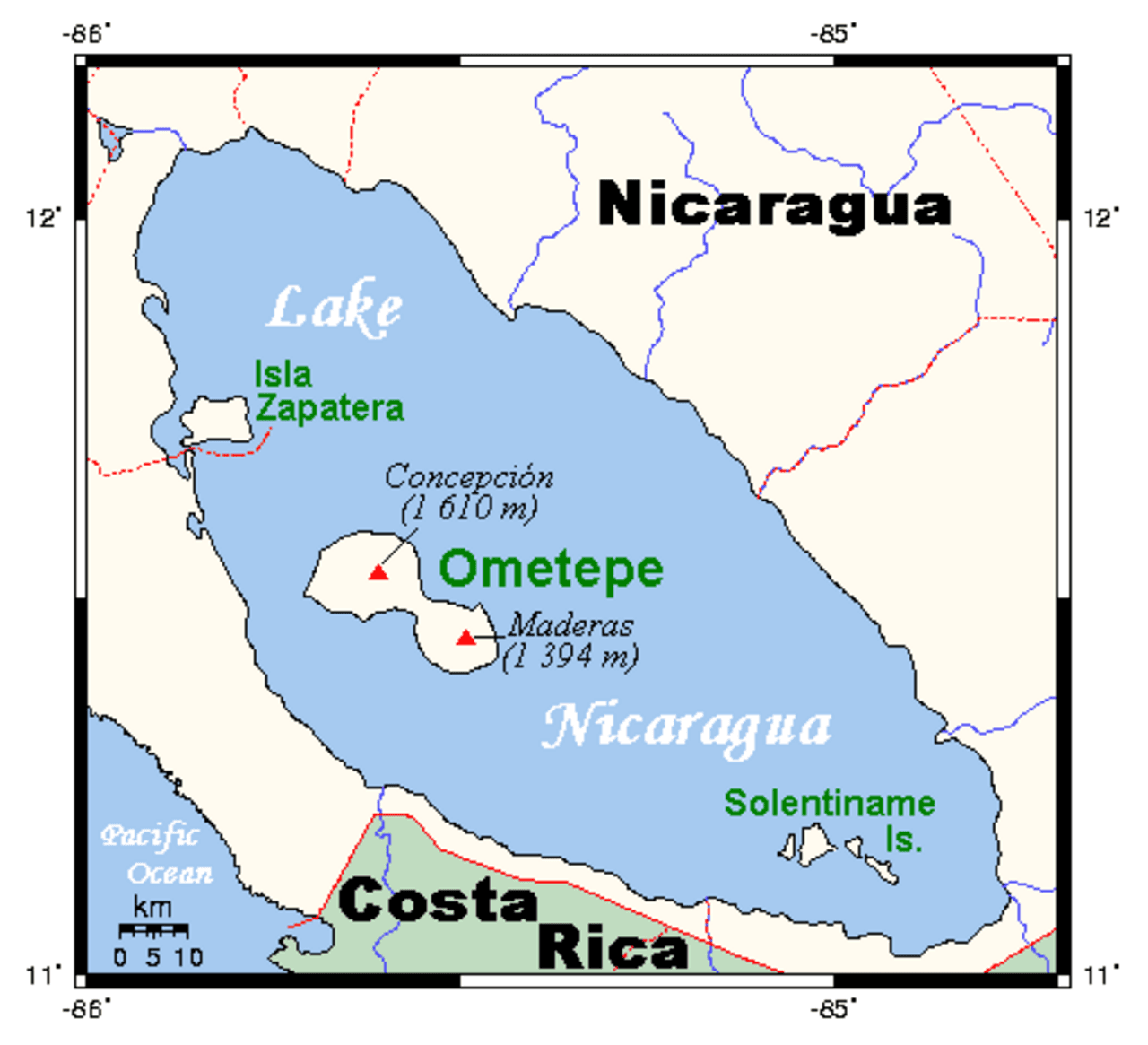
A magical island formed by two volcanoes rising from Lake Nicaragua. Hike Concepción volcano, swim at Ojo de Agua, and experience a laid-back rural island lifestyle.

San Juan del Sur
Nicaragua's Pacific beach town, popular with surfers and backpackers. Sunday Funday pool crawl, surf breaks at Playa Maderas, and a giant Christ statue overlooking the bay.

Masaya
The artisan capital of Nicaragua, famous for its massive craft market in a restored fortress and the nearby active Masaya Volcano. Great for hammocks, pottery, and leather goods.

Antigua Guatemala
Guatemala's crown jewel colonial city surrounded by volcanoes. Spanish schools, coffee farms, indigenous markets, and cobblestoned streets — Granada's more polished Central American cousin.
Entry Requirements
Nicaragua grants visa-free entry to citizens of most Western countries for up to 90 days under the CA-4 agreement (shared with Guatemala, Honduras, and El Salvador). A $10 tourist card is purchased on arrival at the airport.
Entry Requirements by Nationality
| Nationality | Visa Required | Max Stay | Notes |
|---|---|---|---|
| US Citizens | Visa-free | 90 days | Passport must be valid for at least 6 months. $10 tourist card purchased at airport. CA-4 90-day limit shared with Guatemala, Honduras, El Salvador. |
| UK Citizens | Visa-free | 90 days | Same CA-4 conditions apply. $10 tourist card at airport. Proof of onward travel may be requested. |
| Canadian Citizens | Visa-free | 90 days | Standard CA-4 rules. $10 tourist card at the airport. Yellow fever certificate required if arriving from an endemic country. |
| EU Citizens | Visa-free | 90 days | Most EU nationalities enter visa-free under CA-4. $10 tourist card at the airport. |
| Australian Citizens | Visa-free | 90 days | Visa-free under CA-4. $10 tourist card at airport. Passport must be valid for 6 months beyond entry. |
| Indian Citizens | Yes | Up to 90 days | Must obtain a visa in advance from a Nicaraguan embassy or consulate. Requires letter of invitation, hotel reservations, and financial proof. |
Visa-Free Entry
Tips
- •The CA-4 agreement means 90 days total across Nicaragua, Guatemala, Honduras, and El Salvador — not 90 days in each
- •You need $10 cash (USD) for the tourist card at the airport — it is not included in your flight ticket
- •Carry proof of onward travel (bus ticket or flight) — immigration occasionally asks for it
- •There is a $3-5 departure tax sometimes collected when leaving by land borders
- •Your passport must be valid for at least 6 months beyond your date of entry
Shopping
Granada offers colorful artisan crafts, hammocks, leather goods, and locally produced chocolate and coffee. The nearby city of Masaya has one of the best craft markets in Central America. Bargaining is expected at markets but not in established shops.
Calle La Calzada
tourist shopsThe main pedestrian strip is lined with souvenir shops, art galleries, and boutiques selling Nicaraguan crafts, hammocks, and clothing.
Known for: Hammocks, pottery, handmade jewelry, Nicaraguan coffee, tourist souvenirs
Masaya Craft Market (Mercado Viejo)
artisan marketA restored fortress in nearby Masaya housing hundreds of artisan stalls across two floors. The best single stop for Nicaraguan handicrafts, with better prices and selection than Granada.
Known for: Hammocks, leather sandals, carved wood, pottery, embroidered textiles, hand-rolled cigars
Mercado Municipal
local marketGranada's chaotic, sprawling local market selling fresh produce, meat, household goods, and cheap clothing. Authentic and not geared toward tourists.
Known for: Fresh tropical fruit, street food, local atmosphere, rock-bottom prices
🎁 Unique Souvenirs to Look For
- •Nicaraguan hammocks — handwoven and incredibly comfortable, available in single and double sizes
- •Flor de Caña rum — Nicaragua's world-class aged rum, available everywhere
- •Nicaraguan coffee from Matagalpa or Jinotega regions
- •Hand-rolled Nicaraguan cigars — among the best in the world
- •Pottery from the Pueblos Blancos (white villages) near Masaya
- •Primitivist paintings in the naif style — colorful depictions of rural Nicaraguan life
- •Leather sandals and belts from Masaya artisans
If you like Granada, you'll love…
4 cities with a similar vibe, outside of the same country.


