
Seville
THE QUICK VERDICT
By Anthony · Updated June 2026
Choose Seville if you want flamenco in Triana, Real Alcázar Moorish courtyards, tapas crawls, Semana Santa processions, and Andalusian orange blossoms.
- Best for
- rooftop terrazas at Hotel EME, Triana flamenco bars, Las Setas mushroom-roof views, orange-blossom spring air
- Two seasons
- Mar–May and Oct–Nov
- Budget anchor
- $140/day mid-range
- Worth a look
- most major monuments are free for EU residents and discounted for everyone after 4pm
Seville is Spain at its most passionate — flamenco, tapas, orange trees, and a cathedral that took a century to build. The Alcazar palace rivals the Alhambra, the barrio of Santa Cruz is endlessly wanderable, and the energy of Feria de Abril and Semana Santa processions is electric. Extremely hot in summer but magical in spring and fall.
The two links below are affiliate links — MapSorted earns a small commission if you book through them, at no extra cost to you. How this works.
Tours & Experiences
Bookable tours, activities, and day trips in Seville
Where to Stay
Compare hotels and rentals in Seville
📍 Points of Interest
Real Alcazar
Stunning royal palace with Mudejar architecture and gardens
Seville Cathedral & Giralda
World's largest Gothic cathedral with iconic bell tower
Plaza de Espana
Grand semicircular plaza with ornate tile work and canal boats
Metropol Parasol (Las Setas)
World's largest wooden structure with rooftop walkway
Torre del Oro
13th-century Almohad watchtower on the Guadalquivir
Triana Neighborhood
Flamenco heartland with ceramic workshops and tapas bars
Parque de Maria Luisa
Beautiful park with fountains, peacocks, and tiled benches
★ Local Picks
Casa de Pilatos
Exquisite 16th-century palace rivaling the Alcazar
Alameda de Hercules
Bohemian plaza and nightlife hub loved by locals
Pena Flamenca Torres Macarena
Intimate local flamenco club with passionate performances
At a Glance
- Pop.
- 690K (city), 1.5M (metro)
- Timezone
- Madrid
- Dial
- +34
- Emergency
- 112
Seville is the hottest major city in continental Europe, with summer temperatures regularly exceeding 40°C (104°F)
The Plaza de Espana was built for the 1929 Ibero-American Exposition and has appeared in films including Star Wars and Lawrence of Arabia
Seville is the birthplace of flamenco — the passionate art form combining guitar, singing, dance, and handclapping
The Seville Cathedral is the largest Gothic cathedral in the world and houses Christopher Columbus's tomb
Tapas culture originated in Andalusia — legend says bartenders placed small plates over glasses to keep flies out
The city has over 3,000 hours of sunshine per year, earning it the nickname "the frying pan of Europe" in summer
Top Sights
Real Alcazar
🏰A stunning royal palace complex blending Mudejar, Gothic, Renaissance, and Baroque architecture. The gardens are as impressive as the interiors. Still used by the Spanish royal family today.
Seville Cathedral & Giralda Tower
🗼The world's largest Gothic cathedral, built on the site of a 12th-century Almohad mosque. Climb the Giralda bell tower — originally the mosque's minaret — via 35 gentle ramps for panoramic views.
Plaza de Espana
🗼A jaw-dropping semicircular plaza with ornate tile work representing each Spanish province, a canal with rowing boats, and soaring towers. Built for the 1929 Exposition.
Barrio de Santa Cruz
🏘️The former Jewish quarter is a maze of narrow whitewashed streets draped in orange blossoms, dotted with hidden plazas, tile-covered patios, and tapas bars.
Metropol Parasol (Las Setas)
🗼The world's largest wooden structure, a massive mushroom-shaped parasol in Plaza de la Encarnacion. The rooftop walkway offers unique views over the old city.
Torre del Oro
📌A 13th-century Almohad watchtower on the banks of the Guadalquivir River, once used to control access to Seville via the river. Houses a small naval museum.
Parque de Maria Luisa
🌳Seville's largest and most beautiful park, donated by the Duchess of Montpensier. Shaded paths, fountains, tiled benches, and peacocks roaming freely.
Triana Neighborhood
🏘️Across the Guadalquivir River, this vibrant working-class barrio is the heartland of flamenco and ceramics. The Triana Market is excellent for local produce and tapas.
Climate & Best Time to Go
Seville has a Mediterranean climate with scorching summers and mild winters. The city is famous for extreme summer heat, making spring and autumn the ideal seasons to visit. Winter is mild and pleasant with occasional rain.
Spring
March - May54-82°F
12-28°C
The best season to visit. Warm and sunny with orange trees in bloom. April brings Semana Santa and the Feria de Abril, Seville's two biggest festivals.
Summer
June - August68-104°F
20-40°C
Brutally hot with temperatures regularly hitting 40°C+. Many locals flee the city in August. Tourist numbers drop significantly due to the heat.
Autumn
September - November54-90°F
12-32°C
September is still very warm but the heat eases through October. November is mild and pleasant with occasional rain. A great shoulder season.
Winter
December - February43-61°F
6-16°C
Mild and generally sunny by Northern European standards. Some rainy days but temperatures rarely drop below 5°C. A pleasant low-season option.
Best Time to Visit
March through May and October through November are ideal. Spring is especially magical with Semana Santa and Feria de Abril. Avoid July and August entirely if possible — the heat is genuinely dangerous and most locals leave.
Spring (March - May)
Crowds: High during festival weeks, moderate otherwiseThe absolute best time to visit. Orange trees bloom, temperatures are perfect, and the city's two biggest festivals — Semana Santa and Feria de Abril — bring incredible energy.
Pros
- + Perfect temperatures for walking
- + Semana Santa and Feria de Abril are unforgettable
- + Orange blossoms perfume the air
- + Outdoor dining at its best
Cons
- − Hotels book up and prices spike during festival weeks
- − Some streets closed for processions during Semana Santa
- − Popular attractions have longer queues
Summer (June - August)
Crowds: Low — too hot for most touristsDangerously hot. July and August regularly exceed 40°C. The city empties of locals. Only visit if you can structure your day around the heat — sightseeing before 11 AM and after 7 PM.
Pros
- + Lowest accommodation prices
- + No queues at attractions
- + Long warm evenings
- + Beach day trips to coast are easy
Cons
- − Extreme heat (40°C+) is physically dangerous
- − Many restaurants close for August holidays
- − Walking between 2-6 PM is miserable
- − Air quality can suffer from Iberian wildfires
Autumn (September - November)
Crowds: Moderate in September, low by NovemberSeptember is still hot but manageable. October and November are lovely — warm, sunny, and increasingly uncrowded. An excellent shoulder season.
Pros
- + Comfortable temperatures
- + Fewer tourists than spring
- + Good hotel deals
- + Outdoor terraces still pleasant
Cons
- − September can still hit 35°C
- − Some rain in November
- − Fewer cultural events than spring
- − Daylight hours shorten
Winter (December - February)
Crowds: Low — except Christmas/New YearMild and pleasant by European standards. Sunny days of 15°C are common, though evenings can be cool. A great time for museum visits and tapas bar crawls.
Pros
- + Mild temperatures (10-16°C)
- + Lowest prices outside festival season
- + Holiday lights and markets
- + Uncrowded attractions
Cons
- − Some rainy days
- − Shorter daylight hours
- − Cool evenings require layers
- − Some outdoor restaurants close for winter
🎉 Festivals & Events
Semana Santa (Holy Week)
March/AprilOne of Spain's most spectacular religious festivals. Elaborate processions with flooded pasos (floats), hooded nazarenos, and saetas (flamenco prayers) fill the streets day and night for a full week.
Feria de Abril
April/May (two weeks after Semana Santa)A week-long fair with casetas (private tents), flamenco dancing, horse parades, and flowing sherry. The most joyful and colorful event in Andalusia.
Bienal de Flamenco
September (even years)The world's most important flamenco festival, bringing the greatest artists to perform in theaters and intimate venues across the city.
Noche en Blanco
OctoberA cultural night where museums, monuments, and galleries open their doors for free with special events, concerts, and performances throughout the city.
Off the Beaten Path
Casa de Pilatos
A breathtaking 16th-century Andalusian palace combining Mudejar, Gothic, and Renaissance styles. The tiled courtyards and gardens rival the Alcazar but with a fraction of the visitors.
Locals consider it more beautiful than the Alcazar for its intimate scale and pristine condition — yet most tourists never hear about it.
Alameda de Hercules
A long rectangular plaza lined with bars, restaurants, and century-old trees. It's the center of Seville's bohemian nightlife and LGBTQ+ scene, buzzing every evening.
This is where Sevillanos actually hang out after dark — lively, unpretentious, and virtually tourist-free.
Mercado de Feria
A small neighborhood market in the Macarena district where locals shop for fresh produce, cured meats, and olives. No tourist stalls, just authentic daily life.
Unlike the more polished Triana Market, this feels entirely local. Grab a fino sherry and some jamon at the bar inside.
Pena Flamenca Torres Macarena
An intimate flamenco club (pena) in the Macarena district where passionate local performers gather for informal shows in a small, sweltering room.
Unlike the tourist tablaos, penas are social clubs where flamenco is performed for the love of it, not for ticket revenue.
Antigua Fabrica de Ceramica Triana
A former ceramics factory turned museum documenting Triana's centuries-old tile-making tradition. Small, well-curated, and overlooked by most visitors.
Triana's ceramic heritage is central to Seville's identity — this museum explains the craft behind the tiles you see covering buildings across the city.
Safety Breakdown
Moderate
out of 100
Seville is generally safe but has higher pickpocketing rates than many European cities. Tourist-heavy areas like the Cathedral, Plaza de Espana, and the Santa Cruz quarter are hotspots. Bag snatching from scooters also occurs.
Things to Know
- •Be especially vigilant around the Cathedral, Alcazar entrances, and on buses — organized pickpocket teams work these areas
- •Carry bags across your body on the side away from the street to prevent scooter snatching
- •Avoid walking through Alameda de Hercules alone very late at night, particularly on quiet side streets
- •Keep car doors locked and windows up at traffic lights — petty theft from stopped vehicles happens
- •Store valuables in your hotel safe — do not leave bags visible in parked rental cars
Natural Hazards
Emergency Numbers
General Emergency (EU-wide)
112
National Police
091
Local Police
092
Fire Department
080
Ambulance
061
Costs & Currency
Where the money goes
USD per dayBackpacker = hostel dorm + street food + public transit. Mid-range = 3-star hotel + neighbourhood restaurants + transit cards. Luxury = 4/5-star + fine dining + taxis. How we calibrate these numbers →
Quick cost estimate
Customize per category →Estimates based on regional averages. Flight prices vary by season and airline.
budget
$45-70
Hostel dorm, tapas bars, free sights and walking, public transit or bike share
mid-range
$110-170
Mid-range hotel or apartment, restaurant meals, 1-2 paid attractions per day, occasional taxi
luxury
$280+
Boutique hotel in Santa Cruz, fine dining, private flamenco shows, day trips by private transfer
Typical Costs
| Item | Local | USD |
|---|---|---|
| AccommodationHostel dorm bed | €16-28 | $17-31 |
| AccommodationMid-range hotel (double) | €70-140 | $76-153 |
| AccommodationBoutique hotel | €180-350 | $196-382 |
| FoodTapa at a bar | €2.50-4.50 | $2.75-4.90 |
| FoodEspresso (cafe solo) | €1.10-1.50 | $1.20-1.65 |
| FoodMenu del dia (lunch set) | €10-14 | $11-15 |
| FoodDinner at restaurant | €20-35 | $22-38 |
| FoodCerveza (beer) | €2-3 | $2.20-3.30 |
| TransportSingle bus ride | €1.40 | $1.53 |
| Transport1-day transit pass | €5 | $5.45 |
| TransportTaxi across center | €5-10 | $5.45-11 |
| AttractionsReal Alcazar | €14.50 | $15.80 |
| AttractionsCathedral & Giralda | €12 | $13 |
| AttractionsFlamenco tablao show | €20-40 | $22-44 |
💡 Money-Saving Tips
- •The Real Alcazar offers free entry on Monday evenings (last hour) — arrive early and queue
- •The Cathedral is free on Mondays for residents and tourists alike during certain hours — check the current schedule
- •Eat the "menu del dia" at lunchtime for a full 3-course meal with drink for €10-14
- •Many tapas bars in Triana and Macarena are significantly cheaper than those in Santa Cruz
- •Plaza de Espana, Parque de Maria Luisa, and walking the riverfront are all completely free
- •Use the Sevici bike share — the first 30 minutes of each trip are free with the annual subscription
- •Visit churches in the morning when many are free to enter (before ticketed hours begin)
- •Fill water bottles at public fountains — Seville tap water is safe to drink
Euro
Code: EUR
1 EUR is approximately 1.09 USD (as of early 2026). ATMs are widely available. Use bank ATMs (Santander, BBVA, CaixaBank) to avoid independent ATM fees. Most places accept cards but carry some cash for tapas bars and markets.
Payment Methods
Credit and debit cards (Visa, Mastercard) are widely accepted at restaurants, shops, and hotels. Some traditional bars, market stalls, and small tapas places are cash-only. Contactless payments are very common. Bizum (Spanish mobile payment) is popular among locals.
Tipping Guide
Tipping is not mandatory in Spain. Locals leave loose change or round up. In nicer restaurants, 5-10% is generous. Service charge (servicio) is rarely added.
No tip expected at casual tapas bars. Leaving small change on the counter is a nice gesture for good service.
Rounding up to the nearest euro or leaving €1 is common. No percentage-based tipping expected.
€1 per bag for porters. Housekeeping tips of €1-2 per day are appreciated but not expected.
€3-5 per person at the end of a tablao show is appreciated. At informal penas, passing the hat for performers is common.
How to Get There
✈️ Airports
Seville Airport (San Pablo)(SVQ)
10 km northeast of city centerEA bus runs every 20-30 min to Plaza de Armas and Santa Justa station (€4, 35 min). Taxi to center costs a flat €23-31 depending on zone (posted tariffs). No Uber/Cabify airport pickups.
✈️ Search flights to SVQ🚆 Rail Stations
Sevilla Santa Justa
1.5 km northeast of centroModern main station with AVE high-speed trains to Madrid (2.5h, €30-65), Cordoba (45min, €15-30), Malaga (2h, €25-45), and Barcelona (5.5h, €40-90). Also serves regional trains.
🚌 Bus Terminals
Plaza de Armas Bus Station
Handles buses to/from Portugal (Lisbon 7h, ~€25), western Andalusia, and Extremadura. Located on the river near the old town.
Estacion de Autobuses Prado de San Sebastian
Main bus terminal for eastern/southern Andalusia. ALSA buses to Granada (3h, ~€15), Cordoba (2h, ~€12), Cadiz (1h 45min, ~€13), and Ronda (2h, ~€13).
Getting Around
Seville's old town is compact and best explored on foot. The city has a single metro line, an extensive bus network, a tram, and an excellent public bike-sharing system (Sevici). The historic center is largely pedestrianized.
Metro de Sevilla
€1.35 per ride; rechargeable card availableA single line (Line 1) running from the eastern suburbs through the center. Limited coverage but useful for some areas. Runs from 6:30 AM to 11 PM (later on weekends).
Best for: Reaching the Nervion shopping district or connecting to suburban areas
Tussam Buses
€1.40 per ride; 1-day pass €5Extensive city bus network covering all neighborhoods. The C3, C4, and C5 circular routes are useful for tourists. Night buses run on weekends.
Best for: Reaching Triana, the Expo site, or areas beyond walking distance from center
MetroCentro Tram
€1.40 per rideA short tram line running from Plaza Nueva through the center to San Bernardo station. Only 5 stops but useful for connecting key areas.
Best for: Quick transit between Plaza Nueva and the San Bernardo train/metro station
Sevici Bike Share
€13.33/year subscription; first 30 min free per tripAn excellent public bike-sharing system with 260+ stations across the city. Flat terrain and dedicated bike lanes make cycling easy and pleasant.
Best for: Getting around the flat city center, especially along the river and to Maria Luisa park
Uber / Cabify / Free Now
€5-10 for most trips within the cityUber and Cabify operate alongside licensed taxis. Free Now app books traditional taxis. Prices are reasonable for Spanish standards.
Best for: Late-night travel, getting to the train station with luggage, or escaping the summer heat
Walkability
Seville's centro historico is very walkable and largely flat. The main sights are clustered within a 20-minute walk of each other. The pedestrianized streets around the Cathedral and Santa Cruz are delightful. Summer heat is the main obstacle to walking.
Travel Connections
Cordoba
Home to the Mezquita, a stunning mosque-cathedral unlike anything else in the world. The old Jewish quarter and flower-filled patios make it a perfect day trip.

Granada
The Alhambra palace is Spain's most visited monument. Book tickets well in advance. The Albaicin quarter and free tapas culture are unforgettable.
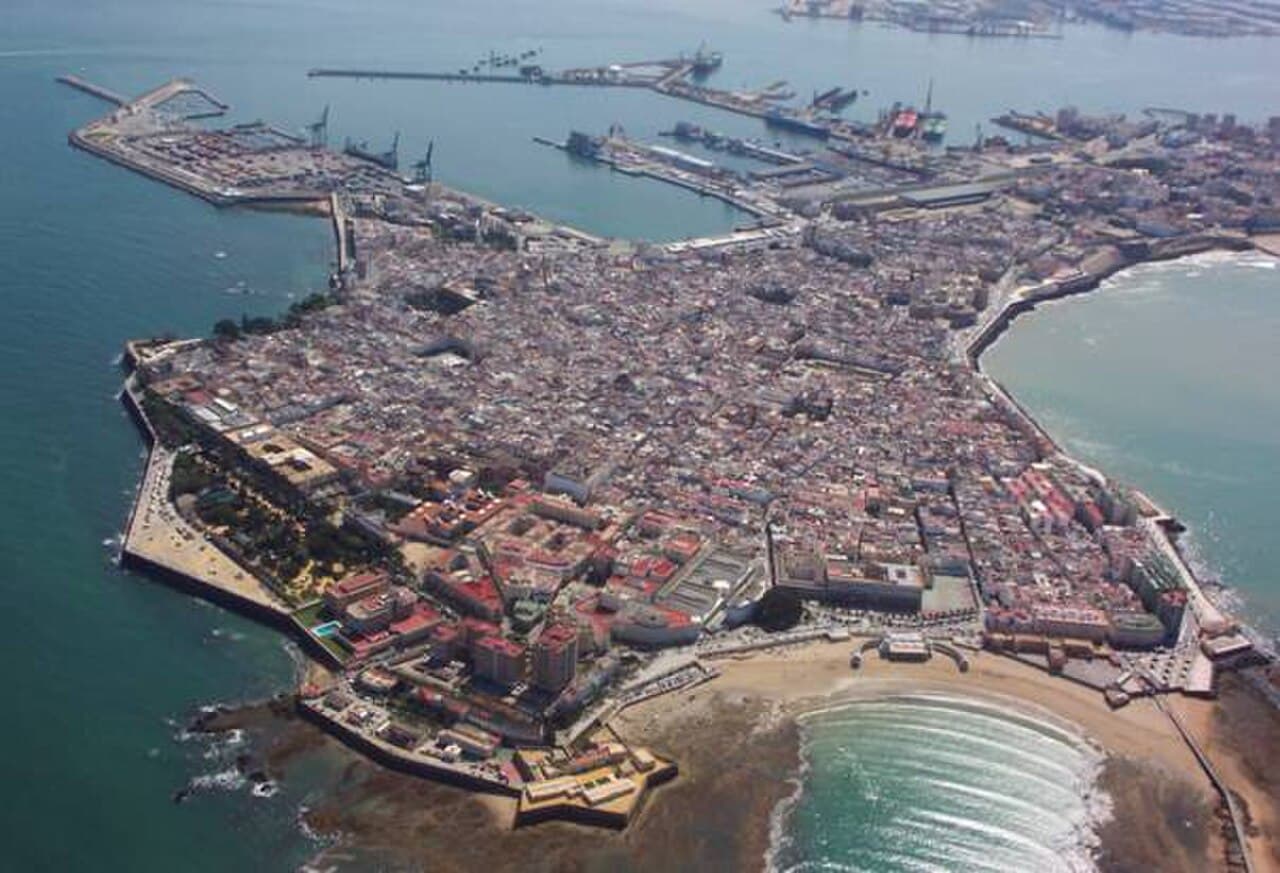
Cadiz
One of Europe's oldest cities, jutting into the Atlantic on a narrow peninsula. Famous for its seafood, carnival, and the stunning La Caleta beach.
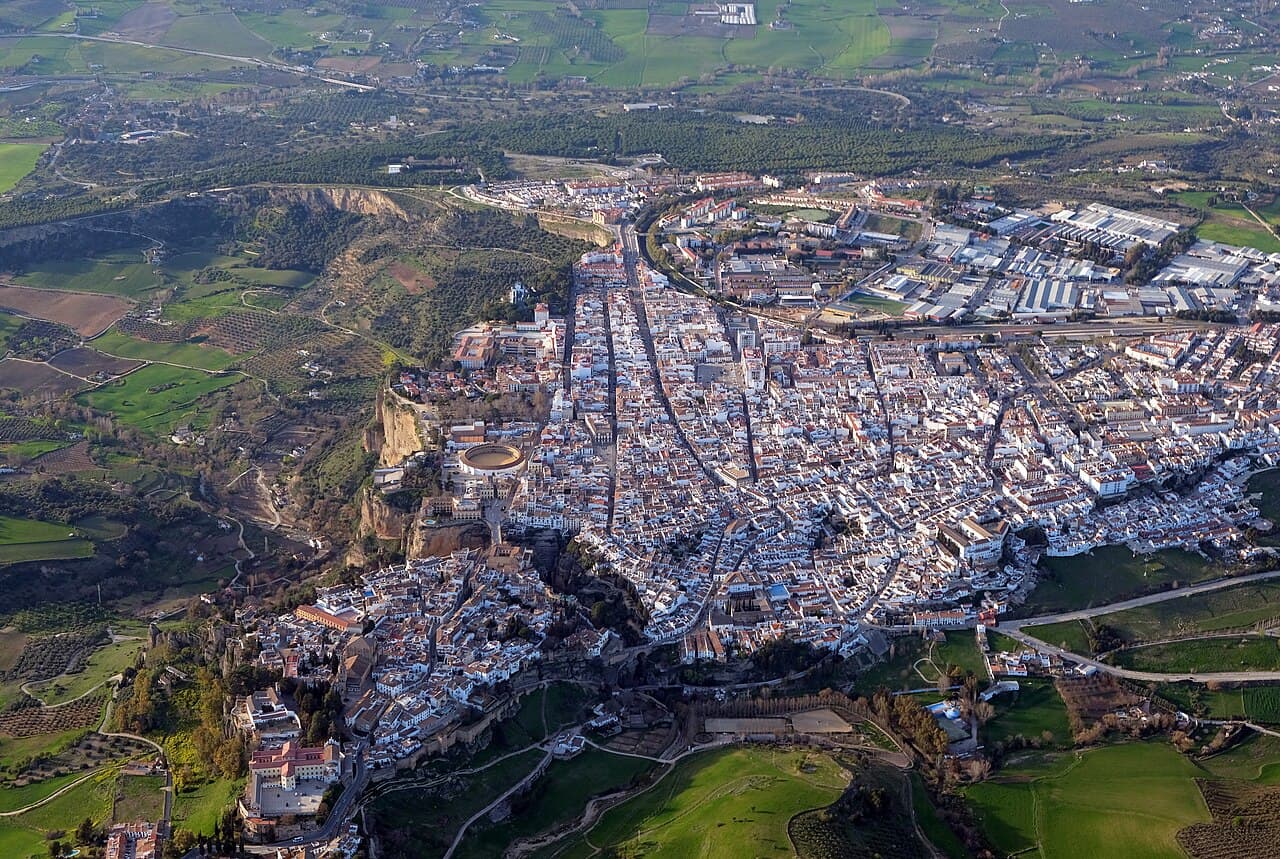
Ronda
A dramatic cliff-top town split by the El Tajo gorge, spanned by the iconic Puente Nuevo bridge. Birthplace of modern bullfighting and full of Hemingway mythology.

Jerez de la Frontera
The sherry capital of the world with atmospheric bodegas to tour and taste. Also famous for its Royal Andalusian School of Equestrian Art and flamenco tradition.

Madrid
Spain's capital with the Prado, Reina Sofia, and Retiro Park. The AVE high-speed train makes this a fast and comfortable connection through the Andalusian countryside.
Entry Requirements
Spain is part of the Schengen Area. Visitors from many countries can enter visa-free for up to 90 days within any 180-day period. The ETIAS travel authorization system is expected to launch for visa-exempt nationals — check current requirements before travel.
Entry Requirements by Nationality
| Nationality | Visa Required | Max Stay | Notes |
|---|---|---|---|
| US Citizens | Visa-free | 90 days | Passport must be valid for at least 3 months beyond planned departure. ETIAS authorization may be required — check before travel. |
| UK Citizens | Visa-free | 90 days | Post-Brexit, UK nationals follow Schengen third-country rules. The 90/180-day rule applies strictly. |
| Canadian Citizens | Visa-free | 90 days | Standard Schengen rules apply. Youth Mobility Agreement allows working holiday for ages 18-35. |
| EU/EEA Citizens | Visa-free | Unlimited | Freedom of movement applies. Can live and work without a visa. National ID card sufficient for entry. |
| Australian Citizens | Visa-free | 90 days | Standard Schengen rules apply. Working Holiday visa available for ages 18-30. |
| Indian Citizens | Yes | Up to 90 days | Must apply for a Schengen visa at the Spanish embassy or BLS International center. Requires travel insurance, accommodation proof, and financial means. |
Visa-Free Entry
Tips
- •The 90-day limit is cumulative across ALL Schengen countries — time in France, Italy, or Portugal counts against your Spain allowance
- •Your passport must be valid for at least 3 months beyond your planned departure from the Schengen area
- •Keep proof of accommodation, return flights, and travel insurance — Spanish border agents can request them
- •Spain offers a Digital Nomad Visa for remote workers wanting to stay longer than 90 days
- •The Non-Lucrative Visa is available for retirees and those with passive income wanting to live in Spain
Shopping
Seville's shopping scene blends traditional Andalusian craftsmanship with modern Spanish fashion. The city is known for flamenco attire, hand-painted ceramics, and local food products. Avoid generic souvenir shops around the Cathedral.
Calle Sierpes & Tetuan
mainstream retailThe main pedestrianized shopping streets in the center, lined with Spanish high-street brands (Zara, Mango) alongside traditional shops selling fans, mantillas, and flamenco dresses.
Known for: Spanish fashion brands, traditional flamenco accessories, department stores
Triana
artisan ceramicsThe traditional ceramics quarter across the river. Workshops along Calle Alfareria and San Jorge sell hand-painted azulejo tiles, plates, and decorative pieces directly from artisans.
Known for: Hand-painted Sevillian ceramics, azulejo tiles, pottery workshops
Barrio de Santa Cruz
boutique shopsNarrow streets filled with small boutiques selling leather goods, fans, shawls, and artisan soaps. Quality varies — look for shops run by actual makers.
Known for: Hand-painted fans (abanicos), leather goods, local artisan products
Mercado de Triana
food marketA renovated market built over the ruins of the Inquisition castle, selling fresh produce, olives, jambon iberico, and local cheeses. Great tapas bars inside.
Known for: Jambon iberico, Manchego cheese, olives, local wines, fresh seafood
🎁 Unique Souvenirs to Look For
- •Hand-painted Triana ceramics and azulejo tiles
- •Flamenco fans (abanicos) from specialist shops, not tourist stalls
- •Jambon iberico and other cured meats (vacuum-packed for travel)
- •Seville orange marmalade — the city's bitter oranges are famous worldwide
- •Olive oil from Andalusia — the region produces 40% of the world's olive oil
- •Flamenco-themed art prints and photography
- •Mantoncillos (embroidered shawls) used in traditional Sevillian dress
- •Sherry and Manzanilla wines from nearby Jerez and Sanlucar
Language & Phrases
Andalusian Spanish differs from standard Castilian — locals drop final consonants and speak quickly. "Gracias" may sound like "grasia." English is less widely spoken here than in Madrid or Barcelona, so a few phrases are especially helpful.
| English | Translation | Pronunciation |
|---|---|---|
| Hello / Goodbye | Hola / Adios | OH-lah / ah-dee-OHS |
| Good morning / Good evening | Buenos dias / Buenas noches | BWEH-nos DEE-ahs / BWEH-nahs NO-chehs |
| Thank you | Gracias | GRAH-thee-ahs (or GRAH-see-ahs in Andalusia) |
| Please / You're welcome | Por favor / De nada | por fah-VOR / deh NAH-dah |
| Excuse me / Sorry | Perdone / Lo siento | pair-DOH-neh / loh see-EN-toh |
| Yes / No | Si / No | see / noh |
| How much is this? | Cuanto cuesta esto? | KWAN-toh KWES-tah ES-toh? |
| Where is...? | Donde esta...? | DOHN-deh es-TAH...? |
| The check, please | La cuenta, por favor | lah KWEN-tah, por fah-VOR |
| I don't understand | No entiendo | noh en-tee-EN-doh |
| Do you speak English? | Habla ingles? | AH-blah een-GLEHS? |
| A beer, please | Una cerveza, por favor | OO-nah thair-VEH-thah, por fah-VOR |
If you like Seville, you'll love…
4 cities with a similar vibe, outside of the same country.

Portugal · OVR 77
serious culinary pedigree · compact, pedestrian-first layout

Greece · OVR 76
serious culinary pedigree · deep artistic heritage

Mexico · OVR 78
world-class dining · you barely need transit

France · OVR 78
world-class dining · compact, pedestrian-first layout