
Tbilisi
THE QUICK VERDICT
By Anthony · Updated June 2026
Choose Tbilisi if you want the Caucasus' coolest capital — Narikala fortress, Abanotubani sulphur baths, Kakheti wine country, Mtskheta UNESCO day-trips, and supra feasts.
- Best for
- sulfur baths in Abanotubani, Kakheti wine country day-trips, supra feasts under $20
- Two seasons
- May–Jun and Sep–Oct
- Budget anchor
- $75/day mid-range
- Real bargain
- Bottom 10% on daily spend ($75/day mid-range)
- Worth a look
- one of the world's oldest wine traditions plus 1-hour Mtskheta UNESCO escape
Georgia's captivating capital tumbles down hillsides along the Mtkvari River with colorful leaning houses, sulfur baths, ancient churches, and one of the world's oldest wine traditions.
The two links below are affiliate links — MapSorted earns a small commission if you book through them, at no extra cost to you. How this works.
Tours & Experiences
Bookable tours, activities, and day trips in Tbilisi
Where to Stay
Compare hotels and rentals in Tbilisi
📍 Points of Interest
Old Town (Kala)
Atmospheric historic quarter with winding streets, balconied houses, and hidden courtyards
Narikala Fortress
Ancient fortress perched on a ridge with panoramic views over Tbilisi
Abanotubani Sulfur Baths
Historic bathhouse district with domed brick rooftops and natural hot mineral water
Holy Trinity Cathedral
The largest religious building in the South Caucasus with a golden dome
Rustaveli Avenue
Grand boulevard lined with the Opera House, National Museum, and cultural institutions
Bridge of Peace
Stunning modern glass-and-steel pedestrian bridge over the Mtkvari River
Mtatsminda Park
Hilltop park reached by funicular with the best panoramic views of the city
Dry Bridge Flea Market
Daily open-air market selling Soviet memorabilia, antiques, art, and curiosities
★ Local Picks
Fabrika
Former Soviet sewing factory turned creative hub with cafes, bars, and co-working spaces
Dezerter Bazaar
Sprawling chaotic market with spices, churchkhela, cheese, and local produce
At a Glance
- Pop.
- 1.2M
- Timezone
- Tbilisi
- Dial
- +995
- Emergency
- 112
Tbilisi was founded in the 5th century by King Vakhtang Gorgasali, who supposedly discovered the natural hot sulfur springs while hunting — the city's name comes from "tbili" meaning "warm" in Georgian
Georgia has one of the oldest winemaking traditions in the world, dating back 8,000 years. Georgian qvevri (clay vessel) winemaking is a UNESCO Intangible Cultural Heritage
The Georgian alphabet (Mkhedruli) is one of only 14 unique writing systems still in use in the world — its flowing, rounded characters are unlike any other script
Georgian cuisine is legendary — khachapuri (cheese bread), khinkali (dumplings), and the supra (Georgian feast) are central to the culture and draw food lovers from around the world
Tbilisi sits in a valley along the Mtkvari (Kura) River, surrounded by hills on three sides, creating a dramatic setting where old wooden balconied houses cling to steep slopes
Georgia is one of the most hospitable countries on earth — the Georgian tradition of tamada (toastmaster) and elaborate toasts at feasts reflects a culture built around welcoming guests
Top Sights
Old Town (Kala)
🏘️The atmospheric heart of Tbilisi with narrow winding streets, crumbling balconied houses, hidden courtyards, churches, synagogues, mosques, and a vibrant mix of restored and beautifully decaying architecture.
Narikala Fortress
🗼An ancient fortress dating to the 4th century perched on a ridge above the Old Town, offering panoramic views of the city, the Mtkvari River, and the surrounding hills. Reachable by cable car from Rike Park.
Abanotubani (Sulfur Baths District)
📌The historic bathhouse district built over natural sulfur hot springs, with iconic domed brick rooftops. Several baths offer private rooms with hot mineral water. The experience Tbilisi was literally named for.
Holy Trinity Cathedral (Sameba)
📌The main cathedral of the Georgian Orthodox Church, completed in 2004. The largest religious building in the South Caucasus with a golden dome visible from across the city.
Rustaveli Avenue
🗼Tbilisi's grand boulevard lined with the Opera House, National Museum, Parliament building, galleries, and theaters. The cultural spine of the city and the center of Georgian public life.
Bridge of Peace
🗼A stunning modern pedestrian bridge with a curving glass-and-steel canopy spanning the Mtkvari River, connecting the Old Town to Rike Park. Beautifully illuminated at night.
MOMA Tbilisi (Georgian National Museum)
🏛️Home to the Treasury featuring exquisite medieval gold and enamel work, plus archaeological artifacts spanning thousands of years of Georgian civilization and the Soviet occupation museum.
Mtatsminda Park & Funicular
📌A hilltop park reached by a historic funicular railway, offering the best panoramic views of Tbilisi, a restaurant in the old funicular station, and an amusement park for families.
Costs & Currency
Where the money goes
USD per dayBackpacker = hostel dorm + street food + public transit. Mid-range = 3-star hotel + neighbourhood restaurants + transit cards. Luxury = 4/5-star + fine dining + taxis. How we calibrate these numbers →
Quick cost estimate
Customize per category →Estimates based on regional averages. Flight prices vary by season and airline.
budget
$20-40
Hostel or guesthouse, bakery and street food, metro and marshrutkas, free walking tours
mid-range
$50-100
Mid-range hotel, restaurant meals with wine, sulfur bath visit, Bolt rides, paid attractions
luxury
$150+
Boutique hotel, fine dining, private wine tours, private sulfur bath rooms
Typical Costs
| Item | Local | USD |
|---|---|---|
| AccommodationHostel dorm bed | 20-40 GEL | $7.40-14.80 |
| AccommodationMid-range hotel (double) | 120-250 GEL | $44-93 |
| AccommodationBoutique hotel | 300-600 GEL | $111-222 |
| FoodKhachapuri from a bakery | 3-6 GEL | $1.11-2.22 |
| FoodLunch at a local restaurant | 15-30 GEL | $5.56-11.11 |
| FoodDinner at a mid-range restaurant with wine | 40-80 GEL | $14.80-29.60 |
| FoodBeer (0.5L draft) | 5-10 GEL | $1.85-3.70 |
| FoodCoffee at a specialty cafe | 6-12 GEL | $2.22-4.44 |
| TransportMetro / bus single ride | 0.50 GEL | $0.19 |
| TransportBolt ride across town | 4-10 GEL | $1.48-3.70 |
| AttractionsSulfur bath (public section) | 5-10 GEL | $1.85-3.70 |
| AttractionsSulfur bath (private room) | 40-120 GEL | $14.80-44.40 |
| AttractionsGeorgian National Museum | 15 GEL | $5.56 |
💡 Money-Saving Tips
- •Tbilisi is extraordinarily affordable — it is one of the best-value destinations in the world for travelers
- •Khachapuri and lobiani from bakeries are filling meals for $1-2
- •The Old Town, Narikala views, and many churches are completely free
- •Metro and bus rides cost just $0.19 each — essentially free transport
- •Public sulfur baths cost as little as $2 — skip the expensive private rooms unless you want privacy
- •Georgian wine in shops is incredibly cheap — excellent bottles from 8-15 GEL ($3-5.50)
- •Eat at "sakhlis sapuri" (home-style restaurants) for the best value traditional meals
- •Free walking tours operate daily from Liberty Square — tip at the end
Georgian Lari
Code: GEL
1 USD is approximately 2.70 GEL (as of early 2026). ATMs are widely available in the city. Exchange offices (often near metro stations) offer competitive rates. Avoid exchanging at the airport. US dollars and euros are easy to exchange.
Payment Methods
Card acceptance has improved significantly. Most restaurants, hotels, and modern shops accept Visa and Mastercard. However, markets, marshrutkas, smaller shops, and traditional eateries are cash-only. Always carry lari in cash for markets and transport.
Tipping Guide
Tipping is appreciated but not deeply ingrained. Leave 10% at sit-down restaurants. Some upscale restaurants add a service charge — check the bill.
Rounding up or leaving small change is sufficient. Not expected at casual places.
Tipping is not expected for Bolt rides. Round up if you wish.
10-20 GEL per person for group tours. For private guides, 30-50 GEL per day is generous.
Tip the scrub attendant (mekise) 5-10 GEL for a good scrub.
Climate & Best Time to Go
Tbilisi has a humid subtropical climate with hot summers and mild-to-cool winters. The valley location means summers can be very hot and humid, while winters are relatively mild for the Caucasus. Spring and autumn are the most comfortable seasons for visiting.
Spring
March - May43-75°F
6-24°C
Rapidly warming with blossoming trees and pleasant temperatures. May is warm, sunny, and ideal for sightseeing. Occasional rain showers.
Summer
June - August68-99°F
20-37°C
Hot and often humid, with temperatures frequently exceeding 35 degrees. The valley traps heat. Evenings cool down and rooftop dining is popular. July and August are the hottest months.
Autumn
September - November45-81°F
7-27°C
September is warm and sunny, transitioning to crisp October. Wine harvest season (rtveli) is celebrated across the country. November turns cool and occasionally rainy.
Winter
December - February32-46°F
0-8°C
Mild for the Caucasus, with occasional cold snaps and rare snow in the city. The surrounding mountains are covered in snow. Cozy restaurant season with hearty Georgian food.
Best Time to Visit
May through June and September through October are ideal. Spring brings blooming gardens and comfortable temperatures. Autumn is wine harvest (rtveli) season, one of the most exciting times to visit Georgia. Summer is hot but great for combining Tbilisi with mountain trips.
Spring (April - June)
Crowds: Moderate, growing toward summerWarm and green, with gardens and courtyards in bloom. May and June are excellent for sightseeing and day trips to Mtskheta and wine country.
Pros
- + Comfortable temperatures
- + Gardens in bloom
- + Pre-summer prices
- + Great hiking weather in the mountains
Cons
- − April can be rainy
- − Some mountain passes not yet open
Summer (July - August)
Crowds: High — peak tourist seasonHot and humid in the valley, with temperatures regularly exceeding 35 degrees. Many Georgians head to the mountains or Black Sea coast. Best paired with highland excursions.
Pros
- + Long sunny days
- + Mountain excursions at their best
- + All roads and passes open
- + Vibrant nightlife
Cons
- − Extreme heat in the city
- − Humidity
- − Higher accommodation prices
- − Crowds at popular sites
Autumn (September - October)
Crowds: Moderate to highWarm days, cool evenings, and the rtveli (grape harvest) season. Arguably the best time to visit for food and wine lovers. Golden light and autumn colors.
Pros
- + Wine harvest season
- + Comfortable temperatures
- + Beautiful light
- + Festive atmosphere in wine regions
Cons
- − Some rain in late October
- − Days getting shorter
- − Popular season — book ahead
Winter (November - March)
Crowds: LowCool but mild for the Caucasus. The Old Town is atmospheric with fewer tourists. Nearby ski resorts (Gudauri, Bakuriani) are in full swing.
Pros
- + Fewest tourists
- + Lowest prices
- + Cozy restaurant season
- + Ski season in the mountains
Cons
- − Grey days
- − Some mountain roads closed
- − Shorter daylight
- − Occasional cold snaps
🎉 Festivals & Events
Tbilisoba
OctoberThe annual city festival celebrating Tbilisi's founding with music, dancing, food stalls, wine, and cultural events across the Old Town and Rike Park.
Rtveli (Wine Harvest)
September-OctoberThe grape harvest season celebrated across Georgia, particularly in Kakheti. Families and wineries invite visitors to help stomp grapes and participate in traditional winemaking.
Art Gene Festival
JulyAn annual festival at the Tbilisi Open Air Museum of Ethnography celebrating traditional Georgian crafts, music, dance, and food.
New Wine Festival
MayCelebrating the first wines of the season at Mtatsminda Park with tastings from Georgian wineries, food, and live music.
Off the Beaten Path
Fabrika
A former Soviet sewing factory transformed into a multi-use creative space with hostels, co-working spaces, cafes, bars, and pop-up shops in a vibrant courtyard. The epicenter of Tbilisi's young creative scene.
Fabrika perfectly captures the spirit of modern Tbilisi — creative, affordable, and rooted in repurposing Soviet infrastructure. The courtyard on a warm evening is magical.
Dezerter Bazaar
A sprawling, chaotic bazaar near the main train station selling everything from spices, churchkhela (grape and walnut candy), cheese, herbs, and household goods. The most authentic market experience in Tbilisi.
This market is overwhelming in the best way. The spice and churchkhela vendors are works of art, and the prices are a fraction of tourist shops.
Vera & Vake Neighborhoods
Leafy, upscale residential neighborhoods with tree-lined streets, excellent restaurants, specialty coffee shops, and a local atmosphere far removed from the tourist trail.
These neighborhoods show you how well-to-do Tbilisians live. The restaurant and cafe scene here rivals the Old Town but at lower prices and with almost no tourists.
Betlemi Quarter Walking Route
A steep walk through the most atmospheric part of the Old Town, passing restored and unrestored houses, hidden churches, art studios, and tiny courtyards clinging to the hillside below Narikala.
Most tourists see the Old Town from the main streets, but the Betlemi quarter reveals the lived-in beauty of Tbilisi — the crumbling balconies, the grapevines, the elderly neighbors chatting.
Safety Breakdown
Moderate
out of 100
Tbilisi is remarkably safe for tourists. Georgia consistently ranks as one of the safest countries in the region, with very low rates of violent crime. Petty theft is uncommon compared to Western European cities. The biggest risks are traffic (drivers can be aggressive) and overindulging at a supra feast.
Things to Know
- •Traffic is the biggest hazard — Georgian driving can be aggressive, and pedestrian crossings are not always respected. Cross carefully.
- •Watch for uneven pavements and open manholes in the Old Town, especially at night
- •Tap water in Tbilisi is safe to drink
- •Georgia is socially conservative on some issues — LGBTQ+ travelers should exercise discretion, particularly outside the capital
- •Be careful at supras (traditional feasts) — the tamada (toastmaster) will offer many toasts and the wine flows freely
- •Use Bolt or the Maxim app instead of hailing random taxis to avoid overcharging
Natural Hazards
Emergency Numbers
General Emergency
112
Police
112
Ambulance
112
Fire Department
112
Tourist Helpline
0 800 800 909
How to Get There
✈️ Airports
Tbilisi Shota Rustaveli International Airport(TBS)
17 km southeast of city centerBus 37 to Liberty Square (30-40 min, 0.50 GEL / $0.19). Bolt/Maxim 15-25 GEL ($5.50-9.25), 20-35 min. Airport taxis are much more expensive — use Bolt.
✈️ Search flights to TBS🚆 Rail Stations
Tbilisi Central Railway Station
2 km west of the Old TownThe main station handling domestic trains to Batumi (5h), Kutaisi (5.5h), and Zugdidi (8h). International services are limited. Night trains to Batumi are popular in summer. Connected by metro (Station Square).
🚌 Bus Terminals
Ortachala Bus Station
The main bus station for international departures to Yerevan (5-6h), Baku (overnight), and Istanbul. Also handles some domestic routes to eastern Georgia.
Didube Bus Station
Handles marshrutkas and buses to northern and western Georgia — Kazbegi (3h), Kutaisi (4h), and Mestia (9h). Chaotic but effective. Connected by metro (Didube).
Getting Around
Tbilisi has a metro system, buses, and marshrutkas (minibuses). The city is walkable in the center but spread across a valley, so transit is helpful for longer distances. Ride-hailing apps are extremely affordable and the most convenient way to get around.
Tbilisi Metro (2 lines)
0.50 GEL ($0.19) per rideTwo metro lines with Soviet-era stations. The Akhmeteli-Varketili line runs north-south through the city. Clean, efficient, and very cheap. Buy a Metromoney card for use on metro and buses.
Best for: Quick north-south travel through the city center
Buses & Marshrutkas
0.50 GEL ($0.19) by bus; 0.80 GEL ($0.30) by marshrutkaCity buses cover most routes. Marshrutkas (yellow minibuses) fill gaps and connect to suburban areas. Both use the Metromoney card. Marshrutkas can be chaotic but effective.
Best for: Reaching areas not served by the metro, day trips to Mtskheta
Bolt / Maxim
3-10 GEL ($1.10-3.70) for most city tripsBolt and Maxim (a Russian-origin app) are the dominant ride-hailing apps. Extremely affordable — most rides across the city cost just a few dollars. Available 24/7.
Best for: The most convenient way to get anywhere in Tbilisi, especially at night
Cable Car & Funicular
2.50 GEL ($0.93) cable car; 5 GEL ($1.85) funicularA cable car from Rike Park ascends to Narikala Fortress. The funicular climbs to Mtatsminda Park. Both offer stunning views and use the Metromoney card.
Best for: Reaching Narikala Fortress and Mtatsminda Park with panoramic views
Walkability
The Old Town is very walkable but hilly — wear comfortable shoes. The area from Rustaveli Avenue through Rike Park to the Old Town is excellent on foot. Distances between neighborhoods can be significant, and the steep terrain makes walking tiring over longer distances. Bolt is your friend.
Travel Connections

Yerevan
Armenia's pink-tuff capital with Mount Ararat views, ancient monasteries, and outstanding food. Daily marshrutkas and flights connect the two Caucasus capitals.

Istanbul
The transcontinental metropolis where Europe meets Asia. Turkish Airlines and Georgian Airways fly direct from Tbilisi multiple times daily.

Kazbegi (Stepantsminda)
A mountain town at the foot of Mount Kazbek (5,047m) with the iconic Gergeti Trinity Church perched at 2,170m. The drive along the Georgian Military Highway through dramatic mountain scenery is unforgettable.

Mtskheta
Georgia's ancient capital and spiritual heart, a UNESCO World Heritage Site with the Svetitskhoveli Cathedral (where Christ's robe is said to be buried) and the Jvari Monastery overlooking the confluence of two rivers.
Kakheti Wine Region
Georgia's premier wine region in the eastern valleys. Sighnaghi is a charming hilltop town, while Telavi is the regional capital. Wine cellars, qvevri tastings, and stunning Caucasus views.
Entry Requirements
Georgia has one of the most liberal visa policies in the world. Citizens of over 95 countries can enter visa-free for up to one year. The country actively encourages tourism and has made entry as easy as possible.
Entry Requirements by Nationality
| Nationality | Visa Required | Max Stay | Notes |
|---|---|---|---|
| US Citizens | Visa-free | 365 days | No visa required for stays up to one year. Passport must be valid for the duration of stay. No registration required. |
| UK Citizens | Visa-free | 365 days | No visa required for up to one year. Passport validity must cover the stay. |
| EU/EEA Citizens | Visa-free | 365 days | Visa-free for up to one year. National ID card accepted from some EU countries. |
| Indian Citizens | Yes | Up to 90 days | Electronic visa (e-visa) available online. Processing takes 5 business days. Cost is $20 USD. |
Visa-Free Entry
Tips
- •Georgia offers visa-free entry for up to ONE YEAR to citizens of over 95 countries — one of the most generous visa policies in the world
- •Georgia is NOT part of the EU or Schengen — days here do not affect your Schengen allowance
- •The currency is the Georgian Lari (GEL)
- •If entering from Russian-occupied Abkhazia or South Ossetia via Russia, you may face issues — always enter these regions from the Georgian-controlled side
- •No registration with police is required for tourists
- •Tbilisi Airport has a modern terminal with efficient immigration processing
Shopping
Tbilisi offers unique shopping centered around Georgian wine, food products, traditional crafts, and antiques. The city does not have a mall culture — the best finds are in markets, artisan shops, and the streets of the Old Town.
Dry Bridge Flea Market
flea marketA daily open-air market on the edge of the Old Town selling Soviet memorabilia, antiques, artwork, jewelry, carpets, and curiosities. A treasure hunter's paradise.
Known for: Soviet-era items, antique jewelry, Georgian art, vintage cameras, old maps, carpets
Rustaveli Avenue
high street shoppingThe main boulevard with bookshops, wine stores, and some international brands. The area around Galeria Tbilisi mall has more modern retail.
Known for: Wine shops, bookstores, Georgian-designed clothing, cultural venues
Dezerter Bazaar
traditional marketA sprawling daily market with spices, churchkhela, dried fruits, fresh produce, cheese, herbs, and household items. The most authentic market experience in Tbilisi.
Known for: Churchkhela, spices (svaneti salt, adjika), cheese (sulguni), dried fruits, honey
Old Town Artisan Shops
artisan & craftSmall galleries and craft shops in the Old Town streets selling cloisonne enamel, silver jewelry, traditional textiles, and handmade ceramics.
Known for: Georgian cloisonne enamel (minankari), silver jewelry, handmade ceramics
🎁 Unique Souvenirs to Look For
- •Georgian wine, especially amber/orange wines made in qvevri (clay vessels)
- •Churchkhela — the "Georgian Snickers" (walnuts or hazelnuts strung and dipped in grape juice)
- •Svaneti salt (seasoned salt with herbs and spices from the Svan region)
- •Georgian cloisonne enamel jewelry (minankari)
- •Chacha (Georgian grape brandy) — often homemade
- •Traditional Georgian felt items and textiles
- •Handmade ceramics with Georgian script or traditional patterns
- •Tkemali (sour plum sauce) and adjika (spicy paste)
Language & Phrases
Georgian has its own unique alphabet (Mkhedruli) with 33 characters — flowing, rounded, and beautiful. It is unrelated to any neighboring language. Russian is widely understood by older generations, and English is increasingly spoken by younger Georgians, especially in Tbilisi.
| English | Translation | Pronunciation |
|---|---|---|
| Hello | Gamarjoba | gah-mar-JOH-bah |
| Thank you | Madloba | mahd-LOH-bah |
| Please / You're welcome | Tu sheidzleba / Arapris | too shay-EETZ-leh-bah / ah-rah-PREES |
| Yes / No | Ki / Ara | kee / AH-rah |
| Excuse me / Sorry | Ukatsravad / Bodishipovart | oo-kats-rah-VAHD / boh-dee-shee-poh-VAHRT |
| How much? | Ramdeni ghirs? | RAHM-deh-nee GHEERS? |
| Where is...? | Sad aris...? | sahd AH-rees...? |
| The check, please | Angarishi, tu sheidzleba | ahn-gah-REE-shee, too shay-EETZ-leh-bah |
| Wine, please | Ghvino, tu sheidzleba | GHVEE-noh, too shay-EETZ-leh-bah |
| Cheers! | Gaumarjos! | gow-MAR-johs! |
| I don't understand | Ver gavige | vehr gah-VEE-geh |
| Do you speak English? | Laparakhobt inglisurat? | lah-pah-rah-KHOHBT een-glee-SOO-raht? |
If you like Tbilisi, you'll love…
4 cities with a similar vibe, outside of the same country.

Italy · OVR 75
serious culinary pedigree · workable for remote days

Turkey · OVR 76
reliable wifi, decent English · decent pedestrian spine
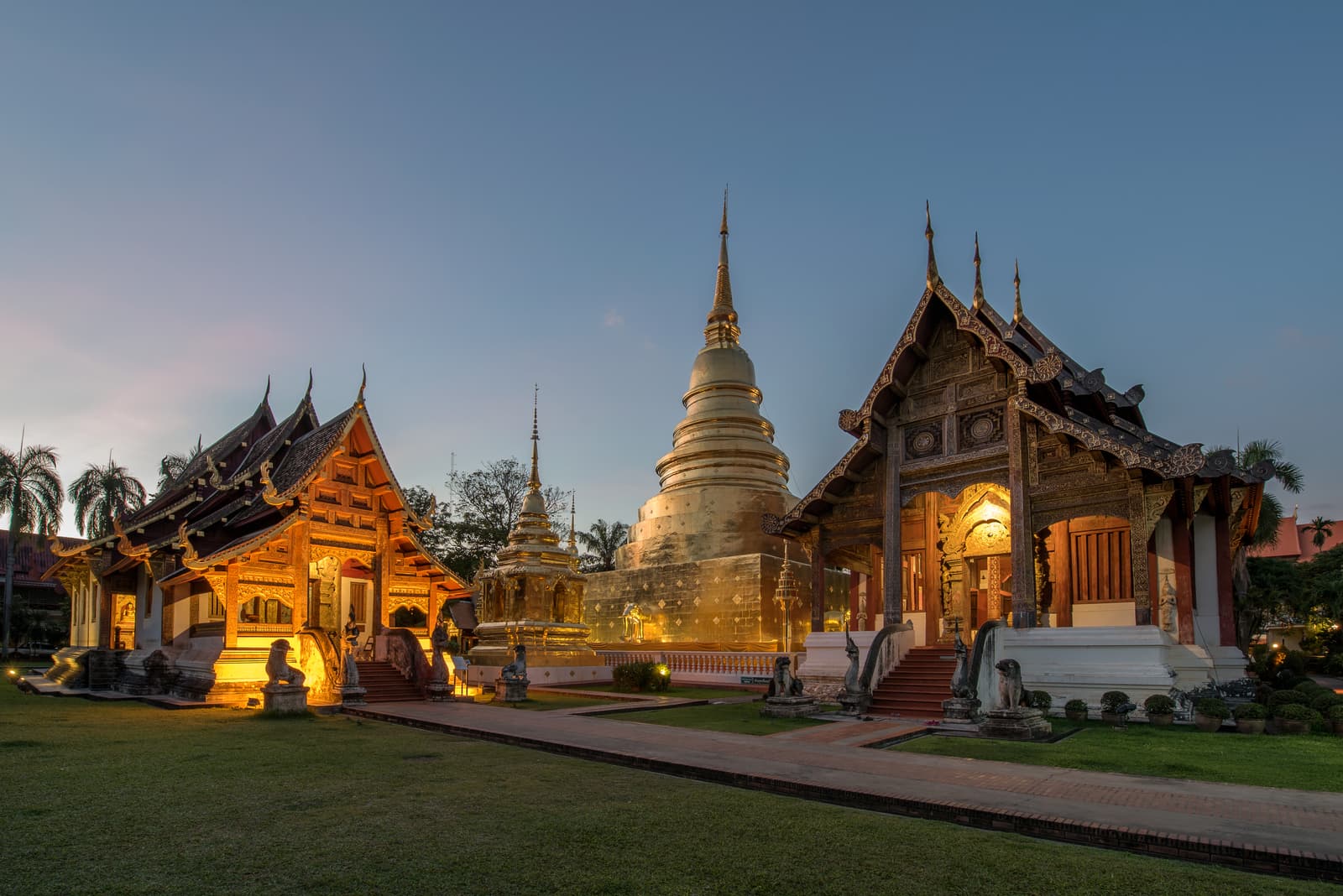
Thailand · OVR 77
legendary food scene · stretches your budget

Albania · OVR 73
stretches your budget · reliable wifi, decent English