
Havana
THE QUICK VERDICT
By Anthony · Updated June 2026
Choose Havana if you want a time-warp to 1959 — vintage Chevys on the Malecón, Old Havana plazas, rum mojitos, son cubano clubs, and crumbling colonial grandeur.
- Best for
- Plaza Vieja cafecito, Fábrica de Arte Cubano nights, Vedado paladares, classic-car loops along the Malecón
- Best window
- Dec–Apr
- Budget anchor
- $100/day mid-range
- Language gap
- English gets thin outside tourist areas — a translation app earns its keep
- Skip if
- you need reliable internet — wifi is patchy, dollar-priced and patience is required
Havana is a city frozen in time — 1950s American cars cruise past crumbling colonial palaces, salsa music drifts from open doorways, and the Malecon seafront promenade is the world's longest open-air living room. Habana Vieja's restored squares contrast with raw, ungentrified neighborhoods. Mojitos, cigars, and a sense of place unlike anywhere else.
The two links below are affiliate links — MapSorted earns a small commission if you book through them, at no extra cost to you. How this works.
Tours & Experiences
Bookable tours, activities, and day trips in Havana
Where to Stay
Compare hotels and rentals in Havana
📍 Points of Interest
Habana Vieja
UNESCO-listed colonial Old Town with baroque plazas
El Malecon
8 km oceanfront seawall and social gathering spot
Capitolio Nacional
Grand neoclassical government building
Plaza de la Catedral
Most harmonious colonial square in Old Havana
Museo de la Revolucion
Revolutionary history in the former Presidential Palace
Fabrica de Arte Cubano
Converted factory with art, music, and nightlife
Fortaleza de San Carlos
18th-century fortress with nightly cannon ceremony
★ Local Picks
Callejon de Hamel
Afro-Cuban art alley with Sunday rumba sessions
Fusterlandia
Entire neighborhood covered in Gaudi-inspired mosaics
Necropolis de Colon
Monumental cemetery with extraordinary funerary art
At a Glance
- Pop.
- 2.1M (city)
- Timezone
- Havana
- Dial
- +53
- Emergency
- 106 / 104
Havana's Old Town (Habana Vieja) is a UNESCO World Heritage Site with over 900 historically significant buildings
Cuba has two currencies — the Cuban Peso (CUP) is used by locals while tourists primarily use the new electronic payment system or foreign cash
The 1950s American classic cars (almendrones) aren't just tourist props — they're daily transport for thousands of Habaneros
Cuba has one of the highest literacy rates in the world at over 99%, thanks to a massive 1961 literacy campaign
The Malecon seawall stretches 8 km along the coast and is Havana's living room — locals gather here every evening
Internet access remains limited and expensive in Cuba, though it has improved with mobile data access in recent years
Top Sights
Habana Vieja (Old Havana)
🏘️A UNESCO World Heritage Site packed with baroque and neoclassical architecture, colonial plazas, and crumbling pastel-colored buildings. The four main plazas — Plaza de Armas, Plaza Vieja, Plaza de la Catedral, and Plaza de San Francisco — anchor the district.
El Malecon
🗼Havana's iconic 8-km oceanfront promenade stretching from Habana Vieja to Vedado. At sunset, the seawall fills with musicians, couples, fishermen, and rum-sipping locals. The best free experience in the city.
Plaza de la Catedral
🗼The most architecturally harmonious square in Old Havana, dominated by the asymmetric towers of the 18th-century Cathedral of San Cristobal. Surrounded by colonial mansions now housing galleries and restaurants.
Capitolio Nacional
📌Havana's grandest building, modeled after the US Capitol but actually slightly taller. The recently restored interior features a massive diamond-studded statue and ornate halls.
Museo de la Revolucion
🏛️Housed in the former Presidential Palace, this museum tells the story of the Cuban Revolution with artifacts, photos, and the Granma yacht that carried Fidel Castro and 81 revolutionaries from Mexico in 1956.
Fabrica de Arte Cubano (FAC)
📌A converted cooking-oil factory turned into Havana's coolest art space, with rotating exhibitions, live music, film screenings, and bars spread across multiple floors. Open Thursday-Sunday evenings.
Plaza Vieja
🗼The most beautifully restored plaza in Old Havana, ringed by colorful colonial buildings housing galleries, a microbrewery, a camera obscura, and al fresco restaurants. Originally the city's commercial center.
Fortaleza de San Carlos de la Cabana
📌A massive 18th-century fortress across the harbor with nightly cannon-firing ceremony (canonazo) at 9 PM. Panoramic views of the Havana skyline from the ramparts.
Language & Phrases
Cuban Spanish drops the "s" sound at the end of syllables and speaks rapidly with Caribbean rhythm. English is not widely spoken outside top hotels and tour companies. Even basic Spanish dramatically improves your experience.
| English | Translation | Pronunciation |
|---|---|---|
| Hello / Hi | Hola | OH-lah |
| What's up? (informal) | Que bola? | keh BOH-lah? |
| Thank you | Gracias | GRAH-see-ahs |
| Please | Por favor | por fah-VOR |
| Yes / No | Si / No | see / no |
| How much? | Cuanto cuesta? | KWAN-toh KWES-tah? |
| Where is...? | Donde esta...? | DON-deh es-TAH...? |
| I don't understand | No entiendo | no en-tee-EN-doh |
| The check, please | La cuenta, por favor | lah KWEN-tah, por fah-VOR |
| Cool / Great (Cuban slang) | Chevere | cheh-VEH-reh |
| Friend (Cuban term) | Asere | ah-SEH-reh |
| One mojito, please | Un mojito, por favor | oon moh-HEE-toh, por fah-VOR |
Climate & Best Time to Go
Havana has a tropical climate with a dry season (November-April) and a wet season (May-October). Temperatures are warm year-round. Hurricane season runs from June to November, with September and October being the highest-risk months.
Dry Season
November - April68-82°F
20-28°C
The most comfortable time to visit. Lower humidity, minimal rain, and pleasant temperatures. December through February can bring cooler fronts that make evenings breezy.
Early Wet Season
May - June73-90°F
23-32°C
Heat and humidity build with afternoon thunderstorms becoming regular. Still a viable time to visit with mostly sunny mornings.
Hurricane Season Peak
July - October75-91°F
24-33°C
Hot, humid, and rainy with the risk of tropical storms and hurricanes, especially in September-October. Daily afternoon downpours are common but brief.
Late Season Transition
November72-84°F
22-29°C
Hurricane risk drops sharply. Rain decreases and the dry season begins. A good month to visit with improving weather and fewer tourists.
Best Time to Visit
December through April offers the best weather — dry, warm, and comfortable. January and February are peak season with higher prices. The shoulder months of November and May offer good value. Avoid September-October for hurricane risk.
Dry Season (December - April)
Crowds: High — December through March is peak seasonThe best time to visit with warm, sunny days, low humidity, and minimal rain. Peak tourist season with higher prices and more crowded casas particulares.
Pros
- + Best weather with minimal rain
- + Comfortable humidity levels
- + Ideal for walking and outdoor sightseeing
- + Havana Carnival in August is a highlight
Cons
- − Highest accommodation prices
- − Casas and tours book up quickly
- − December-January can feel surprisingly cool on breezy evenings
- − More tourists in Old Havana
Early Wet Season (May - June)
Crowds: Moderate — good balance of weather and valueRain arrives but usually in short afternoon bursts. Mornings are often clear. Prices drop and crowds thin considerably.
Pros
- + Lower prices than dry season
- + Fewer tourists at major sites
- + Still mostly sunny mornings
- + Warmer water temperatures for beaches
Cons
- − Increasing humidity
- − Daily afternoon rain showers
- − Hurricane season begins in June
- − Some services reduced
Hurricane Season (July - October)
Crowds: Low — off-season with the best dealsHot, humid, and rainy with the real risk of tropical storms. September and October are the most dangerous months. However, tourism is quiet and prices are at their lowest.
Pros
- + Lowest accommodation prices
- + Almost no tourist crowds
- + Havana Carnival in August
- + Authentic local atmosphere
Cons
- − Hurricane risk (especially September-October)
- − Oppressive heat and humidity
- − Heavy afternoon rains
- − Some casas and paladares close for renovations
Late Transition (November)
Crowds: Low to moderate — excellent valueHurricane risk drops and the dry season approaches. A smart time to visit with improving weather, thin crowds, and shoulder-season pricing.
Pros
- + Improving weather
- + Very few tourists
- + Good accommodation deals
- + Havana Film Festival in December begins preparations
Cons
- − Occasional late-season rain
- − Slight hurricane risk early in the month
- − Some attractions may have reduced hours
- − Water may still be warm enough for beach days
🎉 Festivals & Events
Havana Carnival
AugustThe city's biggest street party with floats, costumed dancers, comparsas (musical groups), and rum-fueled celebrations along the Malecon. Dates vary but typically span two weekends.
Festival Internacional del Nuevo Cine Latinoamericano
DecemberLatin America's most important film festival, screening hundreds of films from across the region at cinemas throughout Havana. A major cultural event.
Havana International Jazz Festival
JanuaryCuba's premier jazz event drawing international and Cuban performers to clubs, theaters, and outdoor stages. Havana's legendary jazz scene is on full display.
Habanos Festival
FebruaryThe world's premier cigar festival with factory tours, seminars, tastings, and a gala dinner. A must for cigar aficionados but requires advance registration.
Off the Beaten Path
Callejon de Hamel
A narrow alley in Centro Habana transformed into an open-air Afro-Cuban art installation with vibrant murals, sculptures made from bathtubs and bicycle parts, and live rumba performances every Sunday.
The Sunday afternoon rumba sessions are raw, authentic, and free. This is where Santeria culture, Afro-Cuban music, and street art collide far from the tourist plazas.
Jaimanitas (Fusterlandia)
An entire neighborhood transformed by artist Jose Fuster into a mosaic wonderland inspired by Gaudi. Houses, bus stops, benches, and fences are covered in colorful tile mosaics.
A living art project that extends beyond Fuster's own home to encompass the entire neighborhood. Far from Old Havana, it requires effort to reach but rewards the trip.
Necropolis de Colon
One of the most important cemeteries in the Americas, with elaborate marble tombs, mausoleums, and sculptures spread across 57 hectares. An open-air gallery of funerary art and Cuban history.
The sheer artistry of the tombs and the stories they tell about Cuban society are extraordinary. Few tourists venture here despite its significance as a National Monument.
Vedado Neighborhood Walks
The leafy, grid-planned Vedado district has Art Deco mansions, modernist apartment towers, the University of Havana campus, and the John Lennon Park statue — a fascinating contrast to Old Havana.
While tourists pack Old Havana, Vedado offers a window into middle-class Cuban life with tree-lined streets, local paladares (private restaurants), and the Fabrica de Arte Cubano.
Regla
A working-class town across Havana Harbor accessible by a cheap ferry from the Old Town. Home to one of Cuba's most important Santeria churches and a strong Afro-Cuban cultural identity.
The ferry ride itself offers the best views of Havana's skyline. Regla feels a world apart from the tourist center, with genuine religious ceremonies and neighborhood life.
Safety Breakdown
Moderate
out of 100
Cuba is generally one of the safest countries in Latin America. Violent crime against tourists is extremely rare. The main annoyances are persistent jineteros (hustlers) offering everything from cigars to restaurant recommendations on commission.
Things to Know
- •Jineteros (street hustlers) are persistent but rarely dangerous — a firm "no gracias" and continued walking is the best approach
- •Only buy cigars from official La Casa del Habano shops — street cigar sellers almost always sell fakes at inflated prices
- •Keep valuables in your casa particular's safe — petty theft from rooms is uncommon but possible
- •Be cautious in poorly lit areas of Centro Habana at night, particularly around the backstreets behind the Capitolio
- •Agree on taxi prices before getting in — there are no meters in most Cuban taxis and overcharging tourists is routine
Natural Hazards
Emergency Numbers
Police
106
Ambulance
104
Fire
105
Asistur (Tourist Assistance)
+53 7866 4499
General Emergency
106
Costs & Currency
Where the money goes
USD per dayBackpacker = hostel dorm + street food + public transit. Mid-range = 3-star hotel + neighbourhood restaurants + transit cards. Luxury = 4/5-star + fine dining + taxis. How we calibrate these numbers →
Quick cost estimate
Customize per category →Estimates based on regional averages. Flight prices vary by season and airline.
budget
$30-50
Basic casa particular, eating at peso food stalls and simple paladares, shared taxis and walking, free sights
mid-range
$70-130
Nice casa particular, meals at good paladares, mix of taxis and walking, 1-2 paid attractions, evening drinks
luxury
$200+
Boutique hotel, fine dining paladares, private classic car tours, cigar tastings, live music venues
Typical Costs
| Item | Local | USD |
|---|---|---|
| AccommodationCasa particular (private room) | $25-50 USD | $25-50 |
| AccommodationMid-range hotel | $80-150 USD | $80-150 |
| AccommodationBoutique/luxury hotel | $200-500 USD | $200-500 |
| FoodStreet food snack (pizza, sandwich) | CUP 50-150 | $0.40-1.25 |
| FoodLunch at a paladar | CUP 600-1,500 | $5-12.50 |
| FoodDinner at upscale paladar | $15-30 USD | $15-30 |
| FoodMojito at a bar | CUP 300-600 | $2.50-5 |
| FoodBottle of Havana Club rum | CUP 500-2,000 | $4-17 |
| TransportShared almendron (classic car) | CUP 40-100 | $0.30-0.80 |
| TransportPrivate taxi across town | $5-15 USD | $5-15 |
| TransportViazul bus to Vinales | $12 USD | $12 |
| AttractionsMuseo de la Revolucion | CUP 1,000 | $8 |
| AttractionsFabrica de Arte Cubano | CUP 250 | $2 |
| AttractionsClassic car tour (1 hour) | $30-50 USD | $30-50 |
💡 Money-Saving Tips
- •Stay in casas particulares (private homestays) instead of hotels — you'll save 50-70% and eat homemade breakfasts
- •Eat at peso food stalls and Cuban pizza windows for dirt-cheap local food (CUP 50-150 per item)
- •Walk the Malecon at sunset and explore Old Havana's plazas for free — the best experiences in Havana cost nothing
- •Take shared almendrones (classic car taxis) along main routes for CUP 40-100 instead of private taxis
- •Buy rum at state shops rather than tourist bars — a bottle of Havana Club costs CUP 500-800
- •The harbor ferry to Regla costs virtually nothing and offers better views than paid boat tours
- •Ask your casa host to prepare meals — home-cooked dinners are often better and cheaper than restaurants
- •Bring toiletries and medicines from home as they are scarce and expensive in Cuba
Cuban Peso
Code: CUP
1 USD is approximately 120 CUP on the official rate, though informal rates are significantly higher (as of early 2026). Cuba's currency situation is complex and changes frequently. Bring Euros or Canadian Dollars in cash — US Dollars face a 10% surcharge at official exchange offices (CADECA). ATMs are unreliable and foreign cards often don't work. Carry enough cash for your entire trip.
Payment Methods
Cuba is almost entirely a cash economy. Credit and debit cards from US banks do NOT work in Cuba at all. European and Canadian cards work at some hotels and upscale restaurants but are unreliable. Bring enough cash (Euros, CAD, or GBP preferred) for your entire trip and exchange at official CADECA offices. MLC (Freely Convertible Currency) stores accept foreign cards for goods.
Tipping Guide
Tip 10-15% if service charge is not included. In state-run restaurants, 10% is sufficient. Staff in tourism genuinely depend on tips.
Tipping housekeeping $1-2 USD per day is appreciated and makes a real difference to Cuban workers.
Round up or add $1-2 for good service. Not strictly expected but appreciated.
Live musicians in restaurants and bars rely heavily on tips. $1-2 per song or $5 for a set is generous.
$5-10 per person for a half-day tour. $15-20 for full-day excursions. Guides are often highly educated professionals whose state salaries are very low.
How to Get There
✈️ Airports
Jose Marti International Airport(HAV)
18 km south of Habana ViejaOfficial government taxis cost $25-30 USD to Old Havana (30-45 min). There is no public bus to the airport. Some casas particulares can arrange pickup for $20-25. Do not accept rides from unlicensed drivers inside the terminal.
✈️ Search flights to HAV🚆 Rail Stations
Estacion Central de Ferrocarriles
Southern edge of Habana ViejaCuba's main train station with services to Santiago de Cuba (13-18h), Santa Clara (5-6h), Camaguey (8-9h), and other cities. Service is infrequent, slow, and often delayed, but tickets are extremely cheap.
🚌 Bus Terminals
Viazul Bus Terminal
The tourist bus company with air-conditioned coaches to Vinales (3h, ~$12), Trinidad (5.5h, ~$25), Varadero (2.5h, ~$10), Santiago de Cuba (13h, ~$51), and other destinations. Book online or at the terminal. Departs from Nuevo Vedado.
Colectivo Taxis (Departure Points)
Shared long-distance taxis depart from near Parque de la Fraternidad and the Viazul terminal. Faster than buses and negotiate per-seat prices — typically $15-30 for Vinales, $25-35 for Trinidad. Ask your casa particular host to arrange one.
Getting Around
Havana's transport is a fascinating mix of vintage American cars, Chinese buses, coconut-shaped taxis, and horse-drawn carts. There's no ride-hailing app that works reliably. Getting around requires a mix of walking, negotiating with taxi drivers, and patience.
Classic Car Taxis (Almendrones)
CUP 40-100 (~$0.30-0.80) for shared rides along fixed routes1950s American cars operating as shared taxis along fixed routes. You share with other passengers. They cruise main avenues and can be flagged down. A uniquely Cuban transport experience.
Best for: Authentic local experience and budget transit along main routes
Private Taxis
$5-15 USD for trips within central HavanaModern or vintage cars available for private hire. Yellow Cocotaxis (three-wheeled scooters) and Cubataxi yellow Ladas serve tourist areas. Always negotiate the price before departing.
Best for: Door-to-door transport, late-night travel, reaching specific addresses
HabanaBusTour (Hop-on Hop-off)
$10 USD for a full-day passA double-decker tourist bus running two routes through the city's main sights. Useful for getting an overview and reaching distant points like Fusterlandia or Playas del Este.
Best for: First-day orientation and reaching outlying attractions without negotiating taxis
Local Buses (Guaguas)
CUP 1-2 (~$0.01-0.02)Extremely cheap but crowded, slow, and difficult to navigate without Spanish. The P-series routes cover main arteries. A genuine local experience for adventurous travelers.
Best for: Budget travelers comfortable with uncertainty and crowds
Havana Harbor Ferry
CUP 2 (~$0.02)A small passenger ferry connecting Old Havana with Regla and Casablanca across the harbor. Departures every 15-20 minutes from the terminal near the cruise ship dock.
Best for: Reaching La Cabana fortress and Regla, plus great skyline views
Walkability
Old Havana, Centro Habana, and the Malecon are all walkable, though sidewalks are uneven and sometimes missing. The 3-4 km walk from Habana Vieja to Vedado along the Malecon is one of the great urban walks. Beyond central areas, distances become too large for walking.
Travel Connections

Vinales Valley
A stunning UNESCO-listed valley of dramatic mogote (flat-topped limestone hills) surrounded by tobacco fields. Horseback riding, cave tours, and some of Cuba's best scenery.

Varadero
Cuba's most famous beach resort on a narrow 20-km peninsula with white sand and turquoise water. The all-inclusive resorts cater to international tourists, but independent travelers can visit the public beaches.
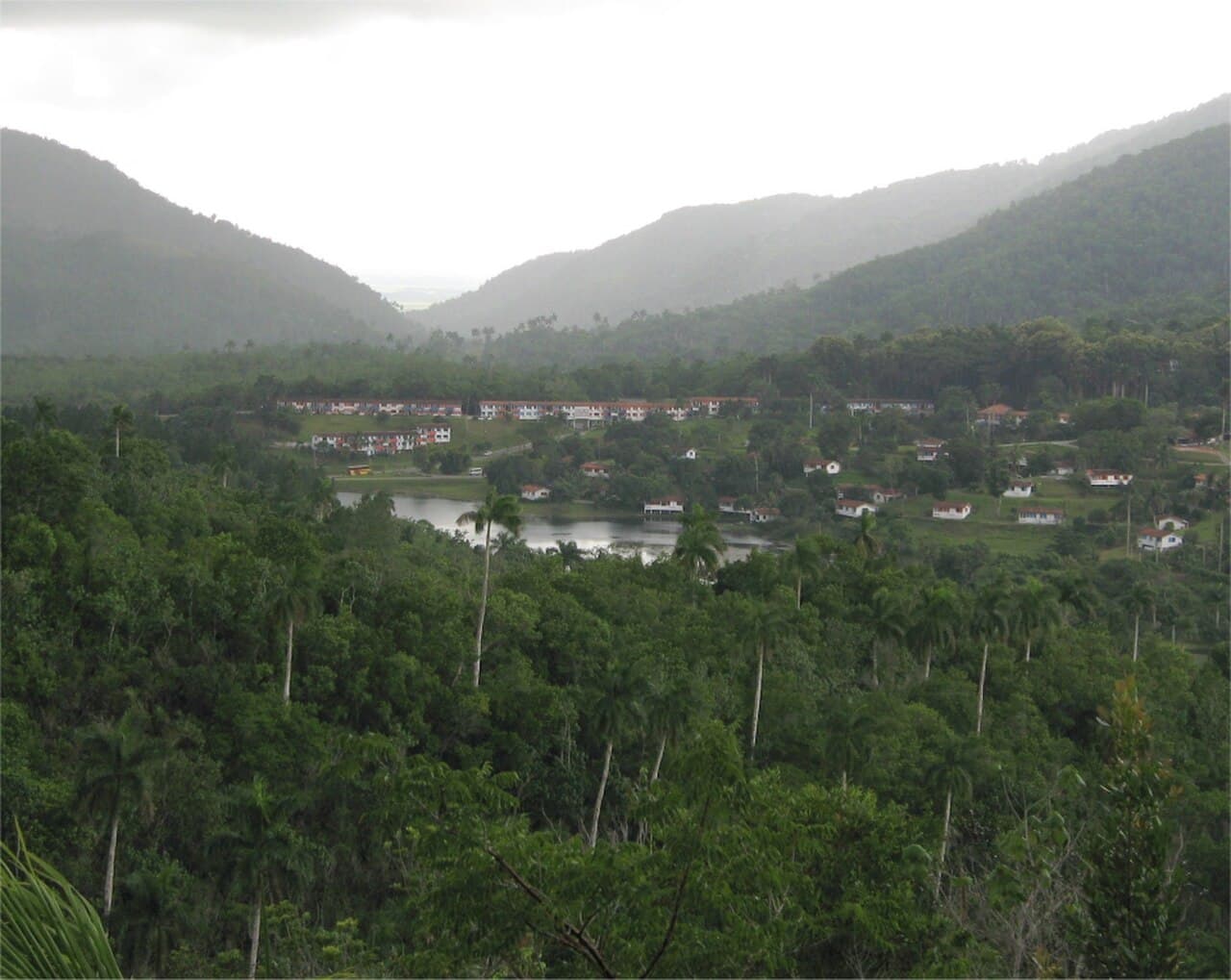
Las Terrazas
An eco-community and UNESCO biosphere reserve in the Sierra del Rosario mountains. Ziplines, waterfalls, coffee plantations, and artist studios in a lush green setting.
Playas del Este
Havana's local beaches — a string of sandy coves where Habaneros escape on weekends. Santa Maria del Mar is the most popular. Much more authentic than Varadero.
Entry Requirements
Most visitors need a "tarjeta de turista" (tourist card) rather than a formal visa. This can usually be purchased from the airline or at the departure airport. US travelers face additional restrictions and must qualify under one of twelve authorized travel categories — pure tourism is not permitted for US citizens.
Entry Requirements by Nationality
| Nationality | Visa Required | Max Stay | Notes |
|---|---|---|---|
| US Citizens | Yes | 30 days (extendable to 60) | US law requires travel under one of 12 authorized categories (Support for the Cuban People is most common). A pink tourist card ($50-100 from airline) is required. Keep receipts of spending for potential audit. |
| Canadian Citizens | Yes | 90 days | Green tourist card (~$25 CAD) typically included in flight package or available at the gate. No category restrictions — Canadians can visit as pure tourists. |
| UK Citizens | Yes | 30 days (extendable to 60) | Green tourist card (~$25) purchased from the airline, travel agent, or Cuban embassy. No travel category restrictions. |
| EU Citizens | Yes | 30 days (extendable to 60) | Green tourist card required. Available from airlines, Cuban embassies, or some travel agencies. Extension possible at immigration offices in Cuba for another 30 days. |
| Australian Citizens | Yes | 30 days (extendable to 60) | Green tourist card required. May need to obtain from the Cuban embassy or consulate as airline availability varies for routes from Australia. |
| Indian Citizens | Yes | 30 days | Must apply at the Cuban embassy. Tourist card plus visa may be required. Processing can take 2-3 weeks. |
Tips
- •Purchase your tourist card from the airline at check-in or at the departure gate — it's simpler and often cheaper than embassy applications
- •US travelers must self-certify under one of 12 travel categories — "Support for the Cuban People" is the most flexible for independent travelers
- •Proof of travel insurance is technically required for entry — some airlines check, others don't. A policy covering Cuba specifically is recommended
- •Your passport must be valid for at least 6 months from your date of entry
- •Extensions of 30 additional days can be arranged at immigration offices in Cuba — bring your passport, tourist card, and passport photos
Shopping
Shopping in Havana is unique — there are no chain stores or malls. The best finds are handmade crafts, Cuban art, rum, cigars, and vintage items. State-run shops coexist with a growing number of private artisan vendors.
Feria de San Jose (Almacenes de San Jose)
artisan marketA converted waterfront warehouse near the cruise port housing Havana's largest artisan market. Paintings, woodwork, leather goods, jewelry, and Che Guevara memorabilia fill the stalls.
Known for: Cuban art, handmade jewelry, leather goods, woodwork, revolutionary memorabilia
La Casa del Habano
official cigar shopThe official chain of Cuban cigar shops, including a flagship in the Hotel Conde de Villanueva. The only guarantee of authentic Cuban cigars with proper seals and certificates.
Known for: Authentic Cohiba, Montecristo, Partagas, Romeo y Julieta, and other premium cigars
Calle Obispo
pedestrian shopping streetOld Havana's main commercial artery, a pedestrian street running from the Capitolio to the harbor. Bookshops, clothing boutiques, music stores, and several bars line the cobblestones.
Known for: Bookshops, rum bars, clothing, street musicians, people-watching
Vedado Art Galleries
gallery districtVedado has a growing gallery scene with both state and private galleries showing contemporary Cuban art. Prices are significantly lower than what the same work commands abroad.
Known for: Contemporary Cuban paintings, prints, sculptures, photography
🎁 Unique Souvenirs to Look For
- •Cuban cigars from La Casa del Habano (keep the receipt for customs)
- •Havana Club rum — especially the aged 7-year or Seleccion de Maestros
- •Original Cuban paintings and prints from Vedado galleries or the San Jose market
- •Vintage propaganda posters and revolutionary memorabilia
- •Handmade guayabera shirts (the traditional Cuban formal shirt)
- •Cuban coffee — Cubita or Serrano brands from state shops
- •Hand-rolled leather goods and cigar cases
- •Vinyl records and Cuban music CDs from Calle Obispo music shops
If you like Havana, you'll love…
4 cities with a similar vibe, outside of the same country.


