
Muscat
THE QUICK VERDICT
By Anthony · Updated June 2026
Choose Muscat if you want the Middle East's safest, most hospitable capital — Grand Mosque, pristine wadis, and Arabian charm without Dubai's flash.
- Best for
- Sultan Qaboos Grand Mosque, Muttrah Souk, Wadi Shab swim-and-cave hike, Royal Opera House, Bandar Khayran snorkeling
- Best window
- Oct–Mar
- Budget anchor
- $200/day mid-range
- Skip if
- you expect walkable city life — distances between sights demand a rental car or constant taxis
Oman's elegant capital between mountains and sea — the stunning Sultan Qaboos Grand Mosque, historic Muttrah Souk, pristine wadis, and genuine Arabian hospitality in one of the Middle East's safest cities.
The two links below are affiliate links — MapSorted earns a small commission if you book through them, at no extra cost to you. How this works.
Tours & Experiences
Bookable tours, activities, and day trips in Muscat
Where to Stay
Compare hotels and rentals in Muscat
📍 Points of Interest
Sultan Qaboos Grand Mosque· 29 km W
Stunning mosque with world's second-largest hand-woven carpet
Mutrah Souq· 19 km E
Ancient labyrinthine market selling frankincense and silver
Mutrah Corniche· 19 km E
Scenic waterfront promenade along the harbor
Royal Opera House
World-class opera and performance venue
National Museum of Oman· 22 km E
Modern museum covering Omani history and maritime heritage
Al Jalali Fort· 22 km E
16th-century Portuguese fort guarding Old Muscat harbor
★ Local Picks
Qurum Natural Park
Mangrove reserve with flamingos in the heart of the city
Sidab Village· 23 km E
Traditional fishing village tucked between mountains and sea
At a Glance
- Pop.
- 1.5M (metro)
- Timezone
- Muscat
- Dial
- +968
- Emergency
- 9999
The Sultan Qaboos Grand Mosque contains the world's second-largest hand-woven carpet (4,343 sq meters, 1.7 billion knots) and one of the largest Swarovski crystal chandeliers
Oman is consistently ranked as one of the safest countries in the world — violent crime is virtually nonexistent and theft is extremely rare
Omani frankincense has been traded for over 5,000 years — the Boswellia trees of Dhofar produce some of the finest resin in the world
Muscat is hemmed between the Al Hajar mountains and the sea, giving it a dramatic setting unlike any other Gulf capital
Oman was a major maritime empire, controlling Zanzibar and parts of the East African coast for centuries
Unlike its Gulf neighbors, Oman has deliberately avoided flashy skyscrapers, maintaining strict building codes that preserve its traditional Arabian architecture
Top Sights
Sultan Qaboos Grand Mosque
📌A breathtaking modern mosque built from Indian sandstone, accommodating 20,000 worshippers. The main prayer hall features the massive hand-woven carpet and a stunning Swarovski crystal chandelier. Non-Muslims welcome outside prayer times.
Mutrah Souq
📌One of the oldest souqs in the Arab world, a labyrinth of narrow alleys selling frankincense, silver jewelry, textiles, pottery, and Omani khanjar daggers. The atmosphere transports you centuries back in time.
Mutrah Corniche
🗼A beautiful waterfront promenade curving along the harbor from the fish market to the Mutrah Fort. Lined with old merchant houses, the corniche is magical at sunset when the mountains glow pink.
Royal Opera House Muscat
📌A stunning contemporary venue hosting world-class opera, ballet, and orchestral performances. The architecture blends Omani design with modern acoustics. Tours available during the day.
Al Jalali & Al Mirani Forts
📌Twin 16th-century Portuguese forts flanking the entrance to Old Muscat harbor, dramatically perched on rocky headlands. Al Jalali houses a museum (restricted access). Best viewed from the waterfront.
National Museum of Oman
🏛️A modern, well-curated museum covering Omani history from prehistoric times through the maritime empire, Islamic heritage, and modern development. The frankincense and maritime galleries are outstanding.
Wadi Shab
🌿A spectacular canyon about 1.5 hours from Muscat, where a hike through emerald pools leads to a hidden waterfall inside a cave. One of Oman's most iconic natural wonders.
Mutrah Fish Market
📌A modern, architecturally striking market where fishermen sell the day's catch each morning. Tuna, kingfish, lobster, and sharks are auctioned in a lively, photogenic spectacle.
Climate & Best Time to Go
Muscat has a hot desert climate. Summers are brutally hot and humid, while winters are warm and pleasant. The best time to visit is October through April. Rainfall is extremely rare — the city gets about 100 mm per year.
Cool Season
November - March64-84°F
18-29°C
The most pleasant season with warm, sunny days and cool evenings. Perfect for outdoor exploration, wadi hiking, and desert camping. December-January can feel cool in the evenings.
Shoulder Season
April, October75-97°F
24-36°C
Warming up significantly in April, cooling down in October. Still manageable for sightseeing if you plan outdoor activities for morning and late afternoon.
Hot Season
May - September82-113°F
28-45°C
Extremely hot and humid. June-August regularly exceed 40°C with stifling humidity. Outdoor activities are dangerous during midday. Many expats leave during this period. Indoor attractions and malls are air-conditioned.
Best Time to Visit
October through March is the ideal period, with warm, pleasant temperatures perfect for outdoor exploration. November through February is the sweet spot. Avoid May through September when temperatures regularly exceed 40°C with oppressive humidity.
Peak Season (November - February)
Crowds: Moderate to highThe best weather — warm, sunny days and pleasantly cool evenings. Perfect conditions for wadi hiking, desert camping, and outdoor sightseeing. This is when most tourists visit.
Pros
- + Perfect weather for outdoor activities
- + Cool enough for comfortable sightseeing
- + Best wadi and desert conditions
- + Festival season
Cons
- − Highest accommodation prices
- − Popular spots like Wadi Shab get crowded on weekends
- − Book early for desert camps
Shoulder Season (March - April, October)
Crowds: Low to moderateWarming up but still manageable. Fewer tourists and lower prices. October marks the return of pleasant temperatures after the brutal summer.
Pros
- + Lower prices
- + Fewer tourists
- + Still acceptable for outdoor activities if you start early
- + Good hotel deals
Cons
- − April can exceed 35°C
- − Humidity increasing in March-April
- − Some outdoor activities limited in heat of day
Summer (May - September)
Crowds: Very low — most tourists avoid this periodExtremely hot and humid — temperatures regularly hit 45°C with suffocating humidity. Most outdoor activities are dangerous during midday. Hotels offer steep discounts.
Pros
- + Drastically reduced hotel prices
- + Empty attractions
- + Best deals on desert camps
Cons
- − Dangerously hot
- − Outdoor activities limited to dawn/dusk
- − Many expats and residents leave
- − Oppressive humidity
🎉 Festivals & Events
Muscat Festival
January - FebruaryA month-long cultural festival with traditional Omani arts, crafts, food, musical performances, and activities at Naseem Garden and Qurum Park.
National Day
November 18Oman's national day celebrating independence and the birthday of the late Sultan Qaboos. Buildings are illuminated, and celebrations include parades, fireworks, and cultural events.
Ramadan
Varies (Islamic calendar)The holy month of fasting. While daytime activities are quieter, the evening iftar meals and post-sunset energy are special. Non-Muslims should not eat, drink, or smoke in public during daylight.
Eid Al Fitr / Eid Al Adha
VariesMajor Islamic holidays marking the end of Ramadan and the Hajj pilgrimage. Festive atmosphere, family gatherings, and some business closures. Hotels may offer special rates.
Off the Beaten Path
Bait Al Zubair Museum
A private museum in a restored traditional Omani house showcasing costumes, jewelry, weapons, domestic items, and photographs from pre-oil Oman. A fascinating window into how Omanis lived just decades ago.
While tourists flock to the National Museum, this intimate family collection gives a more personal and atmospheric glimpse into traditional Omani life.
Al Alam Palace Neighborhood
The ceremonial palace of the Sultan, flanked by the twin Portuguese forts. The surrounding streets of Old Muscat feature traditional houses, small museums, and the quietest, most historic part of the city.
Old Muscat feels frozen in time compared to the rest of the city — a few peaceful streets where the original character of the capital survives.
Sidab Village
A traditional fishing village tucked between the mountains and the sea, just 10 minutes from Old Muscat. Wander the narrow lanes past stone houses, watch fishermen mend nets, and see Muscat before development.
Virtually no tourists visit Sidab despite its proximity — it offers an authentic glimpse of coastal Omani life that the city itself has outgrown.
Qurum Natural Park
A mangrove nature reserve in the heart of Muscat, home to flamingos, herons, and other wading birds. Boardwalks wind through the mangroves offering unexpected nature encounters in the city.
A mangrove forest in the middle of a desert capital city is surreal — the flamingos feeding in the shallows feel impossibly out of place and beautiful.
Kargeen Cafe
An outdoor cafe and restaurant set in a lush garden with traditional Omani seating areas, string lights, and aromatic shisha. Serves excellent Omani and Middle Eastern cuisine in a magical atmosphere.
Where Muscat locals go for a long evening out — the garden setting under date palms with traditional architecture is quintessentially Omani hospitality.
Safety Breakdown
Very Safe
out of 100
Muscat is one of the safest capital cities in the world. Violent crime is virtually nonexistent, theft is extremely rare, and the culture of hospitality means visitors are treated with genuine warmth. The main risks are traffic accidents and heat-related illness.
Things to Know
- •Dress modestly out of respect — cover shoulders and knees, especially when visiting mosques, souqs, and public areas outside beach resorts
- •Alcohol is only available at licensed hotels, restaurants, and duty-free — drinking in public or being drunk in public is illegal
- •Photography of government buildings, military sites, and people (especially women) without permission is forbidden
- •During Ramadan, do not eat, drink, or smoke in public during daylight hours — restaurants in international hotels may serve food discreetly
- •Road safety is the biggest risk — driving standards are poor, speeds are high, and wadi roads can flash-flood without warning
- •Heat exhaustion is a serious risk from May-September — carry water, wear sun protection, and avoid midday outdoor activities
- •Public displays of affection should be avoided — Omani culture values discretion and modesty
Natural Hazards
Emergency Numbers
Royal Oman Police
9999
Ambulance
9999
Fire Department
9999
Tourist Police
1699
Costs & Currency
Where the money goes
USD per dayBackpacker = hostel dorm + street food + public transit. Mid-range = 3-star hotel + neighbourhood restaurants + transit cards. Luxury = 4/5-star + fine dining + taxis. How we calibrate these numbers →
Quick cost estimate
Customize per category →Estimates based on regional averages. Flight prices vary by season and airline.
budget
$70-110
Budget hotel or Airbnb, local restaurant meals, public buses, free mosque visit, souq browsing, self-guided walks
mid-range
$150-250
Mid-range hotel, mix of local and international dining, rental car, guided day trips, opera tickets
luxury
$350-600+
Luxury resort, fine dining, private wadi and desert tours, spa, premium desert camps
Typical Costs
| Item | Local | USD |
|---|---|---|
| AccommodationBudget hotel/Airbnb | OMR 15-30 | $39-78 |
| AccommodationMid-range hotel (double) | OMR 40-80 | $104-208 |
| AccommodationLuxury resort | OMR 100-250 | $260-650 |
| FoodLocal restaurant (biryani, shawarma) | OMR 1.5-3 | $3.90-7.80 |
| FoodMid-range restaurant meal | OMR 5-10 | $13-26 |
| FoodFine dining | OMR 15-30 | $39-78 |
| FoodArabic coffee (kahwa) at a cafe | OMR 0.500-1 | $1.30-2.60 |
| TransportMwasalat bus ride | OMR 0.200-0.500 | $0.50-1.30 |
| TransportTaxi across city | OMR 3-8 | $7.80-21 |
| TransportRental car per day | OMR 15-30 | $39-78 |
| AttractionsSultan Qaboos Grand Mosque | Free | Free |
| AttractionsNational Museum | OMR 5 | $13 |
| AttractionsRoyal Opera House ticket | OMR 10-50 | $26-130 |
💡 Money-Saving Tips
- •Eat at local Omani and Indian restaurants in Ruwi and Mutrah for excellent biryani and shawarma under $5
- •The Sultan Qaboos Grand Mosque is free and one of the most impressive sights in the Gulf — no ticket needed
- •Use the Mwasalat bus from the airport to save OMR 8+ compared to taxis
- •Visit Wadi Shab and Wadi Bani Khalid independently by rental car instead of booking organized tours
- •Buy frankincense and souvenirs at Mutrah Souq — bargain confidently as initial prices are always inflated
- •Stay in the Ruwi area for the cheapest accommodation — it's a short taxi ride from Mutrah
- •Pack a reusable water bottle and fill up at hotels — buying water daily adds up in the desert heat
- •Visit during shoulder season (October or April) for lower hotel rates while weather is still acceptable
Omani Rial (OMR)
Code: OMR
1 OMR is approximately 2.60 USD (as of early 2026). The rial is pegged to the US dollar, so rates are very stable. 1 OMR = 1,000 baisa. ATMs are widely available at malls, airports, and bank branches. Bank Muscat, NBO, and Bank Dhofar are major banks.
Payment Methods
Credit cards (Visa, Mastercard) are widely accepted at hotels, restaurants, malls, and larger shops. The souqs and smaller shops prefer cash. Contactless payments are increasingly common. ATMs dispense OMR in various denominations. US dollars are sometimes accepted at tourist-oriented businesses.
Tipping Guide
A 10% service charge is often included. If not, 10% is appropriate. Fine dining may merit 15%.
OMR 0.200-0.500 ($0.50-1.30) per bag for porters. Housekeeping OMR 0.500-1 per day at upscale hotels.
Not expected but rounding up is a nice gesture, especially for longer rides.
OMR 3-5 ($7.80-13) per person for day tours. Desert camp staff and wadi guides appreciate OMR 2-3.
No tipping when shopping. A friendly "shukran" (thank you) is sufficient.
How to Get There
✈️ Airports
Muscat International Airport(MCT)
25 km west of Mutrah / Old MuscatTaxi to Mutrah/Old Muscat takes 25-35 minutes (OMR 8-15 / $21-39). Mwasalat bus Route 1 connects the airport to Ruwi/Mutrah (OMR 0.500 / $1.30, 45 min). OTaxi/Uber available. The modern terminal (opened 2018) is well-organized.
✈️ Search flights to MCT🚌 Bus Terminals
Mwasalat Intercity Bus Station (Azaiba)
Mwasalat operates comfortable intercity buses to Sohar (2.5h, OMR 3/$7.80), Nizwa (2h, OMR 3/$7.80), Sur (4h, OMR 4/$10.40), and Salalah (12h, OMR 10/$26). Buses are modern and air-conditioned.
International Buses
Mwasalat and private operators run buses to Dubai (5-6h, OMR 10-15/$26-39) and Abu Dhabi (6h, OMR 12-18/$31-47) with border crossing included.
Getting Around
Muscat is spread along 60 km of coastline, making a car essential for serious exploration. Public transport is limited but improving with the Mwasalat bus network. Taxis and ride-hailing apps are the main options for visitors without a car. Walking is impractical in most areas due to heat and distances.
Metered Taxis / Airport Taxis
OMR 2-8 (~$5-21) for most city trips; airport to city OMR 8-15 (~$21-39)Orange-and-white taxis are widely available. Many now have meters but some drivers still negotiate. Airport taxis have fixed rates to major destinations.
Best for: Quick trips within the city or airport transfers when ride-hailing isn't available
OTaxi / Uber
OMR 1.5-6 (~$4-16) for most city tripsOTaxi is Oman's official ride-hailing app with metered fares. Uber also operates in Muscat. Both provide upfront pricing, air-conditioned vehicles, and electronic payment.
Best for: The most convenient option for visitors — metered, air-conditioned, and no negotiation needed
Mwasalat Public Buses
OMR 0.200-0.500 (~$0.50-1.30) per rideAir-conditioned public buses connecting key areas of the city. Routes cover the airport, Ruwi, Mutrah, and Qurum. Clean and comfortable but infrequent and with limited coverage.
Best for: Budget travelers — the Route 1 bus from the airport to Ruwi and Mutrah is the most useful line
Rental Cars
OMR 15-30 (~$39-78) per day for a sedan; OMR 25-50 (~$65-130) for a 4WDThe best way to explore beyond Muscat. International and local agencies available at the airport and in the city. Roads are excellent. A 4WD is needed for wadis and desert. Driving is on the right.
Best for: Essential for day trips to Nizwa, Jebel Shams, wadis, and desert camps — the real Oman is outside the city
Walkability
Muscat is not a walkable city in any conventional sense — it stretches 60 km along the coast. However, Mutrah (corniche and souq), Old Muscat, and the Qurum beach area are pleasant walking zones. The heat makes walking difficult for much of the year. Dawn and dusk walks along the corniche are magical.
Travel Connections

Nizwa
The ancient capital of Oman with a massive round fort, a famous Friday goat market, and a bustling souq selling silver, pottery, and dates. Gateway to the stunning Jebel Akhdar mountain.

Dubai
The hypermodern UAE metropolis of towering skyscrapers, luxury malls, and desert adventures. A striking contrast to Oman's understated elegance. Easy overland or flight connection.
Jebel Shams
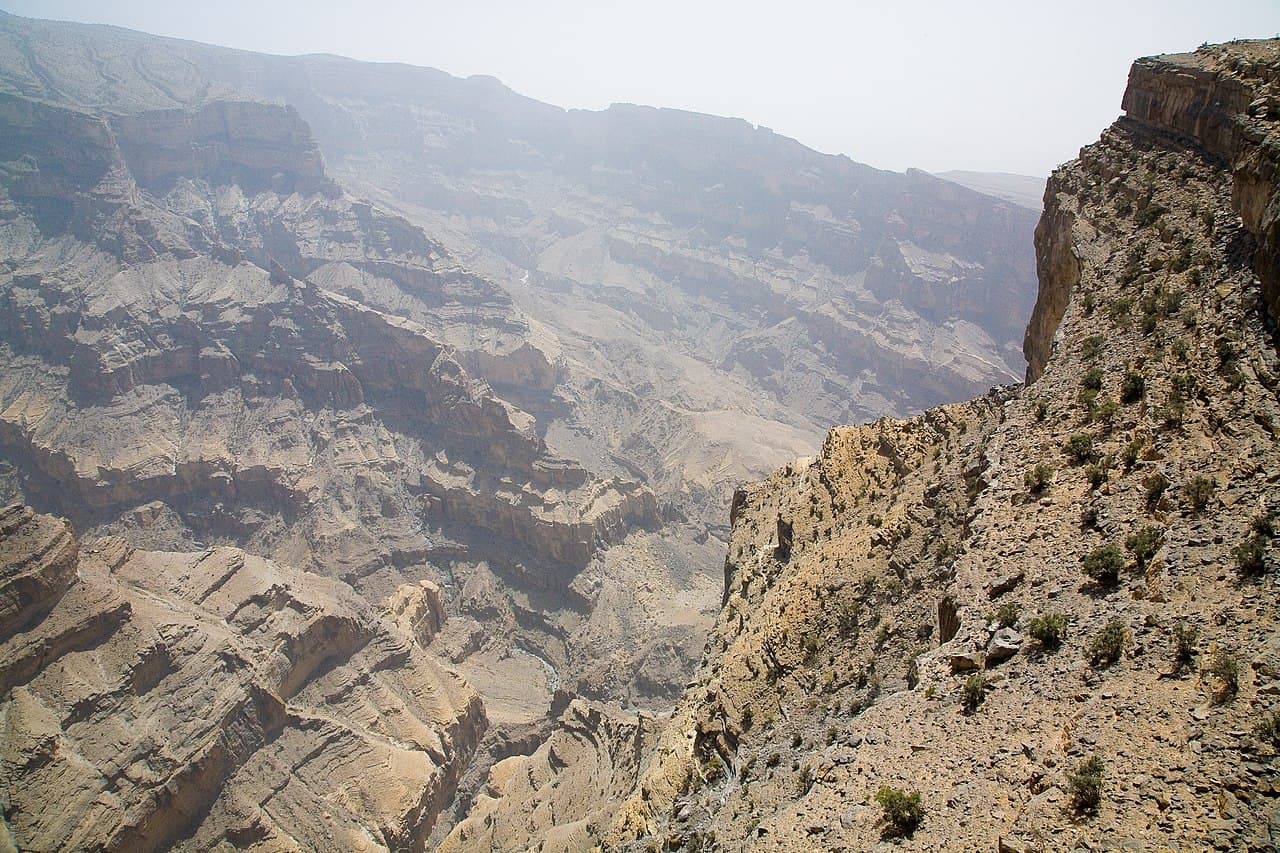
Oman's highest peak (3,009m) with the dramatic Wadi Ghul — the "Grand Canyon of Arabia." The Balcony Walk trail offers dizzying views into the kilometer-deep canyon.
Wahiba Sands (Sharqiya Sands)
Rolling dunes of golden sand stretching to the horizon. Sleep under the stars at a Bedouin desert camp, go dune bashing, or ride camels at sunrise. A quintessential Arabian desert experience.
Sur & Ras al Jinz
A historic dhow-building port town and nearby Ras al Jinz turtle reserve where endangered green turtles nest on the beach. Night visits to watch turtles lay eggs are unforgettable.
Entry Requirements
Oman has streamlined its visa process with an e-visa system for most nationalities. GCC nationals enter freely. The e-visa application is straightforward and typically processed within 1-3 days. Visa on arrival is available for some nationalities.
Entry Requirements by Nationality
| Nationality | Visa Required | Max Stay | Notes |
|---|---|---|---|
| US Citizens | Visa-free | 14 days (visa-free); up to 30 days with e-visa | Visa-free for up to 14 days. For longer stays, apply for e-visa ($20 for 10-day; $50 for 30-day) at evisa.rop.gov.om. |
| UK Citizens | Visa-free | 14 days (visa-free); up to 30 days with e-visa | Visa-free for up to 14 days. E-visa for longer stays. Passport must be valid for 6 months. |
| Canadian Citizens | Visa-free | 14 days (visa-free); up to 30 days with e-visa | Same terms as US/UK. E-visa recommended for stays beyond 14 days. |
| EU Citizens | Visa-free | 14 days (visa-free); up to 30 days with e-visa | Most EU nationals qualify for visa-free entry up to 14 days. E-visa for longer visits. |
| Indian Citizens | Yes | Up to 30 days | E-visa required ($20-50). Apply at evisa.rop.gov.om. Processing takes 1-3 days. Requires proof of accommodation and return ticket. |
| Australian Citizens | Visa-free | 14 days (visa-free); up to 30 days with e-visa | Visa-free for 14 days. E-visa for extended stays. Standard requirements apply. |
Visa-Free Entry
Tips
- •Apply for your e-visa at least 1 week before travel — processing is usually fast but can take up to 3 days
- •If you only need 14 days, many nationalities can enter visa-free — check if this applies to you before paying for an e-visa
- •Dress code is enforced at immigration — shorts and sleeveless tops may attract scrutiny
- •Alcohol is available but regulated — don't bring excessive quantities through customs (the duty-free limit is 2 liters)
- •If driving across the UAE-Oman border, ensure your rental car insurance covers Oman (many UAE rentals don't)
Shopping
Muscat blends traditional souq shopping with modern malls. The Mutrah Souq is the star attraction for authentic Omani goods, while malls cater to luxury and international brands. Oman is known for frankincense, silver jewelry, halwa (Omani sweets), and beautifully crafted khanjar daggers.
Mutrah Souq
traditional souqOne of the oldest markets in the Arab world, a covered labyrinth of shops selling frankincense, silver, textiles, pottery, pashminas, and Omani antiques. Bargaining is expected and part of the fun.
Known for: Frankincense, Omani silver jewelry, khanjar daggers, pashminas, Arabic perfumes (attar), halwa
Nizwa Souq (day trip)
traditional souqA large, atmospheric market in Nizwa selling silverwork, pottery, leather, and dates. The Friday livestock market (goat auction) is a spectacle not to be missed.
Known for: Silver jewelry, Omani pottery, dates (best in Oman), Friday goat market, khanjar daggers
Muscat Grand Mall / Oman Avenues Mall
modern mallsLarge, air-conditioned malls with international brands, supermarkets, cinemas, and food courts. A respite from the heat with modern retail options.
Known for: International brands, Lulu Hypermarket, cinemas, food courts, air conditioning
🎁 Unique Souvenirs to Look For
- •Frankincense resin and frankincense-based products (oil, burners, soaps) — Omani frankincense is the finest in the world
- •Omani silver jewelry — intricately crafted rings, bracelets, and necklaces from the Mutrah and Nizwa souqs
- •Khanjar dagger — the curved ceremonial dagger that appears on the Omani flag (decorative versions available)
- •Omani halwa — a traditional sweet made with rose water, saffron, and nuts, sold in decorative containers
- •Arabic perfumes (attar) and oud — concentrated perfume oils blended at traditional souq perfumeries
- •Omani dates — some of the best in the Gulf, especially from Nizwa
- •Kumma (Omani cap) — the beautifully embroidered round caps worn by Omani men
- •Omani coffee (kahwa) with cardamom — buy the beans and a traditional dallah (coffee pot)
Language & Phrases
Arabic is the official language. Omani Arabic is softer and more measured than Gulf dialects. English is widely spoken in business, tourism, and by the large expat community. Hindi/Urdu is common among the South Asian workforce. A few Arabic phrases go a long way in earning Omani warmth.
| English | Translation | Pronunciation |
|---|---|---|
| Hello / Peace be upon you | As-salamu alaykum | as-sah-LAH-moo ah-LAY-koom |
| Response to greeting | Wa alaykum as-salam | wah ah-LAY-koom as-sah-LAHM |
| Good morning | Sabah al-khayr | sah-BAH al-KHAYR |
| Good evening | Masa al-khayr | MAH-sah al-KHAYR |
| Thank you | Shukran | SHOO-krahn |
| Please / You're welcome | Min fadlak / Afwan | min FAHD-lak / AHF-wahn |
| Yes / No | Na'am / La | NAH-ahm / lah |
| How much? | Bi kam? | bee KAHM? |
| God willing | Inshallah | in-SHAH-lah |
| Beautiful / Excellent | Jameel / Mumtaz | jah-MEEL / MOOM-tahz |
| Goodbye | Ma'a salama | MAH-ah sah-LAH-mah |
| No problem | Mafi mushkila | MAH-fee moosh-KEE-lah |
If you like Muscat, you'll love…
4 cities with a similar vibe, outside of the same country.
Iceland · OVR 68
low-anxiety streets · workable for remote days

Saudi Arabia · OVR 70
interesting cultural mix · low-key street vibe

Japan · OVR 75
low-anxiety streets · reliable wifi, decent English

New Zealand · OVR 70
tidy public spaces · interesting cultural mix