
Dubrovnik
THE QUICK VERDICT
By Anthony · Updated June 2026
Choose Dubrovnik if you want the Adriatic's walled jewel — the 2km city-wall walk, Lokrum Island, Game of Thrones filming sites, and Elaphiti Islands hopping.
- Best for
- Buža clifftop bars at sunset, Lokrum naked beach, Mount Srđ cable car, oyster lunches in Mali Ston
- Two seasons
- May–Jun and Sep–Oct
- Budget anchor
- $200/day mid-range
- Worth a look
- shoulder-season May or October cuts cruise crowds in half and drops hotels 40%
Dubrovnik's walled old town is one of Europe's most stunning medieval cities — limestone streets, terracotta rooftops, and the Adriatic glittering below. Walk the famous city walls, take the cable car to Mount Srd, and island-hop to Lokrum and the Elafiti Islands. Game of Thrones put it on the map, but the city has been captivating visitors for centuries.
The two links below are affiliate links — MapSorted earns a small commission if you book through them, at no extra cost to you. How this works.
Tours & Experiences
Bookable tours, activities, and day trips in Dubrovnik
Where to Stay
Compare hotels and rentals in Dubrovnik
📍 Points of Interest
City Walls
Medieval fortification walls spanning nearly 2 km
Stradun
Polished limestone main street through Old Town
Fort Lovrijenac
Dramatic cliff-top fortress and Game of Thrones location
Lokrum Island
Lush car-free island with botanical gardens and peacocks
Cable Car to Mount Srd
Panoramic views from 412 meters above the city
Rector's Palace
Gothic-Renaissance palace and museum of Ragusa history
Banje Beach
Main public beach with Old Town views
★ Local Picks
Buza Bar
Hidden cliff-side bar in the outer walls
Gruz Market
Local fresh produce market near the port
Sv. Jakov Beach
Quiet local beach with the best Old Town views
At a Glance
- Pop.
- 42K (city)
- Timezone
- Zagreb
- Dial
- +385
- Emergency
- 112
Dubrovnik's city walls are nearly 2 km long and up to 25 meters high, among the best-preserved medieval fortifications in the world
The city served as the primary filming location for King's Landing in HBO's Game of Thrones
The Republic of Ragusa (Dubrovnik) was one of history's first republics and abolished slavery in 1416, over 400 years before the US
Dubrovnik was heavily shelled during the 1991-1992 Croatian War of Independence but was meticulously restored
The Stradun (main street) is paved entirely in polished limestone that gleams like marble in the sunlight
Croatia joined the EU in 2013 and adopted the Euro in January 2023, replacing the Kuna
Top Sights
City Walls Walk
🗼A complete circuit of the medieval walls takes about 1.5-2 hours and offers stunning views over terracotta rooftops, the harbor, and the Adriatic. Best done early morning to avoid crowds and heat.
Stradun (Placa)
🗼The main pedestrian boulevard running through the heart of the Old Town, flanked by Baroque buildings, restaurants, and shops. The polished limestone pavement dates to the 1468 earthquake.
Fort Lovrijenac
📌A dramatic fortress perched on a cliff west of the Old Town, known as "Dubrovnik's Gibraltar." Used as a filming location for the Red Keep in Game of Thrones.
Lokrum Island
🌳A lush, car-free island just a 10-minute ferry ride from the Old Port. Features botanical gardens, a monastery, a saltwater lake (Dead Sea), and peacocks roaming freely.
Cable Car to Mount Srd
📌A four-minute ride to 412 meters above sea level with breathtaking panoramic views over the Old Town, Lokrum, and the Elafiti Islands. The hilltop has a restaurant and war museum.
Rector's Palace
🏛️A Gothic-Renaissance palace that served as the seat of government of the Republic of Ragusa. Now a museum showcasing the city's cultural and political history.
Banje Beach
🏖️The closest public beach to the Old Town with crystal-clear Adriatic water and views of the city walls. Free access on the public side, with a beach club section for rent.
Old Port (Stara Luka)
🗼A picturesque harbor enclosed by the city walls where fishing boats bob alongside tour vessels. The departure point for ferries to Lokrum and the Elafiti Islands.
Climate & Best Time to Go
Dubrovnik has a Mediterranean climate with hot, dry summers and mild, rainy winters. The city gets over 2,600 hours of sunshine per year. Summer heat can be intense, especially within the stone walls of the Old Town.
Spring
March - May54-72°F
12-22°C
Pleasant and warming with wildflowers blooming. April and May are ideal for sightseeing without summer crowds or heat. The sea is still cool for swimming.
Summer
June - August72-90°F
22-32°C
Hot and sunny with virtually no rain. July and August regularly exceed 30 degrees. The Adriatic reaches a warm 25 degrees. Peak cruise ship season.
Autumn
September - November57-79°F
14-26°C
September is still warm and sunny, essentially an extension of summer with fewer crowds. October brings occasional storms but remains pleasant. November is quiet and rainy.
Winter
December - February46-57°F
8-14°C
Mild but rainy, with Dubrovnik receiving most of its annual rainfall in winter. Many tourist-facing businesses close or reduce hours. The city is very quiet and atmospheric.
Best Time to Visit
May through mid-June and September through mid-October offer the best balance of warm weather, swimmable seas, and manageable crowds. Avoid July-August if possible, when cruise ships and heat make the Old Town overwhelming.
Spring (March - May)
Crowds: Low to moderateWarming steadily with wildflowers blooming along the coast. May is warm enough for swimming on good days. Tourist numbers are low to moderate.
Pros
- + Comfortable sightseeing temperatures
- + Few cruise ships
- + Lower accommodation prices
- + Wildflowers and green countryside
Cons
- − Sea still cool for swimming until late May
- − Some island ferry routes not yet running full schedule
- − Occasional rainy days
Summer (June - August)
Crowds: Very high — cruise ships can bring 10,000+ day visitorsHot and dry with peak tourist and cruise ship season. July and August see the Old Town packed to capacity. The sea is at its warmest for swimming.
Pros
- + Guaranteed sunshine
- + Warm sea temperatures (24-26 degrees)
- + All attractions and ferry routes operating
- + Summer Festival cultural events in July-August
Cons
- − Extreme crowding in Old Town
- − Heat can be oppressive on the walls
- − Highest accommodation prices
- − Cruise ship congestion
Autumn (September - November)
Crowds: Moderate in September, low by NovemberSeptember remains warm and sunny with fewer crowds. October is pleasant but rain increases. November is quiet and rainy but atmospheric.
Pros
- + September has summer weather without peak crowds
- + Sea still warm for swimming into October
- + Lower prices from October
- + Grape harvest season
Cons
- − Rain increases from October
- − Some businesses start closing for winter
- − Shorter daylight hours
- − Ferry schedules reduce
Winter (December - February)
Crowds: Very lowMild but rainy. Many tourist restaurants and shops close. The city is beautifully quiet and you will have the walls nearly to yourself.
Pros
- + No crowds — walls and streets are peaceful
- + Lowest accommodation prices
- + Mild temperatures compared to northern Europe
- + Christmas atmosphere in December
Cons
- − Heavy rain and grey skies
- − Many restaurants and hotels closed
- − Reduced ferry services
- − Some attractions have limited hours
🎉 Festivals & Events
Dubrovnik Summer Festival
July-AugustA prestigious performing arts festival running since 1950, with theater, music, and dance at open-air venues including Fort Lovrijenac and the Rector's Palace courtyard.
Feast of St. Blaise
FebruaryDubrovnik's patron saint festival is a UNESCO-recognized tradition featuring processions, music, and celebrations throughout the Old Town.
Dubrovnik Winter Festival
November-JanuaryChristmas markets, concerts, and cultural events bring festive spirit to the Old Town during the quiet winter season.
Good Food Festival
OctoberA celebration of Dalmatian cuisine with tastings, cooking demonstrations, and special menus at restaurants across the city.
Off the Beaten Path
Buza Bar
A cliff-side bar built into the outer city walls with no sign marking its entrance — you walk through a hole in the wall to find tables perched above the Adriatic Sea.
Two Buza bars exist (I and II) and both offer sunset drinks with a view that money can't replicate at any other bar in the city. Locals know which hole in the wall to duck through.
Lapad Peninsula
A residential peninsula west of the Old Town with pine-shaded walking paths, local beaches, and affordable restaurants catering to residents rather than tourists.
While tourists pack into the Old Town, locals swim and eat on the Lapad peninsula where prices are half of what you pay inside the walls.
Gruz Market
Dubrovnik's main fresh produce market near the ferry port, where locals buy seasonal fruits, vegetables, olive oil, honey, and lavender products.
This is the real market — not the touristy Old Town version. Prices are fair and the vendors are local farmers from the surrounding countryside.
Kayaking the City Walls
Sea kayaking along the outer walls at sunset offers a unique perspective of Dubrovnik that most visitors never see. Several operators run guided tours from the beaches.
Seeing the massive walls from sea level at golden hour is a completely different experience from walking on top of them.
Sv. Jakov Beach
A quieter beach east of the Old Town, accessed by a steep staircase from the road above. The effort to reach it keeps away casual visitors.
The best view of the Old Town from any beach, and significantly less crowded than Banje Beach. Locals come here specifically to avoid the tourist beaches.
Safety Breakdown
Very Safe
out of 100
Dubrovnik is a very safe city for travelers. Violent crime is extremely rare, and the biggest risks are petty theft in crowded tourist areas and the physical hazards of slippery limestone streets and steep staircases.
Things to Know
- •The polished limestone of the Stradun and Old Town streets becomes extremely slippery when wet — wear shoes with good grip, not flip-flops
- •Watch for pickpockets in the Old Town, especially at the Pile Gate entrance and on the city walls during peak hours
- •Beware of inflated prices at some Old Town restaurants — always check the menu before sitting down, especially on the Stradun
- •Stay hydrated during summer wall walks — the 2 km circuit has no shade and temperatures on the walls can feel 5-10 degrees hotter than at street level
- •Swimming off rocks outside designated beaches can be dangerous due to sea urchins and strong currents
Natural Hazards
Emergency Numbers
General Emergency
112
Police
192
Fire Department
193
Ambulance
194
Search and Rescue at Sea
195
Costs & Currency
Where the money goes
USD per dayBackpacker = hostel dorm + street food + public transit. Mid-range = 3-star hotel + neighbourhood restaurants + transit cards. Luxury = 4/5-star + fine dining + taxis. How we calibrate these numbers →
Quick cost estimate
Customize per category →Estimates based on regional averages. Flight prices vary by season and airline.
budget
$60-90
Hostel dorm, bus transport, picnic lunches and casual konoba dinners, free beaches and walking
mid-range
$150-250
Apartment or mid-range hotel, wall walk and cable car, restaurant meals, one day trip
luxury
$400+
Boutique hotel in or near Old Town, fine dining, private boat tours, guided experiences
Typical Costs
| Item | Local | USD |
|---|---|---|
| AccommodationHostel dorm bed | €20-35 | $22-38 |
| AccommodationApartment or mid-range hotel | €100-200 | $109-218 |
| AccommodationBoutique hotel in Old Town | €250-500 | $273-545 |
| FoodBurek (pastry) from bakery | €2-3 | $2.20-3.30 |
| FoodCoffee (espresso) | €1.50-2.50 | $1.65-2.75 |
| FoodLunch at konoba (tavern) | €12-20 | $13-22 |
| FoodSeafood dinner at mid-range restaurant | €30-50 | $33-55 |
| FoodBeer at a bar (0.5L) | €4-6 | $4.35-6.55 |
| TransportSingle bus ride (kiosk) | €2 | $2.20 |
| TransportLokrum Island ferry return | €7-12 | $7.60-13 |
| TransportUber to airport | €25-35 | $27-38 |
| AttractionsCity Walls | €35 | $38 |
| AttractionsCable Car return | €27 | $29 |
| AttractionsDubrovnik Card (1 day) | €35 | $38 |
💡 Money-Saving Tips
- •The Dubrovnik Card bundles the walls, museums, and bus rides — it pays for itself quickly if you plan to visit the walls and two museums
- •Eat away from the Stradun — restaurants just one street up or down from the main drag are significantly cheaper
- •Swim at free public beaches like Banje, Sv. Jakov, or Lapad rather than paying for beach club loungers
- •Buy produce at Gruz Market and picnic on the rocks or in Gradac Park overlooking the Old Town
- •Walk the walls first thing in the morning (8 AM) to avoid both crowds and the midday heat
- •Take the public bus to Lapad for cheaper accommodation and restaurant options outside the Old Town
- •Skip the overpriced restaurants inside the walls and walk 10 minutes to Gruz or Lapad for local konoba dining
- •Visit in May, early June, or September to avoid peak-season price surcharges on accommodation
Euro
Code: EUR
1 EUR is approximately 1.09 USD (as of early 2026). Croatia adopted the Euro in January 2023, replacing the Kuna. ATMs are widely available in the Old Town and at Gruz. Avoid currency exchange offices with poor rates.
Payment Methods
Credit and debit cards (Visa, Mastercard) are widely accepted at hotels, restaurants, and shops. Some smaller Old Town vendors, market stalls, and beach bars are still cash-preferred. Contactless payment is increasingly common. American Express is less widely accepted.
Tipping Guide
Not mandatory but appreciated. Leaving 10% for good service is the norm at sit-down restaurants. Some upscale places add a service charge — check the bill.
Rounding up to the nearest euro or leaving small change is common and appreciated.
Rounding up to the nearest euro is standard. No percentage-based tip expected.
Porters receive one to two euros per bag. Housekeeping tips of one to two euros per day are a nice gesture.
Five to ten euros per person for group tours. Kayak and walking tour guides rely on tips — five to ten euros is generous.
How to Get There
✈️ Airports
Dubrovnik Airport (Cilipi)(DBV)
22 km southeast of Old TownAtlas airport shuttle bus runs to Pile Gate (30-40 min, €9 one-way). Uber/Bolt costs €25-35 to the Old Town. No rail connection exists.
✈️ Search flights to DBV🚌 Bus Terminals
Dubrovnik Bus Station (Autobusni Kolodvor)
Main intercity bus terminal at Gruz, 3 km from the Old Town. Buses to Split (4.5h, ~€15-25), Zagreb (9-11h, ~€25-40), Mostar (2.5h, ~€15-20), and Kotor (2h, ~€15-18). FlixBus operates many routes.
Getting Around
Dubrovnik is a compact city. The Old Town is entirely pedestrian and most visitor attractions are within walking distance. Libertas buses connect the Old Town to Lapad, Gruz port, and the suburbs. The city has no rail service.
Libertas City Buses
€2 per ride (purchased at kiosk); €2.60 onboard from driverLocal bus network connecting key areas: Lines 1A/1B run between Pile Gate (Old Town), Gruz Port, and Lapad. Line 4 connects to Cavtat direction. Exact change or pre-purchased tickets required.
Best for: Getting between the Old Town, Lapad, Gruz Port, and the bus station
Jadrolinija & Local Ferries
€7-12 for Lokrum return; €5-8 for Elafiti IslandsState-run and private ferries connect to Lokrum Island (seasonal), the Elafiti Islands, Korcula, Mljet, and international routes to Bari (Italy).
Best for: Island hopping to Lokrum, the Elafiti chain, and other Adriatic islands
Uber / Bolt
€5-10 within the city; €20-30 to the airportBoth operate in Dubrovnik. Useful for getting to/from the airport or Lapad. Note that cars cannot enter the Old Town, so drop-off is at the nearest gate.
Best for: Airport transfers and late-night rides when buses stop running
Dubrovnik Cable Car
€27 return trip (~$29)A four-minute ride from just above the Old Town to the summit of Mount Srd at 412 meters, operating year-round with reduced winter hours.
Best for: The best panoramic views of Dubrovnik — combine with sunset for the ultimate experience
Walkability
The Old Town is entirely car-free and easily walkable in 20-30 minutes from end to end. However, the city is built on steep terrain with many staircases. Getting from Ploce Gate or Pile Gate down to Lapad or Gruz requires a bus. Comfortable shoes are essential.
Travel Connections
Elafiti Islands
A small archipelago of three inhabited islands — Kolocep, Lopud, and Sipan — with sandy beaches, olive groves, and no cars. Lopud's Sunj Beach is the highlight.

Mostar (Bosnia & Herzegovina)
Famous for the reconstructed Stari Most (Old Bridge) and its Ottoman-era bazaar. A powerful day trip combining stunning architecture with the history of the Bosnian War.

Kotor (Montenegro)
A UNESCO-listed walled town nestled in a dramatic fjord-like bay. Hike the fortress walls for incredible views, then explore the medieval old town.
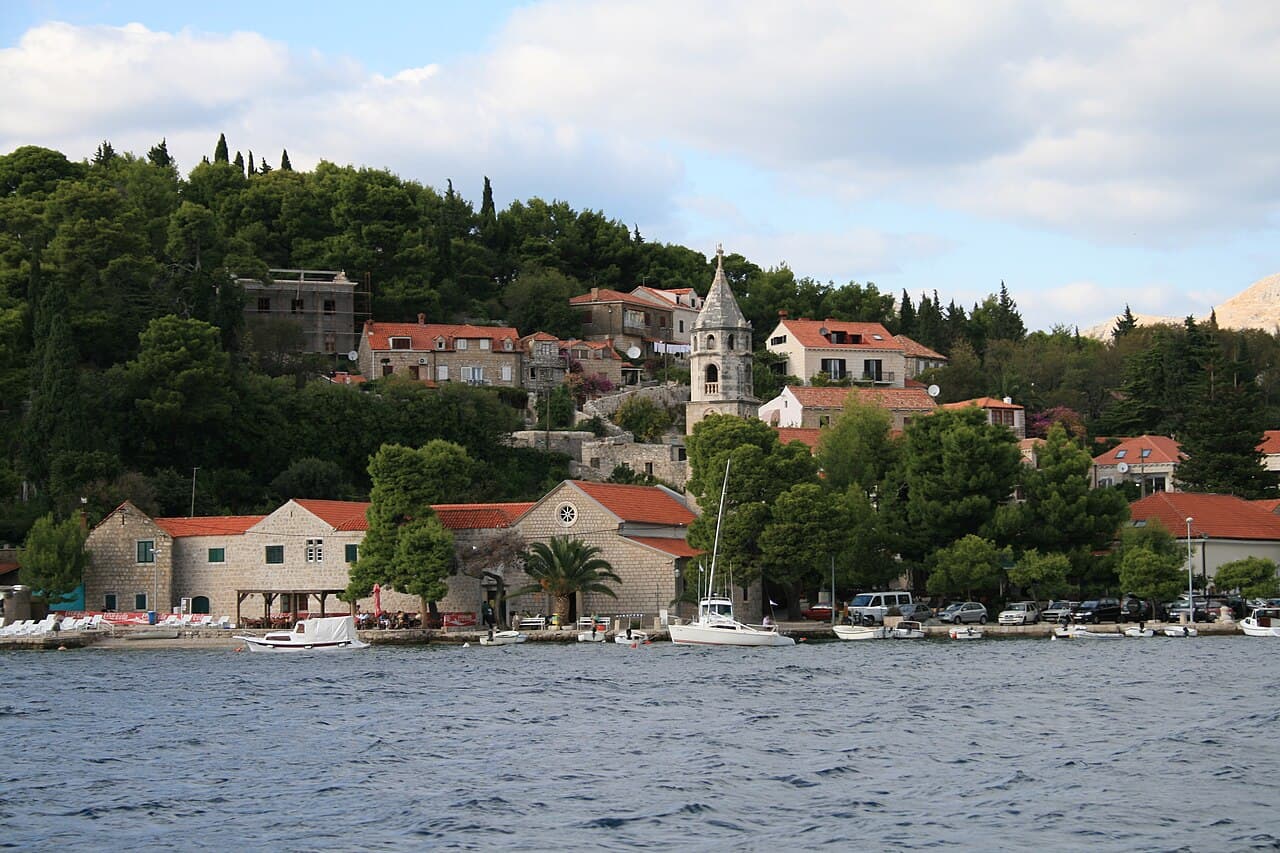
Cavtat
A charming coastal town with a tree-lined promenade, swimming coves, and far fewer tourists than Dubrovnik. Excellent seafood restaurants line the harbor.
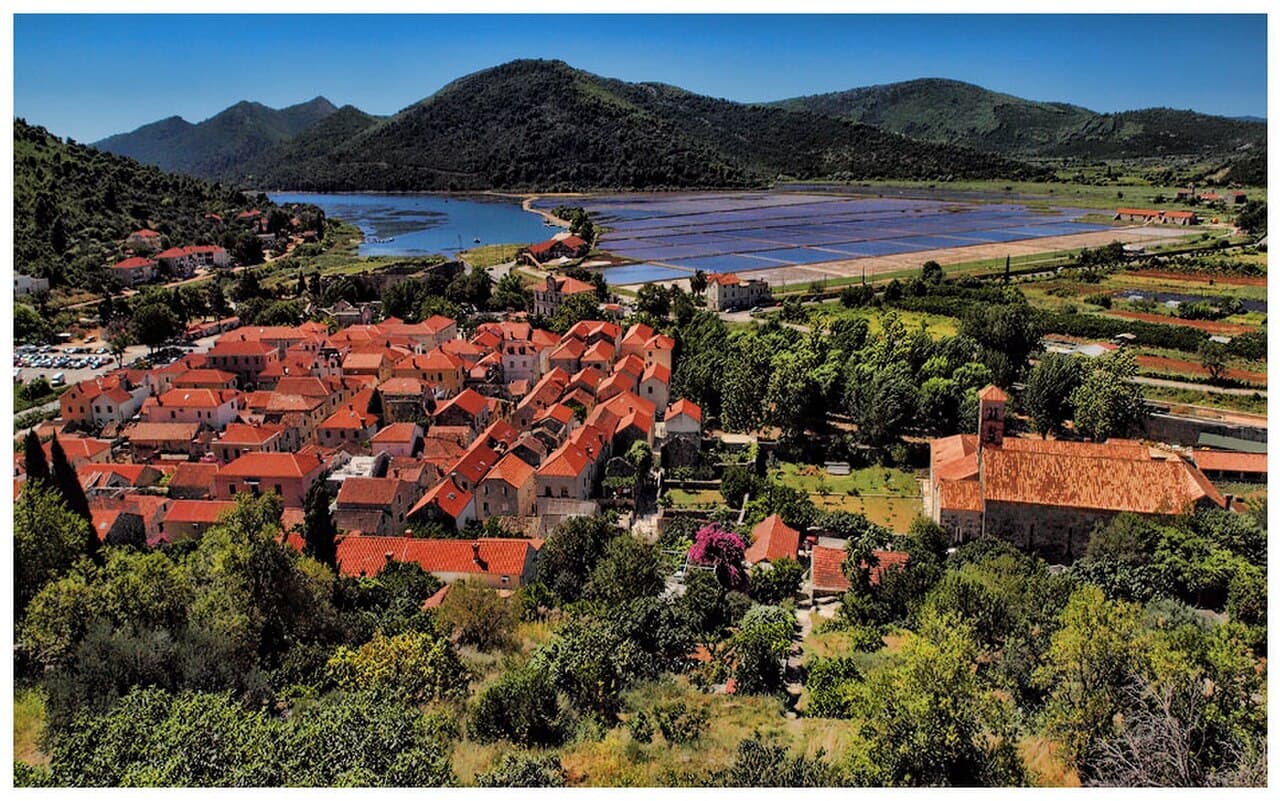
Ston
Home to the second-longest defensive walls in the world and famous for its oyster and mussel farming. Walk the walls and feast on fresh shellfish at waterfront restaurants.

Split
Croatia's second-largest city built around a Roman emperor's palace, with a buzzing waterfront Riva, excellent restaurants, and easy access to the islands of Hvar and Brac.
Entry Requirements
Croatia joined the Schengen Area in January 2023. Visitors from many countries can enter visa-free for up to 90 days within any 180-day period. ETIAS authorization is expected for visa-exempt nationals — check current requirements.
Entry Requirements by Nationality
| Nationality | Visa Required | Max Stay | Notes |
|---|---|---|---|
| US Citizens | Visa-free | 90 days | Passport must be valid for 3 months beyond departure. ETIAS may be required — check before travel. |
| UK Citizens | Visa-free | 90 days | The 90/180-day Schengen rule applies. Time in other Schengen countries counts against this limit. |
| Canadian Citizens | Visa-free | 90 days | Standard Schengen rules apply. |
| EU/EEA Citizens | Visa-free | Unlimited | Freedom of movement applies. National ID card sufficient for entry. |
| Indian Citizens | Yes | Up to 90 days | Must apply for a Schengen visa at the Croatian embassy or VFS Global center. |
Visa-Free Entry
Tips
- •Croatia is now fully in Schengen — the 90-day limit is cumulative with ALL other Schengen countries
- •Day trips to Bosnia (Mostar) or Montenegro (Kotor) involve leaving and re-entering Schengen — keep your passport handy
- •Bosnia and Montenegro are NOT Schengen — border checks apply and separate visa rules may be needed depending on nationality
- •Keep proof of accommodation and sufficient funds, especially when crossing the Bosnia/Montenegro borders
- •Croatia uses the Euro since January 2023 — the Kuna is no longer in circulation
Shopping
Shopping in Dubrovnik centers on local Croatian products rather than high-street fashion. The Old Town has many souvenir shops, but the best finds are artisan food products, lavender goods, and Croatian design.
Stradun & Old Town Lanes
souvenirs & boutiquesThe main street and its narrow side alleys are lined with shops selling Croatian goods, from lavender products to handmade jewelry. Quality varies widely so shop selectively.
Known for: Lavender products, coral jewelry, Croatian wines, olive oils
Gruz Market
local produce marketThe daily fresh market near the port where locals buy fruits, vegetables, cheeses, cured meats, and homemade products at fair prices.
Known for: Fresh figs, pomegranates, local honey, dried herbs, homemade liqueurs
Gunduliceva Poljana
Old Town marketA small daily market in the Old Town square selling local produce, lavender sachets, embroidery, and souvenirs. More tourist-oriented than Gruz but atmospheric.
Known for: Lavender sachets, local dried figs, hand-embroidered linens
🎁 Unique Souvenirs to Look For
- •Lavender products from the Croatian islands (sachets, oils, soaps)
- •Croatian olive oil from Istria or Dalmatian producers
- •Coral jewelry, a centuries-old Dubrovnik tradition
- •Maraschino cherry liqueur or Croatian rakija (grappa)
- •Handmade Konavle embroidery from the region south of Dubrovnik
- •Local wines: Plavac Mali (red) and Posip (white) from the Peljesac Peninsula
- •Dubrovnik Republic-themed prints and historical reproductions
- •Croatian fig cakes and dried fruit
Language & Phrases
Croatian uses the Latin alphabet with some special characters. English is widely spoken in tourist areas, especially by younger Croatians. Italian is also understood by some locals in Dalmatia. A few Croatian phrases will be warmly received.
| English | Translation | Pronunciation |
|---|---|---|
| Hello / Hi | Dobar dan / Bok | DOH-bar dahn / bohk |
| Good morning | Dobro jutro | DOH-broh YOO-troh |
| Thank you | Hvala | HVAH-lah |
| Please | Molim | MOH-leem |
| Excuse me / Sorry | Oprostite | oh-PROH-stee-teh |
| Yes / No | Da / Ne | dah / neh |
| How much is this? | Koliko kosta? | KOH-lee-koh KOSH-tah? |
| Where is...? | Gdje je...? | gd-YEH yeh...? |
| The check, please | Racun, molim | RAH-choon, MOH-leem |
| I don't understand | Ne razumijem | neh rah-ZOO-mee-yem |
| Do you speak English? | Govorite li engleski? | go-VOH-ree-teh lee en-GLES-kee? |
| Cheers! | Zivjeli! | ZHEE-vyeh-lee! |
If you like Dubrovnik, you'll love…
4 cities with a similar vibe, outside of the same country.

Mexico · OVR 74
nomad-ready infrastructure · eminently walkable core

Italy · OVR 77
nomad-ready infrastructure · eminently walkable core

United States · OVR 71
you barely need transit · nomad-ready infrastructure

United States · OVR 71
you barely need transit · nomad-ready infrastructure