
Mont Saint-Michel
THE QUICK VERDICT
By Anthony · Updated April 2026
Choose Mont Saint-Michel if you want one of Europe's most iconic UNESCO sights — a 1,300-year-old tidal abbey rising from a 14-metre-tide bay, ramparts walk, guided bay crossings, and Normandy/Brittany day-trip combinations.
- Best for
- sunset ramparts walk, abbey night tour in summer, guided barefoot bay crossing at low tide
- Two seasons
- May–Jun and Sep–Oct
- Budget anchor
- $210/day mid-range
- Worth a look
- stay overnight inside the walls — day-trippers leave by 6pm and you have the lit-up village alone
A tidal island and abbey rising 92 metres from the bay between Normandy and Brittany — UNESCO World Heritage since 1979 and one of France's three most-visited monuments alongside the Eiffel Tower and the Louvre, with roughly 3 million annual visitors. The permanent population of the island commune is about 30 people, including the seven monks of the Fraternités Monastiques de Jérusalem who maintain liturgical life in the abbey first founded in 708 CE. The bay has the highest tidal range in continental Europe — up to 14 metres — and the famous tide that rises 'like a galloping horse' across the flats genuinely advances at 15 km/h. A €209 million de-causewaying project completed in 2014 replaced the 1879 stone causeway with a sleek pedestrian footbridge; cars now park 2.5 km away on the mainland. The single Grand Rue climbs from the village gates to the abbey past La Mère Poulard's famous copper-pot soufflé omelettes (beaten by hand over the open fireplace since 1888).
The two links below are affiliate links — MapSorted earns a small commission if you book through them, at no extra cost to you. How this works.
Tours & Experiences
Bookable tours, activities, and day trips in Mont Saint-Michel
Where to Stay
Compare hotels and rentals in Mont Saint-Michel
📍 Points of Interest
Abbaye du Mont-Saint-Michel
1,300-year layering of Romanesque, Gothic, and refectory architecture rising in tiers up the rock — UNESCO World Heritage
Ramparts Walk
Free walking circuit along the medieval village walls with panoramic bay views — best at sunset
Grand Rue
Single steep cobbled main street through the village from gates to abbey — souvenir shops, restaurants, the Mère Poulard
Bay Walks (Traversées de la Baie)
Guided 6 km cross-bay walks at low tide from Genêts — quicksand, channels, and the Mont approach
La Mère Poulard
Iconic restaurant since 1888 — copper-pot fluffy soufflé omelette beaten over the open fireplace
Chapelle Saint-Aubert
Tiny 11th-century chapel on a rock at the Mont base, accessible at low tide — named after the founding bishop
Pré-Salé Sheep Pastures
Salt-marsh meadows around the bay with AOC-protected lamb that takes on a unique mineral, briny flavour
★ Local Picks
Pointe du Grouin du Sud
Western shore viewpoint with the iconic Mont silhouette at sunset — empty alternative to the standard mainland viewpoints
At a Glance
- Pop.
- 30 (commune)
- Timezone
- Paris
- Dial
- +33
- Emergency
- 112 / 15·17·18
Mont Saint-Michel is a tidal island and abbey rising 92 metres from the bay between Normandy and Brittany — UNESCO World Heritage since 1979 and one of France's three most-visited monuments (~3 million visitors annually) alongside the Eiffel Tower and Louvre
The permanent population of the island commune is approximately 30 people — making it among France's least-populated communes despite the millions of annual visitors. About 7 of those residents are monks of the Fraternités Monastiques de Jérusalem who maintain liturgical life in the abbey
The bay has the highest tidal range in continental Europe — up to 14 metres between low and high water. The famous "rises like a galloping horse" tide can advance 15 km/h across the flats; people drowned attempting bay crossings as recently as the 2010s before guided crossings became regulated
The abbey began with a small oratory in 708 CE — built after the Bishop of Avranches reported visions of the Archangel Michael instructing him to build a church on the rock. The Romanesque abbey church was added in the 11th century, the Gothic Merveille on the north side in the 13th century — over 1,300 years of continuous building
A €209 million de-causewaying project completed in 2014 replaced the 1879 stone causeway with a sleek pedestrian-only footbridge — restoring the bay's tidal flow and the island's "true island" character at high tide. Cars now park 2.5 km away on the mainland; free shuttles or a 35-minute walk completes the approach
La Mère Poulard restaurant inside the village walls has been serving its famous fluffy soufflé omelettes since 1888 — beaten by hand in copper bowls in the open-fire fireplace, visible through the window. A two-egg omelette costs €40+ and divides opinion sharply between "the most magical omelette ever" and "the world's most expensive scrambled eggs"
Top Sights
The Abbey (Abbaye du Mont-Saint-Michel)
🗼The reason you came — a 1,300-year layering of Romanesque, Gothic, and refectory architecture rising in tiers up the rock to the gilded statue of Saint Michael atop the spire (170 m above the bay). The visit covers the abbey church, the cloister suspended above the bay, the refectory, the Gothic Merveille on the north face, and the crypts. Allow 2 hours minimum. €13 entry, €11 with the audio guide. Open daily including Christmas; check for liturgical closures during services.
The Ramparts Walk
📌The medieval walls encircling the village have a free, accessible walking circuit — the views over the bay (north and west) and the village rooftops (east and south) are spectacular. Best in late afternoon when the slanting sun hits the abbey walls and the light over the tidal flats is at its most photographic. Allow 30 minutes for a full circuit. Watch for slippery stones in damp weather.
Grand Rue (Rue Principale)
📌The single main street running from the village gates up to the abbey is lined with restaurants, gift shops, and the houses of the original villagers (now mostly converted into businesses). It's heavily commercialised and crowded with day-trippers between 11:00 and 16:00 — but it's the only practical route to the abbey and contains genuinely interesting medieval architecture if you can look past the souvenir tat. Walk it before 10:00 or after 18:00 for a different experience.
Bay Walks (Traversées de la Baie)
📌Guided cross-bay walks at low tide — you walk the 6 km from Genêts on the western shore across the tidal flats to the Mont, with a licensed guide who knows where the quicksand patches and tidal channels are. The walks last 3-4 hours; you arrive at the Mont coated in mud and exhilarated. Multiple operators (€18–25 per adult). Book ahead, especially in summer. Don't attempt the bay alone; people still die doing it.
La Mère Poulard
📌The most famous restaurant in the Mont — open since 1888, serving the legendary copper-pot fluffy soufflé omelette beaten over the open fireplace in the front window. The omelette is genuinely a unique culinary experience; whether it's worth €40+ for two eggs is the eternal debate. Reservations essential in summer. There's also a more accessible boulangerie/biscuiterie selling the famous Mère Poulard biscuits next door.
Saint-Aubert's Chapel (Chapelle Saint-Aubert)
🗼A tiny 11th-century chapel perched on a rock at the base of the Mont, accessible at low tide via a short walk along the bay. It's named after the Bishop of Avranches whose vision in 708 CE founded the original Mont sanctuary. The chapel is unstaffed and exterior-only viewable but the bay context — and the chance to walk on the tidal flats — is worth the 20 minute detour.
Musée Maritime et Écologique
🏛️Small museum in the village covering the 1,000-year history of human interaction with the bay — fishing, salt-marsh sheep grazing (the famous agneaux de prés salés that taste of seaweed), the various engineering attempts to manage the tide, and the ecology of the bay. Modest admission, mostly French signage, but a useful complement to the abbey for understanding the broader site.
Pré-Salé Sheep Pastures
📌The salt-marsh meadows surrounding the bay are grazed by sheep whose diet of seaweed and salty grass produces lamb (agneau de prés salés) with a unique mineral, slightly briny flavor — one of France's AOC-protected products. You can see the flocks on the marshes south and west of the Mont; the lamb appears on Mont Saint-Michel restaurant menus and local Pontorson and Avranches restaurants. Try it.
Climate & Best Time to Go
Maritime climate at the Brittany–Normandy boundary — mild, damp, and changeable. Summers are pleasant (rarely above 25°C); winters are mild (rarely below 0°C); rain can occur in any season. The bay's exposed nature means winds can be strong year-round. Photographers prize the dramatic weather: low cloud, mist, and atmospheric light over the Mont occur frequently and produce spectacular images.
Spring
April - June46 to 66°F
8 to 19°C
Variable — sunny days alternating with showers. April-May can be cool but with crisp light; June is pleasantly warm. Spring tides (March and September equinoxes) produce the highest tidal coefficients of the year — the famous "Grandes Marées" when the Mont becomes a true island.
Summer
July - August55 to 73°F
13 to 23°C
Peak season — pleasant but rarely hot. Long daylight (sunset around 22:00), longest opening hours, and the Chroniques Nocturnes evening abbey visits. Crowds peak in mid-July through mid-August; the village can hit 25,000 visitors per day at its absolute peak.
Autumn
September - November45 to 64°F
7 to 18°C
Often the most photogenic season — atmospheric mists, dramatic sky, and the September equinox Grandes Marées. Crowds drop significantly from September. October has more rain but also some of the year's most striking light.
Winter
December - March37 to 48°F
3 to 9°C
Cold, damp, often atmospheric. Far fewer visitors. The abbey is open every day except 1 January and 25 December. Some restaurants close from November through March. The bay storms in February and March can be magnificent — if you don't mind getting blown around. Sunset around 17:30 in December.
Best Time to Visit
May, June, and September are the optimal months — long days, manageable crowds, decent weather. Visit during a Grandes Marées tide window (coefficient 110+) for the iconic island-in-the-sea experience. July-August is busiest. November–March is quietest and atmospherically beautiful but with limited daylight.
Spring (April–June)
Crowds: Low to moderateExcellent — long evenings start in May, weather warms, the spring equinox Grandes Marées (March-April) flood the bay around the Mont. Crowds build but remain manageable through early June. Late June begins the peak season build.
Pros
- + Long daylight in May–June
- + Spring equinox high tides
- + Manageable crowds
- + Pleasant weather
Cons
- − Variable rain
- − April can be cold
Summer (July–August)
Crowds: Very highPeak season — long sunsets (22:00 in July), Chroniques Nocturnes evening abbey visits, and 25,000+ visitor days. The Mont is genuinely overcrowded between 11:00 and 16:00 in July-August. Either visit very early morning, very late evening, or stay overnight inside the walls to avoid the crush.
Pros
- + Long daylight
- + Night abbey visits
- + Warmest weather
- + All sights and restaurants open
Cons
- − Severe overcrowding 11:00–16:00
- − Highest hotel prices
- − Restaurants need reservation
Autumn (September–November)
Crowds: Moderate to lowThe most photogenic season — atmospheric mists, dramatic skies, the autumn equinox Grandes Marées, and rapidly-thinning crowds from mid-September. October days are crisp and clear; November is colder and wetter but largely empty.
Pros
- + Best photographic light
- + Autumn equinox high tides
- + Far fewer visitors than summer
- + Lower hotel prices
Cons
- − Shorter days
- − October-November rain
- − Some shoulder-season closures
Winter (December–March)
Crowds: Very lowQuietest and atmospheric — bay storms, mist, low cloud, and very few visitors. The abbey is open daily except Christmas and New Year's Day. Many small village shops and restaurants close from November; Mère Poulard and the major hotels remain open. Sunset around 17:00 in December.
Pros
- + Atmospheric weather
- + Nearly empty abbey
- + Lowest prices
- + Dramatic skies
Cons
- − Cold and damp
- − Short days (sunset 17:00 in December)
- − Many restaurants closed
- − Higher rain risk
🎉 Festivals & Events
Saint Michel Day (Fête de Saint Michel)
September 29The patron saint's day is celebrated with a special mass at the abbey and small village procession. Modest local event but the most religiously significant day of the year on the Mont.
Chronique Nocturne — Night Abbey Visits
July - August (sometimes September)The abbey opens until 23:00 with music, projection, and dramatic lighting. Separate ticket from day entry. The signature summer experience and an entirely different atmosphere from the daytime crowds.
Grandes Marées (Tidal events)
Around new and full moons throughout the yearNot a festival per se but the natural events that surround the Mont with water make it a true island. Coefficient 110+ tides can be checked in advance on the SHOM website; aim your visit for one of these windows for the iconic experience.
Off the Beaten Path
Sleep on the Mont — Stay One Night
The 4 small hotels inside the village walls (Auberge Saint-Pierre, Hotel Le Mouton Blanc, La Vieille Auberge, Hotel Saint Aubert) sell out 6 months ahead but allow you the magical experience of the Mont after the 18:00 day-trippers leave and before the 09:00 buses arrive. The medieval village by lamplight at 21:00 — when there are perhaps 40 people on the entire rock — is worth the €180–280 hotel rate.
Mont Saint-Michel is ruined for many visitors by the daytime crowd density (up to 25,000 people in peak summer day). Staying overnight and walking the village at 21:00, then again at sunrise before the day-trippers arrive, is fundamentally a different and better experience that no day visit can match.
Sunset from Pointe du Grouin du Sud
The viewpoint on the western shore of the bay, opposite the Mont — a 15-minute drive then a short walk through the dunes — gives you the iconic profile shot of the Mont at sunset. The setting sun is behind you (over Brittany), the Mont silhouetted against the eastern sky, and you're alone or with a handful of photographers. The Tombelaine islet sits between you and the Mont. The angle is impossible from the standard mainland viewpoints near the parking.
Most published photographs of the Mont are from this viewpoint or near it. Mass tourism is concentrated entirely on the Mont itself; the surrounding bay shores see almost no visitors except local walkers. You can have one of the world's most-photographed scenes nearly to yourself.
La Sirène Crêperie (Hidden Inside the Walls)
Tucked into a tiny stone room at the bottom of the Grand Rue (look for a small door with no obvious sign), La Sirène serves traditional Breton crêpes and galettes (savoury buckwheat) at half the price of the more visible Mont restaurants. A galette complète (ham, cheese, egg) with a bowl of cidre brut is €13 and is exactly what you want after the abbey climb. Cash preferred. Closed in winter.
The Mont's restaurants are notorious for tourist pricing (€25 for a basic crêpe at the more visible places); La Sirène has retained working-Breton-creperie pricing because it's slightly hidden and serves mostly returning visitors who have learned where to find it.
Mont Saint-Michel at High Tide
The Mont is fully surrounded by water at high tide for only 15-30 days per year — when the tide coefficient exceeds 110 (the "Grandes Marées"). The tidal calendar is published a year in advance. Schedule a visit around a coefficient 110+ tide: the bay floods around the Mont within 30 minutes, the Mont becomes a true island for several hours, and the spectacle of it is genuinely extraordinary. Outside the Grandes Marées, the bay is mostly tidal flats.
Most visitors see the Mont surrounded by mud rather than water and don't understand why. The Grandes Marées (occurring around the new moon and full moon several times a year) are the only time you see the iconic "island in the sea" image in real life.
The Abbey at Night (Chronique Nocturne)
In summer (typically July through August, sometimes September), the abbey hosts evening visits with music, projection, and dramatic lighting (Les Chroniques Nocturnes du Mont) — open until 23:00 most nights, separate ticket. The abbey by night, with ambient soundscape and the village largely empty, is the experience that most fully justifies the visit.
The abbey is awe-inspiring during the day but you share it with hundreds of others. At night with perhaps 50 visitors total in the building, the scale and silence land entirely differently. Specific to summer; check current programming.
Lamb of the Salt Marshes (Agneau de Prés-Salés)
The local AOC-protected lamb grazes on the salt marshes around the bay; its meat takes on a unique mineral, slightly seaweedy flavor that you cannot find elsewhere. Restaurants in Mont Saint-Michel village, Pontorson (5 km), and Avranches (20 km) feature it. Try the seven-hour lamb shoulder at La Mère Poulard or the rack at Hôtel Le Relais Saint-Michel; expect €30–40 for a main course. Ordering this is a more memorable culinary act than the famous omelette.
Mont Saint-Michel's prés-salés lamb is an AOC of about 200 farmers; the lamb is genuinely unobtainable outside this corner of Normandy/Brittany and the flavor is distinct. The famous omelette is a tourist ritual; the lamb is the actual local culinary heritage.
Safety Breakdown
Very Safe
out of 100
Mont Saint-Michel is among the safest tourist destinations anywhere — there is no crime to speak of inside the village walls (it's populated almost entirely by tourists and 30 residents). The genuine safety risks are tide-related (the bay is dangerous if walked unsupervised), slip hazards on wet medieval cobblestones, and crowds during peak hours that can be uncomfortable in narrow spaces. Petty theft is occasional in summer crowds.
Things to Know
- •The bay tides are genuinely dangerous — never attempt to walk across the tidal flats without a licensed guide; people still drown. The tide returns at up to 15 km/h and there are quicksand patches
- •The Grand Rue cobblestones are slippery when wet (frequent in this maritime climate) — wear shoes with grip, particularly going up to the abbey
- •The abbey climb has 350 steps in places and is physically demanding for those with mobility limitations; an elevator from the abbey entrance to the church level is available on request for visitors with disabilities
- •Crowds during peak hours (11:00–16:00 in summer) can be uncomfortable in the narrow Grand Rue — pickpockets occasionally work the crowds; keep wallets secured
- •The shuttle buses from the parking to the Mont can have queues of 30–60 minutes at peak times — walking the 35-minute path on the causeway is often faster
- •The €15 parking fee at La Caserne (mainland) is per car per day — there is no overnight free parking option close to the Mont; budget for this
- •In summer, sun exposure on the abbey terraces is strong — bring hat, sunscreen, and water; there are limited shaded areas on the rock itself
Emergency Numbers
Emergency (EU-wide)
112
Police
17
Ambulance (SAMU)
15
Fire (Pompiers)
18
Maritime / Bay rescue
196
Costs & Currency
Where the money goes
USD per dayBackpacker = hostel dorm + street food + public transit. Mid-range = 3-star hotel + neighbourhood restaurants + transit cards. Luxury = 4/5-star + fine dining + taxis. How we calibrate these numbers →
Quick cost estimate
Customize per category →Estimates based on regional averages. Flight prices vary by season and airline.
budget
$80-130
Day trip from elsewhere (no hotel cost), abbey ticket, sandwich lunch from a Pontorson supermarket, parking, free walks of the ramparts and bay
mid-range
$170-260
Hotel in Pontorson or La Caserne (mainland), abbey ticket + audio guide, one quality restaurant lunch, parking, museum entries
luxury
$350-700
Inside-the-walls hotel (€180–280), Mère Poulard omelette dinner, abbey night visit, prés-salés lamb tasting menu, regional driver guide
Typical Costs
| Item | Local | USD |
|---|---|---|
| AccommodationPontorson budget hotel double | €60–90/night | $66–99 |
| AccommodationLa Caserne (mainland) 3-star double | €100–180/night | $110–200 |
| AccommodationHotel inside the village walls | €180–320/night | $200–350 |
| FoodSandwich + drink at a village snack bar | €10–14 | $11–15 |
| FoodGalette + cidre at a creperie (off Grand Rue) | €15–22 | $16–24 |
| FoodMère Poulard omelette (2 eggs) | €38–48 | $42–53 |
| FoodPrés-salés lamb main course | €30–45 | $33–50 |
| FoodGlass of Norman cider | €4–7 | $4.40–7.70 |
| TransportLa Caserne parking (per day) | €15 | $16.50 |
| TransportFree shuttle La Caserne to Mont | Free (in parking fee) | Free |
| TransportMaringote (horse cart) round trip | €8.20 | $9 |
| TransportBus Rennes – Mont (1 way) | €15 | $16.50 |
| AttractionAbbey entry (adult) | €13 | $14.30 |
| AttractionAbbey audio guide | €3 | $3.30 |
| AttractionAbbey night visit (Chronique Nocturne, summer) | €18 | $20 |
| AttractionBay guided cross-walk | €18–25 | $20–28 |
💡 Money-Saving Tips
- •Skip the Mère Poulard restaurant; eat the famous omelette experience as a 2-egg lunch share, or have a bowl of cidre at the bar to take in the kitchen show without ordering food
- •Bring a picnic from a Pontorson or Avranches supermarket — the Mont restaurants have €25 minimum check-out and the food is generally not exceptional
- •Walk the Pont-Passerelle footbridge instead of waiting for the shuttle in summer; it's usually faster and the approach view is the photograph everyone wants
- •Stay in Pontorson (9 km away, €60–90 hotels) and bus or drive to the Mont — €120 saved per night versus inside-the-walls hotels
- •Visit in winter (November–March): all the same architecture, half the visitors, lower hotel rates, and atmospheric mists make for the year's best photography
- •The ramparts walk and the village are free — only the abbey requires a ticket; budget travellers can experience 80% of the Mont without paying admission
Euro
Code: EUR
1 USD ≈ 0.92 EUR. France is fully card-based; contactless tap (under €50 limit) works at virtually all Mont businesses and the abbey ticket office. Carry €30–50 cash for tipping, occasional small purchases, and the unlikely card outage. ATMs are not present on the Mont itself; the nearest are in Pontorson (9 km). Currency exchange is best done before arrival or in any French city; airport rates are bad.
Payment Methods
Card-first. Cash optional but useful in case of card terminal failure (which happens occasionally on the Mont due to network issues). Always pay in euros (not your home currency) at terminals — the dynamic-currency-conversion option costs ~5–8% extra.
Tipping Guide
Service compris by law — tipping is optional. Round up the bill or leave 5–10% for excellent service. Most Mont restaurants are tourist-grade and tipping is genuinely not expected.
Round up to the next euro. For a €5 coffee, leave €6.
Round up to the next whole euro.
Bay walk guides: €3–5 per person at end of tour. Abbey audio-guided visits include guide; no tipping needed.
Bellhops €1–2 per bag; housekeeping €1–2 per night left at end of stay.
How to Get There
✈️ Airports
Rennes-Saint-Jacques Airport(RNS)
70 km south of the MontThe closest mainstream airport — limited international flights (mostly UK and seasonal). From Rennes airport: 1 hr by rental car, or shuttle bus to Rennes city + bus to Pontorson + taxi. Most international visitors fly into Paris (CDG/ORY) and onward.
✈️ Search flights to RNSParis Charles de Gaulle Airport(CDG)
380 km eastFrance's main international gateway — 4 hour drive to the Mont, or train (CDG → Paris Montparnasse via RER, then TGV Paris-Rennes 1.5 hr, then connection to Pontorson 30 min, then bus or taxi to the Mont 15 min). Most international visitors do Paris first, then the Mont via train and rental car.
✈️ Search flights to CDG🚆 Rail Stations
Pontorson - Mont Saint-Michel Station
The closest train station to the Mont — 9 km away in the small town of Pontorson. Limited regional service (TER from Caen, Rennes, occasionally Paris). Bus shuttle (Bus 6 from the Pontorson station) connects to the Mont parking in 15 min (€2.40). Some overnight Paris services.
Rennes Station
TGV from Paris Montparnasse to Rennes in 1 hr 30 min (~€60). From Rennes: regional bus #19 directly to the Mont (1 hr 15 min, €15) or rental car 1 hr drive. The most practical rail-based approach for international visitors.
🚌 Bus Terminals
La Caserne (Mont Saint-Michel mainland)
Regional bus services connect to Pontorson, Rennes, and Saint-Malo — Keolis Armor and BreizhGo run scheduled services. Direct buses from Rennes (€15, 1 hr 15 min) and Saint-Malo (€10, 1 hr 30 min) several times daily. Useful for car-free travellers.
Getting Around
Since 2014 the Mont has been pedestrian-only — cars park 2.5 km away on the mainland at La Caserne (€15/day fee). From the parking, free shuttle buses run continuously to a drop-off point 400 metres from the village gates; alternatively the 35-minute walk along the Pont-Passerelle footbridge is often faster than queueing for a shuttle in summer. Inside the village it's walking only — the Grand Rue is a single steep cobbled street.
Free Shuttle Bus (Le Passeur)
Free (parking fee covers it)Free shuttles run continuously from La Caserne parking to a stop 400 metres from the village gates. Operates roughly 07:30 to 23:00 with longer hours in peak summer. In peak periods (mid-July to August midday) queues can reach 30-60 minutes; walking is often faster.
Best for: Bad weather, evenings, mobility limitations
Walking the Pont-Passerelle
FreeThe 35-minute walk along the elegant pedestrian footbridge is the most rewarding approach — the Mont grows steadily larger as you walk, you see the bay tidal mudflats up close, and you avoid shuttle queues. Wide, flat, accessible. The full village-to-abbey climb afterwards is another 20 minutes uphill on cobblestones.
Best for: Good weather, the photo-approach experience
Maringote (Horse-drawn Cart)
€5.30–8.20 per adultA nostalgic horse-drawn cart shuttles between the parking and the Mont seasonally (April-October), holding ~25 people. €5.30 single, €8.20 round trip per adult. Slower than the bus but more fun, especially with children. Limited capacity; arrive early.
Best for: Children, novelty, good weather
Walking inside the village
FreeInside the village walls everything is walking — the Grand Rue from the gates to the abbey entrance is 800 metres of steep cobbled climbing through narrow passages. Allow 20 minutes one way. Comfortable shoes essential.
Best for: Inside the village (only option)
Taxi from Mainland
€15–110 depending on originLocal taxis (Pontorson, Avranches) serve the parking from nearby towns — Pontorson station €15, Avranches €30, Saint-Malo €70, Rennes €110. Pre-book by phone in summer; few taxis circulate freely.
Best for: Late arrivals from regional train stations
Walkability
Once you're at the Mont, it's walking only — and physically demanding (cobblestone climbing, 350+ steps in the abbey). Wear comfortable shoes with grip. Wheelchair access exists for the lower village and the abbey via elevator.
Travel Connections
Entry Requirements
France is in the Schengen Area and the European Union. Most Western passport holders enter visa-free for up to 90 days within any rolling 180-day period across the entire Schengen zone. The EU's ETIAS pre-authorisation system rolls out for visa-exempt non-EU travellers (likely active in 2026) — a €7 online application valid for 3 years.
Entry Requirements by Nationality
| Nationality | Visa Required | Max Stay | Notes |
|---|---|---|---|
| US Citizens | Visa-free | 90 days in 180-day Schengen period | No visa for tourism. Passport valid for 3 months beyond planned departure. ETIAS pre-authorisation will be required from 2026 — €7, valid 3 years. The 90 days is calculated across all Schengen countries combined. |
| UK Citizens | Visa-free | 90 days in 180-day Schengen period | Post-Brexit: visa-free third-country nationals. Passport must be issued within 10 years of entry date AND valid for 3 months beyond departure. ETIAS required from 2026. |
| EU/EEA Citizens | Visa-free | Unlimited | Free movement of persons. ID card sufficient. Right to work and reside in France. |
| Australian Citizens | Visa-free | 90 days in 180-day Schengen period | Visa-free for tourism. ETIAS required from 2026. |
Visa-Free Entry
Tips
- •Schengen 90/180 rule: track carefully — once your 90 days are used in any rolling 180-day period, you must wait outside Schengen before re-entering
- •ETIAS will be required from 2026 (date may be pushed) — apply at least 96 hours ahead, valid 3 years
- •France no longer stamps UK and US passports at most major airports (replaced by Entry/Exit System) — your dates are tracked digitally
- •Carry photo ID at all times — French police can request identification on the street
- •No additional permits are required for the Mont itself — the abbey ticket is your only "entry" requirement, available on-site or online
Shopping
Mont Saint-Michel is not a shopping destination — the Grand Rue is heavily commercialised with predictable tourist gift shops (snowglobes, fridge magnets, branded t-shirts). The exceptions worth seeking are the Mère Poulard biscuiterie (the famous palets-style biscuits), the salt-marsh lamb available at local butchers in Pontorson and Avranches, and Norman/Breton produce — cider, calvados, butter, salted-caramel sweets — at small outlets.
Grand Rue (Mont Saint-Michel village)
tourist streetThe single shopping street inside the village walls — predominantly souvenir shops, restaurants, and ice cream parlours. Few unique buys. Heavily marked-up. Worth browsing the Boutique Mère Poulard for the famous biscuits if you want to take an authentic regional sweet home.
Known for: Souvenirs, Mère Poulard biscuits, ice cream
Pontorson (9 km)
mainland market townThe nearest mainland town has a Saturday morning market with regional Norman and Breton produce — pré-salé lamb, oysters from Cancale, Camembert and Pont-l'Évêque cheese, Norman cider, calvados, salted caramel. Far better value and more authentic than anything in the Mont itself.
Known for: Saturday market, regional produce, Norman cheese
Avranches (20 km east)
historic townThe historic town from where the Mont was originally founded (Bishop Aubert) has more substantial shopping — bookshops with extensive Mont and Norman heritage sections, pâtisseries, and the Scriptorial museum shop with high-quality medieval-illuminated-manuscript reproductions. Pleasant half-day side trip with views over the bay from the Jardin des Plantes.
Known for: Bookshops, Scriptorial museum, regional pâtisserie
🎁 Unique Souvenirs to Look For
- •Mère Poulard palets biscuits — the famous Mont biscuiterie sells boxes of buttery sablé cookies; available throughout France but the original boutique is on the Mont
- •Norman cider (cidre brut or doux) — Brittany and Normandy ciders from small producers around the bay; better at Pontorson market than on the Mont
- •Calvados (Norman apple brandy) — the regional spirit, sold in tasting-sized bottles for travel-friendly souvenirs
- •Salted-butter caramels (caramels au beurre salé) — Breton speciality; Henri Le Roux is the famous brand, available throughout the area
- •Pré-salé lamb terrine or rillettes — vacuum-packed for travel; available at butchers in Pontorson and Avranches
- •Books on the Mont and the bay — the Boutique de l'Abbaye at the abbey exit has the best selection; quality coffee-table editions
- •Reproduction medieval illuminated manuscripts from the Scriptorial in Avranches — high-quality plates of pages from the original Mont Saint-Michel scriptorium's 12th-century work
Language & Phrases
Standard French is universal. The Mont sits exactly on the Brittany–Normandy boundary and historically the bay area used a fusion dialect (Norman with Breton influences) — though only place names retain it now. English proficiency is high among Mont staff (the abbey, hotels, restaurants) given the international visitor base; lower in surrounding villages. The "Bonjour" greeting before any interaction is essential courtesy.
| English | Translation | Pronunciation |
|---|---|---|
| Hello (good day) | Bonjour | bon-ZHOOR |
| Good evening | Bonsoir | bon-SWAHR |
| Please | S'il vous plaît | seel voo PLEH |
| Thank you | Merci | mer-SEE |
| You're welcome | Je vous en prie | zhuh voo zon PREE |
| Yes / No | Oui / Non | wee / non |
| Excuse me / Sorry | Excusez-moi / Pardon | ex-koo-zay MWAH / par-DON |
| How much? | C'est combien? | say com-BYAN |
| The bill, please | L'addition, s'il vous plaît | la-dee-syon, seel voo PLEH |
| Where is the abbey? | Où est l'abbaye? | oo eh la-bay-EE |
| A glass of cider, please | Un verre de cidre, s'il vous plaît | un VAIR duh SEE-druh, seel voo PLEH |
| Cheers! | Santé! | son-TAY |
If you like Mont Saint-Michel, you'll love…
4 cities with a similar vibe, outside of the same country.

Bhutan · OVR 70
safe after dark · deep artistic heritage

Austria · OVR 73
compact, pedestrian-first layout · remarkably safe

Italy · OVR 73
deep artistic heritage · reliable wifi, decent English
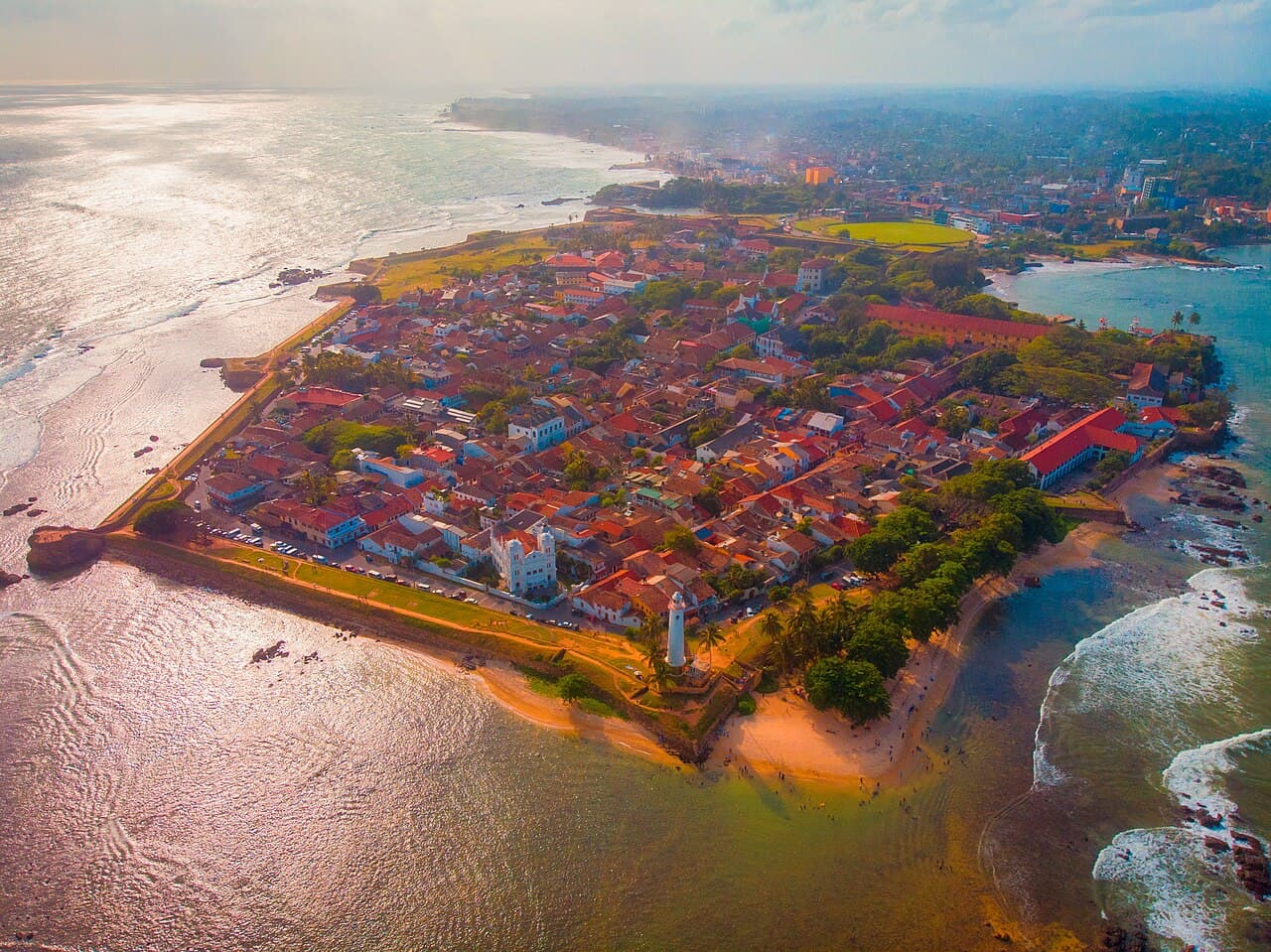
Sri Lanka · OVR 74
compact, pedestrian-first layout · safe after dark