
Maui
THE QUICK VERDICT
By Anthony · Updated April 2026
Choose Maui if you want Hawaii's magazine-cover island — the Road to Hana, Haleakalā sunrise, Molokini snorkeling, winter whales, and Kāʻanapali-Wailea-Kīhei resort coasts.
- Best for
- Road to Hana waterfalls, Haleakalā summit sunrise, Molokini snorkel, winter humpback whales, Kāʻanapali surf lessons
- Two seasons
- Apr–May and Sep–Oct
- Budget anchor
- $400/day mid-range
- Costs bite
- Top 10% of destinations on daily spend ($400/day mid-range)
- Skip if
- you're budget-shopping — average resorts pass $500/night and a rental car is essentially mandatory
Hawaii's second-largest island — the Road to Hana's 620 curves and 59 bridges past waterfalls and bamboo forests, sunrise above the clouds at Haleakalā's 10,023-ft summit crater, winter humpback whales in the Auʻau Channel, and the snorkel-famous Molokini crater. Lahaina's historic town was devastated by the August 2023 wildfire — visiting West Maui responsibly supports recovery. Kāʻanapali, Wailea, and Kīhei host the resort zones; Pāʻia and Upcountry Makawao are the laid-back alternatives.
The two links below are affiliate links — MapSorted earns a small commission if you book through them, at no extra cost to you. How this works.
Tours & Experiences
Bookable tours, activities, and day trips in Maui
Where to Stay
Compare hotels and rentals in Maui
📍 Points of Interest
Road to Hana· 35 km E
64-mile scenic drive through rainforest, waterfalls, and coastal cliffs
Haleakala National Park Summit· 13 km SE
10,023-ft dormant volcano crater — sunrise views above the clouds
Molokini Crater· 25 km SW
Partially submerged volcanic crater with 150 ft visibility snorkeling
Kaanapali Beach· 40 km W
Three-mile white sand beach with snorkeling at Black Rock
Iao Valley State Monument· 24 km W
Sacred valley with the 1,200-ft Iao Needle basalt pinnacle
Big Beach (Oneloa) Makena· 24 km SW
Half-mile undeveloped golden sand beach with dramatic shore break
★ Local Picks
Honolua Bay· 40 km NW
Protected marine sanctuary — best shore snorkeling on Maui
Paia Town
Funky North Shore surf town with independent boutiques and restaurants
Maui Brewing Company· 13 km W
Flagship craft brewery taproom with Hawaiian-inspired beers and local food
At a Glance
- Pop.
- 165K (island)
- Timezone
- Honolulu
- Dial
- +1
- Emergency
- 911
Maui is Hawaii's second-largest island at 727 square miles, nicknamed the Valley Isle for the central isthmus between its two volcanic mountain masses — West Maui Mountains and Haleakala
The Road to Hana stretches 64 miles along Maui's northeastern coastline with 600 curves and more than 50 one-lane bridges — one of America's most celebrated scenic drives
Haleakala volcano rises 10,023 feet and is one of the world's largest dormant shield volcanoes. Watching sunrise from the summit has been a bucket-list experience for decades — reservations required since 2017
In August 2023, a catastrophic wildfire destroyed much of the historic town of Lahaina, killing over 100 people and displacing thousands. West Maui is gradually rebuilding — visitors should follow all signage and support local businesses respectfully
Humpback whales migrate to Maui's warm waters December through April to breed and calve, making the Auau Channel one of the world's top whale-watching destinations — an estimated 10,000 humpbacks pass through Hawaiian waters each season
Maui has a population of around 165,000 and welcomes about 3 million visitors annually. The main gateway is OGG Kahului Airport with direct flights from major US mainland cities
Top Sights
Road to Hana
🌿One of America's most iconic drives — 64 miles of dramatic coastline, lush rainforest, waterfall pullouts, and one-lane bridges. The journey is the destination. Allow a full day, start early, and stop often. Highlights include Twin Falls, Wailua Falls, Waianapanapa Black Sand Beach, and the Pools of Oheo.
Haleakala Sunrise
🌿Watching the sunrise from the 10,023-foot summit of Haleakala National Park is a transcendent Maui experience. The crater landscape is otherworldly at any hour, but dawn draws gasps as the sun breaks above a sea of clouds. Sunrise reservations are required — book weeks in advance at recreation.gov.
Molokini Crater Snorkeling
🌿A partially submerged volcanic crater three miles off the Makena coast, Molokini is one of Hawaii's top snorkel and dive sites. Clear visibility up to 150 feet, abundant reef fish, and calm conditions most mornings. Morning boat tours depart from Maalaea Harbor.
Kaanapali Beach
🌿A three-mile arc of soft white sand on West Maui's leeward coast, consistently ranked among America's best beaches. Lined with resorts and backed by the Whalers Village shopping center. Clear, calm water with good snorkeling at Black Rock (Puu Kekaa) at the north end.
Iao Valley State Monument
🌿A lush green valley in the West Maui Mountains where the Iao Needle — a 1,200-foot basalt pinnacle — rises dramatically from the valley floor. The site of a historic 1790 battle and deeply sacred to Native Hawaiians. Short paved trails lead to viewpoints.
Whale Watching (December - April)
📌The Auau Channel between Maui and Lanai hosts one of the highest concentrations of humpback whales on earth during winter months. Boats depart from Maalaea and Lahaina harbors for 2-3 hour tours. Peak season is January through March when breaching, tail-slapping, and spy-hopping are common.
Wailea & Big Beach (Oneloa)
🌿South Maui's resort coastline offers some of the island's finest beaches. Wailea Beach is pristine and calm with luxury resort backdrops. Big Beach (Makena State Park) is a half-mile stretch of dramatic, undeveloped golden sand with powerful shore break — stunning but treat the surf with respect.
Costs & Currency
Where the money goes
USD per dayBackpacker = hostel dorm + street food + public transit. Mid-range = 3-star hotel + neighbourhood restaurants + transit cards. Luxury = 4/5-star + fine dining + taxis. How we calibrate these numbers →
Quick cost estimate
Customize per category →Estimates based on regional averages. Flight prices vary by season and airline.
budget
$150-220
Budget condo or hostel, plate lunches and food trucks, self-guided driving, free beaches and hikes
mid-range
$300-500
Mid-range hotel or vacation rental, restaurant dinners, snorkel boat tour, Haleakala park entry
luxury
$800+
Four Seasons or Grand Wailea, spa treatments, private boat charter, fine dining, helicopter tour
Typical Costs
| Item | Local | USD |
|---|---|---|
| AccommodationHostel dorm (Kahului/Paia) | $60-100 | $60-100 |
| AccommodationMid-range hotel (double) | $250-450 | $250-450 |
| AccommodationVacation rental condo | $200-400/night | $200-400 |
| AccommodationLuxury resort (double) | $600-1200 | $600-1200 |
| FoodPlate lunch (local diner/food truck) | $15-20 | $15-20 |
| FoodSit-down dinner (mid-range restaurant) | $50-80 per person | $50-80 |
| FoodShave ice (Ululani's or local shop) | $5-8 | $5-8 |
| TransportRental car (per day, mid-size) | $80-150 | $80-150 |
| TransportFuel for Road to Hana round trip | $30-50 | $30-50 |
| TransportExpeditions ferry to Lanai (round trip) | $60 | $60 |
| AttractionsHaleakala National Park (vehicle) | $30/vehicle | $30 |
| AttractionsSnorkel gear rental (per day) | $20-35 | $20-35 |
| AttractionsMolokini snorkel boat tour | $90-130 | $90-130 |
| AttractionsWhale watching boat tour | $50-80 | $50-80 |
| AttractionsMaui Ocean Center admission | $30 adults | $30 |
💡 Money-Saving Tips
- •Eat plate lunches at local spots like Da Kitchen, Kihei Caffe, or roadside food trucks — a full meal for $15-20 beats any resort restaurant
- •Pack a cooler with groceries from Costco or Safeway in Kahului for Road to Hana snacks and beach lunches
- •Book Haleakala sunrise reservations as far in advance as possible — the $30 park fee beats any sunrise tour by $100+
- •Snorkel directly from shore at Honolua Bay or Kamaole Beach Park instead of paying for a boat tour
- •Stay in Kihei or Kahului instead of Kaanapali — identical access to beaches and activities for 30-50% less on accommodation
- •Fill up the rental car at Costco Kahului — gas on Maui is $0.50-0.80/gallon cheaper at Costco than resort-area stations
- •Visit Hana on a weekday and skip the Pools of Oheo (Ohe'o Gulch) to avoid the largest crowds
- •Most of Maui's best experiences are free — beaches, snorkeling, hiking, and sunsets cost nothing
US Dollar
Code: USD
Maui operates entirely in US dollars. ATMs are plentiful at banks, grocery stores, and resort areas. Credit cards are accepted nearly everywhere. Cash is useful for farmers markets, roadside stands, and tipping. Prices on Maui are significantly higher than mainland US due to island shipping costs.
Payment Methods
Credit and debit cards are accepted everywhere on Maui including food trucks and farmers markets. Contactless payments (Apple Pay, Google Pay) are common at most establishments. Keep $20-40 cash for roadside stands, farmers markets, and tips. ATMs are widely available but avoid airport and resort ATMs which often charge high surcharges — use bank ATMs instead.
Tipping Guide
18-20% is standard in Hawaii, considered a minimum for good service. Some restaurants add an automatic service charge for large groups — check your bill.
$1-2 per drink at bars; 15-18% at casual plate lunch and diner-style restaurants.
Tipping is appreciated but not mandatory at food trucks — $1-2 per order or 10-15% is common.
$10-20 per person for a 2-3 hour boat tour; more for private or full-day charters. Tip the crew directly.
$3-5 per night left in an envelope or with a note. Higher-end resorts $5-10/night.
$2-5 for valet; $2-3 per bag for bellhop service at resort hotels.
Climate & Best Time to Go
Maui has a tropical climate with two distinct sides: the leeward (west and south) coasts are sunny and dry nearly year-round, while the windward (north and east) coasts and Hana receive abundant rain from northeast trade winds. Haleakala summit can be cold and windy at any time of year — bring layers. Hurricane season runs June through November but direct hits are rare. Trade winds keep coastal temperatures pleasant even in summer.
Spring
March - May72-84°F
22-29°C
Excellent shoulder season with warm temperatures, fewer crowds than peak winter, and the tail end of whale watching season through April. Trade winds are reliable and comfortable. An ideal time to visit.
Summer
June - August77-90°F
25-32°C
Hot and sunny on leeward coasts with calm ocean conditions. Kona winds occasionally replace trades and bring humid, muggy air. South swells make south-facing beaches like Big Beach rougher. Busiest season with families and peak accommodation prices.
Autumn
September - October75-88°F
24-31°C
Another sweet shoulder season — still warm, fewer crowds than summer, and ocean water at its warmest (around 80°F). Hurricane season continues through October but trade winds usually keep Maui protected. Some of the best deals on accommodations.
Winter
November - February68-82°F
20-28°C
Peak tourist season driven by whale watching (December-April) and US mainland winter escapes. North and west swells energize surf breaks. West Maui beaches can have choppy water but south Maui stays calm. Haleakala summit can dip below freezing and receive snow flurries.
Best Time to Visit
April through May and September through October are Maui's shoulder seasons — warm weather, lower crowds than peak winter or summer, and better accommodation prices. Whale watching season (December-April) draws peak crowds to West Maui. If whale watching is a priority, January-March offers the best sightings.
Spring (April - May)
Crowds: Moderate — best value weeks are April and early MayIdeal shoulder season with warm temperatures, reliable trade winds, and noticeably fewer visitors than winter peak. Tail end of whale season through April. Ocean conditions are excellent for snorkeling and diving.
Pros
- + Fewer crowds than winter or summer
- + Excellent ocean visibility
- + Good accommodation deals
- + Whale season through April
Cons
- − Some rain on windward side
- − Spring break (March-April) brings temporary spikes
- − Haleakala reservations still competitive
Summer (June - August)
Crowds: Very high — book 3-6 months aheadPeak family season with the highest visitor numbers and prices. Leeward beaches are calm and sunny. South swells create powerful shore break at Big Beach. Accommodation prices peak in July-August.
Pros
- + Hottest and sunniest weather
- + Calm water on west and south beaches
- + Long daylight hours
- + All attractions and tours operating
Cons
- − Highest prices of the year
- − Most crowded beaches and roads
- − Hurricane season begins (rare impact)
- − Road to Hana can be gridlocked on weekends
Autumn (September - October)
Crowds: Low to moderate after Labor DayThe best-kept secret for Maui travel — warm temperatures, ocean at its warmest (80°F), and significantly thinner crowds after Labor Day. Some of the best deals of the year. Hurricane season continues through October.
Pros
- + Best prices of the year
- + Warm ocean temperatures
- + Fewer tourists at popular spots
- + Good surf developing on North Shore
Cons
- − Hurricane season (low but non-zero risk)
- − Shorter days than summer
- − Some tour operators reduce frequency
Winter (November - March)
Crowds: Very high (December - March) — book 4-6 months aheadPeak tourist season driven by whale watching and US mainland winter escapes. December through February is the busiest and most expensive period. Humpback whales dominate January-March in the Auau Channel. North swells energize surf at Hookipa and Honolua Bay.
Pros
- + World-class whale watching
- + Lower humidity than summer
- + Spectacular surf for spectators
- + Festive holiday atmosphere
Cons
- − Highest prices and most crowded
- − Advance booking essential
- − Rain more frequent on windward coasts
- − Haleakala summit can be cold or icy
🎉 Festivals & Events
Maui Whale Festival
FebruaryA month-long celebration of humpback whale season with ocean-safety events, free whale watches, art, and educational programs organized by the Pacific Whale Foundation in Kihei and Lahaina.
Maui Film Festival
JuneA five-night open-air cinema event held on Wailea Beach and indoor venues, showcasing independent and international films with a focus on stories of cultural significance. Draws Hollywood celebrities and filmmakers.
Aloha Festivals
SeptemberHawaii's statewide celebration of Hawaiian culture, music, hula, and traditions. Maui events include floral parades, royal court ceremonies, and free concerts celebrating the spirit of aloha.
Off the Beaten Path
Honolua Bay
A protected marine sanctuary on West Maui's northwest tip, accessible via a short jungle trail. One of the best snorkel sites on the island with colorful coral and sea turtles, completely undeveloped with no facilities. Avoid in winter when it transforms into one of Hawaii's premier surf breaks.
No resort crowds, no boat tours — just a coral-rich bay reached by a short hike through ironwood trees. Locals treat it as their own and the vibe reflects that.
Paia Town
A funky North Shore surf town with excellent independent restaurants, boutique shops, and a bohemian local culture that feels distinct from Maui's resort scene. The gateway to the Road to Hana — stop here for a plate lunch before heading east.
Maui's creative and surf counterculture concentrates here. The lack of chain stores and abundance of character makes it feel like old Hawaii.
Upcountry Maui (Kula & Makawao)
The cool, agricultural highlands above Kahului at 2,000-4,000 feet elevation. Lavender farms, protea gardens, cattle ranches, rodeos, cowboy (paniolo) culture, and farm-to-table restaurants. Completely different from the coastal Maui most visitors experience.
This is where local families go on weekends. The temperature drops 10-15°F from the coast and the pace drops similarly — a genuine working agricultural community.
Twin Falls (Easy Road to Hana Stop)
The first major waterfall pullout on the Road to Hana, just two miles past the road's official start in Haiku. Easy 15-minute walk through guava forest to twin waterfalls with swimming holes. A perfect taste of Hana's rainforest beauty without committing to the full day drive.
Many visitors rush the Hana road and skip stops. Twin Falls rewards those who pause — the swimming hole beneath the upper falls is genuinely spectacular and usually reached by a short detour.
Maui Brewing Company (Kihei)
Maui's flagship craft brewery with an expansive taproom in Kihei featuring ocean breezes, live music on weekends, and rotating taps of Hawaiian-inspired beers including Bikini Blonde Lager and Coconut Hiwa Porter. Food menu of elevated pub fare using local ingredients.
A rare spot where locals and visitors mingle comfortably over quality local beer. No tourist theater — just a well-run brewery proud of its Hawaiian roots.
Safety Breakdown
Very Safe
out of 100
Maui is generally very safe for visitors. Petty theft from rental cars at trailheads is the most common crime affecting tourists — never leave valuables visible. Ocean hazards including rip currents, shore break, and high surf cause more tourist injuries than crime. The Road to Hana requires attentive slow driving. Visitors to areas near Lahaina should be respectful of the community's ongoing recovery from the 2023 wildfire.
Things to Know
- •Drive the Road to Hana slowly — 15-25 mph is appropriate on narrow one-lane bridge sections; pull over to let local traffic pass and never rush
- •Reef-safe sunscreen is required by Hawaii law — avobenzone, octinoxate, and oxybenzone are banned to protect coral reefs; bring mineral (zinc oxide / titanium dioxide) sunscreen
- •Rip currents are the leading ocean hazard — if caught in one, swim parallel to shore to escape, not against the current; always check surf conditions before entering the ocean
- •Respect Lahaina and West Maui fire-affected areas — follow all posted signage, do not photograph damaged properties without permission, and support local businesses over chains
- •Dehydration is a real risk, especially on the Hana road and Haleakala hikes — carry at least two liters of water per person per day
- •Leave nothing visible in rental cars at trailheads or beach parking lots — smash-and-grab theft from rental vehicles is common at popular spots like the Pools of Oheo
Natural Hazards
Emergency Numbers
General Emergency
911
Police (non-emergency)
(808) 244-6400
Maui Memorial Medical Center
(808) 244-9056
Coast Guard Search & Rescue
(808) 842-2600
Poison Control
1-800-222-1222
How to Get There
✈️ Airports
Kahului Airport (main)(OGG)
Central Maui — 3 miles from Kahului town, 30 min to Kaanapali, 20 min to KiheiRental car is the standard option — all major agencies have counters. Lyft and Uber available but require advance booking. No shuttle buses to resorts from OGG; some hotels run private shuttles — confirm before booking. Taxis available curbside.
✈️ Search flights to OGGKapalua Airport (West Maui)(JHM)
1 mile from Kapalua, 10 min to KaanapaliSmall commuter airport served by Mokulele Airlines from Honolulu and other Hawaiian airports. Primarily serves visitors staying at West Maui luxury resorts. Rental cars and hotel transfers available.
✈️ Search flights to JHM🚌 Bus Terminals
Maui Bus (inter-town service)
Maui County Bus connects OGG Airport (Kahului) with Kihei and Wailea in South Maui, and with Kaanapali and Lahaina in West Maui. Routes are infrequent and not suitable for time-sensitive transfers. Free to ride.
Travel Connections
Oahu
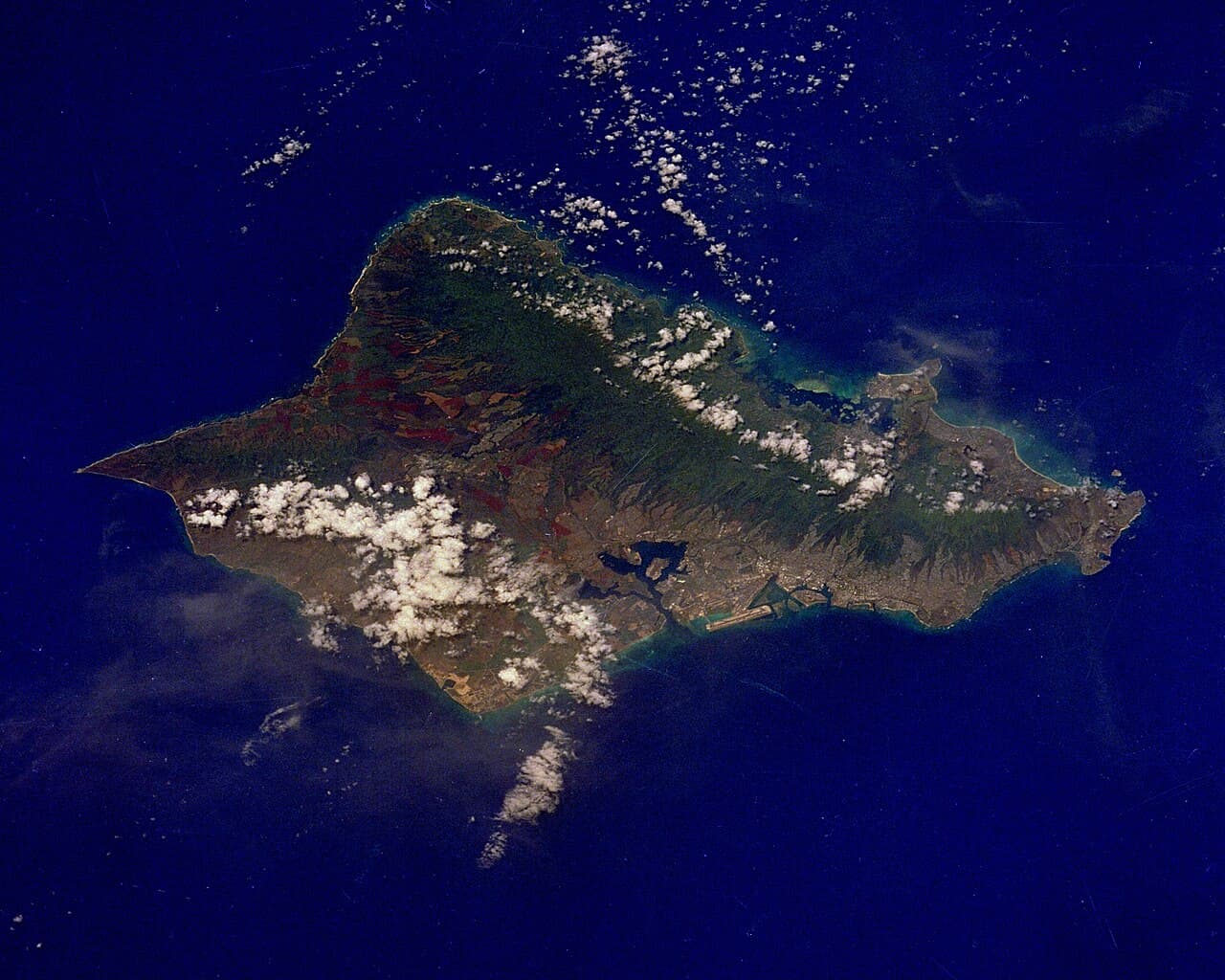
Hawaii's most populous island with Waikiki Beach, Diamond Head, Pearl Harbor, and Honolulu's vibrant food and nightlife scene. The cultural and political capital of Hawaii — excellent if you want big-city amenities alongside beaches.
Big Island Hawaii
The largest Hawaiian island with active lava flows at Hawaii Volcanoes National Park, Mauna Kea stargazing, black sand beaches, green sand beaches, and coffee farms in Kona. A completely different landscape from Maui — wilder and more raw.

Kauai
The Garden Isle with the dramatic Na Pali Coast, Waimea Canyon (the Grand Canyon of the Pacific), and some of Hawaii's most secluded beaches. The most lush and least developed of the main Hawaiian islands.
Lanai
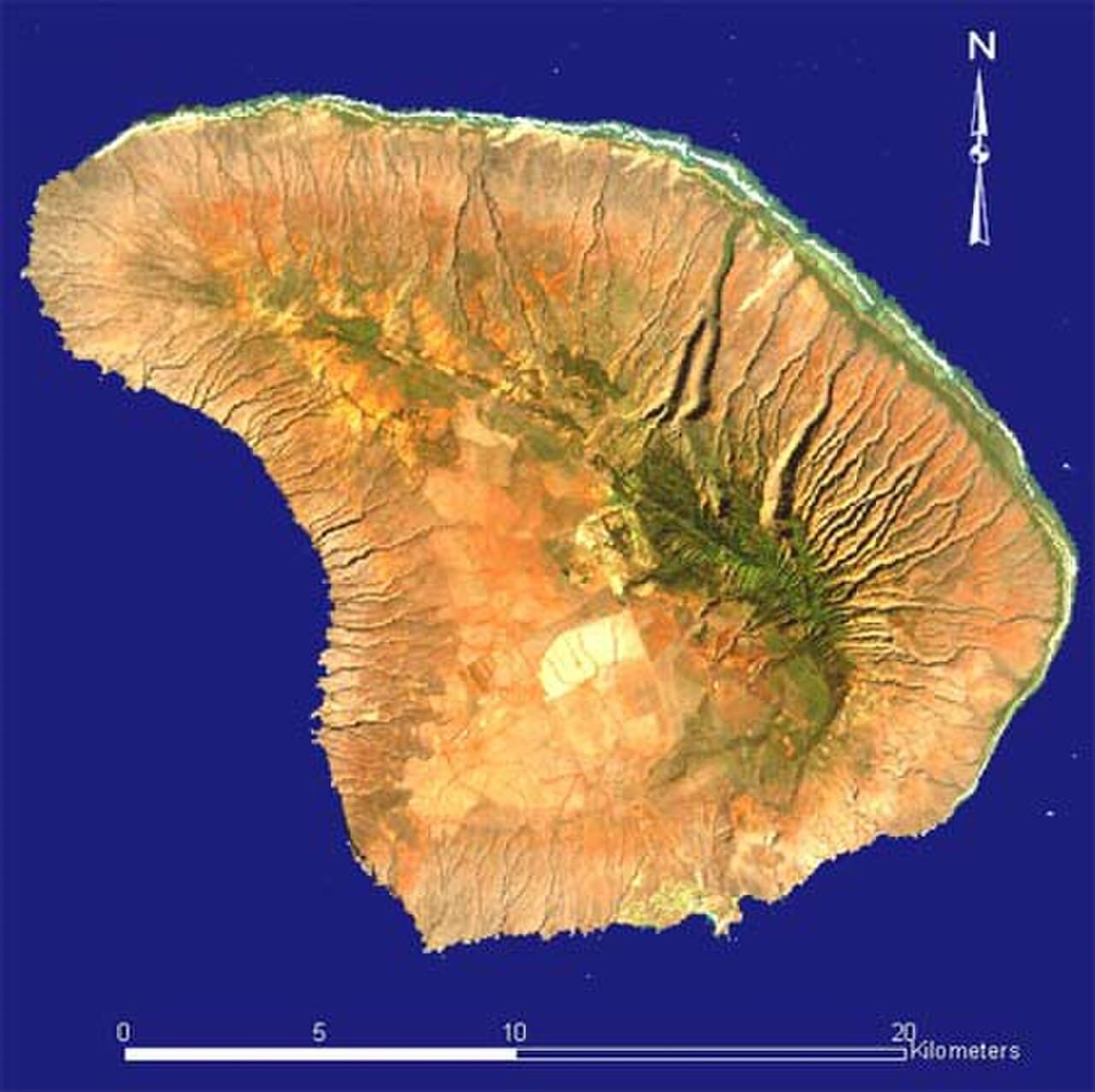
A quiet, largely undeveloped island owned largely by tech billionaire Larry Ellison. Two ultra-luxury Four Seasons resorts, excellent snorkeling at Hulopoe Bay, red-dirt jeep roads, and the archaeological site of Luahiwa Petroglyphs. An easy day trip from Maui.
Entry Requirements
Maui is part of the United States — US citizens need only a valid ID. International visitors follow standard US entry requirements. Citizens of Visa Waiver Program (VWP) countries can enter for up to 90 days with an approved ESTA. Most international flights to Maui connect through Honolulu (HNL) where US customs and immigration are processed — your flight to OGG is treated as a domestic connection after clearing customs in Honolulu.
Entry Requirements by Nationality
| Nationality | Visa Required | Max Stay | Notes |
|---|---|---|---|
| US Citizens | Visa-free | Unlimited | Valid government-issued ID required for domestic flights. No passport needed for travel within the US including Hawaii. |
| VWP Nationals (UK, Australia, Japan, EU, etc.) | Visa-free | 90 days | ESTA authorization required — apply at esta.cbp.dhs.gov before travel. Fee is $21. US Customs is cleared at Honolulu on international arrivals; OGG is treated as a domestic connection. |
| Canadian Citizens | Visa-free | 180 days | No visa or ESTA required for air travel. Valid passport needed. CBP may ask for proof of onward travel and sufficient funds. |
| Chinese Citizens | Yes | Per visa | B-2 tourist visa required from a US embassy or consulate. Apply well in advance — processing times can be several months. |
| Indian Citizens | Yes | Per visa | B-2 tourist visa required. Apply at the US consulate in your city. Valid for 10 years with multiple entries once approved. |
Visa-Free Entry
Tips
- •International visitors clear US customs and immigration at Honolulu (HNL) — not at Maui OGG — so budget 2-3 hours for the connection at Honolulu
- •ESTA must be approved before boarding — apply at least 72 hours before departure but ideally weeks in advance
- •Non-US citizens must present a valid passport; US citizens can use a state ID or driver's license for domestic flights to Maui
- •Hawaii has strict agricultural inspection at arrival — all food, plants, and soil must be declared; fresh fruits from outside Hawaii may be confiscated
- •Travel insurance is strongly recommended given Hawaii's high medical costs and the activity-based nature of most Maui visits
Shopping
Maui shopping ranges from high-end resort boutiques to funky North Shore galleries and local farmers markets. Prices are high across the board — Hawaii adds layers of shipping costs to mainland retail prices. The best authentic Maui souvenirs come from local artisans and farmers markets rather than airport gift shops. Support local vendors wherever possible.
Whalers Village, Kaanapali
open-air mallA beachfront shopping center at the north end of Kaanapali Beach with a mix of upscale retail, surf brands, restaurants, and a small whaling museum. Convenient for West Maui resort guests. Not cheap but the ocean backdrop is hard to beat.
Known for: Surf brands, resort wear, jewelry, whaling museum, oceanfront dining
Shops at Wailea
luxury open-air mallSouth Maui's upscale shopping destination adjacent to Wailea resort hotels. Designer brands, art galleries, and higher-end restaurants. More polished than Whalers Village with a Four Seasons crowd.
Known for: Designer fashion, fine jewelry, Hawaiian art galleries, upscale dining
Paia Town (North Shore)
boutique independent shopsA stretch of independent boutiques, surf shops, galleries, and eclectic stores along Baldwin Avenue and Hana Highway. The most characterful shopping on Maui — locally owned with a funky, alternative edge. Also the best place to stock up before the Road to Hana.
Known for: Vintage clothing, local art, surf gear, Hawaiian jewelry, organic health food
🎁 Unique Souvenirs to Look For
- •Kona coffee from Big Island (widely available in Maui shops) or Maui-grown coffee from Upcountry farms
- •Macadamia nuts — raw, roasted, chocolate-covered; buy in bulk at local grocers rather than airport for better prices
- •Ukulele — Maui has several luthiers and music shops selling locally made instruments
- •Aloha shirts (aloha aina) — look for locally designed prints from Maui Clothing Co. or similar local brands, not mass-produced imports
- •Koa wood items — native Hawaiian koa is one of the rarest and most beautiful hardwoods; bowls, frames, and jewelry from local woodworkers
- •Maui Gold pineapple — sweeter and lower-acid than standard pineapple; sold at roadside stands and Upcountry farms
- •Hawaiian sea salt — Alaea red salt harvested from salt pans with iron-rich volcanic clay; a distinctive local pantry staple
Language & Phrases
English is the primary language on Maui. Hawaiian is a co-official language of Hawaii and is experiencing a cultural revival — you will encounter Hawaiian words constantly on signs, place names, and in everyday speech. Learning a few Hawaiian phrases shows genuine respect for the host culture. The okina ('- a glottal stop) and kahako (macron over vowels) affect pronunciation.
| English | Translation | Pronunciation |
|---|---|---|
| Hello / Goodbye / Love / Peace | Aloha | ah-LOH-hah |
| Thank you | Mahalo | mah-HAH-loh |
| Thank you very much | Mahalo nui loa | mah-HAH-loh NOO-ee LOH-ah |
| Encore / Do it again! | Hana hou | HAH-nah HOH |
| Family (extended, including friends) | 'Ohana | oh-HAH-nah |
| Native Hawaiian person / host culture | Kanaka Maoli | kah-NAH-kah mah-OH-lee |
| Welcome / Come in | E komo mai | eh KOH-moh MY |
| Correct / Right / True | 'Ae | EYE |
| No / Not | 'A'ole | ah-OH-leh |
| The sea / Ocean | Kai | KYE |
| Land / Earth | 'Aina | EYE-nah |
| Please (informal) | E ʻoluʻ olu | eh OH-loo OH-loo |
Getting Around
A rental car is essentially mandatory for exploring Maui beyond resort areas. The Road to Hana, Haleakala National Park, Upcountry Maui, and most beaches are inaccessible without one. Book well in advance — rental car availability is limited and prices spike during peak season. Maui Bus provides limited public transit but has significant gaps in coverage.
Rental Car
$80-150/day plus taxes and fees; gas adds $30-60/dayThe only practical way to see most of Maui. All major agencies operate from OGG Kahului Airport. Book early — cars sell out and prices can exceed $150/day at peak times. SUVs or AWD vehicles are recommended for some Upcountry dirt roads. Driving to Hana requires a full day of focused driving.
Best for: Road to Hana, Haleakala, beach-hopping, Upcountry — essentially everything
Maui Bus (Public Transit)
Free (as of 2024)Maui County operates a free bus network connecting Kahului, Kihei, Wailea, Kaanapali, and Lahaina. Service is infrequent (hourly or less) and does not reach Hana or Haleakala. Useful for short trips between South and West Maui resort areas.
Best for: Kahului to Kihei corridor; airport to central Maui; travelers staying in one resort area
Lyft & Uber
$15-40 for typical town-to-town trips; airport to Kaanapali $60-90Both Lyft and Uber operate on Maui, primarily in Kahului, Kihei, Wailea, Kaanapali, and Lahaina. Wait times can be long outside central areas. Not available for Hana or Haleakala runs — drivers typically refuse or charge surge prices.
Best for: Airport transfers, nights out when avoiding drink-driving, short hops between resort towns
Taxis
$20-50 within Central Maui; significantly more for cross-island tripsTraditional taxis are available at the airport and can be arranged from hotels. More expensive than rideshare and less convenient due to the lack of app-based dispatch in rural areas.
Best for: Airport pickups when rideshare is unavailable; hotel-arranged transport
Expeditions Ferry (to Lanai)
$30 each way per adultExpeditions Maui-Lanai Ferry operates 5 daily round trips from Lahaina Harbor to Manele Bay, Lanai. The crossing takes 45-60 minutes on open ocean — can be choppy. No car transport (vehicles must be shipped separately). A popular day-trip option.
Best for: Day trips to Lanai for snorkeling at Hulopoe Bay or exploring the small island
Walkability
Maui is not a walkable destination by design. Wailea resort area has a paved beachfront path connecting several hotels and beaches. Parts of Kihei along South Kihei Road are pedestrian-friendly. Downtown Lahaina (pre-fire) was walkable within the historic district. Outside these pockets, walking between destinations is impractical — distances are long and sidewalks are sparse.
If you like Maui, you'll love…
4 cities with a similar vibe, outside of the same country.

Maldives · OVR 68
landscapes that steal the show · nomad-ready infrastructure

Australia · OVR 72
jaw-dropping scenery · safe after dark

Saint Lucia · OVR 69
jaw-dropping scenery · reliable eating scene

Mauritius · OVR 73
jaw-dropping scenery · nomad-ready infrastructure