
Stellenbosch
THE QUICK VERDICT
By Anthony · Updated April 2026
Choose Stellenbosch if You want a walkable Cape Dutch old town surrounded by 200+ wine estates and a Cape Town day-trip distance — and you'd happily trade safari logistics for a long lunch at Boschendal..
- Best for
- Boschendal and Spier wine tastings, oak-lined Dorp Street, Cape Dutch gables 50 km from Cape Town
- Best window
- Oct–Apr
- Budget anchor
- $130/day mid-range
- Worth a look
- university-town café energy keeps prices and pace softer than the Franschhoek alternative
South Africa's wine capital sits 50 km east of Cape Town in a bowl of jagged granite mountains, with 200+ wine estates fanning out from a 300-year-old town centre of whitewashed Cape Dutch gables. Stellenbosch University, the country's oldest, gives the streets a young, café-heavy energy that softens the wine-tourism gloss. Boschendal, Spier, and Delaire Graff anchor the famous estate names, while quieter producers like Tokara, Waterford and Kanonkop reward a second day. The dorpscentrum itself, with its oak-lined Dorp Street and water furrows, is the photogenic core.
The two links below are affiliate links — MapSorted earns a small commission if you book through them, at no extra cost to you. How this works.
Tours & Experiences
Bookable tours, activities, and day trips in Stellenbosch
Where to Stay
Compare hotels and rentals in Stellenbosch
📍 Points of Interest
Dorp Street
Historic Cape Dutch shopping street with oak trees
Boschendal Wine Estate
1685 wine estate with picnic gardens and farm shop
Spier Wine Estate
1692 estate with wine tasting and family activities
Delaire Graff Estate
Modern flagship estate with valley views and Indochine restaurant
University Botanical Garden
Oldest botanical garden in South Africa
Jonkershoek Nature Reserve
Granite mountain horseshoe with hiking trails
Village Museum
Restored Cape Dutch houses spanning 1709-1850
Kanonkop Wine Estate
First-growth estate famous for Pinotage and Bordeaux blends
★ Local Picks
Tokara Estate
Modernist estate atop Helshoogte Pass with restaurant
Waterford Estate
Wine-and-chocolate pairing in Blaauwklippen Valley
At a Glance
- Pop.
- 75,000 (town) / 165,000 (greater area)
- Timezone
- Johannesburg
- Dial
- +27
- Emergency
- 10111 / 10177
Stellenbosch is South Africa's wine capital — a town of around 75,000 set 50 km east of Cape Town in the Cape Winelands, with 200+ wine estates fanning out from a 300-year-old town centre. The town gives its name to a vast wine route that includes neighbouring Franschhoek, Paarl, and Wellington
Founded in 1679 by Cape Governor Simon van der Stel and named "Stel's Bush", Stellenbosch is the second-oldest European-established town in South Africa after Cape Town. The Cape Dutch architecture along Dorp Street — whitewashed gabled houses with thatched roofs and oak-tree allées — is the most intact 17th-19th century streetscape in the country
Stellenbosch University, founded in 1866 (university status 1918), is the oldest university in South Africa and gives the small town the energy of a much larger one. Roughly 32,000 students live in town, packing the cafés, music venues, and book shops of the dorpscentrum
The town sits in a bowl ringed by jagged granite peaks — Simonsberg (1,390 m), Stellenboschberg, Helderberg, and the Jonkershoek mountains. The Jonkershoek Nature Reserve, 10 minutes from town, has hiking trails up into protected fynbos and waterfalls; trail running here is part of local life
Stellenbosch is the easiest base for the Cape Winelands — Boschendal, Spier, Delaire Graff, Tokara, Rust en Vrede, Waterford, and Kanonkop are all within 25 minutes. Most estates run cellar tours and tastings; many have on-site fine-dining restaurants now ranked among South Africa's best
Peak season is the southern hemisphere summer (October-April), when long warm days are ideal for vineyard lunches and the harvest runs February-April. Winter (June-August) is wet and cold but quietly beautiful — fewer crowds, log fires, and red-wine focus on the tasting menus
Top Sights
Dorp Street
🗼The most photogenic street in South Africa — a 1 km stretch of Cape Dutch gables, oak trees, and water furrows running the length of the historic core. Browse the Oom Samie se Winkel general store (1904), the Dorp Street Gallery, and the cluster of antique shops, then end with coffee at Schoon de Companje. Nearly every building has its date carved into the gable.
Boschendal Wine Estate
🗼A 1685 estate set on a 2,000-hectare farm just outside Franschhoek (30 minutes from Stellenbosch town) — manor house museum, picnic gardens, the Werf restaurant, and farm-shop produce. The most family-friendly winery on the route, with a kids' playground, biking trails, and the ability to spread a hamper on the lawns. ZAR 100 cellar door tasting; picnic baskets ZAR 600 for two.
Spier Wine Estate
🗼A vast 1692 estate 15 minutes south of town — wine tasting, an art collection (Werf gallery), eagle encounters at the on-site raptor rescue, the Vadas restaurant, and a 4-star hotel. The most accessible "first winery" for a Cape Town day-tripper — the cellar tour is good and the grounds are easy to walk. ZAR 100-150 tastings; the chocolate-and-wine pairing is the standout.
Delaire Graff Estate
🗼A modern flagship estate on the crest of the Helshoogte Pass between Stellenbosch and Franschhoek — sweeping views over both valleys, a Laurence Graff diamond-and-rosé tasting flight, and one of the country's top fine-dining restaurants (Indochine). The most spectacular estate setting in the Cape Winelands. ZAR 250 wine flight; ZAR 1,800-2,500 lunch tasting menu.
Stellenbosch University Botanical Garden
📌A small but globally significant botanical garden — the oldest in South Africa, with the country's most important collections of welwitschia, cycads, and bonsai. Free entry, peaceful, easy 30-minute walk from the town centre. The Katjiepiering tea garden inside is a quiet alternative to the main-street cafés.
Jonkershoek Nature Reserve
🗼A horseshoe of granite mountains 10 minutes east of town — fynbos slopes, mountain streams, and a network of hiking and trail-running paths. The full Jonkershoek Loop is 18 km and a serious day; shorter options include the Sosyskloof loop (9 km) and the easy Eerste River walk. ZAR 60 entry; SANParks Wild Card valid.
Village Museum
🏛️A cluster of four restored Cape Dutch houses spanning 1709-1850, each furnished and staffed in the period style — a walk-through living museum that traces the evolution of Cape Dutch architecture. The most efficient way to understand what you are looking at on Dorp Street. ZAR 50 entry; allow 1.5 hours.
Kanonkop Wine Estate
🗼A first-growth estate famous for its Pinotage and Bordeaux blends (Paul Sauer in particular) — consistently rated South Africa's top red-wine producer. Tastings are serious and unfussy; no restaurant on site, no playground, just exceptional wine. ZAR 200 tasting flight, redeemable on bottle purchases.
Climate & Best Time to Go
Mediterranean climate — warm, dry summers (October-April) and cool, wet winters (May-September). Stellenbosch is slightly hotter than Cape Town in summer (40 km inland, no ocean cooling) and slightly cooler at night thanks to the surrounding mountains. The "Cape Doctor" southeasterly wind blows through summer afternoons, clearing the air and lowering temperatures.
Summer
December - February59-86°F
15-30°C (occasional 35-40°C heatwaves)
Hot, dry, and bright. The classic vineyard-lunch season — long warm days with reliably blue skies. The Cape Doctor southeasterly arrives most afternoons and cools things down. Harvest begins in February.
Autumn
March - May50-79°F
10-26°C
The harvest season — vines turn russet and gold, cellars are full of activity, and the weather stays warm and dry through April. May begins to feel autumnal with the first rains. A spectacular and arguably the best season for wine tourism.
Winter
June - August43-64°F
6-18°C
Cool, often wet, and dramatically green. Vines are pruned bare; mountain peaks wear snow caps for a few days each year. Tasting rooms light fires and switch to red-wine focus. Far quieter — and many estates offer winter specials.
Spring
September - November50-75°F
10-24°C
Wildflowers bloom across the Cape, vines bud green, and the rains taper. September can be unpredictable; October and November are reliably warm and bright. The shoulder season most locals prefer for outdoor activity.
Best Time to Visit
October to April covers peak season — long warm days, dry vineyards, and outdoor lunches. February-April adds the harvest atmosphere. Winter (June-August) is quiet, atmospheric, and well-priced but cold and often wet.
Summer (December - February)
Crowds: Peak — book accommodation 2-3 months ahead for late December and JanuaryThe classic vineyard season — hot, dry, and bright, with reliably blue skies. Christmas-NYE prices peak, especially the December-January school-holiday weeks. February brings the start of harvest. Lunch on a wine-estate lawn under an oak tree is the defining experience.
Pros
- + Long sunny days
- + Outdoor dining everywhere
- + Lively festival calendar
- + Best Cape Town weather for combining
Cons
- − Highest prices
- − Restaurant bookings essential
- − Hot enough that midday tastings can feel taxing
- − Christmas-NYE close-outs at some smaller estates
Autumn (March - May)
Crowds: Moderate, easing through MayMany locals' favourite season — harvest in full swing, vines turning russet and gold, weather still warm into April, and prices easing from the peak. May begins to feel autumnal but October-November and March-April are arguably the prime windows.
Pros
- + Harvest atmosphere in cellars
- + Vines at their most photogenic
- + Easier restaurant bookings
- + Mild comfortable temperatures
Cons
- − Easter week briefly busy
- − May can bring early rains
- − Some estates close briefly during fermentation
Winter (June - August)
Crowds: Low — except a brief school-holiday spike in late June and JulyCool and wet, with dramatically green landscapes and snow on the surrounding peaks for a few days each year. Tasting rooms light fires; the focus shifts to bigger reds and ports. Far quieter and many estates run winter specials.
Pros
- + Lowest prices and best deals
- + Cosy fireplace tastings
- + Empty hiking trails
- + Snow-capped Simonsberg backdrop on cold mornings
Cons
- − Wet and cold weather
- − Shorter daylight hours
- − Some outdoor restaurants closed
- − Winter rain can be heavy and windy
Spring (September - November)
Crowds: Moderate, building through NovemberWildflowers, vine bud-break, and warming days. The shoulder season most locals prefer for outdoor activity — Jonkershoek hiking is at its best, and the cape-fynbos blooms peak in September and October.
Pros
- + Wildflower season in fynbos
- + Vines at their freshest green
- + Warm sunny days returning
- + Excellent value before the December peak
Cons
- − September can still be cool and unpredictable
- − Late spring winds (the Cape Doctor) start blowing strongly
- − Whales depart Walker Bay through November
🎉 Festivals & Events
Stellenbosch Wine Festival
January-FebruaryA long-running outdoor festival across the Stellenbosch Wine Route — over 50 producers pour at a single venue, with food trucks, live music, and a single ticket buying access to all tastings.
Stellenbosch Harvest Festival (Cellars on Tour)
MarchA weekend when the working cellars open to the public during the harvest crush. See destemmers, fermenters, and barrel rooms in action; many estates run "press your own grapes" experiences for kids.
Woordfees (Word Festival)
OctoberThe biggest Afrikaans-language arts festival — theatre, music, literary readings, and visual art across the dorpscentrum and university venues over 10 days.
Stellenbosch Open Studios
NovemberA weekend when local artists open their studios to the public — a free self-guided art tour through the historic core and surrounding farms.
Off the Beaten Path
Tokara Restaurant & Wine Estate
A modernist estate at the top of the Helshoogte Pass with 360-degree views over both the Stellenbosch and Franschhoek valleys. The wine is excellent (their Director's Reserve red blend is a benchmark) and the restaurant is one of the most consistent fine-dining spots in the Cape. The on-site olive oil and chocolate are standalone treats.
Many tour buses stop at Delaire Graff next door; Tokara has equally good views, marginally better wine, and noticeably fewer crowds. The lunch garden tables look straight at False Bay.
Schoon de Companje
A bakery-and-deli on Church Street run by Fritz Schoon, baking the best sourdough in the Cape on a wood-fired oven imported from Italy. Lunch is salad bowls and toasted sandwiches; afternoons are for cake and coffee. Open until 4 PM only.
Far better than the tourist cafés on Dorp Street, with a steady local crowd of academics and farmers. The morning bun (a cardamom-and-orange spiral) is the breakfast worth setting an alarm for.
Waterford Estate
A small estate at the eastern end of the Blaauwklippen Valley with a dedicated wine-and-chocolate pairing — an experience copied widely but invented here. ZAR 200 for a 5-course chocolate-and-wine flight in a stone-walled tasting room. The Estate Reserve Cabernet Sauvignon is the bottle to take home.
The original chocolate-pairing in the Cape and still the most carefully constructed. The drive in along an oak-lined avenue feels more like Tuscany than Africa.
Eikendal Wine Estate
A quietly excellent estate at the foot of the Helderberg, owned by Swiss and run with a Swiss precision that yields some of the most underrated reds in the Cape. The cellar door is small and unfussy; the picnic baskets on the lawns under oak trees are the local secret for a budget winelands lunch.
Most visitors race past Eikendal en route to bigger names. The Charisma red blend is among the best-value wines in the country and the picnics cost half what Boschendal charges for similar fare.
Helderberg Nature Reserve
A 363-hectare reserve on the slopes of Helderberg Mountain (1,138 m) with fynbos hiking trails, picnic spots, and panoramic views over False Bay and the Cape Flats. Less crowded than Jonkershoek; the Disa Gorge trail leads to wild orchids in summer. ZAR 35 entry.
Hikers go to Jonkershoek for the obvious peaks; Helderberg is quieter, lower in altitude, and the False Bay panorama from the Helderberg Dome rivals anything on the Cape Peninsula.
Safety Breakdown
Very Safe
out of 100
Stellenbosch is one of the safer towns in South Africa — a small, well-policed university town with a visible municipal patrol and active community-watch network. Petty crime (smash-and-grab from cars, pickpocketing in busy markets) does happen but violent crime against tourists is rare. The standard South African urban precautions apply: lock the car, do not flash valuables, do not walk alone in unfamiliar areas after dark.
Things to Know
- •Never leave anything visible in the car — smash-and-grabs at trailheads and quieter wine estates do happen; lock everything in the boot before you arrive at a parking spot, not after
- •Use Uber or Bolt for evening trips — taxi metering is unreliable, and rideshares are cheap (ZAR 50-150 for any in-town trip) and avoid the drink-driving question after wine tastings
- •Walk in groups in the dorpscentrum after dark — student areas around Bird Street and Andringa Street are lively but better walked in pairs after 11 PM
- •Stick to designated trails in Jonkershoek — robberies of solo hikers have been reported on remote sections; group hikes and busy weekend trails are fine
- •Avoid driving the township areas (Khayamandi, Cloetesville) after dark unless you are with a local guide — there is good township-tourism that runs by day with reputable operators
- •Do not carry your passport — leave it in the hotel safe and use a copy or driver's licence for ID
Natural Hazards
Emergency Numbers
Police (general)
10111
Ambulance / Fire
10177
All emergencies (mobile)
112
Stellenbosch SAPS
(021) 809 5000
Mountain Rescue (Western Cape)
(021) 937 0300
Costs & Currency
Where the money goes
USD per dayBackpacker = hostel dorm + street food + public transit. Mid-range = 3-star hotel + neighbourhood restaurants + transit cards. Luxury = 4/5-star + fine dining + taxis. How we calibrate these numbers →
Quick cost estimate
Customize per category →Estimates based on regional averages. Flight prices vary by season and airline.
budget
$40-70
Backpacker hostel or self-catering studio, supermarket meals, one or two estate tastings per day, free hiking
mid-range
$100-200
Boutique guesthouse, restaurant lunches and dinners, tour-driver wine day, cellar tours and tastings at 3-4 estates
luxury
$400+
Delaire Graff or Lanzerac suite, fine-dining at Indochine or Reuben's, private wine tour, helicopter winelands flight
Typical Costs
| Item | Local | USD |
|---|---|---|
| AccommodationBackpacker hostel (dorm bed) | ZAR 250-450 | $14-25 |
| AccommodationSelf-catering studio (double) | ZAR 800-1,500 | $45-85 |
| AccommodationBoutique guesthouse (double, B&B) | ZAR 1,800-3,500 | $100-200 |
| AccommodationLanzerac / Delaire Graff (double) | ZAR 8,000-25,000 | $450-1,400 |
| WineStandard tasting flight (4-5 wines) | ZAR 100-200 | $5-12 |
| WinePremium tasting / wine pairing experience | ZAR 250-500 | $14-28 |
| WineBottle of mid-range estate wine | ZAR 150-400 | $8-22 |
| FoodCafé lunch (sandwich, salad, coffee) | ZAR 100-180 | $6-10 |
| FoodRestaurant dinner main course | ZAR 180-350 | $10-20 |
| FoodBoschendal picnic basket (for two) | ZAR 600 | $33 |
| FoodIndochine tasting menu (with wine pairing) | ZAR 1,800-2,500 | $100-140 |
| TransportUber within town | ZAR 50-150 | $3-8 |
| TransportUber to Cape Town airport | ZAR 350-500 | $20-28 |
| TransportFranschhoek Wine Tram day pass | ZAR 320 | $17 |
| AttractionsVillage Museum entry | ZAR 50 | $3 |
| AttractionsJonkershoek Nature Reserve | ZAR 60 | $3 |
💡 Money-Saving Tips
- •Self-cater breakfasts — Pick n Pay or Woolworths in Eikestad Mall stocks excellent bread, cheese, fruit, and yoghurt for a fraction of café prices
- •Buy a SANParks Wild Card if you plan to do multiple Cape national parks (Jonkershoek, Helderberg, Cape Point, Garden Route) — covers a year of entries
- •Visit Spier or Vergenoegd for cellar-door tastings under ZAR 100 — the bigger names like Delaire Graff and Tokara start at ZAR 200+
- •Choose harvest season (February-April) for ferment-smell, vine-laden estates and warmer pricing on accommodation than peak December-January
- •Drink at the source — wine bought from the estate cellar door is often 30-50% cheaper than the same bottle at a Cape Town wine bar
- •Walk the Stellenbosch University Botanical Garden (free) instead of paying for the more famous Kirstenbosch in Cape Town if your time is split
- •Use Uber for tasting days — far cheaper than designated drivers and avoids the legal risk of driving after even one glass
- •Eat the daily lunch specials — most upmarket restaurants offer a fixed-price lunch menu at half the dinner cost
South African Rand
Code: ZAR
1 USD is approximately 18-19 ZAR (early 2026). Cards (Visa, Mastercard) are accepted nearly everywhere — every restaurant, wine estate, and most shops have card machines. ATMs are plentiful in the dorpscentrum (Bidvest Bank, Standard Bank, FNB, Nedbank). Withdraw inside a bank or shopping mall, never at a stand-alone street ATM at night.
Payment Methods
Cards are universal — Visa, Mastercard, contactless (Apple Pay, Google Pay) all work. Carry small cash (ZAR 200-400) for tips, petrol attendants, car guards, and farmers' market stalls. American Express acceptance is patchier than Visa/Mastercard. Notify your bank before travel to avoid declined transactions on first use.
Tipping Guide
10-15% of the bill, in cash where possible. Larger groups may be auto-charged 12-15%; check the bill.
Tipping is uncommon at the cellar door but a ZAR 20-50 tip for an exceptional tasting host is appreciated
ZAR 20-40/day, left at the end of the stay
ZAR 10-20 per bag
ZAR 100-200 per day for a private wine-tour driver
No tip expected; the apps include an optional tip if you wish
ZAR 5-10 (forecourts are not self-service in South Africa); ZAR 20-30 if they wash windows or check oil
ZAR 5-10 when leaving — informal car-watchers in fluorescent vests are part of every parking lot
How to Get There
✈️ Airports
Cape Town International Airport(CPT)
35 km westUber to Stellenbosch ZAR 350-500 (~$20-28); takes 35-45 minutes via the N2 and R310. Rental car pickup at the airport is the standard option for travellers basing in the winelands. No useful public bus to Stellenbosch.
✈️ Search flights to CPT🚆 Rail Stations
Stellenbosch Railway Station
500 m east of the dorpscentrumMetrorail commuter trains connect Stellenbosch to Cape Town (1.5 hours, ZAR 12-25). Cheap but unreliable and not recommended for tourists due to safety and frequency issues. The express Blue Train no longer serves Stellenbosch. Most travellers skip rail in favour of road.
Getting Around
Stellenbosch town centre is small and walkable. The wineries are spread across 25 km of farmland, so a car (your own or someone else's) is essential. Uber and Bolt operate reliably and are the standard way to move between estates without a designated driver. There is no useful public transit within the winelands.
Uber / Bolt
ZAR 50-150 (~$3-8) for in-town trips; ZAR 200-400 (~$10-22) to Cape Town airportBoth apps work reliably across Stellenbosch and the surrounding wine estates. Uber dominant; Bolt slightly cheaper. Drivers are familiar with the major estates and willing to wait. The standard solution for wine-tasting days when nobody wants to drive.
Best for: Wine-estate hopping, evening dinners, airport transfers
Self-drive rental
ZAR 350-650/day (~$20-35) for an economy carAlmost essential if you want to base in Stellenbosch and explore the wider Cape. Pick up at Cape Town airport (Avis, Hertz, Europcar, First Car Rental) — the drive to Stellenbosch is 35 minutes via the N1 and R310. Avoid driving after wine tasting; designate a sober driver or use Uber.
Best for: Multi-day winelands stays, day-trips to Hermanus or Cape Point, the Garden Route extension
Wine tour with driver
ZAR 1,200-2,500 (~$65-135) per person, all-in with tastingsMany local operators offer half- or full-day winelands tours with a driver — a designated-driver service for a group of 2-6, visiting 3-5 estates. Reasonable value once split four ways. Operators include Hylton Ross, African Story, and a handful of locally based small companies.
Best for: Groups of 2-4 who want to taste without driving and learn from a knowledgeable guide
Franschhoek Wine Tram
ZAR 320 (~$17) for the day passA hop-on-hop-off open-sided tram (and bus) that loops through 8 wine estates in the Franschhoek Valley. Six different colour-coded routes; a single day ticket lets you hop the whole route at your own pace. Famously fun, popular, often booked out — reserve ahead.
Best for: Half-day Franschhoek wine experience without driving; especially good for groups and solo travellers
On foot in town
FreeThe dorpscentrum is small and pedestrian-friendly — Dorp Street to Church Street to Andringa Street is 10 minutes end to end. Easy for restaurants, cafés, museums, and the university precinct. Beyond walking distance for any wine estate.
Best for: In-town exploration, restaurants, Botanical Garden
Walkability
The historic dorpscentrum is highly walkable — flat, oak-shaded, with most cafés, restaurants, and museums within 800 m of each other. The Stellenbosch University campus blends seamlessly into the town. Beyond the centre, distances stretch quickly: the wine estates are 5-25 km away and require a vehicle.
Travel Connections

Cape Town
South Africa's mother city — Table Mountain, the V&A Waterfront, Robben Island, Cape Point, and Bo-Kaap. Most travellers fly into Cape Town and base in Stellenbosch as a 2-3 day winelands extension, or vice versa. The R310 connects them in 45 minutes outside rush hour.

Franschhoek
The "French corner" — settled by Huguenot refugees in 1688 and now a tiny food-and-wine town with the highest concentration of fine-dining restaurants per capita in South Africa. The Franschhoek Wine Tram is a hop-on-hop-off open-sided tram (and bus) that visits 8 estates per route — the easiest no-driver wine day in the Cape.
Paarl
A larger working winelands town with the iconic granite Paarl Rock, the KWV Cathedral Cellar, and Babylonstoren — the most famous farm-and-spa estate in the Cape. Less polished than Stellenbosch but with serious heavyweight estates (Fairview, Backsberg, Vrede en Lust, Spice Route).

Hermanus
The world capital of land-based whale watching — southern right whales arrive in Walker Bay June-November and are visible from the cliff paths around the town centre. The Whale Festival (last weekend of September) is the season highlight. An easy day-trip from Stellenbosch via Sir Lowry's Pass.

Garden Route
A 300-km coastal stretch from Mossel Bay to Storms River — Knysna lagoon, Plettenberg Bay, Tsitsikamma indigenous forest, the Bloukrans bungy. The classic post-Cape extension; allow 5-7 days for the full self-drive route to Port Elizabeth or beyond.
Cape Point
The dramatic southwestern tip of the Cape Peninsula — sheer cliffs, the old lighthouse, the Cape of Good Hope sign, and the funicular up to the upper viewpoint. Combine with Boulders Beach penguins and the Chapman's Peak Drive on the way back to Cape Town.
Entry Requirements
South Africa offers visa-free entry to citizens of around 80 countries for stays up to 90 days. Entry is straightforward at Cape Town International Airport — present your passport at immigration, hand over the completed entry card, and receive a 90-day stamp. Two blank passport pages are required; airline staff at the gate may turn you back without them.
Entry Requirements by Nationality
| Nationality | Visa Required | Max Stay | Notes |
|---|---|---|---|
| US Citizens | Visa-free | 90 days | Passport must be valid for at least 30 days beyond intended departure and have at least 2 blank pages. No visa required. |
| UK Citizens | Visa-free | 90 days | Visa-free entry. Direct overnight flights from London Heathrow. |
| EU Citizens | Visa-free | 90 days | All EU and Schengen nationals enjoy visa-free access to South Africa. |
| Canadian Citizens | Visa-free | 90 days | Visa-free entry. Most travellers connect through London, Doha, or Dubai. |
| Australian Citizens | Visa-free | 90 days | Visa-free entry. Direct flights from Sydney and Perth on Qantas. |
| Indian Citizens | Yes | Up to 90 days | Must apply for a visa at the South African High Commission in advance. Recent reform allows e-visas in trial; check current status before booking. |
| Chinese Citizens | Yes | Up to 90 days | Visa required in advance through a South African embassy or consulate. |
Visa-Free Entry
Tips
- •Two completely blank passport pages are required for entry — airlines have refused boarding for travellers with insufficient pages
- •Children under 18 require an unabridged birth certificate (not the standard short form) when travelling — a common reason for boarding refusal
- •Bring a printed copy of your return ticket and accommodation booking — immigration officers occasionally ask, especially for longer stays
- •The visa-free 90 days is for tourism only; working or studying requires a separate visa from the South African embassy in your home country
- •Foreign drivers can use their home licence for up to 12 months as long as it is in English (or accompanied by an International Driving Permit)
Shopping
Stellenbosch shopping splits between heritage Cape Dutch town shops on Dorp Street, design-focused boutiques scattered through the dorpscentrum, the Saturday Slow Market at Oude Libertas, and the wine-and-deli direct sales at the estates themselves. Wine is the obvious purchase — most estates ship internationally, removing the luggage problem.
Dorp Street
heritage shopping streetA 1 km stretch of historic shopfronts in restored Cape Dutch buildings — antiques (Karoo Country, Antique Centre), the Oom Samie se Winkel general store from 1904, art galleries (Dorp Street Gallery, Stellenbosch Art Foundation), and a handful of fashion and design boutiques.
Known for: Antiques, Cape Dutch general-store memorabilia, art galleries, books
Oude Libertas Slow Market
weekend artisan marketSaturday-morning market at the Oude Libertas amphitheatre — local food producers, craft cheese and charcuterie, organic vegetables, baked goods, and craft beer. Live music and a kids-friendly relaxed atmosphere. Runs roughly 9 AM-2 PM most Saturdays.
Known for: Local cheese and charcuterie, craft baking, organic produce, live music
Wine estate cellar doors
direct-from-producer wine salesAlmost every estate sells direct from the cellar door at prices similar to (or lower than) what you would pay overseas. Most ship internationally — Boschendal, Spier, Tokara, Waterford, and Kanonkop all have streamlined export programmes. Single bottles, mixed cases, and member subscriptions all available.
Known for: Direct-from-producer wine, international shipping, mixed-case selections by the cellar staff
Eikestad Mall
shopping centreA modern enclosed mall on Andringa Street with the standard South African chains (Woolworths, Pick n Pay, Mr Price) plus a Spar supermarket. Useful for picnic supplies, supplementary toiletries, or the SIM-card setup that you forgot at the airport. ATMs and the local Vodacom shop are here.
Known for: Practical shopping, supermarkets, ATMs, mobile-phone services
🎁 Unique Souvenirs to Look For
- •A bottle of Kanonkop Paul Sauer or Pinotage — South Africa's benchmark red
- •Olive oil from Tokara or De Rustica — among the best on the continent
- •Rooibos tea from the Cederberg (sold across Stellenbosch shops)
- •Honey-bush tea (a Cape native, less famous than rooibos)
- •Wine-region cookbooks from Boschendal or Spier
- •Beadwork and Ndebele crafts from the curio markets (sourced country-wide, sold here)
- •Cape Malay spice blends from the local delis
- •Springbok or kudu biltong from the Stellenbosch deli counters
Language & Phrases
South Africa has 11 official languages, but English and Afrikaans dominate the Western Cape. English is spoken nearly universally; Afrikaans is the home language of much of the local population, including most of the wine-farming community. Xhosa is also widely spoken, especially in the surrounding townships. A few Afrikaans phrases are appreciated and often returned with delight.
| English | Translation | Pronunciation |
|---|---|---|
| Hello (English) | Hello / Hi | (English) |
| Hello (Afrikaans, formal) | Goeie dag | GHOO-yeh DAKH |
| Hello (Afrikaans, casual) | Hallo | HAH-loh |
| Thank you | Dankie | DAHN-kee |
| Please | Asseblief | AH-seh-bleef |
| How are you? | Hoe gaan dit? | HOO khan dit |
| Good, thanks | Goed dankie | KHOOT DAHN-kee |
| Yes / No | Ja / Nee | YAH / NAY |
| Cheers | Gesondheid | kheh-SOHND-hayt (literally "to your health") |
| Wine | Wyn | VAYN |
| Beautiful | Pragtig | PRAKH-tikh |
| Goodbye | Totsiens | TOAT-seens |
If you like Stellenbosch, you'll love…
4 cities with a similar vibe, outside of the same country.

Portugal · OVR 77
world-class dining · compact, pedestrian-first layout
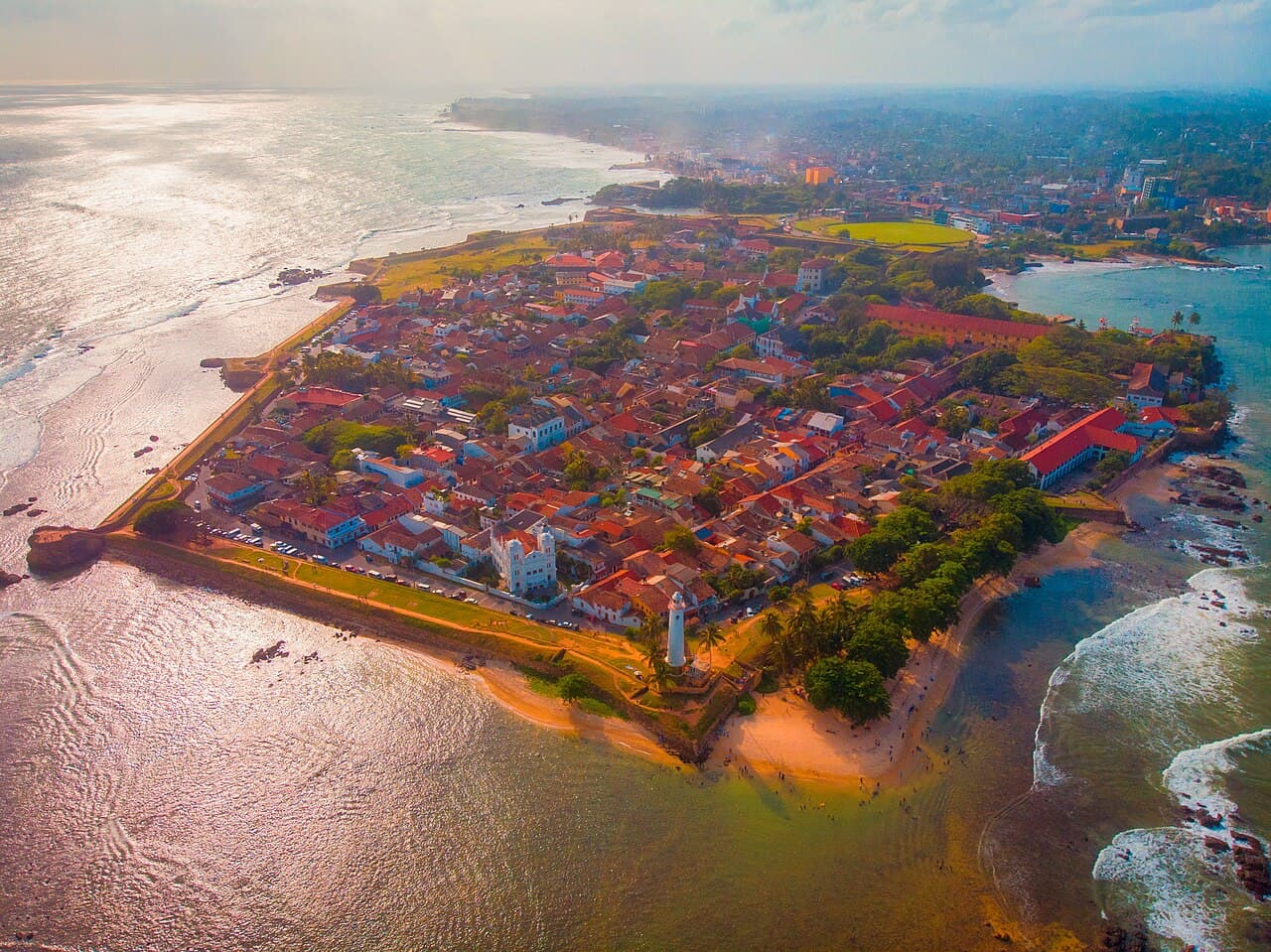
Sri Lanka · OVR 74
you barely need transit · nomad-ready infrastructure

Canada · OVR 78
world-class dining · compact, pedestrian-first layout

Mexico · OVR 78
world-class dining · you barely need transit