
Phnom Penh
THE QUICK VERDICT
By Anthony · Updated June 2026
Choose Phnom Penh if you want Cambodia's riverside capital — Royal Palace, Silver Pagoda, Tuol Sleng Genocide Museum, Choeung Ek killing fields, and Tonle Sap sunset cruises.
- Best for
- Royal Palace Silver Pagoda, Tuol Sleng + Choeung Ek history, Tonle Sap sunset cruises, riverside bars
- Best window
- Nov–Feb
- Budget anchor
- $75/day mid-range
- Needs care
- Scores below most of the catalog on safety — read that section before you go
- Real bargain
- Bottom 10% on daily spend ($75/day mid-range)
- Skip if
- you want spotless streets or you're sensitive to confronting genocide-era heritage daily
Cambodia's rapidly changing capital where French colonial architecture meets modern riverside development. The Royal Palace, sobering Tuol Sleng museum, and legendary street food scene at Central Market make it a compelling stop between Angkor Wat and the southern beaches.
The two links below are affiliate links — MapSorted earns a small commission if you book through them, at no extra cost to you. How this works.
Tours & Experiences
Bookable tours, activities, and day trips in Phnom Penh
Where to Stay
Compare hotels and rentals in Phnom Penh
📍 Points of Interest
Royal Palace & Silver Pagoda
Active royal residence with gilded Khmer spires and a diamond-encrusted gold Buddha
Tuol Sleng Genocide Museum (S-21)
Former school turned Khmer Rouge interrogation center, now a powerful memorial
Choeung Ek Killing Fields
Memorial site with stupa containing thousands of skulls from Khmer Rouge victims
National Museum of Cambodia
Premier collection of Angkorian art and Khmer sculpture spanning a millennium
Wat Phnom
Hilltop temple from 1373 that gives the capital its name
Central Market (Phsar Thmei)
Massive 1937 Art Deco dome housing a sprawling traditional market
Independence Monument
Lotus-shaped stupa inspired by Angkor Wat, celebrating independence from France
★ Local Picks
Russian Market (Phsar Tuol Tom Poung)
Bustling market favored for bargain clothing, crafts, and street food
At a Glance
- Pop.
- 2.3M
- Timezone
- Phnom Penh
- Dial
- +855
- Emergency
- 117 / 118
Phnom Penh sits at the confluence of the Mekong, Bassac, and Tonle Sap rivers, making it one of the few cities built at a three-river junction
The Tonle Sap River reverses flow during monsoon season, a rare hydrological phenomenon celebrated each November at the Water Festival
The Royal Palace complex has been the residence of Cambodian kings since 1866 and its Silver Pagoda floor is tiled with over 5,000 silver blocks
Phnom Penh was once known as the "Pearl of Asia" during the 1920s French colonial era for its elegant boulevards and architecture
The city's population has grown from around 200,000 after the Khmer Rouge evacuation in 1975 to over 2.2 million today
Cambodia uses the US dollar alongside the local riel — most transactions are conducted in dollars, with riel used for small change
Top Sights
Royal Palace & Silver Pagoda
🗼The gilded spires and ornate Khmer-style buildings of the active royal residence dominate the riverfront. The Silver Pagoda houses a life-size gold Buddha encrusted with over 9,500 diamonds.
Tuol Sleng Genocide Museum (S-21)
🏛️A former high school converted into a Khmer Rouge interrogation center. The museum preserves the cells, instruments, and photographic records as a stark memorial to the estimated 20,000 people imprisoned here.
Choeung Ek Killing Fields
📌The most prominent of the Khmer Rouge execution sites, located 15 km south of the city. The memorial stupa filled with skulls and the informative audio tour provide essential historical context.
National Museum of Cambodia
🏛️A beautiful terracotta building in traditional Khmer style housing the world's finest collection of Angkorian sculpture, bronzes, and ceramics spanning over a thousand years of Khmer art.
Wat Phnom
🏯The hilltop temple that gives Phnom Penh its name, founded in 1373. The 27-meter hill is the highest point in the city and a popular spot for locals to exercise and relax in the surrounding park.
Sisowath Quay (Riverside Promenade)
📌A lively three-kilometer stretch along the Tonle Sap River lined with restaurants, bars, and street vendors. The nightly promenade draws locals for exercise, street food, and socializing.
Central Market (Phsar Thmei)
🏪A striking 1937 Art Deco dome — one of the largest in the world — housing a bustling market selling everything from gemstones and electronics to fresh food and clothing.
Independence Monument
📌A lotus-shaped stupa inspired by Angkor Wat, built in 1958 to celebrate Cambodia's independence from France. Illuminated at night, it anchors a major roundabout and is especially striking after dark.
Safety Breakdown
Exercise Caution
out of 100
Phnom Penh is generally safe for travelers who exercise common sense, but petty crime is a real concern. Bag snatching from passing motorbikes is the most common issue, and it can be violent. Avoid displaying phones or cameras near roadsides, especially at night.
Things to Know
- •Bag snatching from motorbikes is the biggest risk — carry bags on the building side of the sidewalk and use a cross-body bag
- •Avoid walking alone late at night in poorly lit areas, particularly along the river south of the tourist zone
- •Use ride-hailing apps (PassApp, Grab) instead of flagging random tuk-tuks, especially at night
- •Be wary of common scams: friendly strangers inviting you to their home for card games, inflated tuk-tuk prices, gem shop schemes
- •Traffic is chaotic with minimal enforcement — cross streets slowly and predictably, making eye contact with drivers
- •Keep copies of your passport separate from the original; police may ask for ID and will fine you for not having it
- •Drink only bottled or filtered water; ice in tourist-area restaurants is generally safe (made from purified water)
Natural Hazards
Emergency Numbers
Police
117
Fire
118
Ambulance
119
Tourist Police
012 942 484
Costs & Currency
Where the money goes
USD per dayBackpacker = hostel dorm + street food + public transit. Mid-range = 3-star hotel + neighbourhood restaurants + transit cards. Luxury = 4/5-star + fine dining + taxis. How we calibrate these numbers →
Quick cost estimate
Customize per category →Estimates based on regional averages. Flight prices vary by season and airline.
budget
$20-35
Guesthouse dorm, street food and market meals, walking and public tuk-tuks, free temple visits
mid-range
$50-100
Boutique hotel, restaurant meals, guided tours to S-21 and Killing Fields, evening drinks on the river
luxury
$150-300+
Five-star hotel (Raffles, Rosewood), fine dining, private guided tours, spa treatments, river cruises
Typical Costs
| Item | Local | USD |
|---|---|---|
| AccommodationHostel dorm bed | $4-8 | $4-8 |
| AccommodationMid-range hotel (double) | $30-70 | $30-70 |
| AccommodationLuxury hotel (Raffles) | $250-500 | $250-500 |
| FoodStreet food meal (rice + protein) | 4,000-8,000 KHR | $1-2 |
| FoodLocal restaurant meal | $3-6 | $3-6 |
| FoodWestern restaurant meal | $8-15 | $8-15 |
| FoodBeer (draft, local) | $0.50-1.50 | $0.50-1.50 |
| TransportTuk-tuk (short trip) | $1-3 | $1-3 |
| TransportFull-day tuk-tuk hire | $15-25 | $15-25 |
| AttractionsRoyal Palace | $10 | $10 |
| AttractionsTuol Sleng (S-21) | $5 | $5 |
| AttractionsChoeung Ek Killing Fields | $6 | $6 |
| AttractionsNational Museum | $10 | $10 |
💡 Money-Saving Tips
- •Eat where locals eat — street food stalls and market food courts serve excellent meals for $1-2
- •Draft beer during happy hour is as low as $0.50 at many riverside bars
- •Walk along Sisowath Quay and through the Royal Palace district — the exterior architecture is free to admire
- •Use PassApp instead of negotiating with tuk-tuk drivers for consistent fair pricing
- •Many temples and wats are free to enter — only the major tourist sites charge admission
- •Buy a local SIM card ($2-3) for data instead of using hotel Wi-Fi or roaming
- •Visit the Russian Market for souvenirs — prices are significantly lower than at Central Market
- •Free walking tours operate daily from the riverfront — tips only
US Dollar / Cambodian Riel
Code: USD / KHR
Cambodia uses a dual-currency system. US dollars are the primary currency for most transactions. Riel (4,100 KHR = ~$1) is used for amounts under $1 and as change. ATMs dispense US dollars. Torn or worn US bills may be refused — bring clean, post-2006 notes.
Payment Methods
Cash (USD) is king. Credit cards are accepted at upscale restaurants, hotels, and modern cafes, but the majority of markets, tuk-tuks, and small restaurants are cash-only. Some businesses charge 2-3% extra for card payments. ABA and ACLEDA bank ATMs are the most reliable.
Tipping Guide
Tipping is not traditionally expected but increasingly appreciated in tourist areas. 10% or rounding up is generous. Some upscale restaurants add a service charge.
Not expected for regular rides. If a driver waits for you or acts as a guide for a full day ($25-35), a $3-5 tip is appreciated.
$1 per bag for porters; $1-2 per night for housekeeping at mid-range to upscale hotels.
$3-5 per person for group tours; $5-10 for private day guides. Guides at the Killing Fields and S-21 rely partly on tips.
$1-2 tip for a standard massage is appreciated and often expected in tourist areas.
Climate & Best Time to Go
Phnom Penh has a tropical monsoon climate with two distinct seasons. It is hot year-round, with the wet season bringing daily afternoon downpours from May to October and the dry season offering lower humidity from November to April. Temperatures rarely drop below 25°C.
Cool Dry Season
November - February72-90°F
22-32°C
The most comfortable time to visit with lower humidity and pleasant evenings. December and January are the "coolest" months, though still warm by Western standards.
Hot Dry Season
March - May79-100°F
26-38°C
Intensely hot and humid, especially in April. Temperatures can exceed 40°C. Air conditioning becomes essential. The Khmer New Year in April brings festive chaos.
Wet Season
June - October77-93°F
25-34°C
Heavy afternoon downpours lasting 1-2 hours, then clearing. Mornings are usually dry. The city feels lush and green. Roads can flood temporarily after heavy rain.
Best Time to Visit
November through February offers the most comfortable weather with lower humidity and temperatures. The Water Festival in November is spectacular but extremely crowded. Avoid March-April unless you handle extreme heat well.
Cool Dry Season (November - February)
Crowds: High — peak tourist seasonThe most pleasant time with comfortable temperatures, blue skies, and low humidity. This is peak tourist season and the best time for sightseeing.
Pros
- + Most comfortable temperatures
- + Low humidity
- + Water Festival in November
- + Clear skies for photography
Cons
- − Peak pricing for accommodation
- − Popular sites can be crowded
- − Book accommodation in advance for November Water Festival
Hot Dry Season (March - May)
Crowds: Low — too hot for most touristsExtremely hot and humid, with April being the most intense month. Khmer New Year (April 13-16) brings celebrations but also widespread business closures.
Pros
- + Lowest hotel prices
- + Fewer tourists at attractions
- + Khmer New Year festivities in April
- + Mango season
Cons
- − Oppressive heat (often 38-42°C)
- − Dusty air
- − Many locals leave for holidays in mid-April
- − Reduced restaurant hours during New Year
Wet Season (June - October)
Crowds: Low to moderateAfternoon downpours are heavy but usually short (1-2 hours). Mornings are typically dry. The city is lush and green, and the Mekong rises dramatically.
Pros
- + Lower prices
- + Fewer tourists
- + Lush green landscapes
- + Dramatic skies for photography
Cons
- − Afternoon rain disrupts sightseeing
- − Some roads flood temporarily
- − Higher humidity
- − Mosquitoes more active
🎉 Festivals & Events
Water Festival (Bon Om Touk)
November (full moon)Three-day celebration of the Tonle Sap River reversal featuring boat races, fireworks, and illuminated floats. Millions attend from across Cambodia.
Khmer New Year (Choul Chnam Thmey)
April 13-16The most important Cambodian holiday. Temples are packed, families gather, and water throwing fills the streets. Many businesses close for 3-5 days.
Pchum Ben (Ancestors' Day)
September/OctoberA 15-day Buddhist festival honoring deceased relatives. Cambodians visit pagodas to make offerings. A culturally significant but solemn period.
Royal Ploughing Ceremony
MayAn ancient Brahmanist ceremony held near the Royal Palace where sacred oxen predict the coming harvest. One of the most unique royal traditions in Southeast Asia.
Off the Beaten Path
Phsar Kandal (Kandal Market)
A gritty, authentic market in the old French Quarter where locals shop for fresh produce, herbs, and street food. The surrounding streets are lined with crumbling colonial shophouses being converted into cafes.
Unlike the tourist-friendly Central Market, this is where Phnom Penh's residents actually shop. The nearby streets form the city's emerging creative quarter.
Koh Pich Island Sunset
The promenade along the eastern edge of Diamond Island offers unobstructed sunset views across the Bassac River with the city skyline behind you. Popular with local families.
Tourists flock to Sisowath Quay, but locals come here for the best sunset spot in the city, plus cheap street food stalls and a carnival atmosphere on weekends.
The Flicks Community Cinema
A small independent cinema showing art house films, documentaries, and Cambodian movies in an intimate rooftop setting. Regular film nights and cultural events.
One of the few places to experience Cambodian cinema culture, supporting local filmmakers while offering a unique evening activity.
Street 308 Food Alley
A narrow street packed with Cambodian street food vendors serving lok lak, bai sach chrouk, and num pang from early morning. Plastic chairs and communal tables create a convivial atmosphere.
An authentic local food experience where a full meal costs under $2. The bai sach chrouk (pork and rice) stalls here are considered some of the best in the city.
Wat Lanka
An active Buddhist monastery near Independence Monument where you can observe monks in daily life. The grounds are peaceful, and some monks welcome English conversation practice.
While tourists visit the Royal Palace pagoda, this working monastery offers a genuine glimpse into Cambodian Buddhist practice without any entrance fee or tourist infrastructure.
How to Get There
✈️ Airports
Phnom Penh International Airport(PNH)
10 km west of the city centerTuk-tuk ($9-12, 30-45 min), taxi ($12-15), or ride-hailing app ($7-10). No airport train or bus service. Traffic can double travel time during rush hours.
✈️ Search flights to PNH🚌 Bus Terminals
Various company terminals
Multiple bus companies (Giant Ibis, Mekong Express, Virak Buntham) operate from their own terminals. Giant Ibis (premium) departs from Street 106. Routes to Siem Reap (6h, $15), Sihanoukville (5h, $14), Kampot (3h, $10), and Ho Chi Minh City (6h, $18).
Getting Around
Phnom Penh has no rail transit or formal bus network for tourists. Tuk-tuks, motorbike taxis (motos), and ride-hailing apps are the primary transport. The city is increasingly congested, and crossing busy roads requires patience and confidence.
Tuk-Tuk
$1-5 within the city center; negotiate or use PassApp/Grab for fair pricingOpen-air carriages pulled by motorbikes, seating 2-4 people. The quintessential Phnom Penh transport. Negotiate the fare before departure or use a ride-hailing app.
Best for: Short to medium trips, sightseeing, groups of 2-3
PassApp / Grab
$0.50-1 for moto, $1-4 for tuk-tuk, $2-6 for carRide-hailing apps offering tuk-tuks, motos, and cars with fixed pricing. PassApp is more popular locally. Payment can be cash or card.
Best for: Fair pricing without negotiation, safety (driver is tracked), air-conditioned cars
Motorbike Taxi (Moto)
$0.50-2 for short tripsSingle-passenger rides on the back of a motorbike. Faster than tuk-tuks in traffic but riskier. Available via apps or street hail.
Best for: Solo travelers on short trips, beating traffic congestion
Bicycle Rental
$2-5 per dayMany guesthouses and rental shops offer bikes for $2-5 per day. Flat terrain makes cycling feasible, though traffic can be intimidating.
Best for: Exploring the riverside area and quiet neighborhoods at your own pace
Walkability
The central tourist area along Sisowath Quay and the Royal Palace district is walkable, but sidewalks are often blocked by parked motorbikes and street vendors. Heat makes walking long distances uncomfortable. The BKK1 neighborhood is pleasant for strolling with many cafes and shops.
Travel Connections

Siem Reap
Gateway to the Angkor temple complex, Cambodia's most visited destination. The town offers a lively pub street, night markets, and easy access to hundreds of ancient temples.

Kampot
A sleepy riverside town famed for its pepper plantations, colonial architecture, and nearby Bokor Hill Station. Excellent food scene and a growing craft beer culture.
Kep
A quiet coastal town known for its famous crab market, Kep National Park hiking, and Rabbit Island day trips. Once a glamorous seaside retreat for French colonial elite.

Sihanoukville
Cambodia's main coastal city and jumping-off point for the islands of Koh Rong and Koh Rong Samloem. The city itself has changed dramatically due to development, but the islands remain beautiful.

Ho Chi Minh City
Vietnam's largest city offers frenetic energy, incredible street food, war history museums, and a dynamic modern culture. Bus crosses the Bavet-Moc Bai border.
Entry Requirements
Most nationalities require a visa to enter Cambodia, available on arrival at airports and land borders, or in advance via the e-Visa system. The tourist visa (T-class) is valid for 30 days and can be extended once for an additional 30 days.
Entry Requirements by Nationality
| Nationality | Visa Required | Max Stay | Notes |
|---|---|---|---|
| US Citizens | Yes | 30 days (extendable once) | Visa on arrival ($30) or e-Visa ($36). Passport must be valid for 6 months. One passport photo required for visa on arrival. |
| UK Citizens | Yes | 30 days (extendable once) | Same process as US citizens. e-Visa recommended to skip queues at the airport. |
| EU Citizens | Yes | 30 days (extendable once) | Visa on arrival or e-Visa. Standard $30 fee applies to all EU nationalities. |
| ASEAN Citizens | Visa-free | 21-30 days (varies) | Most ASEAN nationals enjoy visa-free entry for 21-30 days depending on bilateral agreements. |
| Australian Citizens | Yes | 30 days (extendable once) | Visa on arrival or e-Visa. Same process and fees as other Western nationals. |
| Indian Citizens | Yes | 30 days | Visa on arrival ($30) or e-Visa ($36). Must have proof of onward travel and hotel booking. |
Visa-Free Entry
Visa on Arrival
Tips
- •The e-Visa ($36) is only valid for entry at Phnom Penh and Siem Reap airports and some land borders — check eligible entry points before applying
- •Visa on arrival requires one passport-sized photo and USD cash — have exact change ($30) ready
- •Overstaying your visa incurs a fine of $10 per day, payable at the airport on departure
- •The 30-day tourist visa can be extended once for 30 days at the Immigration Department in Phnom Penh ($45)
- •Bring a pen for arrival forms — they are paper-based and queues at immigration can be long
Shopping
Phnom Penh offers a mix of traditional markets, modern malls, and social enterprise boutiques. The markets are where the action is — vast, chaotic, and full of character. Several NGO-run shops sell quality handicrafts supporting local communities.
Central Market (Phsar Thmei)
traditional marketThe iconic Art Deco dome housing a sprawling market. The interior sells jewelry, watches, and electronics; surrounding stalls offer clothes, food, and souvenirs.
Known for: Gemstones, silver jewelry, vintage watches, Cambodian textiles
Russian Market (Phsar Tuol Tom Poung)
bargain marketA hot, cramped, and thrilling market favored by tourists and expats for discounted brand-name clothing (factory seconds), handicrafts, and souvenirs at lower prices than Central Market.
Known for: Discount clothing, Cambodian silk scarves, carved souvenirs, antiques, street food section
Artisans Angkor & NGO Shops (Various)
social enterprise retailSeveral organizations run shops selling high-quality crafts made by disadvantaged communities. Artisans Angkor, Rajana, and Daughters of Cambodia produce silk, jewelry, and homewares.
Known for: Ethically-made silk products, silver jewelry, lacquerware, handmade paper
Street 240
boutique shoppingA quiet tree-lined street near the Royal Palace with independent boutiques, concept stores, and upscale cafes. The area has an artsy, bohemian character.
Known for: Independent fashion, contemporary Cambodian design, specialty coffee shops
🎁 Unique Souvenirs to Look For
- •Kampot pepper — considered among the best in the world, available in black, red, and white varieties
- •Krama scarves — the traditional Cambodian checked cotton scarves in various colors
- •Cambodian silk — hand-woven ikat and twill silks from Takeo and Siem Reap provinces
- •Silver jewelry and betel nut boxes from the Central Market
- •Angkor-inspired stone and wood carvings (ensure they come with export certificates)
- •Palm sugar from Kampong Speu province
- •Artisan lacquerware and pottery from NGO workshops
Language & Phrases
Khmer has its own script with 33 consonants and a complex vowel system. English is widely spoken in tourist areas and by younger Cambodians. French is understood by some older residents. A few Khmer phrases earn warm smiles.
| English | Translation | Pronunciation |
|---|---|---|
| Hello | សួស្តី (Suostei) | SOO-uh-STAY |
| Thank you | អរគុណ (Aw kun) | aw-KOON |
| Yes (male) / Yes (female) | បាទ / ចាស (Baat / Chaas) | BAHT / CHAHS |
| No | ទេ (Te) | TAY |
| How much? | ថ្លៃប៉ុន្មាន? (Tlai ponmaan?) | TLAI pon-MAHN? |
| Too expensive | ថ្លៃពេក (Tlai peek) | TLAI PEEK |
| Delicious | ឆ្ងាញ់ (Chngañ) | ch-NYANG |
| Sorry / Excuse me | សុំទោស (Som toh) | SOHM TOH |
| Where is...? | នៅឯណា? (...neuv ae na?) | ...nuh ay NAH? |
| No plastic bag | អត់ត្រូវការថង់ (Ot trov kar thong) | OT trov kah THONG |
| Water | ទឹក (Teuk) | TUHK |
| The bill, please | សុំគិតលុយ (Som kit luy) | SOHM kit LOO-ee |
If you like Phnom Penh, you'll love…
4 cities with a similar vibe, outside of the same country.

Colombia · OVR 68
reliable wifi, decent English · reliable eating scene

Morocco · OVR 67
workable for remote days · strong food culture

Philippines · OVR 64
reliable wifi, decent English · reliable eating scene
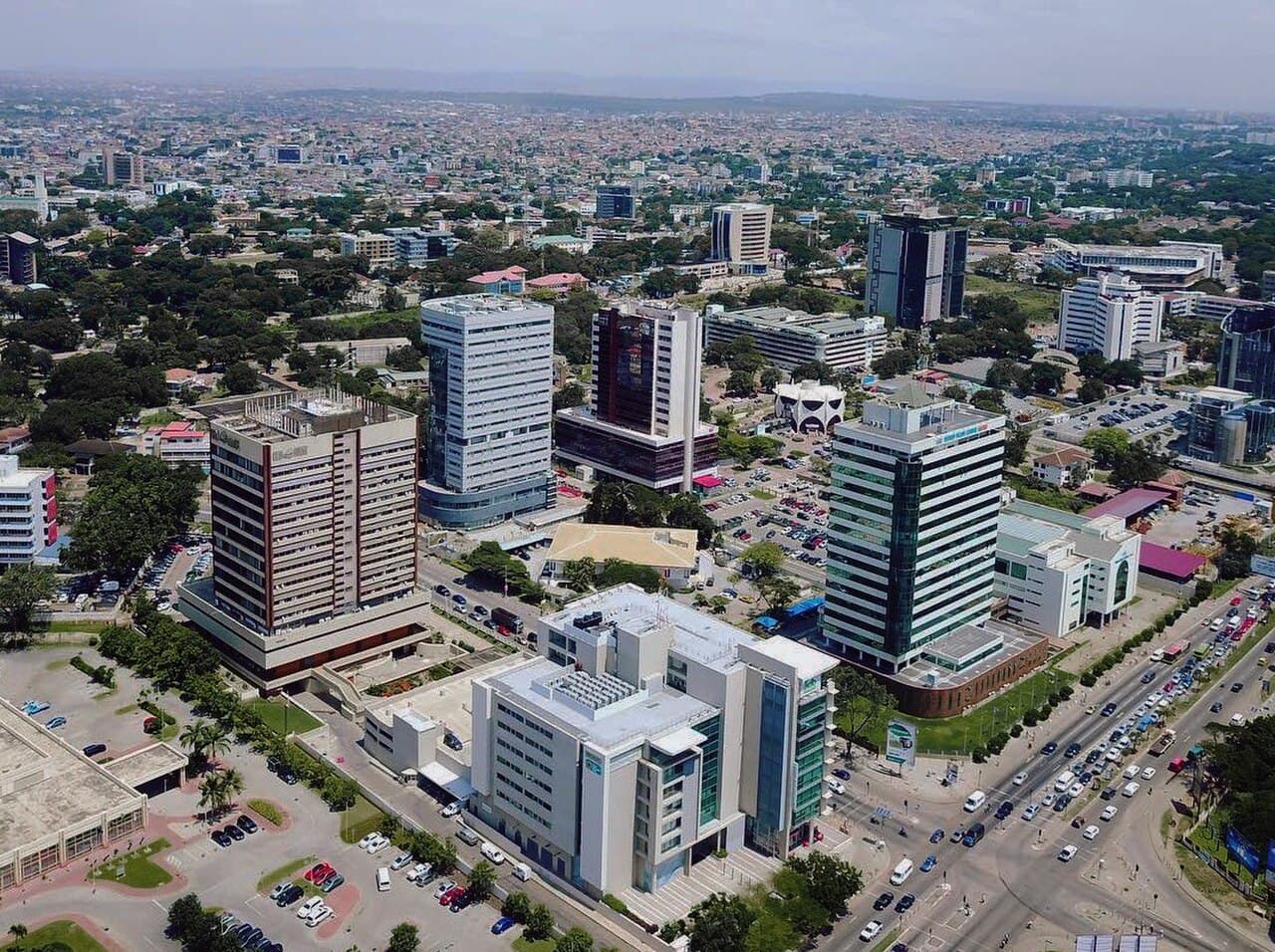
Ghana · OVR 65
strong food culture · evening buzz