
Cebu
THE QUICK VERDICT
By Anthony · Updated April 2026
Choose Cebu if you want the oldest Spanish-colonial city in Asia, world-class lechon, Kawasan Falls and whale-shark day trips, and easy English-speaking access to the Visayas islands.
- Best for
- Rico's lechon, Magellan's Cross, Kawasan Falls canyoneering, Oslob whale-shark dawn dives
- Best window
- Dec–May
- Budget anchor
- $110/day mid-range
- No real seasons
- Within 4°C year-round — timing is about rain, not temperature
- Skip if
- you wanted to walk everywhere — Cebu City sprawls and you'll live in jeepneys, taxis, and Grab
The oldest city in the Philippines — founded by Spanish conquistador Miguel Lopez de Legazpi in 1565 and the colonial capital before Manila. Magellan's wooden cross from 1521 still stands beside the Basilica del Santo Niño, the country's oldest Catholic church. Cebu's lechon (whole roasted suckling pig with lemongrass and garlic stuffing) is what Anthony Bourdain called "the best pig ever". The Mactan Island shrine marks where chieftain Lapu-Lapu killed Magellan, ending the first European circumnavigation. Easy day trips reach Kawasan Falls, the Moalboal sardine run, the Oslob whale sharks, and the Bohol Chocolate Hills (2-hour ferry). The mid-January Sinulog Festival brings a million people to the city.
The two links below are affiliate links — MapSorted earns a small commission if you book through them, at no extra cost to you. How this works.
Tours & Experiences
Bookable tours, activities, and day trips in Cebu
Where to Stay
Compare hotels and rentals in Cebu
📍 Points of Interest
Magellan's Cross & Basilica del Santo Niño
Wooden cross from 1521 marking the founding moment of Christianity in Asia, beside the country's oldest Catholic church
Fort San Pedro
Smallest, oldest tri-bastion fort in the Philippines (1738) — Spanish coral-stone fortifications on the harbour edge
Mactan Shrine & Lapu-Lapu Statue
Site of the 1521 Battle of Mactan where chieftain Lapu-Lapu killed Magellan, ending the first European circumnavigation
Kawasan Falls· 78 km SW
Three-tiered turquoise waterfall in jungle near Badian — swimming, canyoneering tour upstream from the lower falls
Moalboal Sardine Run & Pescador Island· 68 km SW
Year-round million-strong sardine run 30m from the shore; Pescador Island for reef sharks, turtles, coral wall diving
Taoist Temple
Multi-tiered red-and-yellow Taoist temple in Beverly Hills neighbourhood (1972) — Cebu Chinese-Filipino community landmark
Carbon Market
Cebu's sprawling central market — fresh fish, dried mangoes, Cebu chorizo, banana-leaf-wrapped rice cakes, working-class chaos
★ Local Picks
Lechon at Rico's
Anthony Bourdain's "best pig ever" in 2009 — Cebu lechon stuffed with lemongrass, garlic, salt, slow-roasted over coals
Larsian Barbecue Lane
Hawker-style strip at Fuente Osmeña — 30+ vendors grilling chicken, pork, sausage over open flame; Cebu institution since 1970s
At a Glance
- Pop.
- 1M (city), 3M (metro)
- Timezone
- Manila
- Dial
- +63
- Emergency
- 911
Cebu City is the oldest city in the Philippines — founded by Spanish conquistador Miguel Lopez de Legazpi in 1565, it served as the colonial capital until 1571 before the Spanish moved their seat to Manila. The Magellan Cross marks the spot where Magellan planted Christianity in 1521
Cebu Metropolitan area has around 3 million people and serves as the economic capital of the Visayas — the central island region of the Philippines. Mactan Island, connected to Cebu City by two bridges, hosts the international airport and most of the resort beach strip
Lechon (whole roasted suckling pig) is Cebu's defining contribution to Filipino food — Anthony Bourdain famously called Cebu lechon "the best pig ever" in 2009. The signature seasoning is a stuffing of lemongrass, garlic, salt, and onion that perfumes the meat from inside as it slow-roasts over coals
Mactan Island was the site of the 1521 Battle of Mactan — chieftain Lapu-Lapu killed Ferdinand Magellan with a poisoned bamboo spear, ending the first European attempt at circumnavigation. Lapu-Lapu is the Philippines' first national hero and his city on Mactan now bears his name
The Sinulog Festival every January is the biggest religious festival in the Philippines — a million people fill Cebu City for a 9-day celebration culminating in a massive grand parade honouring the Santo Niño (Holy Child), the oldest Christian icon in the country (gifted by Magellan in 1521)
Cebu's waters host some of the world's most accessible swim-with-whale-sharks experiences (Oslob, 4 hours south) and sardine runs (Moalboal, 3 hours southwest) — alongside the Kawasan Falls canyoneering, Pescador Island diving, and Bantayan Island white-sand beaches
Top Sights
Magellan's Cross & Basilica del Santo Niño
🗼The wooden cross planted by Magellan on 14 April 1521 to mark the baptism of Rajah Humabon and 800 islanders — the founding moment of Christianity in Asia. The original is encased in tindalo wood inside a small chapel beside the Basilica del Santo Niño, the oldest Roman Catholic church in the Philippines (founded 1565). The 16th-century wooden statue of the Holy Child Jesus that Magellan gave Queen Juana is the country's most venerated religious icon. Free entry to both; expect crowds, particularly on Fridays and Sundays.
Fort San Pedro
🗼The smallest, oldest tri-bastion fort in the Philippines — completed by the Spanish in 1738 (the first wooden version dated 1565). Triangular plan, coral-stone walls, located on the harbour edge of the old town. Inside is a small museum of colonial-era Cebu artefacts and a quiet garden. The fort was used as a US warehouse during American occupation and a Japanese prison camp during WWII. 30 PHP entry; 30-45 minutes covers it.
Mactan Shrine & Lapu-Lapu Statue
🗼On Mactan Island, the site of the 1521 Battle of Mactan where chieftain Lapu-Lapu killed Ferdinand Magellan. A bronze statue of Lapu-Lapu in heroic pose stands beside an obelisk marking Magellan's death. The shrine itself is modest; pair with a Mactan beach lunch for a half-day. Historically it's one of the most consequential spots in Asian colonial history — the encounter that delayed Spanish conquest of the Philippines by 44 years.
Kawasan Falls (Day Trip)
🗼Three-tiered turquoise waterfall in the jungle 4 hours southwest of Cebu City near Badian — the iconic Cebu nature shot. Swimming is allowed in the lower pools, and the upstream Kawasan Canyoneering tour (a popular adventure activity, $40-60 per person) descends a series of waterfalls and pools by jumping, sliding, and swimming. Day trips from Cebu City run 06:00 to 19:00 with 3-4 hours at the falls. Combine with Moalboal sardine snorkelling for a packed day.
Whale Sharks at Oslob (Day Trip)
📌The most accessible whale-shark interaction in Asia — Oslob fishermen feed wild whale sharks in shallow water 4 hours south of Cebu City, allowing tourists to snorkel or dive metres from these 8-12 metre filter-feeders. The practice is controversial (feeding alters wild behaviour, contact rules are not always enforced) and has been criticised by marine biologists; alternatives include Donsol (Sorsogon) for unfed wild sightings or skipping the experience entirely. If you go, choose ethical operators, do not touch the sharks, and respect the 4-metre distance rule.
Moalboal Sardine Run & Pescador Island Diving
📌Moalboal on Cebu's southwest coast hosts a year-round million-strong sardine run just 30 metres from the shore at Panagsama Beach — accessible to snorkellers as well as divers. Nearby Pescador Island is one of the Philippines' top dive sites with reef sharks, turtles, and a coral wall dropping to 40+ metres. Stay overnight in Moalboal (3 hours from Cebu City) to maximise water time; combine with Kawasan Falls.
Taoist Temple & Cebu Heritage Monument
🗼A multi-tiered red-and-yellow Taoist temple in the Beverly Hills neighbourhood (a wealthy Chinese-Filipino enclave) — built in 1972 by Cebu's Chinese community, with views over the city and a lions' staircase ascent. In old downtown, the Cebu Heritage Monument is a sculptural assembly of figures depicting Cebu history from the Magellan era to modern times — great for context after a Magellan Cross visit. Both free.
Carbon Market
🏪Cebu's sprawling central market — fresh fish, tropical fruit, banana-leaf-wrapped puto (rice cakes), dried mangoes, and the famous Cebu chorizo. The morning rush (06:00–09:00) is when the freshest seafood arrives from the southern coast. Expect chaos, overwhelming smells, and the most authentic working-Cebu experience available downtown. Bring small pesos and zero expectations of cleanliness.
Climate & Best Time to Go
Cebu has a tropical climate moderated by its position in the central Visayas — slightly drier than the Pacific-facing eastern islands. The dry season (December–May) is the optimal window with consistent sunshine. The wet season (June–November) brings the typhoon risk, though Cebu is partially shielded by Leyte and Samar to the east. Year-round temperatures stay 24–32°C.
Cool Dry (Best)
December - February75 to 86°F
24 to 30°C
The optimal window — cooler nights, lower humidity, almost no rain, and the Sinulog Festival in mid-January draws a million people to Cebu City for nine days of celebration. Hotel prices peak around Christmas and Sinulog.
Hot Dry
March - May79 to 91°F
26 to 33°C
Hot, dry, and bright — the peak Filipino domestic tourism window (Easter and summer school holidays). May is the hottest and most humid month; afternoon heat at the city sights is uncomfortable. Beach water at its warmest.
Wet (Monsoon)
June - August77 to 88°F
25 to 31°C
Southwest monsoon brings frequent afternoon thunderstorms — typically clear mornings, heavy 2-4pm rain, then evenings. Beach trips still possible most days. Hotel prices at their lowest. Rip currents become more aggressive.
Typhoon (Late Wet)
September - November75 to 88°F
24 to 31°C
Peak Pacific typhoon season — Cebu is partly sheltered by Leyte and Samar but still vulnerable to major typhoons (Haiyan/Yolanda in 2013 was devastating). Most tropical storms pass north or south; check forecasts daily and be prepared to flex itinerary.
Best Time to Visit
December to May is the dry season and the optimal window — December–February is the cooler, more comfortable sweet spot. Sinulog (mid-January) is the city's biggest festival but spikes prices dramatically. June–November is wet (with typhoons September–November) but Cebu is partly sheltered and rain is generally afternoon-only. Avoid mid-September to November for typhoon risk.
Cool Dry (December–February)
Crowds: High around Christmas/New Year and Sinulog; otherwise moderateThe optimal window — daytime 25-30°C, cool nights, almost no rain. Sinulog Festival (3rd Sunday of January) is the city's nine-day religious-and-cultural climax with a million attendees. Hotel prices peak around Christmas and Sinulog week.
Pros
- + Best weather of the year
- + Sinulog Festival
- + Comfortable city sightseeing
- + Calm seas for diving and ferries
Cons
- − Sinulog week prices 2-3x normal
- − Christmas/New Year peak
- − Some Filipino domestic crowds at popular beaches
Hot Dry (March–May)
Crowds: High (Filipino domestic tourism peak)Hot, dry, and bright — Easter and Filipino summer school holidays bring peak domestic tourism to Mactan resorts and beach islands. Brutally hot at the Cebu City sights by midday; plan early-morning sightseeing. Beach water at its warmest.
Pros
- + Reliably dry
- + Warmest beach water
- + All resorts at full operation
- + Calm seas
Cons
- − Hot and humid (especially May)
- − Filipino domestic crowds at Mactan and Bantayan
- − Higher resort prices for Easter week
Wet Season (June–August)
Crowds: LowSouthwest monsoon brings frequent afternoon thunderstorms — typically clear mornings, heavy 2-4pm rain, then evenings. Beach trips still possible most days. Hotel prices at their lowest. Avoid this window for diving in west-coast Moalboal where visibility drops.
Pros
- + Lowest hotel prices of the year
- + Few other tourists
- + Plan-around-rain works most days
- + Lush green countryside
Cons
- − Afternoon thunderstorms disrupt outdoor plans
- − Higher humidity
- − Some boat tours cancelled
- − Mosquitoes peak (dengue risk)
Typhoon Season (September–November)
Crowds: LowPeak Pacific typhoon season — Cebu is partly sheltered by Leyte and Samar but still vulnerable. Most storms pass north or south but the risk is real (Haiyan/Yolanda 2013 was devastating across the region). Check forecasts daily; trip insurance is essential. Hotel prices low.
Pros
- + Lowest prices
- + Few other tourists
- + Lush green landscape
Cons
- − Typhoon risk (severe)
- − Multi-day storms possible
- − Inter-island ferries cancelled in storms
- − Outdoor activities disrupted
🎉 Festivals & Events
Sinulog Festival
3rd Sunday of JanuaryThe biggest religious festival in the Philippines — a 9-day celebration honouring the Santo Niño (Holy Child) culminating in the Grand Parade with 50,000+ costumed dancers. A million people fill Cebu City; hotels book out 6+ months ahead and prices double or triple. Atmospheric, exuberant, and the most authentically Filipino mass-festival experience available.
Kadaugan sa Mactan
27 AprilRe-enactment of the 1521 Battle of Mactan in front of the Lapu-Lapu shrine — actors in 16th-century Spanish armour and Visayan warrior dress stage the battle that killed Magellan. Free, attended mostly by Filipinos, fascinating historical theatre.
Cebu City Charter Day
24 FebruaryThe anniversary of Cebu City's 1937 charter — parades, civic events, and the Pasigarbo sa Sugbo cultural showcase featuring all of Cebu Province's town festivals in miniature.
Holy Week (Semana Santa)
Late March / April (Easter)The Philippines is over 80% Catholic and Holy Week is enormous — Cebu's Basilica del Santo Niño hosts solemn processions and Maundy Thursday "visita iglesia" (seven-church pilgrimage). Many businesses close Good Friday; transport disruption peaks Holy Wednesday-Easter Monday.
Off the Beaten Path
Lechon at Rico's or House of Lechon
Anthony Bourdain ate at Rico's in 2009 and pronounced Cebu lechon "the best pig ever" — the praise launched a thousand pilgrimages. Rico's in Mabolo is the original; House of Lechon (multiple branches) is the more accessible chain. The classic Cebu version is stuffed with lemongrass, garlic, salt, and onion, slow-roasted over coals for hours, the skin crackling and the meat aromatic from inside out. Order by weight (per kilo); a half-kilo feeds two.
Cebu lechon is a province-specific recipe — the lemongrass-and-garlic stuffing is what distinguishes it from Manila or Bicol versions. Rico's has been serving the same recipe for over 20 years and the texture-and-flavour combination is genuinely best-in-Philippines.
Sutukil Seafood Strip on Mactan
Sutukil is a Cebuano portmanteau (sugba = grilled, tula = stewed, kilaw = ceviche) — three classic ways to prepare fresh seafood. The Mactan Sutukil strip near the shrine has dozens of stalls where you select your fish from the catch ice-bin (snapper, grouper, lapu-lapu fish, tuna, prawns) and choose how to have it cooked. A whole grouper feeds 2-3 people for ~PHP 800-1,200 ($15-22). Atmospheric, locally-loved, and far better value than the resort restaurants on the same island.
Most tourists eat at international resort restaurants on Mactan. The Sutukil strip is where Filipino families eat seafood — the fish is the same morning catch as the resorts use, served unfussy and at a fraction of the price.
Tops Lookout & Sirao Flower Garden
Tops is a paid lookout at 600 metres in the hills above Cebu City — the entire metropolitan area spread below, the Mactan strait sparkling, and the lights at night. Adjacent Sirao Flower Garden is a 30-minute uphill drive past Tops, with celosia (cockscomb) flowerbeds in pink and purple — the closest the Philippines comes to a Provence lavender field. Combine for a half-day; 100 PHP each entry. Take a Habal-habal (motorbike taxi) or Grab from JY Square; about 30-45 minutes from downtown.
The Cebu City skyline view from Tops is genuinely impressive and the cool evening temperature at 600m is a relief from city humidity. The Sirao flowers are an unexpected mountain garden in the tropics.
Larsian Barbecue Lane
A Cebu institution since the 1970s — a covered hawker-style strip at Fuente Osmeña where 30+ vendors grill chicken (paa, pecho, isol — leg, breast, chicken butt), pork BBQ skewers, pork belly, sausage, and squid over open flame. Order by piece (PHP 15-30 each), ask for puso (woven coconut-leaf rice parcels) and a San Mig Light, sit at the long communal tables. The smoke, the heat, the queue at 19:00 — peak Cebu street food experience.
Larsian is to Cebu what a satay-cart cluster is to Singapore — a working-class institution that's genuinely beloved by all classes. The chicken thighs and the chorizo are the standout orders.
Carcar Lechon Day Trip
Carcar, 40 km south of Cebu City, is the unofficial lechon capital of the Philippines — every Saturday and Sunday morning the public market's Lechon Stalls section has 20+ vendors with whole roasted pigs, shouting prices and slicing skin-and-meat to order. PHP 380-500/kilo for the standard version, PHP 600+/kilo for the most renowned vendors. Combine with the Carcar Heritage town walking tour (Spanish colonial church, ancestral houses) and a stop at the Carcar shoe vendors (the town's second specialty).
The Sunday market lechon scene is genuinely working-class — Filipino families come from across Cebu for the morning ritual. The skin texture and seasoning depth at the top Carcar stalls genuinely exceed even the famous Cebu City restaurants.
Sumilon Sandbar & Tumalog Falls
Sumilon Sandbar near Oslob is a tiny crescent of white sand emerging from the sea at low tide — a rare natural shifting beach off the southeast coast. Tumalog Falls a few kilometres inland is a unique cone-shaped waterfall that "rains" mist down from a 60-metre limestone arc; you walk under the rain rather than into a pool. Most tourists pair these with the Oslob whale sharks; if you skip the whale sharks (ethical concerns), Sumilon and Tumalog are worth the drive on their own.
Both are visually unique — Sumilon's shifting sandbar emerges only at certain tides and Tumalog's mist-curtain rain isn't replicated anywhere else in the Philippines. Combined as a day trip, they're the best photo-stop alternatives if you skip the whale shark feeding.
Safety Breakdown
Moderate
out of 100
Cebu City is generally safe for tourists in the well-touristed areas (downtown, Mactan, Lahug/IT Park, mall districts) — petty theft and pickpocketing are the main risks. Outside these areas, common-sense awareness applies. The southern Mindanao region (separate from Cebu) has security advisories that do not affect Cebu. Filipino people are universally warm and helpful to visitors.
Things to Know
- •Pickpockets and bag-snatching from motorbikes occur in crowded areas (Carbon Market, Colon Street, jeepney terminals) — keep bags zipped, in front of you, and small valuables in inside pockets
- •Use Grab rather than negotiating with kerb taxis or jeepney drivers for tourist trips — fares are transparent, drivers verified, and significantly safer late at night
- •Late-night downtown Cebu (after 22:00) can be sketchy — stay near major hotels, malls (Ayala Center Cebu, SM City), and the IT Park area which is well-lit and patrolled
- •Tap water is not drinkable — use bottled water; ice in restaurants and resorts is generally safe (commercial ice plants), but avoid roadside-vendor ice
- •Mosquitoes in Cebu carry dengue (peak July–September); pack DEET-based repellent and consider covering up in evenings, especially around Mactan and rural areas
- •Strong rip currents at Mactan public beaches — swim only in resort-managed areas or with lifeguards. Several tourist drownings annually
- •When at Oslob or other day-trip activities, choose tour operators with good safety records — boat operators in remote areas don't always carry life jackets and the southern Cebu Strait has strong currents
- •The southern Mindanao travel advisory does NOT apply to Cebu — Cebu is in the Visayas, ~600 km from any advisory area
- •ATM skimming has been reported at non-bank ATMs (e.g. mall standalone ATMs) — use ATMs inside major banks (BDO, BPI, Metrobank) and check the card slot for tampering
Emergency Numbers
Emergency (all services)
911
Police
117
Tourist Police (Cebu)
+63 32 254 4023
Coast Guard
143
Costs & Currency
Where the money goes
USD per dayBackpacker = hostel dorm + street food + public transit. Mid-range = 3-star hotel + neighbourhood restaurants + transit cards. Luxury = 4/5-star + fine dining + taxis. How we calibrate these numbers →
Quick cost estimate
Customize per category →Estimates based on regional averages. Flight prices vary by season and airline.
budget
$25-50
Hostel dorm, lechon at Larsian or Carbon, Grab for short hops + jeepney for longer, free downtown sights and Magellan Cross
mid-range
$70-160
Mid-range hotel in Mactan or IT Park, restaurant meals, day trip to Kawasan or Bohol, Grab throughout, mall shopping
luxury
$300-800
Five-star Mactan beach resort (Shangri-La Mactan, Crimson, Movenpick), private guide and car-and-driver, fine dining, Bohol island-hopping by private boat
Typical Costs
| Item | Local | USD |
|---|---|---|
| AccommodationHostel dorm (Cebu City, Mactan) | PHP 500-900 | $9-16 |
| AccommodationMid-range hotel double (Cebu City) | PHP 2,500-5,500 | $45-100 |
| AccommodationFive-star Mactan resort (Shangri-La, Crimson) | PHP 12,000-30,000 | $220-540 |
| FoodLechon by half-kilo at Rico's or Carcar | PHP 250-400 | $4.50-7 |
| FoodLarsian BBQ meal (3 sticks + puso + drink) | PHP 150-250 | $2.70-4.50 |
| FoodSutukil seafood meal for two on Mactan | PHP 800-1,500 | $14-27 |
| FoodMid-range restaurant dinner | PHP 500-1,200 | $9-22 |
| FoodSan Miguel beer (bottle) | PHP 60-120 | $1.10-2.20 |
| FoodStreet food halo-halo dessert | PHP 60-120 | $1.10-2.20 |
| TransportGrab from airport to Cebu City | PHP 250-450 | $5-9 |
| TransportJeepney short trip | PHP 12-15 | $0.25 |
| TransportDay-trip car with driver to Kawasan Falls | PHP 3,500-5,500 | $65-100 |
| TransportOceanJet ferry to Bohol (one-way) | PHP 700-1,200 | $12-22 |
| ActivityKawasan Falls canyoneering tour | PHP 2,200-3,500 | $40-65 |
| ActivityOslob whale shark snorkel | PHP 1,000-1,500 | $18-27 |
| AttractionFort San Pedro entry | PHP 30 | $0.55 |
| AttractionTops Lookout entry | PHP 100 | $1.80 |
💡 Money-Saving Tips
- •Eat at Larsian BBQ, Carbon Market, or Carcar lechon stalls rather than tourist restaurants — same dishes for 1/3 the price and far better atmosphere
- •Stay in Cebu City's IT Park or Lahug area rather than Mactan resorts — same access to airport, restaurants, and malls at a fraction of the price (Mactan resorts are convenient but expensive)
- •Use Grab rather than negotiating with kerb taxis or accepting hotel-arranged transfers (often 2-3x Grab fare)
- •Day-trip group tours to Kawasan, Oslob, or Bohol are PHP 1,500-3,000 ($27-55) per person and include transport, entry, and lunch — far cheaper than private cars
- •Drink local — San Miguel beer is PHP 60-120 ($1.10-2.20); imported beers and cocktails at resort bars are PHP 250-500 ($4.50-9)
- •Sinulog Festival (mid-January) doubles hotel prices for 9 days — visit late January or November-December for best value with similar weather
- •Mactan resorts charge premium prices; consider day-tripping to Mactan for the beach but staying in Cebu City for accommodation
- •Pasalubong (souvenir food gifts) at Taboan Market are 30-50% cheaper than the same products at airport duty-free
Philippine Peso
Code: PHP
1 USD ≈ 56-58 PHP. ATMs (BDO, BPI, Metrobank, RCBC, Security Bank) are widely available in Cebu City and Mactan, with withdrawal limits typically PHP 10,000-20,000 per transaction. Most charge a PHP 250 ($4-5) foreign card fee per withdrawal — withdraw the maximum to amortise. Cards (Visa, Mastercard) accepted in hotels, restaurants, and malls; cash needed for jeepneys, tricycles, markets, and most street food. Crisp USD bills exchange at slightly better rates than card-ATM withdrawals at Money Changers (BDO Money Exchange, Czarina) but are not necessary.
Payment Methods
Cards (Visa, Mastercard, JCB) accepted at hotels, mid-range and tourist restaurants, malls, and most resort businesses. AmEx limited acceptance. Cash (PHP) essential for jeepneys, tricycles, markets, street food, smaller restaurants, and most outdoor activities. ATMs charge PHP 250 foreign-card fee — withdraw maximum each time. GCash and Maya (Filipino mobile wallets) are dominant locally but require a Philippine SIM and phone number to register.
Tipping Guide
10% service charge often added to bills at mid-range and tourist restaurants — check the bill. Where service is not included, 5-10% is appropriate. Tipping not expected at carenderias (small local eateries) or street food stalls.
Bellboy: PHP 50-100 ($1-2) per bag. Housekeeping: PHP 50-100 per day for multi-day stays. Resort restaurants: tip beyond service charge if exceptional.
Round up to the nearest PHP 10 or PHP 20. Grab includes optional in-app tipping — PHP 20-50 ($0.40-1) appreciated.
PHP 200-500 per person for a half-day tour ($4-9), more for full-day or specialist guides (diving, canyoneering).
PHP 100-200 ($2-4) for a one-hour treatment is appropriate at mid-range spas; resort spas typically include service charge.
PHP 100-300 per person ($2-5) at the end of an outing; meaningful to crew members on PHP 400/day base wages.
How to Get There
✈️ Airports
Mactan-Cebu International Airport(CEB)
15 km from Cebu City (on Mactan Island)The Philippines' second-busiest airport with extensive international service (Tokyo, Seoul, Hong Kong, Singapore, Kuala Lumpur, Dubai, Doha, Los Angeles seasonal) and full domestic network across the Philippines. Terminal 2 is the architecturally striking new wood-vaulted international terminal (opened 2018). Grab from the airport: PHP 250-450 ($5-9), 30-60 minutes to Cebu City depending on traffic. Pre-arranged hotel transfers around PHP 800-1,500 ($14-27). Resort guests staying on Mactan can be 5-15 minutes from the airport.
✈️ Search flights to CEB🚆 Rail Stations
No rail
There is no railway in Cebu — the Philippines has very limited rail network and none in the Visayas. Inter-island travel is by ferry or domestic flight.
🚌 Bus Terminals
Cebu South Bus Terminal (CSBT) and Cebu North Bus Terminal (CNBT)
CSBT (Mambaling) handles buses going south (Carcar, Moalboal, Oslob, Kawasan Falls, Bato, Liloan-for-Bohol-ferry). CNBT (Mandaue) handles north-bound buses (Hagnaya for Bantayan ferry, Maya for Malapascua ferry). Standard buses PHP 100-250 to most south Cebu destinations; air-conditioned express PHP 200-400.
Cebu Ferry Ports (Pier 1, Pier 3, Pier 4)
Multiple ferry operators connect Cebu to neighbouring islands. OceanJet to Tagbilaran (Bohol) 2 hours, multiple daily, PHP 700-1,200 ($12-22). Smaller ferries to Negros (Tampi, Bacolod), Leyte, and other Visayan islands. Pier 1 is the main passenger pier; check the operator's departure pier when booking.
Getting Around
Cebu City has no metro or train system — transport is dominated by jeepneys (the colourful elongated jeep-buses inherited from WWII, the cheapest option), Grab (the dominant ride-hailing app), tricycles (auto-rickshaws for short distances), and habal-habal (motorbike-taxis). Mactan Island connects to Cebu City via two bridges (Mactan-Mandaue Bridge and Marcelo Fernan Bridge); traffic at peak is brutal. For tourists, Grab and rented cars-with-driver are by far the easiest.
Grab
PHP 100-450 (~$2-9)The dominant ride-hailing app in the Philippines — fares transparent, drivers verified, the easiest tourist option. Airport (Mactan) to Cebu City: PHP 250-450 ($5-9), 30-60 minutes depending on traffic. Within Cebu City: PHP 100-300 for most trips. Surge pricing at peak hours; book 5-10 minutes ahead in rain.
Best for: Airport, mall hopping, cross-city trips, after dark
Jeepney
PHP 12-30 (~$0.25-0.60)The iconic Filipino public transport — elongated, colourfully painted, runs fixed routes for PHP 12-15 (~$0.25). The cheapest option but routes are not signposted in English; you board, hand the fare forward, and tap the roof to alight. Useful experience but impractical for tourists with luggage or unfamiliarity with the routes. Cebu City's "modern jeepneys" (e-jeepneys, replacing the old style) are gradually phasing in.
Best for: Cultural experience, budget travellers, short hops on familiar routes
Metered taxi
PHP 40 base + PHP 13.50/kmYellow taxis (white airport taxis are more expensive) run meters but drivers sometimes refuse the meter or take roundabout routes. Flag drop PHP 40, then PHP 13.50/km. Insist on the meter; if refused, take a different cab or use Grab. Generally Grab is cheaper and more reliable.
Best for: When Grab is unavailable, hotel-arranged transfers
Tricycle / Pedicab
PHP 20-100A motorcycle with a sidecar — the standard transport for short distances (within a barangay/neighbourhood). PHP 20-50 per trip depending on distance. Negotiate before getting in. Useful for last-mile from a jeepney drop-off, less so for cross-city trips.
Best for: Short hops within neighbourhoods, last-mile from jeepney
Car with driver (private hire)
PHP 3,000-5,000/day with driver (~$55-90)For full-day trips to Kawasan Falls, Oslob, Carcar, or other day-trip destinations, hiring a car-and-driver from your hotel is the standard option — PHP 3,000-5,000/day ($55-90) with driver, fuel extra. Significantly more comfortable than tour buses and lets you set your own schedule.
Best for: Day trips, multiple-stop itineraries, families
Walkability
Cebu City is genuinely not walkable — it's spread out, traffic is heavy, sidewalks are intermittent, and the heat makes long walks unpleasant. Within specific zones (downtown Magellan Cross / Fort San Pedro cluster, Ayala Center mall area, IT Park) walking works for nearby sights. Otherwise plan on Grab as primary transport. Mactan resort beachfronts are walkable within their resorts only.
Travel Connections

Bohol
The neighbouring island famous for the Chocolate Hills (1,200+ symmetrical limestone mounds), the saucer-eyed Philippine tarsier, the Loboc River cruise, and Panglao Island's Alona Beach diving. OceanJet ferries from Cebu Pier 1 to Tagbilaran take 2 hours; multiple departures daily.
Bantayan Island
The archetypal white-sand-and-coconut-palm beach island off Cebu's northern tip — Santa Fe is the main beach village with budget bungalows and seafood at sunset. Quieter and cheaper than Boracay or Palawan; popular with Filipinos for Easter weekend.

Siargao
The surfing capital of the Philippines and a tear-shaped island in Surigao del Norte — Cloud 9 wave, lagoons, mangrove forests, and a slow island-life pace. Direct daily flights from Cebu (1 hour) make it an easy multi-island combo.

Manila
The Philippines' capital — Intramuros (the walled Spanish colonial old town), Rizal Park, Binondo (the world's oldest Chinatown), and the chaotic but vital traffic of Metro Manila. NAIA airport is the main international gateway to the Philippines.
Entry Requirements
The Philippines offers visa-free entry of 30 days (extendable up to 36 months) for citizens of around 150 countries including USA, UK, EU, Australia, Canada, and most major Asian nations. Passport must be valid 6+ months beyond intended departure. The Philippines was previously planning an electronic travel authorisation (ETA) but as of early 2026 visa-free arrivals are still processed at the airport with no advance authorisation.
Entry Requirements by Nationality
| Nationality | Visa Required | Max Stay | Notes |
|---|---|---|---|
| US Citizens | Visa-free | 30 days (extendable) | Visa-free for tourism. Passport must be valid 6+ months beyond intended stay. Onward/return ticket sometimes requested at check-in. Extensions of stay (up to 36 months total) available at Bureau of Immigration offices in Cebu — fees apply. |
| UK Citizens | Visa-free | 30 days (extendable) | Visa-free for tourism. Passport valid 6+ months past stay. Same extension procedures available. |
| EU Citizens | Visa-free | 30 days (extendable) | All 27 EU member states visa-free for 30 days. Same extension options. |
| Australian Citizens | Visa-free | 30 days (extendable) | Visa-free entry. Passport valid 6+ months past intended departure. |
| Canadian Citizens | Visa-free | 30 days (extendable) | Visa-free for tourism. Passport valid 6+ months past stay. |
Visa-Free Entry
Visa on Arrival
Tips
- •Confirm onward/return ticket before check-in — airlines and immigration sometimes ask for proof of onward travel; book a refundable ticket if your itinerary is open
- •Passport must have at least 6 months validity beyond your intended departure — common rejection reason at airport check-in
- •Cebu (CEB) is the second-busiest international airport in the Philippines and handles immigration efficiently — typical 15-30 minute queues on arrival
- •Travel tax of PHP 1,620 ($30) is required for FILIPINO CITIZENS only on departure — foreign tourists are exempt; the airport terminal fee for international departures is now bundled into ticket price
- •Extensions of stay are processed at Bureau of Immigration offices (Mandaue branch is the Cebu office) — first 29-day extension fee around PHP 3,000 ($55), bring passport and a recent passport photo
- •Overstaying on a visa-free entry results in fines (~PHP 2,000-5,000 per month) and possible deportation — plan extensions before the 30-day limit
Shopping
Cebu shopping splits between traditional markets (Carbon, Taboan), modern malls (Ayala Center Cebu, SM City Cebu, SM Seaside), and craft villages (Mactan guitar makers, Carcar shoes). Famous Cebu specialties: dried mangoes (the Philippines' most exported food product), Cebu chorizo (de cebu — sweet pork sausage), guitars (Mactan has been making them for over a century), and the religious imagery and santos of the Philippines' oldest Catholic city. Bargaining expected in markets, fixed prices in malls.
Carbon Market
marketCebu's sprawling central market — the oldest and largest in the city. Fresh fish, tropical fruit, bulk dried mangoes (the cheapest source in the city), Cebu chorizo, banana-leaf-wrapped puto rice cakes, and the chaos of working-class Cebu. Morning is best. Bring small pesos and be ready to bargain.
Known for: Dried mangoes (bulk), Cebu chorizo, fresh fish, tropical fruit, banana-leaf puto
Taboan Public Market
marketCebu's dried fish (danggit) and pasalubong (homecoming gift) market — vacuum-packed dried fish, dried mangoes, otap (puff pastry crackers), dulces, and rosquillos cookies. The classic stop for taking Cebu specialties home; everything is travel-vacuum-sealed and ready for your suitcase.
Known for: Dried mangoes, danggit (dried fish), otap, rosquillos, Cebu pasalubong
Mactan Guitar Workshops
craft districtMactan Island has been making acoustic guitars for over a century — Susing's, Lilang's, and Alegre Guitars are the established workshops. Hand-built guitars from PHP 5,000-50,000 ($90-900) depending on wood and craftsmanship; visit a workshop to see the process and try the instruments. Cebu guitars have a respectable international reputation.
Known for: Hand-built acoustic guitars, ukuleles, traditional Filipino guitar craft
Ayala Center Cebu & SM Seaside City Cebu
shopping mallThe two main upscale shopping malls — Ayala Center is in the Cebu Business Park, SM Seaside is on the South Reclamation Area with cinema, art installations, and a sky park. International brands, restaurants, supermarkets, currency exchange. Useful for air-conditioned escape from the heat.
Known for: International brands, restaurants, supermarkets, AC, cinema
🎁 Unique Souvenirs to Look For
- •Cebu dried mangoes (Profood, 7D, or Cebu Best brands) — the Philippines' most successful food export, PHP 300-500 per kilo at Carbon or Taboan
- •Cebu chorizo (de cebu) — sweet, garlicky pork sausage in red casings, vacuum-packed for travel, PHP 250-400 per kilo
- •Hand-built Mactan guitar from Susing's, Lilang's, or Alegre — proper acoustic guitar PHP 5,000-50,000 ($90-900) depending on woods
- •Carcar shoes — handmade leather sandals and dress shoes from Carcar town's shoemaker street, PHP 800-3,000 ($15-55) for proper handmade pairs
- •Otap (Cebu puff pastry biscuit) — buttery layered crackers in vacuum-sealed packs, the classic pasalubong, PHP 60-120 per pack
- •Santo Niño replica — small wooden or resin statues of the Holy Child Jesus venerated at the Basilica del Santo Niño, PHP 200-2,000 depending on craftsmanship
Language & Phrases
The Philippines has English as a co-official language and English proficiency is among the highest in Asia — virtually everyone in Cebu's tourism industry, hotels, restaurants, taxis, and shops speaks English fluently. Cebu's primary local language is Cebuano (also called Bisaya), distinct from Tagalog (Filipino) which is the national language. A few words of Cebuano are warmly received but not essential.
| English | Translation | Pronunciation |
|---|---|---|
| Hello | Kumusta | koo-MOO-stah |
| Good morning | Maayong buntag | mah-AH-yong BOON-tahg |
| Thank you | Salamat | sah-LAH-maht |
| Thank you very much | Daghang salamat | DAHG-hahng sah-LAH-maht |
| You're welcome | Walay sapayan | wah-LIE sah-PAH-yan |
| Yes / No | Oo / Dili | OH-oh / dee-LEE |
| Excuse me | Pasayloa ko | pah-sigh-LOH-ah ko |
| How much? | Pila? | PEE-lah |
| Too expensive | Mahal kaayo | mah-HAHL kah-AH-yoh |
| Where is...? | Asa ang...? | AH-sah ahng |
| The bill, please | Ang bayad, palihug | ahng BAH-yad pah-LEE-hoog |
| Cheers! | Tagay! | tah-GAI |
If you like Cebu, you'll love…
4 cities with a similar vibe, outside of the same country.

Jordan · OVR 70
nomad-ready infrastructure · strong food culture
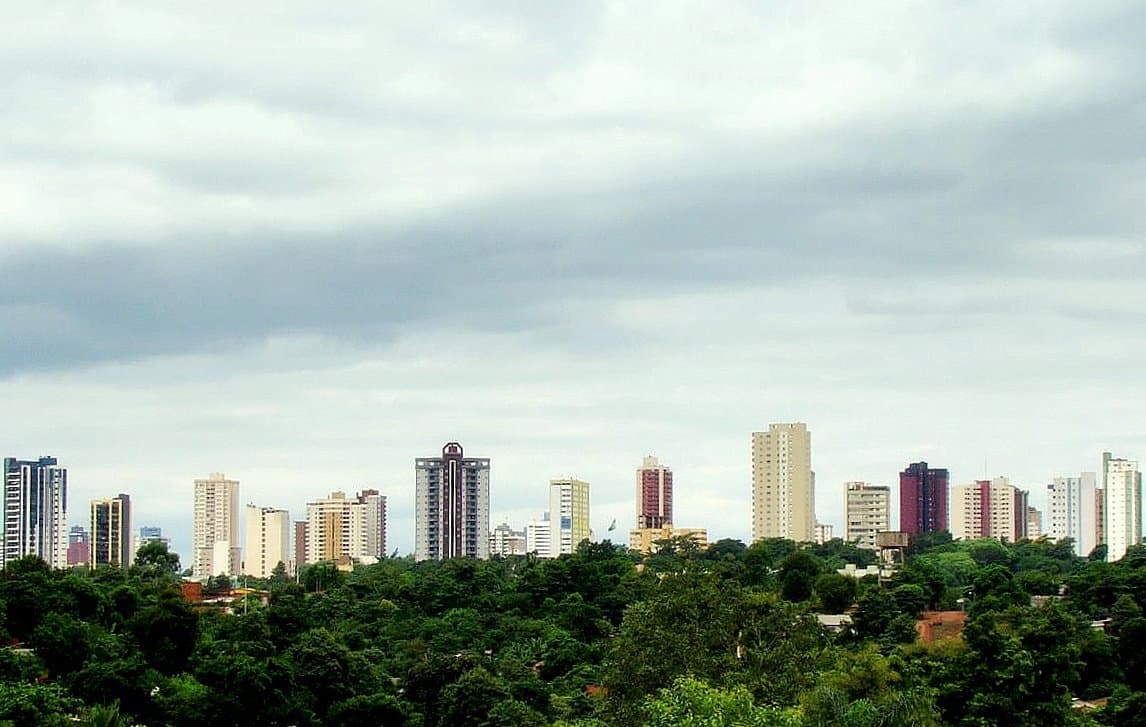
Brazil · OVR 67
reliable eating scene · reliable wifi, decent English

Cambodia · OVR 70
nomad-ready infrastructure · reliable eating scene

Mexico · OVR 70
strong food culture · evening buzz