
Lagos
THE QUICK VERDICT
By Anthony · Updated June 2026
Choose Lagos if you want Africa's biggest, loudest city — Victoria Island nightlife, Lekki Conservation Centre canopy walk, Nike Art Gallery, Afrobeats at the Shrine, and jollof debates.
- Best for
- Afrobeats at the New Afrika Shrine, Nike Art Gallery, Lekki canopy walk, jollof debates
- Two seasons
- Jul–Aug and Nov–Feb
- Budget anchor
- $150/day mid-range
- Visa first
- No visa-free entry listed — check requirements before booking anything
- Needs care
- Scores below most of the catalog on safety — read that section before you go
- Skip if
- you prioritize safety and cleanliness — petty crime is common and infrastructure strains
Africa's largest city is the continent's cultural powerhouse — Afrobeats, Nollywood, contemporary art, and an unstoppable entrepreneurial energy alongside beaches and legendary nightlife.
The two links below are affiliate links — MapSorted earns a small commission if you book through them, at no extra cost to you. How this works.
Tours & Experiences
Bookable tours, activities, and day trips in Lagos
Where to Stay
Compare hotels and rentals in Lagos
📍 Points of Interest
Nike Art Gallery· 20 km SE
Five-story gallery with 8,000+ Nigerian artworks
Lekki Conservation Centre· 20 km SE
Nature reserve with Africa's longest canopy walkway
New Afrika Shrine
Legendary Afrobeat music venue honoring Fela Kuti
Freedom Park
Cultural garden and performance space on former prison grounds
Lekki Arts & Crafts Market· 16 km SE
Open-air market for Nigerian art and crafts
Cathedral Church of Christ
Historic 1867 Anglican cathedral on the Marina
Tarkwa Bay Beach
Sheltered island beach accessible only by boat
National Museum Lagos
Nigerian history, archaeology, and Benin bronzes
★ Local Picks
Terra Kulture
Cultural center with gallery, theater, and bookshop
Bogobiri House
Boutique guesthouse and live music cultural hub
At a Glance
- Pop.
- 16M (metro)
- Timezone
- Lagos
- Dial
- +234
- Emergency
- 112
Lagos is Africa's largest city by population with over 20 million people, and one of the fastest-growing urban areas on the planet — the energy is unrelenting
Nigeria is Africa's largest economy and top oil producer. Lagos alone accounts for roughly 30% of the country's GDP
Lagos is the undisputed capital of Afrobeats — Fela Kuti invented Afrobeat here, and the city birthed global superstars like Wizkid, Burna Boy, and Davido
Nollywood (Nigeria's film industry, based in Lagos) is the second-largest film industry by volume in the world, producing over 2,500 films annually
The city is built across a lagoon system — Lagos Island, Victoria Island, Ikoyi, and Lekki are all surrounded by water, connected by bridges that define daily life and traffic patterns
Lagos was Nigeria's capital until 1991 when the government moved to Abuja, but it remains the country's economic, cultural, and creative powerhouse
Top Sights
Nike Art Gallery
🏛️A five-story gallery housing one of the largest collections of contemporary Nigerian art. Over 8,000 works across painting, sculpture, textiles, and mixed media. The rooftop terrace offers panoramic views of Lekki. Founded by Chief Nike Davies-Okundaye.
Lekki Conservation Centre
🌿A 78-hectare nature reserve with a 401-meter canopy walkway — the longest in Africa. Monkeys, crocodiles, and tropical birds in a mangrove and savanna habitat. A remarkable pocket of nature within the megacity.
New Afrika Shrine
📌The legendary music venue rebuilt in honor of Fela Kuti, the father of Afrobeat. Live music every Sunday night (Felabration Sundays) with Femi and Seun Kuti regularly performing. Raw, electric, and utterly essential.
Freedom Park
📌A beautifully landscaped cultural space built on the grounds of the old Broad Street Prison. Live music, art exhibitions, open-air theater, and a relaxing garden in the heart of Lagos Island. Free entry.
Lekki Market (Lekki Arts & Crafts Market)
🏪A sprawling open-air market where vendors sell wood carvings, bronze sculptures, leather goods, beaded jewelry, and African fabrics. Bargaining is expected and part of the fun.
Cathedral Church of Christ (CMS)
🗼An imposing Anglican cathedral on Lagos Island, dating to 1867. The striking white exterior and twin towers are a landmark of the Marina waterfront. Rich history of colonial and post-colonial Lagos.
Tarkwa Bay Beach
🌿A sheltered beach on an island accessible only by boat from the Marina or Lekki. Calm waters, white sand, and a relaxed vibe far from the chaos of the mainland. Popular on weekends.
National Museum Lagos
🏛️Houses archaeological finds, Benin bronzes (replicas), traditional crafts, and historical artifacts from pre-colonial to modern Nigeria. The gallery of Benin Kingdom art is particularly impressive.
Entry Requirements
Nigeria requires visas for most nationalities. The e-visa system has simplified the process, but planning ahead is essential. ECOWAS member state citizens can enter visa-free. Yellow fever vaccination is required.
Entry Requirements by Nationality
| Nationality | Visa Required | Max Stay | Notes |
|---|---|---|---|
| US Citizens | Yes | 30-90 days | E-visa available at portal.immigration.gov.ng ($160 for tourist visa). Processing takes 2-10 business days. Invitation letter from a Nigerian contact may be required. |
| UK Citizens | Yes | 30-90 days | E-visa or visa from Nigerian High Commission in London. Similar requirements and fees as US citizens. |
| EU Citizens | Yes | 30-90 days | E-visa available. Processing times vary. Proof of accommodation and return ticket typically required. |
| Canadian Citizens | Yes | 30-90 days | E-visa available online. Allow at least 2 weeks for processing. |
| Ghanaian Citizens | Visa-free | 90 days | Visa-free under ECOWAS freedom of movement. Valid passport or ECOWAS travel certificate required. |
| South African Citizens | Visa-free | 30 days | Visa-free for stays up to 30 days under bilateral agreement. Must have valid passport. |
Visa-Free Entry
Visa on Arrival
Tips
- •Apply for the e-visa at least 2-3 weeks before travel — processing times are unpredictable and can be delayed
- •Yellow fever vaccination certificate is MANDATORY — you will be denied boarding without it
- •Passport must be valid for at least 6 months with at least 2 blank pages
- •You may need a letter of invitation from a Nigerian host or hotel — organize this in advance
- •Immigration at Murtala Muhammed Airport can be slow — be patient and have all documents printed and ready
- •Keep a photocopy of your passport and visa separate from the originals
- •Register with your embassy before traveling to Nigeria for emergency support if needed
- •Carry proof of accommodation, return ticket, and sufficient funds — immigration officers may ask
Safety Breakdown
Exercise Caution
out of 100
Lagos requires heightened awareness compared to many travel destinations. Violent crime targeting tourists is uncommon, but petty crime, scams, and armed robbery occur. Traffic is a genuine safety concern — car accidents are common. Stick to well-known neighborhoods (Victoria Island, Ikoyi, Lekki), use trusted transport, and follow local advice. Lagos rewards those who prepare.
Things to Know
- •Stick to Victoria Island, Ikoyi, and Lekki for accommodation and nightlife — these are the safest and best-connected neighborhoods for visitors
- •Use Uber or Bolt exclusively for transport — avoid unlicensed taxis and okada (motorcycle taxis) in unfamiliar areas
- •Avoid carrying large amounts of cash or wearing flashy jewelry, especially on Lagos Island and in markets
- •Keep car windows up and doors locked in traffic — "area boys" may approach vehicles at intersections
- •Avoid walking alone at night in any neighborhood — even in Victoria Island, take a car for short distances after dark
- •Be cautious of "Yahoo boys" (advance-fee scammers) — never share financial details with strangers, however charming
- •Traffic flooding during rainy season can strand you for hours — plan trips with buffer time and avoid low-lying routes
Natural Hazards
Emergency Numbers
Police Emergency
112
Lagos State Emergency
767
LASEMA (Emergency Management)
112 or 767
Fire Service
01-7944929
Climate & Best Time to Go
Lagos has a tropical wet and dry climate. It is hot and humid year-round with temperatures rarely dropping below 23°C. There are two rainy seasons: a major one from April to July and a shorter one in September-October, separated by a brief dry spell in August. The dry season (November-March) brings the dusty Harmattan winds from the Sahara.
Dry Season / Harmattan
November - March73-91°F
23-33°C
The driest period. December-January brings the Harmattan — a dry, dusty wind from the Sahara that reduces humidity and visibility. Mornings can be hazy. This is the most comfortable time for visitors despite the occasional dust.
Major Rainy Season
April - July75-88°F
24-31°C
Heavy rains arrive, particularly in June-July. Afternoon and evening downpours can cause severe flooding in low-lying areas. High humidity. Roads become waterlogged. The city keeps functioning but plan around the rain.
August Break
August73-84°F
23-29°C
A brief dry interlude between the two rainy seasons. Slightly cooler temperatures and reduced rainfall. A surprisingly pleasant window if you happen to visit.
Short Rainy Season
September - October73-88°F
23-31°C
A second, shorter rainy period. Rain is less intense than the main season but flooding remains a risk. Humidity is high. The rains taper off by late October.
Best Time to Visit
November to February (dry season) is the best time to visit Lagos. The Harmattan brings drier, slightly cooler conditions and reduces humidity. This period also hosts Lagos's biggest cultural events. Avoid June-July when heavy rains cause severe flooding across the city.
Dry Season / Harmattan (November - March)
Crowds: High — peak season for tourism and events, especially DecemberThe driest and most comfortable period. December-January brings dusty Harmattan winds but also lower humidity. Major cultural events including Art X Lagos and Felabration fall in this period. The best time for visitors.
Pros
- + Lowest humidity and most comfortable temperatures
- + Major cultural events and festivals
- + Beach weather
- + Less flooding and easier transit
Cons
- − Harmattan dust can affect air quality and visibility
- − Higher hotel prices during event season
- − December holiday traffic is extreme
- − Dusty haze reduces views
Rainy Season (April - July)
Crowds: Low — fewer visitors, lower pricesHeavy rains, high humidity, and regular flooding. June-July are the worst months with daily downpours that can strand you in traffic for hours. The city keeps moving but conditions are challenging.
Pros
- + Lower accommodation prices
- + Fewer tourists
- + Green landscapes
- + Some cultural events continue
Cons
- − Severe flooding disrupts transportation
- − High humidity and heat
- − Roads become impassable after heavy rain
- − Power outages increase
Short Dry Break & Second Rains (August - October)
Crowds: Moderate — transitional period with variable conditionsAugust offers a brief respite from rain, followed by lighter rains in September-October. Conditions gradually improve through October as the dry season approaches.
Pros
- + August break offers pleasant weather
- + Prices still lower than peak season
- + October transition to dry season
- + Some events resume
Cons
- − September-October rain still possible
- − Humidity remains high
- − Road conditions variable
- − Fewer events than December period
🎉 Festivals & Events
Felabration
OctoberA week-long festival celebrating the life and music of Fela Kuti, centered at the New Afrika Shrine. Afrobeat, jazz, and contemporary African music performances day and night.
Art X Lagos
NovemberWest Africa's leading contemporary art fair, showcasing galleries from across Africa and the diaspora. Held at the Civic Centre on Victoria Island.
Lagos Fashion Week
October-NovemberNigeria's premier fashion event showcasing African designers, with runway shows, pop-up shops, and industry networking across the city.
Eyo Festival
Varies (traditional occasions)A spectacular Yoruba masquerade festival where white-robed "Eyo" figures parade through Lagos Island. Occurs only on significant traditional occasions — rare and unforgettable if you catch it.
Off the Beaten Path
Suya Spots on Allen Avenue
After dark, Allen Avenue in Ikeja transforms into an open-air suya capital. Vendors grill seasoned beef, ram, and chicken over charcoal, wrapping it in newspaper with sliced onions and tomatoes. The air is thick with smoke and spice.
This is Lagos nightlife at its most authentic. Lagosians of all backgrounds gather around the smoky grills, eating with their hands, debating football, and ordering "extra pepper." No restaurant can replicate this atmosphere.
Terra Kulture
A cultural center combining an art gallery, theater, bookshop, and restaurant. Regular theater performances, art exhibitions, and book readings. The restaurant serves excellent Nigerian cuisine.
This is where Lagos's creative class converges. On any given evening you might catch a Wole Soyinka reading, a contemporary art opening, or a live theater production — all in one intimate space.
Makoko Floating Community
An extraordinary waterfront settlement of homes, schools, and churches built on stilts over the Lagos lagoon. Often called "the Venice of Africa." Best visited with a local guide who can arrange a respectful canoe tour.
Makoko offers a rare window into the resilience and ingenuity of Lagos's communities. The floating school (designed by NLÉ architects) became a global architectural icon. Always visit with a community-approved guide.
Bogobiri House
A boutique guesthouse and cultural hub in Ikoyi that hosts live music, spoken word, art exhibitions, and cultural events. The building itself is covered in murals and art installations.
Bogobiri is the heartbeat of Lagos's alternative culture scene. Musicians, poets, filmmakers, and artists gather here for spontaneous jam sessions and curated events. Check their weekly schedule for what's on.
Costs & Currency
Where the money goes
USD per dayBackpacker = hostel dorm + street food + public transit. Mid-range = 3-star hotel + neighbourhood restaurants + transit cards. Luxury = 4/5-star + fine dining + taxis. How we calibrate these numbers →
Quick cost estimate
Customize per category →Estimates based on regional averages. Flight prices vary by season and airline.
budget
$30-60
Budget hotel on the mainland, local food (suya, jollof rice), BRT and danfo, free cultural sites and beaches
mid-range
$100-200
Hotel on Victoria Island, restaurant meals, Uber/Bolt transport, guided experiences and nightlife
luxury
$300+
Luxury hotel (Eko Hotels, Four Points), fine dining, private driver, exclusive events and beach clubs
Typical Costs
| Item | Local | USD |
|---|---|---|
| AccommodationBudget hotel (mainland) | NGN 15,000-30,000 | $19-38 |
| AccommodationMid-range hotel (Victoria Island) | NGN 60,000-120,000 | $75-150 |
| AccommodationLuxury hotel | NGN 200,000+ | $250+ |
| FoodJollof rice and chicken (local bukateria) | NGN 1,500-3,000 | $1.90-3.75 |
| FoodSuya (grilled meat, 10 sticks) | NGN 2,000-5,000 | $2.50-6.25 |
| FoodRestaurant meal (Victoria Island) | NGN 8,000-20,000 | $10-25 |
| FoodFine dining | NGN 30,000-80,000 | $37.50-100 |
| FoodStar/Gulder beer (bar) | NGN 800-1,500 | $1-1.90 |
| TransportUber/Bolt across VI | NGN 1,500-4,000 | $1.90-5 |
| TransportUber to Ikeja from VI | NGN 5,000-10,000 | $6.25-12.50 |
| AttractionsNike Art Gallery | Free | Free |
| AttractionsLekki Conservation Centre | NGN 1,000 | $1.25 |
💡 Money-Saving Tips
- •Eat at "bukaterias" (local food spots) for authentic jollof rice, amala, and soups at a fraction of restaurant prices
- •Use the BRT bus or LAGFERRY for transport along covered routes — much cheaper than Uber and often faster
- •Visit Nike Art Gallery (free entry) for world-class Nigerian art without spending a kobo
- •Stay on the mainland (Ikeja, Yaba) for much cheaper accommodation — Uber to Victoria Island when needed
- •Drink Star or Gulder beer at local bars instead of imported drinks at upscale spots
- •Negotiate hard at Lekki Market — start at 30% of the asking price and work up
- •Take the Lagos ferry from Marina to avoid spending hours in bridge traffic — scenic and cheap
Nigerian Naira
Code: NGN
1 USD is approximately 800-1,600 NGN (rates fluctuate significantly due to parallel market dynamics — the official and parallel rates can differ substantially). ATMs are available at banks but often have cash shortages. Bring clean, recent US dollar bills to exchange at bureau de change (BDC) offices. The "black market" rate is commonly used but carries risks.
Payment Methods
Cash (Naira) is essential for markets, street food, and small businesses. Bank transfers via apps (Opay, PalmPay, or bank apps) are widely used by locals and increasingly accepted at shops and restaurants. International credit/debit cards work at upscale hotels, malls, and restaurants but are not widely accepted. ATMs frequently run out of cash — withdraw extra when you can. US dollars are the easiest foreign currency to exchange.
Tipping Guide
5-10% for good service. Many upscale restaurants add a service charge. Check the bill first.
NGN 500-2,000 ($0.60-2.50) for porters. NGN 1,000-3,000 ($1.25-3.75) per day for housekeeping at upscale hotels.
Not expected but rounding up or adding NGN 200-500 is appreciated, especially for long trips or airport runs.
NGN 3,000-10,000 ($3.75-12.50) per day depending on the experience.
If someone helps you navigate a market or carries goods, NGN 500-1,000 ($0.60-1.25) is appropriate.
How to Get There
✈️ Airports
Murtala Muhammed International Airport(LOS)
22 km north of Victoria IslandUber/Bolt to Victoria Island costs NGN 4,000-10,000 (~$5-13) and takes 30-90 minutes depending on traffic (rush hour can be much longer). There is no reliable public transit from the airport. Some hotels offer airport transfers — arrange in advance. Avoid unlicensed taxi touts aggressively soliciting in the arrivals hall.
✈️ Search flights to LOS🚆 Rail Stations
Lagos Blue Line Rail (Marina to Mile 2)
Marina Station is central Lagos IslandLagos's first urban rail line connecting Marina on Lagos Island to Mile 2. An elevated rail that bypasses road traffic. Extensions planned to Okokomaiko. A new and welcome addition to the city's transit.
🚌 Bus Terminals
Jibowu / Oshodi Transport Interchange
Long-distance buses depart from Jibowu and the massive Oshodi Transport Interchange to destinations across Nigeria. Companies like ABC Transport, GIG Motors (God Is Good), and Chisco offer comfortable coaches to Abuja (10-12h, NGN 8,000-15,000), Benin City (5h), and Ibadan (2h). Book online when possible.
Getting Around
Lagos traffic is legendary — the "go-slow" (traffic jam) is a defining feature of city life. Getting around requires patience and planning. Ride-hailing apps (Uber, Bolt) are the best option for visitors. The BRT bus system covers major corridors. Water taxis (Lagos Ferry Services) are an underused gem that bypasses road congestion entirely.
Uber / Bolt
NGN 1,500-8,000 (~$2-10) for most tripsBoth ride-hailing apps work well in Lagos, particularly on Victoria Island, Ikoyi, and Lekki. Air-conditioned vehicles with GPS-tracked routes and cashless payment. The safest and most reliable option for visitors.
Best for: All travel — strongly recommended for visitors, especially at night
Lagos Ferry Services (LAGFERRY)
NGN 300-1,500 (~$0.40-2) per tripGovernment-operated ferries connecting terminals at Marina, Ikorodu, Badore, and Ebute Ero. A brilliant way to bypass traffic and see the city from the water. Clean, safe, and scenic.
Best for: Commuting between Lagos Island and the mainland — avoids the notorious Third Mainland Bridge traffic
BRT (Bus Rapid Transit)
NGN 200-700 (~$0.25-0.90)Red BRT buses run on dedicated lanes along major corridors (Mile 2 to CMS, Ikorodu to TBS). Air-conditioned with scheduled stops. Use a Cowry Card for contactless payment.
Best for: Budget travel along BRT corridors — the Ikorodu to CMS route is efficient
Danfo (Yellow Minibuses)
NGN 100-500 (~$0.12-0.65)The iconic yellow minibuses that form the backbone of Lagos public transit. Cheap but chaotic — no fixed schedules, erratic driving, and crowded conditions. Routes are shouted by conductors.
Best for: Adventurous budget travelers only — not recommended for first-time visitors
Walkability
Lagos is not a walking city. Sidewalks are scarce, traffic is dangerous for pedestrians, and distances are vast. Walking is feasible only within specific neighborhoods — the Marina area of Lagos Island, parts of Victoria Island around Adeola Odeku, and Lekki Phase 1. Always take a car between neighborhoods.
Travel Connections

Abeokuta
Capital of Ogun State, famous for Olumo Rock — a massive granite outcrop with caves, shrines, and panoramic views. The Adire textile market in Itoku is one of Nigeria's best for traditional indigo-dyed cloth.

Badagry
A historic coastal town that was a major point of departure for the transatlantic slave trade. The Point of No Return, Slave Museum, and Heritage Museum tell the story. Quiet beaches and coconut plantations provide contrast.
Accra
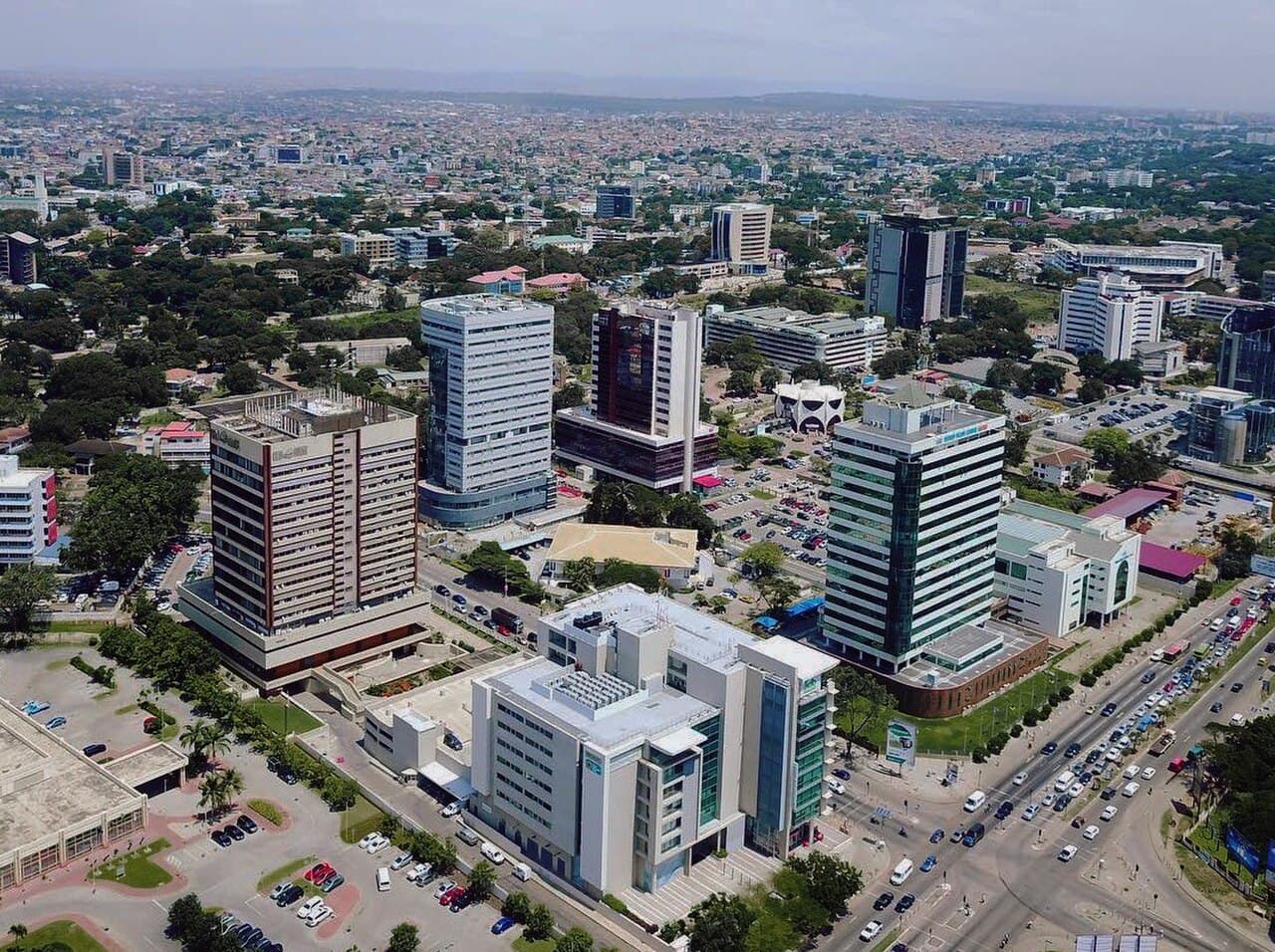
Ghana's capital and a rival West African cultural hub. More laid-back than Lagos, with a thriving arts scene, excellent beaches, and powerful slave trade history at Cape Coast Castle.

Addis Ababa
Ethiopia's highland capital and the diplomatic hub of Africa. Home to the AU headquarters, ancient coffee culture, and the famous Lucy fossil. A completely different side of Africa.

Cape Town
South Africa's stunning coastal city beneath Table Mountain. World-class wine regions, penguin colonies, the Cape of Good Hope, and a vibrant culinary scene.
Shopping
Lagos is West Africa's fashion and retail capital. From chaotic mainland markets selling everything under the sun to high-end boutiques on Victoria Island showcasing Nigerian designers, the city offers extraordinary range. Ankara fabric, aso oke textiles, and contemporary Nigerian fashion are standout purchases.
Lekki Arts & Crafts Market
craft marketA large open-air market with hundreds of stalls selling woodcarvings, bronze sculptures, leather goods, beaded jewelry, drums, masks, and paintings from across Nigeria and West Africa. Bargaining is essential.
Known for: Benin-style bronze sculptures, Yoruba wood carvings, beaded jewelry, leather goods
Balogun Market
traditional marketLagos Island's sprawling mega-market — one of the largest in West Africa. Multiple buildings and streets covering textiles, electronics, household goods, and more. Overwhelming but exhilarating.
Known for: Ankara and lace fabrics, aso oke cloth, wholesale textiles, and affordable goods of every description
The Palms Shopping Centre
modern mallLagos's premier shopping mall in Lekki with international and Nigerian brands, a cinema, supermarket (Shoprite), and food court. Air-conditioned refuge from the heat.
Known for: International brands, Nigerian designers, Shoprite supermarket, entertainment
Alara Lagos
concept storeA striking concept store by Reni Folawiyo showcasing contemporary African fashion, art, and design. The David Adjaye-designed building is an architectural statement. High-end Nigerian and African designer labels.
Known for: Contemporary Nigerian fashion, African luxury designers, art exhibitions, the building itself
🎁 Unique Souvenirs to Look For
- •Ankara fabric — vibrant wax-print cotton in bold African patterns, sold by the yard for custom tailoring
- •Aso oke cloth — handwoven Yoruba ceremonial fabric in rich colors, used for traditional occasions
- •Adire (indigo-dyed cloth) — traditional Yoruba resist-dye textiles with intricate patterns
- •Bronze sculptures — Benin Kingdom-style bronze heads and figures from Lekki Market artisans
- •Agbada or buba and sokoto — have a traditional Yoruba outfit tailored in 2-3 days
- •Nigerian contemporary art — Lagos has a booming art scene with emerging artists at Nike Gallery
- •Shea butter and black soap — natural skincare products from northern Nigeria
- •Palm wine and Nigerian craft beer — local beverages for a taste of Lagos
Language & Phrases
English is Nigeria's official language and is widely spoken in Lagos, especially in business and education. However, Nigerian Pidgin English is the street lingua franca — a vibrant creole that blends English with Yoruba and other local languages. Yoruba is the dominant indigenous language. Speaking a few Pidgin phrases will instantly connect you with Lagosians.
| English | Translation | Pronunciation |
|---|---|---|
| Hello / How are you? | How far? (Pidgin) | how FAH? |
| I'm fine | I dey okay (Pidgin) | eye DAY oh-KAY |
| Thank you | E se (Yoruba) / Thank you well well (Pidgin) | eh SHAY / thank you WELL WELL |
| How much? | How much? (Pidgin) / E lo melo? (Yoruba) | how much? / eh loh MEH-loh? |
| It's too expensive | E too cost! (Pidgin) | eh too KOST! |
| Please | Abeg (Pidgin) / E jo (Yoruba) | ah-BEG / eh JOH |
| No problem / It's all good | No wahala (Pidgin) | no wah-HAH-lah |
| Let's go | Make we go (Pidgin) | make weh GO |
| The food is delicious | This food sweet! (Pidgin) | dis food SWEET! |
| I don't understand | I no understand (Pidgin) | eye no un-deh-STAND |
| Good morning | E kaaro (Yoruba) | eh KAH-roh |
| Well done / Great job | Well done o! (Pidgin) | well done OH! |
If you like Lagos, you'll love…
4 cities with a similar vibe, outside of the same country.


