
Zanzibar
THE QUICK VERDICT
By Anthony · Updated June 2026
Choose Zanzibar if you want Stone Town's spice-route history, white-sand Nungwi beaches, dhow sails, Prison Island tortoises, and Swahili-Arab food fusion.
- Best for
- sundowner dhows off Kendwa, Jozani red colobus monkeys, Kizimkazi dolphin swims, spice farm tours
- Two seasons
- Jun–Sep and Dec–Feb
- Budget anchor
- $115/day mid-range
- No real seasons
- Within 4°C year-round — timing is about rain, not temperature
- Worth a look
- pair an island week with mainland Serengeti for half the cost of two separate Africa trips
Zanzibar is an Indian Ocean paradise with a rich cultural tapestry — Stone Town's labyrinthine alleys blend Arab, Persian, Indian, and African influences, while the east coast beaches offer powdery white sand and turquoise waters. The spice island lives up to its name with aromatic plantations, and the seafood is extraordinary.
The two links below are affiliate links — MapSorted earns a small commission if you book through them, at no extra cost to you. How this works.
Tours & Experiences
Bookable tours, activities, and day trips in Zanzibar
Where to Stay
Compare hotels and rentals in Zanzibar
📍 Points of Interest
Stone Town
UNESCO-listed historic quarter with Swahili-Arab architecture
Nungwi Beach· 50 km N
Powdery white sand beach on the northern tip
Jozani Forest· 27 km SE
National park home to rare red colobus monkeys
Prison Island
Island sanctuary with giant Aldabra tortoises
Forodhani Gardens
Waterfront night food market in Stone Town
The Rock Restaurant· 37 km E
Iconic ocean-perched restaurant off Pingwe beach
Mnemba Atoll· 43 km NE
Pristine coral atoll with world-class snorkeling
★ Local Picks
Mtoni Palace Ruins
Atmospheric ruins of the Sultan's first palace
Darajani Market
Bustling local market with fish auctions and spices
Matemwe Village· 40 km NE
Quiet fishing village with seaweed farms and local life
At a Glance
- Pop.
- 1.9M (archipelago)
- Timezone
- Dar es_Salaam
- Dial
- +255
- Emergency
- 112
Zanzibar is a semi-autonomous archipelago off the coast of Tanzania, historically known as the "Spice Islands"
Stone Town is a UNESCO World Heritage Site with a labyrinth of narrow alleys, carved doorways, and centuries of Swahili, Arab, Persian, and Indian influence
Zanzibar was once the world's largest producer of cloves, and spice farming remains central to the island's economy and culture
The island was a major hub of the East African slave trade until the British forced the Sultan to close the markets in 1873
Freddie Mercury (born Farrokh Bulsara) was born in Stone Town in 1946 — his childhood home is now a small museum
Zanzibar is approximately 90% Muslim, making it culturally distinct from mainland Tanzania. Modest dress is appreciated outside beach areas
Top Sights
Stone Town
🏘️The historic heart of Zanzibar City, a UNESCO-listed maze of narrow streets lined with grand Arab houses, ornately carved wooden doors, bustling bazaars, and rooftop restaurants overlooking the Indian Ocean.
Nungwi Beach
🏖️The most popular beach on the northern tip of the island, with powdery white sand, turquoise water, and minimal tidal variation compared to the east coast. Dhow boat sunset cruises depart from here.
Jozani Chwaka Bay National Park
🌿The island's only national park, home to the rare red colobus monkey found nowhere else on Earth. Boardwalk trails wind through mangrove forests and coral rag jungle.
Prison Island (Changuu)
🌿A small island a short boat ride from Stone Town, originally intended as a prison but never used as one. Now home to a colony of giant Aldabra tortoises, some over 100 years old.
Spice Farms
📌Guided tours through working spice plantations where you can smell, taste, and identify cloves, nutmeg, cinnamon, vanilla, lemongrass, and dozens of other spices growing in their natural state.
Forodhani Gardens Night Market
🏪A nightly outdoor food market on the Stone Town waterfront where vendors grill fresh seafood, Zanzibar pizza, sugarcane juice, and local specialties as the sun sets over the ocean.
The Rock Restaurant
🗼An iconic restaurant perched on a rock formation in the ocean off Pingwe beach on the southeast coast. Accessible on foot at low tide or by boat at high tide.
Mnemba Atoll
🌿A pristine coral atoll off the northeast coast with world-class snorkeling and diving. Crystal-clear waters teem with tropical fish, dolphins, and sea turtles.
Climate & Best Time to Go
Zanzibar has a tropical climate with two rainy seasons and two dry seasons. It's warm year-round with temperatures rarely dropping below 24°C. The heavy rains in April-May are the only period to seriously avoid.
Long Dry Season
June - October75-84°F
24-29°C
The coolest and driest period with pleasant trade winds (kusi). July and August are the coolest months. Excellent visibility for diving and snorkeling.
Short Rains
November - December77-90°F
25-32°C
Brief afternoon showers that rarely disrupt plans. The island turns green and lush. A good shoulder season with lower prices and decent weather.
Short Dry Season
January - February77-91°F
25-33°C
Hot and humid with mostly dry conditions. Sea temperatures are at their warmest. A popular time to visit with the northeast monsoon winds.
Long Rains (Masika)
March - May77-88°F
25-31°C
The heaviest rainfall, especially in April. Some hotels and dive shops close. Flooding can occur. Most travelers avoid this period entirely.
Best Time to Visit
June through October (dry season) offers the best weather with warm days, cool breezes, and minimal rain. January and February are also excellent. Avoid the heavy rains of April-May when some businesses close entirely.
Long Dry Season (June - October)
Crowds: High — peak tourist season, especially July-AugustThe most popular time to visit with dry, warm weather and pleasant kusi trade winds. July and August are the coolest months. Perfect for diving and snorkeling with excellent visibility.
Pros
- + Best weather of the year
- + Excellent diving and snorkeling visibility
- + Cool trade winds keep temperatures comfortable
- + Whale shark sightings possible
Cons
- − Highest accommodation prices
- − Popular beaches can feel crowded
- − Book accommodations well in advance
- − Cooler temperatures for swimming
Short Rains (November - December)
Crowds: Moderate — good shoulder seasonBrief afternoon showers that rarely last long. The island is green and lush. A great shoulder season with lower prices and manageable weather.
Pros
- + Lower accommodation prices
- + Lush tropical scenery
- + Fewer tourists
- + Rain usually brief and predictable
Cons
- − Afternoon showers possible daily
- − Humidity increases
- − Some dive sites less accessible
Short Dry Season (January - February)
Crowds: High — second peak seasonHot and mostly sunny with the warmest sea temperatures. A busy period driven by European winter escapees. Kite surfing conditions are excellent on the east coast.
Pros
- + Warm seas perfect for swimming
- + Strong winds for kitesurfing
- + Green landscapes from recent rains
- + Major cultural events and festivals
Cons
- − Very hot and humid
- − Prices nearly as high as peak season
- − Occasional short rain showers
Long Rains / Masika (March - May)
Crowds: Very low — many businesses closeThe heaviest rainfall, particularly in April. Many smaller hotels and dive operators close. The island is quiet and prices drop dramatically.
Pros
- + Dramatically lower prices
- + Very few other tourists
- + Lush, vibrant vegetation
- + Cultural experiences remain authentic
Cons
- − Heavy, prolonged rainfall
- − Many hotels and restaurants close
- − Flooding on some roads
- − Poor diving visibility
- − Mosquitoes more prevalent
🎉 Festivals & Events
Zanzibar International Film Festival (ZIFF)
JulyEast Africa's largest cultural festival combining film screenings, music, dance, and art from across the Swahili coast. Events take place in Stone Town's historic venues.
Mwaka Kogwa (Persian New Year)
JulyA unique four-day festival in the village of Makunduchi celebrating the Shirazi (Persian) New Year with mock fights, dancing, and feasting.
Sauti za Busara (Sounds of Wisdom)
FebruaryA vibrant music festival held at the Old Fort in Stone Town showcasing traditional and contemporary African music from across the continent.
Eid al-Fitr
VariableThe end of Ramadan is celebrated with great fervor across the island with feasts, prayers, and community gatherings. Dates shift annually with the Islamic calendar.
Off the Beaten Path
Mtoni Marine Ruins
The crumbling remains of the Sultan's first palace on Zanzibar, built in the 1820s. The roofless Persian-style bathhouse and overgrown gardens are atmospherically beautiful.
Overlooked by most tourists who visit the more restored palaces in Stone Town. The ruins feel like a secret discovery and there's rarely anyone else there.
Matemwe Village
A quiet fishing village on the northeast coast where the tide goes out hundreds of meters, revealing seaweed farms tended by local women. Life moves at an unhurried, pre-tourism pace.
One of the few east coast villages that hasn't been transformed by resort development. The daily rhythm of fishing and farming remains unchanged.
Darajani Market
Stone Town's main fresh market where locals shop for fish, fruit, spices, and meat. The fish auction in the morning and the spice section are highlights for adventurous visitors.
Most tourists stick to the curated Forodhani night market. Darajani is where real Zanzibari food culture happens — raw, pungent, and full of energy.
Kidichi Persian Baths
Built by Sultan Seyyid Said in 1850 for his Persian wife, these small baths in a spice plantation feature decorative stucco work and a peaceful rural setting.
A fascinating piece of Persian-Omani heritage hidden in the countryside. Most tour groups skip it in favor of the main spice farms.
Sunset Dhow Cruise (local)
Rather than the organized tourist dhow cruises, arrange a ride with local fishermen at Nungwi or Stone Town who take small groups out on traditional wooden dhows at sunset.
A fraction of the cost of organized tours and far more authentic. Fishermen share stories and you sail on a working vessel rather than a tourist boat.
Safety Breakdown
Moderate
out of 100
Zanzibar is generally safe for tourists, but petty crime and theft do occur, particularly in Stone Town. The island is predominantly Muslim, so respectful dress and behavior are important outside of beach resort areas.
Things to Know
- •Dress modestly when walking through Stone Town and villages — cover shoulders and knees as a sign of respect for the local Muslim culture
- •Avoid walking alone in Stone Town's narrow alleys after dark, particularly in poorly lit areas away from the main tourist routes
- •Beware of "papasi" (beach boys) who approach tourists on beaches offering tours, drugs, or services — some are legitimate but many are scams
- •Negotiate prices for everything before committing — taxis, tours, boat trips, and market purchases all require upfront price agreement
- •Do not swim alone or at night. Strong currents exist around the island, and some beaches lack lifeguards
Natural Hazards
Emergency Numbers
Police
112 / 114
Ambulance
114
Fire
114
Mnazi Mmoja Hospital
+255-24-223-1071
Tourist Police (Stone Town)
+255-24-223-3536
Costs & Currency
Where the money goes
USD per dayBackpacker = hostel dorm + street food + public transit. Mid-range = 3-star hotel + neighbourhood restaurants + transit cards. Luxury = 4/5-star + fine dining + taxis. How we calibrate these numbers →
Quick cost estimate
Customize per category →Estimates based on regional averages. Flight prices vary by season and airline.
budget
$30-50
Basic guesthouse, local food stalls, dala-dalas, free beach days, self-guided Stone Town walks
mid-range
$80-150
Boutique hotel, restaurant meals, organized spice tour, snorkeling trip, taxi transfers
luxury
$300+
Luxury beach resort, fine dining, private dhow cruise, scuba diving, spa treatments
Typical Costs
| Item | Local | USD |
|---|---|---|
| AccommodationBudget guesthouse | TZS 30,000-60,000 | $12-24 |
| AccommodationMid-range hotel (double) | TZS 100,000-250,000 | $40-100 |
| AccommodationLuxury beach resort | TZS 500,000+ | $200+ |
| FoodStreet food at Forodhani | TZS 3,000-10,000 | $1.20-4 |
| FoodLocal restaurant meal | TZS 8,000-15,000 | $3.20-6 |
| FoodMid-range restaurant dinner | TZS 25,000-60,000 | $10-24 |
| FoodFresh fruit juice | TZS 2,000-5,000 | $0.80-2 |
| FoodBeer at a bar | TZS 3,000-7,000 | $1.20-2.80 |
| TransportDala-dala ride | TZS 1,000-3,000 | $0.40-1.20 |
| TransportTaxi Stone Town to Nungwi | TZS 40,000-60,000 | $16-24 |
| TransportScooter rental (per day) | TZS 25,000-40,000 | $10-16 |
| AttractionsJozani Forest entry | TZS 18,000 | $7 |
| AttractionsSpice tour (half day) | TZS 25,000-50,000 | $10-20 |
| AttractionsMnemba snorkeling trip | TZS 50,000-100,000 | $20-40 |
💡 Money-Saving Tips
- •Eat at Forodhani Gardens night market where a full seafood meal costs TZS 5,000-10,000 — far cheaper than any restaurant
- •Take dala-dalas instead of taxis to get between Stone Town and beaches for 90% less
- •Stay in Stone Town guesthouses rather than beach resorts for the lowest accommodation costs
- •Negotiate hard on everything — first prices quoted to tourists are typically 3-5x the real price
- •Book spice tours and activities through your guesthouse rather than street touts for better prices and reliability
- •Bring US dollars in cash ($50 and $100 bills) for the best exchange rates and to avoid ATM fees
- •Free activities abound: walking Stone Town, swimming at public beaches, and exploring fishing villages
- •Visit the free public beaches at Nungwi or Kendwa rather than paying resort beach access fees
Tanzanian Shilling
Code: TZS
1 USD is approximately 2,500 TZS (as of early 2026). US dollars are widely accepted for hotels, tours, and taxis (bring $50 and $100 bills dated 2013 or later — older or smaller denominations may be refused). ATMs exist in Stone Town but can run out of cash. Bring sufficient USD as backup.
Payment Methods
Cash is king on Zanzibar. US dollars are preferred for larger purchases (hotels, tours, restaurants). Tanzanian shillings are needed for local markets, dala-dalas, and small shops. Credit cards are accepted at upscale hotels and some restaurants but often with a 3-5% surcharge. Mobile money (M-Pesa) is used by locals but not practical for tourists.
Tipping Guide
A 10% tip is appreciated at restaurants if no service charge is included. At local eateries, rounding up is sufficient.
$5-10 per person per day for guides. Spice tour guides typically expect $5-10 per person.
$5-10 per trip for dhow crews and snorkeling guides.
$1-2 per bag for porters. $2-5 per day for housekeeping at upscale lodges.
No tip expected if the fare was negotiated. For hired drivers on full-day tours, $5-10 is appreciated.
How to Get There
✈️ Airports
Abeid Amani Karume International Airport(ZNZ)
5 km south of Stone TownTaxi to Stone Town takes 10-15 minutes (TZS 15,000-25,000 / ~$6-10). No public bus service to the airport. Most hotels arrange pickup for a fee. Negotiate taxi price firmly before departing.
✈️ Search flights to ZNZ🚌 Bus Terminals
Dala-Dala Stand (Stone Town)
The central departure point for shared minibuses to all major destinations on the island — Nungwi (1.5h, TZS 2,000-3,000), Paje (1h, TZS 2,000), Jozani Forest (45min, TZS 1,500). Departures are frequent but have no fixed schedule.
Travel Connections

Dar es Salaam
Tanzania's largest city and commercial capital. A transit hub for safaris, with its own cultural attractions including the National Museum, Kariakoo Market, and lively street food scene.

Mafia Island
A remote, undeveloped island with a marine park offering some of East Africa's best diving. Whale shark season (October-March) is a major draw. Far quieter than Zanzibar.

Pemba Island
Zanzibar's lesser-known sister island with untouched coral reefs, deep-sea fishing, and virtually no mass tourism. Known for clove production and Swahili ruins.
Serengeti / Ngorongoro (via Arusha)
Combine a Zanzibar beach stay with the world's greatest wildlife spectacle. The Serengeti and Ngorongoro Crater are accessed via Arusha or Kilimanjaro airports.

Kilimanjaro
Africa's highest peak at 5,895 meters. Trek to the summit over 5-9 days through five distinct climate zones. A popular add-on to a Zanzibar beach vacation.
Entry Requirements
Zanzibar is part of Tanzania, so Tanzanian visa rules apply. Most visitors need a visa, which can be obtained as an e-visa before travel or on arrival at the airport. Yellow fever vaccination may be required if arriving from an endemic country.
Entry Requirements by Nationality
| Nationality | Visa Required | Max Stay | Notes |
|---|---|---|---|
| US Citizens | Yes | 90 days | Single-entry visa available on arrival ($50) or apply online via the Tanzania e-visa portal. Multiple-entry visa costs $100. |
| UK Citizens | Yes | 90 days | Visa on arrival or e-visa ($50). Passport must be valid for at least 6 months with at least 2 blank pages. |
| Canadian Citizens | Yes | 90 days | Same process as US citizens. E-visa recommended to avoid potential queues on arrival. |
| EU Citizens | Yes | 90 days | Most EU nationalities can get visa on arrival or e-visa for $50. Some EU countries (e.g., Ireland) may have different arrangements — check before travel. |
| Indian Citizens | Yes | 90 days | Visa required before travel or on arrival ($50). Proof of yellow fever vaccination required if transiting through East African countries. |
| South African Citizens | Visa-free | 90 days | Visa-free entry for South African passport holders for stays up to 90 days. |
Visa on Arrival
Tips
- •Apply for the e-visa at least one week before travel — processing can take 3-5 business days
- •Bring a printed copy of your e-visa approval to present at immigration
- •Yellow fever vaccination certificate is required if arriving from a country with risk of yellow fever transmission (including Kenya)
- •Have proof of accommodation and return/onward travel ready for immigration
- •The infrastructure fee of $50 per person is now included in most hotel bookings — confirm with your accommodation
Shopping
Shopping in Zanzibar revolves around Stone Town's winding alleys, where merchants sell spices, textiles, and Swahili crafts. Bargaining is expected everywhere except in fixed-price boutiques. The best finds are handcrafted items with genuine cultural significance.
Stone Town Alleys & Gizenga Street
traditional bazaarThe narrow streets of Stone Town are lined with shops selling Zanzibari crafts, kangas (colorful wraps), antiques, carved chests, and jewelry. Gizenga Street has the highest concentration of curio shops.
Known for: Tingatinga paintings, carved Zanzibari chests, kangas, and antique brass items
Darajani Market
local marketThe main fresh market selling fish, fruits, spices, and household goods. The spice section is a sensory explosion. Best visited in the morning when it's most active.
Known for: Fresh spices in bulk, dried seaweed, tropical fruits, and an authentic market atmosphere
Memories of Zanzibar
boutique shopA well-curated souvenir shop in Stone Town offering higher-quality crafts, coffee table books, spice sets, and locally designed products at fixed prices.
Known for: Quality souvenirs, packaged spice sets, local artwork, and gift items
Mrembo Spa & Shop
artisan boutiqueA women's cooperative producing handmade soaps, oils, and beauty products using traditional Zanzibari ingredients like coconut, clove, and seaweed.
Known for: Handmade natural beauty products, supporting local women's livelihoods
🎁 Unique Souvenirs to Look For
- •Fresh spices — cloves, vanilla, cinnamon, cardamom, and turmeric from the spice farms
- •Kangas — colorful printed wraps with Swahili proverbs worn by local women
- •Carved Zanzibari doors and doorway reproductions (miniature versions)
- •Tingatinga paintings — vibrant, stylized East African art
- •Zanzibar coffee and spiced tea blends
- •Handmade coconut oil and clove-infused beauty products
- •Woven baskets and palm leaf crafts
- •Antique brass-studded wooden chests (authentic ones are pricey)
Language & Phrases
Swahili (Kiswahili) is the primary language of Zanzibar and originated in the coastal Swahili culture of East Africa. English is widely understood in tourist areas but knowing basic Swahili phrases will open doors and warm hearts.
| English | Translation | Pronunciation |
|---|---|---|
| Hello | Jambo / Habari | JAM-bo / ha-BAH-ree |
| How are you? | Habari yako? | ha-BAH-ree YAH-ko? |
| I'm fine | Nzuri | n-ZOO-ree |
| Thank you (very much) | Asante (sana) | ah-SAHN-teh (SAH-nah) |
| Please | Tafadhali | tah-fah-DAH-lee |
| Yes / No | Ndiyo / Hapana | n-DEE-yo / hah-PAH-nah |
| How much? | Bei gani? | bay GAH-nee? |
| Too expensive | Ghali sana | GAH-lee SAH-nah |
| No problem | Hakuna matata | hah-KOO-nah mah-TAH-tah |
| Goodbye | Kwaheri | kwah-HEH-ree |
| Welcome | Karibu | kah-REE-boo |
| Friend | Rafiki | rah-FEE-kee |
Getting Around
Getting around Zanzibar is an adventure in itself. Options range from shared dala-dala minibuses to hired cars, motorbikes, and bicycle rentals. Stone Town is best explored on foot. No ride-hailing apps operate reliably on the island.
Dala-Dala (Shared Minibus)
TZS 1,000-3,000 (~$0.40-1.20) per rideCrowded shared minibuses connecting Stone Town to villages across the island. Extremely cheap but slow, packed, and without fixed schedules. Routes depart from the dala-dala stand near the market.
Best for: Budget travelers with flexible schedules willing to experience authentic local transport
Private Taxis
TZS 15,000-50,000 (~$6-20) for most trips; Stone Town to Nungwi ~TZS 40,000-60,000Unmetered cars available in Stone Town and at the airport. Always negotiate the fare before getting in. Establish the price clearly — "per person" vs "per car" misunderstandings are common.
Best for: Direct transfers between Stone Town and beaches, airport transfers
Scooter / Motorbike Rental
TZS 25,000-40,000 (~$10-16) per dayAvailable in most tourist areas. Roads outside Stone Town are generally passable but can be rough and sandy. An international driving permit is technically required.
Best for: Independent exploration of the island at your own pace
Dhow / Boat Transfers
TZS 25,000-75,000 (~$10-30) depending on destination and boat typeTraditional wooden dhows and speedboats connect Stone Town to nearby islands like Prison Island, Mnemba, and the sandbanks. Arrange through your hotel or at the waterfront.
Best for: Island hopping, snorkeling trips, and sunset cruises
Hired Car with Driver
TZS 80,000-150,000 (~$32-60) for a full-day tour with driverThe most comfortable way to explore the island. Drivers double as informal guides and know the back roads. Arrange through your hotel or guesthouse.
Best for: Full-day island tours, spice farm visits, and multi-stop itineraries
Walkability
Stone Town is entirely walkable and best experienced on foot — the narrow alleys are too tight for most vehicles. Wear comfortable shoes on the uneven coral stone streets. Outside Stone Town, distances between beaches and attractions require motorized transport.
If you like Zanzibar, you'll love…
4 cities with a similar vibe, outside of the same country.
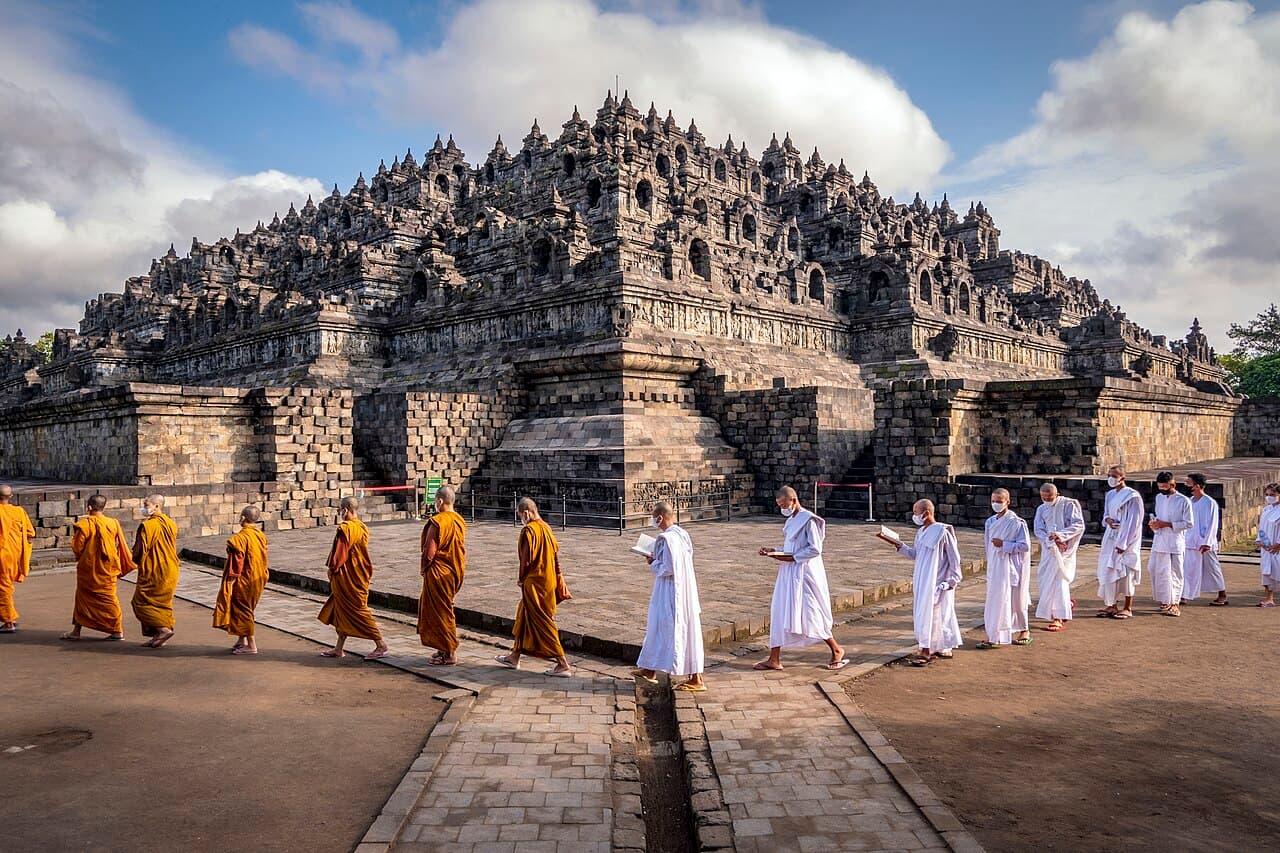
Indonesia · OVR 71
jaw-dropping scenery · strong food culture
.jpg%3Fwidth%3D1280&w=1600&q=75)
Philippines · OVR 70
jaw-dropping scenery · workable for remote days

Indonesia · OVR 69
jaw-dropping scenery · notable historic quarter
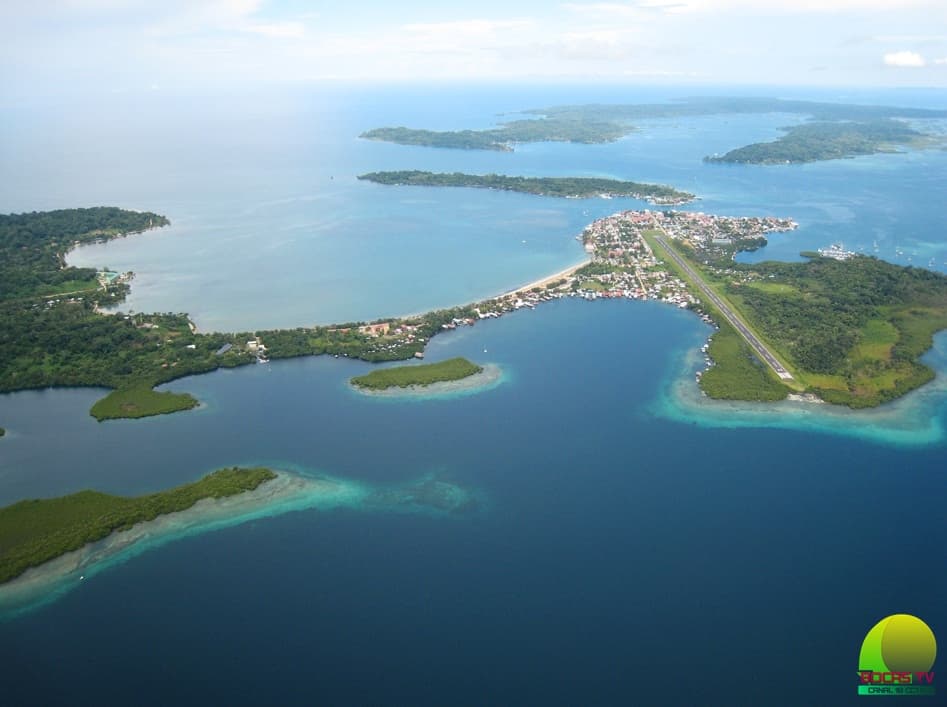
Panama · OVR 69
jaw-dropping scenery · workable for remote days